Pricing pages with a mixed model (112)
The 112 pricing pages here that combine models, usually a base fee plus a per-seat or per-usage charge on top.
Key takeaways
- Offer a trial so people can start before they understand how the price is calculated.
- Show monthly and annual prices, since the yearly discount applies to the fixed part.
- Keep a free plan, because people are put off by a price they can't predict.
Showing 1–24 of 112 pricing pages
What the best pricing pages with a mixed model do
A mixed price has a fixed part and a part that changes, and that's hard to explain on a pricing card. The best pages let people learn it by using the product.
Let people try it free
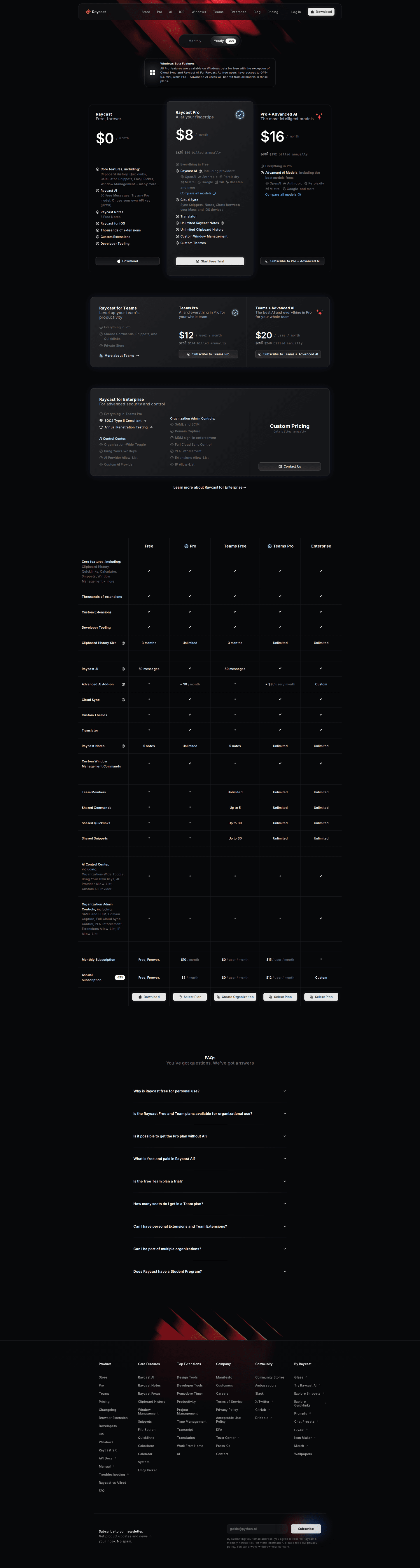
69% of the best pricing pages offer a free trial. A flat price or a seat price fits on one line of a card, but a base fee plus usage takes longer to explain, and trying the product for a week makes it much easier to follow.
Show both billing periods
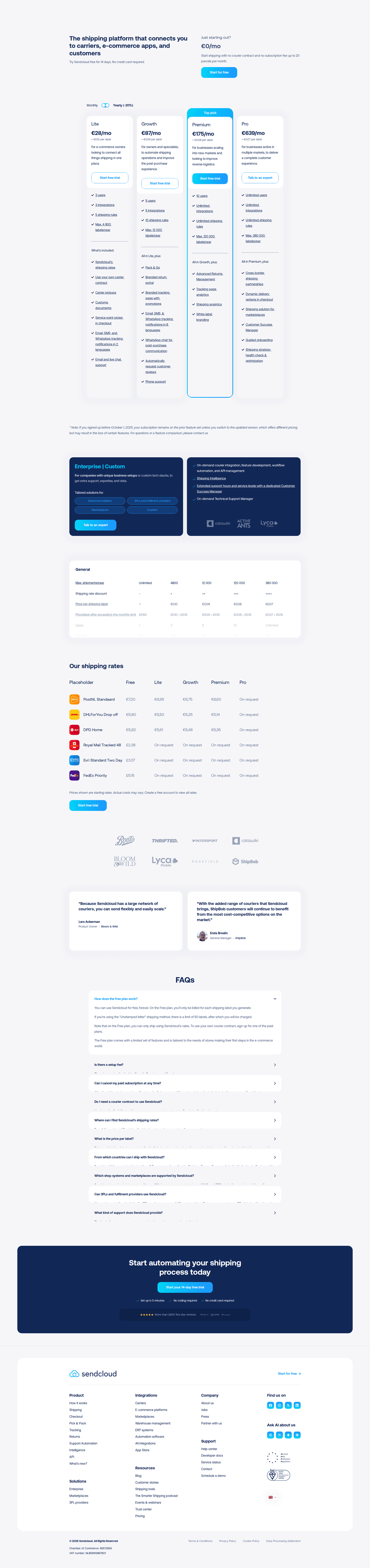
75% of the best pricing pages have a monthly and annual toggle. The yearly discount applies to the fixed base fee, so the toggle also shows visitors which part of the price is fixed and which part changes with use.
Keep a free plan
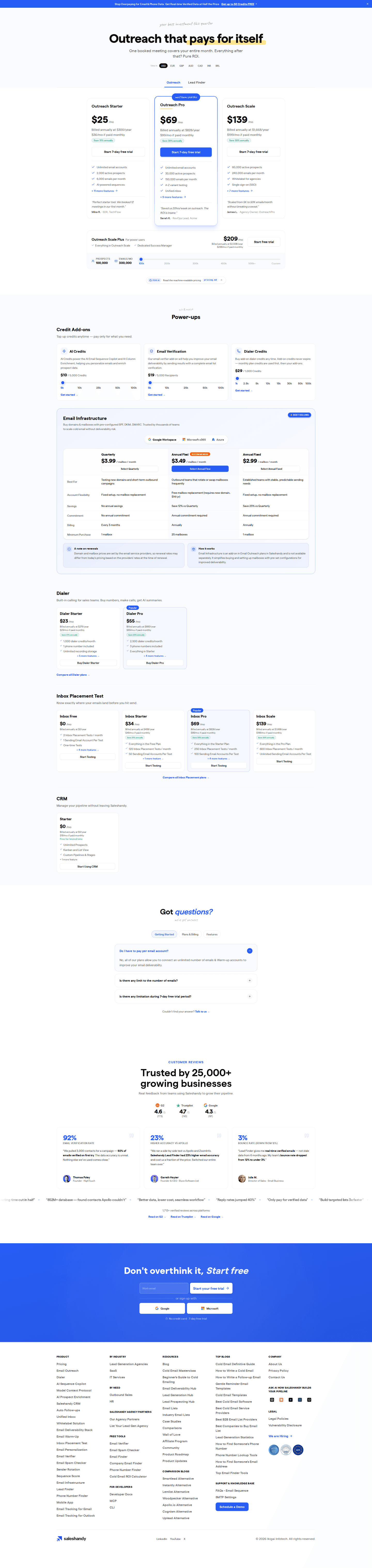
66% of the best pricing pages keep a free plan. The pricing model itself puts people off, because they can't predict what they'll pay, and a lower price doesn't help with that. A free plan lets them start anyway.

Curated by
Gabriel Amzallag , Founder, Web Anatomy
5 years CRO + SEO at Qonto (2021–2025). After advising 15+ SaaS on their websites (Payfit, Pigment…), the same patterns kept breaking, so I decided to build the source of truth on what works on the web: the intelligence layer every tool, builder, and team uses to ship sites that perform.
Go further than pricing pages
MCP
Section ideas, from inside your editor
Ask your coding agent for the strongest sections of a pricing page in your industry. It answers from this benchmark, section by section.
Library
The analysis behind every page here
Each pricing page on this page, section by section, with what works and what does not. Free account.
Browse more pricing pages
Pick another group below, see every pricing page, or browse the sections these pages are built from.
Can anyone predict what your product will cost them?
Paste your pricing page. Get a scored breakdown against the same best practices these pages were measured on, with the fixes ranked by impact. Free, no signup.
Mixed pricing models, answered
What the best pricing pages do with two prices at once, from the 112 here.
What counts as a mixed pricing model?
01A fixed amount plus a charge that changes. Examples are a platform fee with seats on top, a base plan with usage charges above an allowance, or a subscription with a fee per transaction. Many of the pricing pages here work this way.
What is hard about selling a mixed price?
02There's no single number to put on the card. A flat price can just be printed, a seat price gets multiplied and a usage price gets a calculator. A mixed price asks the visitor to follow two rules at once, and most pages only have about one line on the card to explain it.
What do the best mixed-model pages do about it?
03They let people try the product and find out how the pricing works. Most of the best pages here offer a free trial, and many have a free tier. A week of using the product explains the pricing faster than a paragraph can.
Does an annual toggle make sense on a mixed price?
04For the fixed part, yes, and most of the best pages here have one. The base fee is the part a yearly plan can discount. Showing that on the toggle also makes it clear which part of the price is fixed and which part changes, and visitors need to understand that split more than anything else about this kind of pricing.
Should the page show a worked example?
05It's the most useful thing a mixed-model page can add, and most pages skip it. One example customer with real numbers, from the base fee through to the total, explains more than a few paragraphs about how the pricing works.