Free tool page design (68)
A free tool page lets a visitor get a small job done for free, like a calculator or a generator, and shows them the paid product on the way out. Many companies build a whole set, with a page for each tool and a directory that lists them all. See 68 real examples.
Showing 1–24 of 68 free tool pages
How to build a free tool page, by the numbers
The questions a team asks when it builds a free tool, a page for each tool or a directory of them, answered from the 68 here.
What kind of tool?
What the free tool does
- A calculator7 free tool pages
- A generator6 free tool pages
The tools listed in a tools directory
- Generators18 free tool pages
- Calculators9 free tool pages
- Editors6 free tool pages
- Converters5 free tool pages
Generators and calculators lead on both. Pick the shape by what a visitor can hand over in a few seconds, because that's all the input the tool is going to get.
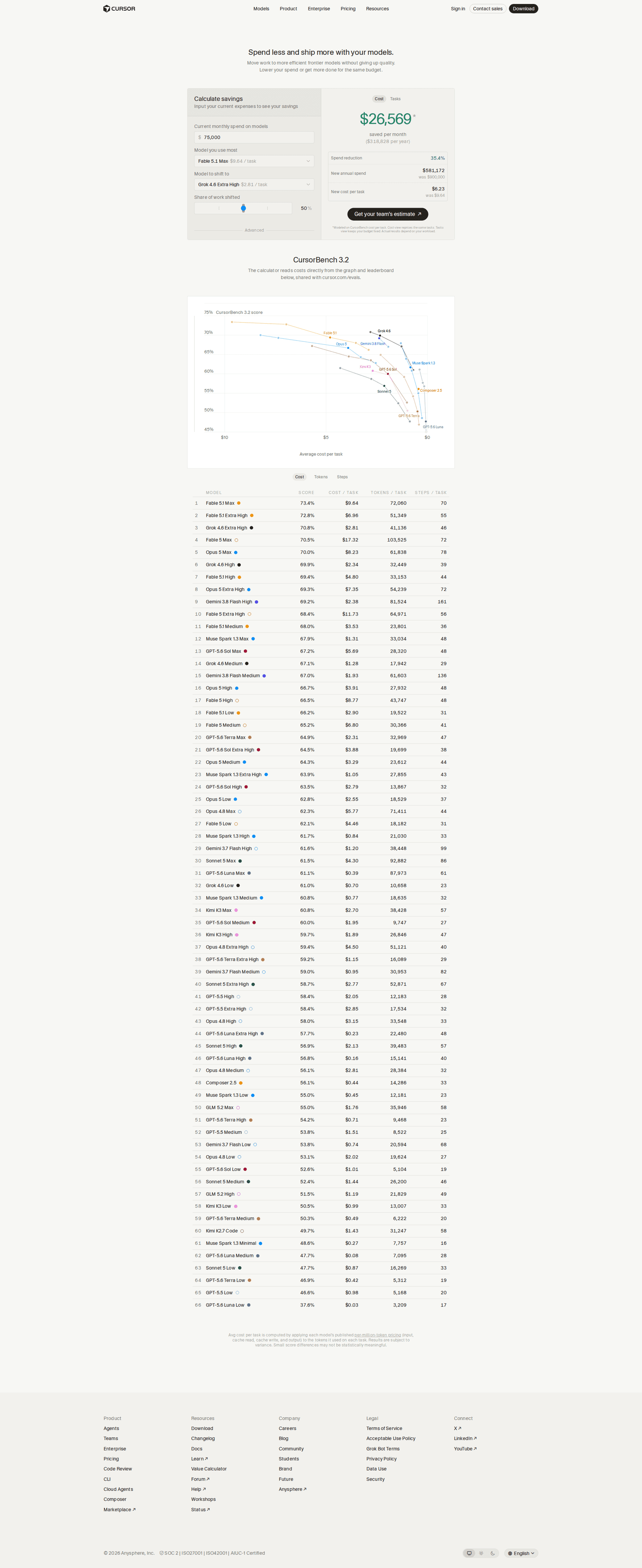
Should the result be gated?
- No gate anywhere on the page on 91%
- 95% run without an account of any kind
- A signup wall before the result on 11%
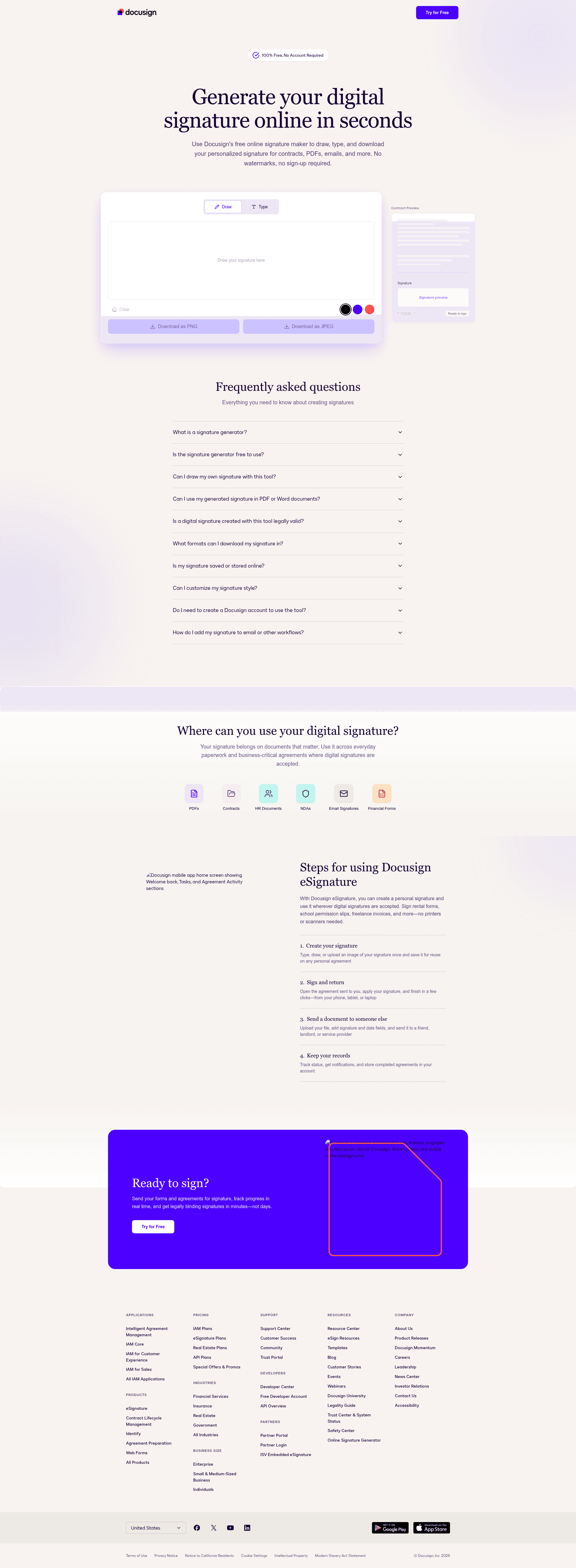
Should the tool work on the page itself?
On a single tool page, the tool itself is embedded right there on 95%.

Does the page show its work?
- A how it works block on 82%
- A sample output on 77%
- Step-by-step instructions on 41% of single tool pages
- The method behind the result stated on 50%
The method is what most of these pages skip. It's also what tells a visitor the number they just got is real.
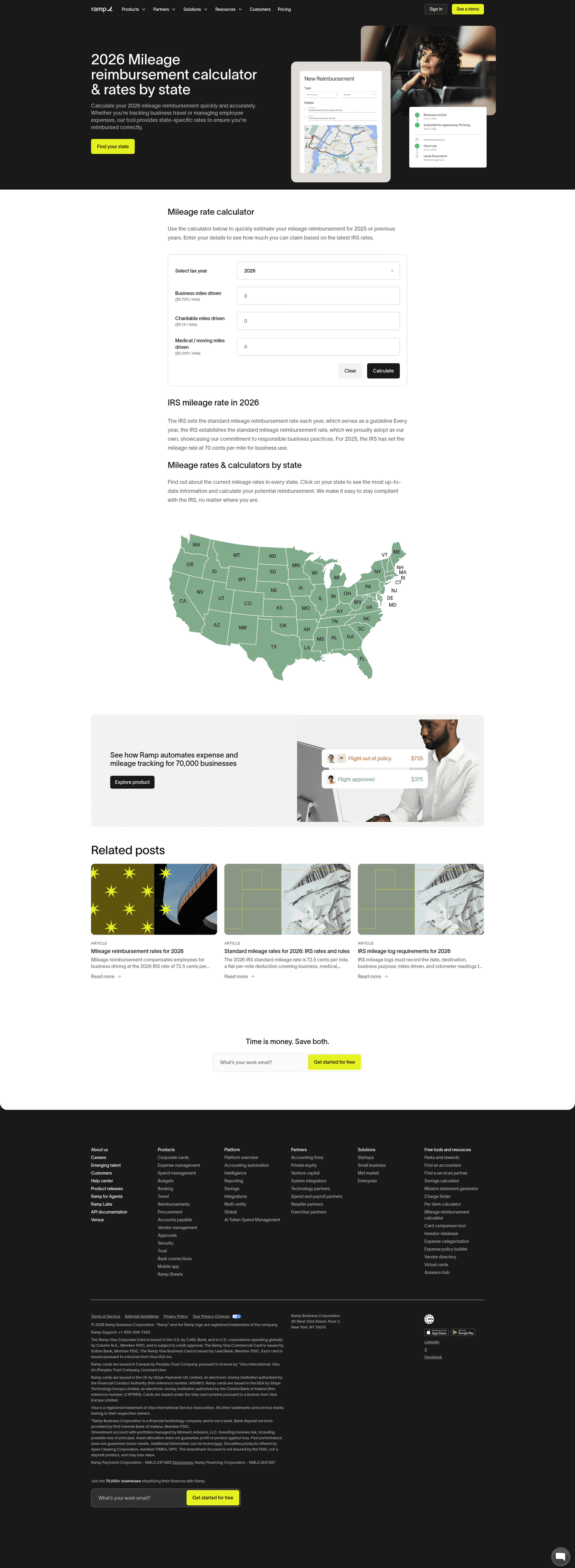

How does the tool sell the paid product?
- A link to the paid product on 86% of free tools
- A call to action in the first screen on 95% of single tool pages

How should one tool lead to the next?
- Links to other tools on 73% of single tool pages
- A link back to all the tools on 59%
- A breadcrumb trail on 50%
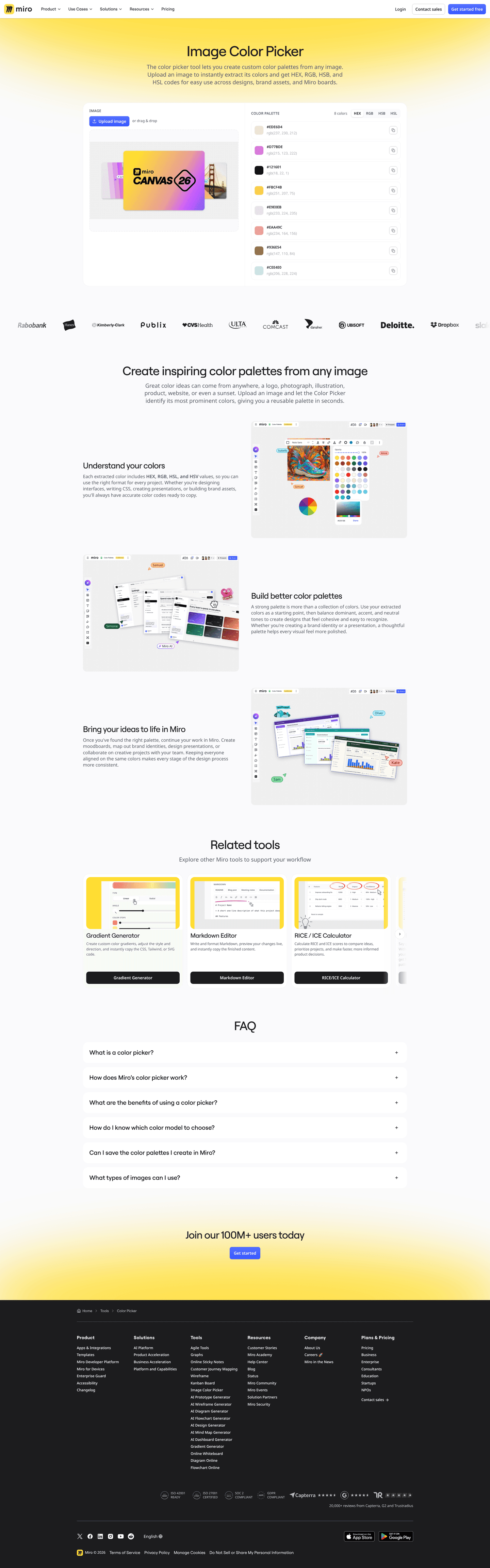
How should a tools directory be organised?
How many tools are in view at once
- A medium grid13 free tool pages
- A few cards in view7 free tool pages
- A short description on every card on 88%
- A picture on every card on 75%
- Tools grouped by category on 29%
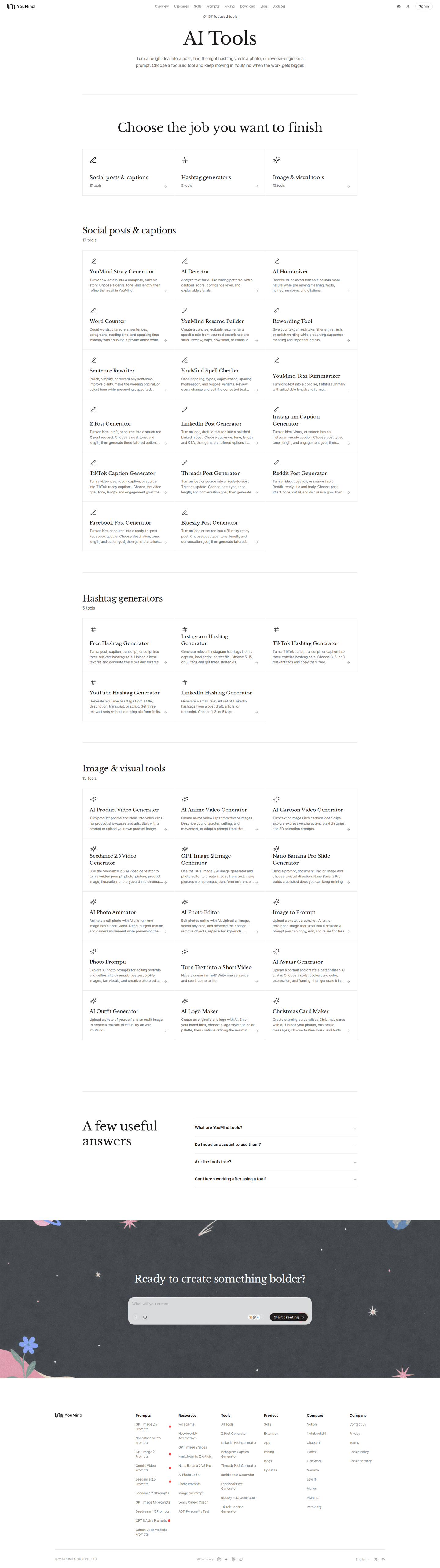
Should a tools directory sell the product?
29% put a product call to action among the tool cards, so the list doesn't end in a dead end.
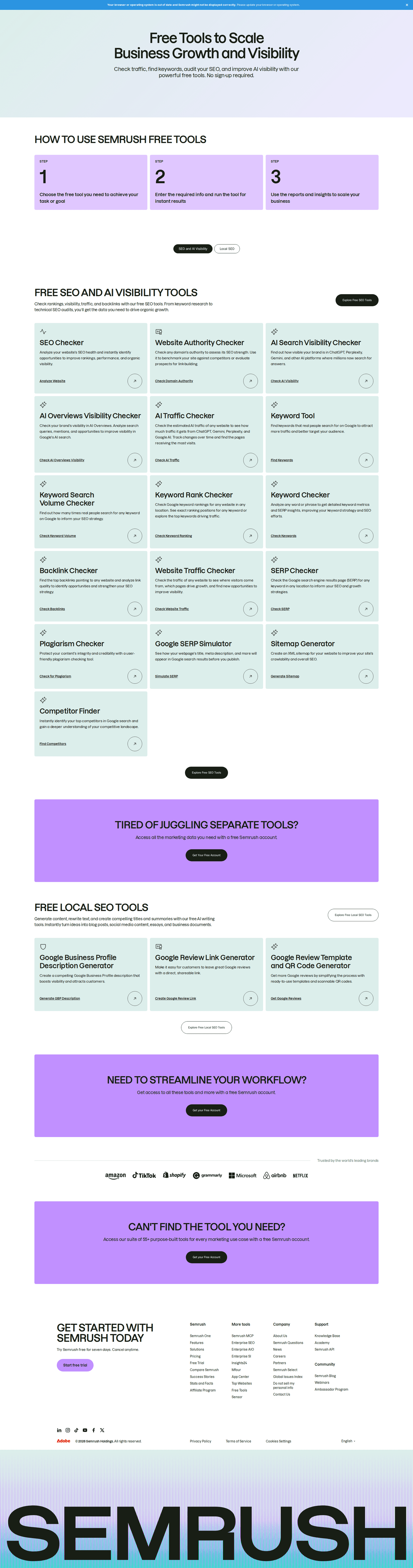
The moves almost nobody makes
Each sits under 15% of the market, with the strongest page that uses it.
A result the visitor can share
9% of free tools give the result its own link, so it can be sent to a colleague or posted somewhere.
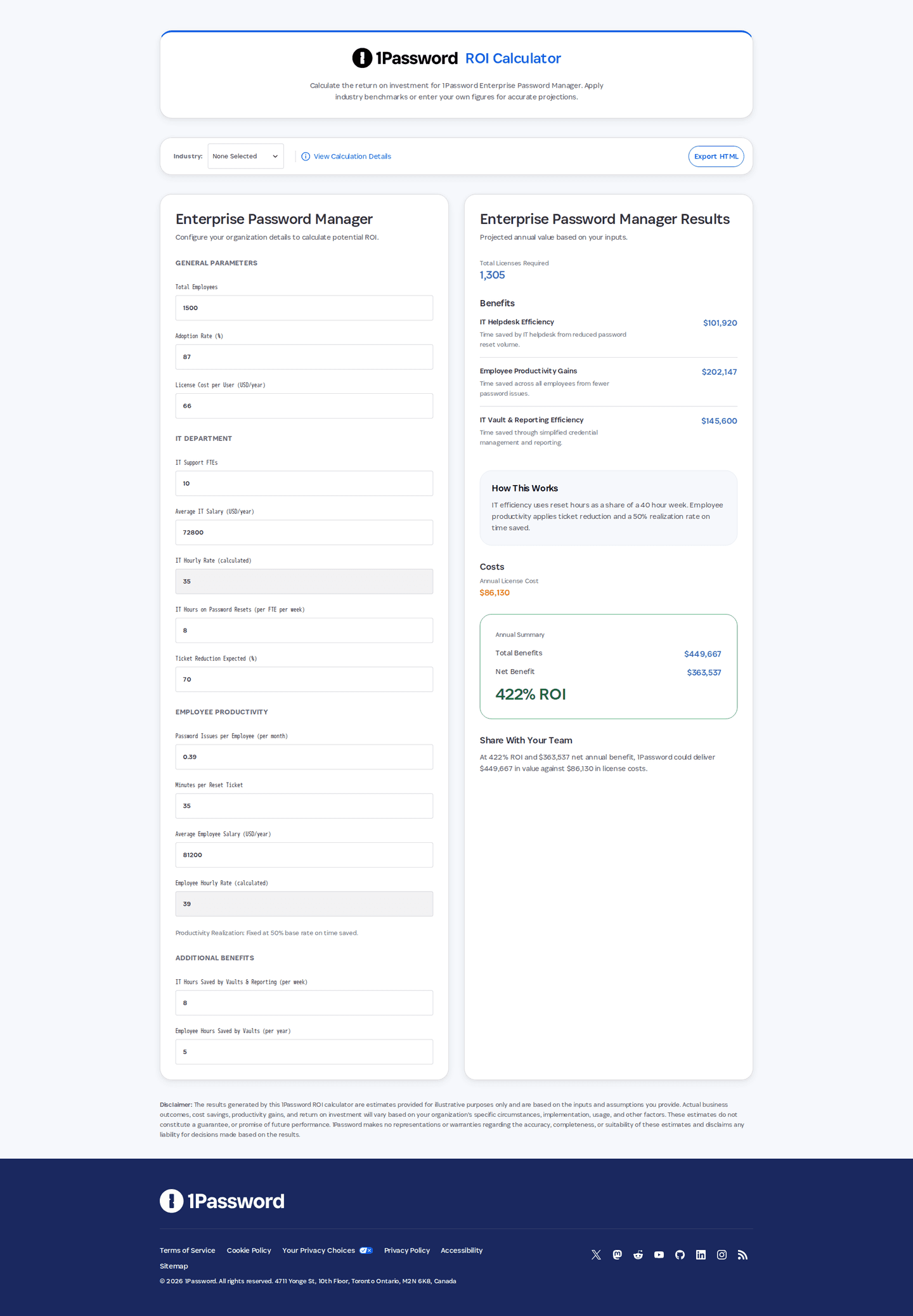
A live preview before the result
14% of single tool pages show what the tool will produce while the visitor is still setting it up.

A featured row in the directory
13% of tools directories pull a few tools out above the rest.

A video on the page
15% embed a video, so a visitor can watch instead of read.


Curated by
Gabriel Amzallag , Founder, Web Anatomy
5 years CRO + SEO at Qonto (2021–2025). After advising 15+ SaaS on their websites (Payfit, Pigment…), the same patterns kept breaking, so I decided to build the source of truth on what works on the web: the intelligence layer every tool, builder, and team uses to ship sites that perform.
Go further than free tool pages
Growth Engine
Your top 3 opportunities for more revenue.
We find every way to grow your website’s visibility and conversions: SEO, AI search (AEO), backlinks and mentions, and UX/UI. 3 free opportunities, delivered by email.
Library
The analysis behind every page here
Each free tool page on this page, section by section, with what works and what does not. Free account.
Didn't find the free tool page you were looking for?
Every other page type has its own gallery. Start from all page types.
- Homepages
- Pricing pages
- About pages
- Contact pages
- Feature pages
- Integrations pages
- Security pages
- Enterprise pages
- Industry pages
- Persona pages
- Why us pages
- Case study pages
- Comparison pages
- Blog pages
- Signup pages
- Webinar pages
- SEO landing pages
- PPC landing pages
- Careers pages
- Login pages
- 404 pages
- AI product pages
- Press pages
- Partner program pages
- Download pages
- Resource libraries
- Developer pages
- Solutions pages
- Template galleries
- Glossary pages
- Startup program pages
- Community pages
- ROI calculators
- Newsletter pages
- Programmatic SEO pages
- Blog posts
- Customer stories pages
- Alternatives pages
- Features overview pages
- Product tours
- Integration pages
- AI agent pages
- Affiliate program pages
- Team pages
- Conference pages
Your top 3 opportunities for more revenue.
We find every way to grow your website’s visibility and conversions: SEO, AI search (AEO), backlinks and mentions, and UX/UI. 3 free opportunities, delivered by email.
Free tool page design, answered
The questions people ask before building a free tool page, answered from 68 real ones.
Should a free tool ask for an email before showing the result?
01Almost never. More than nine in ten of these free tools show the result with no gate at all, and all but one run without an account. On single tool pages it's the same story: fewer than one in ten put a signup wall in front of the result.
What kind of free tools do companies build?
02Generators and calculators, by a wide margin. About two in five single tool pages are generators and one in five are calculators. Generators show up in about three in four tools directories, calculators in about two in five, then editors and converters.
How many fields should a free tool ask for?
03Three or fewer, on almost all of them. Two inputs is the most common answer, on about one in three. About one in five ask for one, another fifth ask for three, and about one in six ask for nothing because the tool works from a URL or a paste.
How should a free tool link to the paid product?
04After the result. Nearly nine in ten of these free tools link to the paid product, and about three in four place that link once the result is on screen. Seven in ten also link to the company's other tools, which is how one tool page feeds the next.
How should a free tools directory be organised?
05Most are a simple grid. On more than four in five, every card says what the tool does, and on three in four every card carries a picture. One in three directories sort the tools into categories, and only one in the set has a search box for the tools.
How is this different from the best landing pages leaderboard?
06This gallery is a visual browse: what free tool pages look like and what they contain. The best landing pages benchmark is the graded view, where pages are scored against conversion best practices and ranked by industry. Same companies, different question.