PPC landing page examples (42)
A PPC landing page is the page people land on after clicking a paid ad. Its job is to keep the ad's promise and turn that click into one action, like a signup or a demo request. See 42 real examples.
Showing 1–24 of 42 PPC landing pages
How to structure a PPC landing page, by the numbers
The questions a team asks when it builds a page for an ad campaign, answered from the 42 here.
Should the page keep the site navigation?
How many navigation links the page keeps
- No navigation links19 PPC landing pages
- Five navigation links7 PPC landing pages
- No navigation links at all on 45% of these pages
- A nav bar of some kind on 55%
- A cut-down footer on 24%
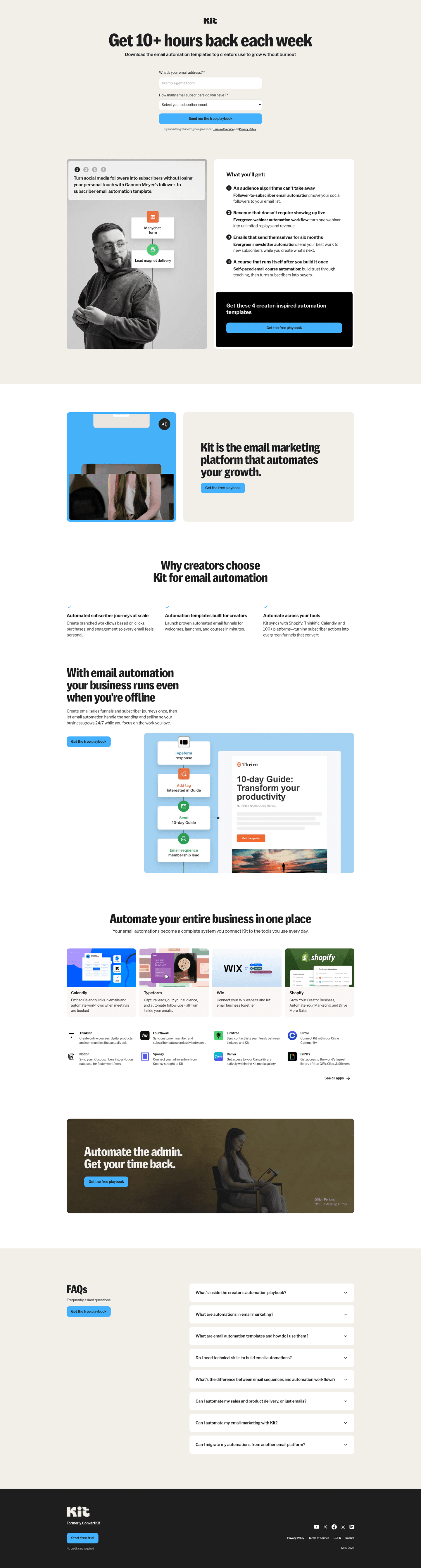
Does the offer belong in the headline?
The headline is where the ad and the page either match or don't. 29% state the deal itself up there. Answering the objection matters more: 81% deal with price, effort, risk or trust on the page, and an FAQ block does that job on 20%.
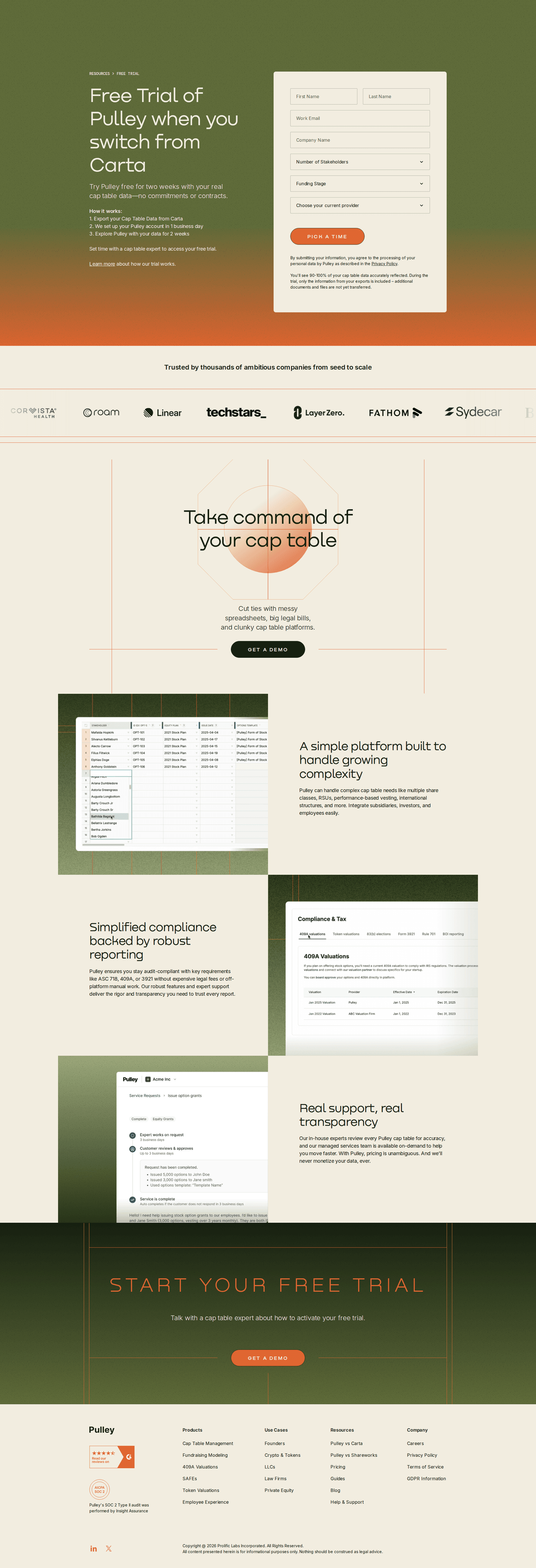
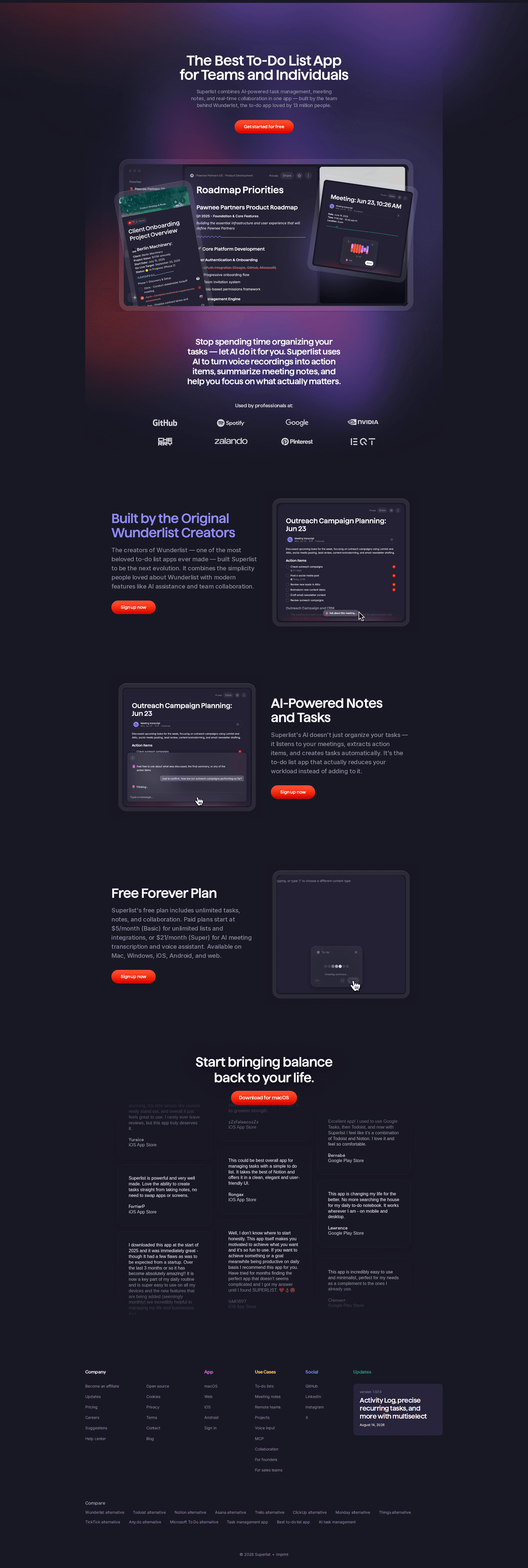
How big should the form be?
How many fields the form asks for
- No form fields13 PPC landing pages
- A one-field form7 PPC landing pages
- A four-field form5 PPC landing pages
- A form on the page itself on 67%, and in the first screen on 45%
- One field is the most common size, on 18%
- 33% ask for nothing on the page and hand the visitor to a next step
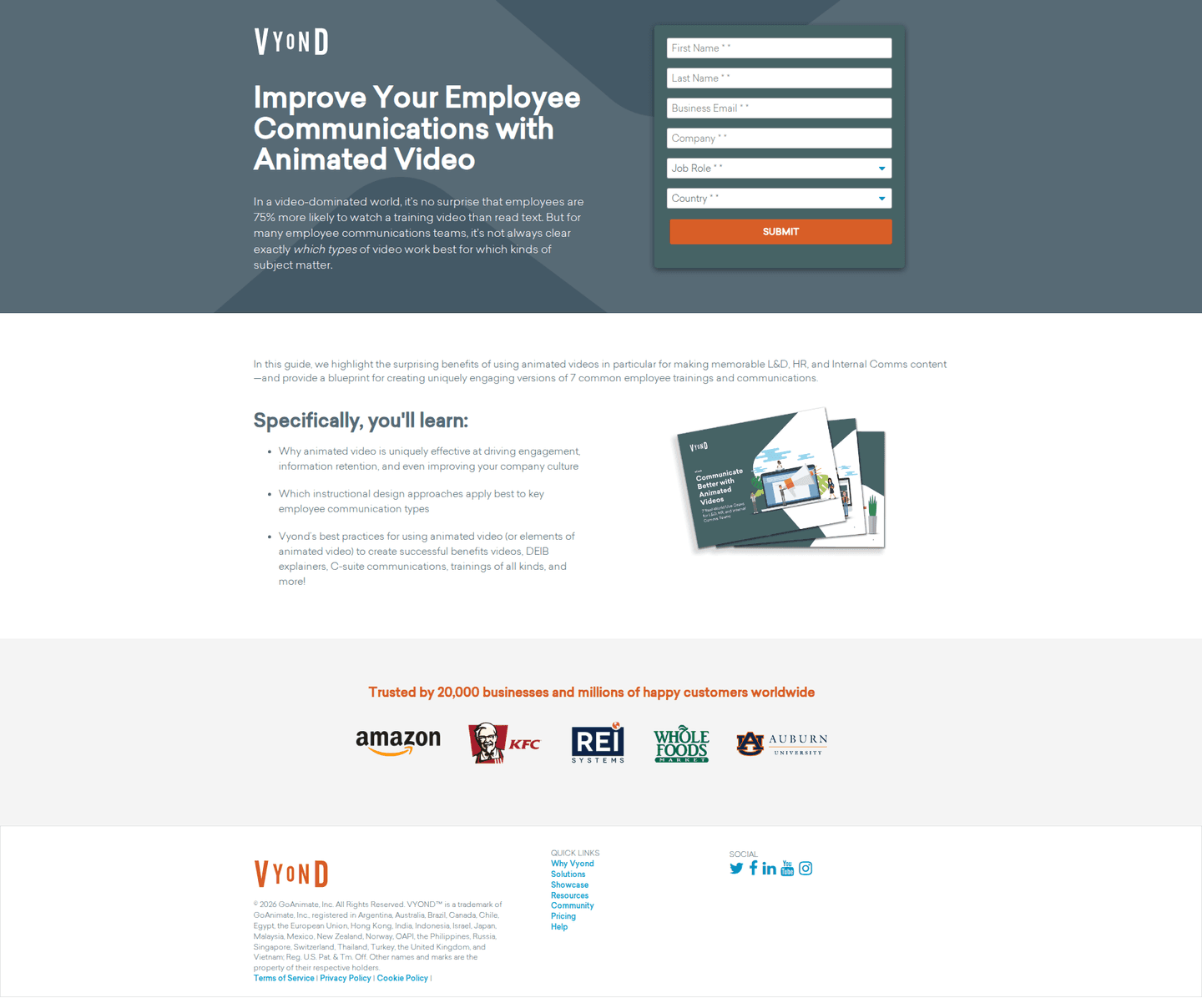
What does the button ask for, and what sits next to it?
- One ask, repeated 3 times down the page, with every button asking for the same thing on 31%
- Social proof beside the ask on 36%
- 19 of the 42 pages, 45%, write a line next to the button that takes the risk out of clicking it

The moves almost nobody makes
Two patterns most of these pages skip, each with the strongest page that uses it.
A deadline or a limited-spots line
5% put a countdown, a date or a spots-left claim on the page. On paid traffic that arrives once and rarely comes back, it is the cheapest reason to act now.
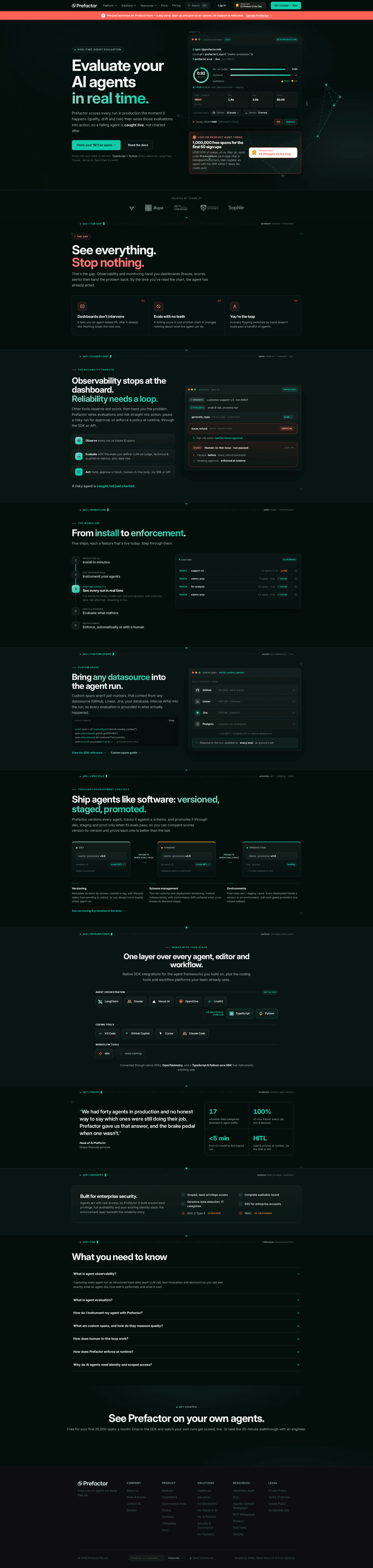
A live chat next to the ask
18% run a chat widget on the page, so the visitor who won't fill in a form still has a way to ask one question.


Curated by
Gabriel Amzallag , Founder, Web Anatomy
5 years CRO + SEO at Qonto (2021–2025). After advising 15+ SaaS on their websites (Payfit, Pigment…), the same patterns kept breaking, so I decided to build the source of truth on what works on the web: the intelligence layer every tool, builder, and team uses to ship sites that perform.
Go further than PPC landing pages
Growth Engine
Your top 3 opportunities for more revenue.
We find every way to grow your website’s visibility and conversions: SEO, AI search (AEO), backlinks and mentions, and UX/UI. 3 free opportunities, delivered by email.
Library
The analysis behind every page here
Each PPC landing page on this page, section by section, with what works and what does not. Free account.
Didn't find the PPC landing page you were looking for?
Every other page type has its own gallery. Start from all page types.
- Homepages
- Pricing pages
- About pages
- Contact pages
- Feature pages
- Integrations pages
- Security pages
- Enterprise pages
- Industry pages
- Persona pages
- Why us pages
- Case study pages
- Comparison pages
- Blog pages
- Signup pages
- Webinar pages
- SEO landing pages
- Free tool pages
- Careers pages
- Login pages
- 404 pages
- AI product pages
- Press pages
- Partner program pages
- Download pages
- Resource libraries
- Developer pages
- Solutions pages
- Template galleries
- Glossary pages
- Startup program pages
- Community pages
- ROI calculators
- Newsletter pages
- Programmatic SEO pages
- Blog posts
- Customer stories pages
- Alternatives pages
- Features overview pages
- Product tours
- Integration pages
- AI agent pages
- Affiliate program pages
- Team pages
- Conference pages
Your top 3 opportunities for more revenue.
We find every way to grow your website’s visibility and conversions: SEO, AI search (AEO), backlinks and mentions, and UX/UI. 3 free opportunities, delivered by email.
PPC landing pages, answered
The questions people ask before building a PPC landing page, answered from 42 real ones.
Should a PPC landing page keep the site navigation?
01Just over half keep it. A bit under three in five of these PPC landing pages carry a nav bar, and about two in five show no navigation links at all, so the market is split on whether to cut the escape routes when the click is paid for.
Should the form sit on the page itself?
02Two in three put a form on the page and about two in five have it in the first screen, before any scroll. The most common answer is no fields at all, on about one in three, because the button hands the visitor to a next step instead. A single field comes next, on about one in four.
What should the button ask for?
03Starting a free trial, on about one in four of these pages. Downloading something and a plain signup come next, at about one in five each, then a demo request at about one in seven. Twice is the most common count for the ask down the page, and about half repeat it three times or more.
How much proof does a PPC landing page need?
04Enough to sit beside the button. About two in five put social proof right next to the ask. Close to half carry testimonials, about two in five a customer logo wall, and more than a third name the person behind the quote.
Does a PPC landing page need urgency?
05Almost none of them use it. Fewer than one in ten run a deadline, a countdown or a limited-spots claim. Handling the objection is far more common: more than four in five answer price, effort, risk or trust somewhere on the page.
How is this different from the best landing pages leaderboard?
06This gallery is a visual browse: what PPC landing pages look like and what they contain. The best landing pages benchmark is the graded view, where pages are scored against conversion best practices and ranked by industry. Same companies, different question.