New
Trust|
The trust section uses logos, badges, and certifications to prove the product is credible and safe. Explore 173 scored examples and see what the best do differently.
Updated November 2026
Showing 1–29 of 173 examples
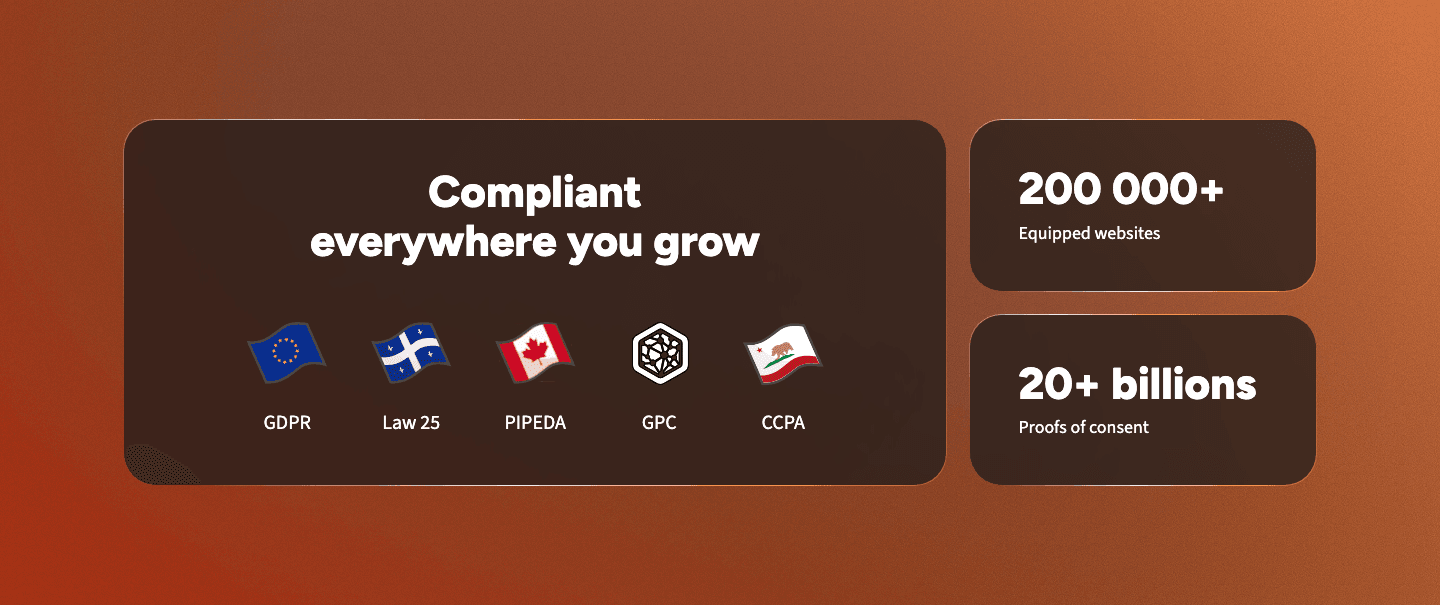
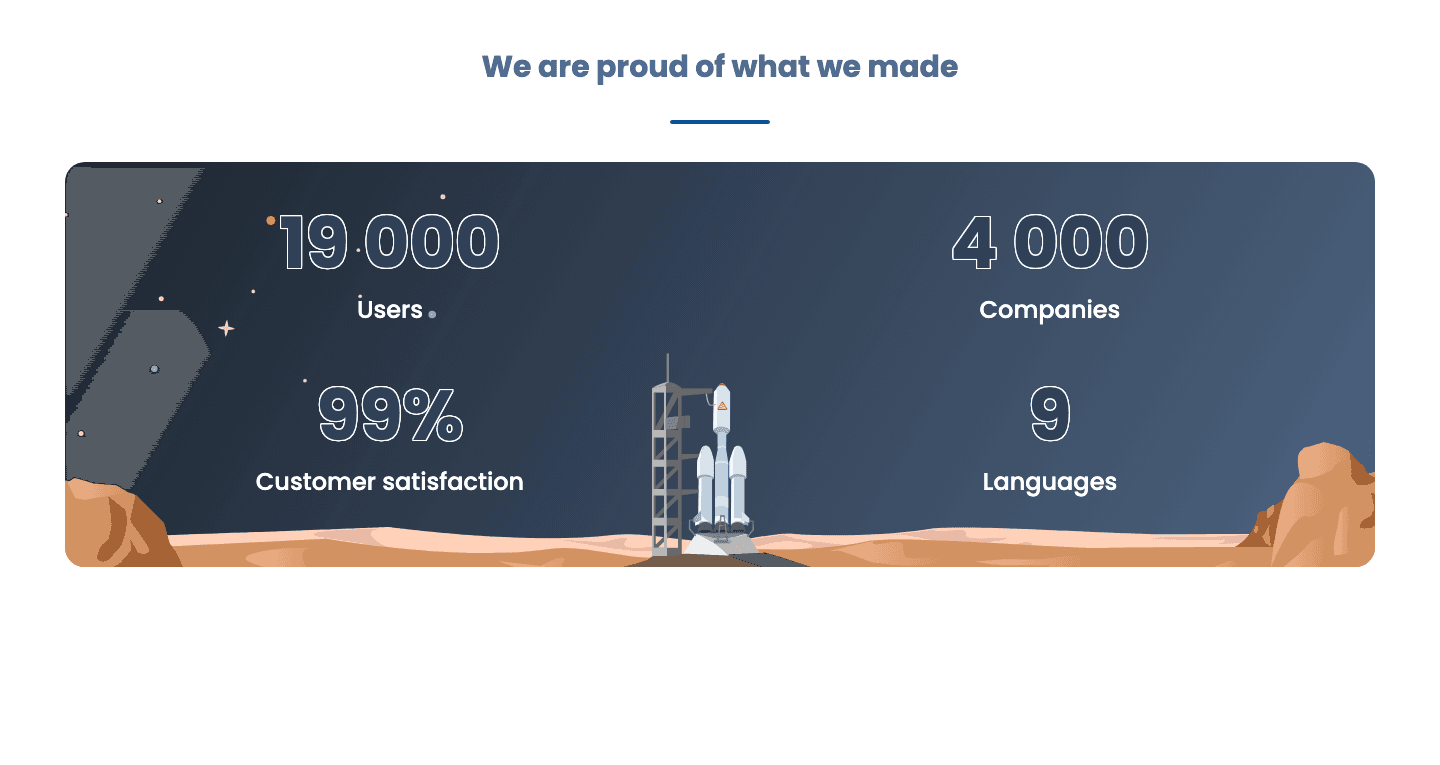
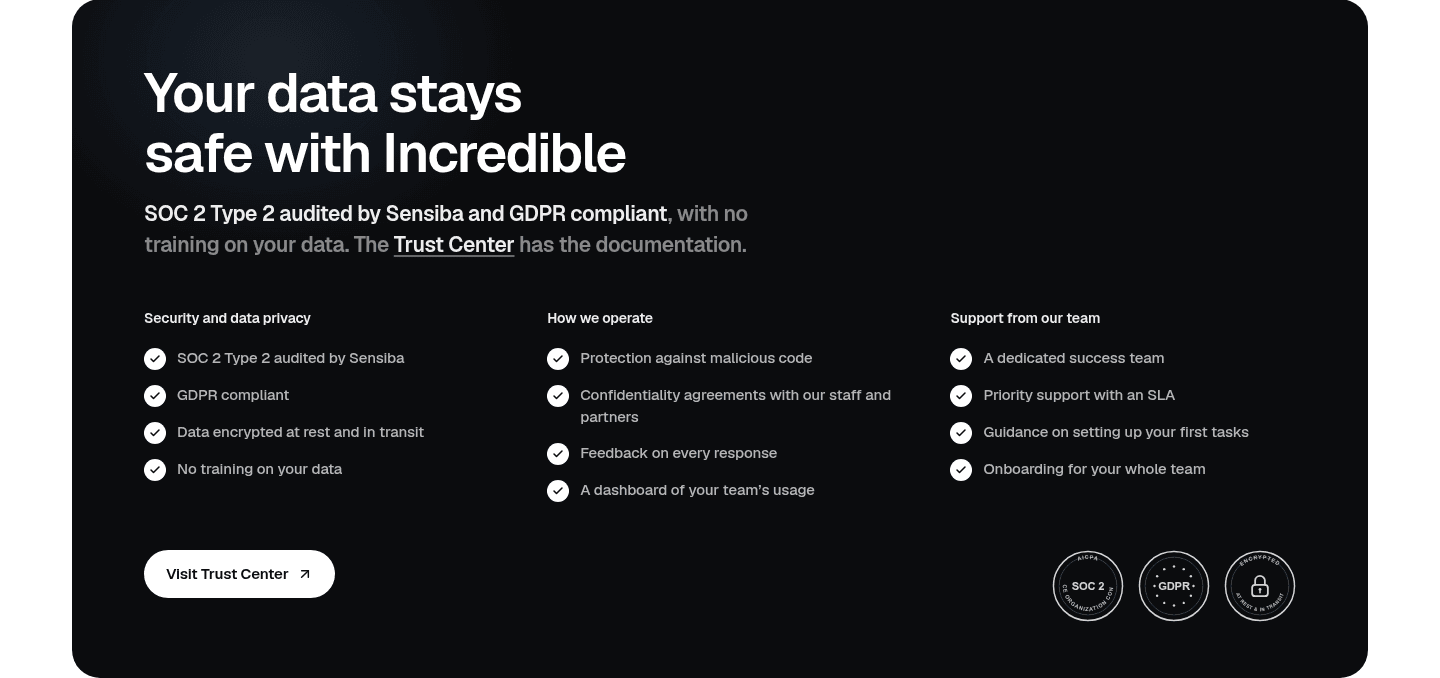
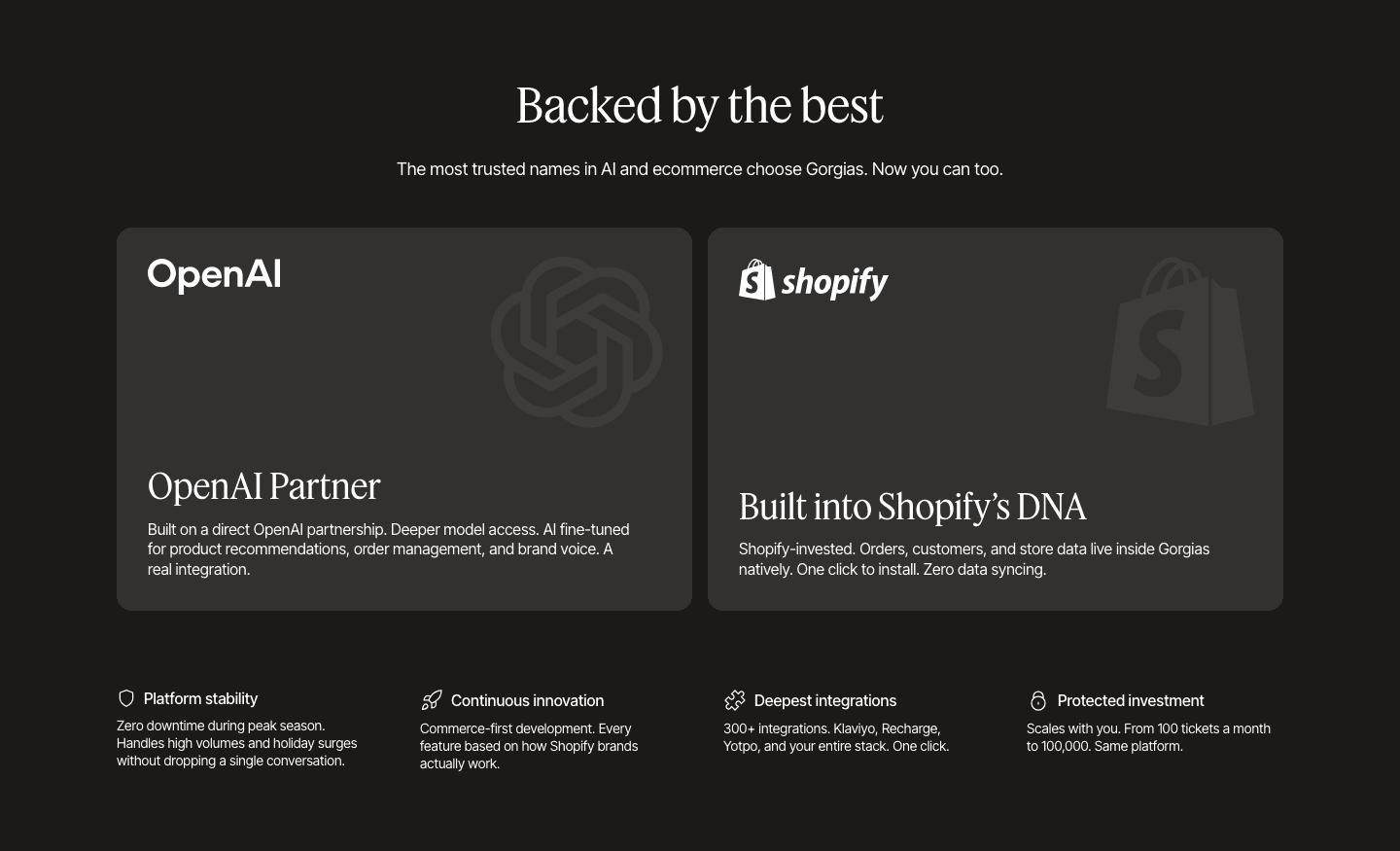
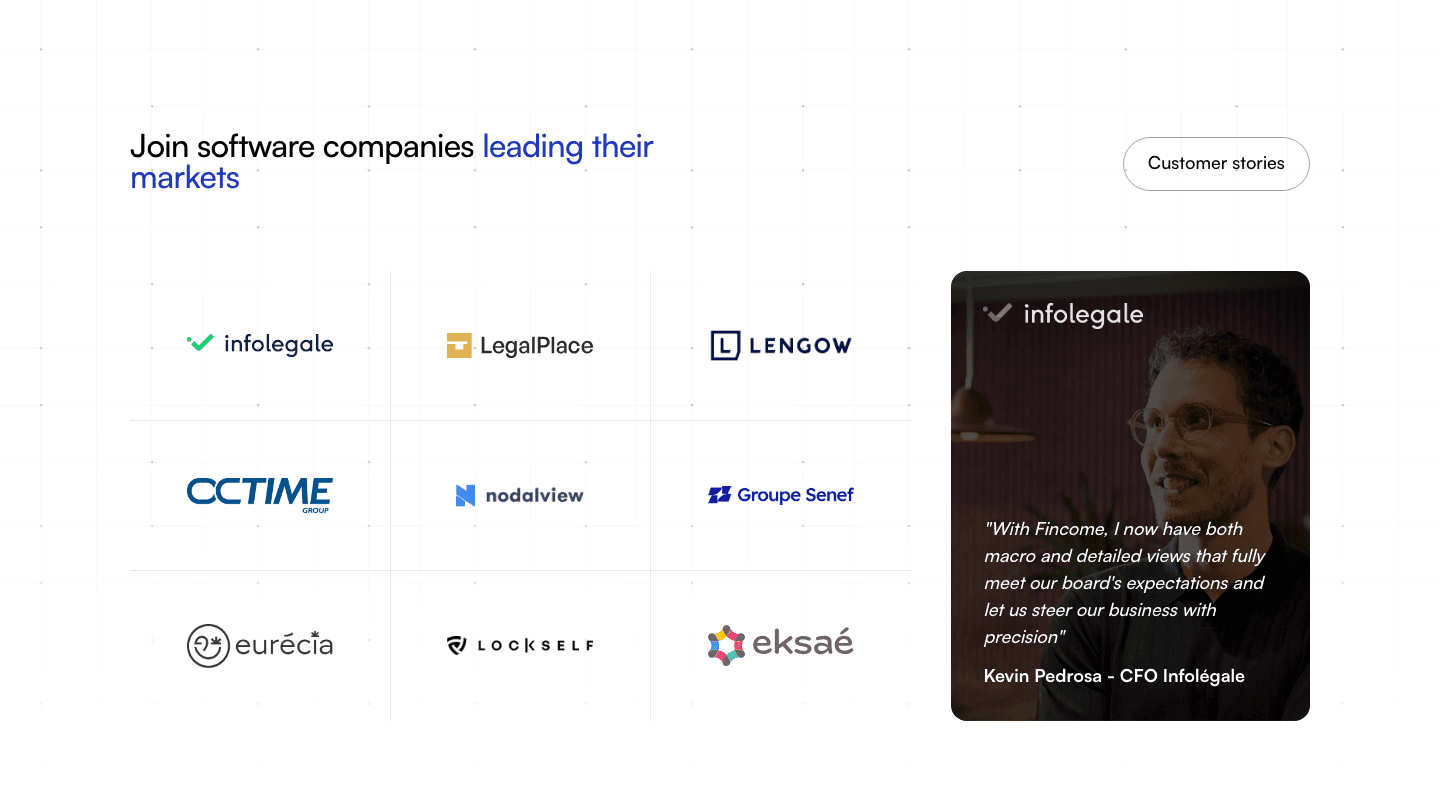
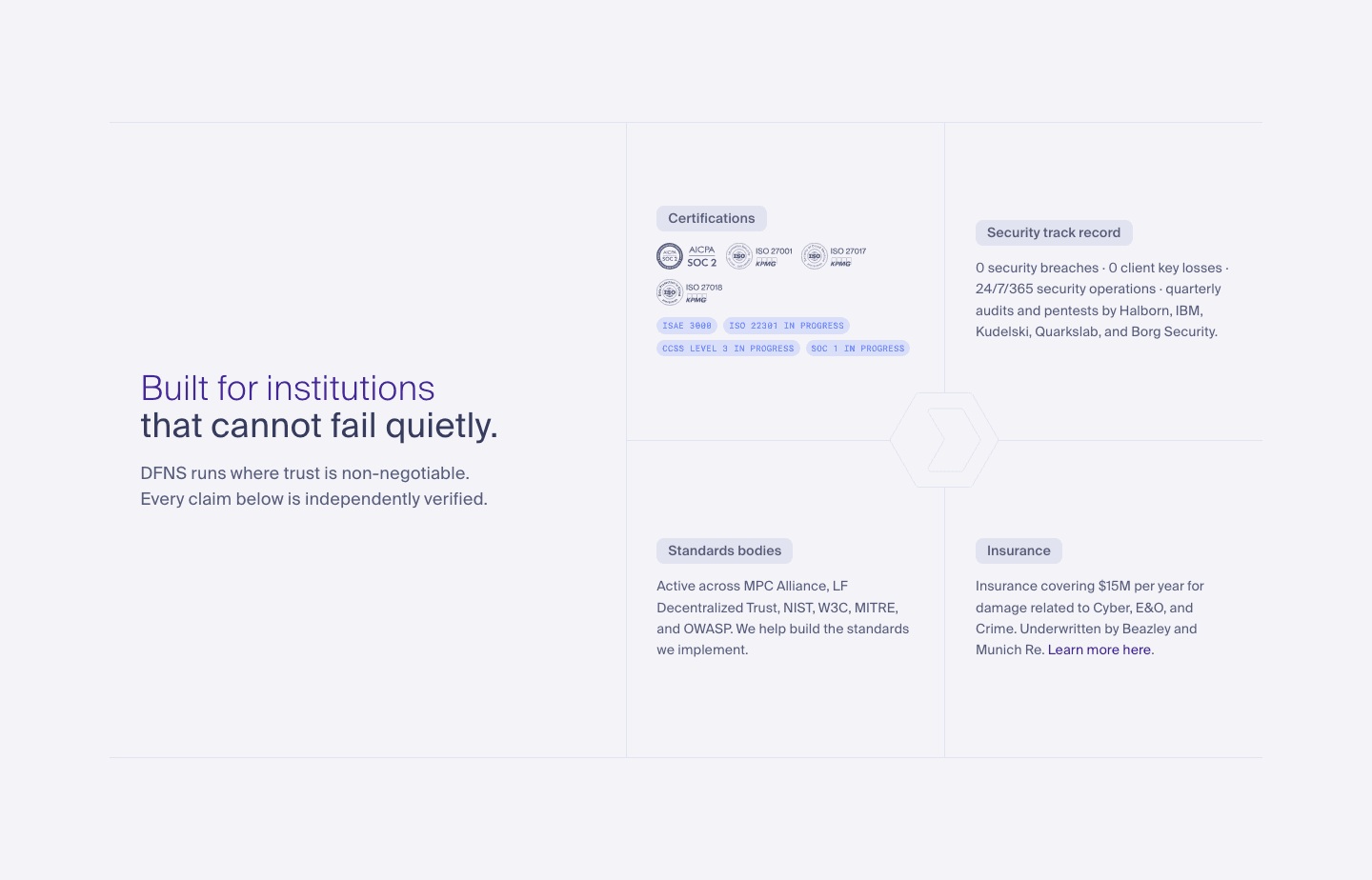
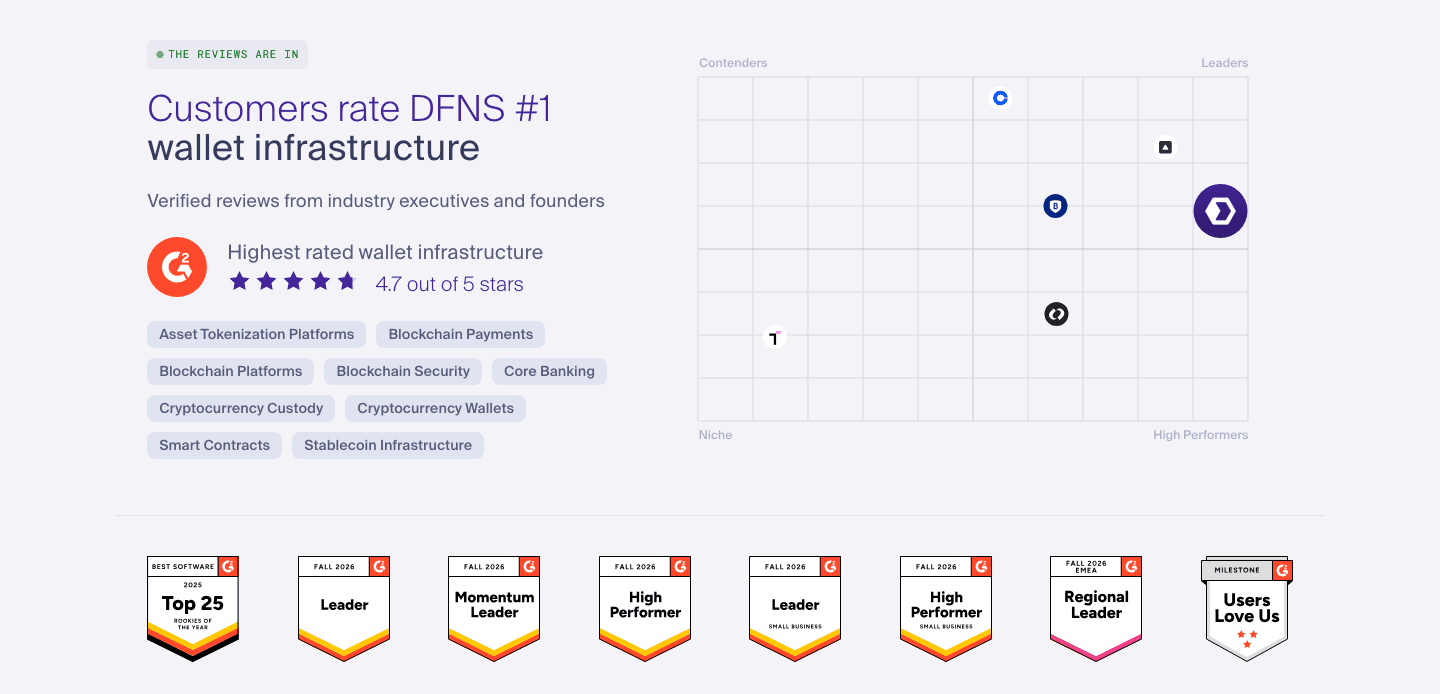




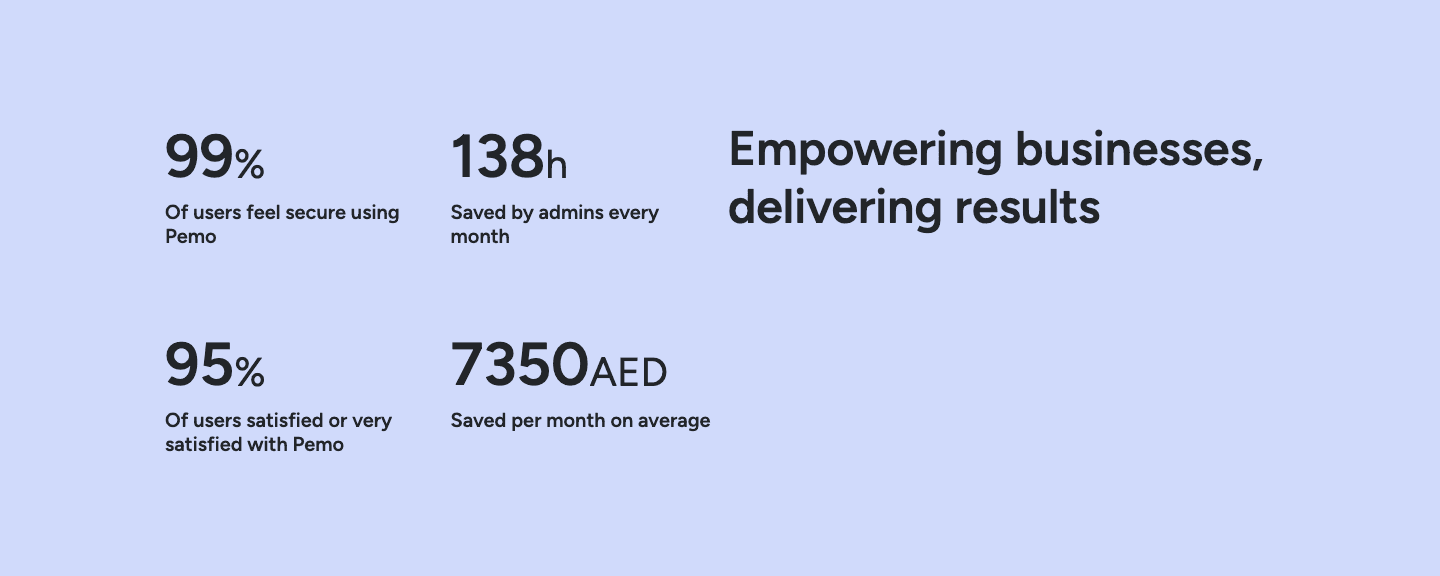


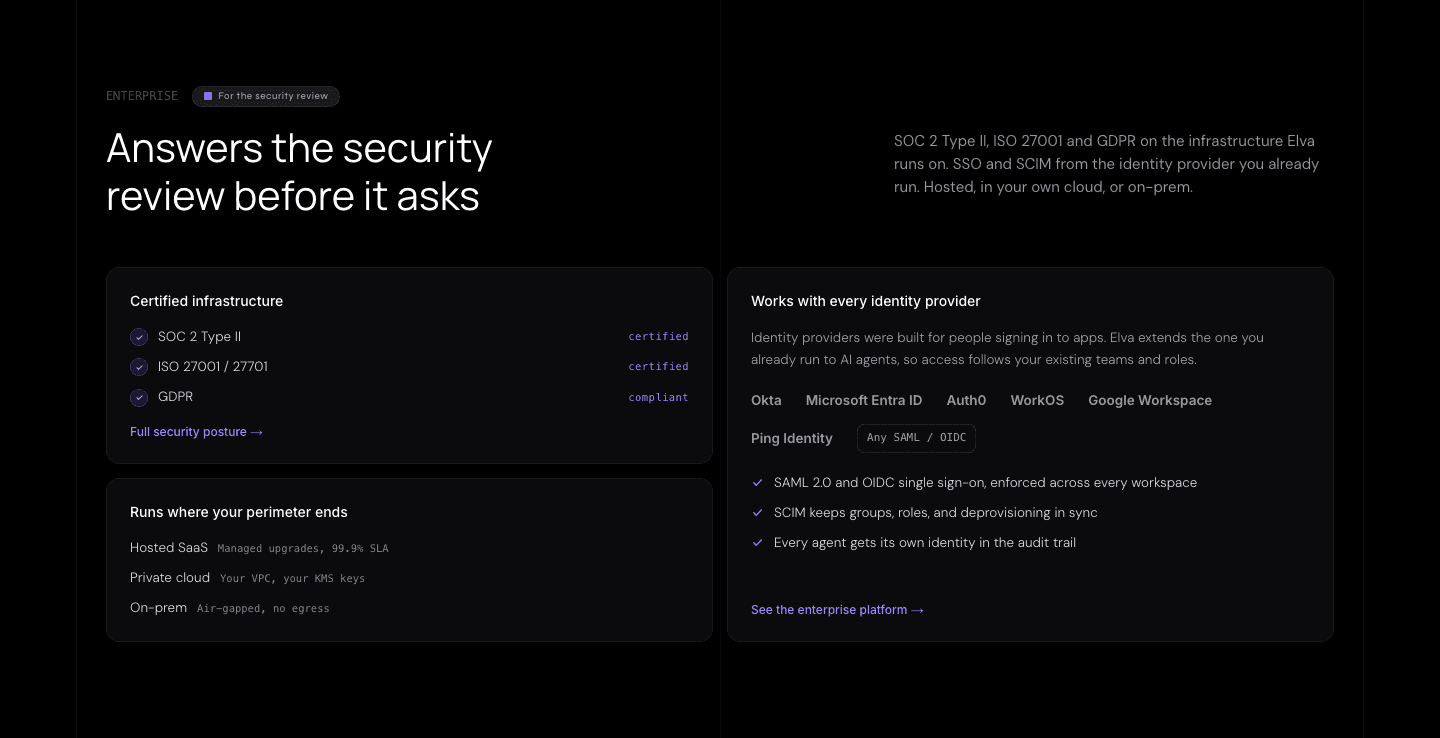
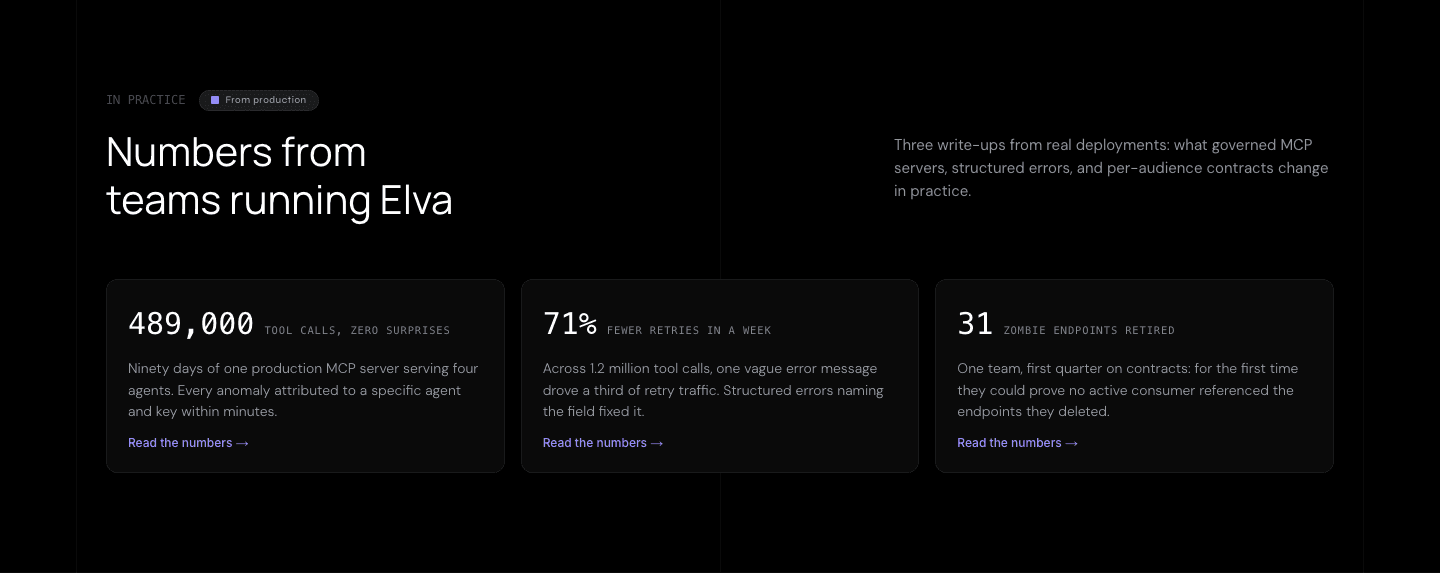
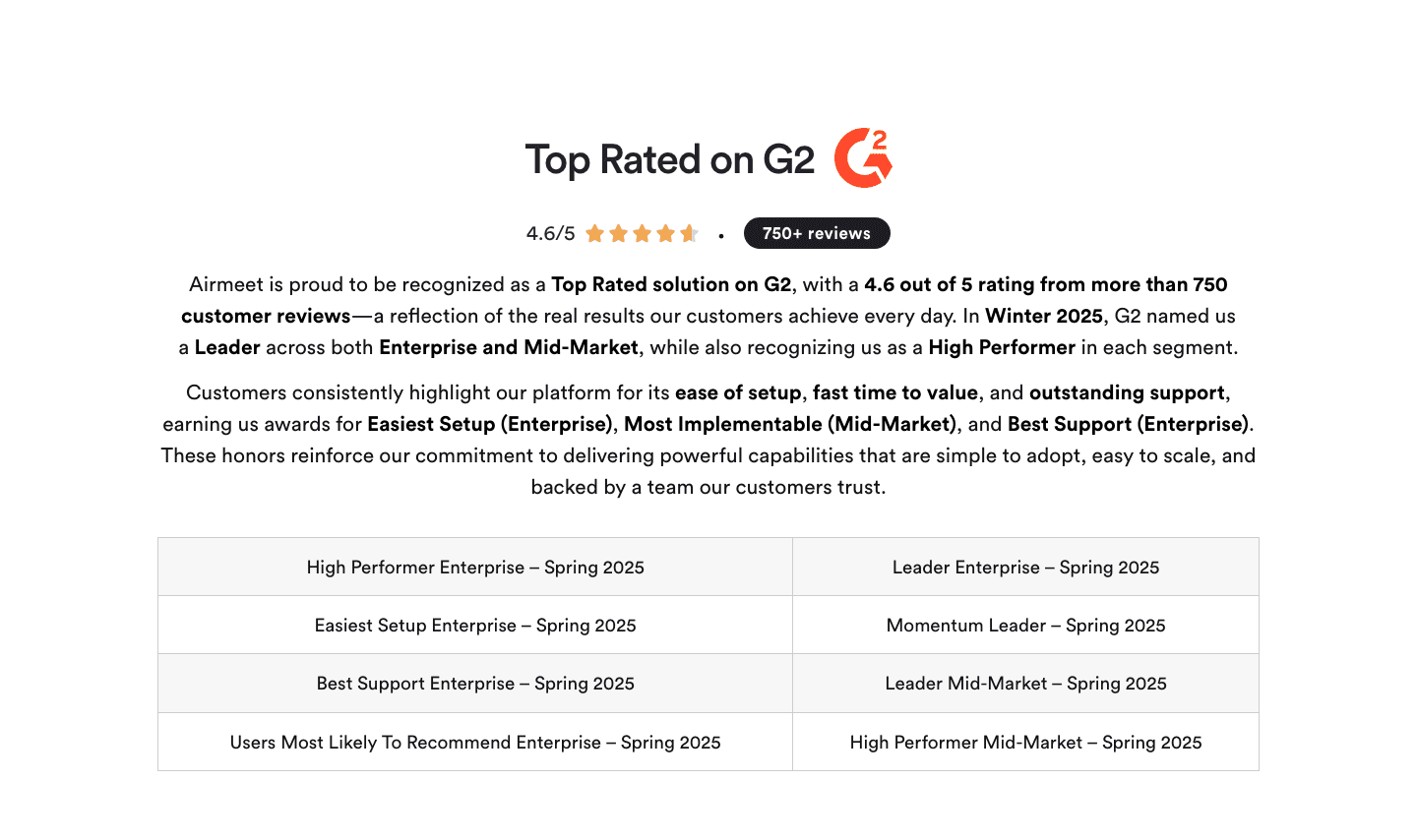





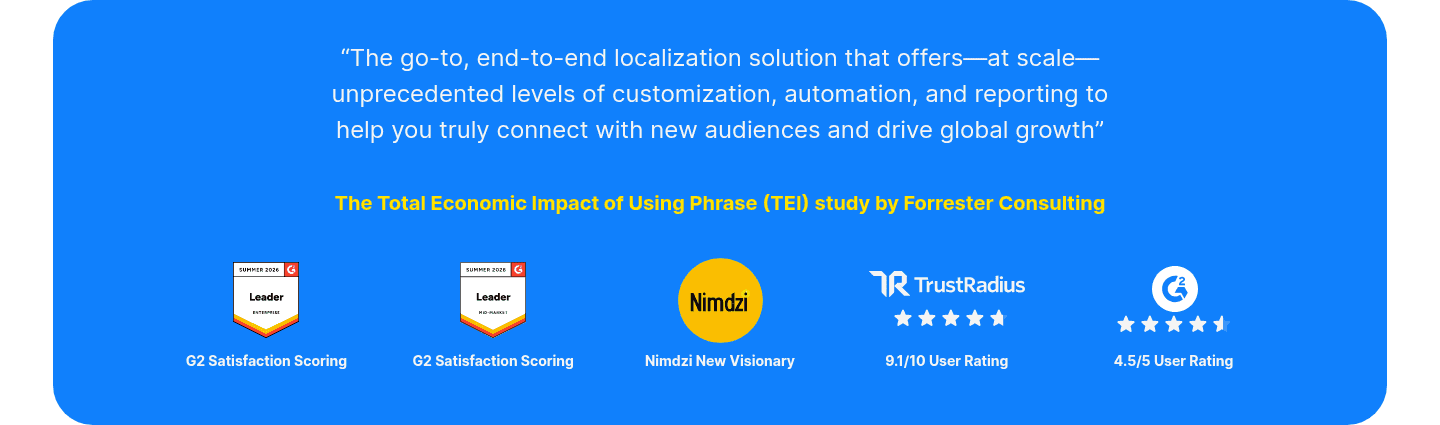
A trust bar is the strip of trust signals near the top of a page. You will also see it called a trust strip or a "trusted by" section. It shows a stranger that other people already use the product, before they scroll on.
It is usually built from three kinds of proof:
Put it right under the hero, or just below the first button. The best examples above mix two or three of these and link the logos to customer stories.
We checked the trust sections in our library for the elements below. The lower the number, the fewer pages do it, and the bigger your edge when you add it.
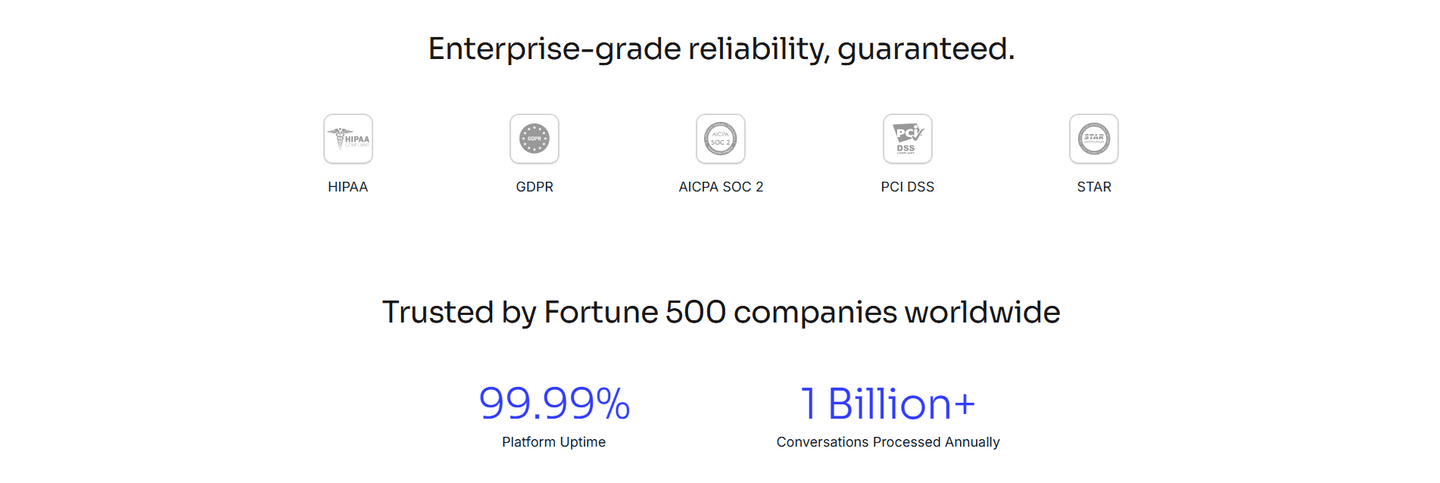
SOC 2, GDPR or ISO badges visible. Business buyers look for these
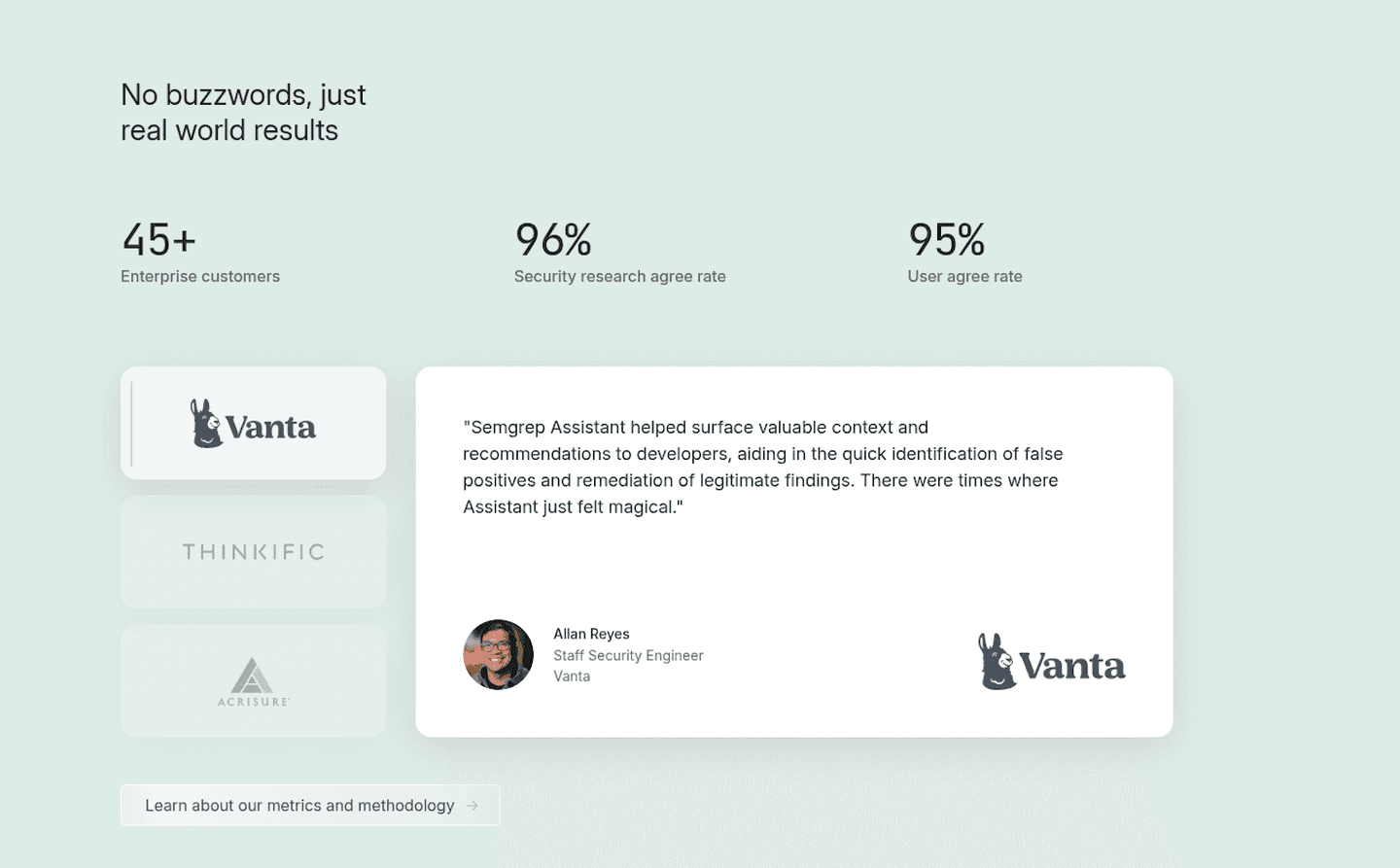
Each testimonial or logo links to a full customer story. Proof has depth, not just surface
Multiple proof types combined in one section: logos + stats + quotes + badges
"Trusted by Stripe, Notion, Zendesk." Recognizable brand logos front and center
"10,000+ teams," "4.8/5 rating," "99.9% uptime." Specific numbers, not vague claims
| Element | What it means | Use it | Type |
|---|---|---|---|
| Security compliance | SOC 2, GDPR or ISO badges visible. Business buyers look for these | 8% | Big opportunity |
| Linked case studies | Each testimonial or logo links to a full customer story. Proof has depth, not just surface | 28% | Big opportunity |
| Proof diversity | Multiple proof types combined in one section: logos + stats + quotes + badges | 29% | Big opportunity |
| Logo authority | "Trusted by Stripe, Notion, Zendesk." Recognizable brand logos front and center | 61% | Common |
| Quantified proof | "10,000+ teams," "4.8/5 rating," "99.9% uptime." Specific numbers, not vague claims | 77% | Common |
We check every trust section against a weighted checklist, from the page itself and its screenshot:
Linked customer stories and specific numbers weigh the most, because the highest-scoring sections lean on them. Sections flagged best-in-class are picked by hand from the highest scores: the logos, the numbers and the story links all work together.
Interactive quiz
Do you show specific numbers, not vague claims?
"10,000+ teams," "4.8/5 rating," "99.9% uptime"
10 trust sections in our library are flagged best-in-class. They use the same elements as everyone else, but each one comes with something that proves it.
 100/100
The weakest trust sections are not ugly. Most look clean. They do one thing and stop: a logo bar with nothing behind it, or a single number on its own. Across the library, 71% use only one kind of proof, 72% link no logo or quote to a customer story, and 92% show no security badge.
The fix is not a new layout. Link each logo to its customer story, put one number next to the logos, and add a SOC 2 badge if you have one.
 0/100
Customer photos, headshots in testimonials, and team portraits that make the proof feel like it came from real people.
Money-back and accuracy guarantees, uptime SLAs, pay-on-success pricing, and zero-cost ways to start, set beside the hard numbers so proof and safety land together.
Aggregate star ratings, review counts, and G2, Capterra, and Trustpilot badges gathered into one credible trust block.

Curated by
Gabriel Amzallag , Founder, Web Anatomy
5 years CRO + SEO at Qonto (2021–2025). After advising 15+ SaaS on their websites (Payfit, Pigment…), the same patterns kept breaking, so I decided to build the source of truth on what works on the web: the intelligence layer every tool, builder, and team uses to ship sites that perform.
Real examples from top landing pages, scored and analyzed.
Everything you need to know about trust section design, based on our analysis of real landing pages.
A trust section typically runs 200-400px tall on desktop. Enough room for a logo bar, one stat line, and a row of badges or quotes. Don't stretch it into a full testimonials section. The goal is a concentrated proof cluster that reinforces the sections around it. In our library, the highest-scoring trust sections are compact: 77% lead with quantified proof in a single visible block.
A trust section aggregates multiple proof types in one place: logos, stats, compliance badges, case study links. A testimonials section focuses on individual customer quotes or stories in depth. They overlap, but a trust section is wider and shallower. 29% of trust sections in our library combine three or more proof types, while testimonials sections typically feature one format (quotes or videos).
Yes, if your page sells something. Landing pages, pricing pages, product pages, signup flows. A trust section gives visitors evidence that other people and companies already use and endorse what you are offering. The exception: internal tools, documentation, and pages where trust is already established through the login wall.
Check your contract before you ship. Most customer agreements include a marketing clause that lets you display a customer's logo, but enterprise contracts often require written opt-in. A safe rule: ask every new customer during onboarding, get a yes in writing (email is fine), and keep a shared list of who's approved. If a logo links to a case study, get sign-off on the quote and metrics separately. When in doubt, email the customer success contact before publishing.
Right after the hero, or immediately below the first CTA. Two spots, same job: reinforce the claim before the visitor scrolls away. A logo bar under the hero catches skimmers in the first three seconds. A stat-and-badge cluster after the CTA reassures anyone who almost clicked. Avoid burying it near the footer. By the time a visitor reaches the bottom, they've already decided. The trust section has to land in the first screen or two.
Check it against the table on this page: a specific number, logos a buyer recognizes, a link to a customer story, more than one kind of proof, and a security badge if you sell to businesses. Or get your 3 free opportunities, ranked with the evidence behind each.
Showing 1–29 of 173 examples