Problem|
A persona-specific problem section names one reader and describes the exact pain that reader feels, so the visitor recognizes their own job on the screen instead of a generic problem.
Key takeaways
Showing 1–28 of 43 examples
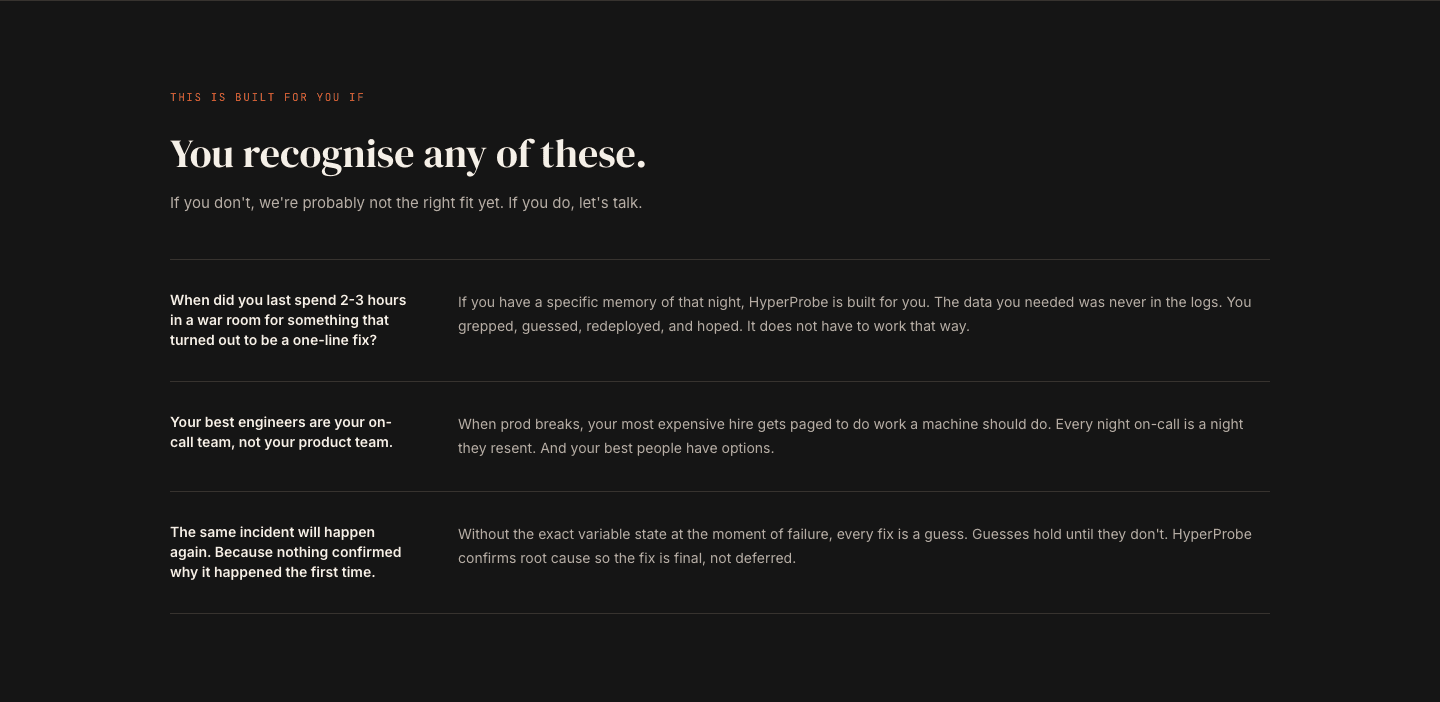
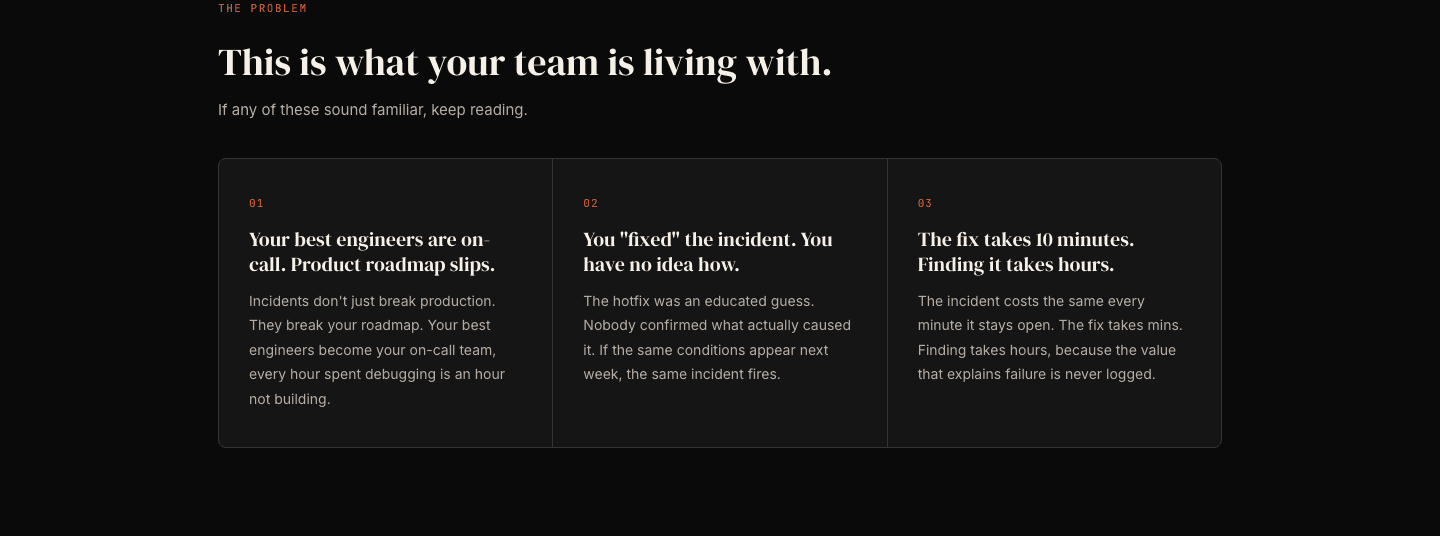
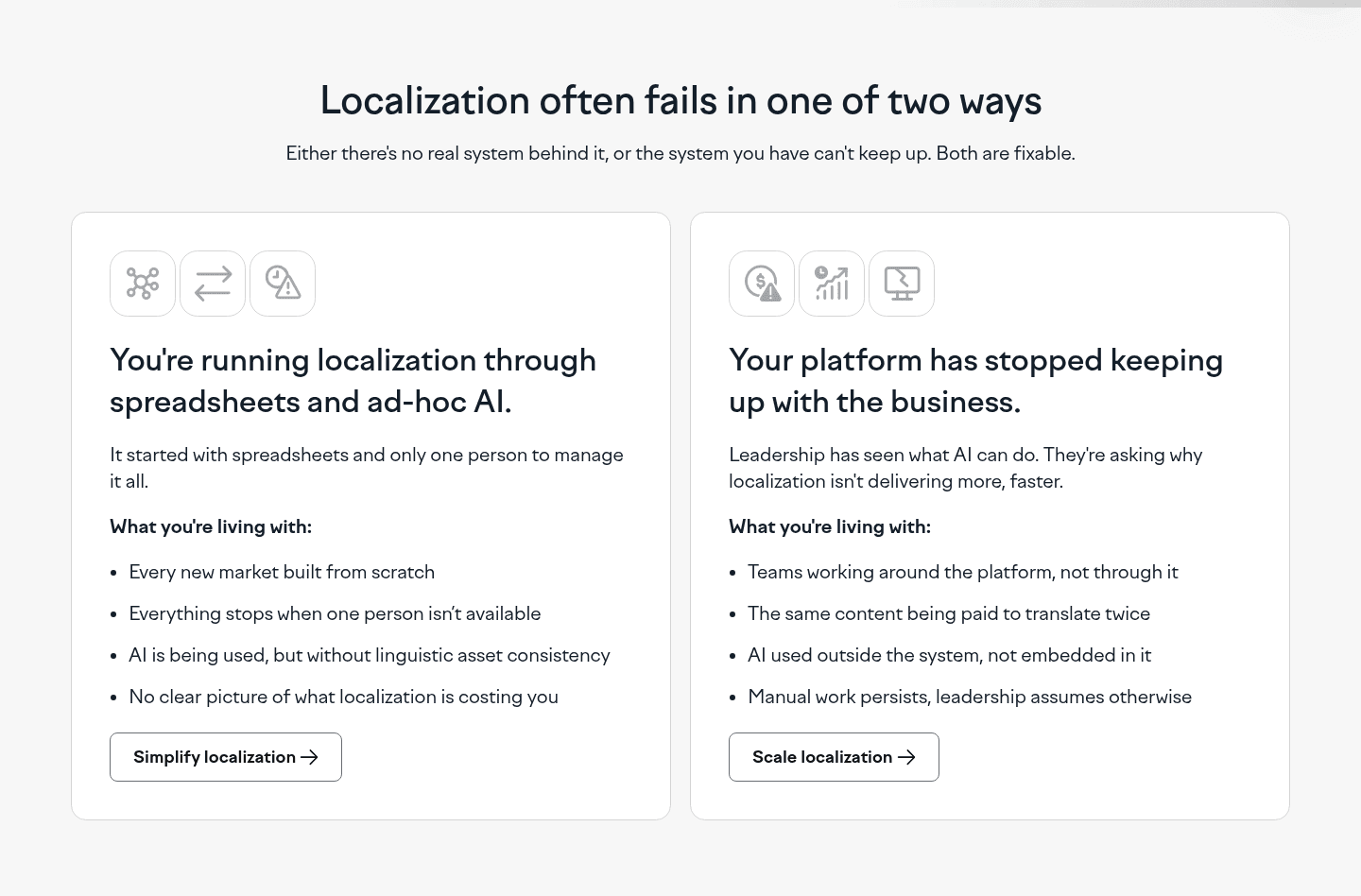

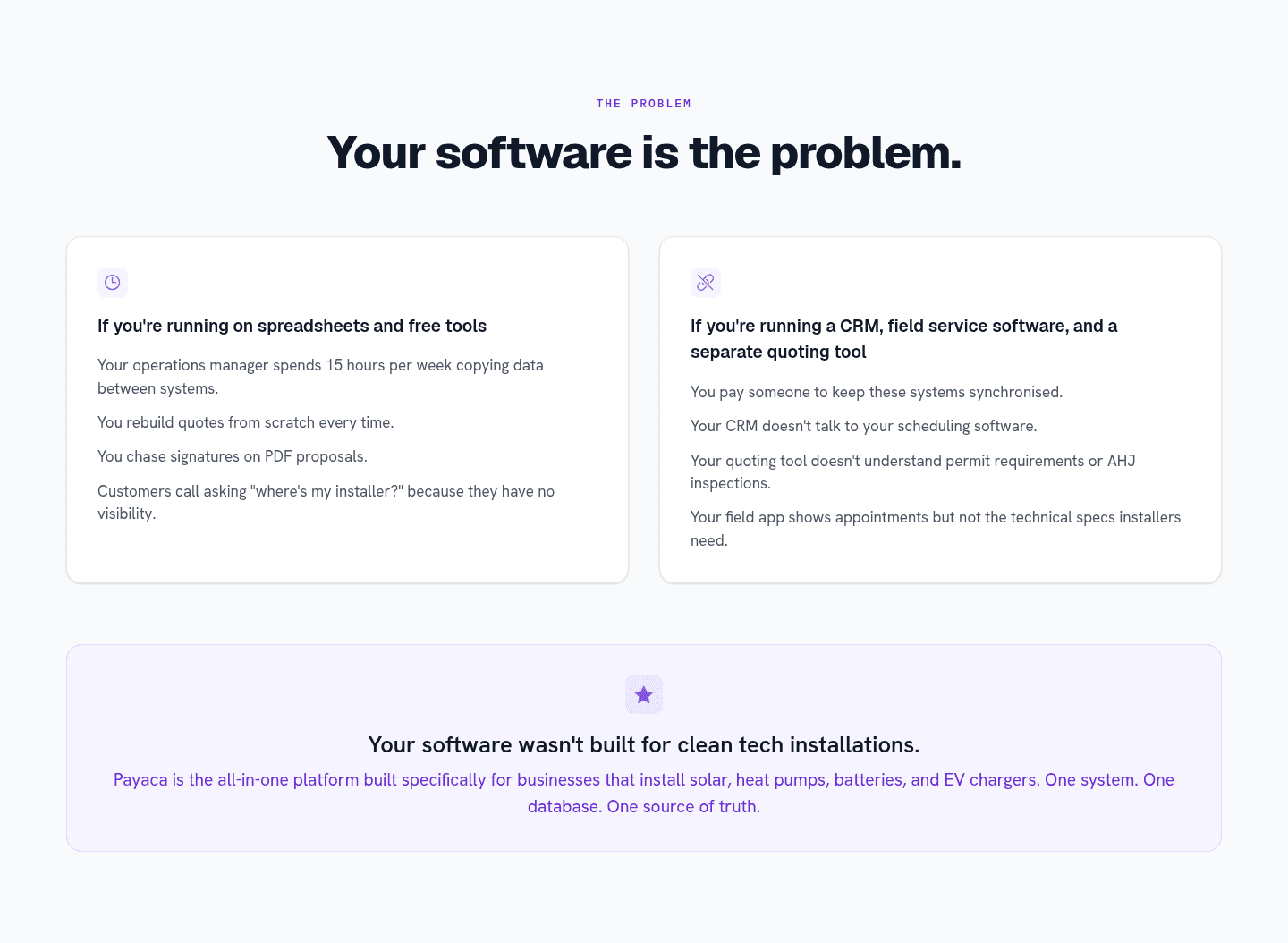
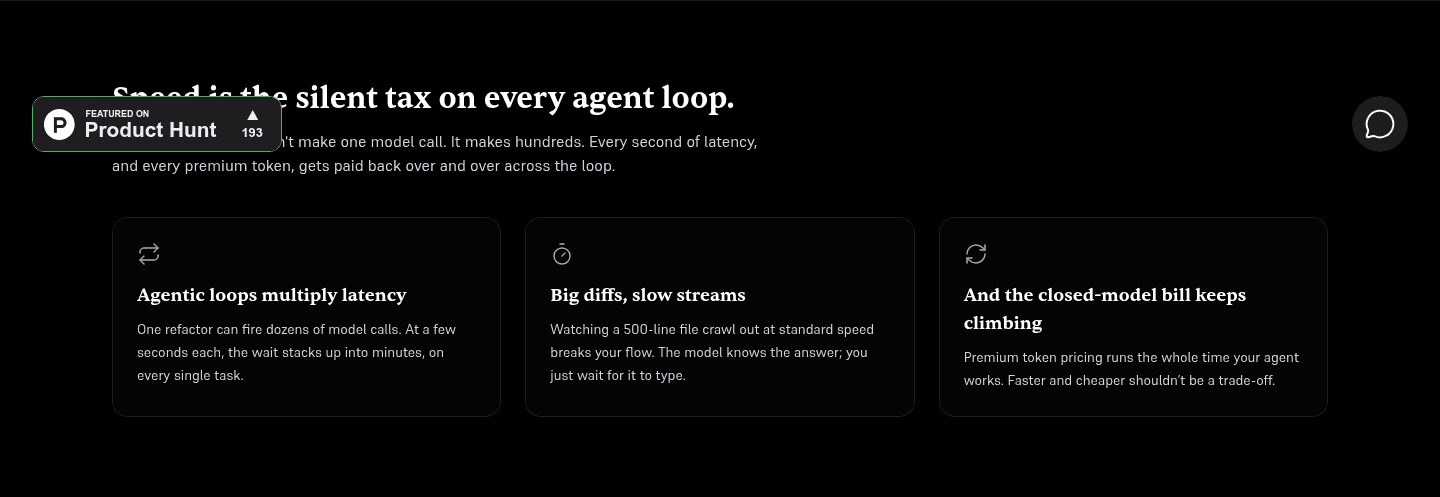
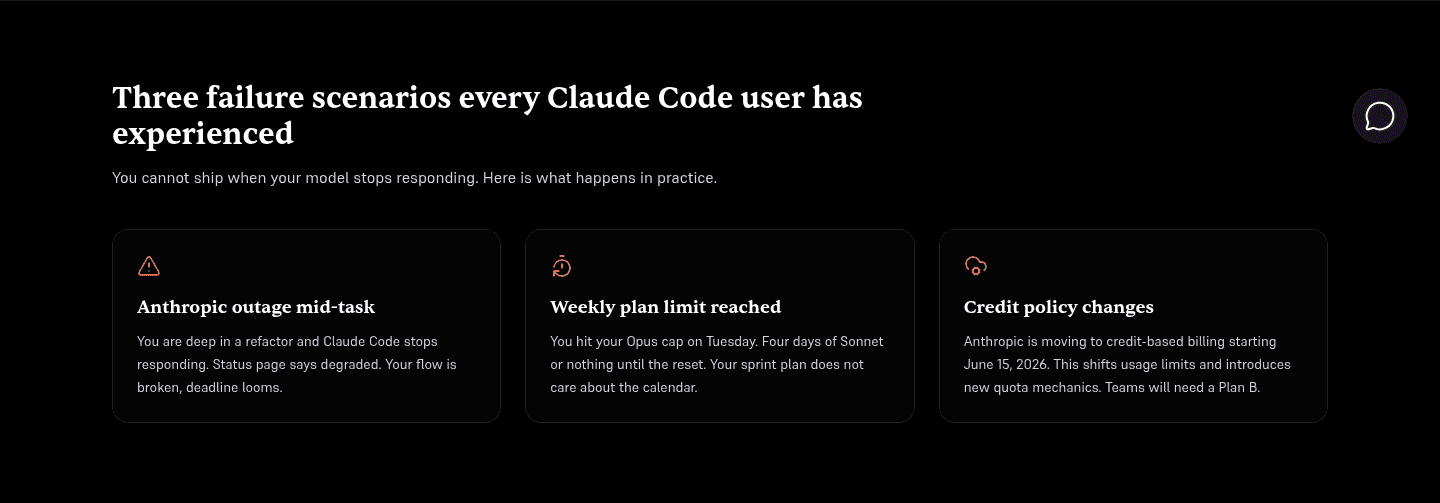



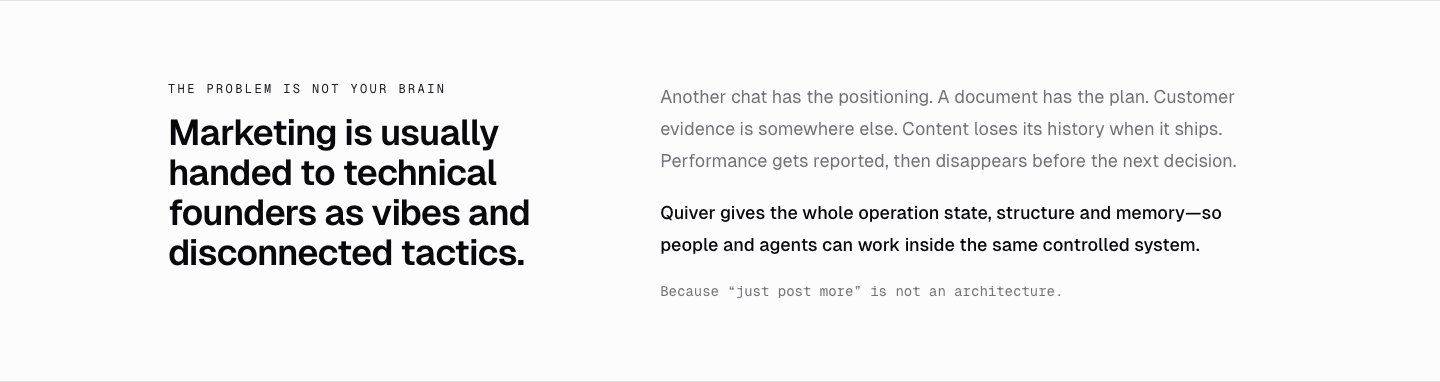
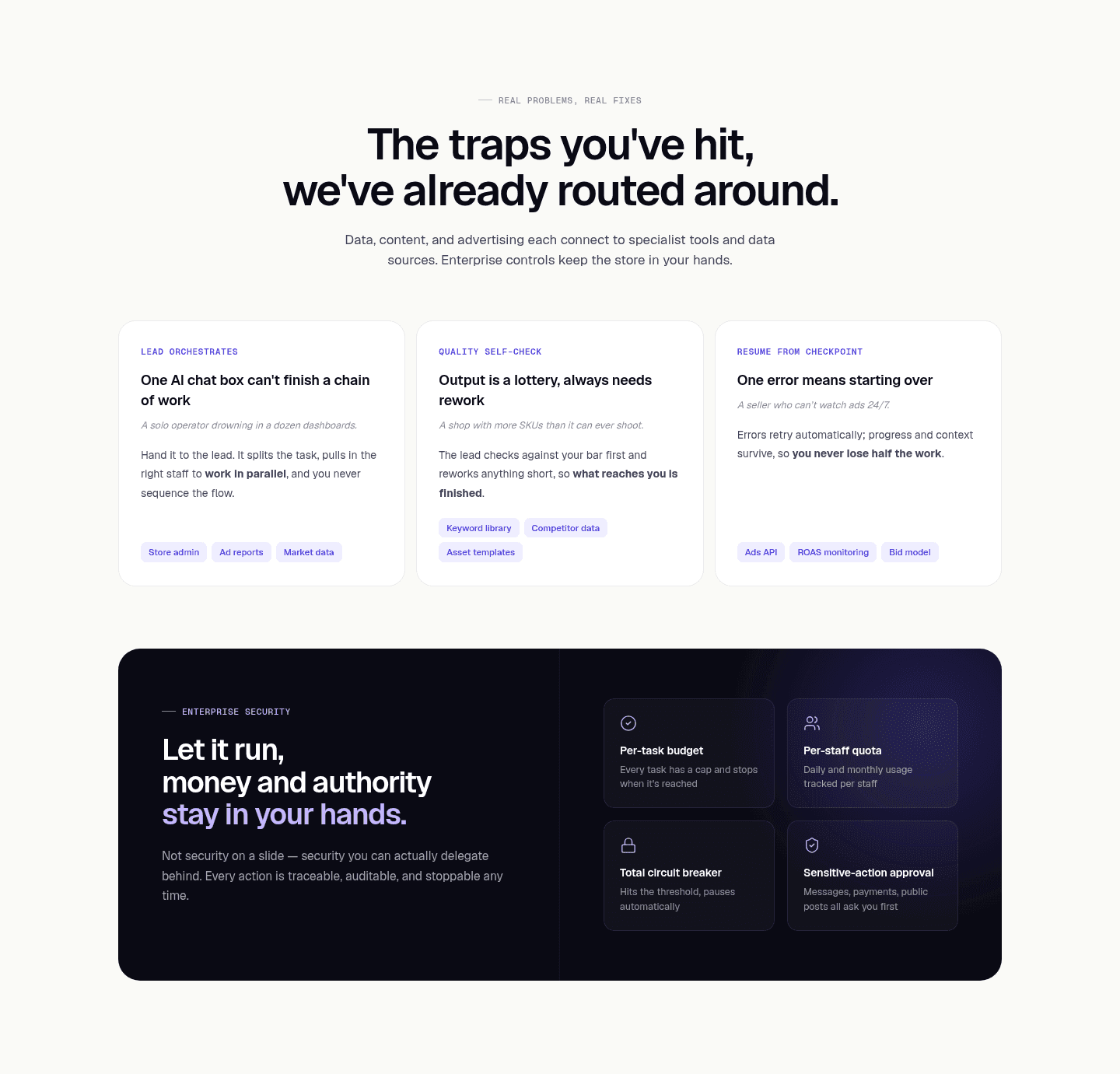
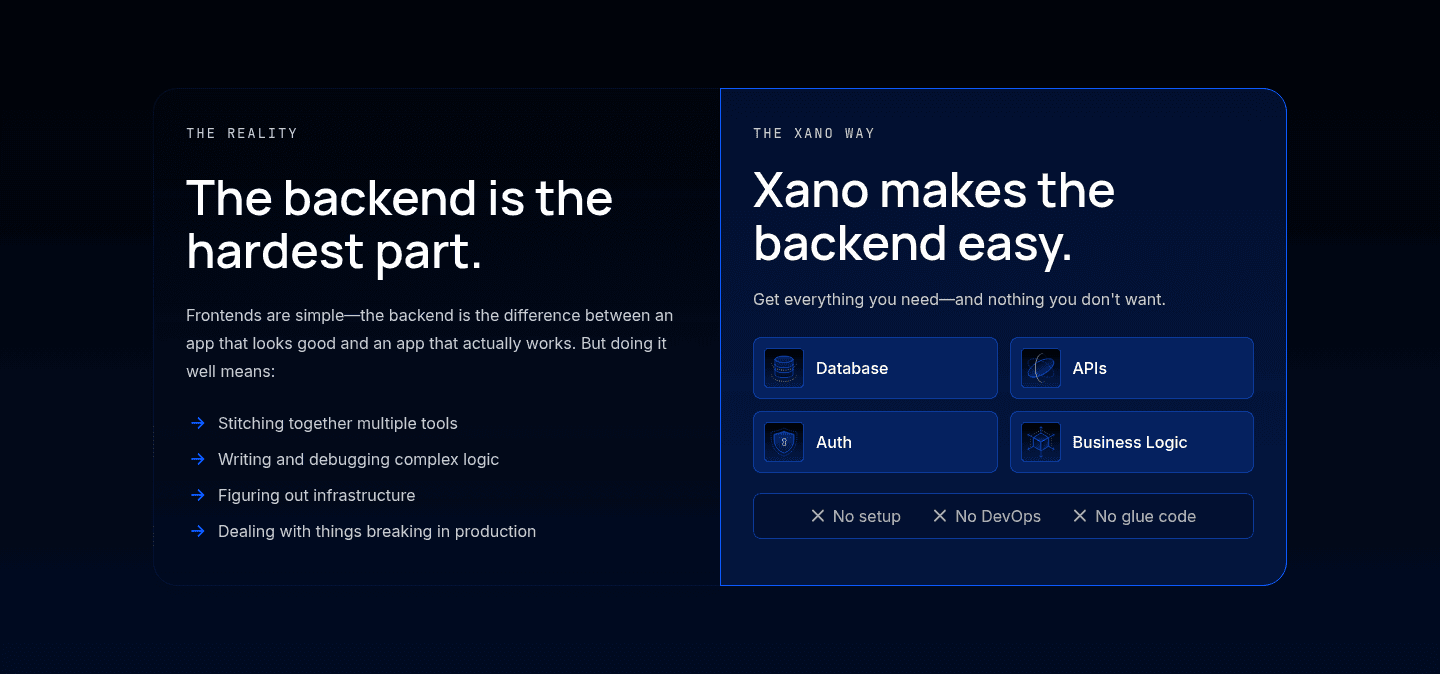
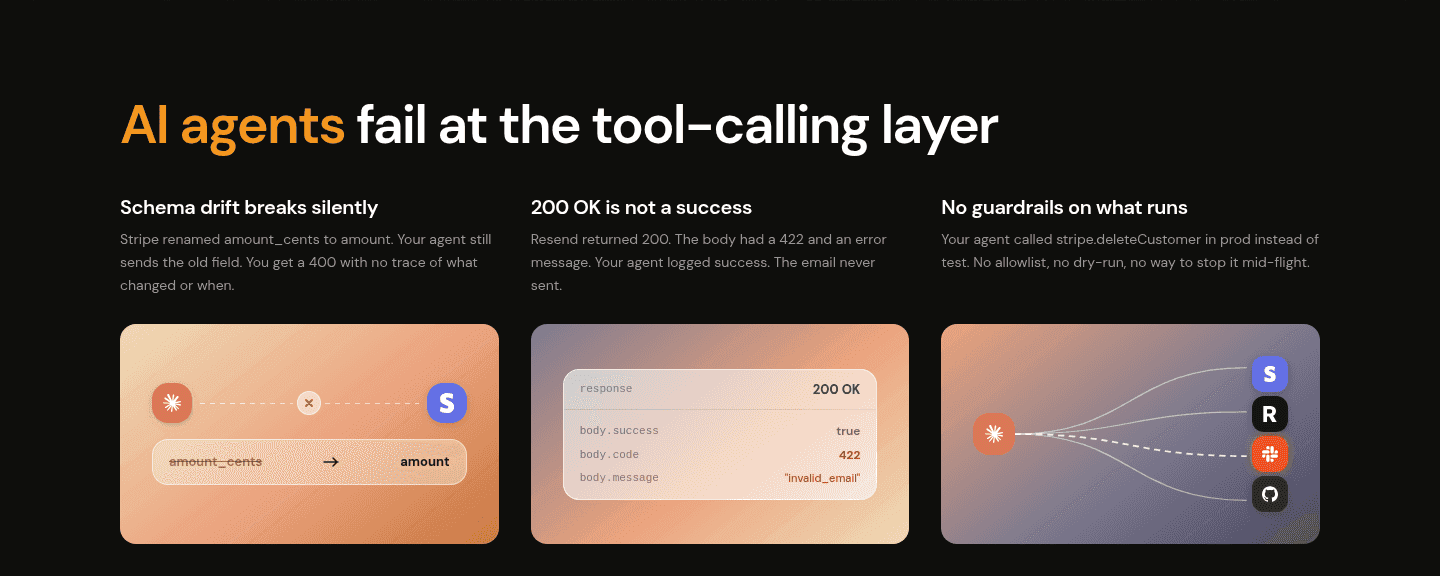


Browse every problem pattern by UX best practice.
Every problem section is scored across 5 conversion best practices. Copy the best practice stack, not the layout. See what converts and why.
Hand-picked from {companies} companies and analyzed by our AI conversion agent. Real problem sections on live landing pages. Every entry earns its spot.
Found a problem section you admire? Run yours through the same scoring engine. See where you stand on the same best practices, and what to fix first.
A persona-specific problem section is the decision to write the pain for one named reader instead of a general audience. A generic problem section says "managing work is hard." A persona-specific one names the reader and the exact pain that reader feels, so a product manager, a bid team, or a solo creator sees their own job on the screen rather than a problem in the abstract. The goal is not to describe a problem accurately. It is to make one reader think the page was written for them.
The best problem sections aim the pain in one of a few ways, often more than one at once:
A generic problem earns a generic nod and no motion. The reader agrees that the problem exists, then decides it is not quite their problem, and scrolls on. A pain written in the reader's own words earns recognition instead, and recognition is what makes a stranger's product feel built for the job the reader actually has.
Naming the persona also earns trust in the diagnosis. When a section describes a construction crew buried in paperwork or a sales rep who cannot tell a good lead from a bad one until the call, the reader concludes that the people behind the product understand the work. A fix offered by someone who clearly gets the day-to-day is far easier to believe than one that arrives aimed at no one in particular.
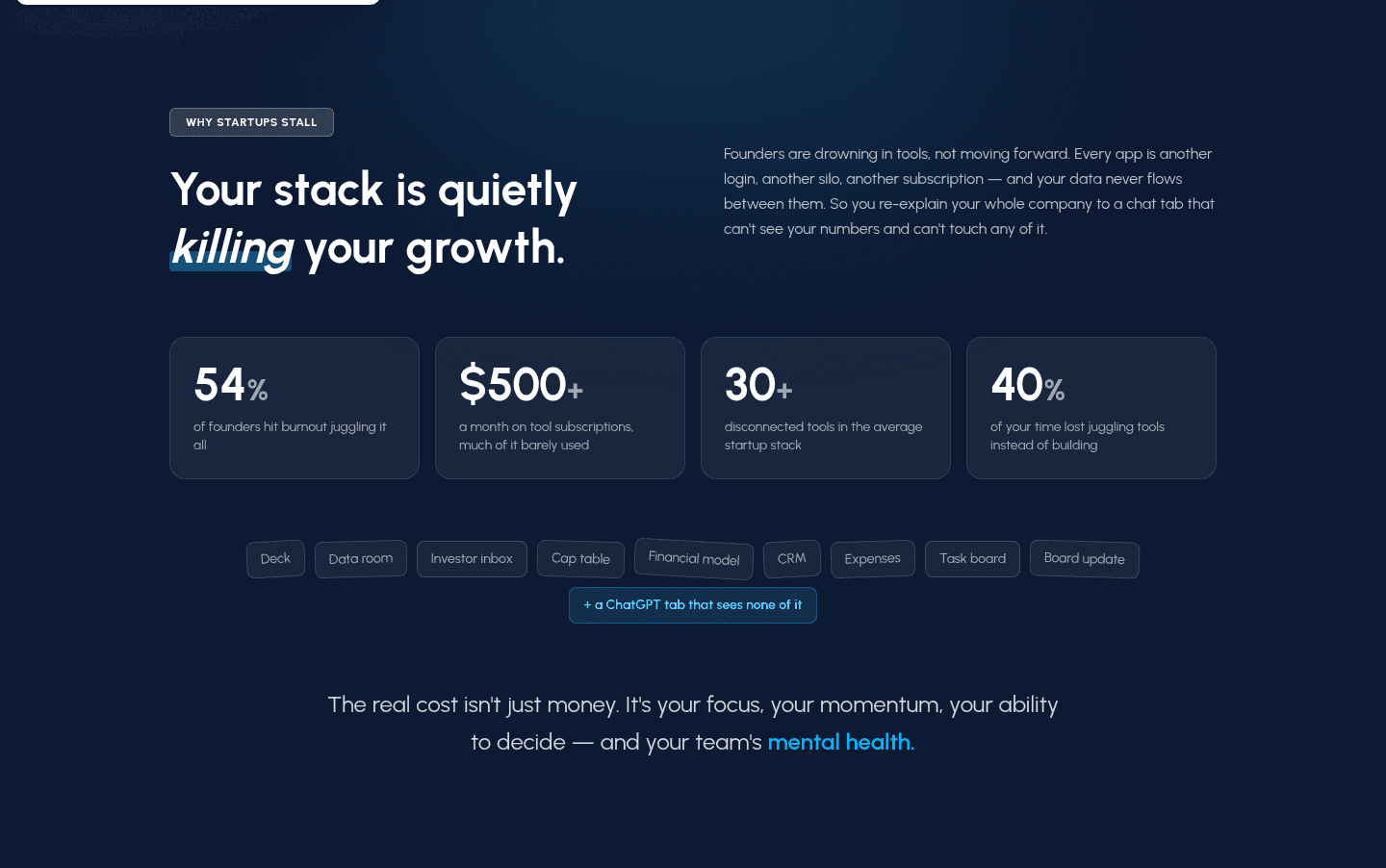
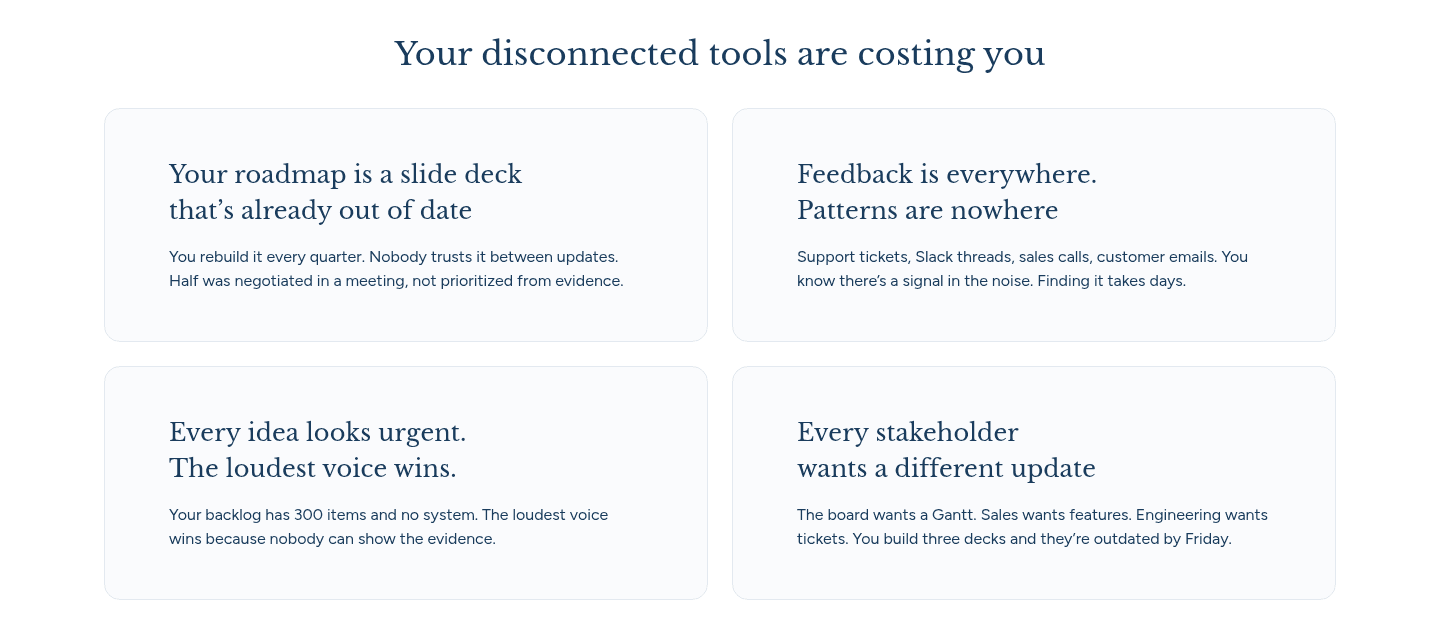
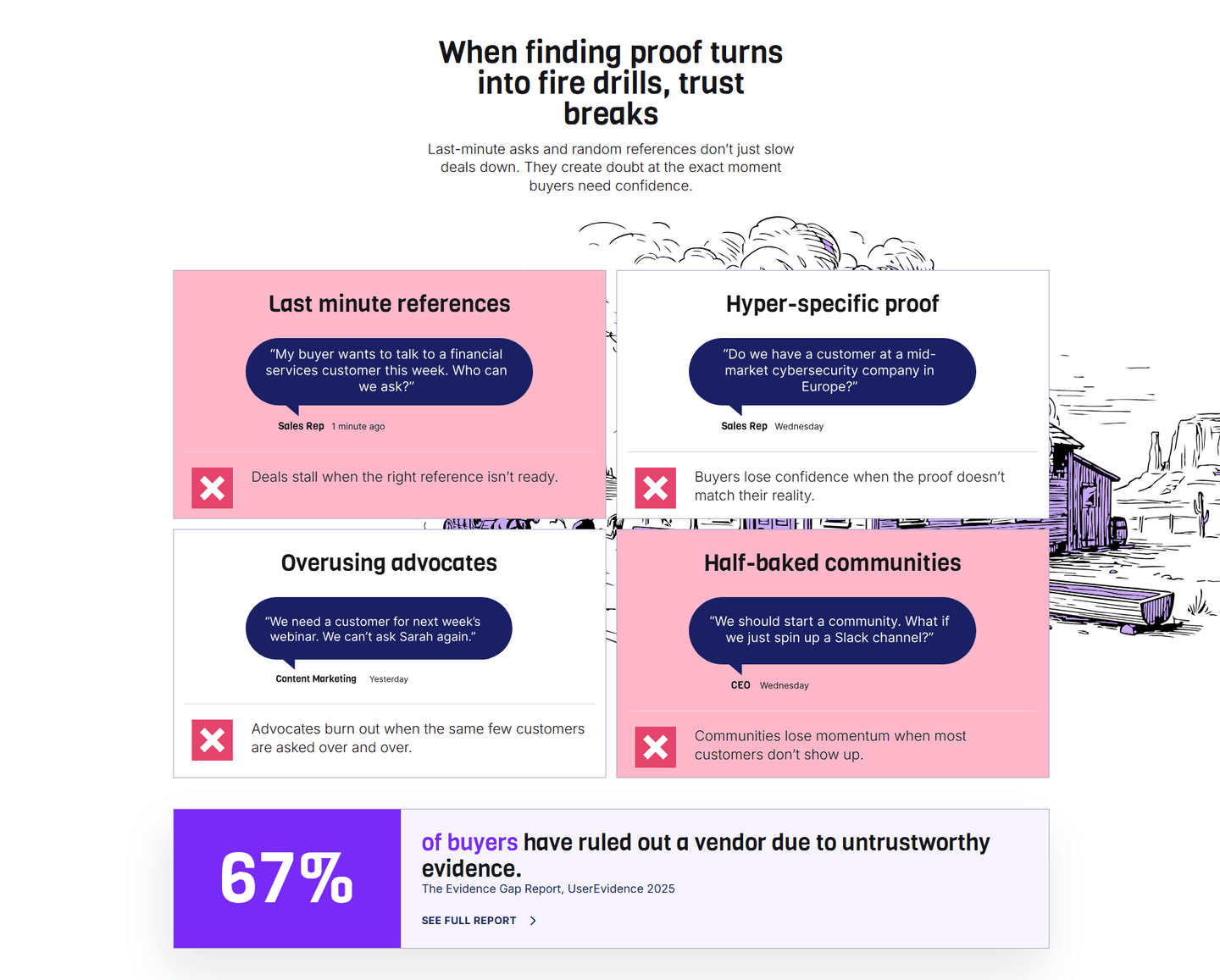
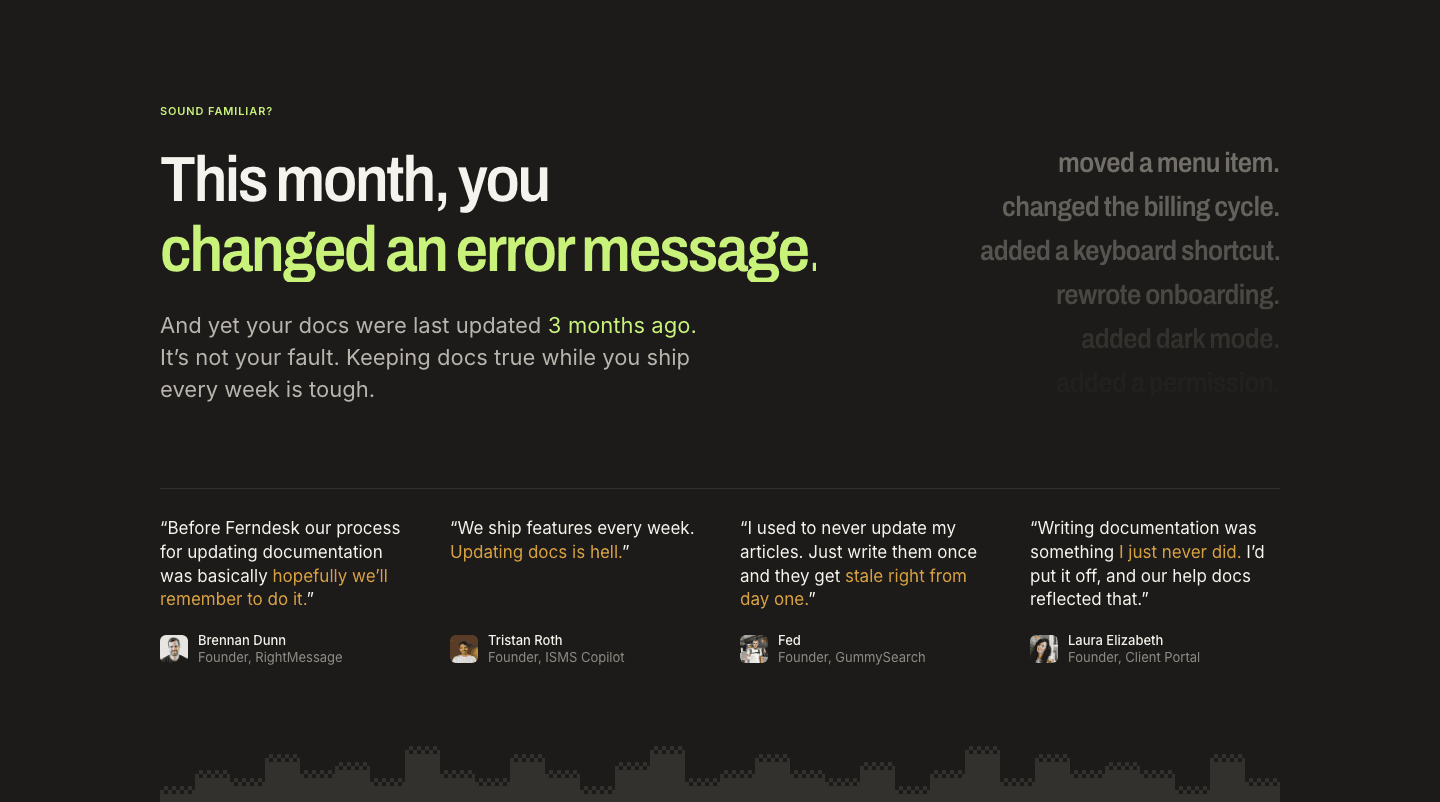
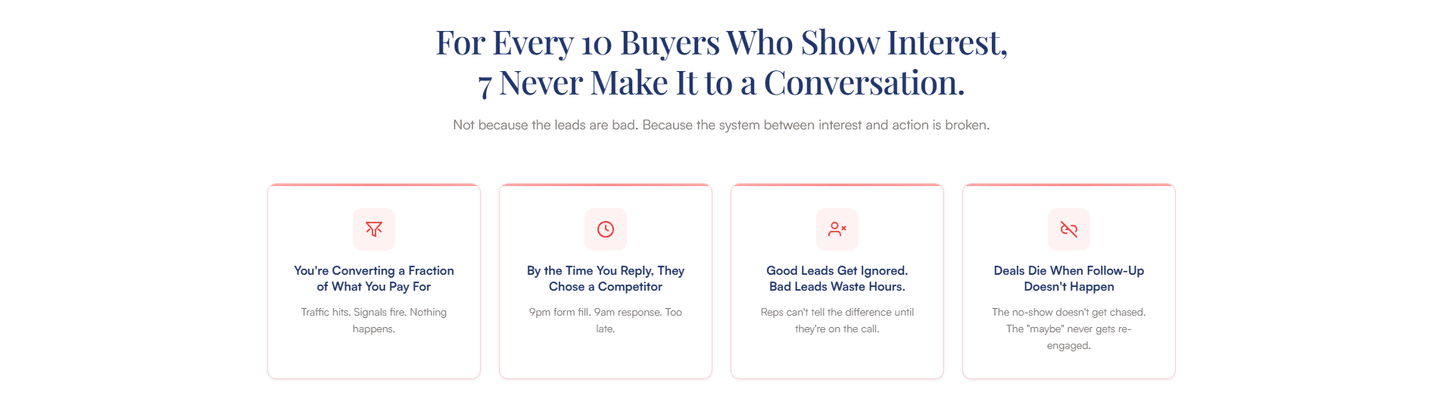
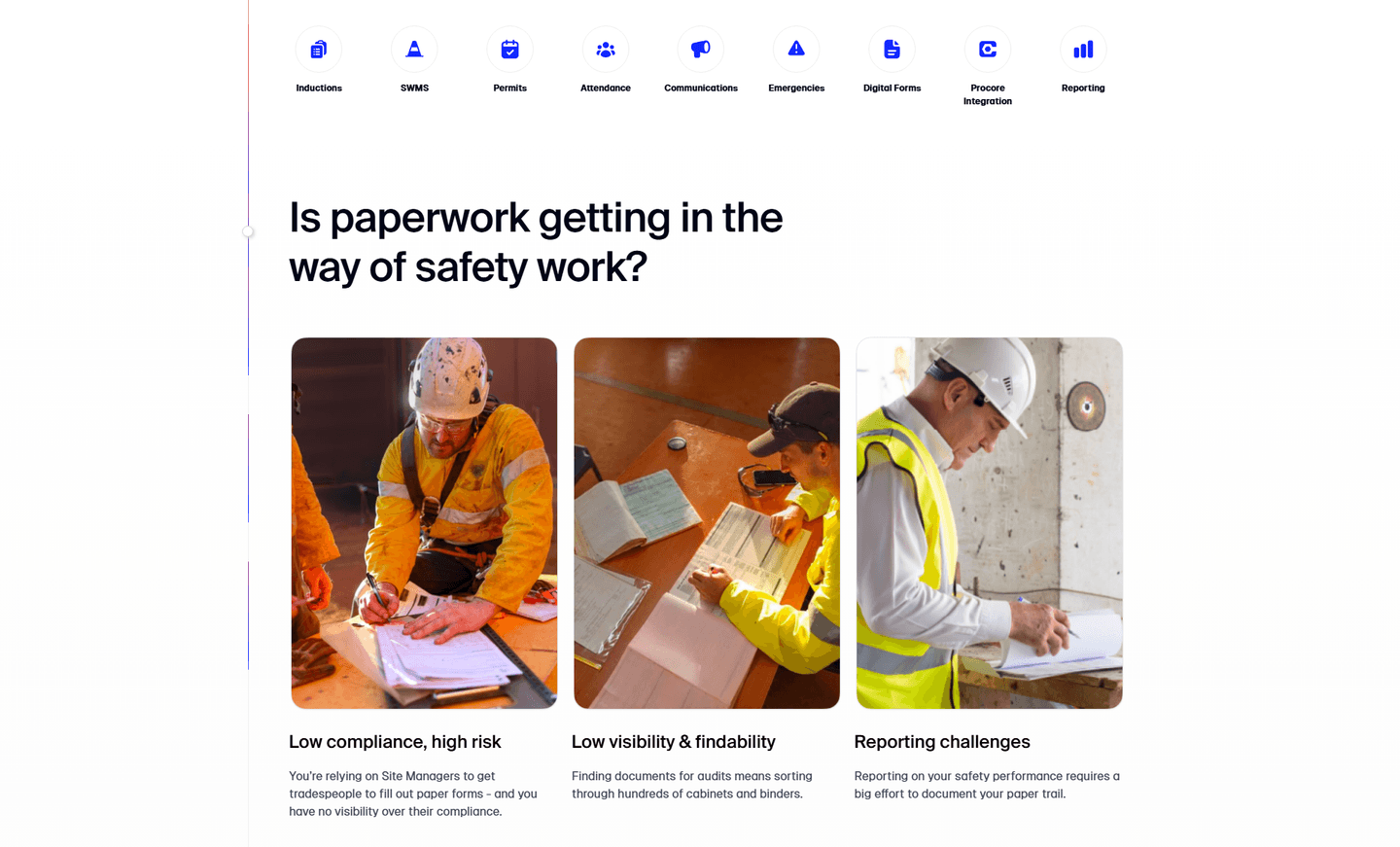
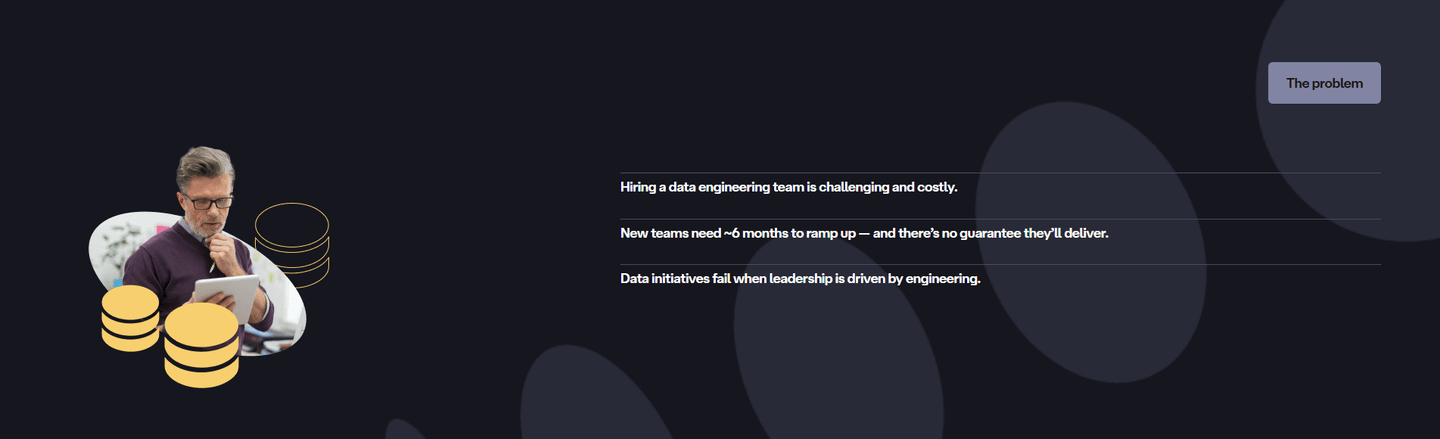
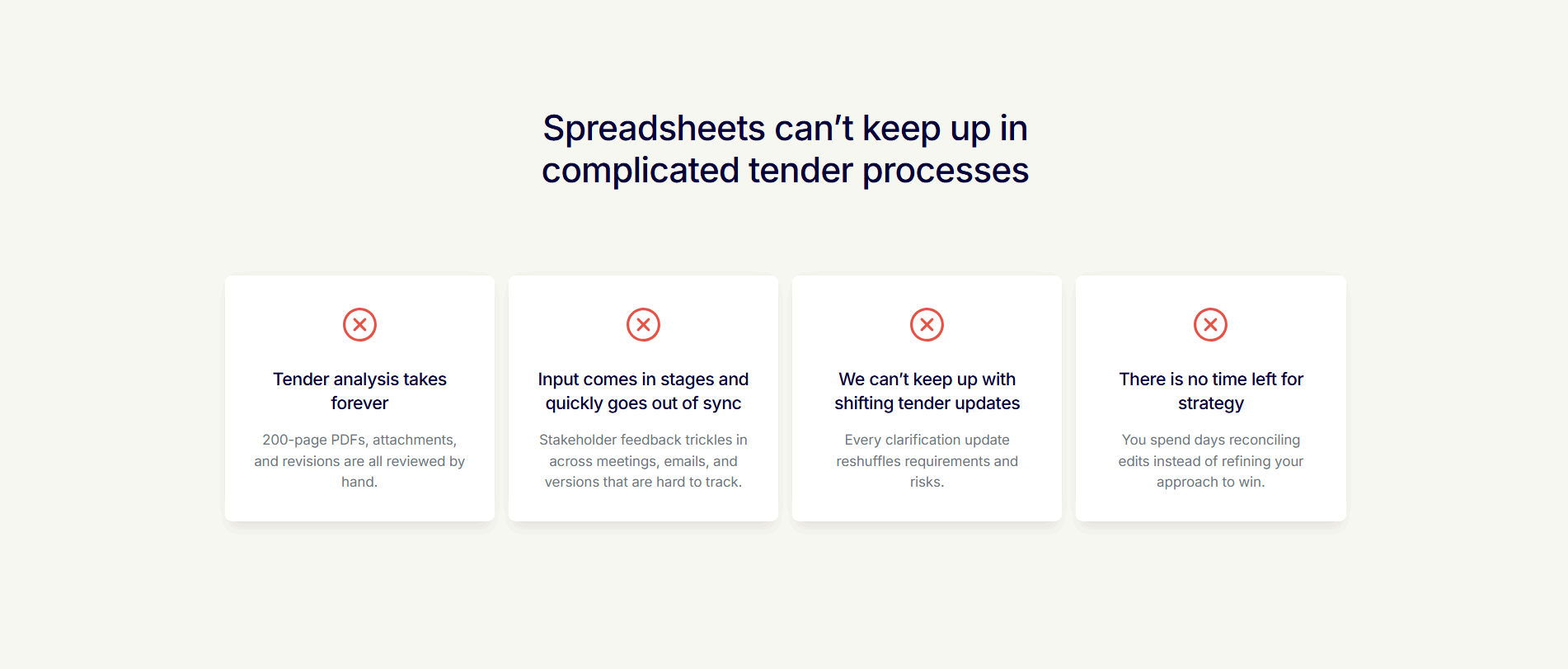
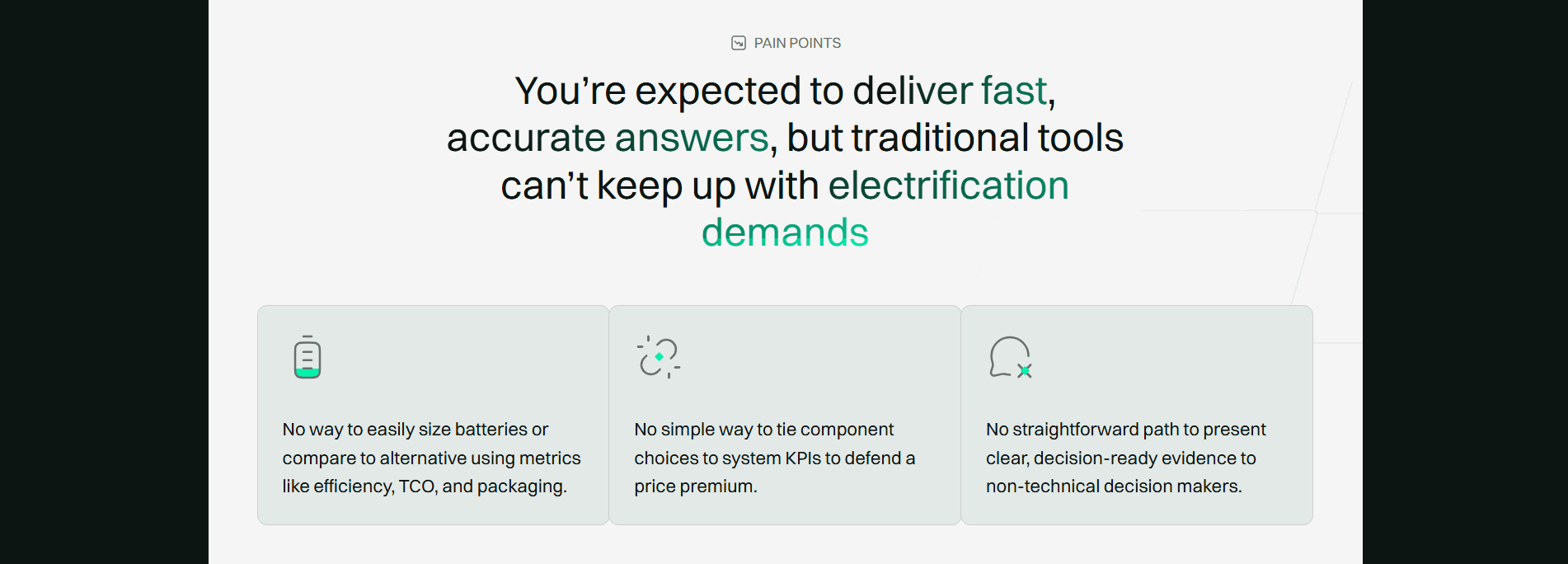
Nearly nine in ten of the problem sections in the library aim their pain at a specific reader, so the examples below are the disciplined end of a common move, not a rare one. Across them, what works is specificity of audience. The strongest sections name who feels the pain rather than describing it in the abstract: Synapsa writes for the sales rep who cannot separate good leads from bad until the call, Voltaiq ties each pain to battery OEMs rather than generic teams, and SignOnSite asks its construction and site-safety crews whether paperwork is getting in the way of the safety work. UserEvidence goes further and tags each pain to a named role, so the sales rep, the content marketer, and the CEO each find their own struggle on the same card.
The same section often carries more than one angle: many of these pages also set up a before and after or price the cost of doing nothing, and you can see the full range in the problem section gallery.
100/100 10/100
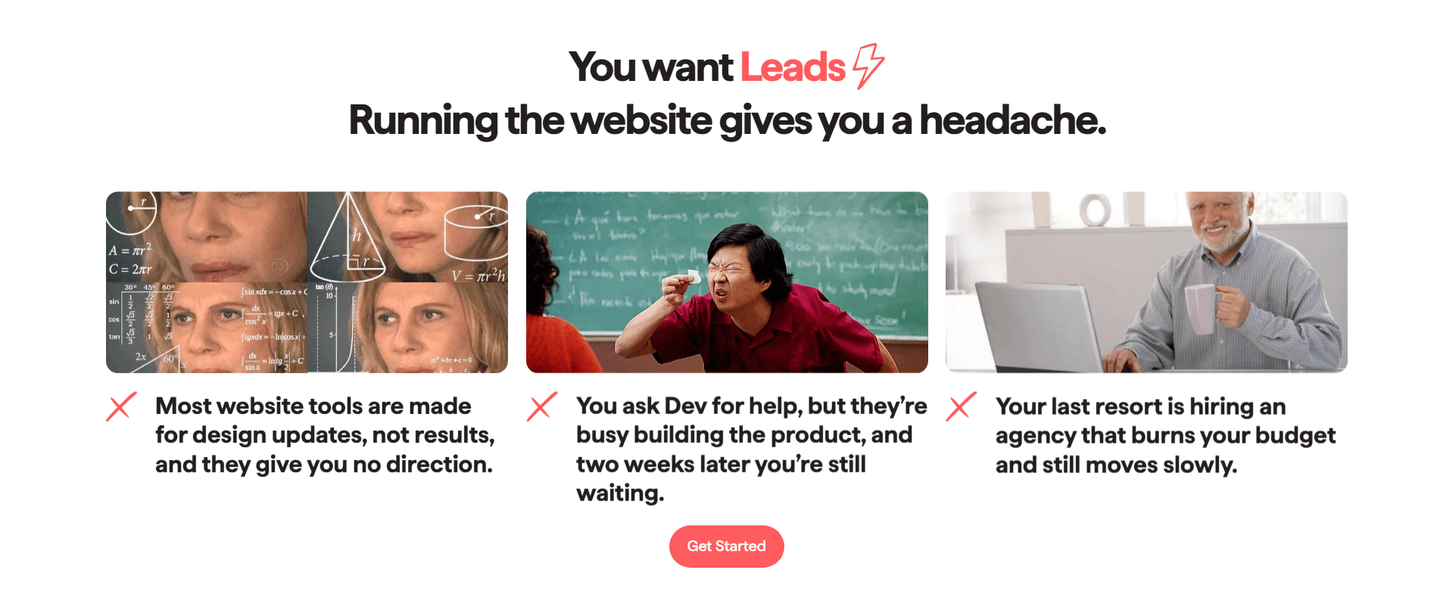
The most common failure is a persona so broad it names no one. "For teams that want to move faster" describes everyone and reaches no one, so no reader leans in. The fix is to narrow until one reader recognizes their exact job, the way the best examples name the role, the tools, and the week. The second failure is naming the persona but then describing a generic pain: a card that says "built for marketers" and follows it with "save time and do more." The reader clocks the label, finds nothing that matches their real day, and moves on. Optise avoids this by writing the pain marketers actually feel, the tools that give no direction, the Dev who is too busy, the agency that is slow and burns the budget.

Curated by
Gabriel Amzallag , Founder, Web Anatomy
5 years CRO + SEO at Qonto (2021–2025). After advising 15+ SaaS on their websites (Payfit, Pigment…), the same patterns kept breaking, so I decided to build the source of truth on what works on the web: the intelligence layer every tool, builder, and team uses to ship sites that perform.
We find every way to grow your website’s visibility and conversions: SEO, AI search (AEO), backlinks and mentions, and UX/UI. 3 free opportunities, delivered by email.
The common questions about writing a problem section for one reader, with answers drawn from 43 scored examples.
It is a problem section that writes the pain for one named reader instead of a general audience. Rather than describing a problem in the abstract, it names who feels it, a product manager, a bid team, a full-time creator, and then describes the exact frustration that person lives with. The point is that the right reader looks at the card and thinks the page was written for them, not for everyone.
A generic problem gets a generic nod and no motion. A pain written in the reader's own words gets recognition, and recognition is what makes the reader trust that the product was built for their job. When a section names the role, the tools, and the daily frustration precisely, the reader concludes that the people behind the product actually understand the work, which makes the fix that follows far easier to believe.
A clear signal of who it is for and a pain described in that person's real language. The strongest versions open with a persona cue, a badge, a rhetorical question, or a role name, then follow it with the concrete details of that reader's week: the tools that do not work, the hours lost, the moment things break. Deep opens a card with 'I'm totally new to procurement digitalisation,' so the exact segment reading it raises a hand before reading a word.
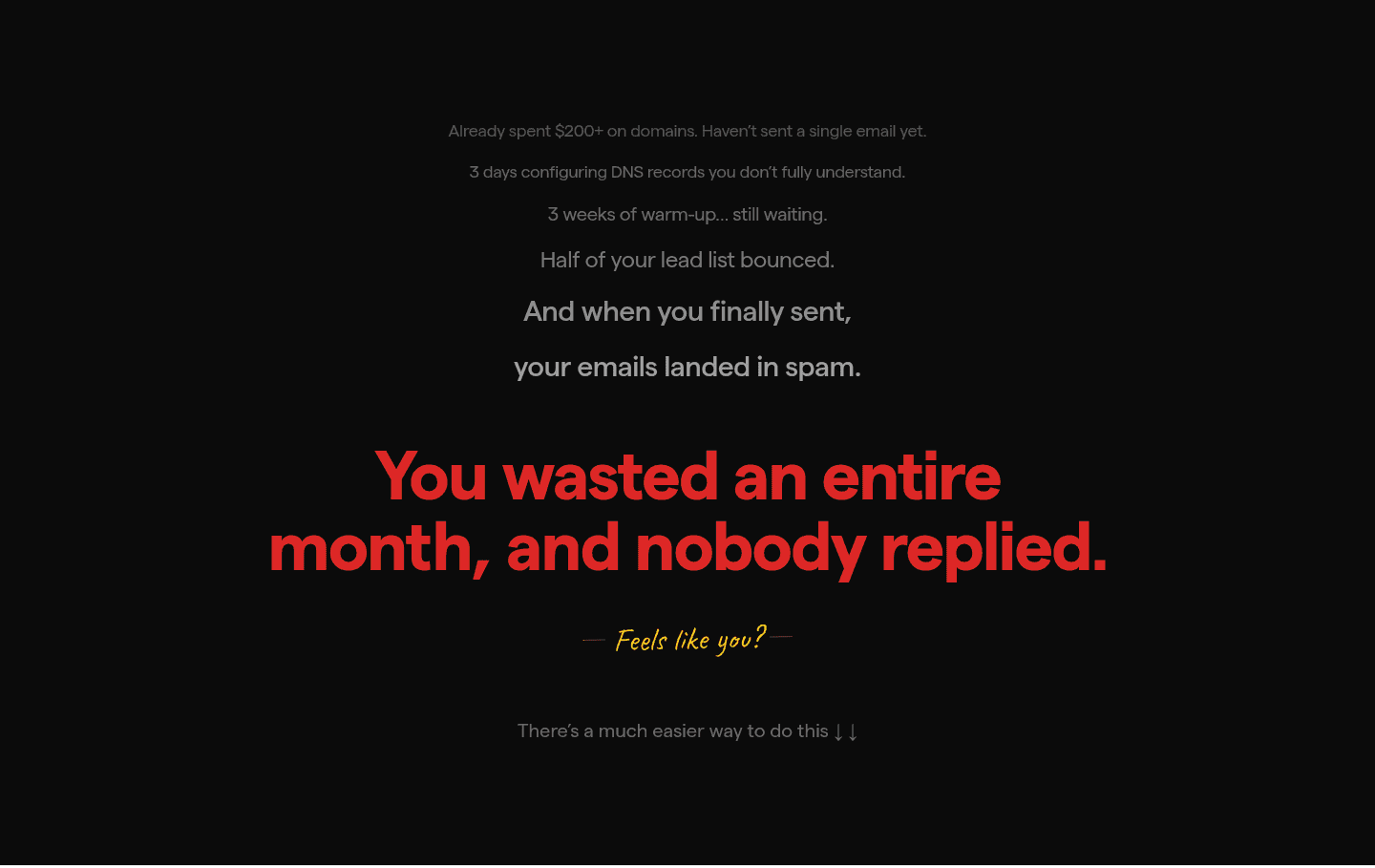
A pain list describes what is broken for a generic user. A persona-specific section aims the same pain at one reader so it reads as personal rather than universal. Saleshandy stacks the wasted effort, the domains, the DNS days, the weeks warming up, then asks in handwriting 'Feels like you?', which turns a list into a mirror. The difference is address: the pain is pointed at someone in particular.
Split the section so each audience finds its own pain instead of blurring them into one. Lokalise splits its section by maturity, so the solo manager and the stalled enterprise each land on the pain that fits them, and each card closes on its own next step. Payaca splits by current setup, spreadsheets on one side, a disconnected CRM on the other, so every reader recognizes their own situation rather than a compromise built for no one.