Contact|
Alternative contact channels give a visitor ways to reach the team beyond the form, a direct email, a phone line, live chat, or an embedded booking, so intent is never lost to a form someone will not fill in.
Key takeaways
Showing 1–26 of 26 examples
Browse every contact pattern by UX best practice.
Every contact section is scored across 5 conversion best practices. Copy the best practice stack, not the layout. See what converts and why.
Hand-picked from {companies} companies and analyzed by our AI conversion agent. Not a random dump of contact forms. Every entry earns its spot.
Built a contact section? Run yours through the same scoring engine. See where you stand on the same best practices, and what to fix first.
Alternative contact channels are the decision to offer more than one way to reach the team. The form stays, but it stops being the only door. A visitor who wants to talk now, or has a question too small for a sales inbox, or simply distrusts forms, gets a path that fits them instead of a dead end. A single form treats every visitor as the same person with the same question. Alternative channels treat them as the different people they are.
The pattern takes a few concrete forms:
A single form assumes every visitor arrives with the same question and the same patience. They do not. A prospect who is ready to buy wants to book a call today, not wait a day for a form reply. Someone with a two-minute question wants chat or a help center, not a sales queue. An existing customer with a problem wants support, not a lead form. When the only option is a general-purpose form, each of those visitors has to force their intent into a box that does not fit, and a share of them leave instead.
Alternative channels work because they let the visitor self-select the fastest route for their situation. The form still catches the people who prefer a form. The email, the chat, and the booking widget catch the ones who would otherwise have closed the tab. The result is more conversations, from a wider range of intents, than any single channel could hold on its own.
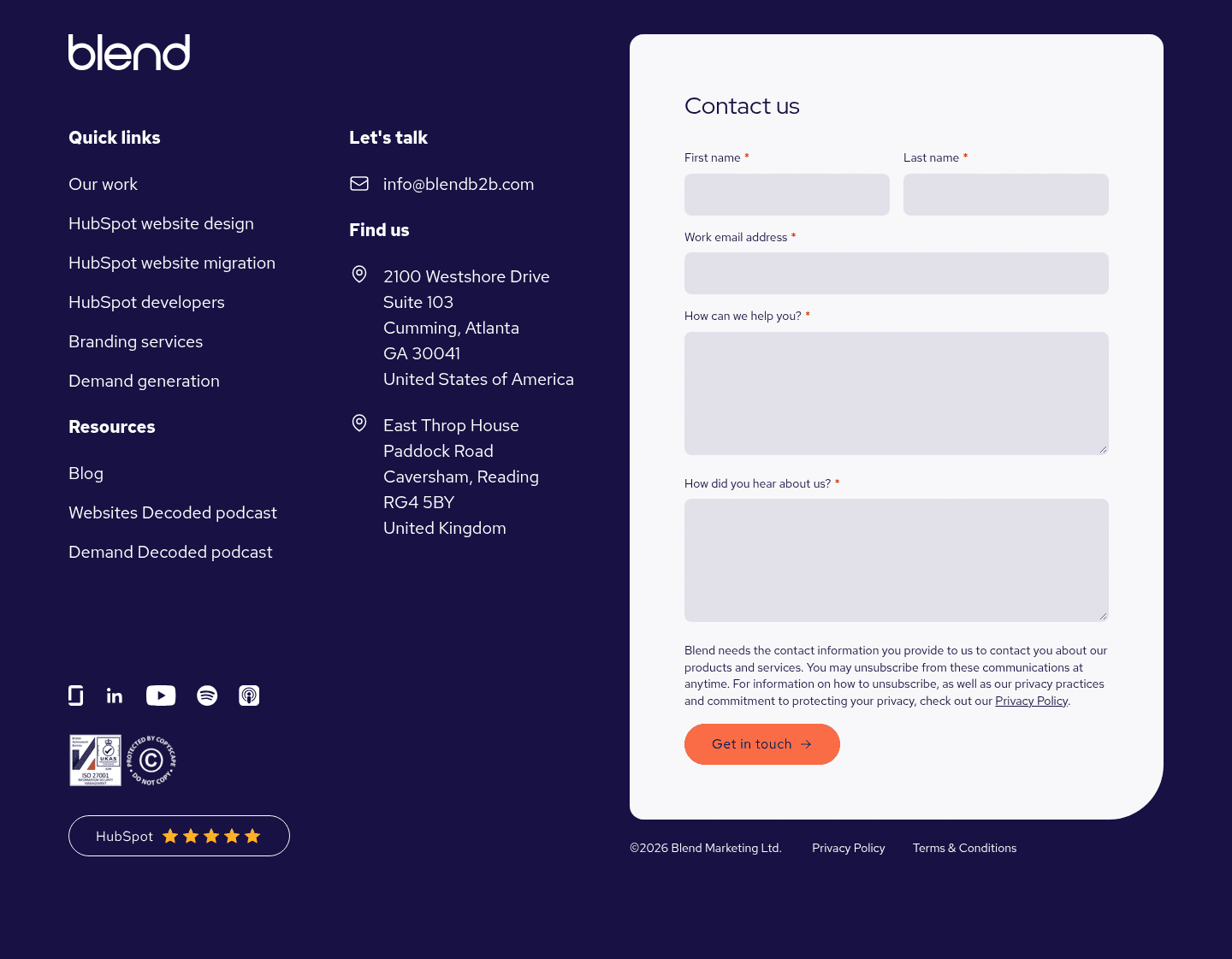
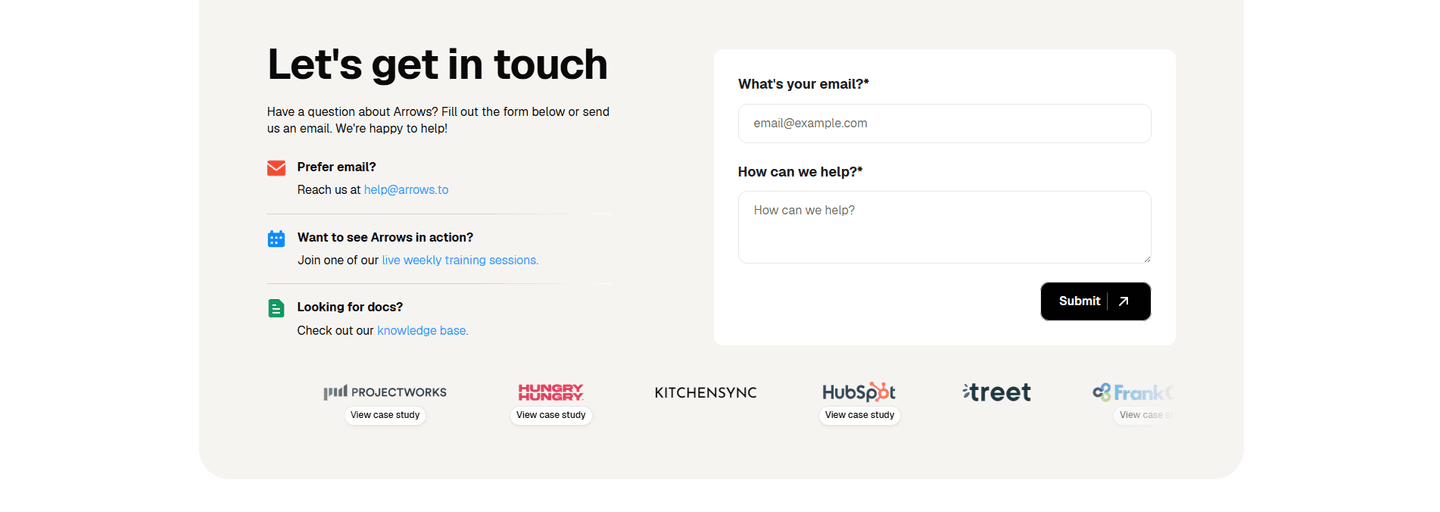
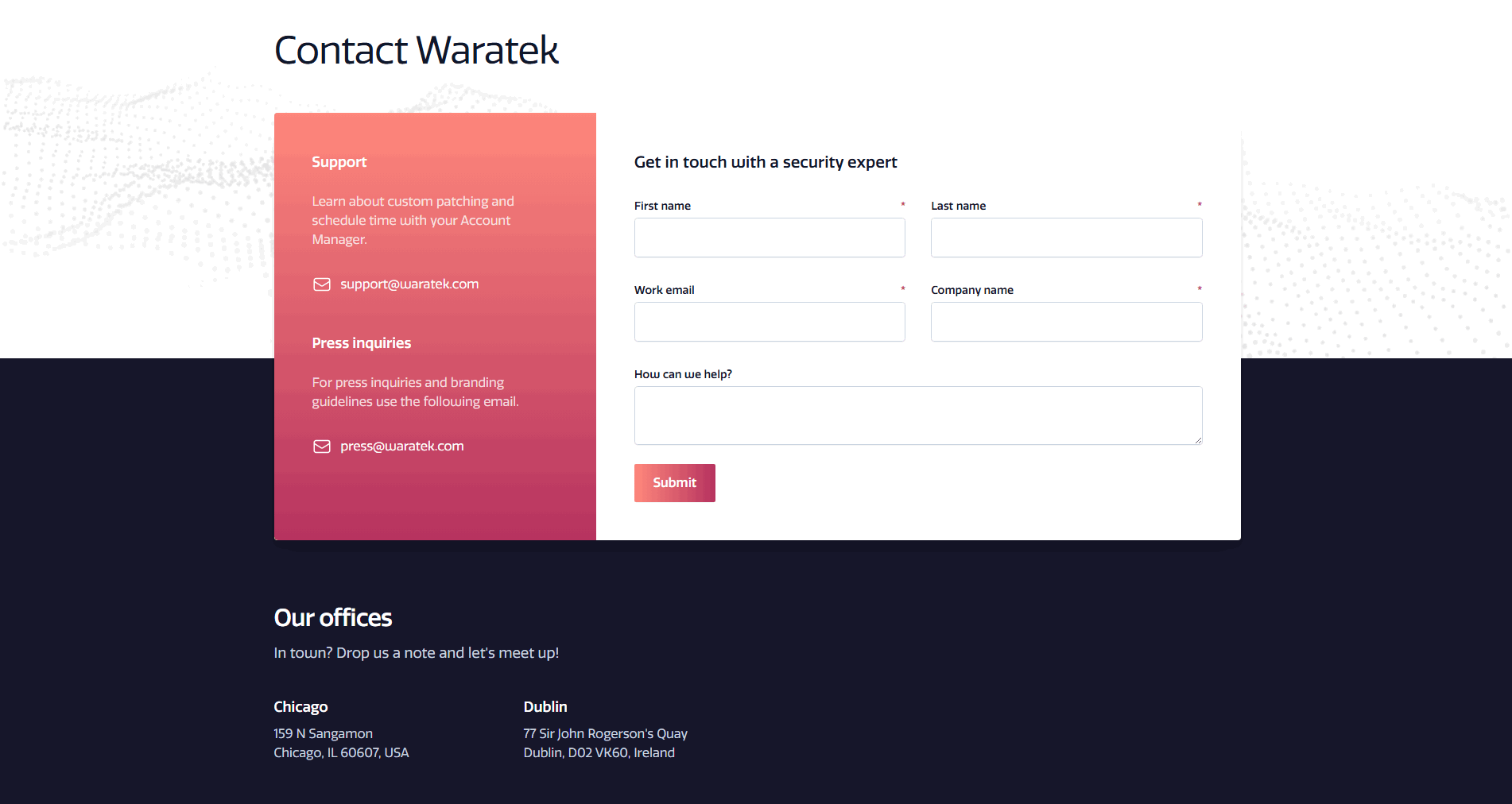
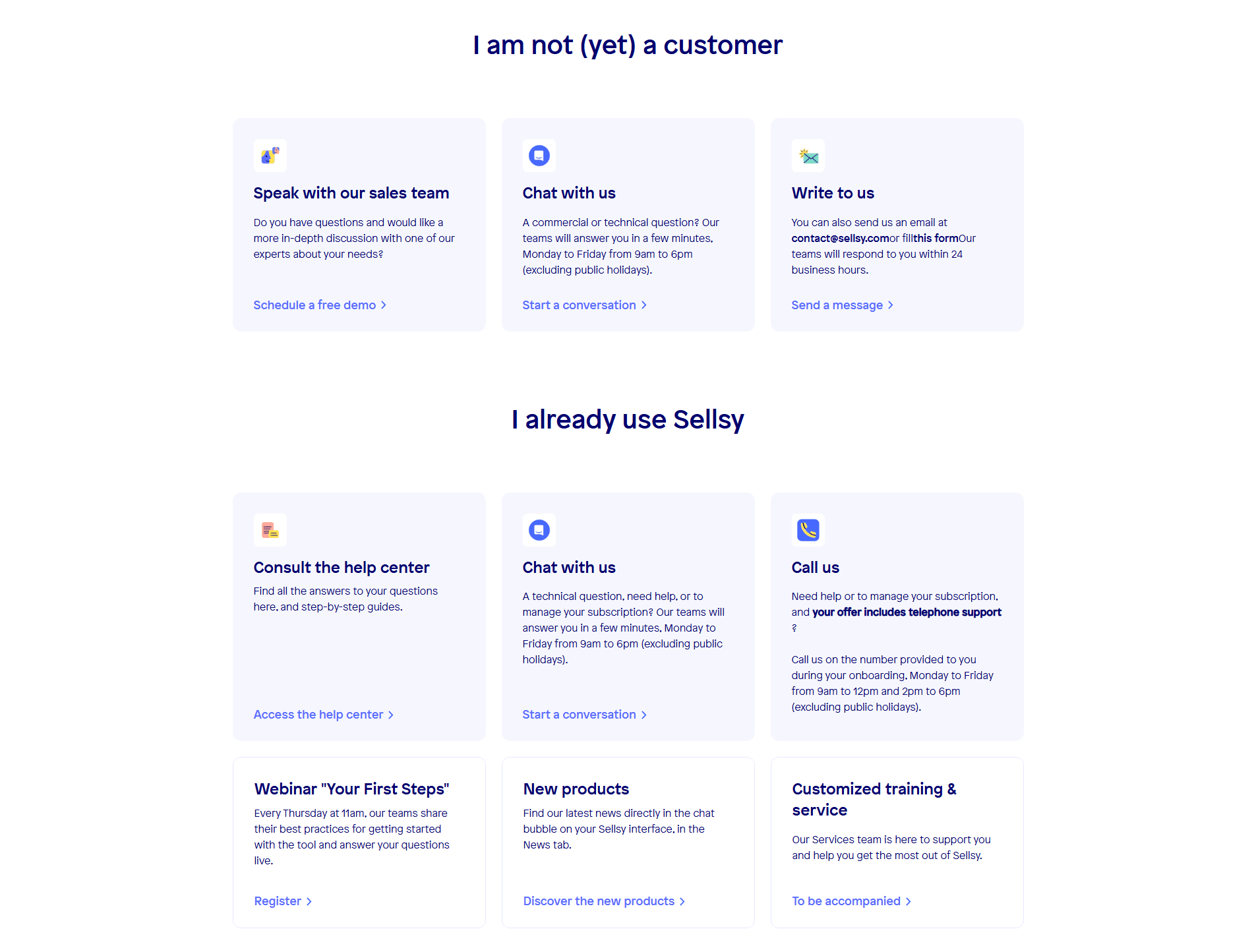
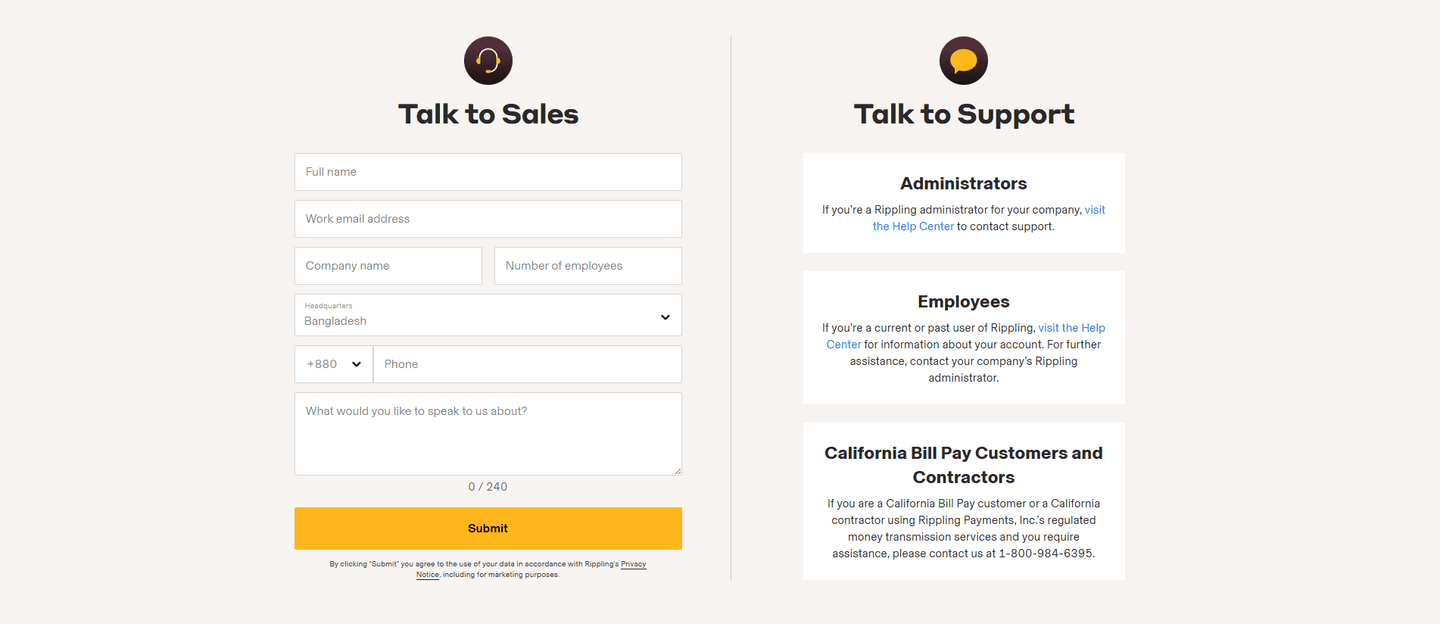
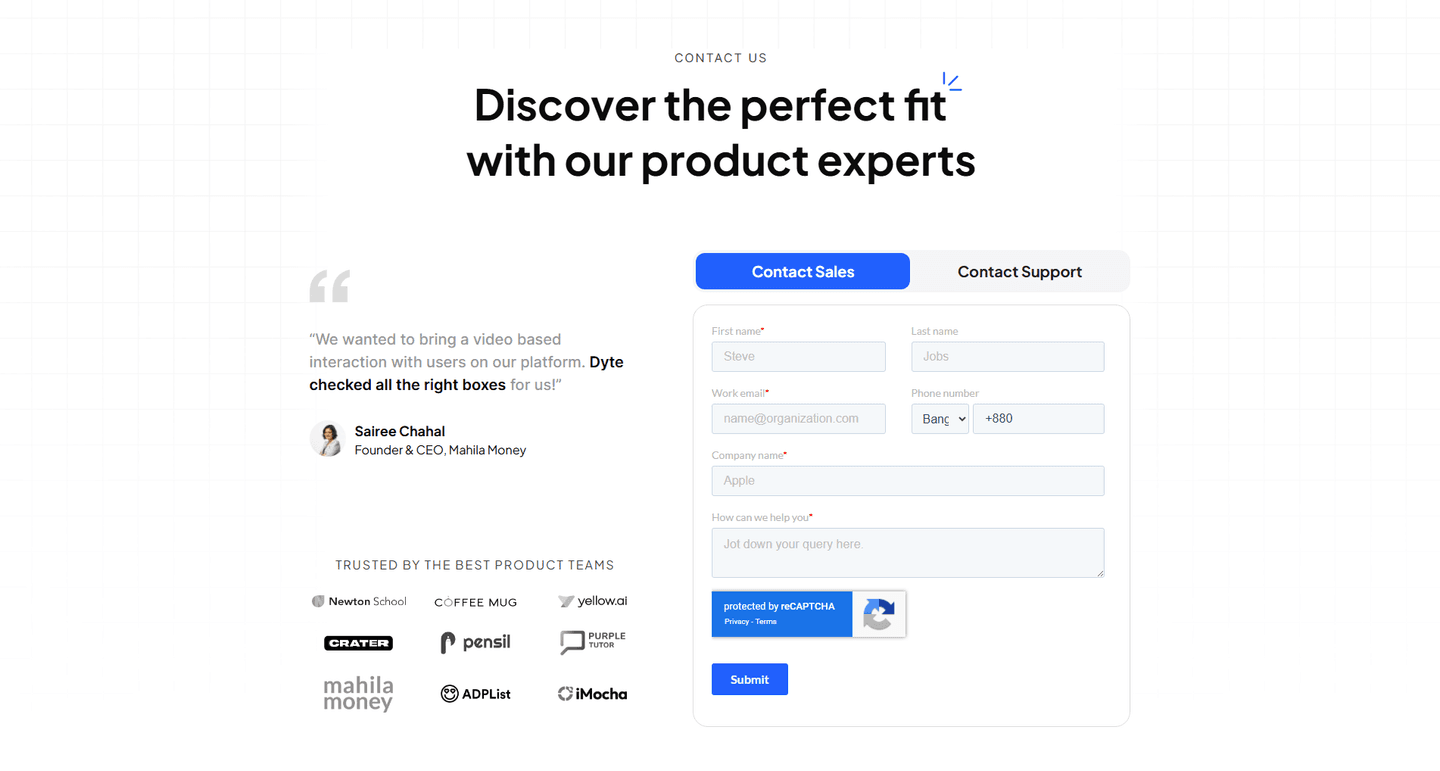
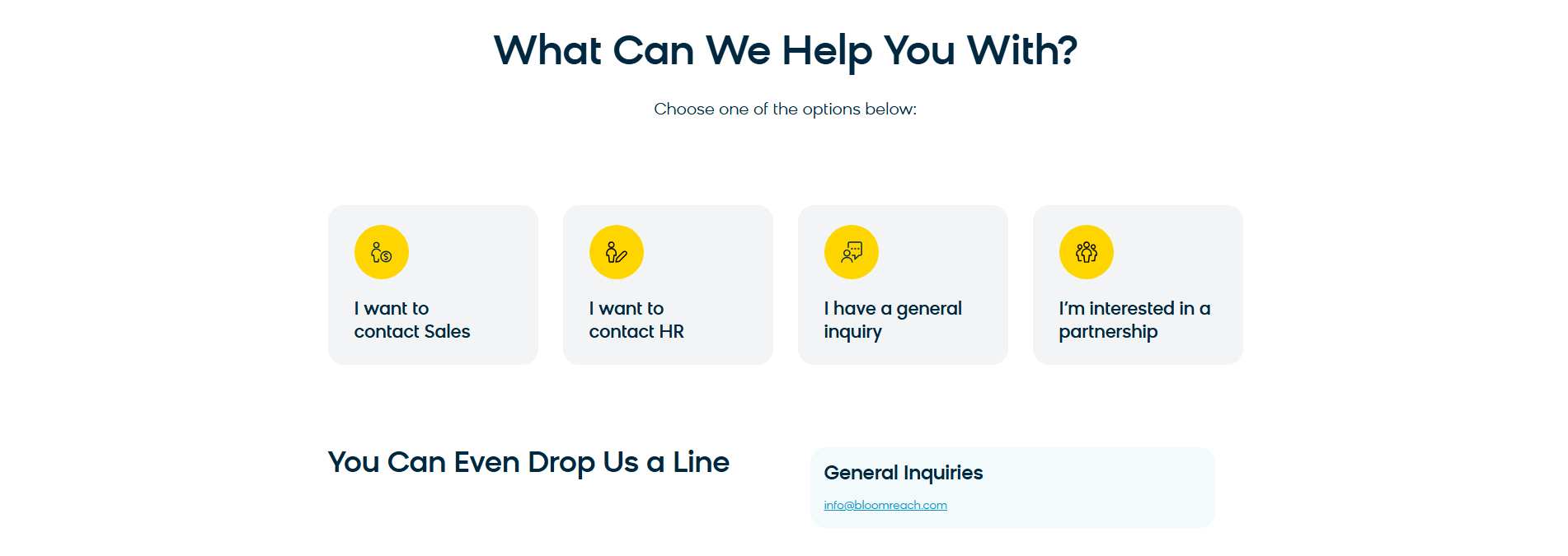
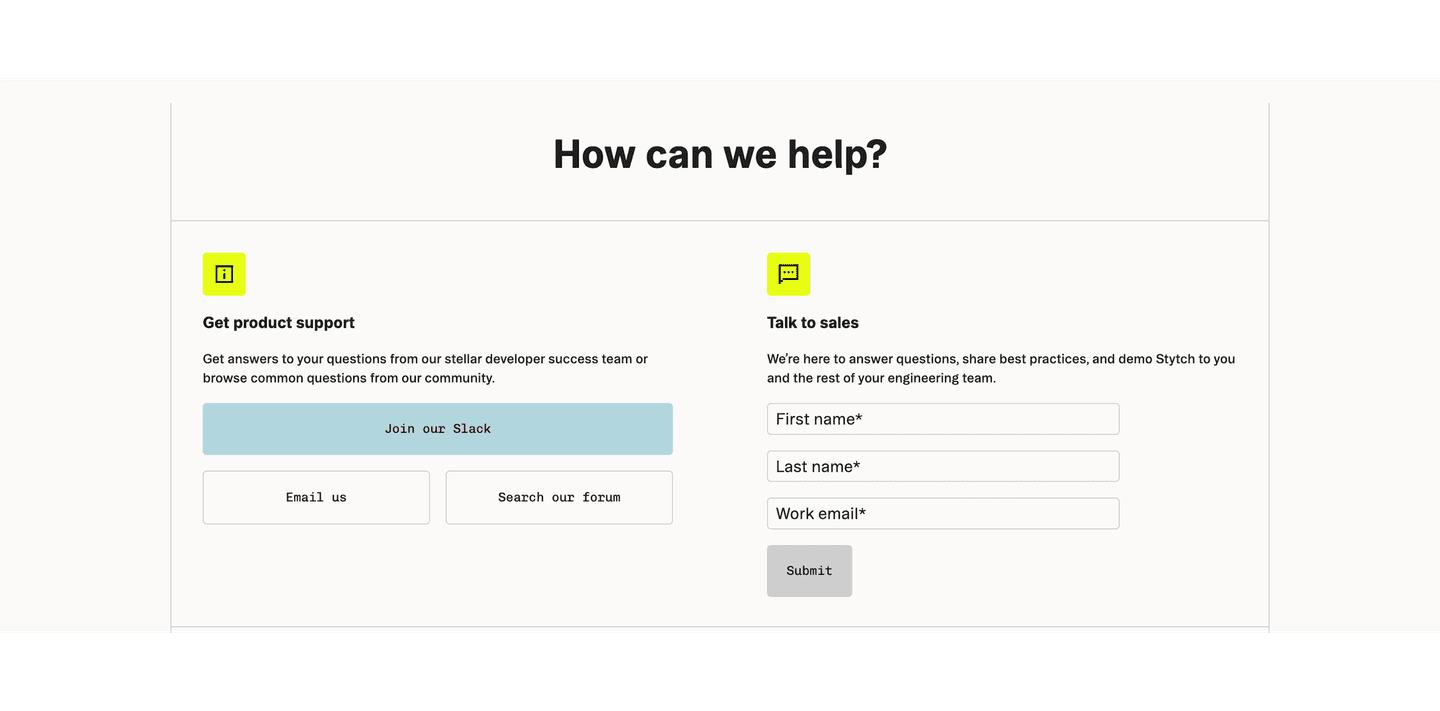
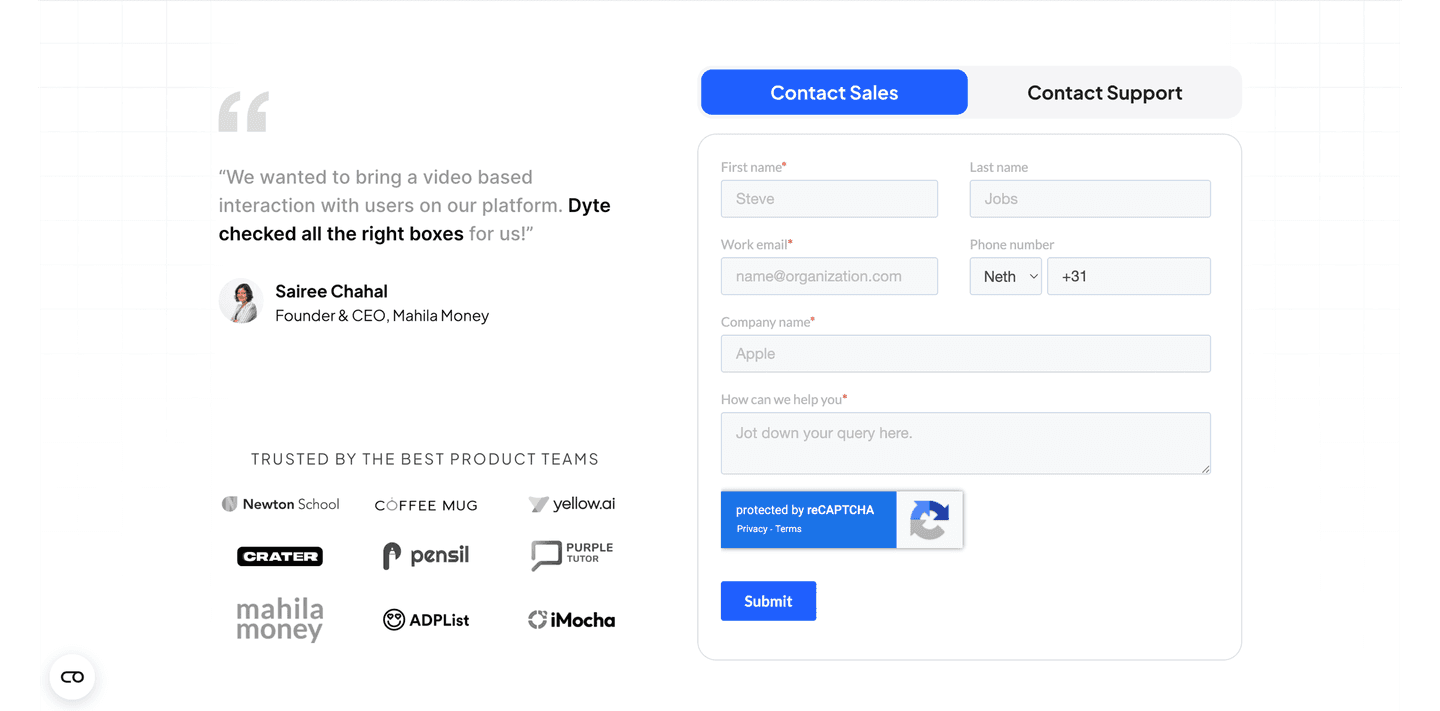
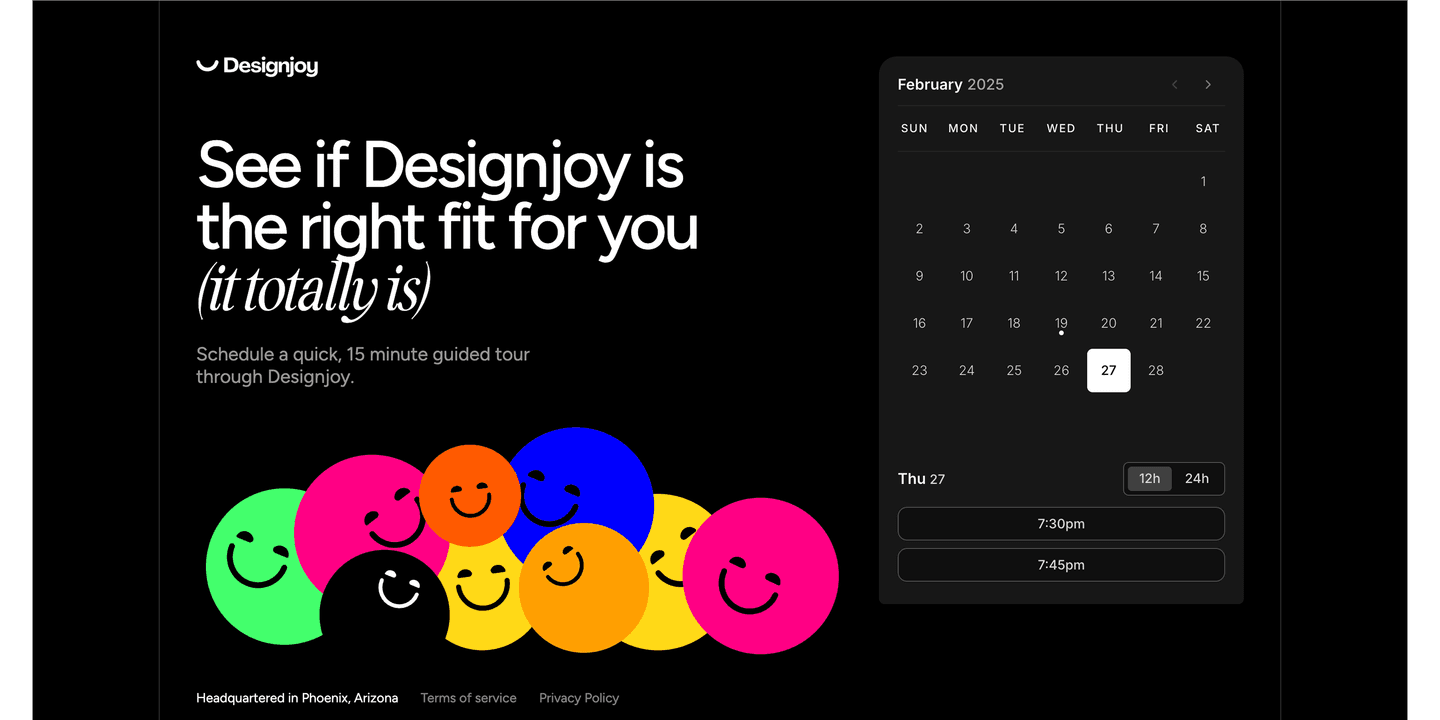
Just under half of the scored contact sections below offer a channel beyond the form, so the practice is common without being universal, and that gap is the opportunity. The versions that work are deliberate about labeling. Arrows gives each path an icon and a plain label so a visitor knows in a glance whether to email, join the training, or search the knowledge base. Sellsy states its response times next to each channel, chat within minutes during business hours, email within a business day, so the visitor picks the option that matches how fast they need an answer. Rippling and Dyte split the whole section by team, sales in one column and support in the other, so no one lands in the wrong queue. The discipline is not offering every channel, it is offering the right few and making each one's job obvious.
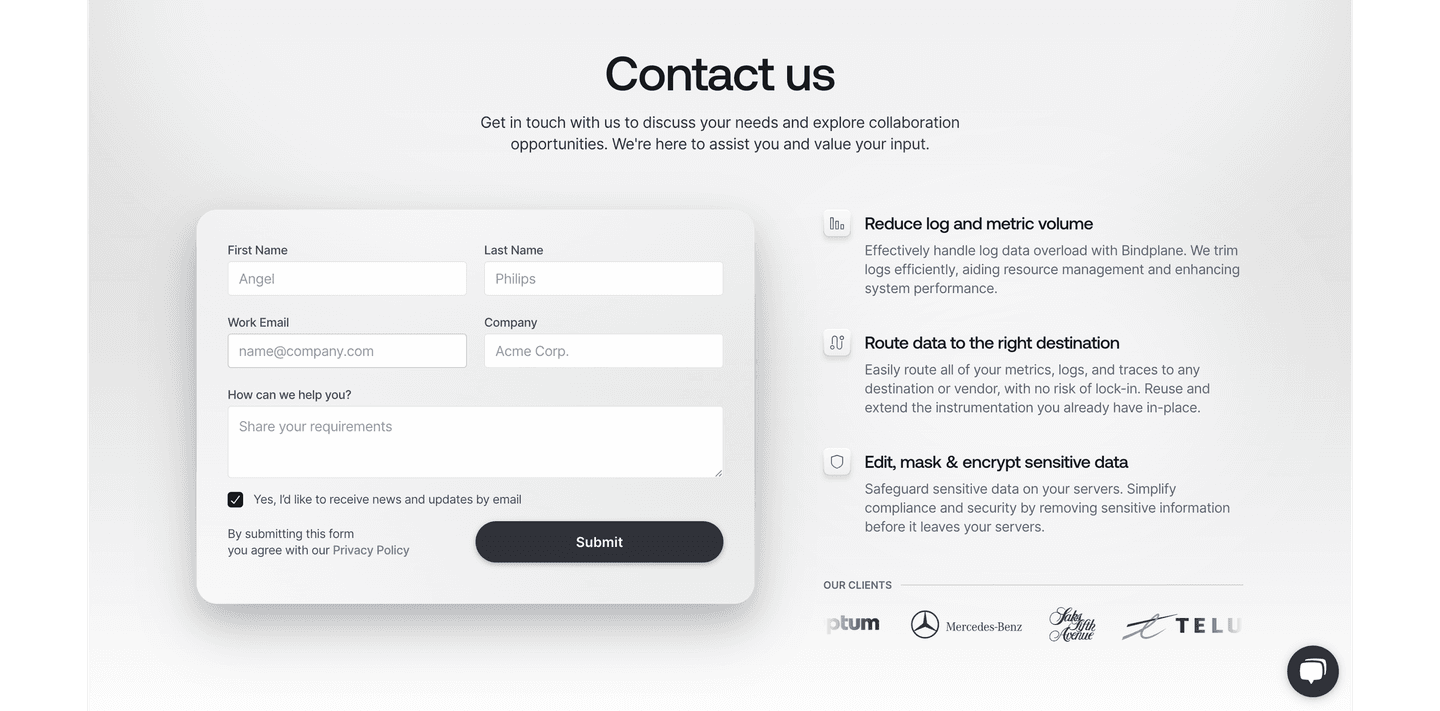
The strongest contact sections also treat channels and the form as one system. It is worth reading how the same pages keep the contact form itself short so the form stays a viable option, and how they handle trust signals in the contact form so every path feels safe to take. Browsing the full contact section library shows the combinations side by side.
100/100 0/100
0/100The first failure is the form-only contact page, where a visitor ready to talk today has no way to do it and a customer with an urgent problem lands in a sales inbox. The second is the opposite: a wall of undifferentiated channels, five links with no labels, so the visitor cannot tell which one answers their question and picks none. The third is the channel that does not work, a chat bubble no one staffs, a phone line that rings out, an email that never replies, which does more damage than no channel at all because it promises a person and delivers silence. Offer a small set of channels, label each with the job it does, and make sure every one of them actually reaches someone.

Curated by
Gabriel Amzallag , Founder, Web Anatomy
5 years CRO + SEO at Qonto (2021–2025). After advising 15+ SaaS on their websites (Payfit, Pigment…), the same patterns kept breaking, so I decided to build the source of truth on what works on the web: the intelligence layer every tool, builder, and team uses to ship sites that perform.
Paste your URL. Get a scored analysis of your contact section, including whether visitors have a path beyond the form. Free, no signup.
The common questions about offering more than a form on the contact page, with answers drawn from 26 scored examples.
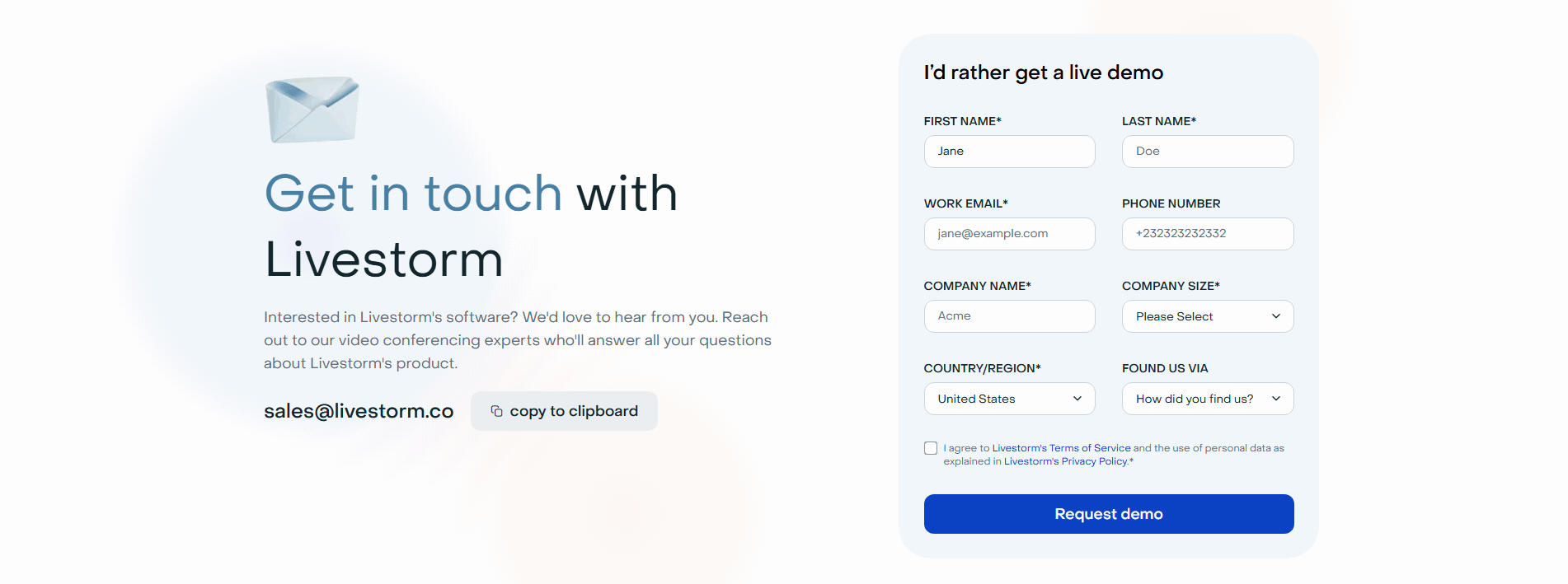
They are the ways a contact section lets a visitor reach the team beyond the form itself. The most common are a direct email address or phone number, a live chat bubble, an embedded calendar that lets a prospect self-book a call, a link to a help center or knowledge base, and office addresses. The point is to give more than one door, so a visitor who will not fill in a form still has a way through.
A single form assumes every visitor has the same question, the same patience, and the same willingness to type. They do not. A prospect ready to buy wants to book a call now, not wait a day for a form reply. Someone with a quick question wants live chat or a help center, not a sales inbox. An existing customer with a problem wants support, not a lead form. Offering a channel for each intent means fewer people leave because the only option did not fit them.
Match the channels to the intents you actually get. A direct email and phone number cover people who want a human fast. Live chat answers quick pre-sales questions in the moment. An embedded booking widget lets a warm prospect skip the form and pick a slot. A help center or knowledge base deflects the questions that do not need a person at all. Most strong contact sections offer two or three of these beside the form, not all of them at once.
They tend to raise total conversations, not lower them. The form only ever captured the visitors willing to use a form. The email, the chat, and the booking widget capture the ones who would have left instead. The risk is not offering too many channels, it is presenting them as an undifferentiated list so no one knows which to pick. Label each channel with the job it does and the form keeps its share while the alternatives catch the rest.
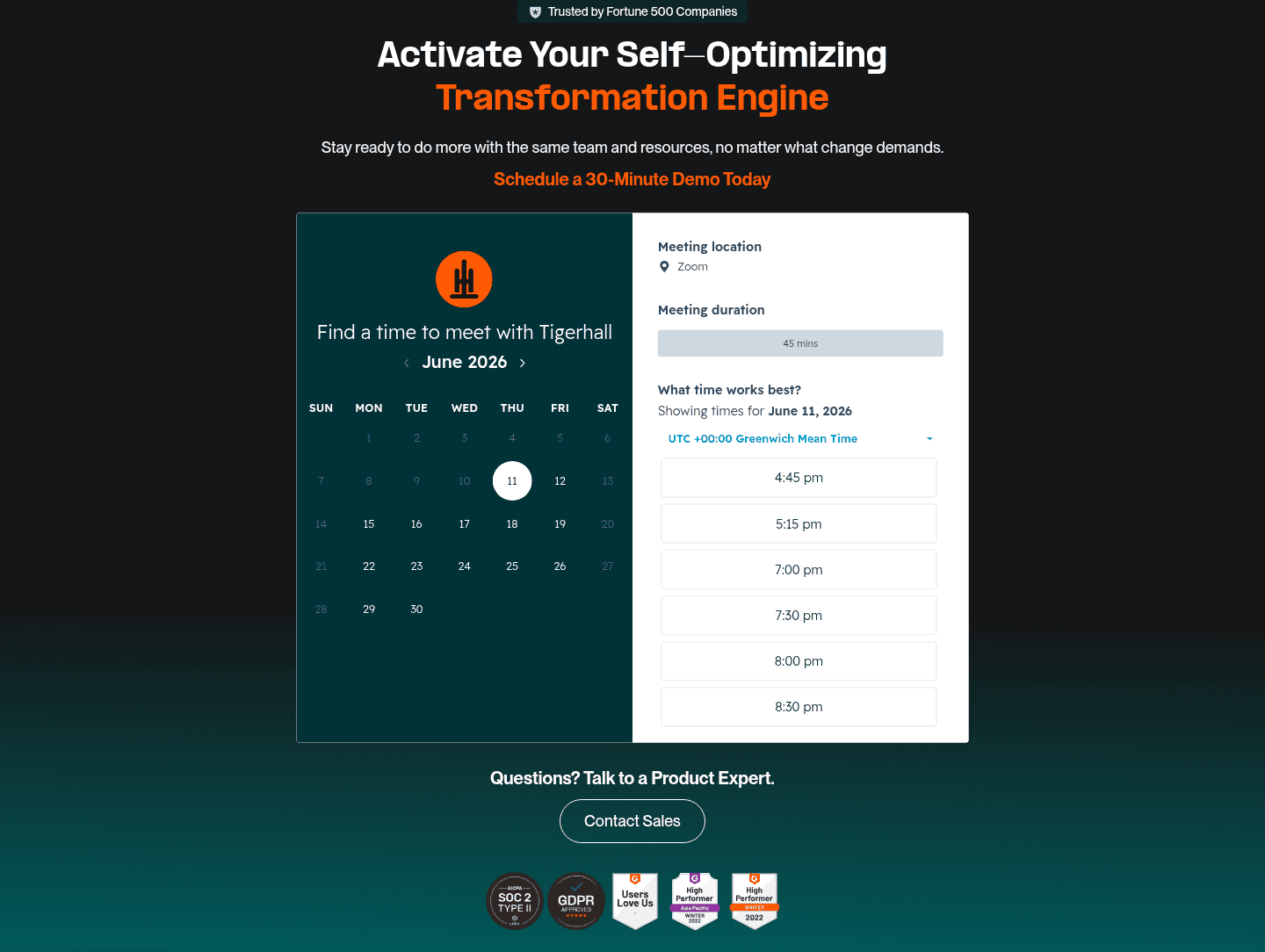
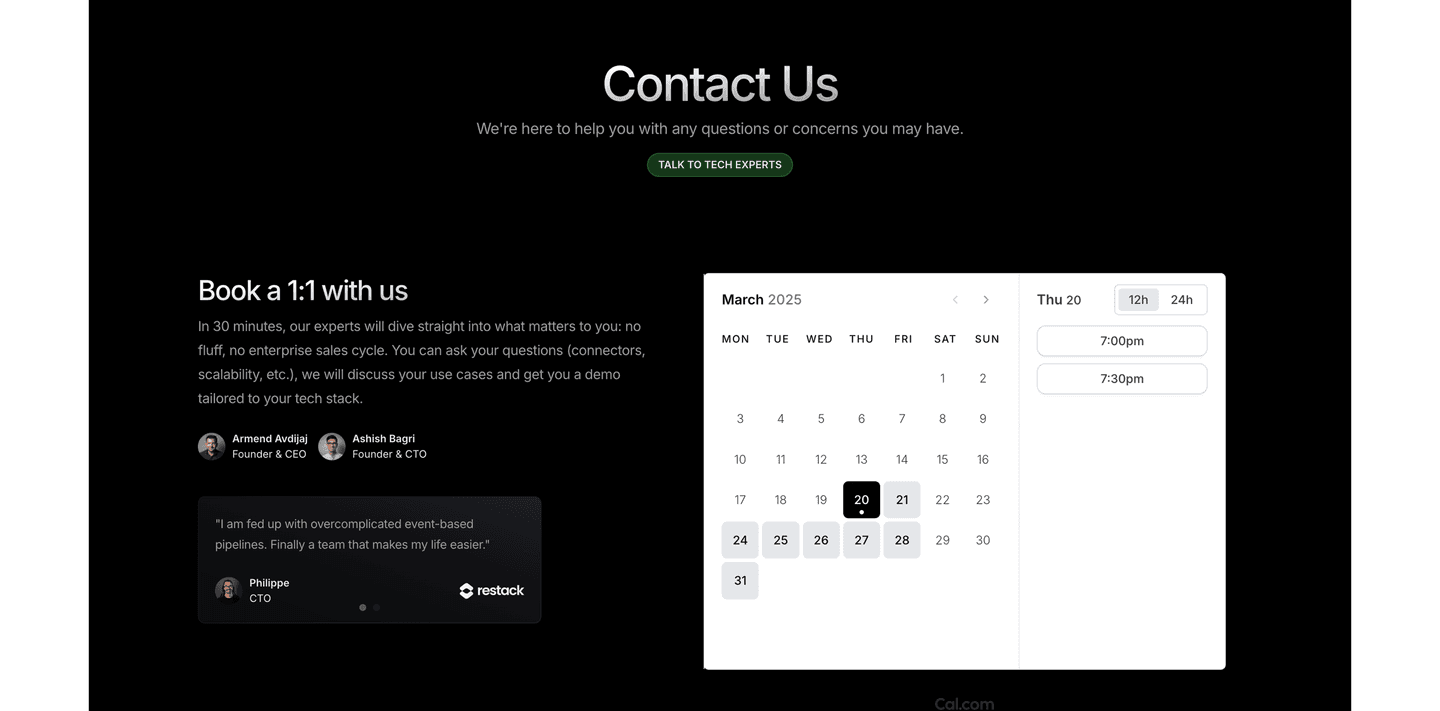
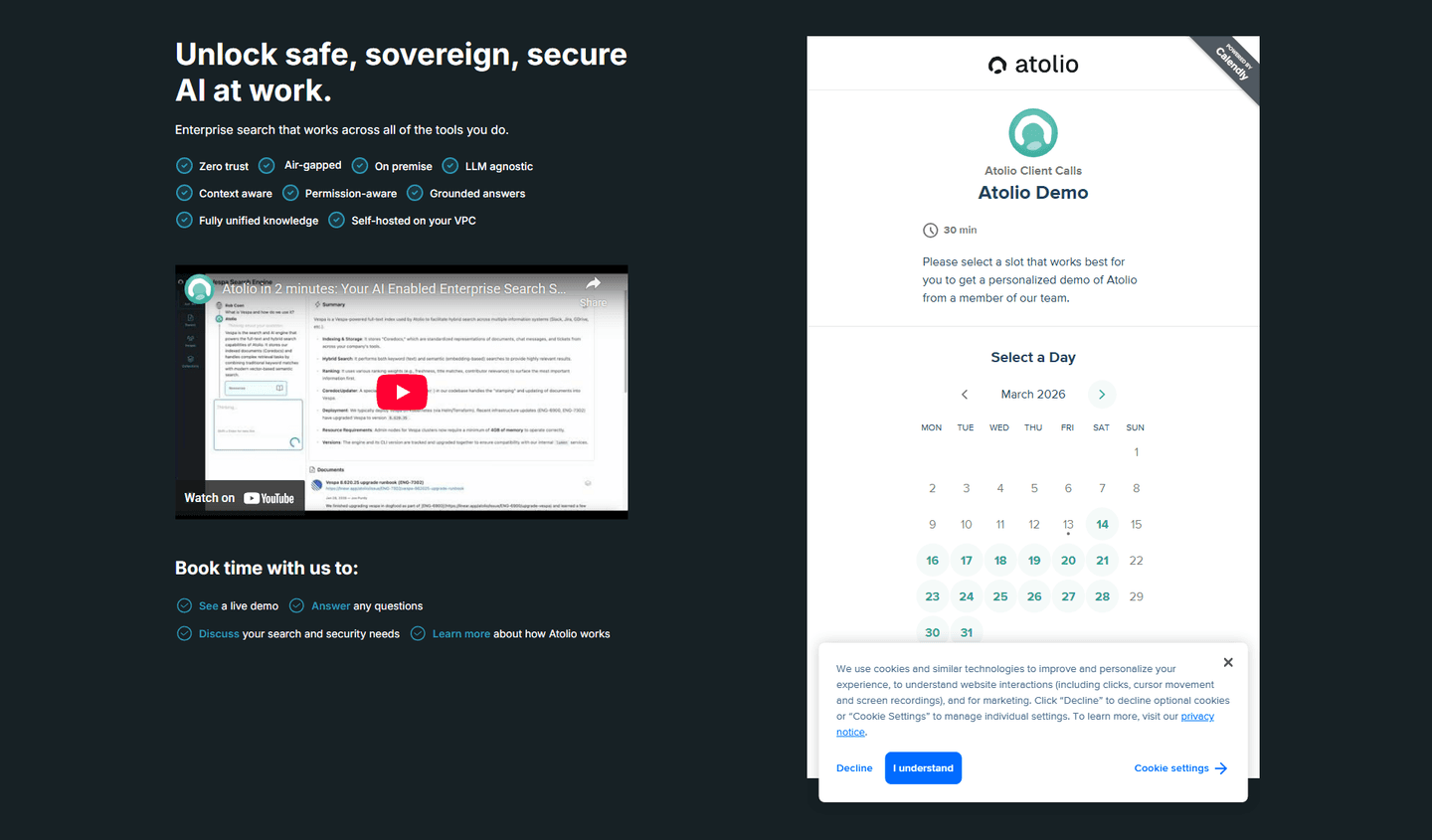
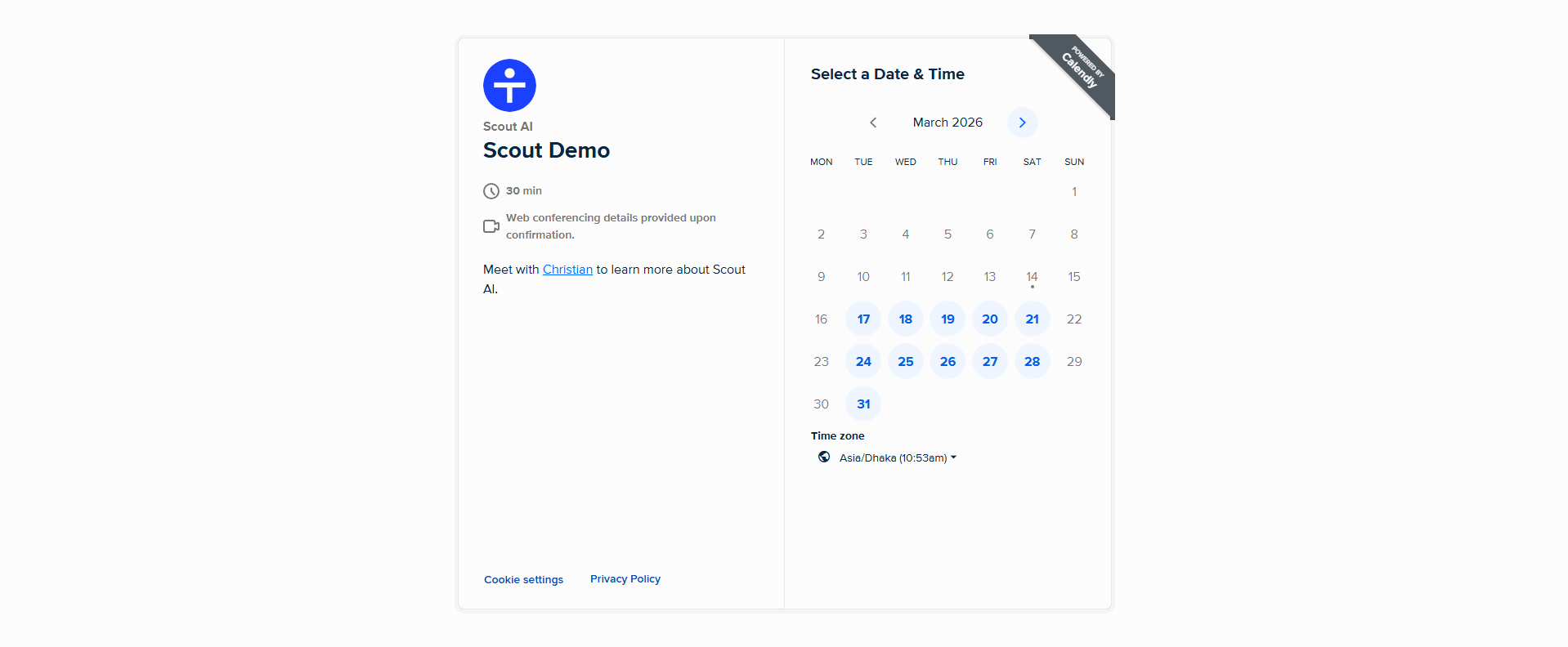
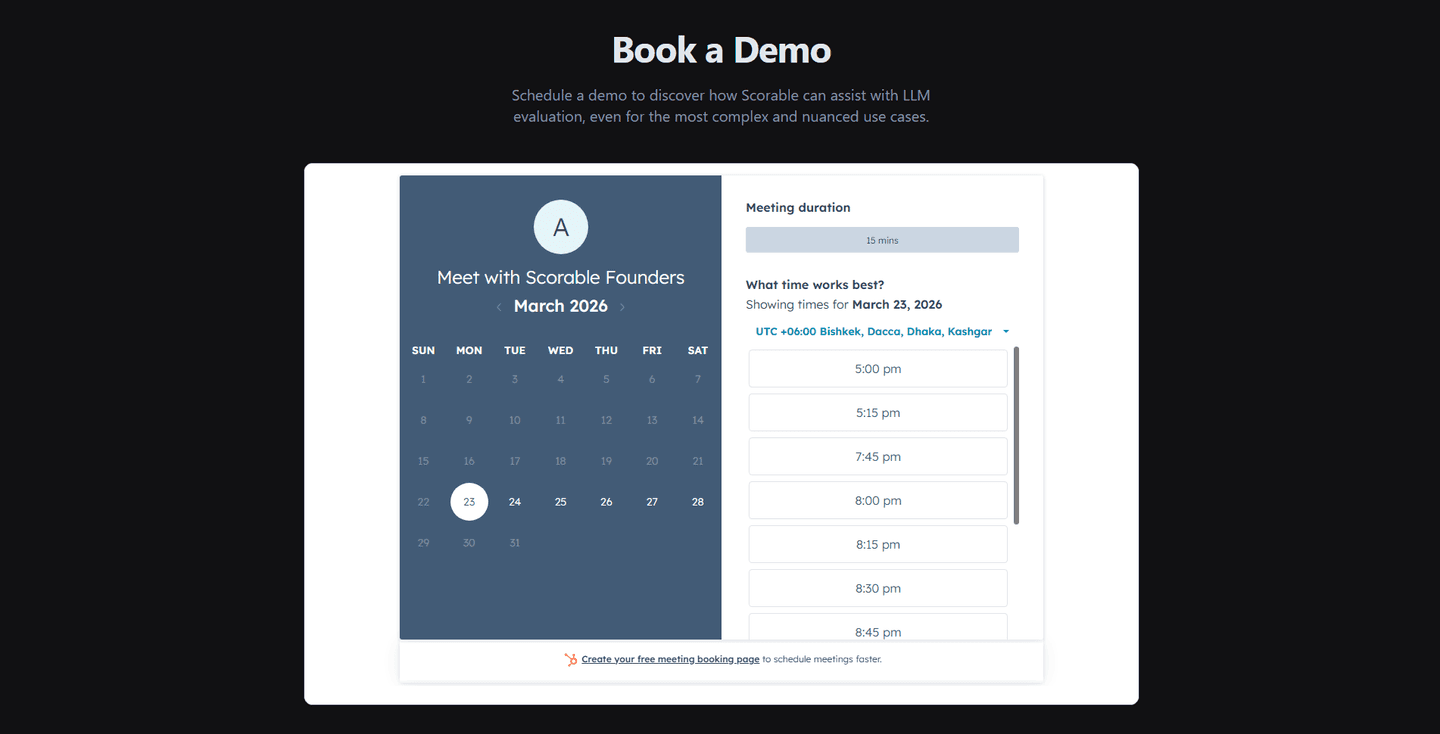
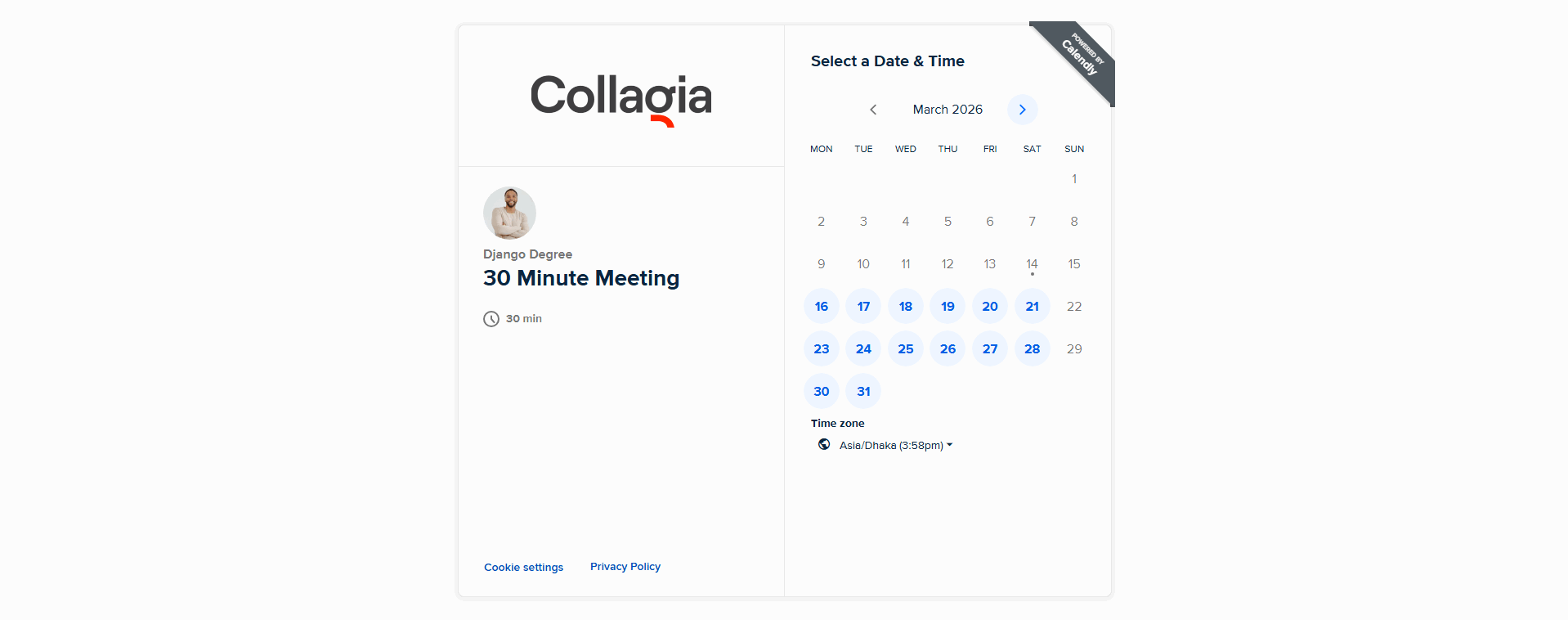
For a warm sales prospect, an embedded calendar is usually the strongest, because it turns intent into a booked call in one step instead of a form, a wait, and a scheduling email. Tigerhall and Cal.com both replace the form with a live booker that states the meeting length and what the call covers. For quick questions, live chat or a help center wins. The best contact sections keep the form and add the channel that fits the highest-intent visitor.