New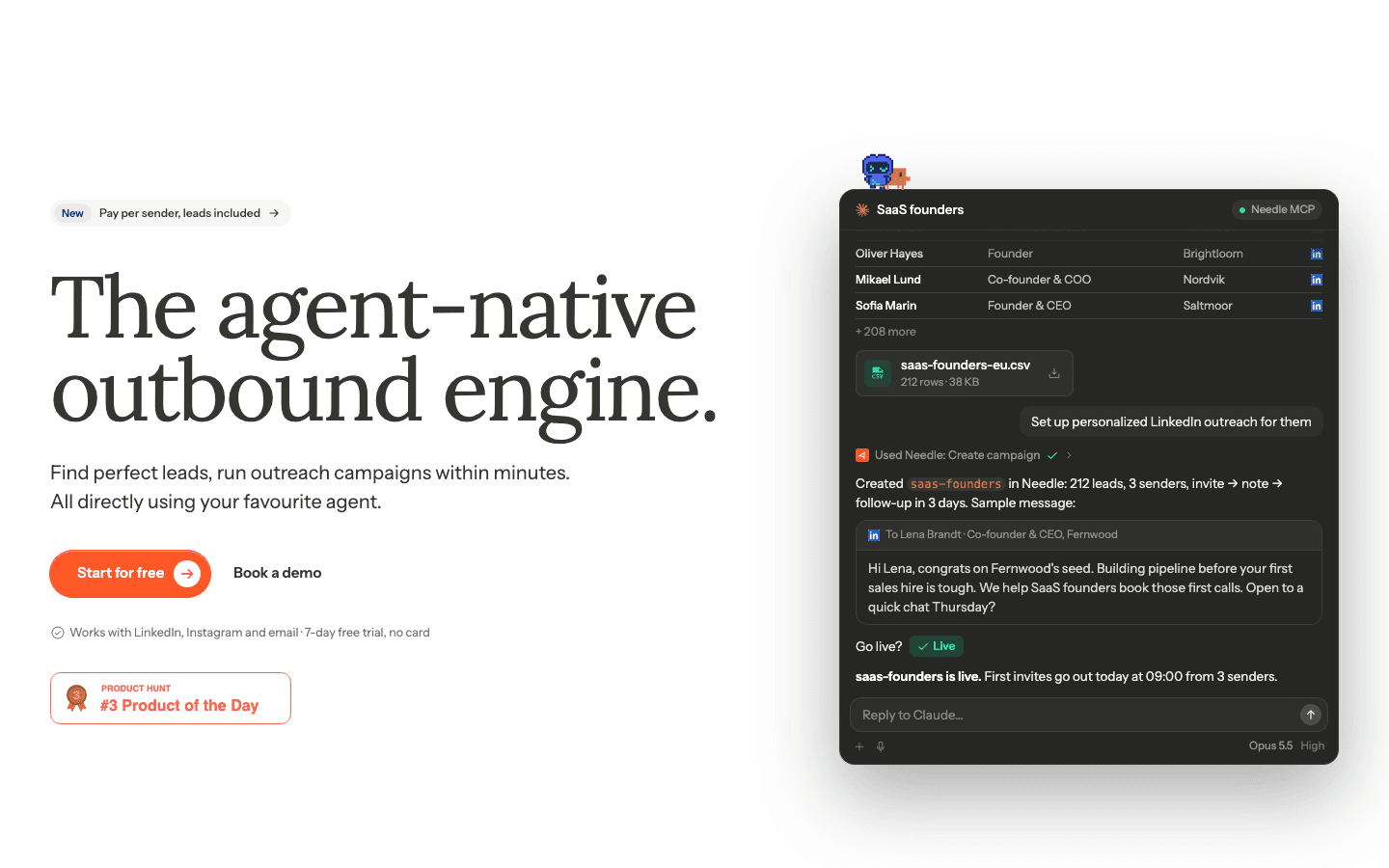
Hero|
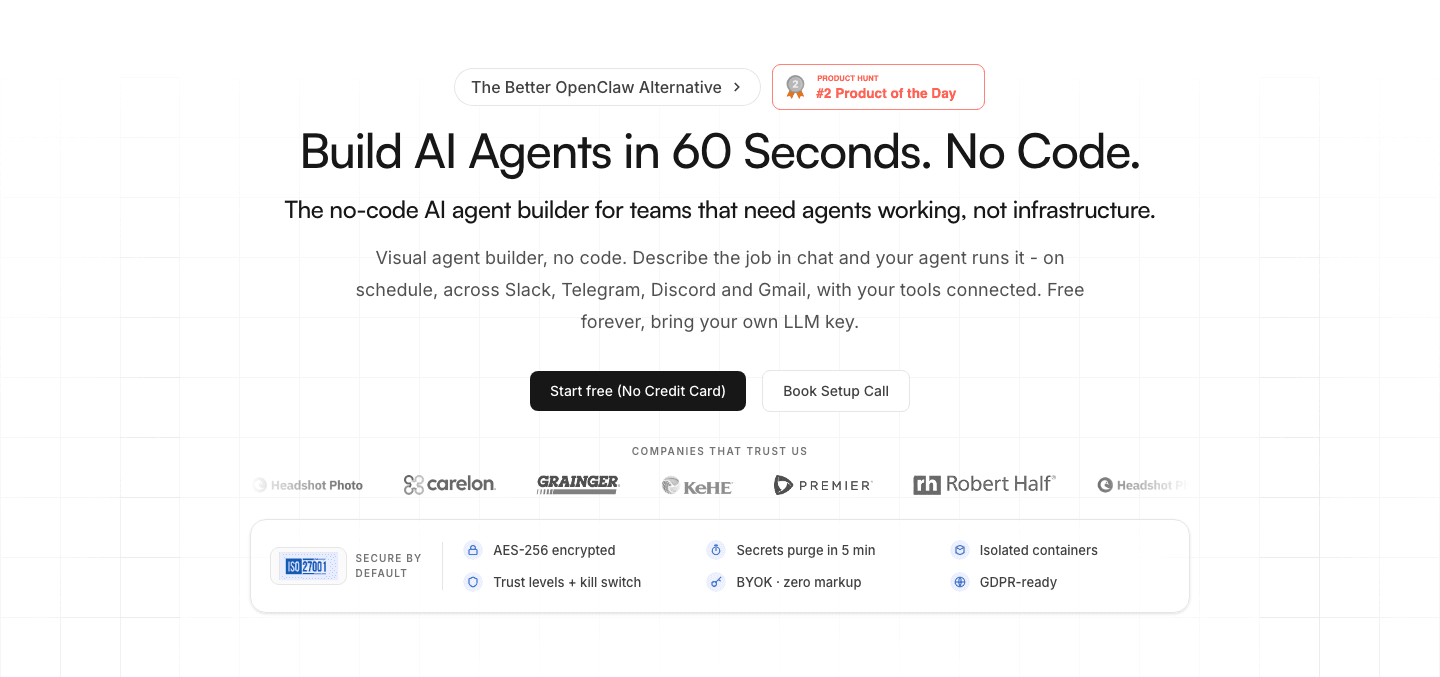
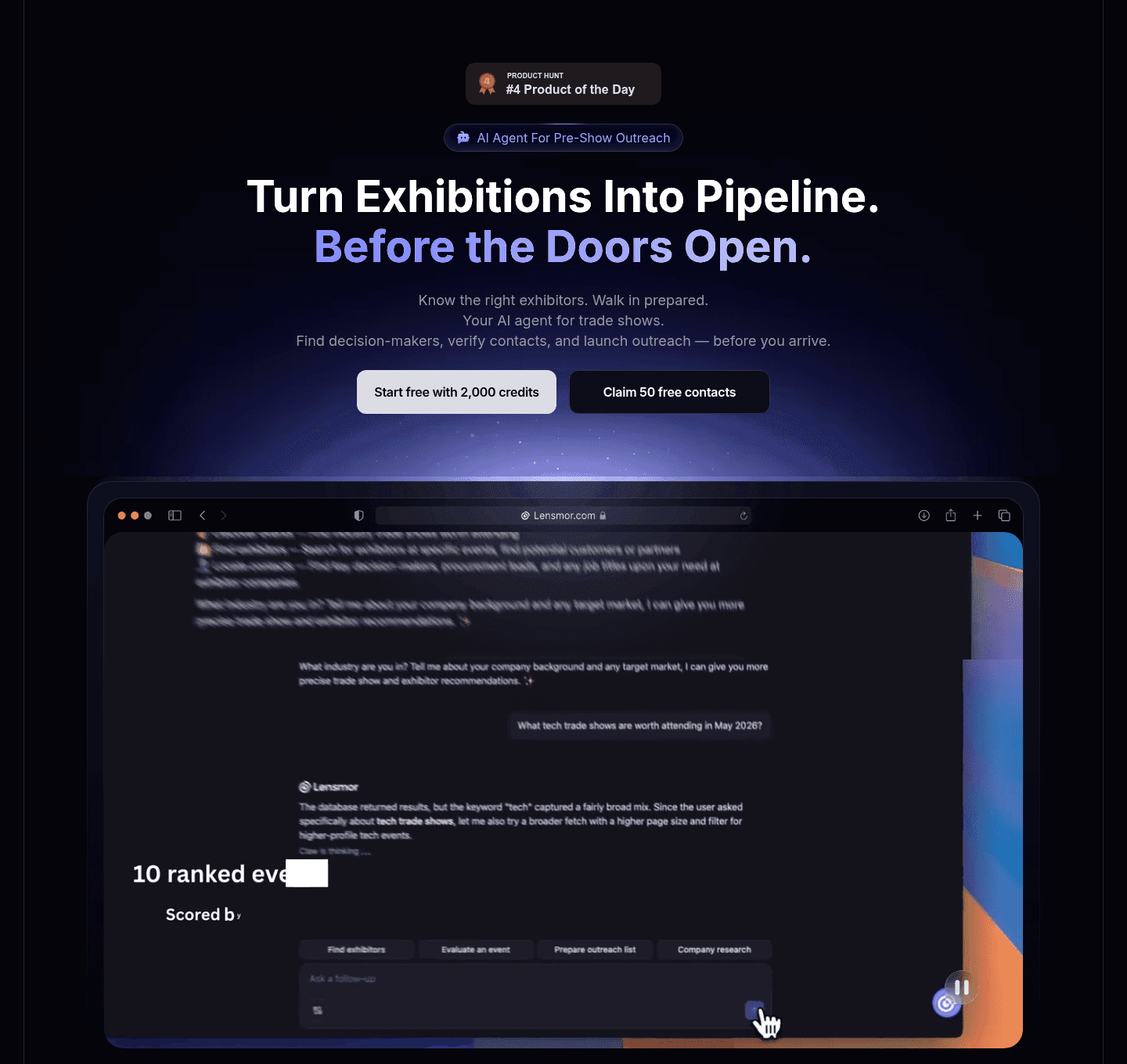
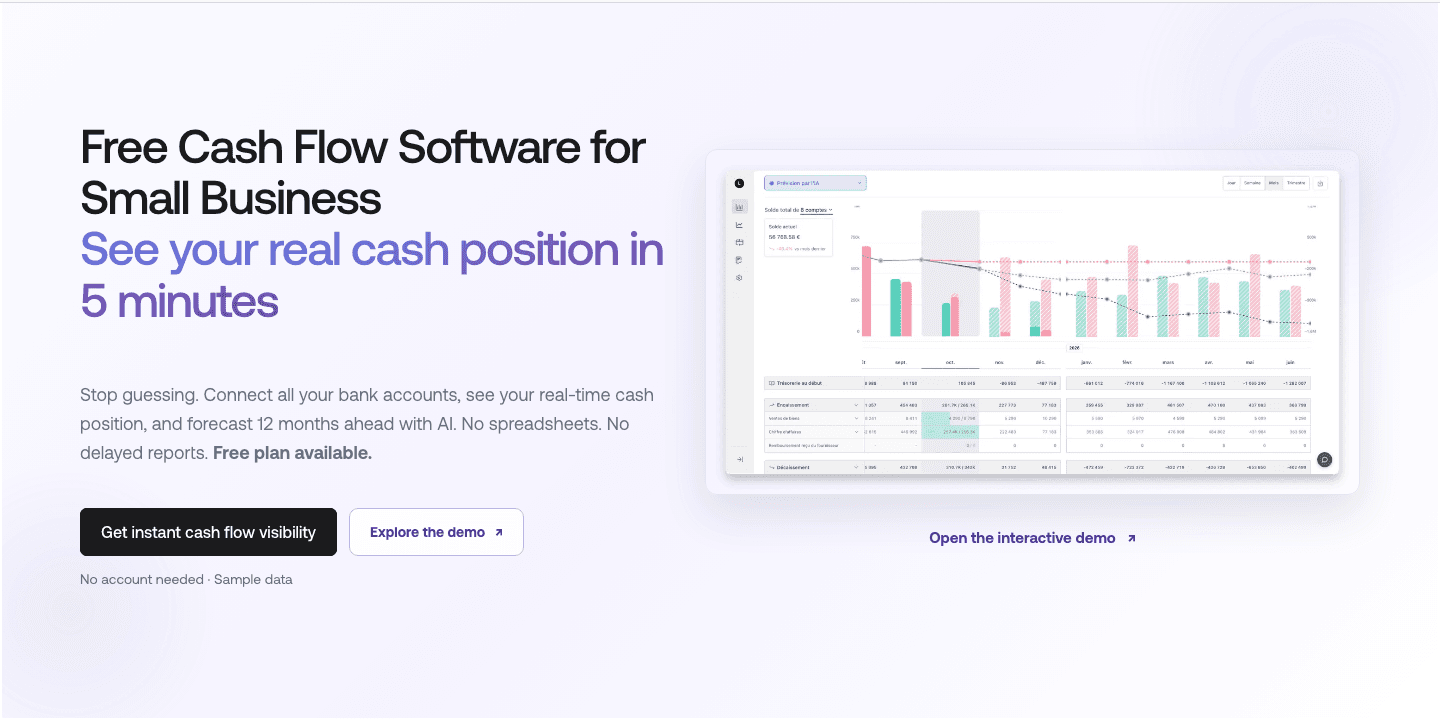
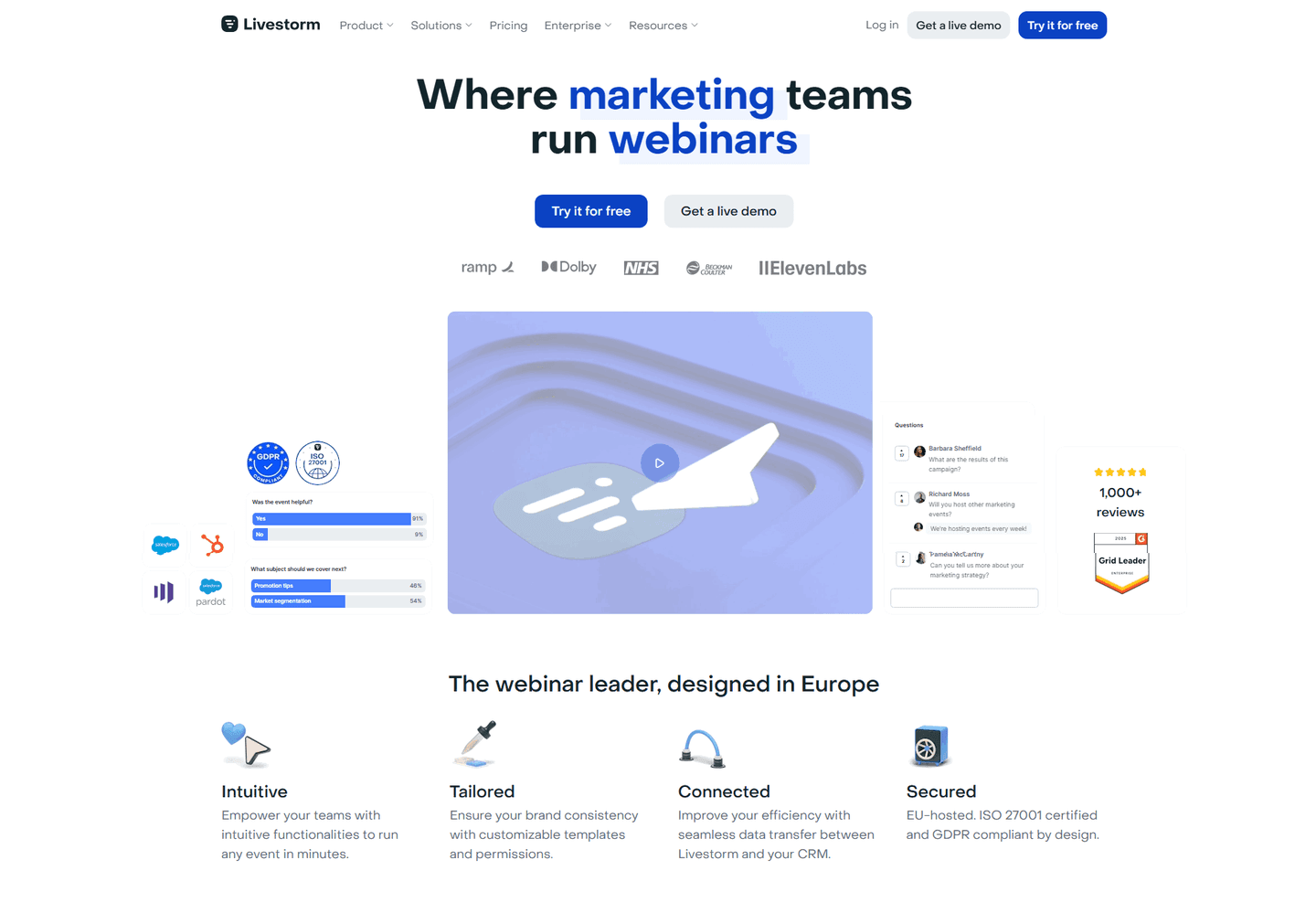
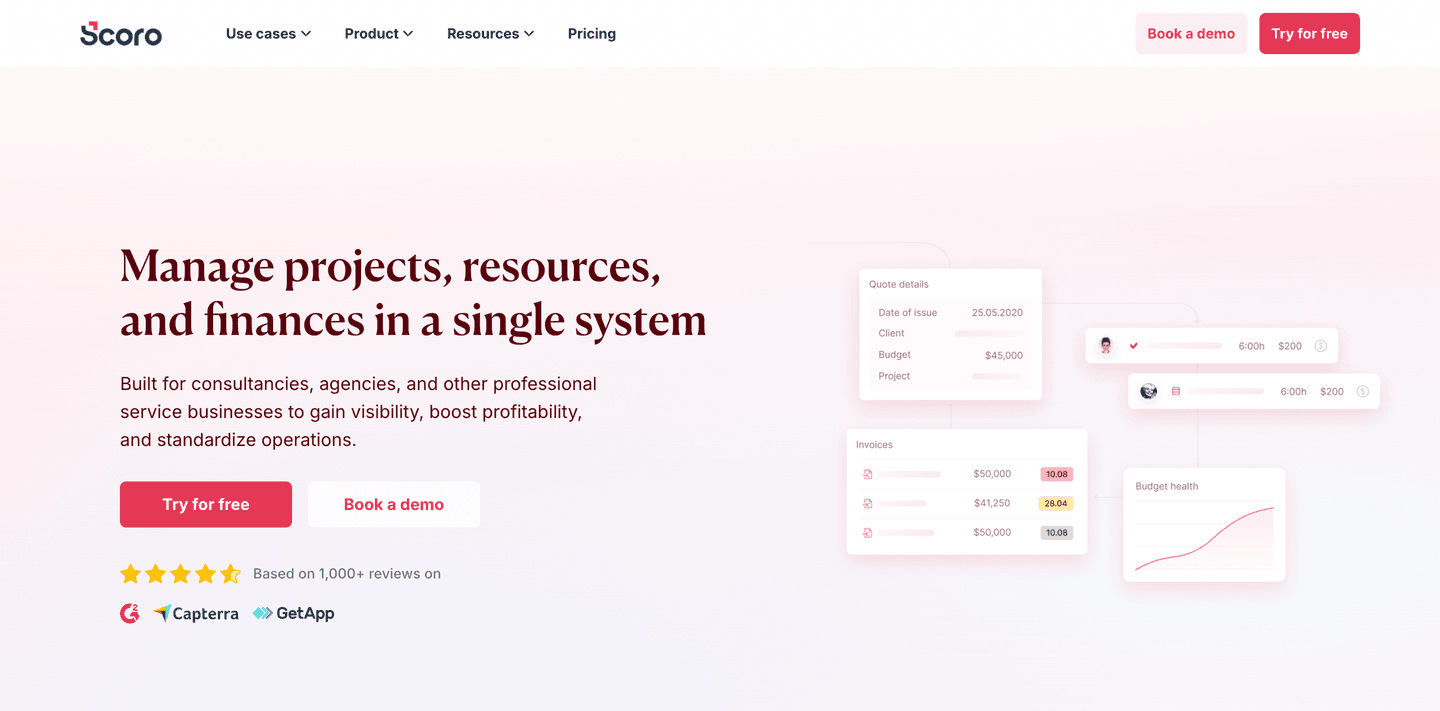
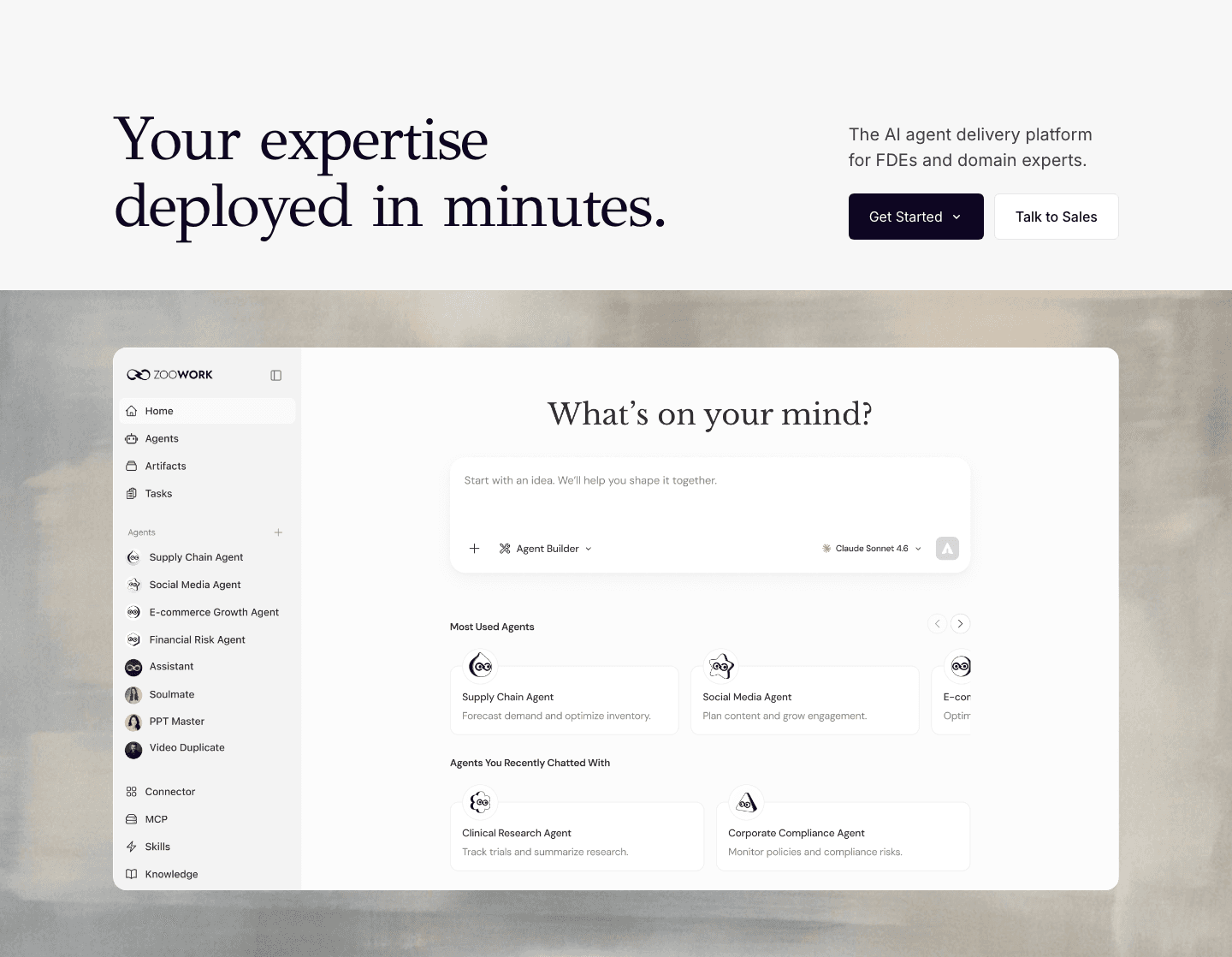
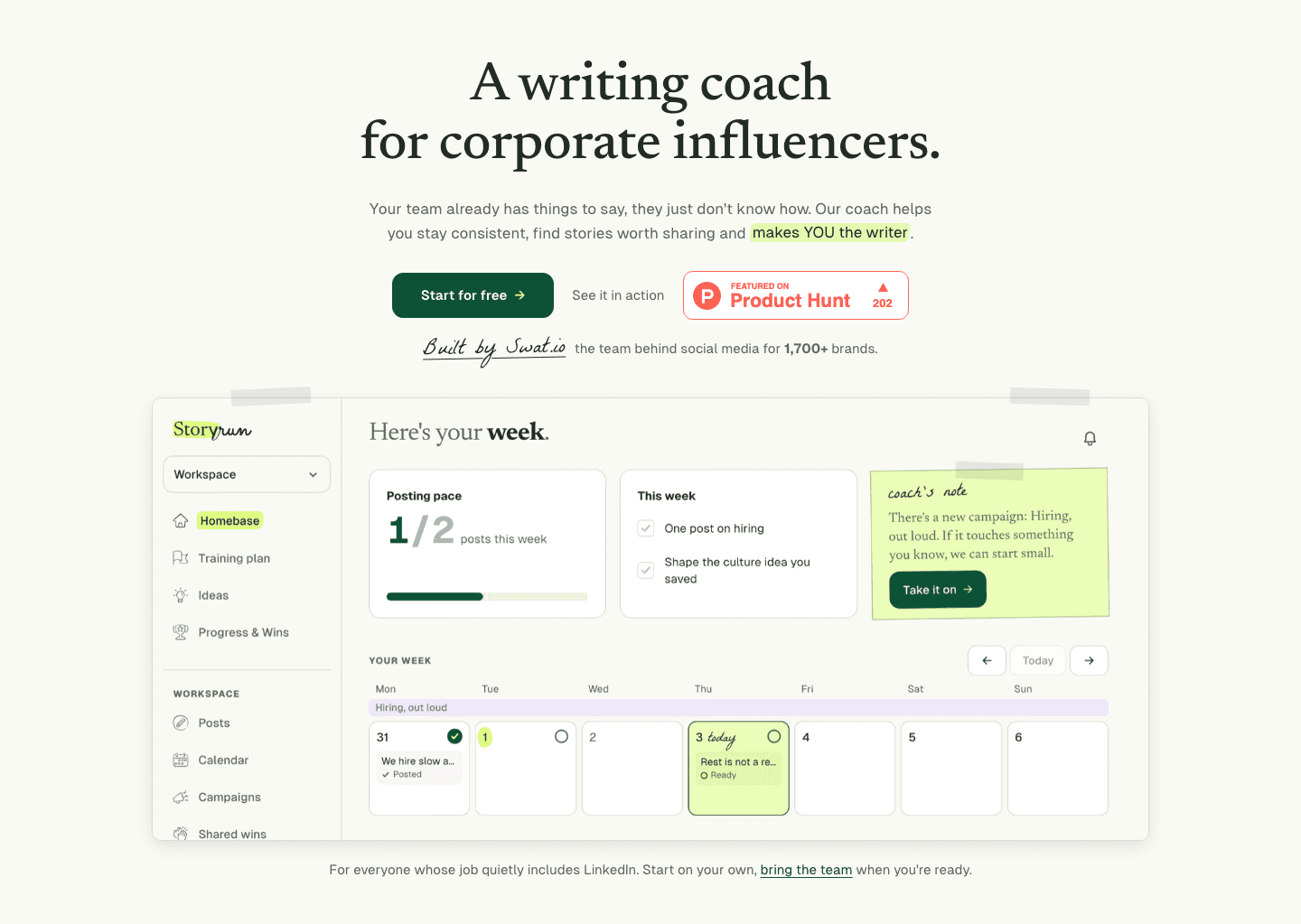
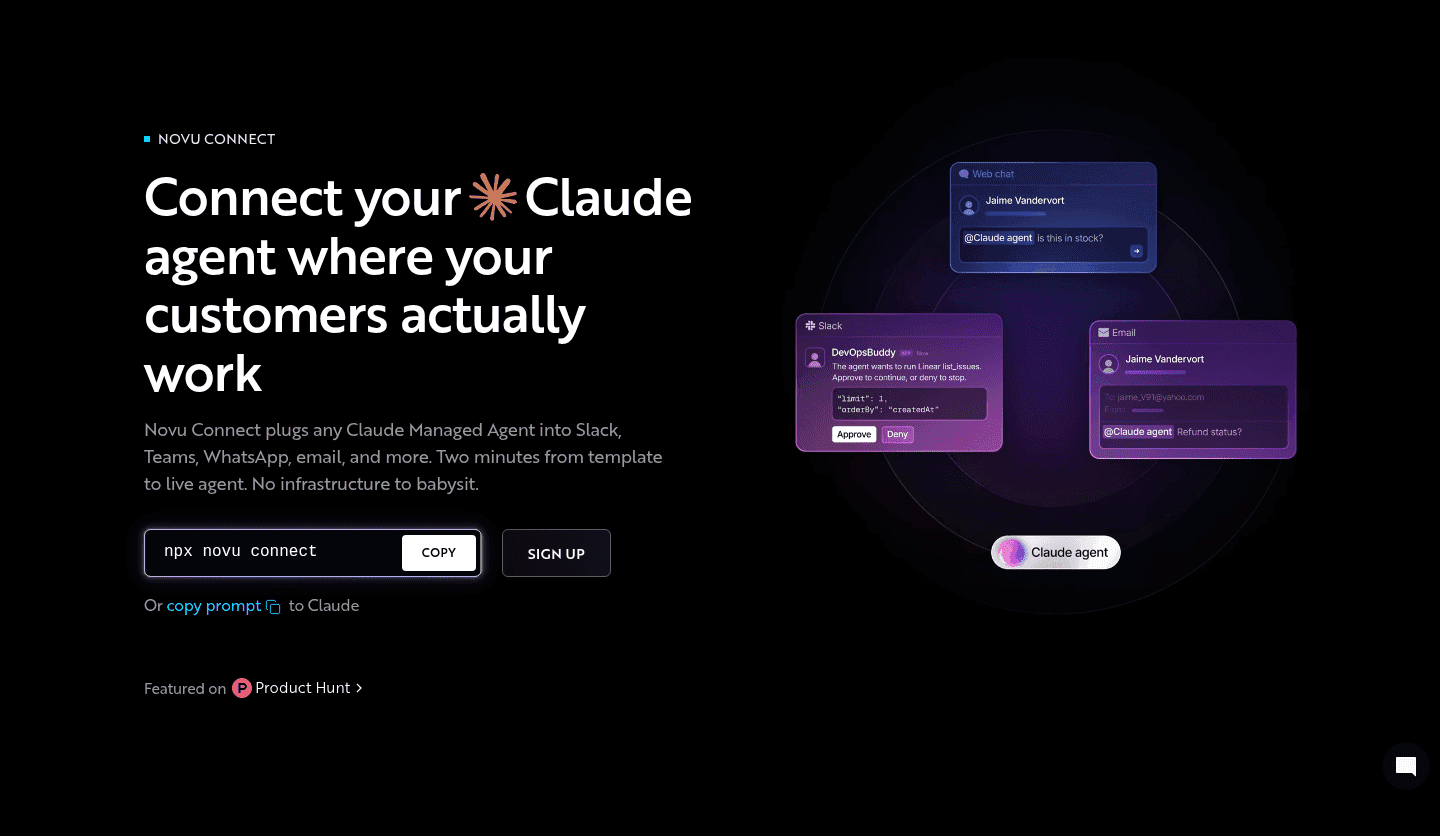
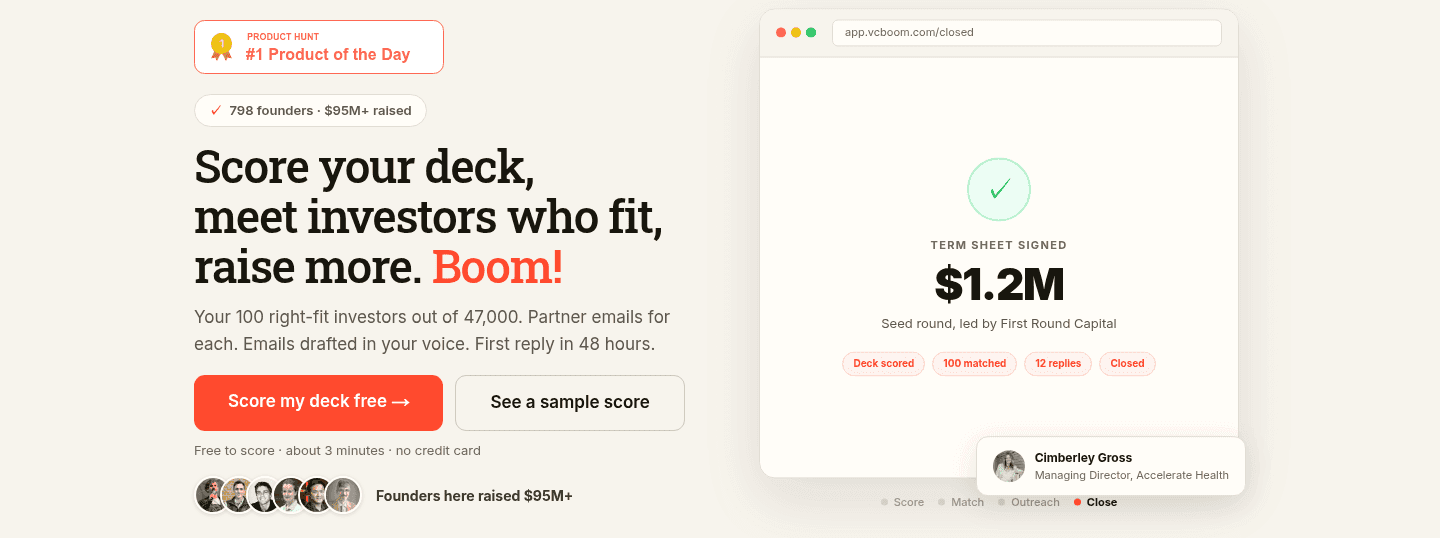
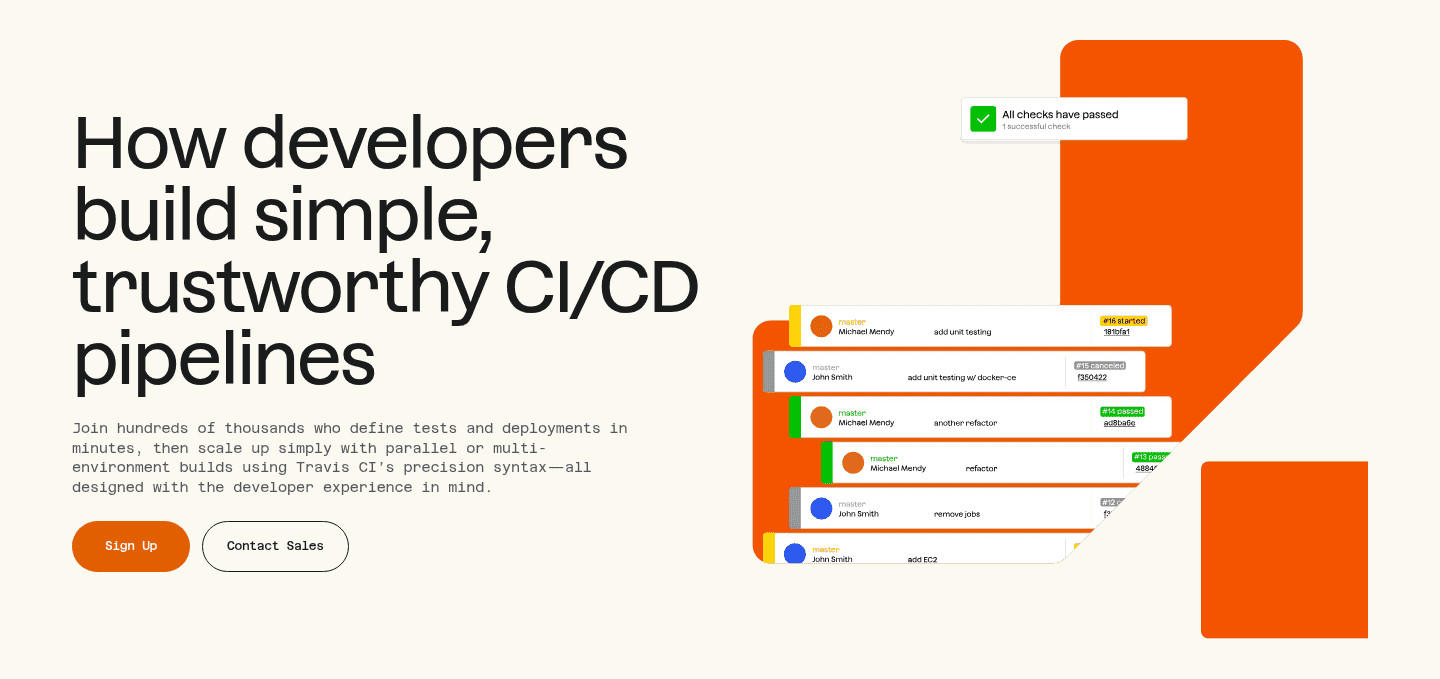
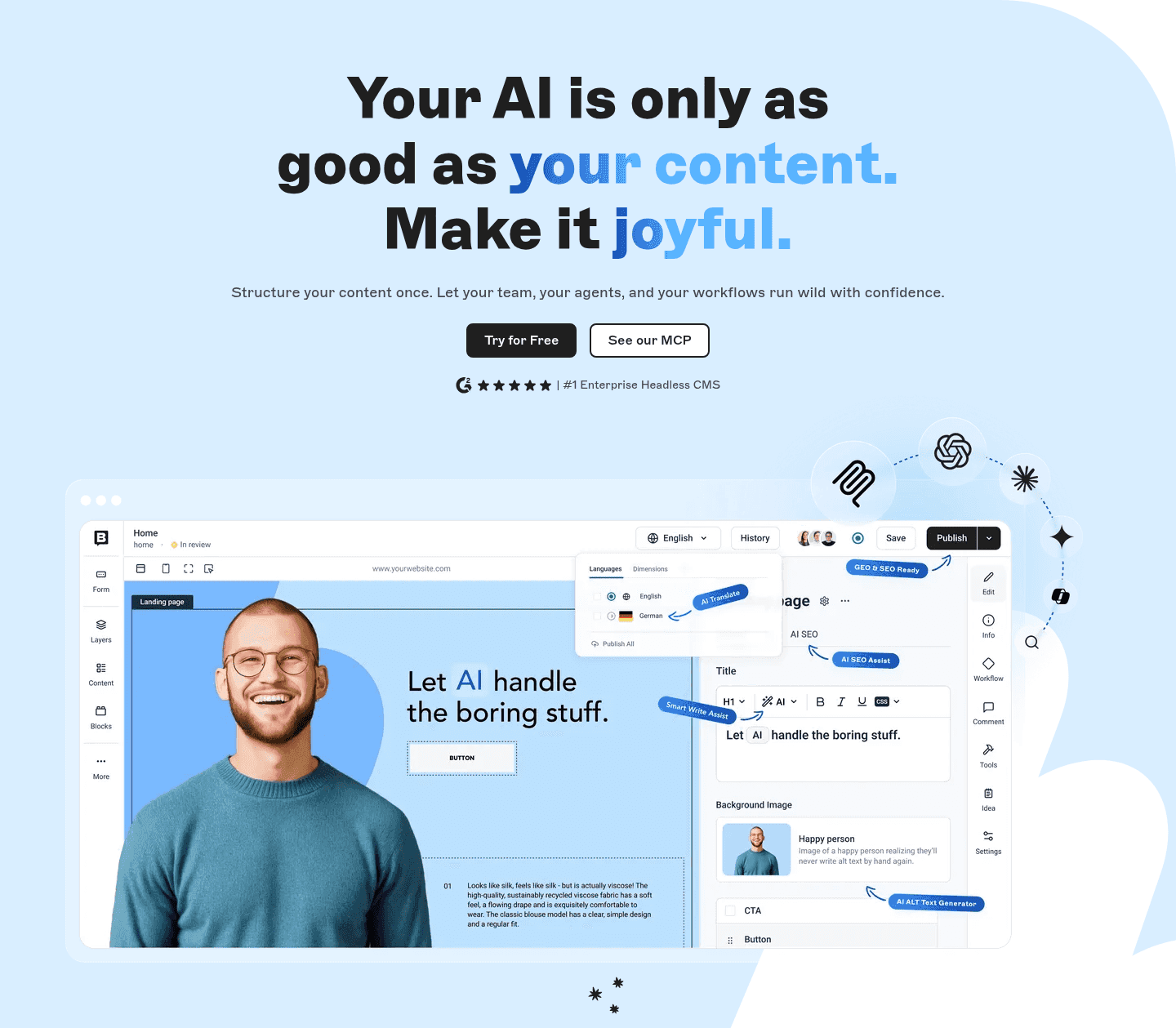
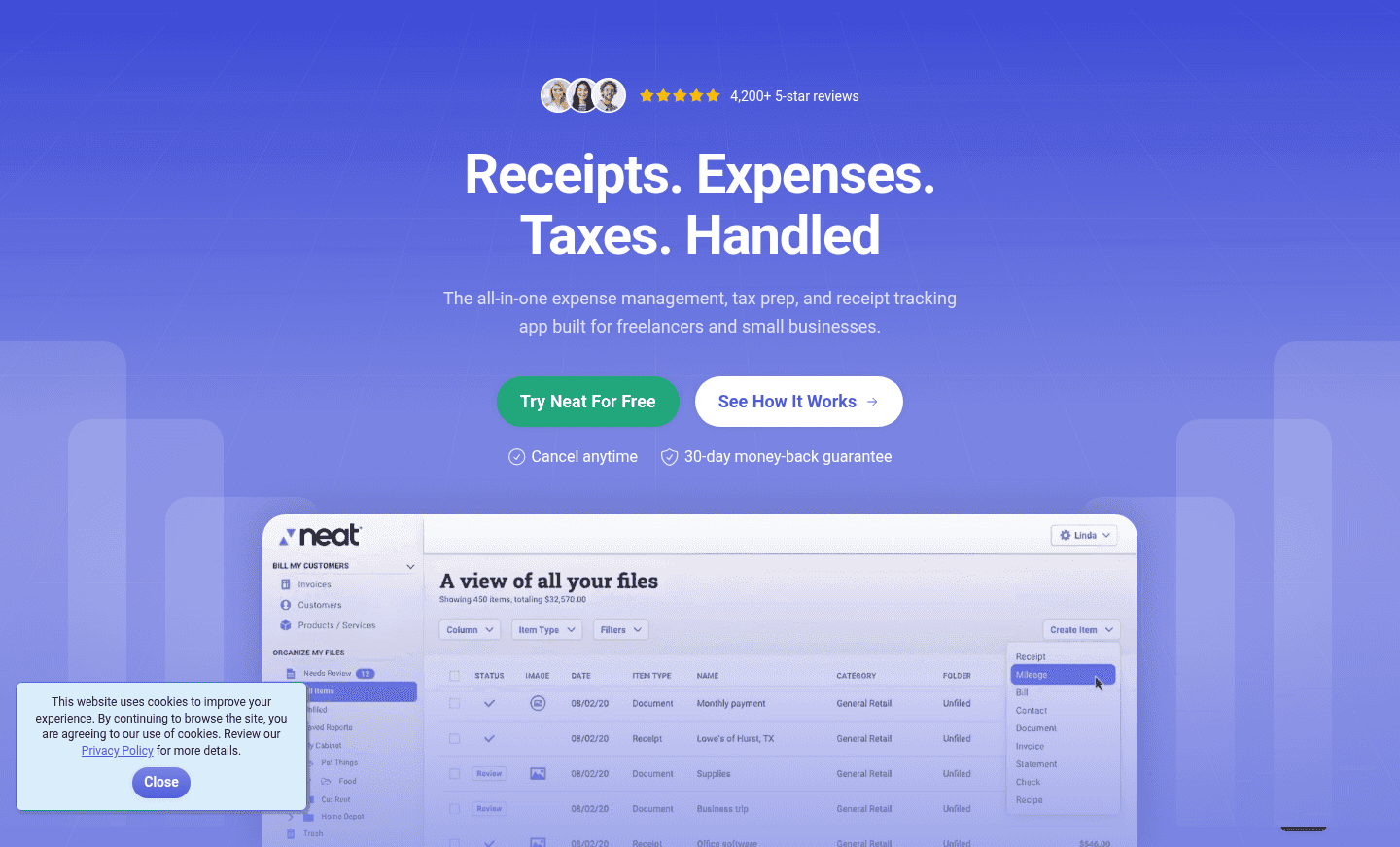
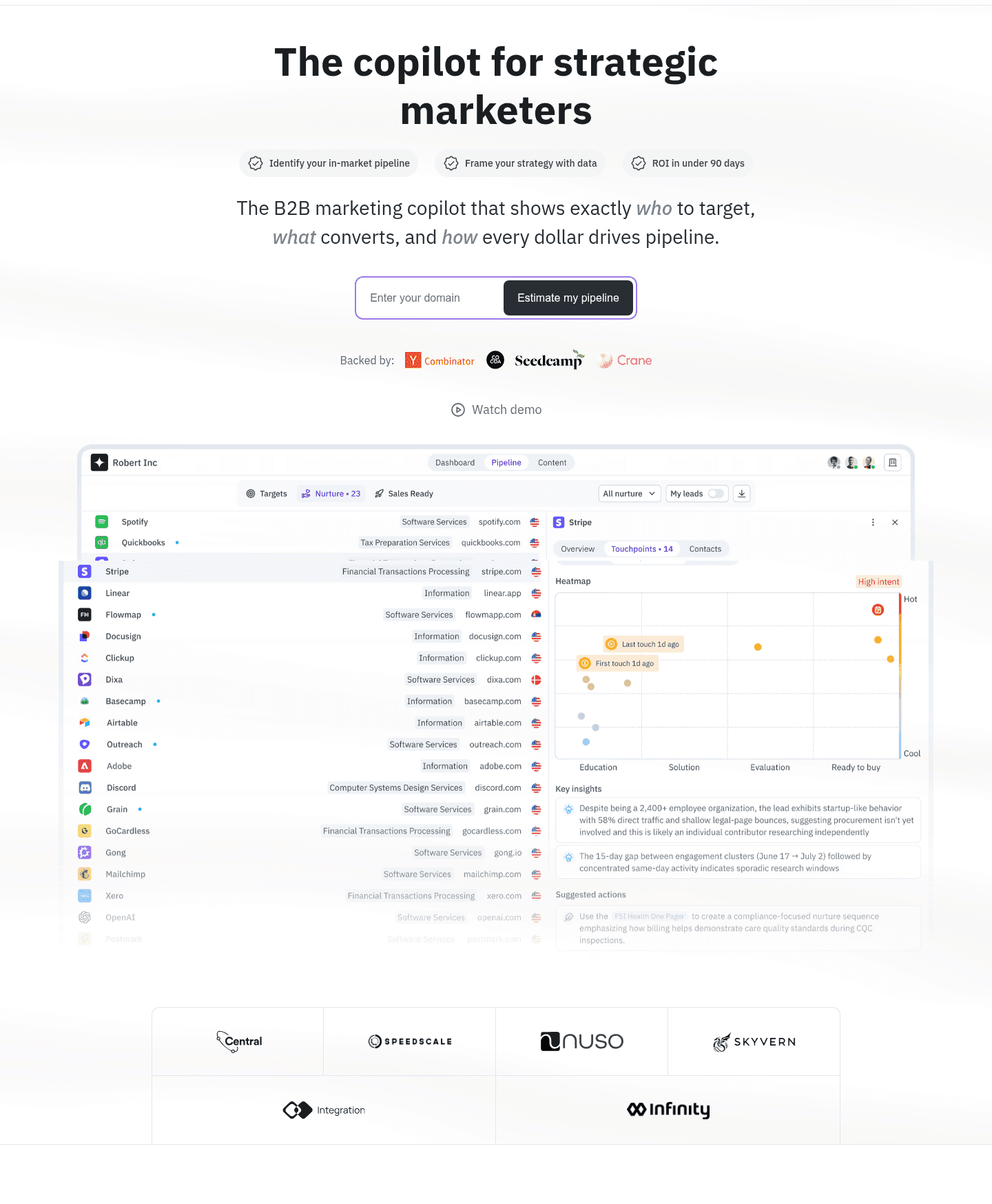
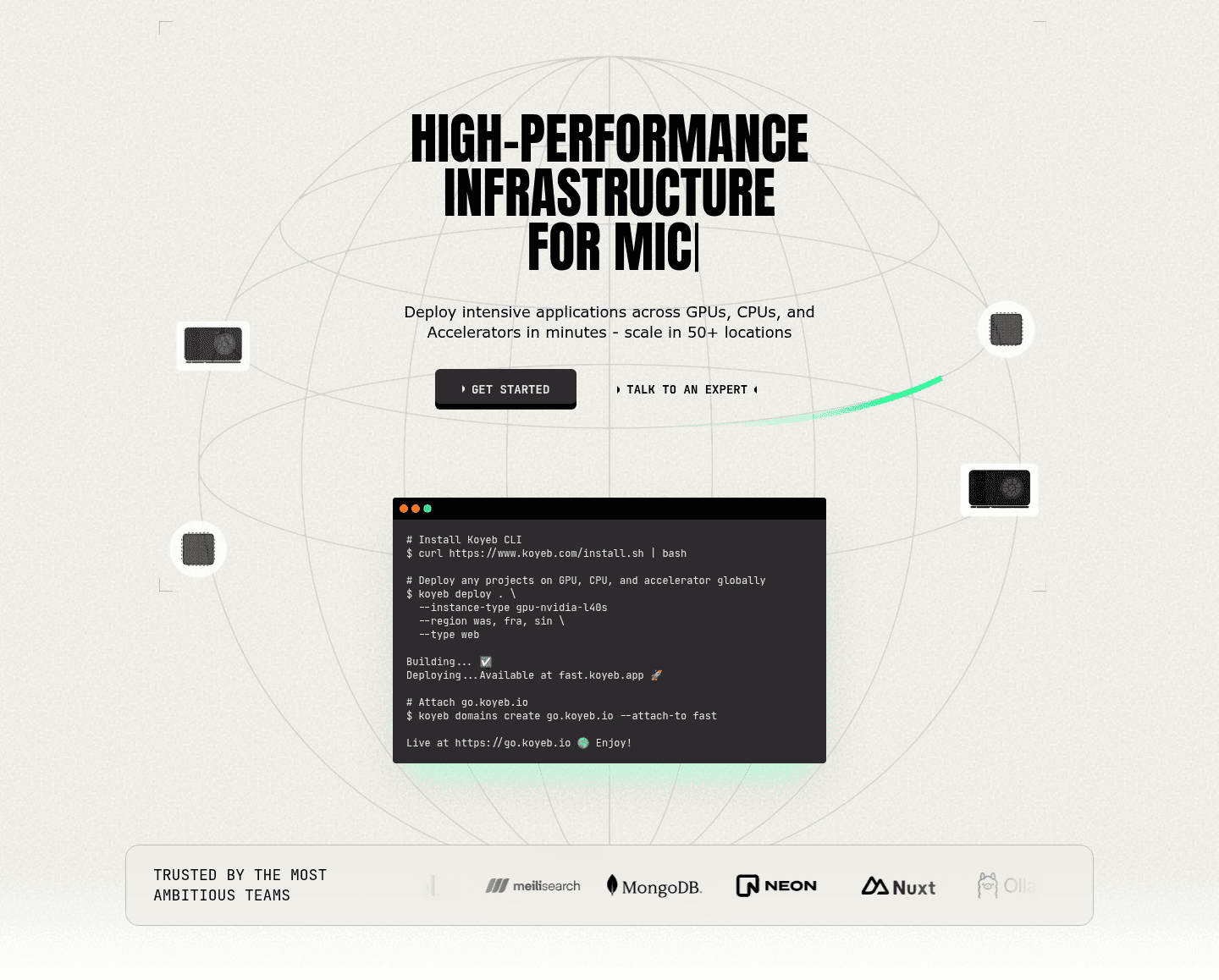
A secondary CTA path gives the hero two next steps instead of one, so a self-serve visitor and a buyer who wants to talk first each find the action that fits them.
Key takeaways
Showing 1–29 of 234 examples
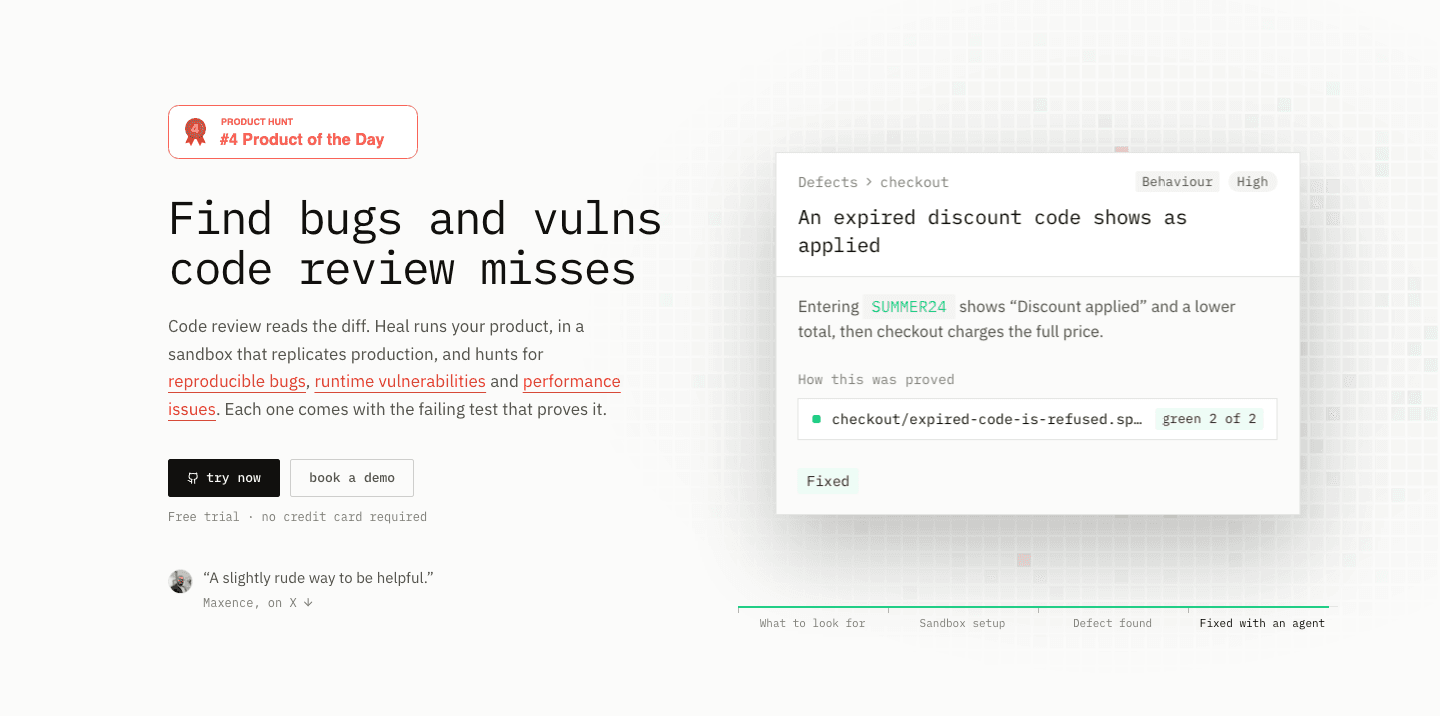
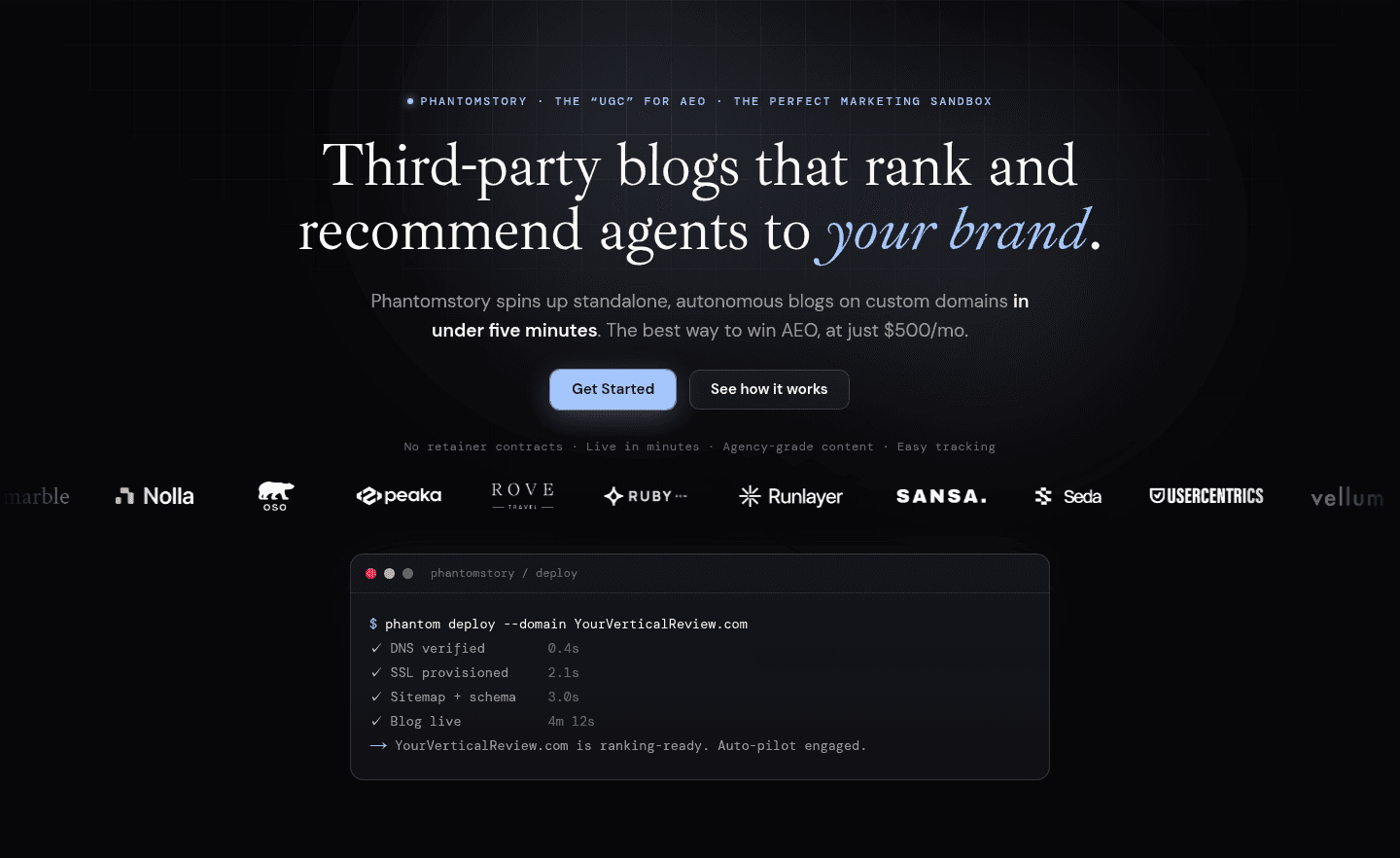
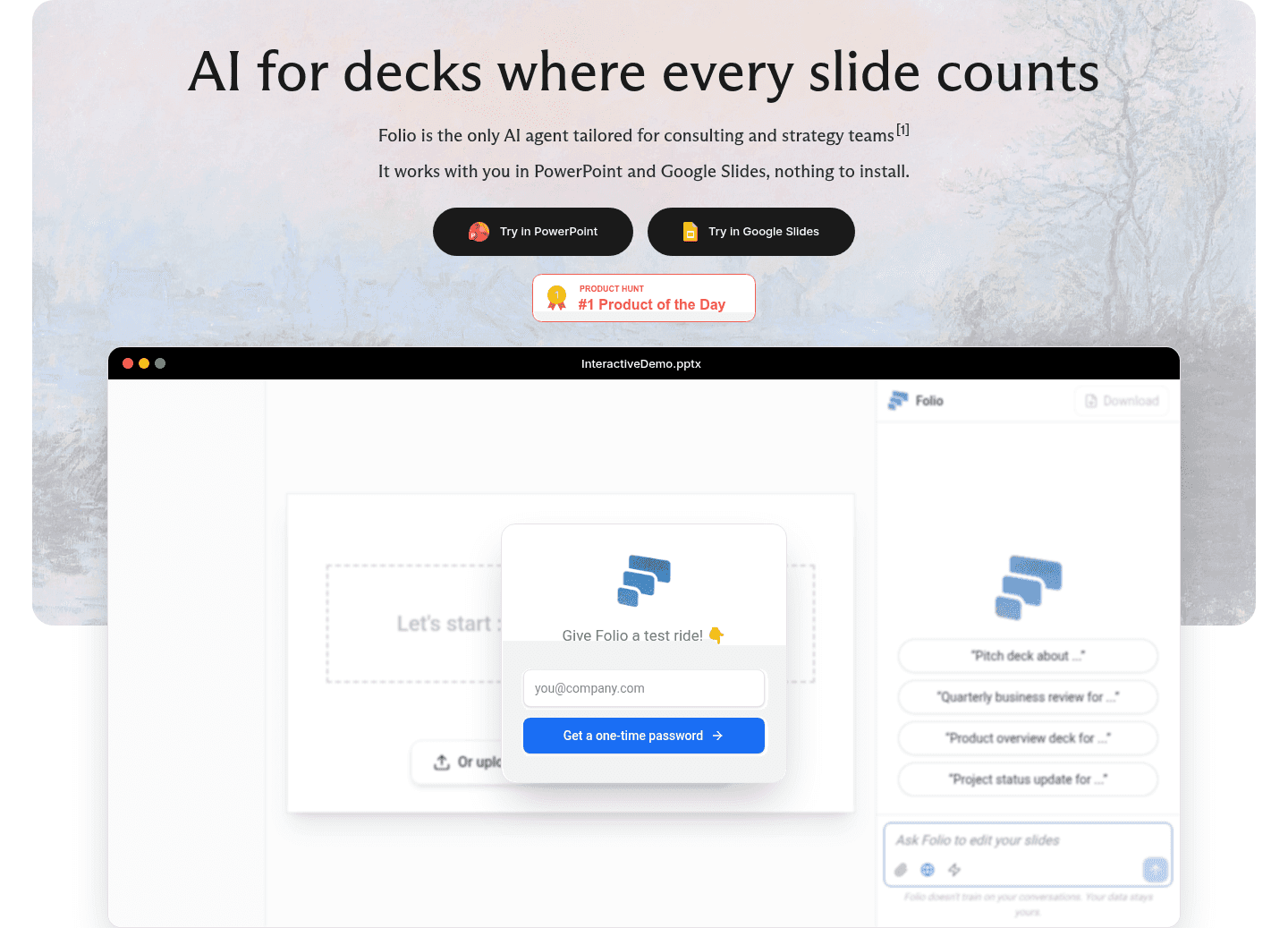
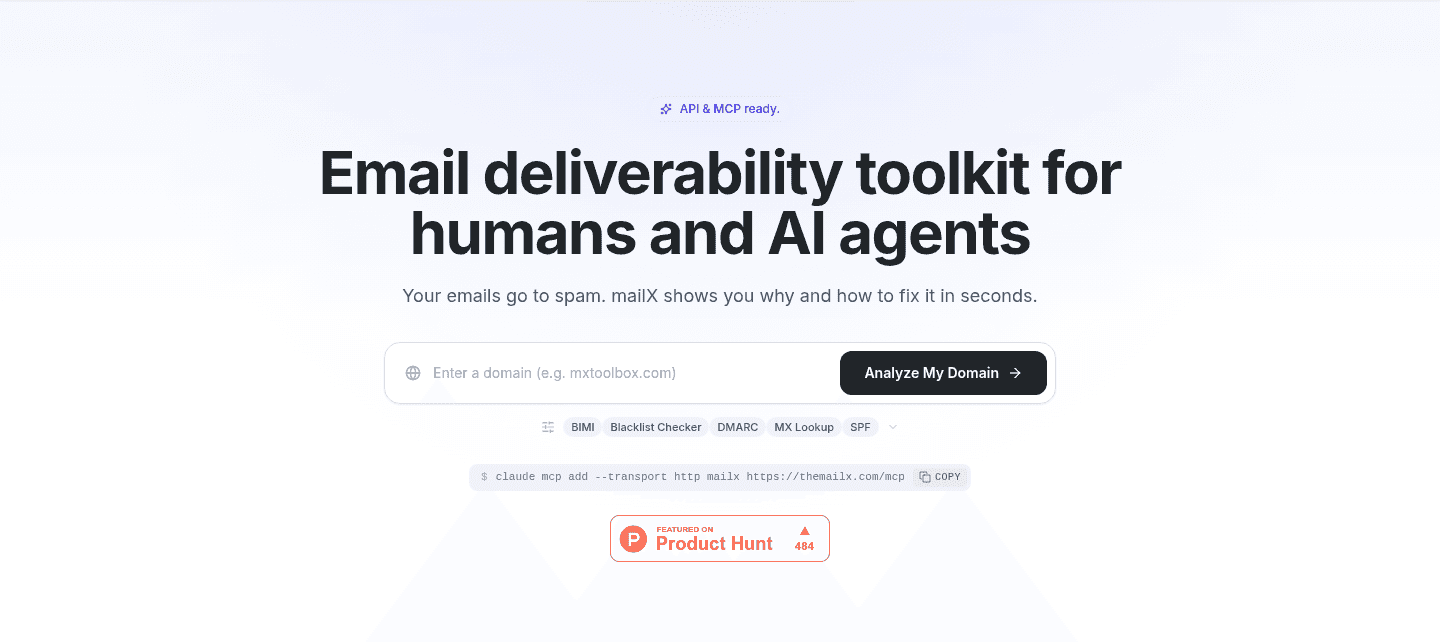
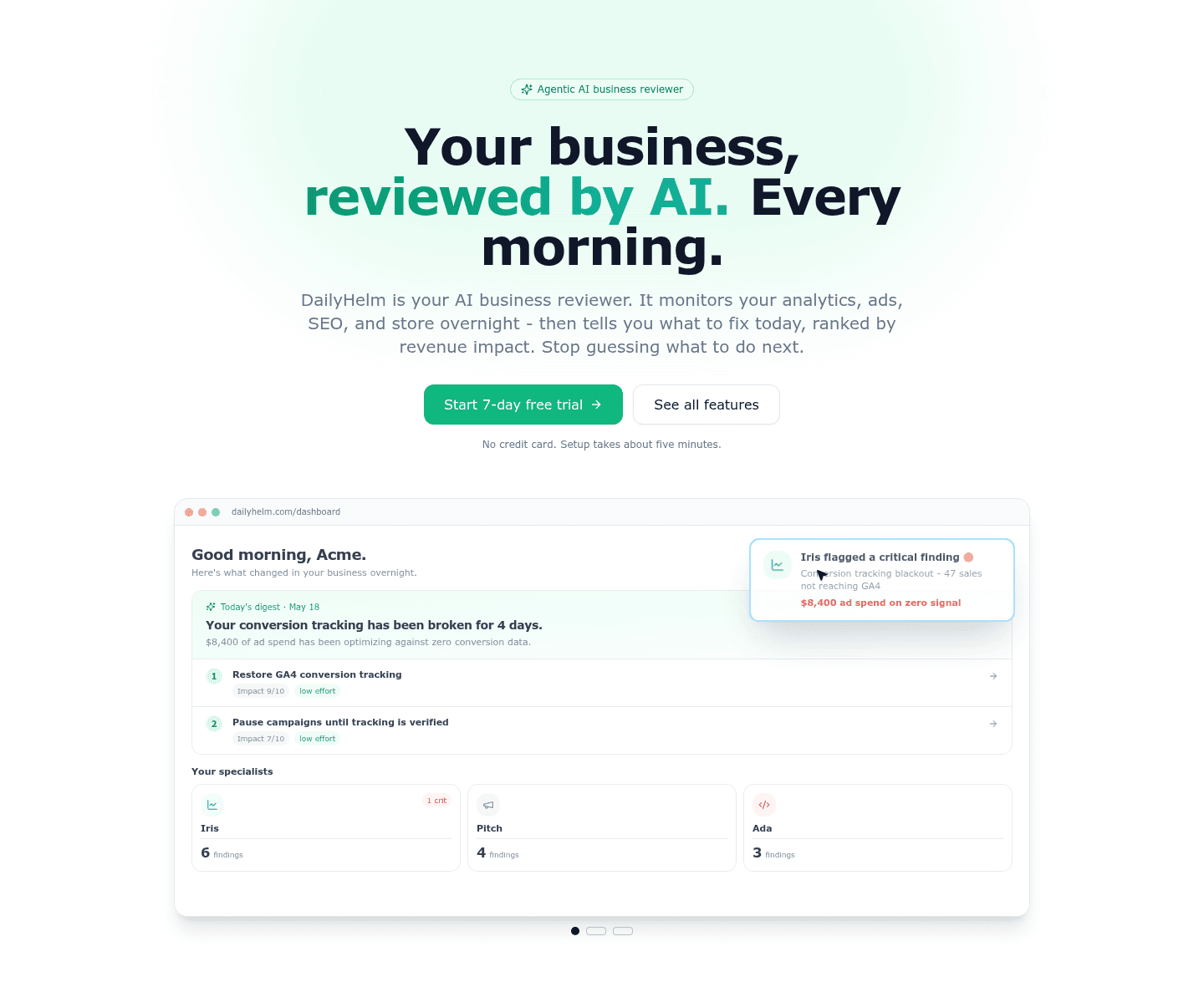
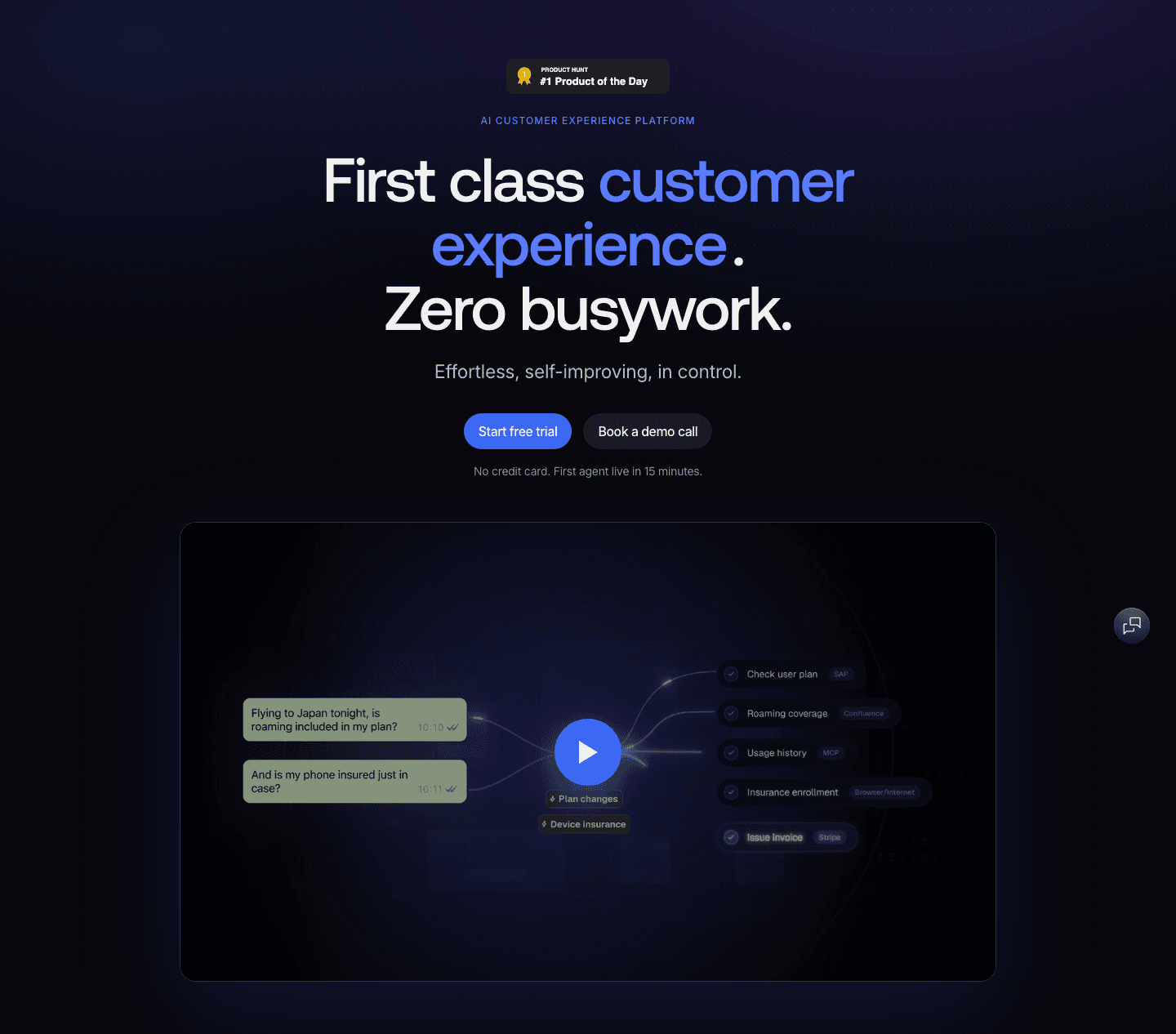


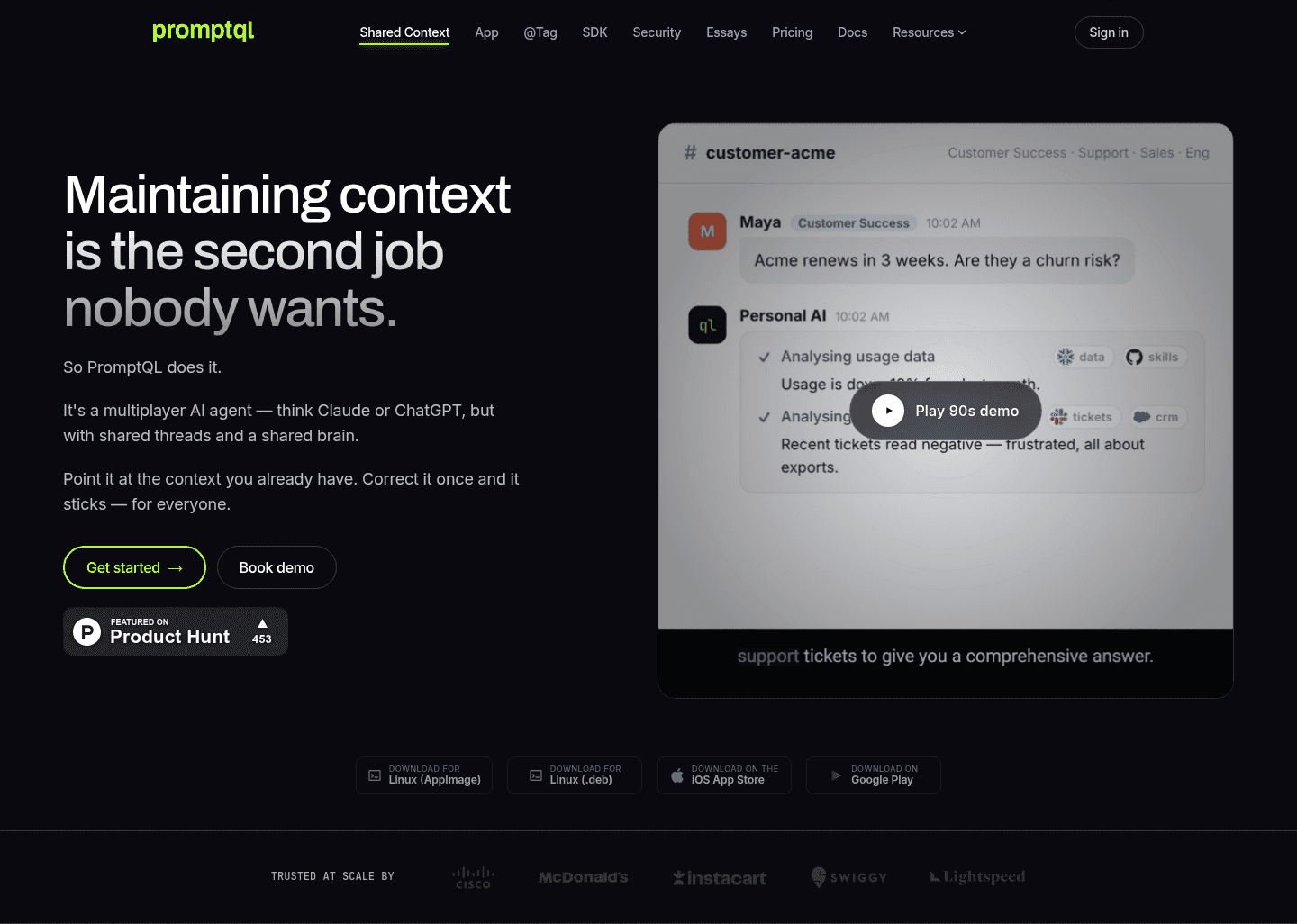
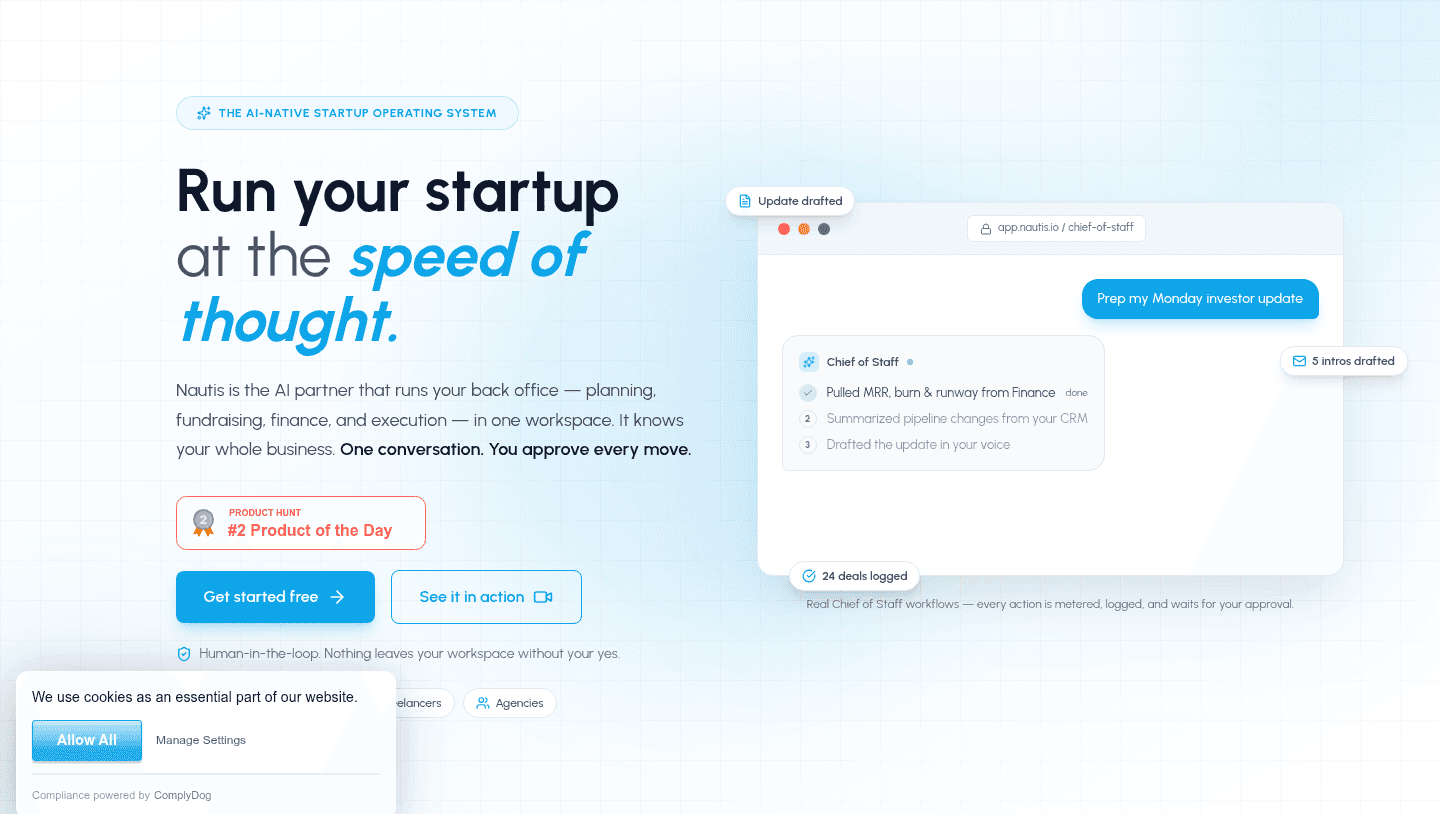




Browse every hero pattern by UX best practice, or jump to an industry view.
A secondary CTA path gives the hero two next steps instead of one. The primary action serves the visitor who is ready to act now. The secondary serves the one who is interested but not ready, with a lighter or more personal alternative that still moves them forward.
The best heroes use one of four pairings:
A hero often serves two kinds of visitor at once. One wants to try the product now and does not want anything in the way. The other wants to understand it first, or needs a team to agree, before committing. A single call to action serves one of them and leaves the other with nothing to do but leave. A second path gives that visitor a next step too.
The examples below map the split to real buyer types: a self-serve trial for individuals and small teams, a demo or sales contact for bigger evaluations. Scoro, Livestorm and Whatfix pair a free-trial CTA with a demo path. Developer-led products like Dyte and Runtime split a build-for-free action from a talk-to-sales path for enterprise buyers.
The strongest also pair it with a risk reducer in the hero, so the self-serve path asks for nothing the visitor would worry about.
100/100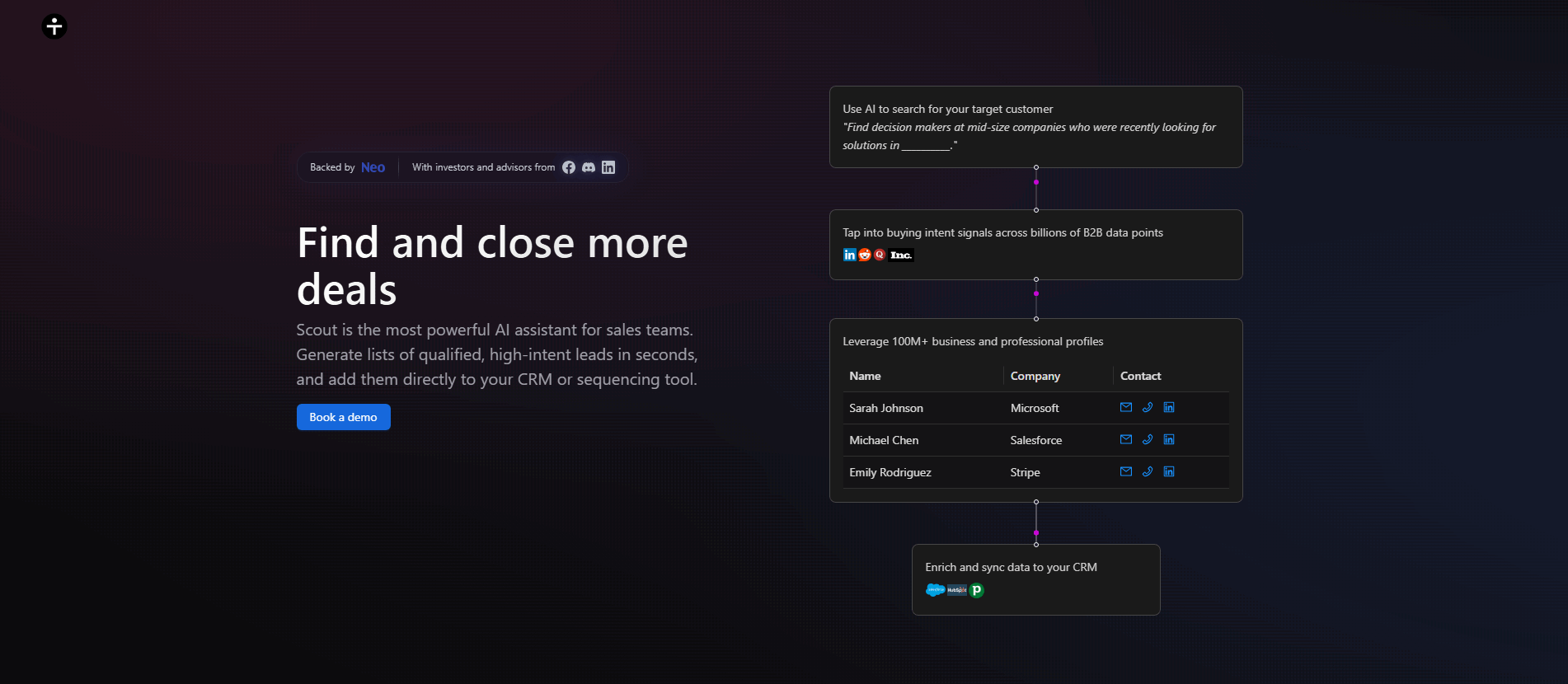
The usual failure is a hero with one button only. When that button is "Book a demo", the visitor who wanted to try the product alone has no way in. The second is a secondary path that goes nowhere useful: a vague "Learn more" that adds a choice without adding a real alternative.

Curated by
Gabriel Amzallag , Founder, Web Anatomy
5 years CRO + SEO at Qonto (2021–2025). After advising 15+ SaaS on their websites (Payfit, Pigment…), the same patterns kept breaking, so I decided to build the source of truth on what works on the web: the intelligence layer every tool, builder, and team uses to ship sites that perform.
The common questions about offering a second hero action, with answers drawn from 234 scored examples.
The primary action stays dominant, usually a solid button. The secondary sits beside it or just under it in a lighter style, often an outlined or text button. The visitor should see the default choice at a glance, with the second path there if they need it.
Yes, when both buttons carry equal weight. The visitor has to make a choice the page should have made for them, and the one who already knew what they wanted slows down. The fix is a clear order, not removing the second path: lead with the path most visitors should take.