Hero|
Hero clarity means the hero statement says, in the first lines a visitor reads, who the product is for, what it is and what it does, so the right buyer recognizes themselves fast.
Key takeaways
Showing 1–29 of 174 examples
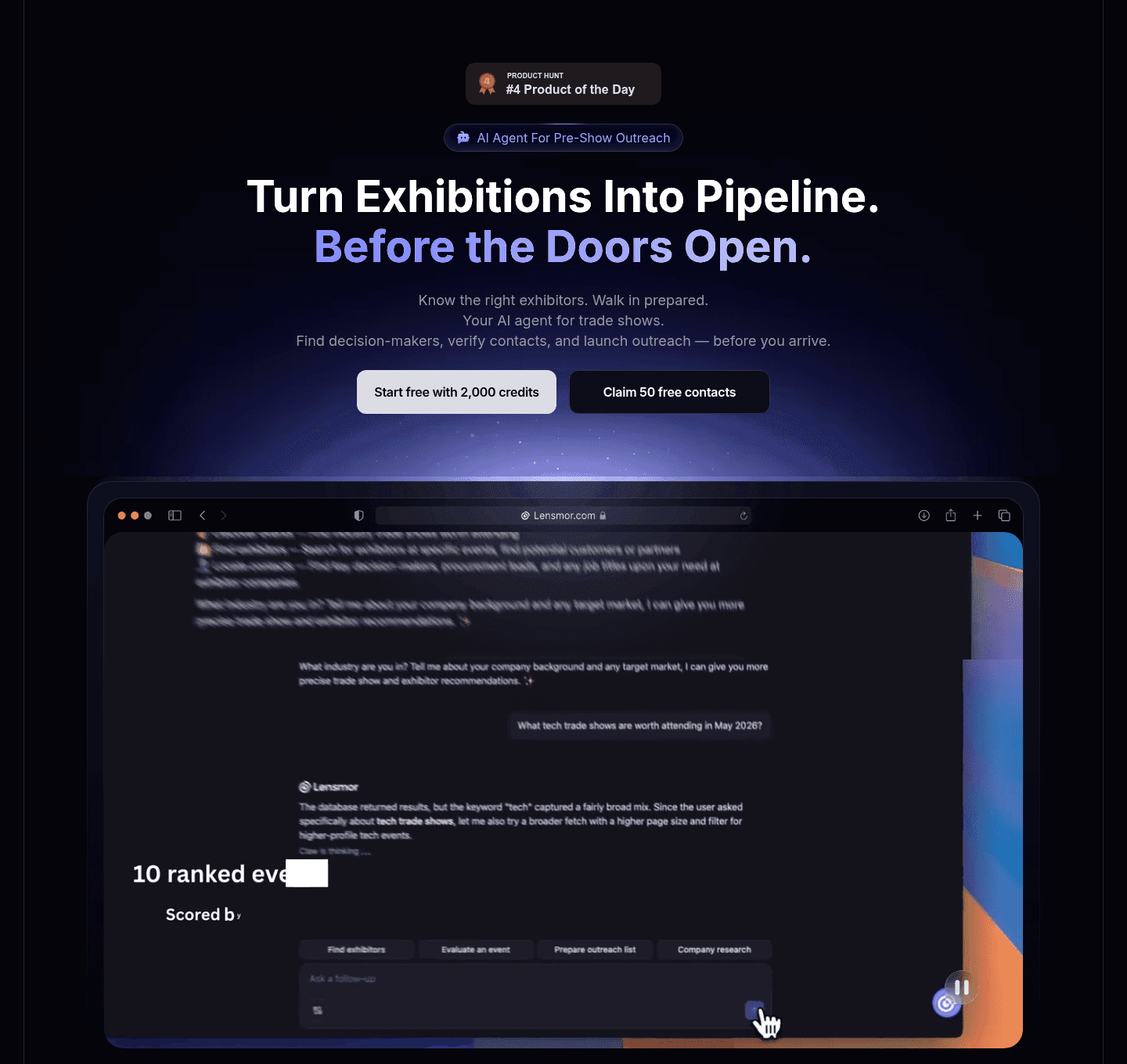
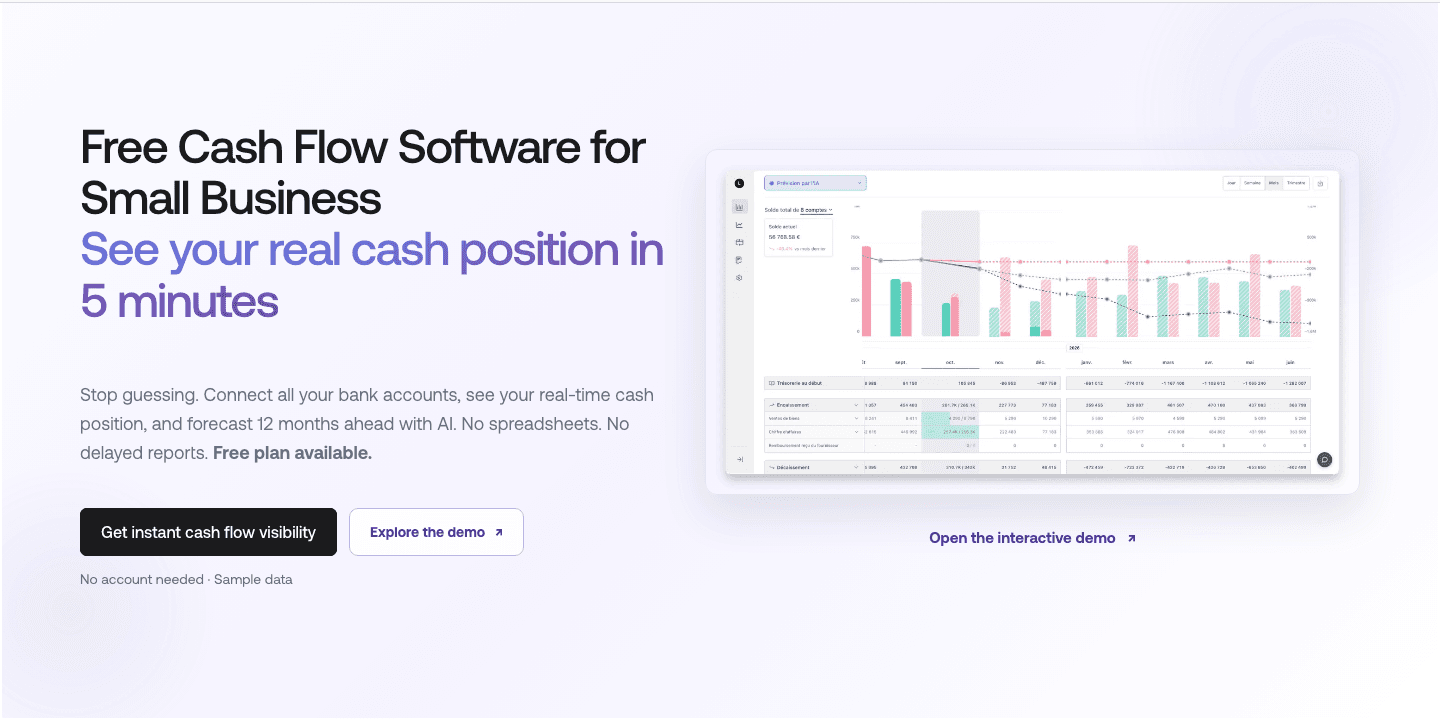
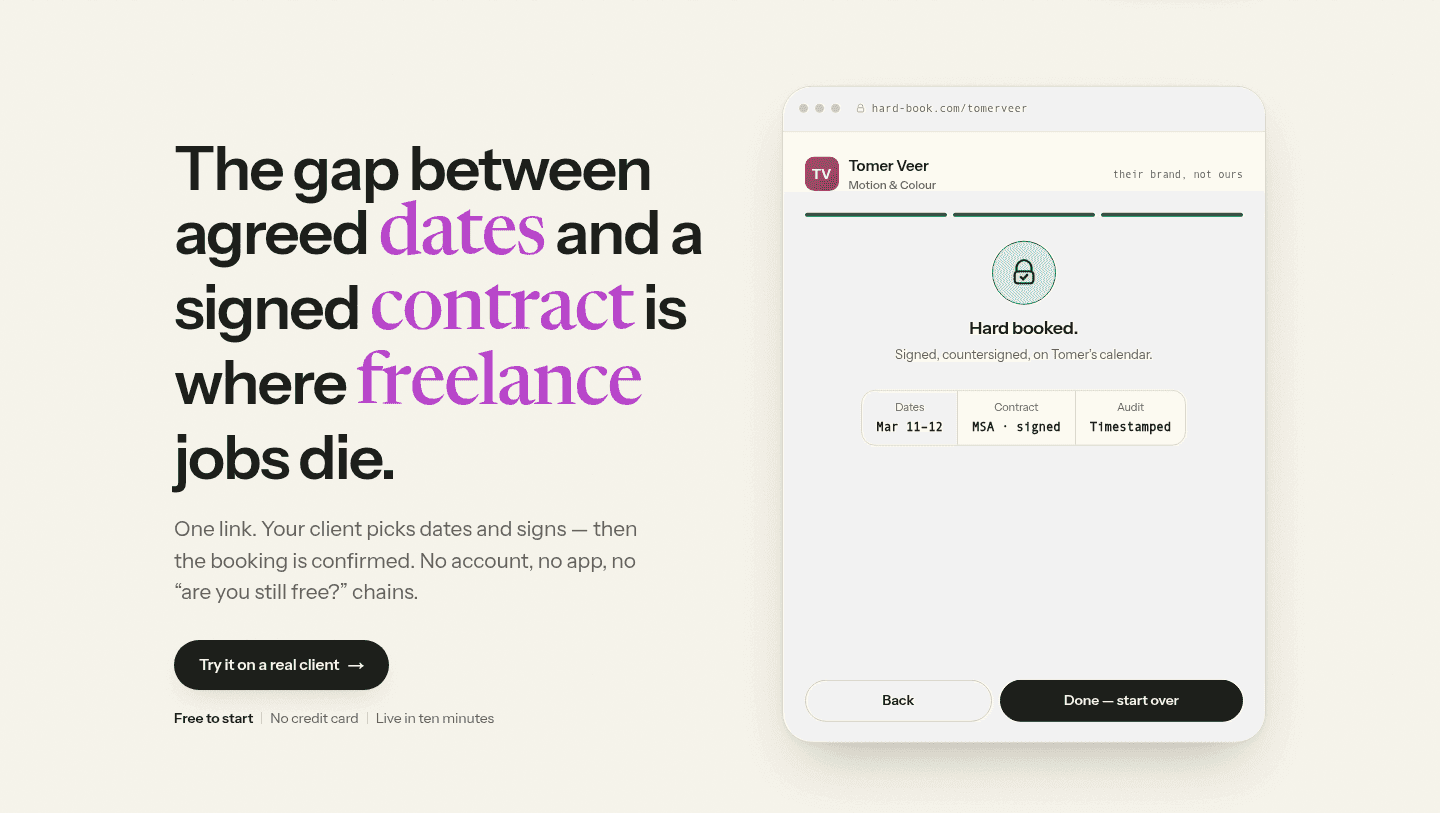
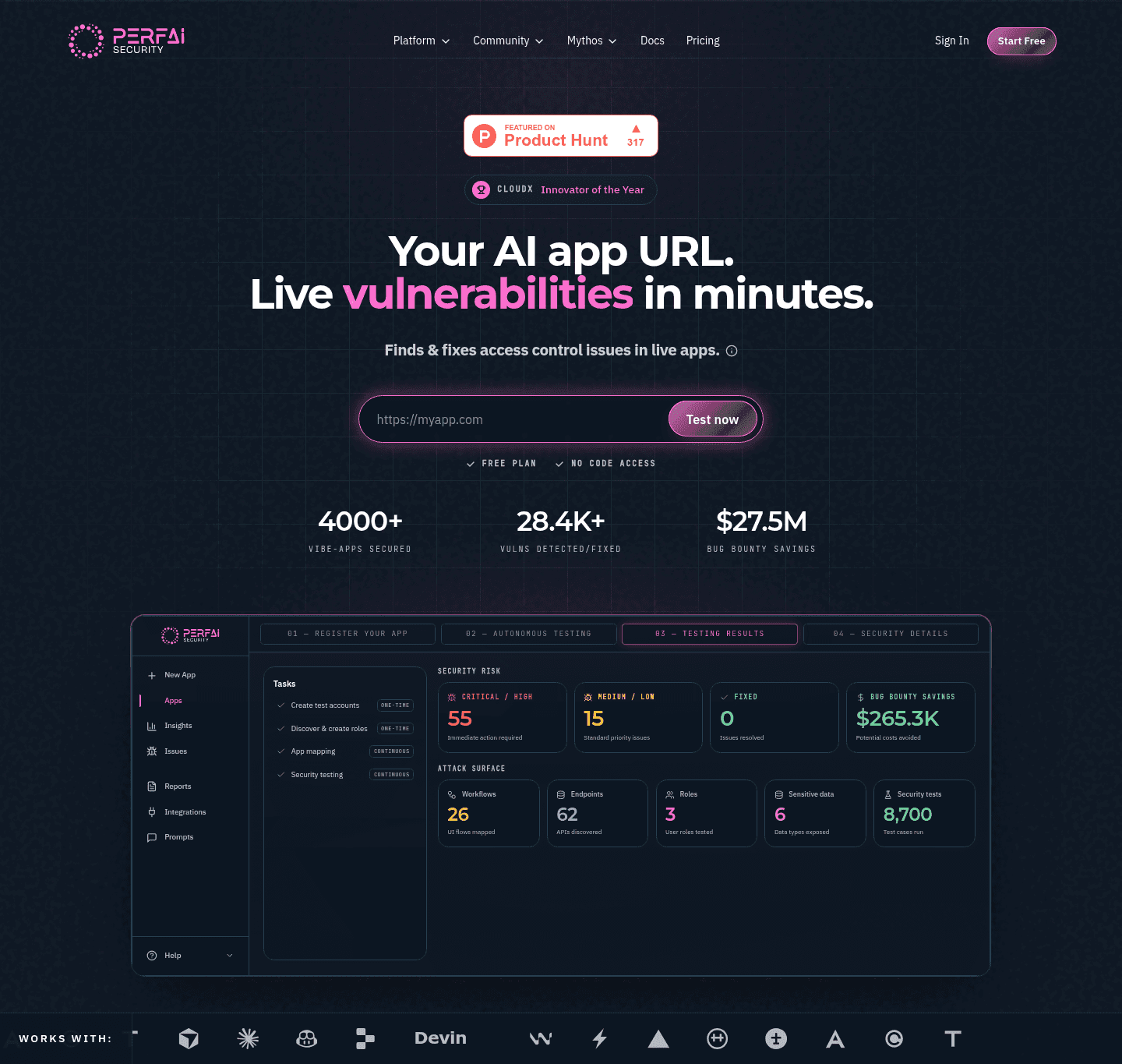
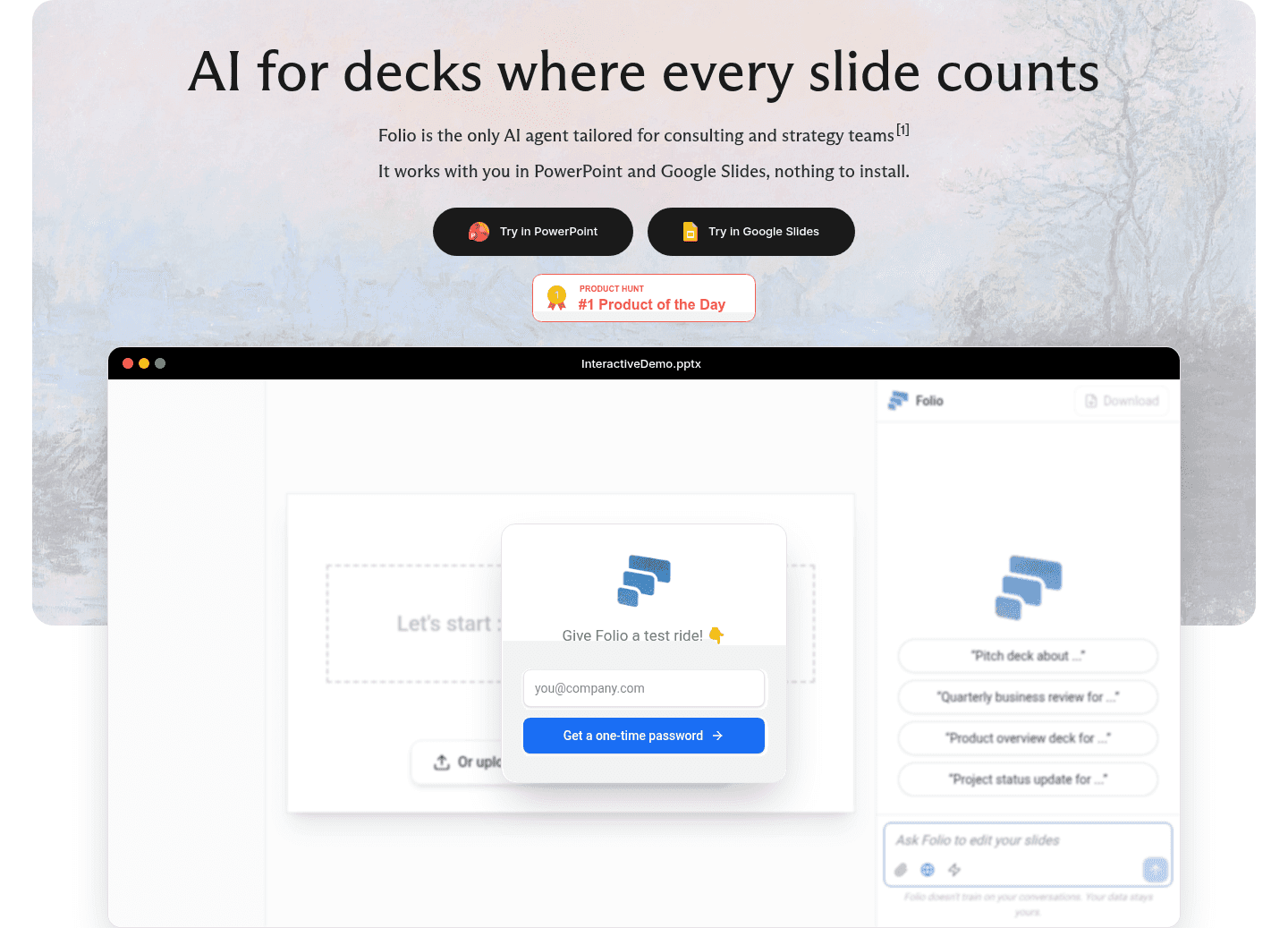
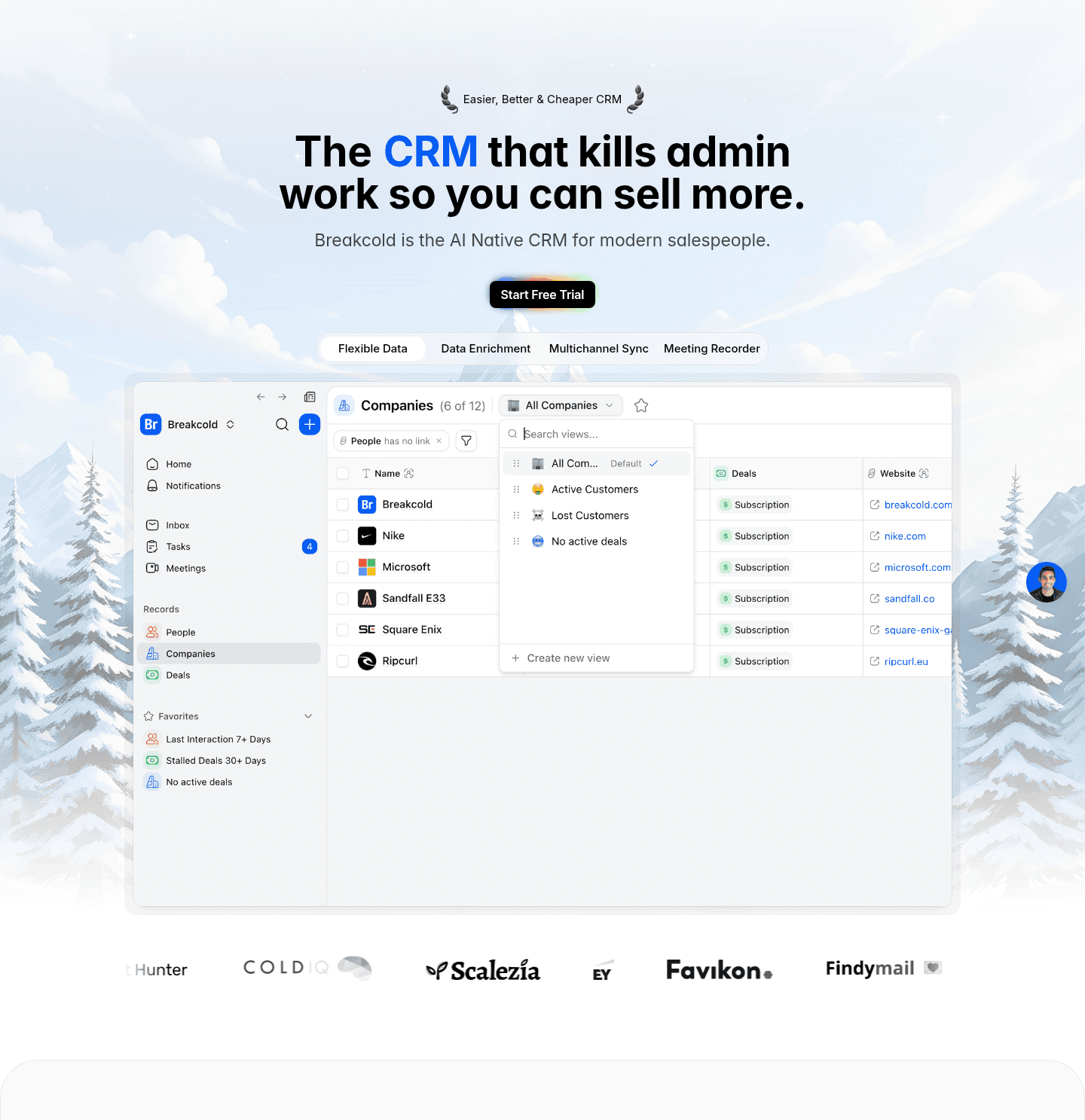
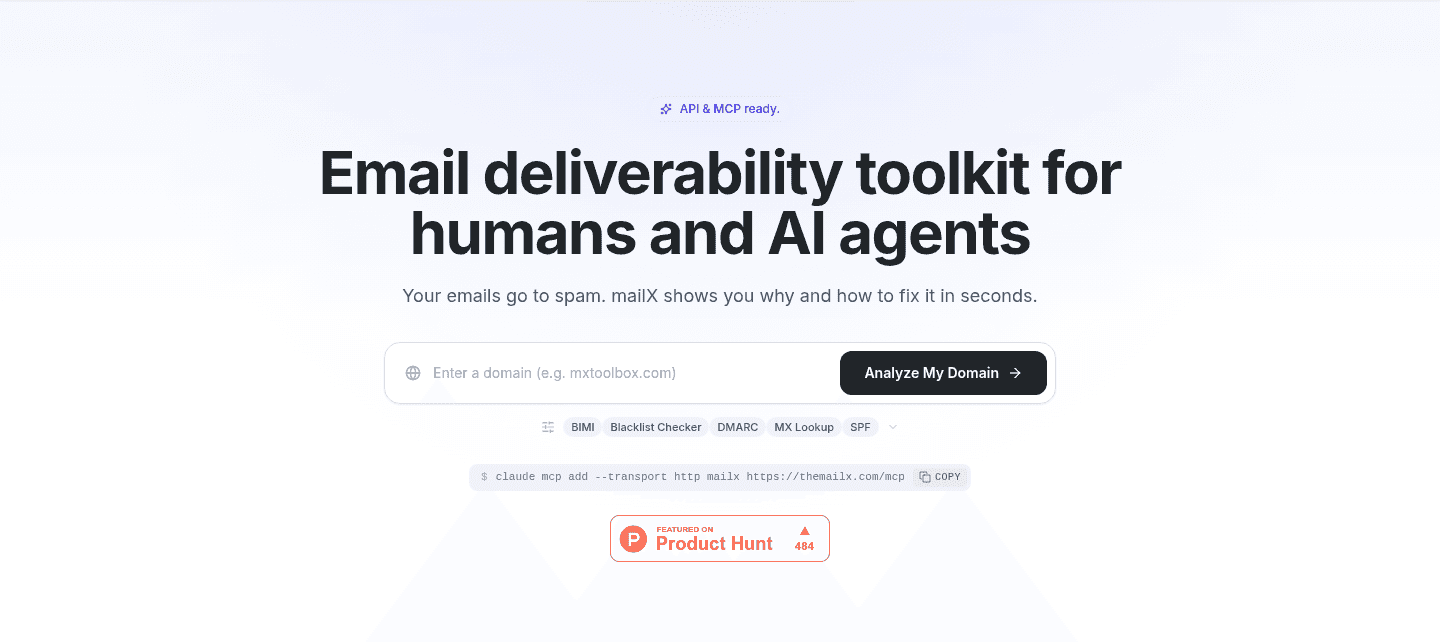
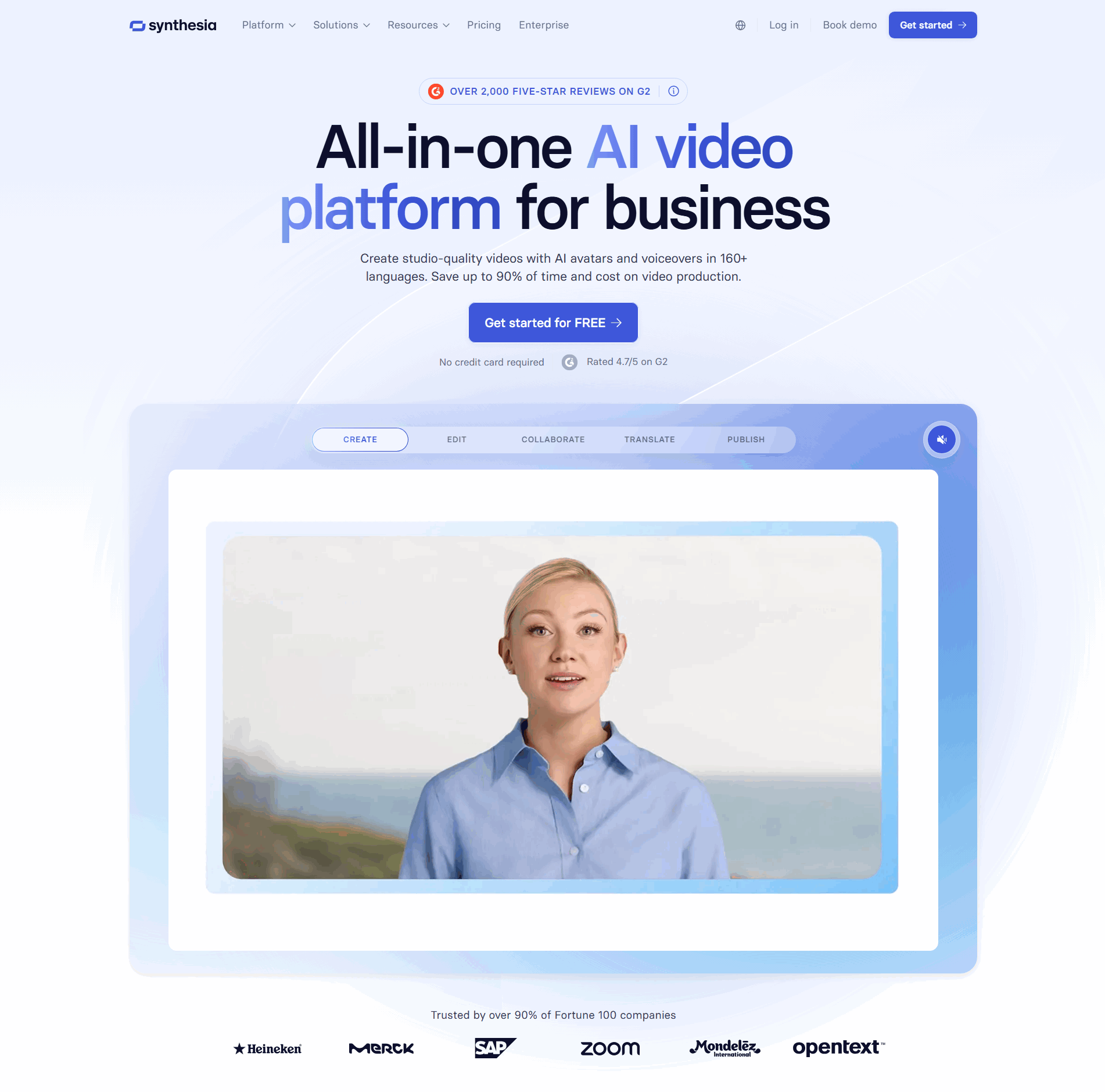
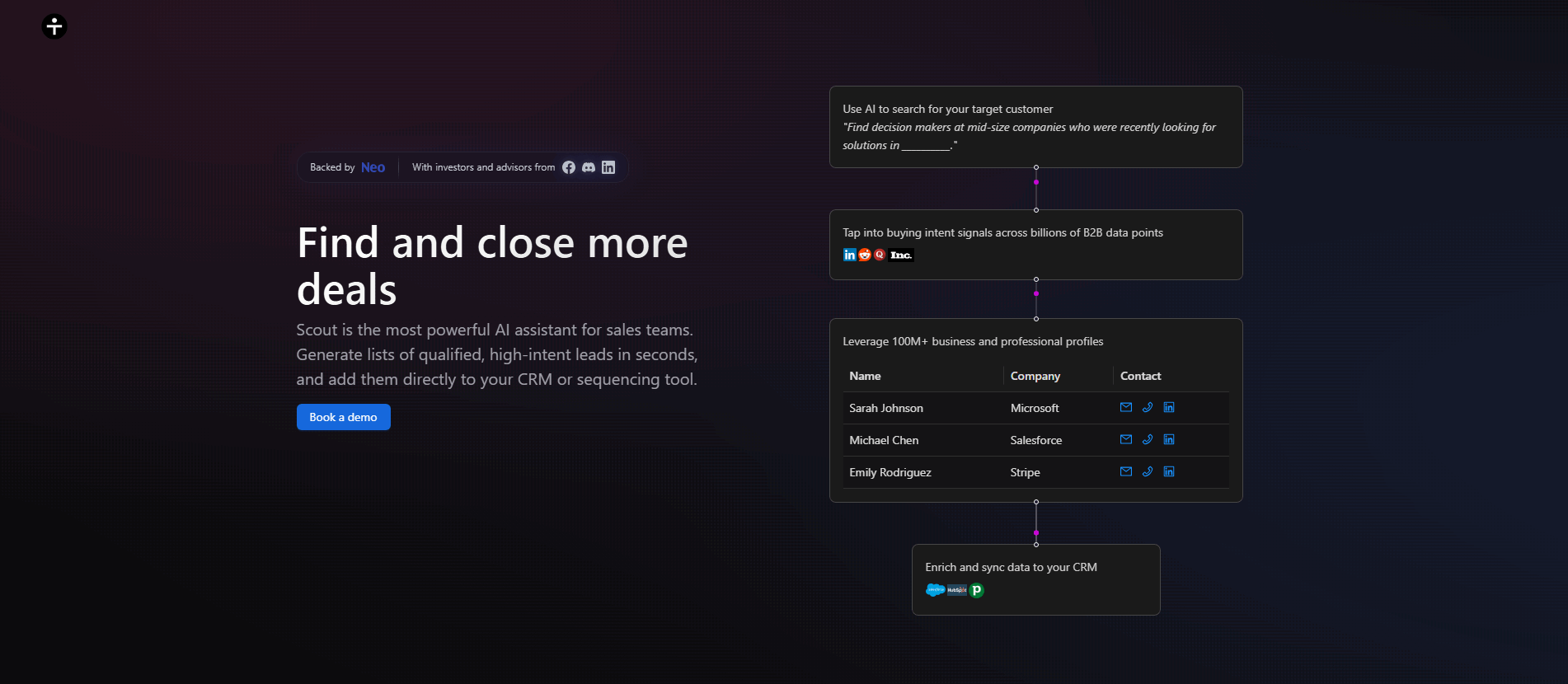
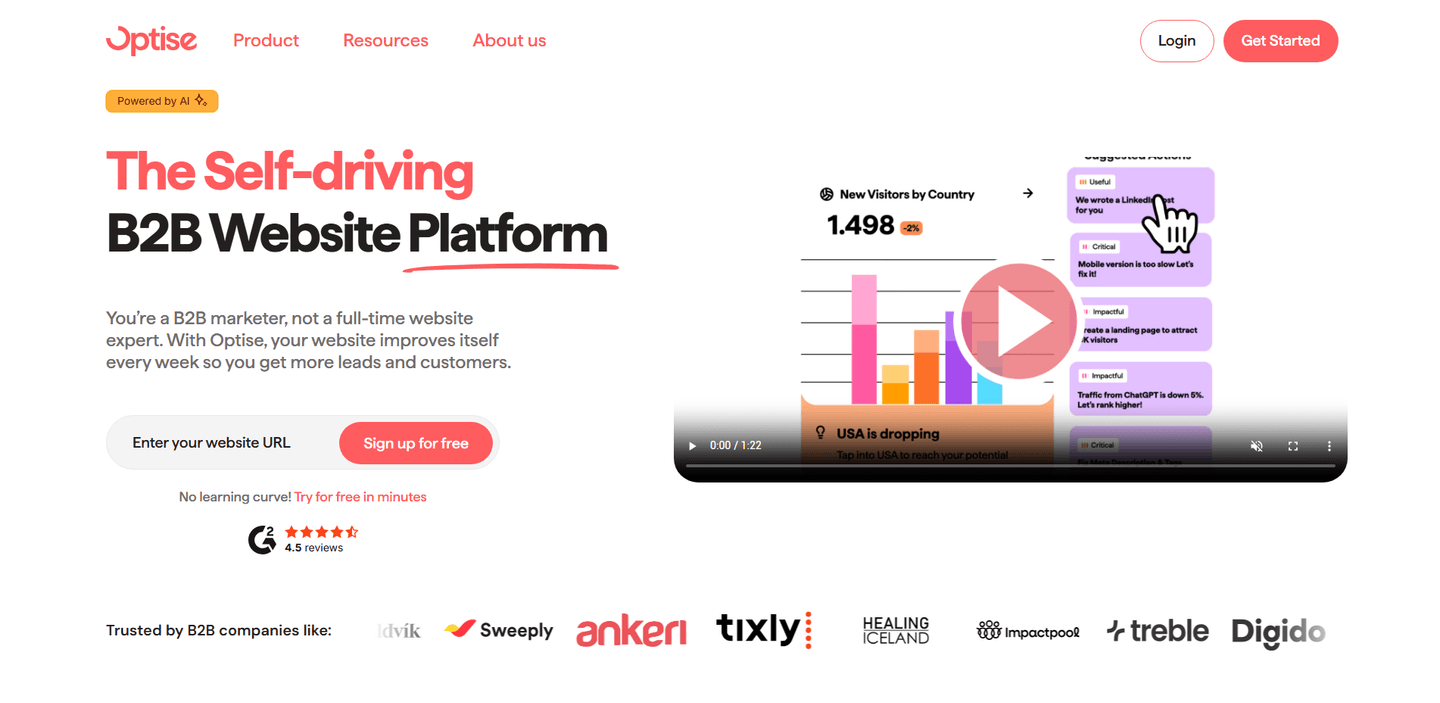
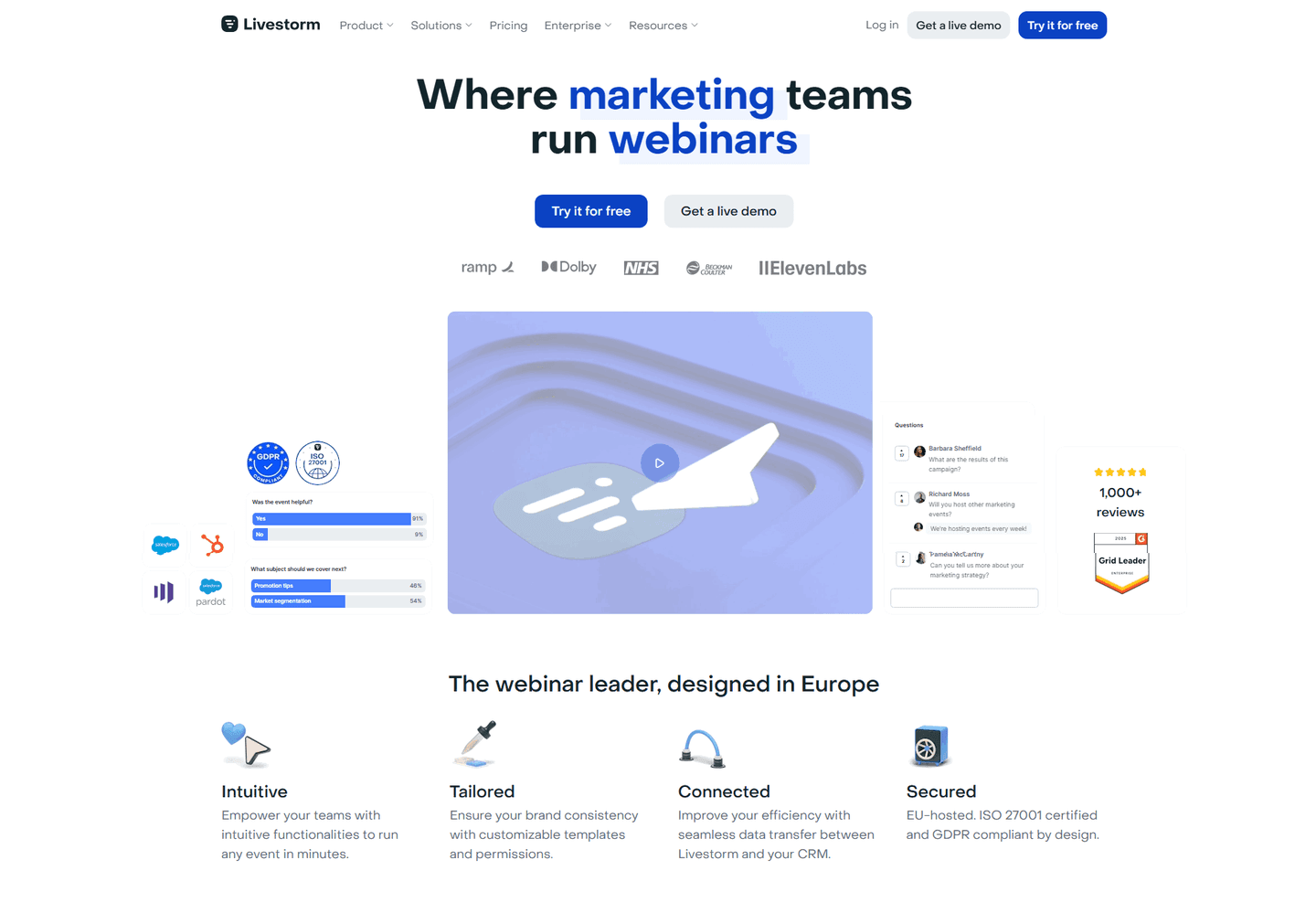
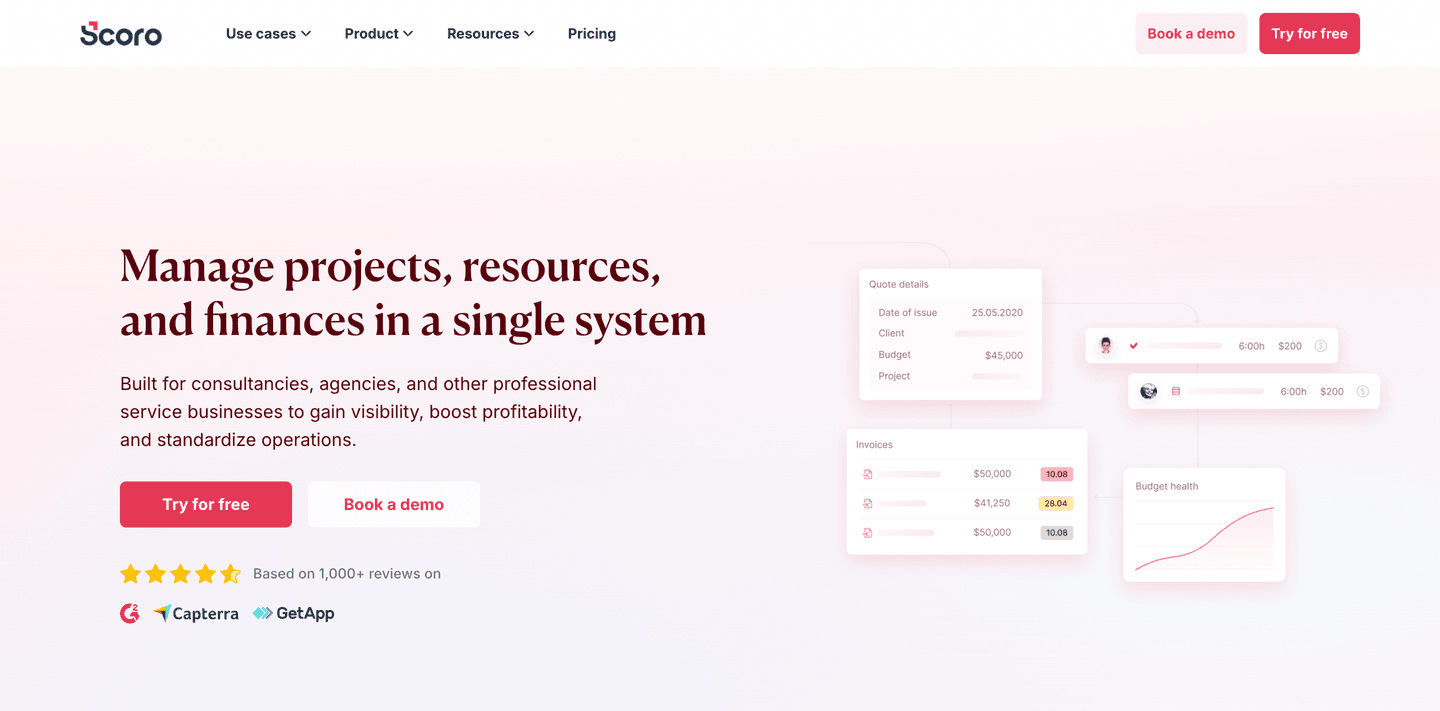
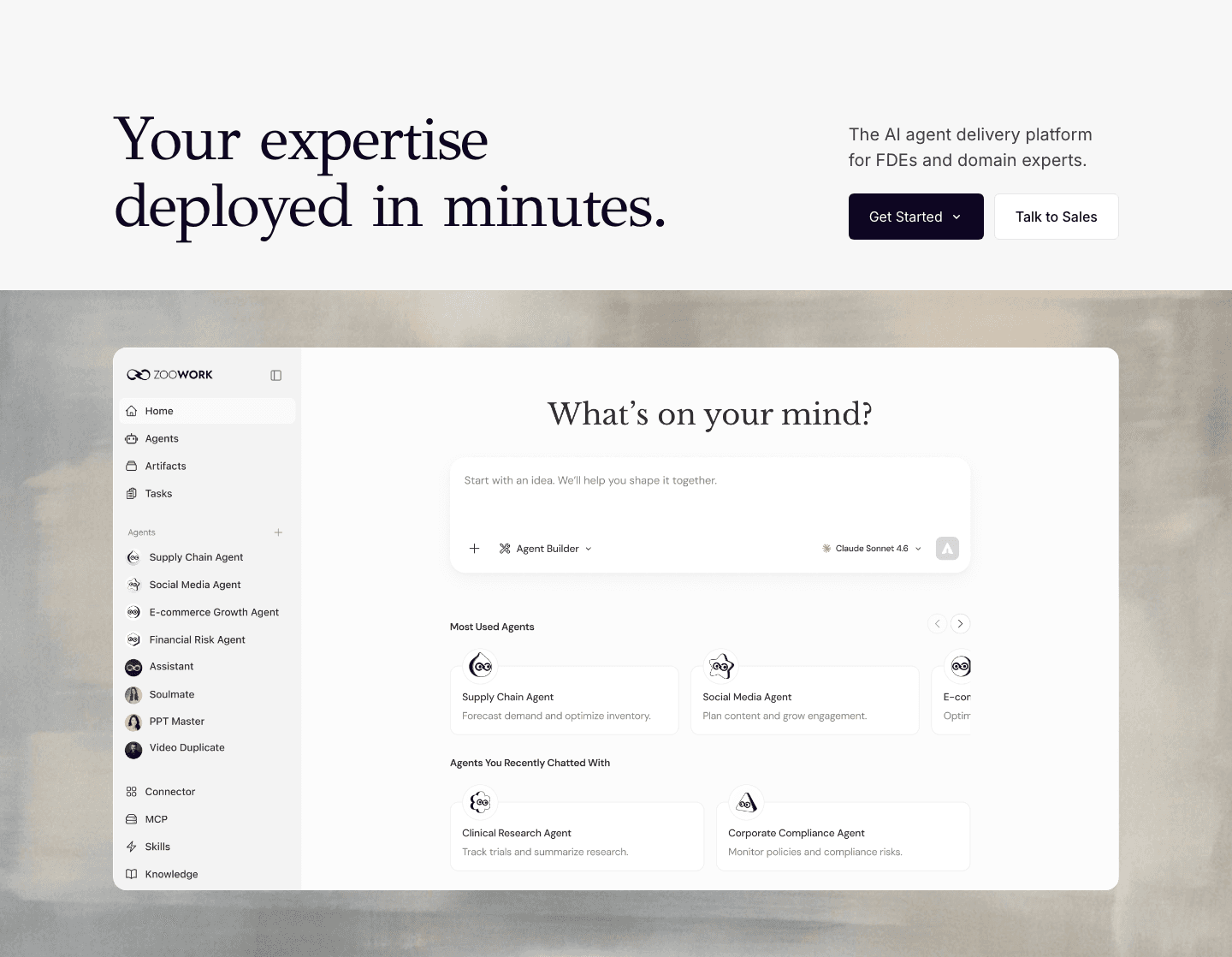
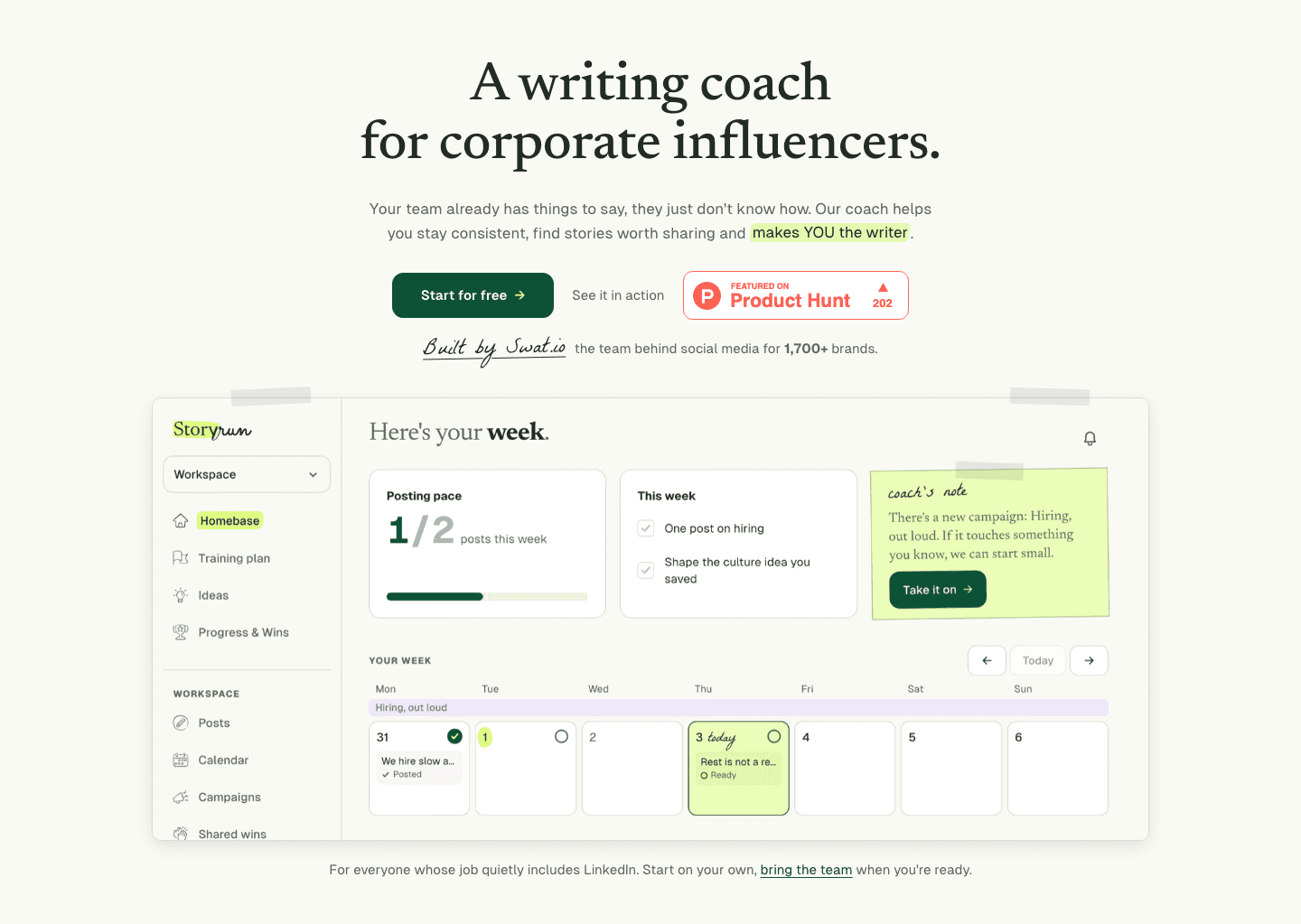
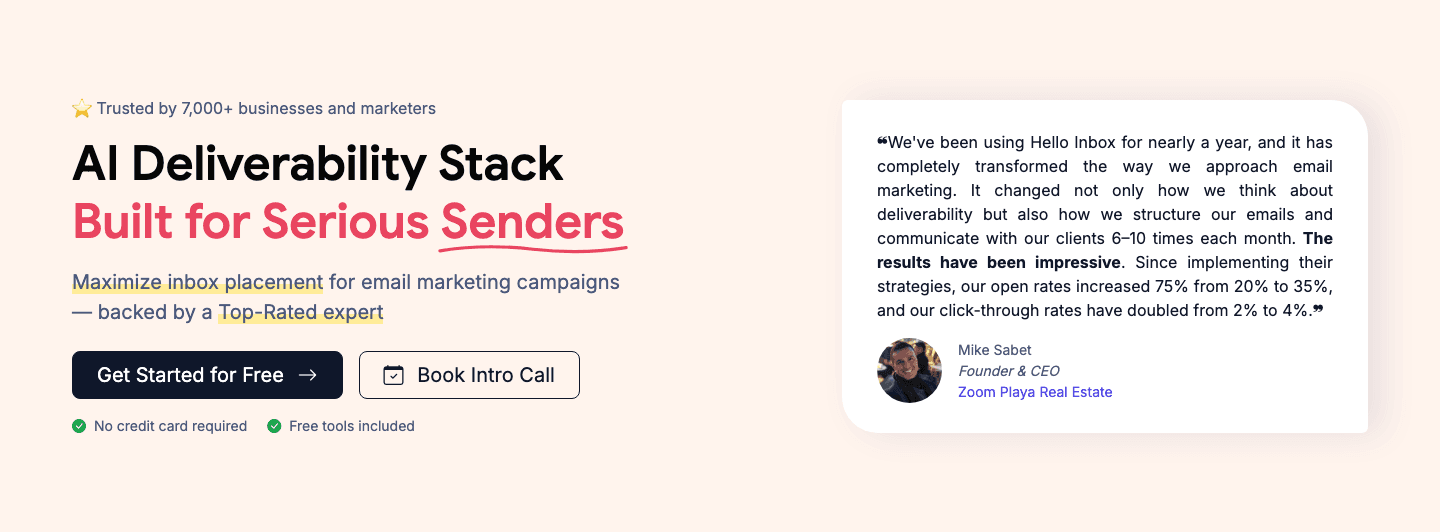
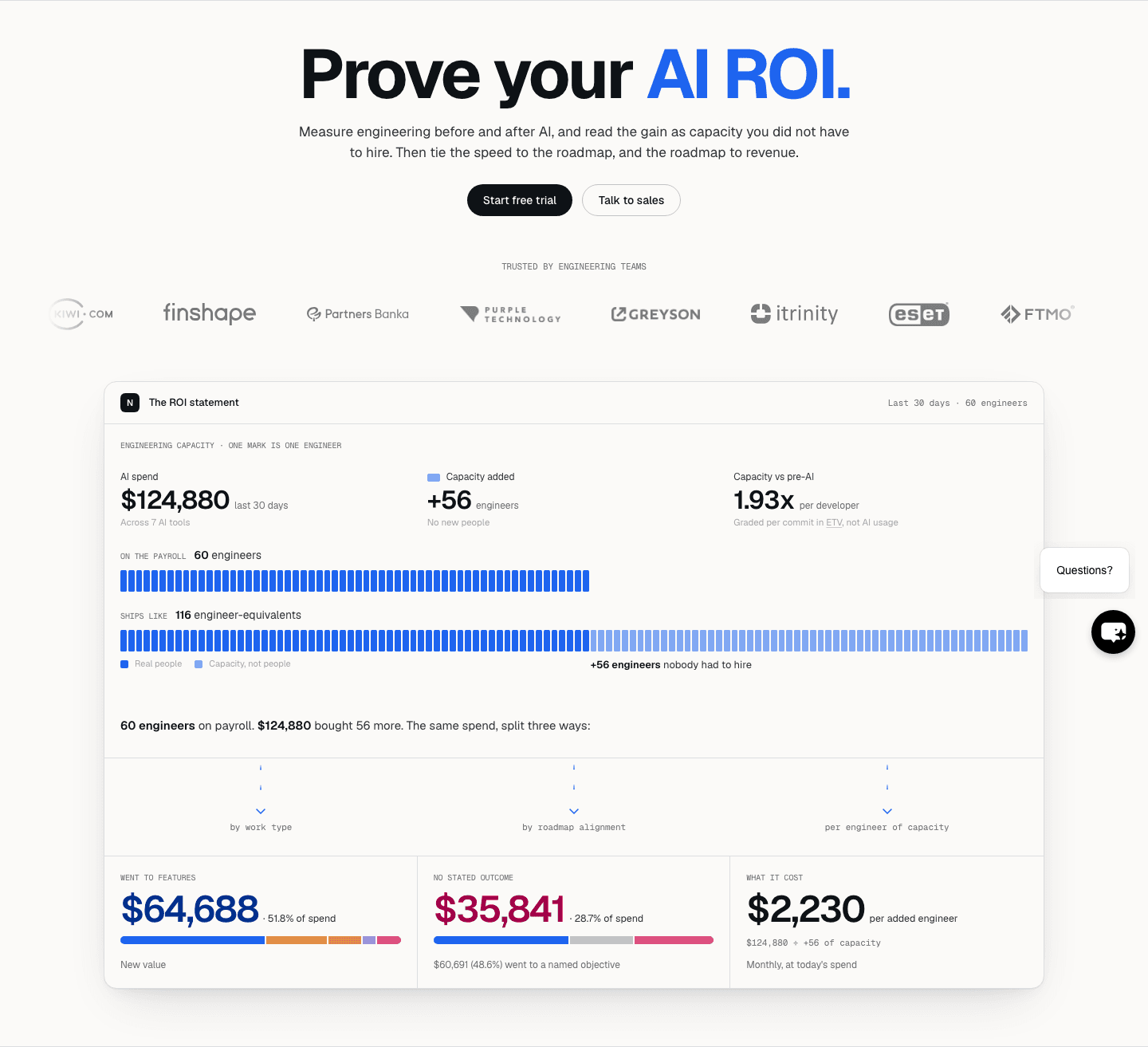
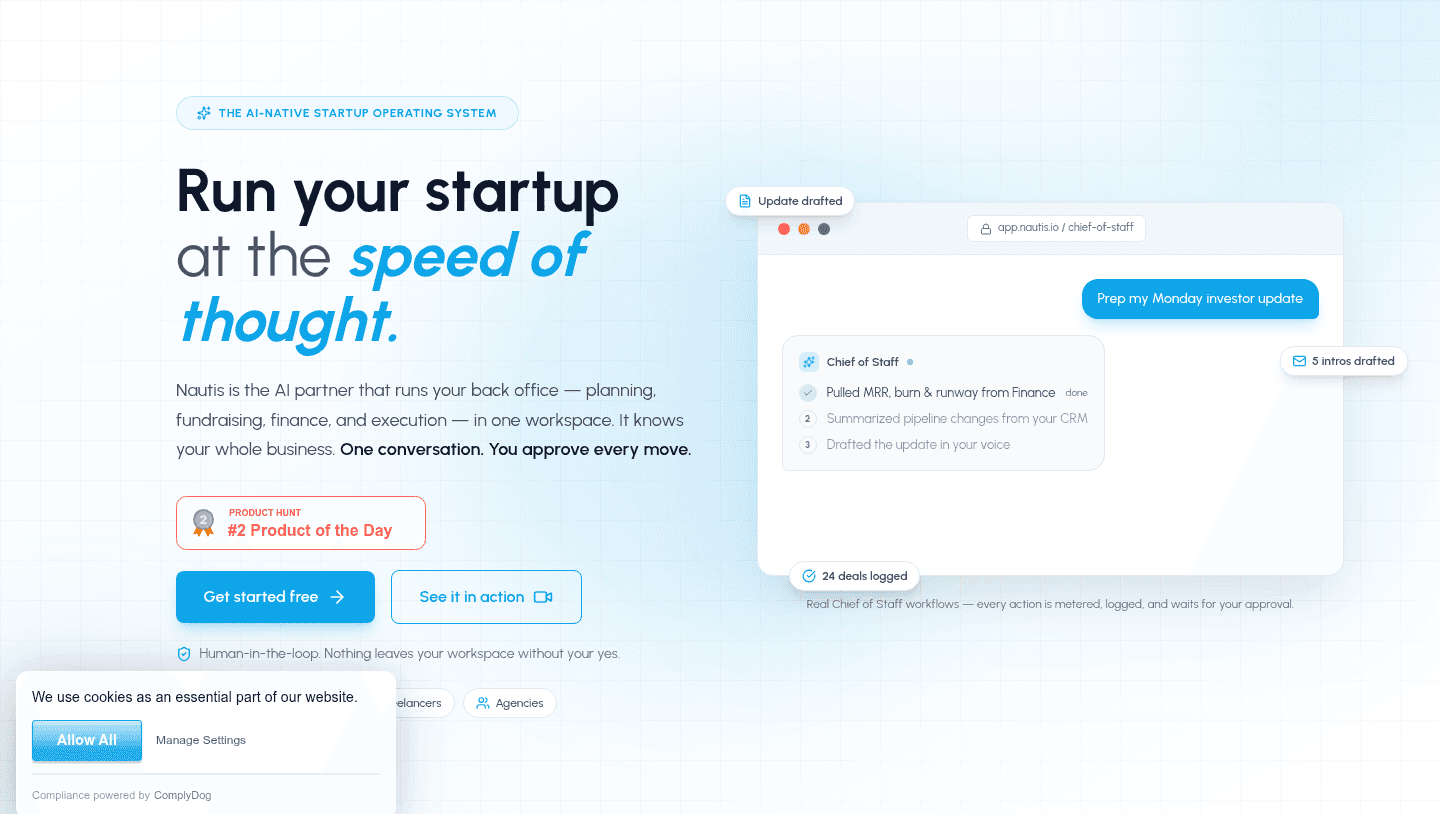
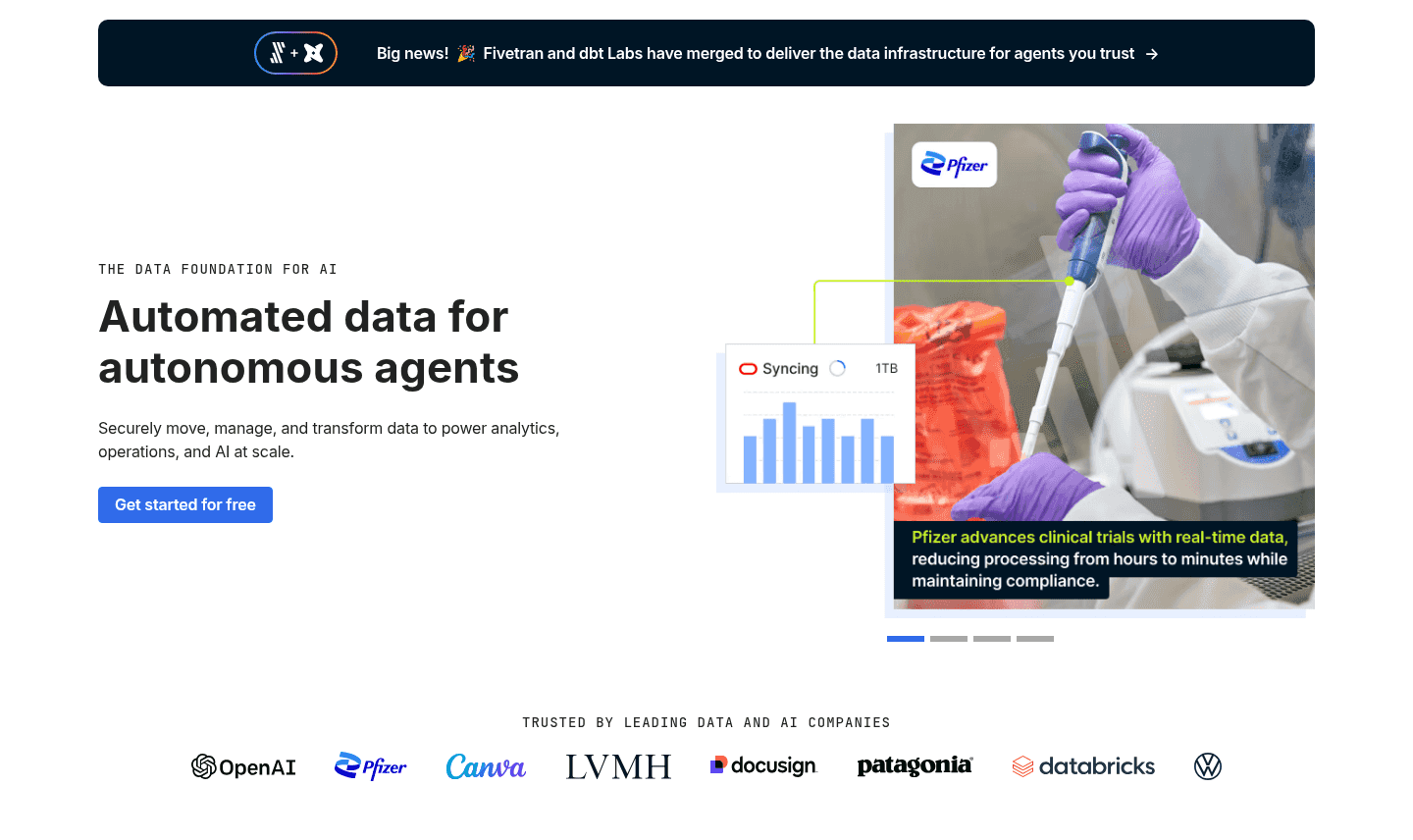
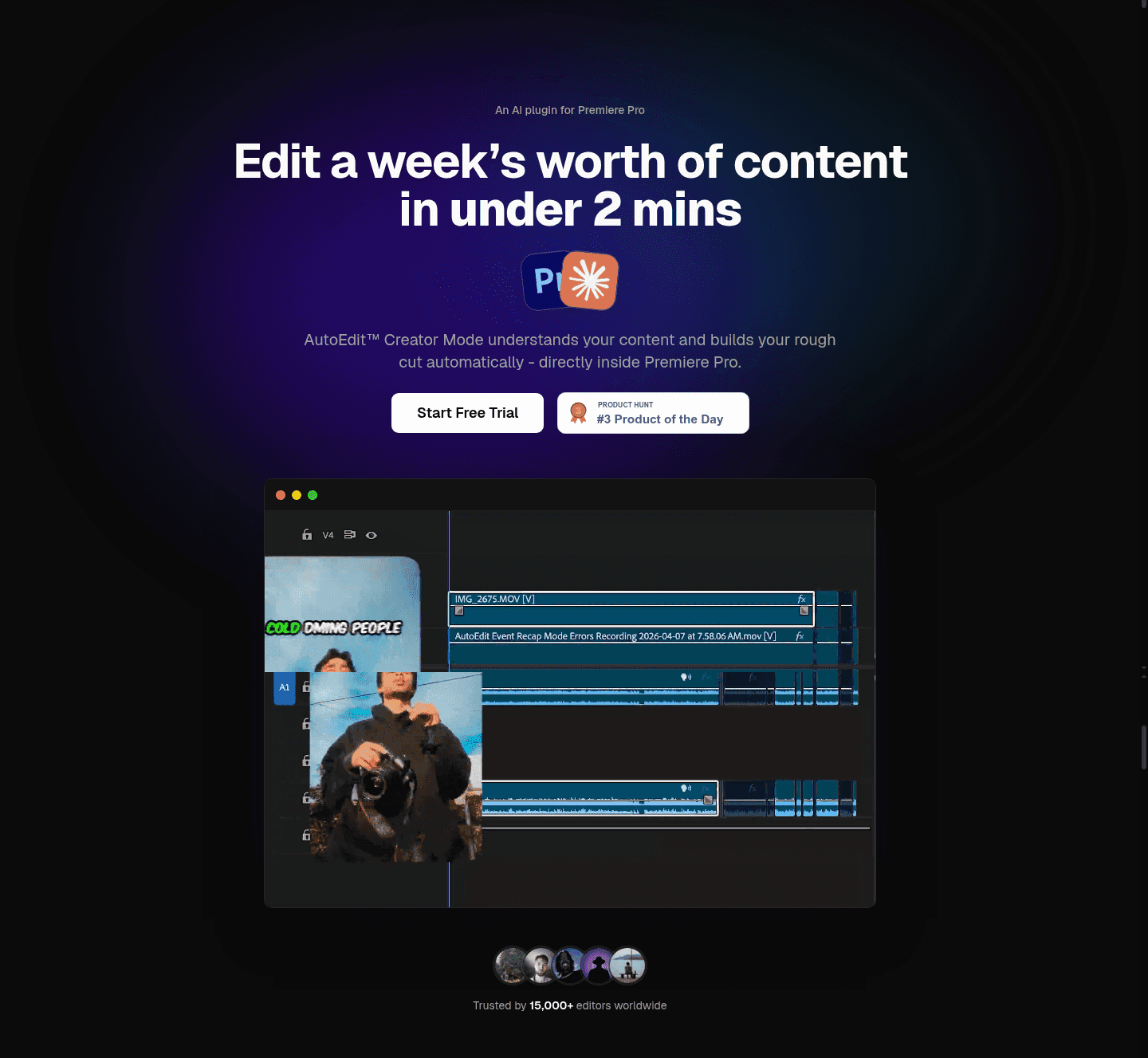
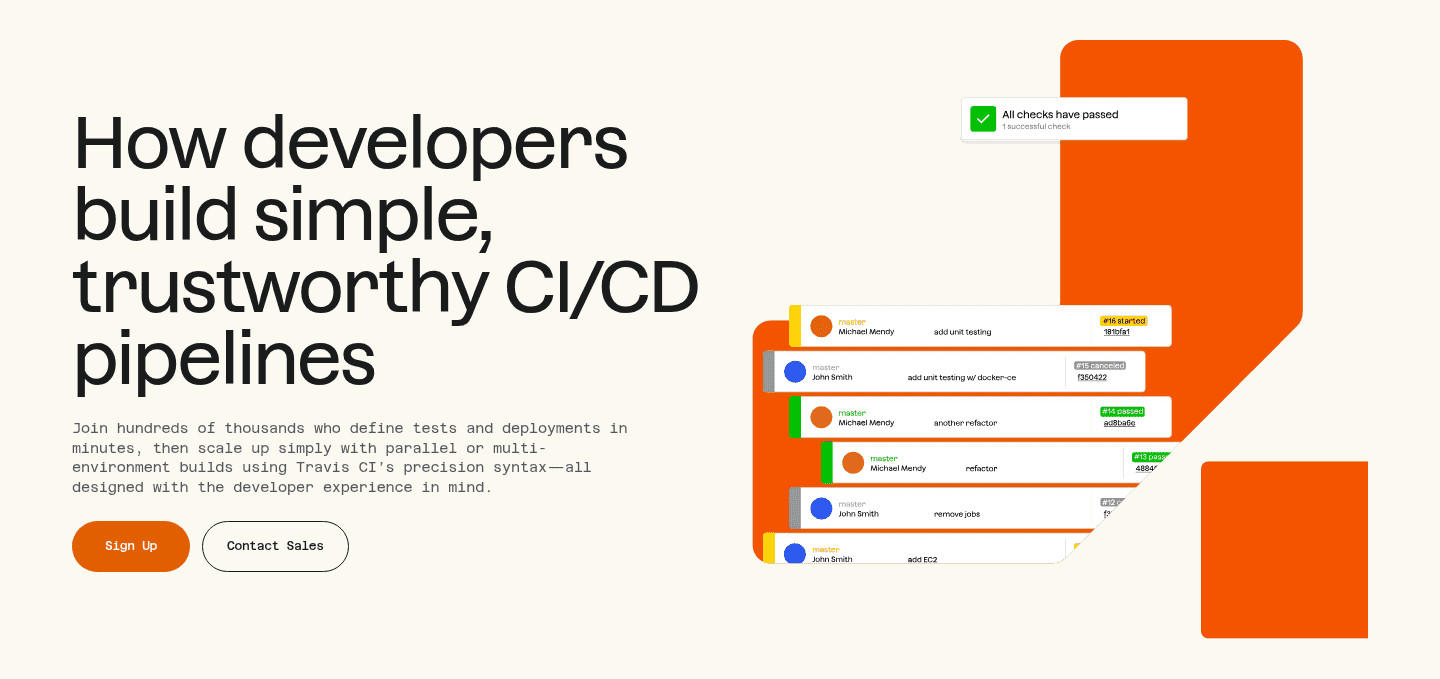
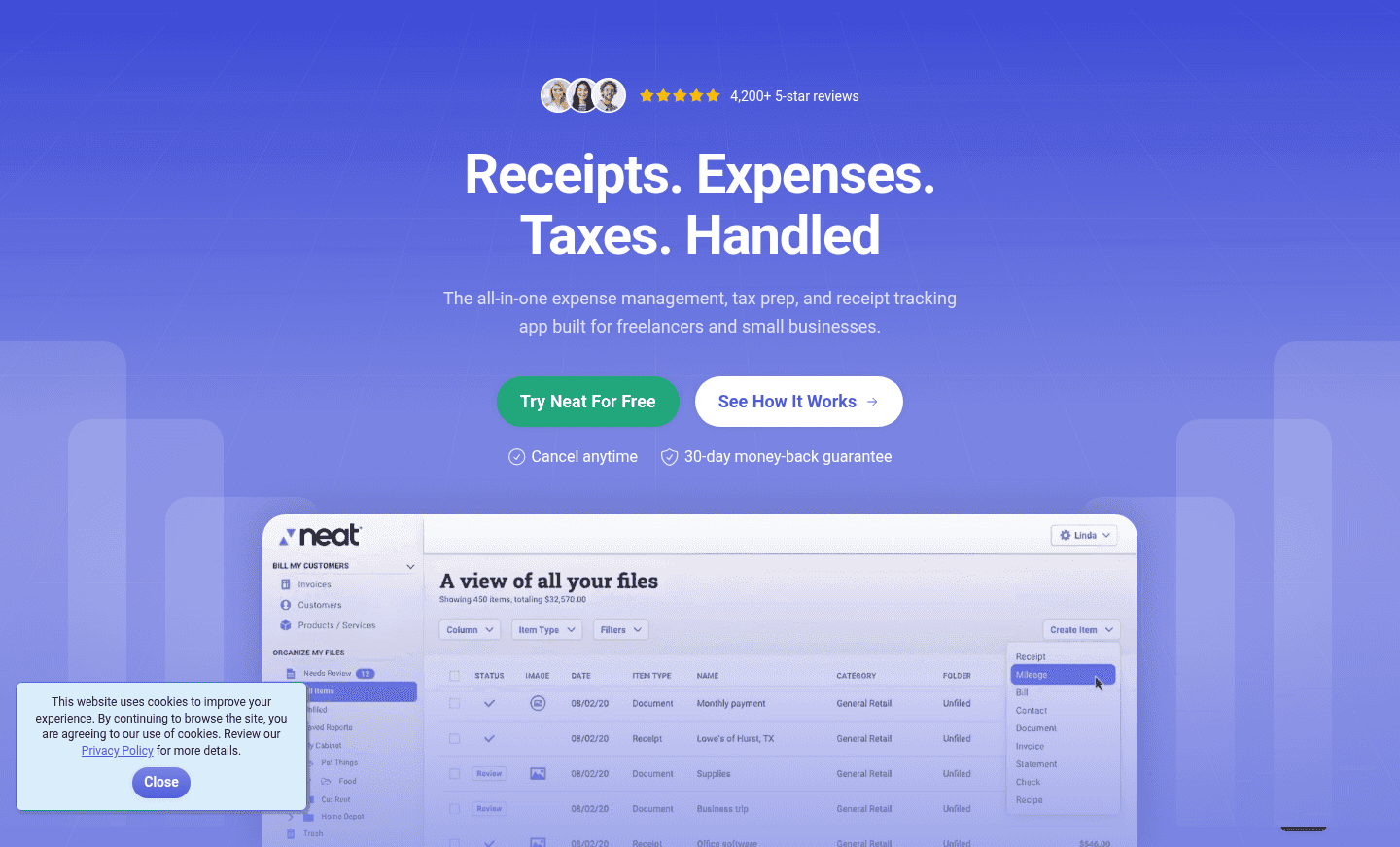
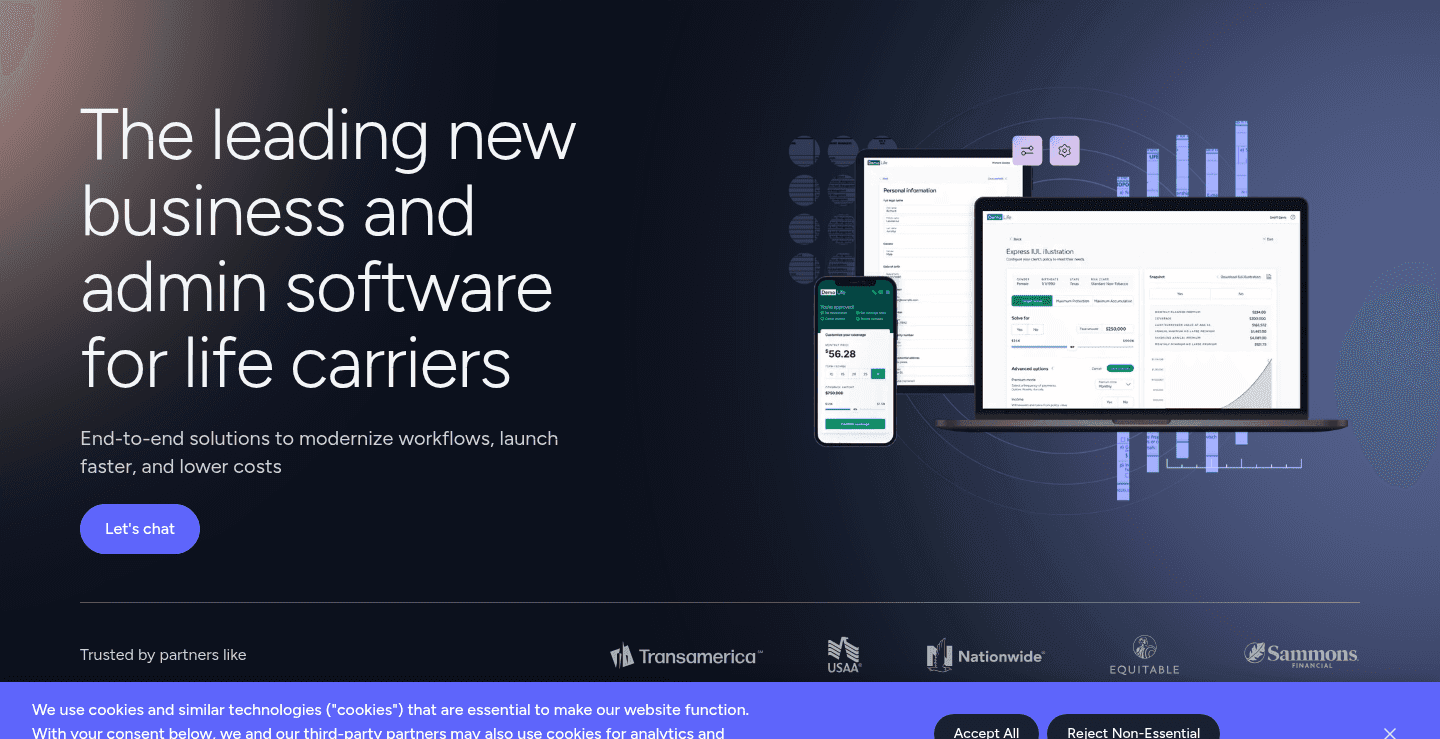
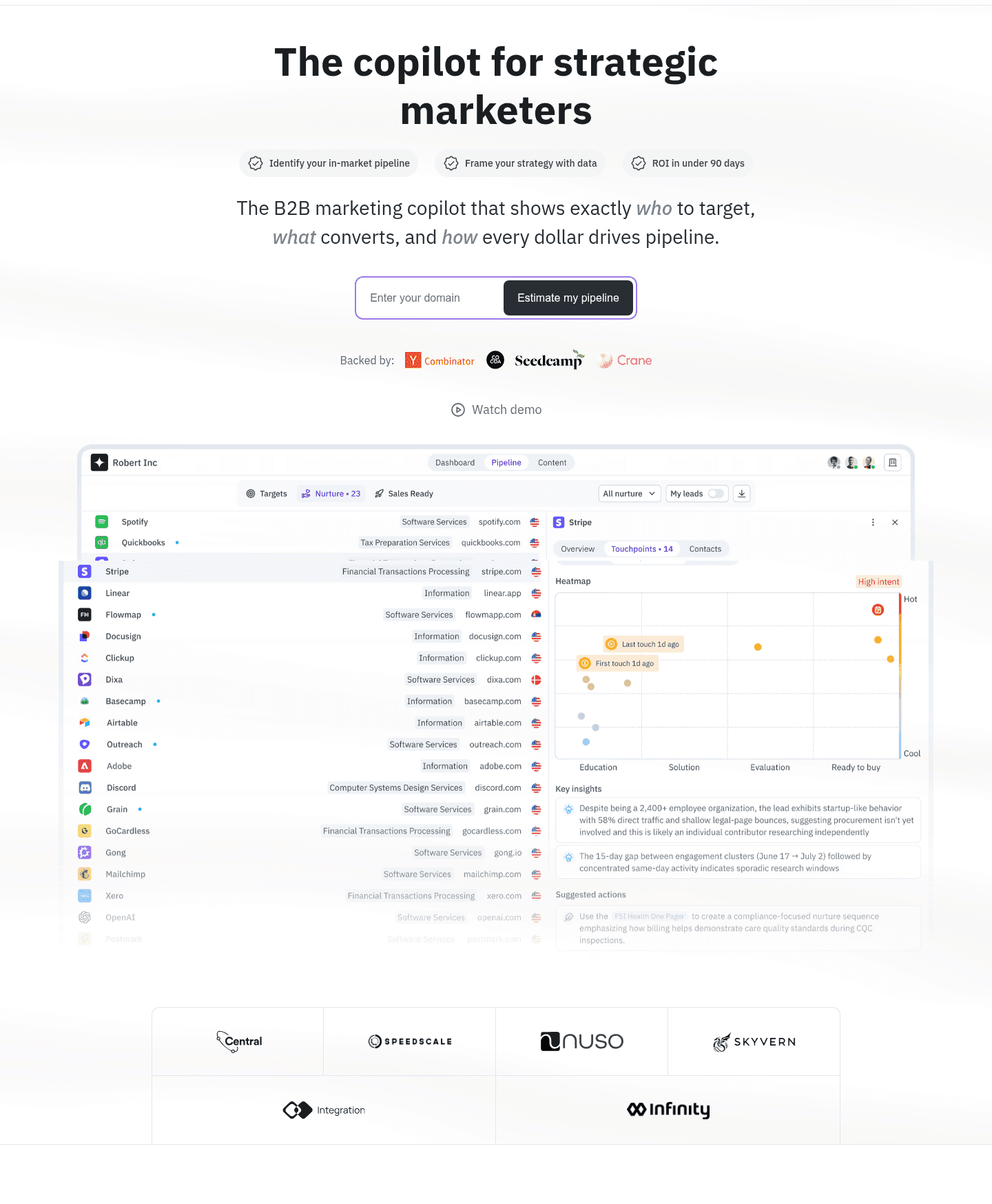
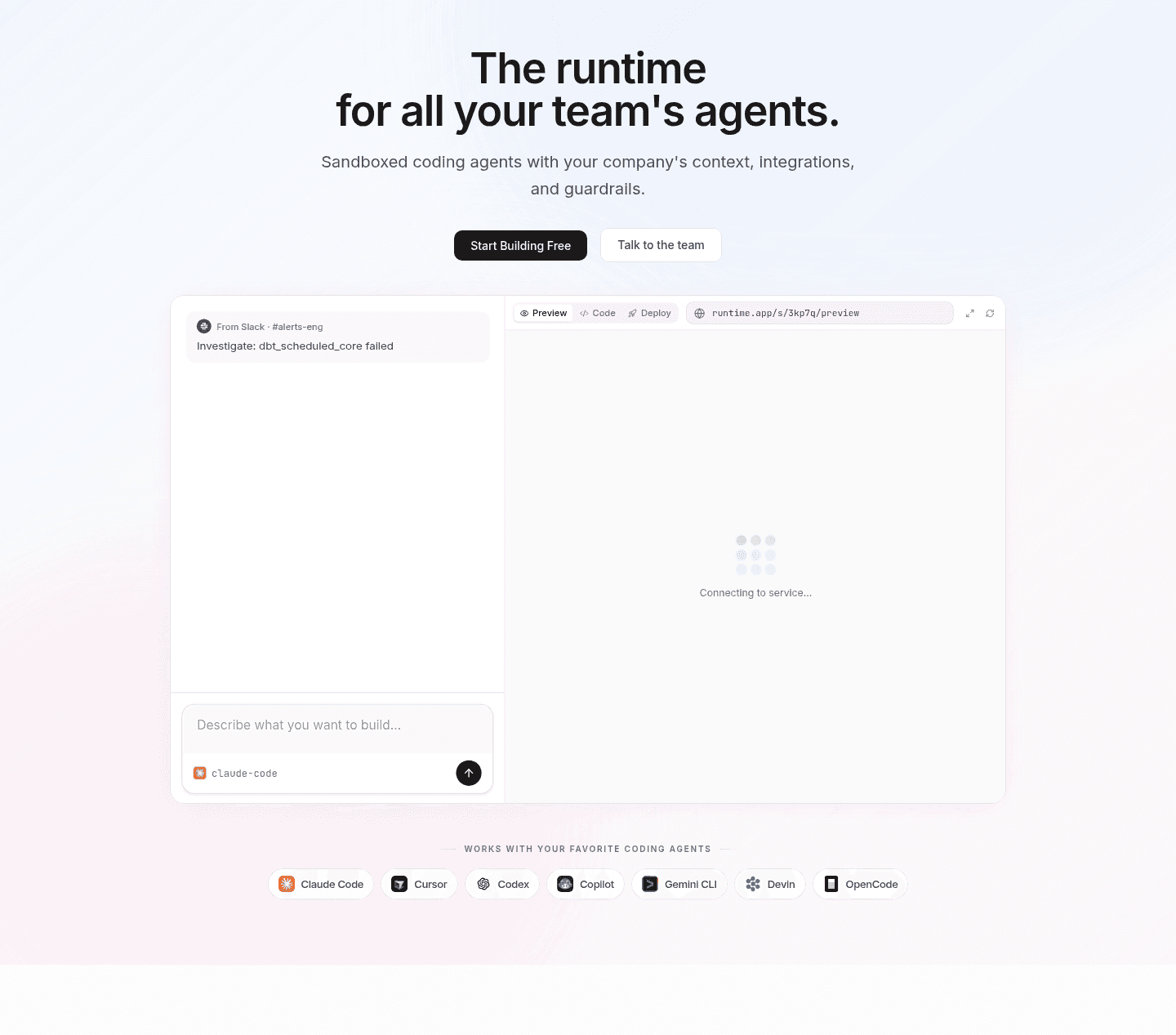
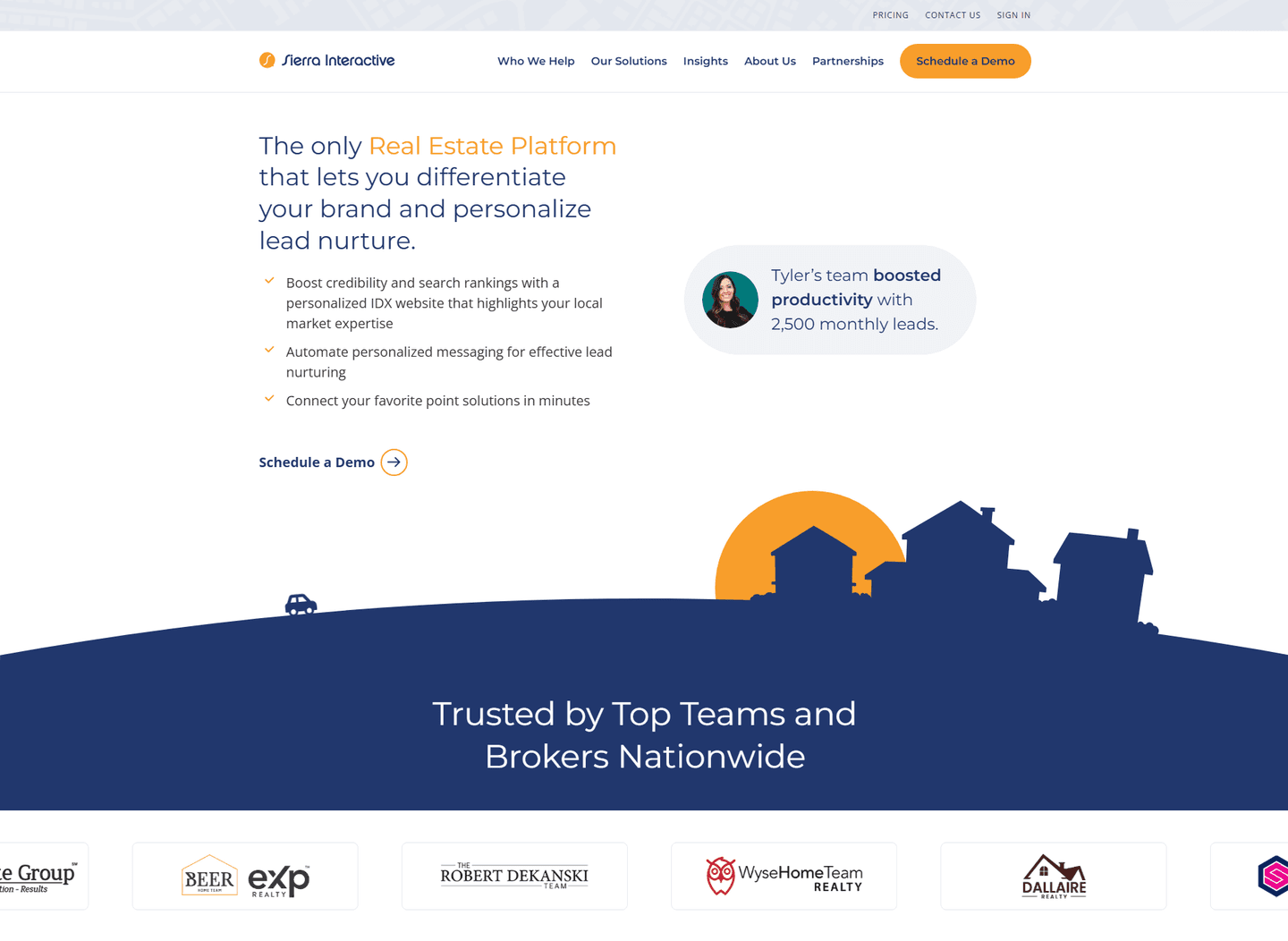
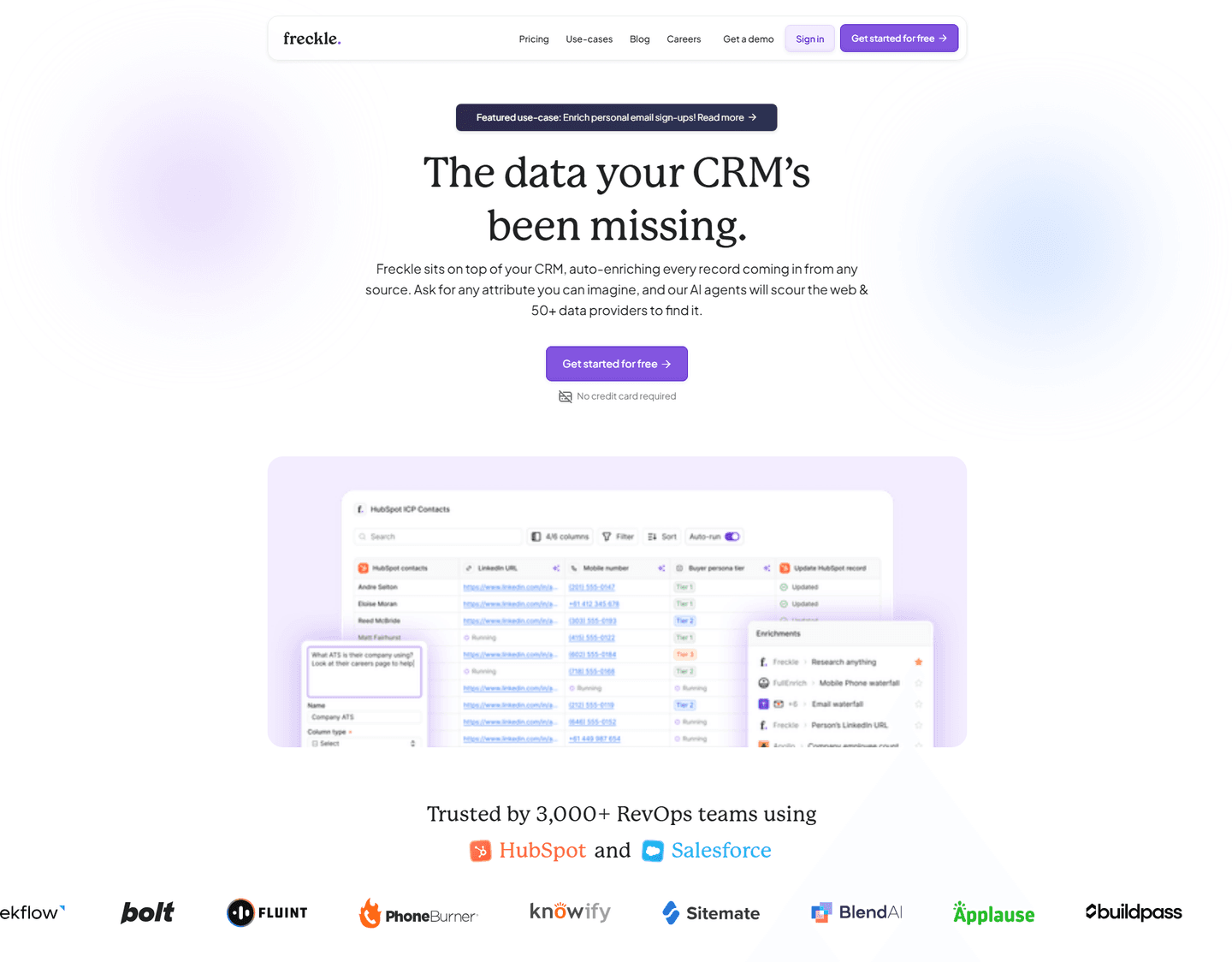
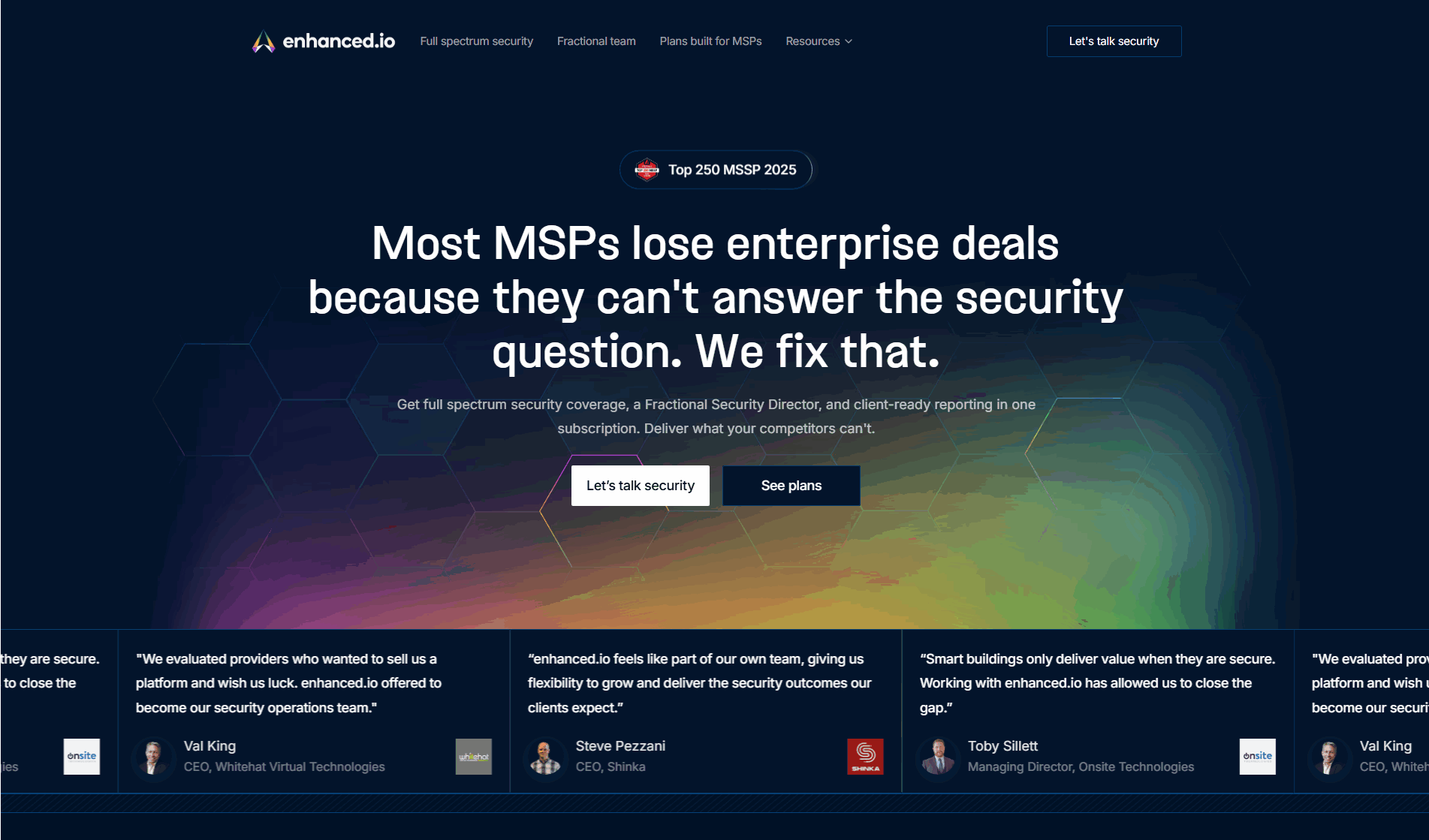
Browse every hero pattern by UX best practice, or jump to an industry view.
Hero clarity means saying, in the first lines a visitor reads, who the product is for, what it is and what it does. The right buyer reads the line and thinks "this is for me", without scrolling, decoding a headline or guessing the category.
The best heroes do it in one of four ways, often two at once:
A vague hero makes the visitor work to find out whether the page is for them. A clear one removes that work. When the headline names the audience, the category and the payoff in plain language, the right buyer recognizes themselves straight away and reads on.
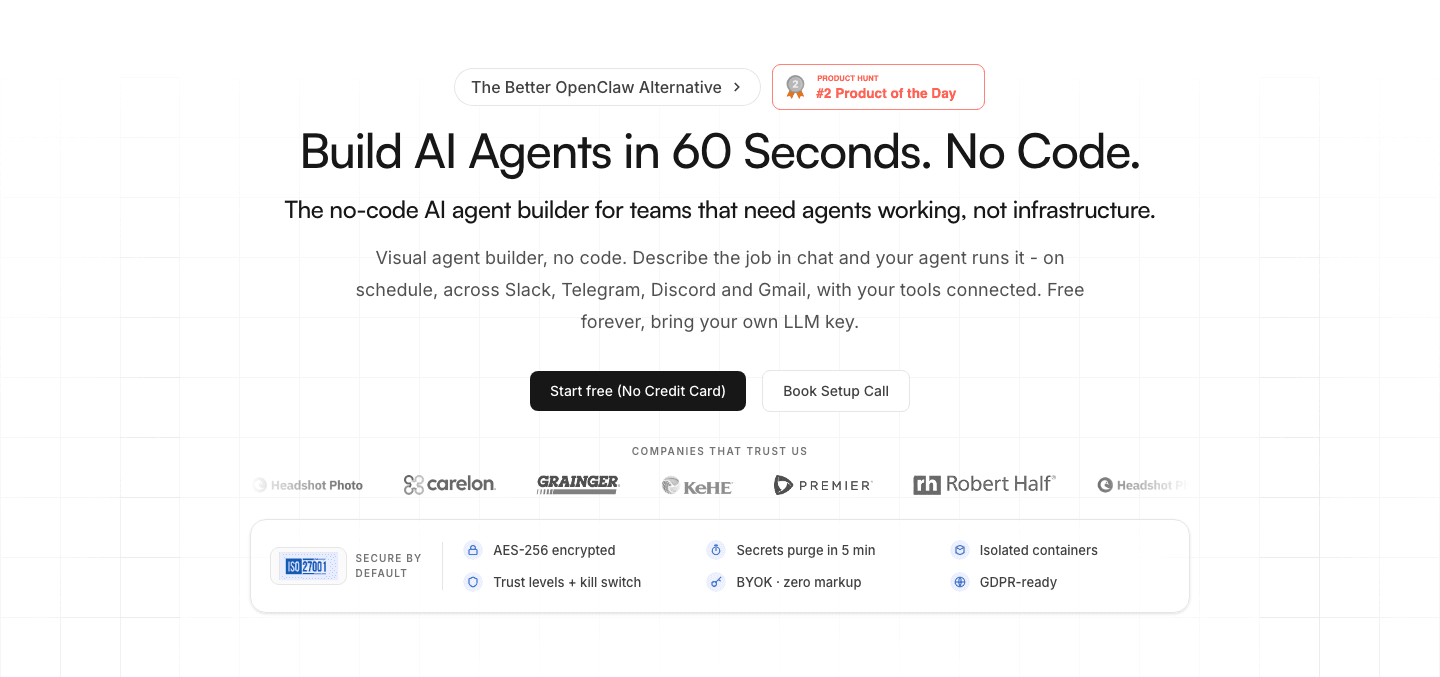
The highest-scoring heroes below name the buyer and the value precisely. Optise opens with "You are a B2B marketer, not a full-time website expert", which names the pain and the buyer in one line. Close says "Built for small businesses". ComboCurve pairs "the only reserves analysis platform" with an exact audience, petroleum engineers at oil and gas companies. Parabola puts it in the headline itself, workflow automation built for ops and finance teams, and Unriddle calls out researchers, students and scientists. None of them make the visitor decode what the product is or who it is for.
Clarity rarely carries a hero alone. The strongest pair it with social proof above the fold, so the claim is backed before the scroll.
100/100
The usual failure is a generic headline that could sit on any company's site, a line about solving challenges or growing faster that names no buyer and no category. The second is a buried category: the hero promises an outcome but never says what the tool actually is, so the visitor has to scroll to find out.

Curated by
Gabriel Amzallag , Founder, Web Anatomy
5 years CRO + SEO at Qonto (2021–2025). After advising 15+ SaaS on their websites (Payfit, Pigment…), the same patterns kept breaking, so I decided to build the source of truth on what works on the web: the intelligence layer every tool, builder, and team uses to ship sites that perform.
The common questions about naming your buyer in the hero, with answers drawn from 174 scored examples.
Rarely, in a hero. Cleverness makes the visitor stop and decode. A headline that names the audience and the payoff in plain language does more than a witty line that leaves the visitor unsure what the product is or whether it is for them. Save the wordplay for sections further down the page.
No. A hero that tries to fit every buyer ends up speaking to none of them. The clearest heroes pick the main audience and name it, even if the headline gets narrower. Naming 'petroleum engineers at oil and gas companies' or 'small businesses' lets the wrong visitor move on, and tells the right one they are in the right place.