
Trust|
Security and compliance marks answer the buyer's data-risk question early, proving a product is safe to adopt before anyone has to ask.
Key takeaways
Showing 1–19 of 19 examples

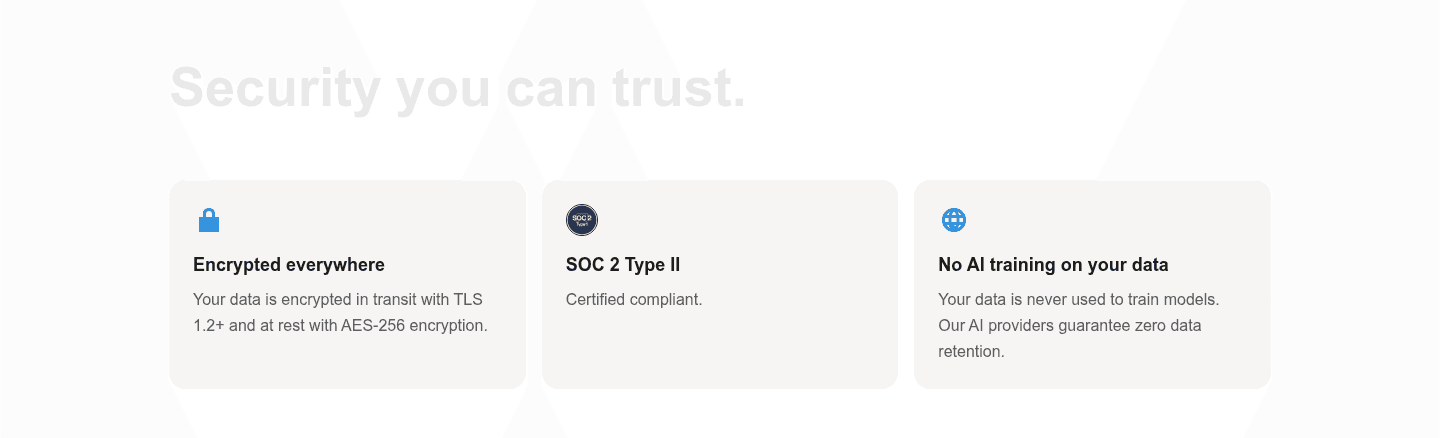
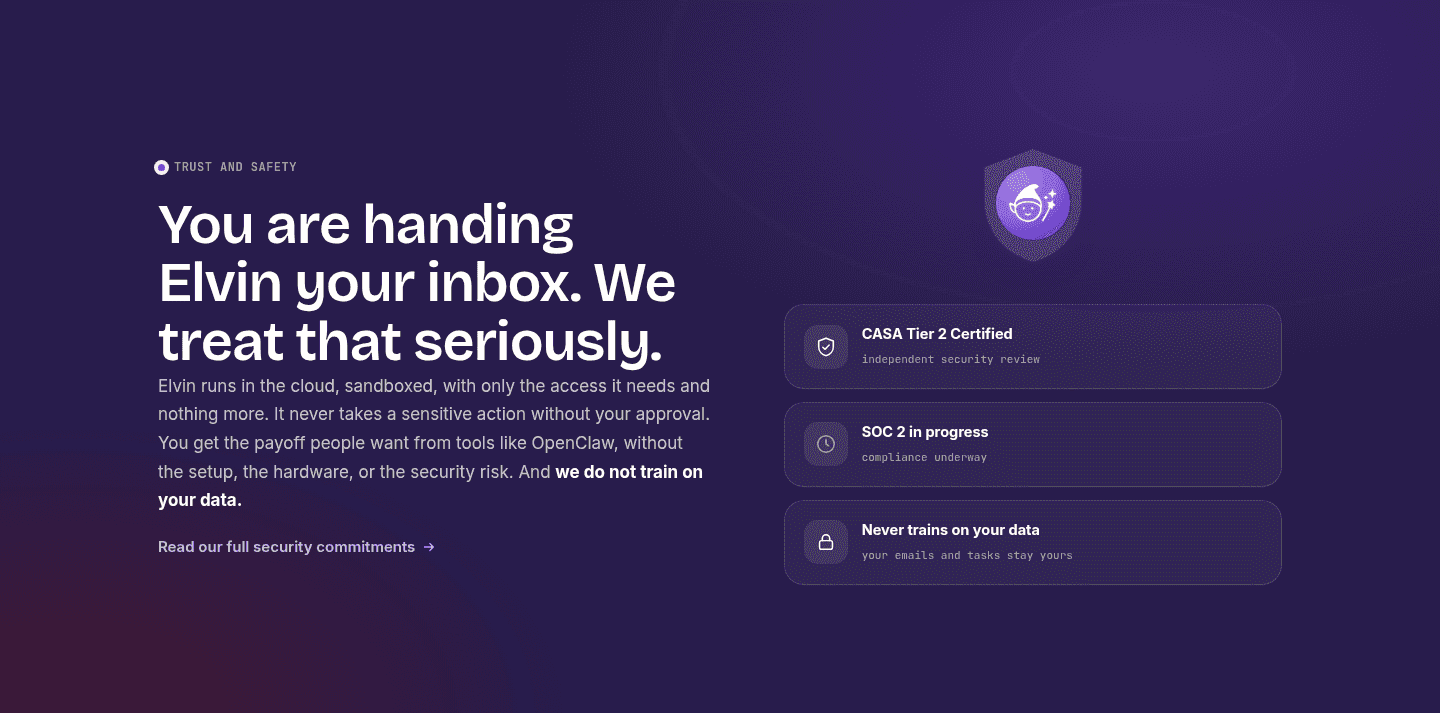
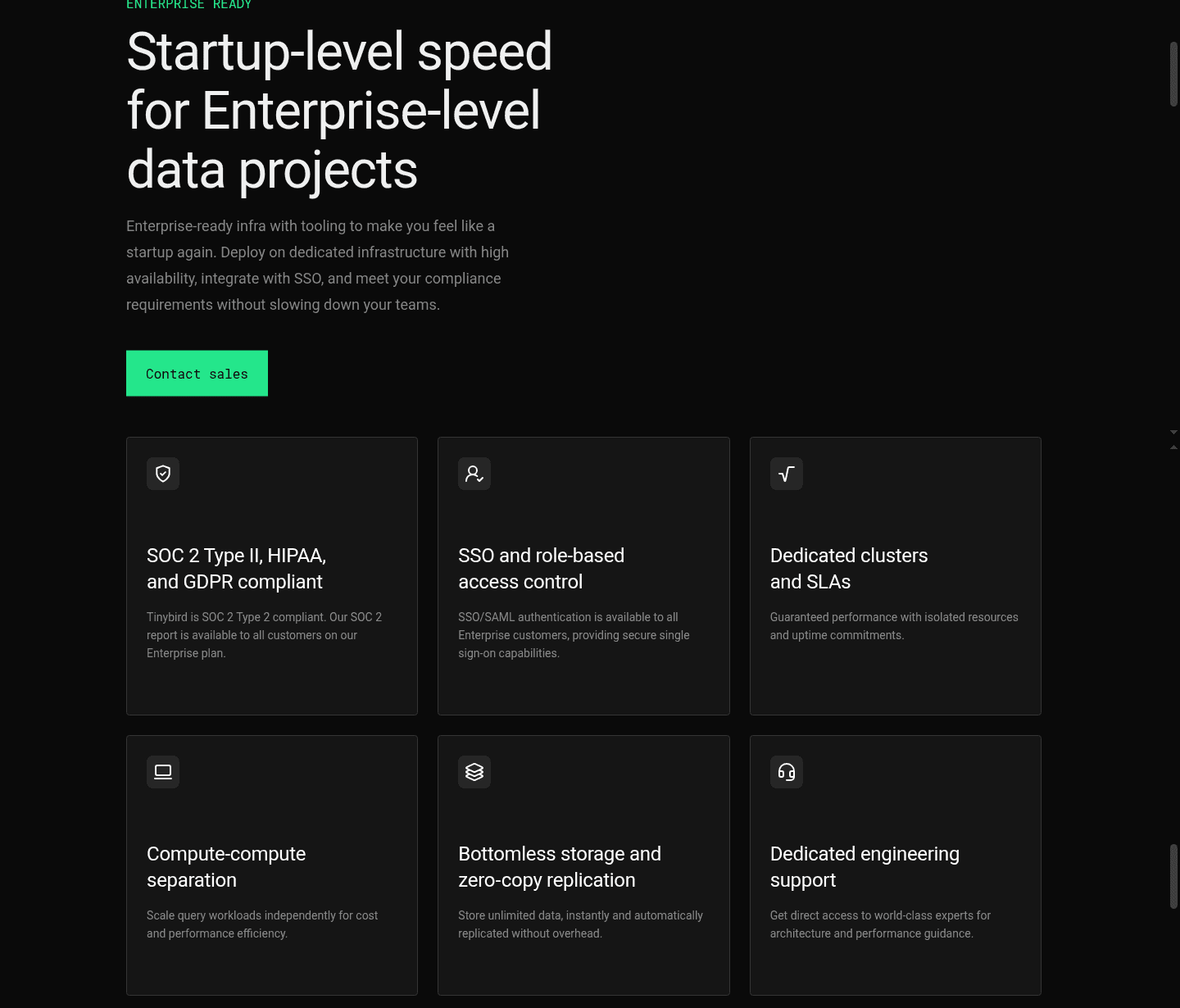
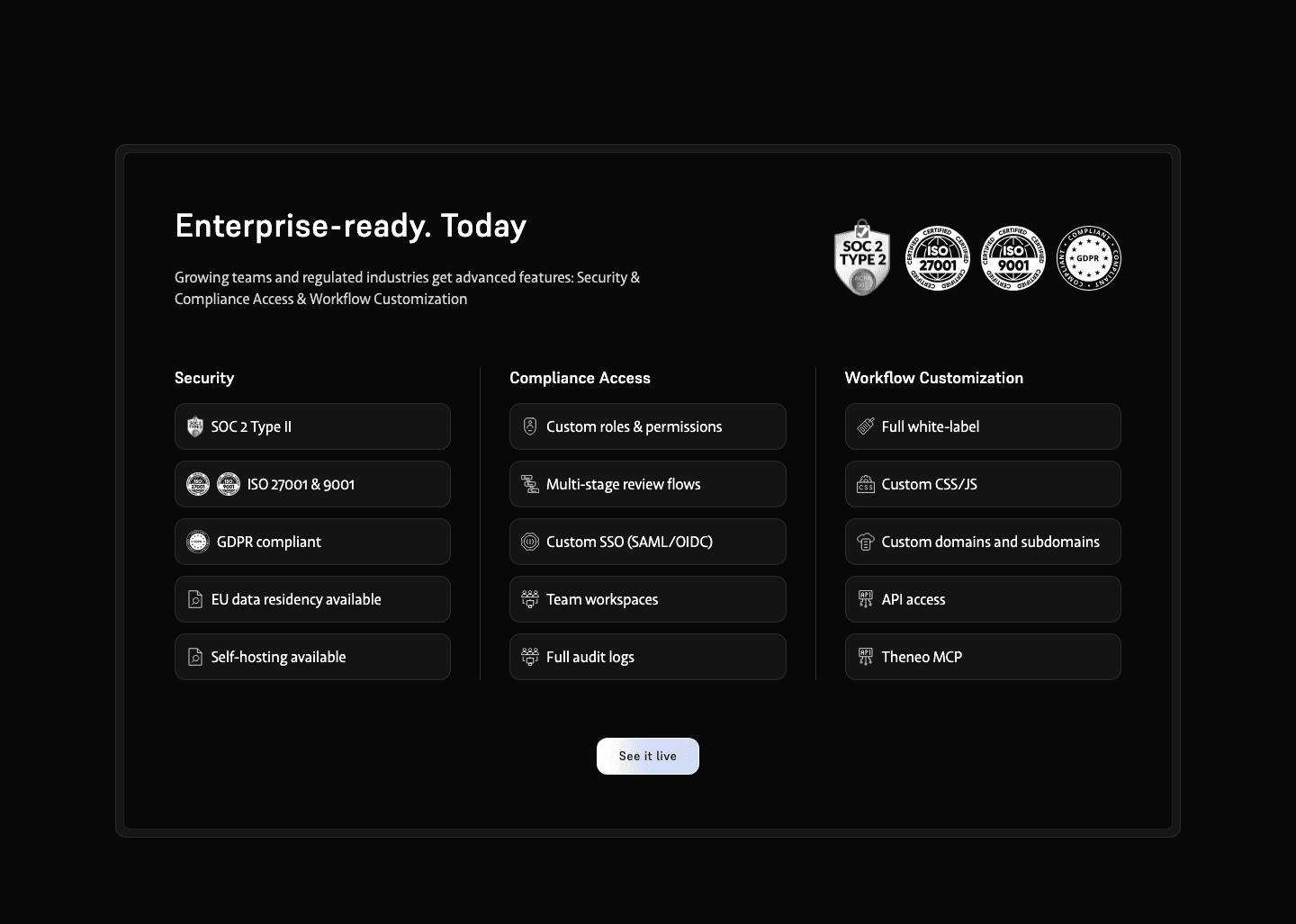
Browse every trust pattern by UX best practice.
Every trust section is scored across 6 conversion best practices. Copy the best practice stack, not the design. See what converts and why.
Hand-picked from {companies} companies and analyzed by our AI conversion agent. Not a random dump of logo bars. Every entry earns its spot.
Found a trust section you admire? Run yours through the same scoring engine. See where you stand on the same best practices, and what to fix first.
Security and compliance marks are the badges and short statements that prove a product already meets a recognized security or privacy standard. For any buyer who handles customer data, that proof settles the one question that can end a deal before it starts: is this safe to adopt? When the trust section answers it up front, the buyer never has to open a separate review, and the vendor never quietly loses to a doubt they never heard.
The strongest trust sections lean on a few concrete forms:
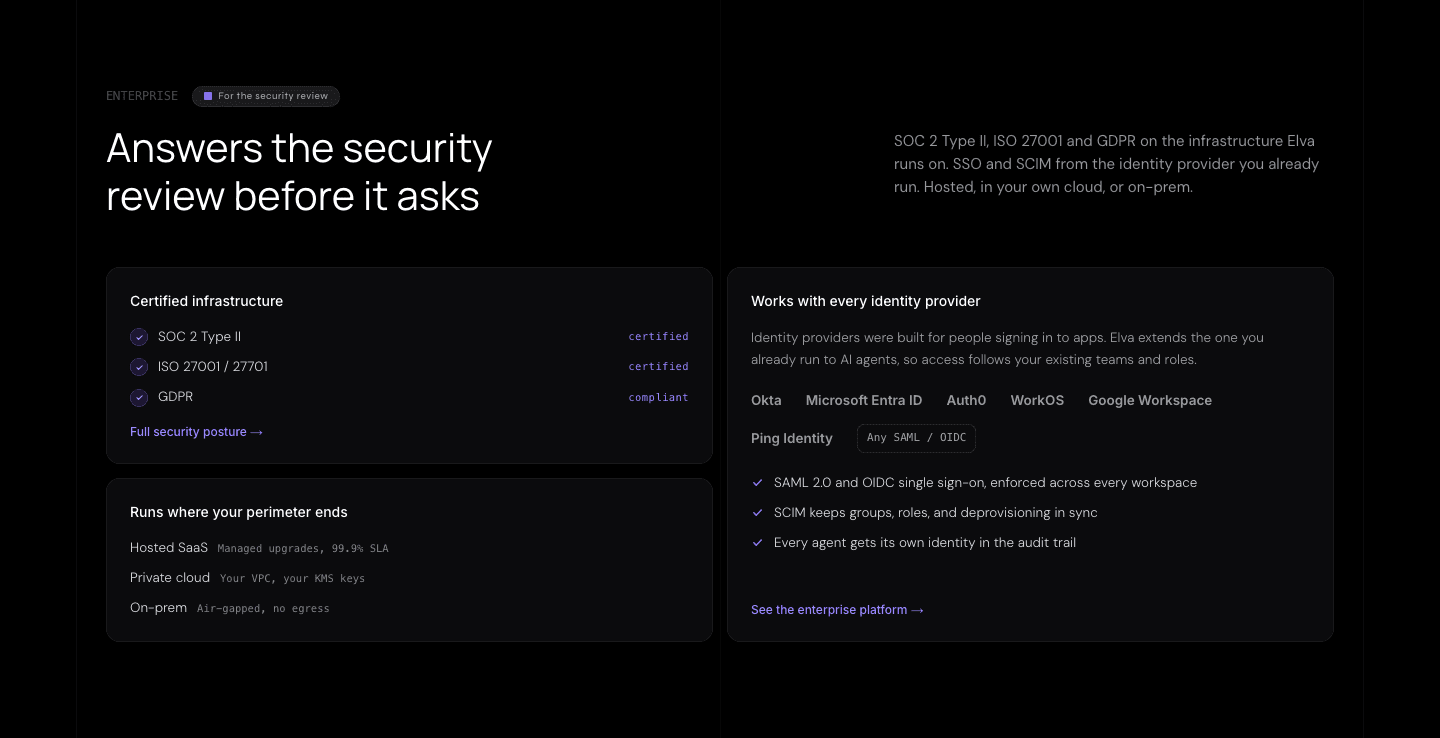
Security is not a nice-to-have for the buyer who has to answer for it. Long before price or features, someone on the buying side asks whether the tool creates a new data risk, and a no there is silent and final. A trust section that names SOC 2, ISO 27001, or GDPR meets that worry at the exact moment it forms, so the objection is cleared instead of carried away.
The marks also do work after the buyer is convinced. The person championing the tool internally has to defend the choice to a security team or a manager, and a page that names the right standards hands them the argument ready-made. Proof that is specific and verifiable travels through an organization far better than a vague promise to be secure.
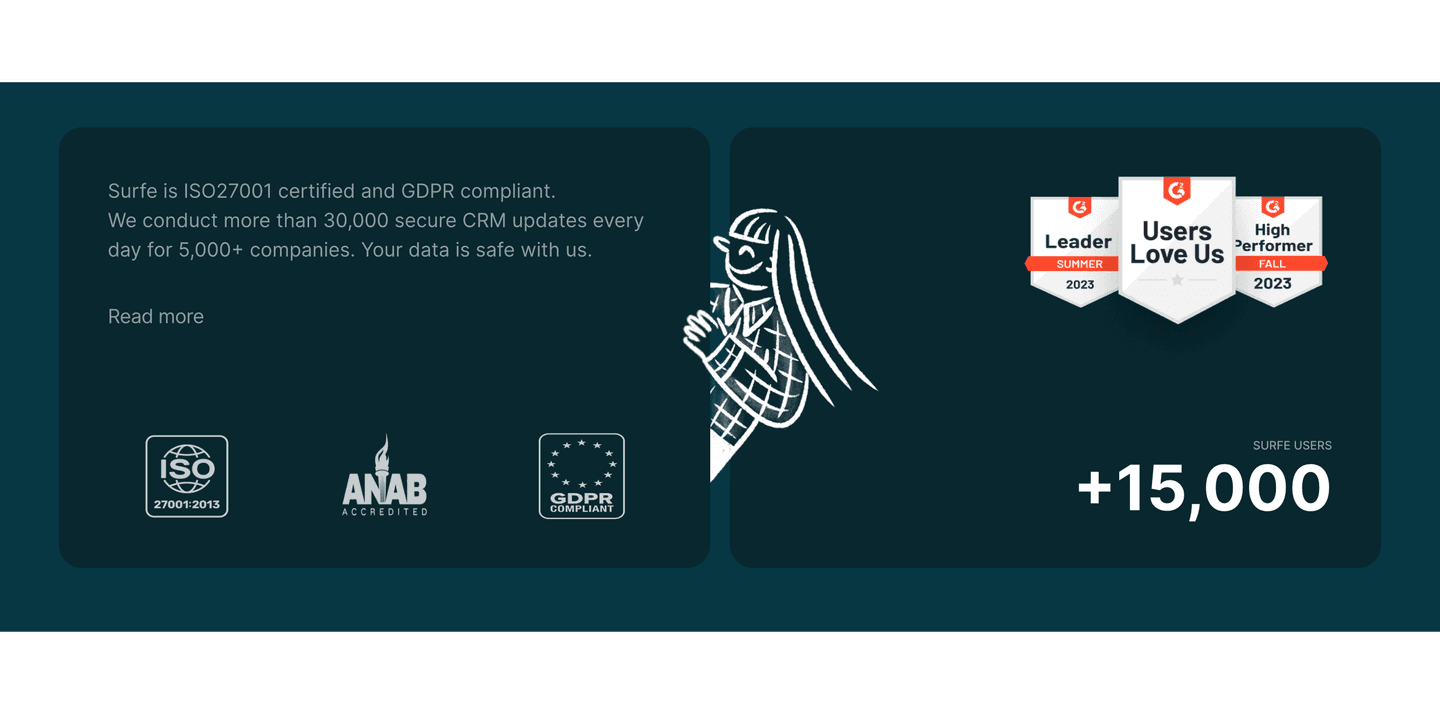
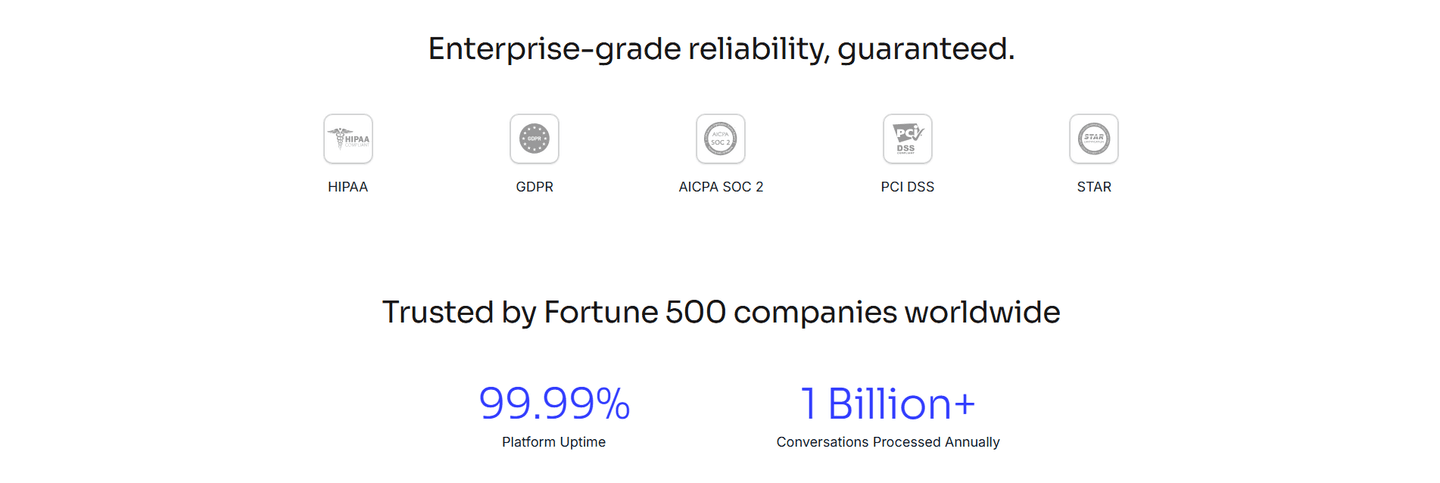
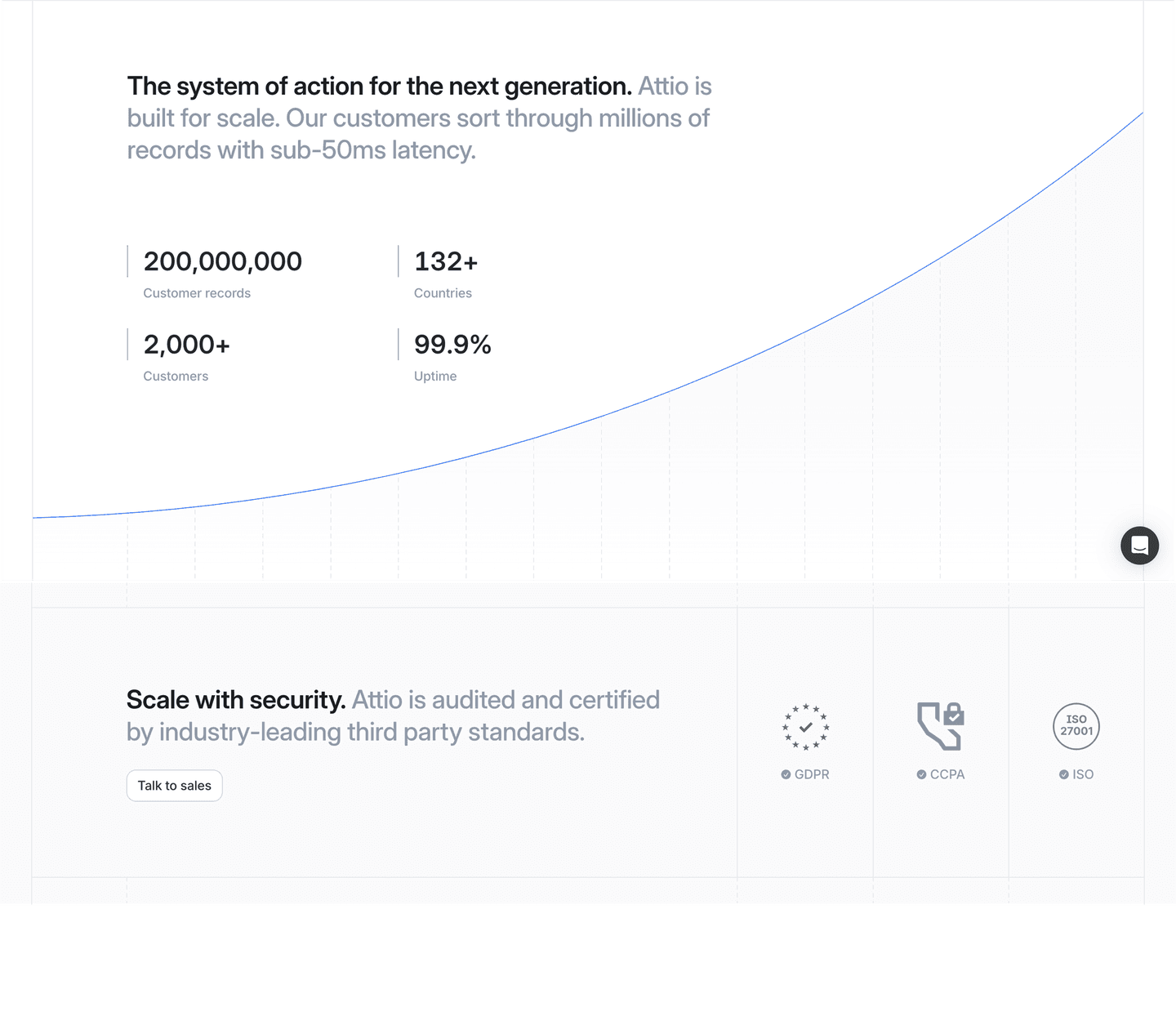
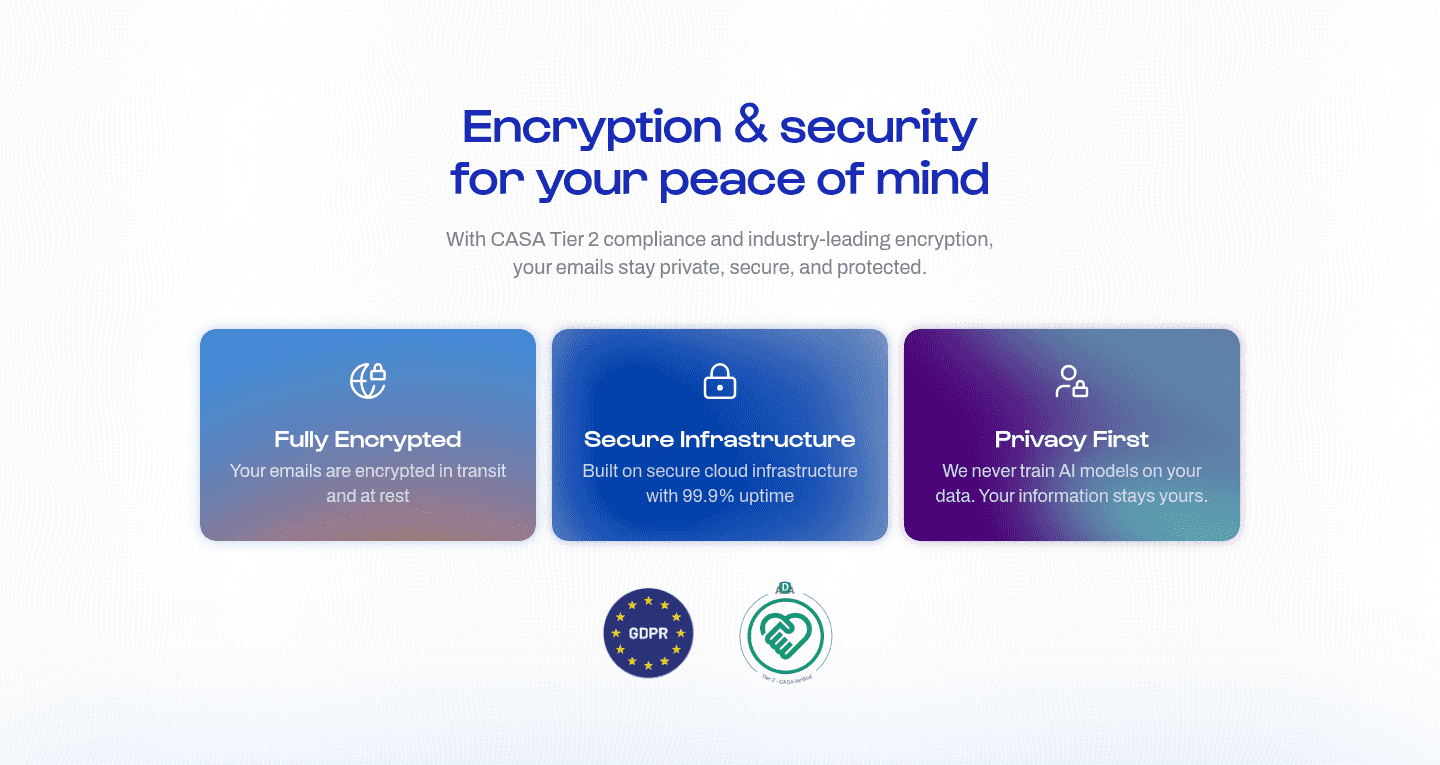
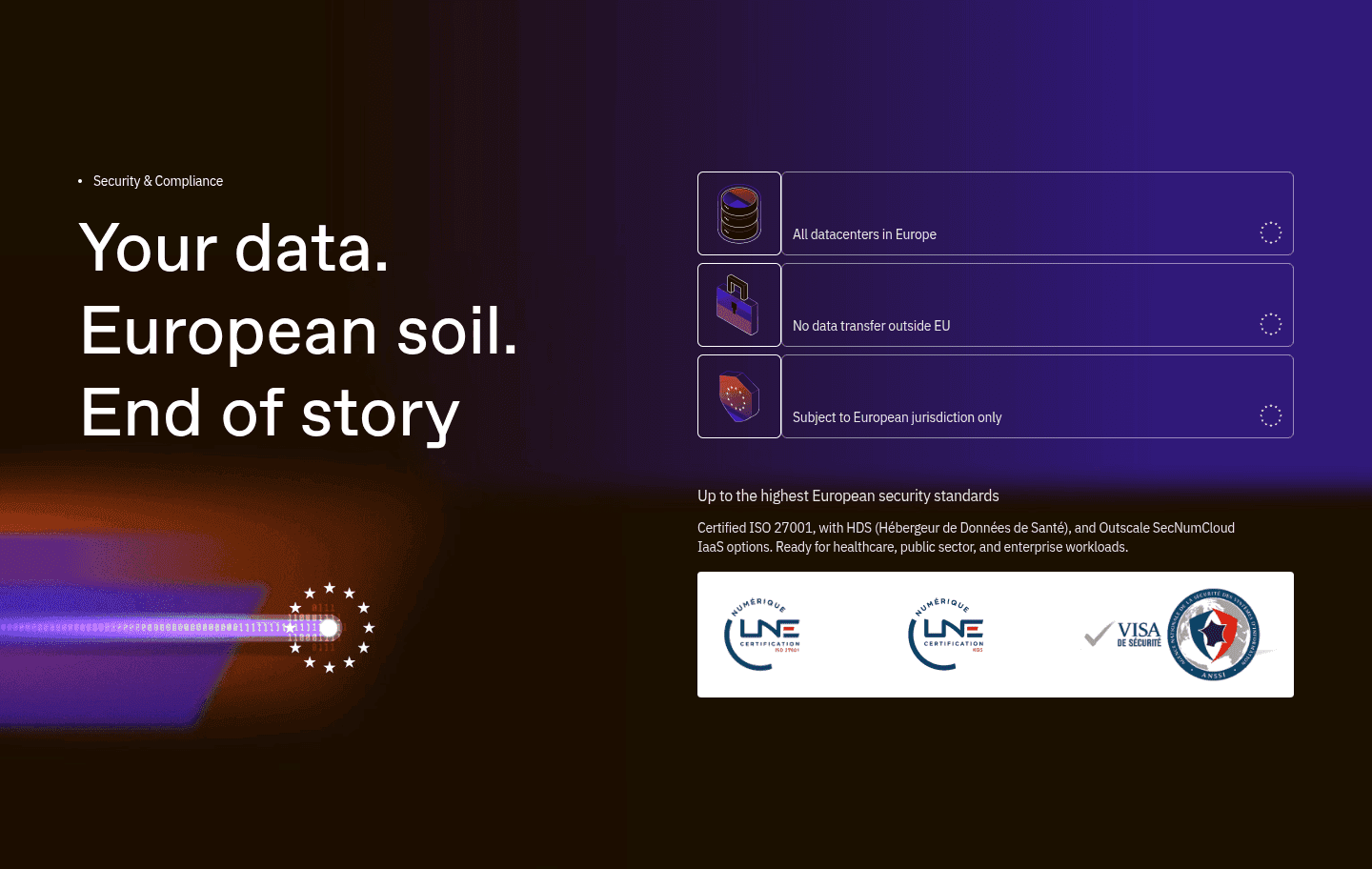
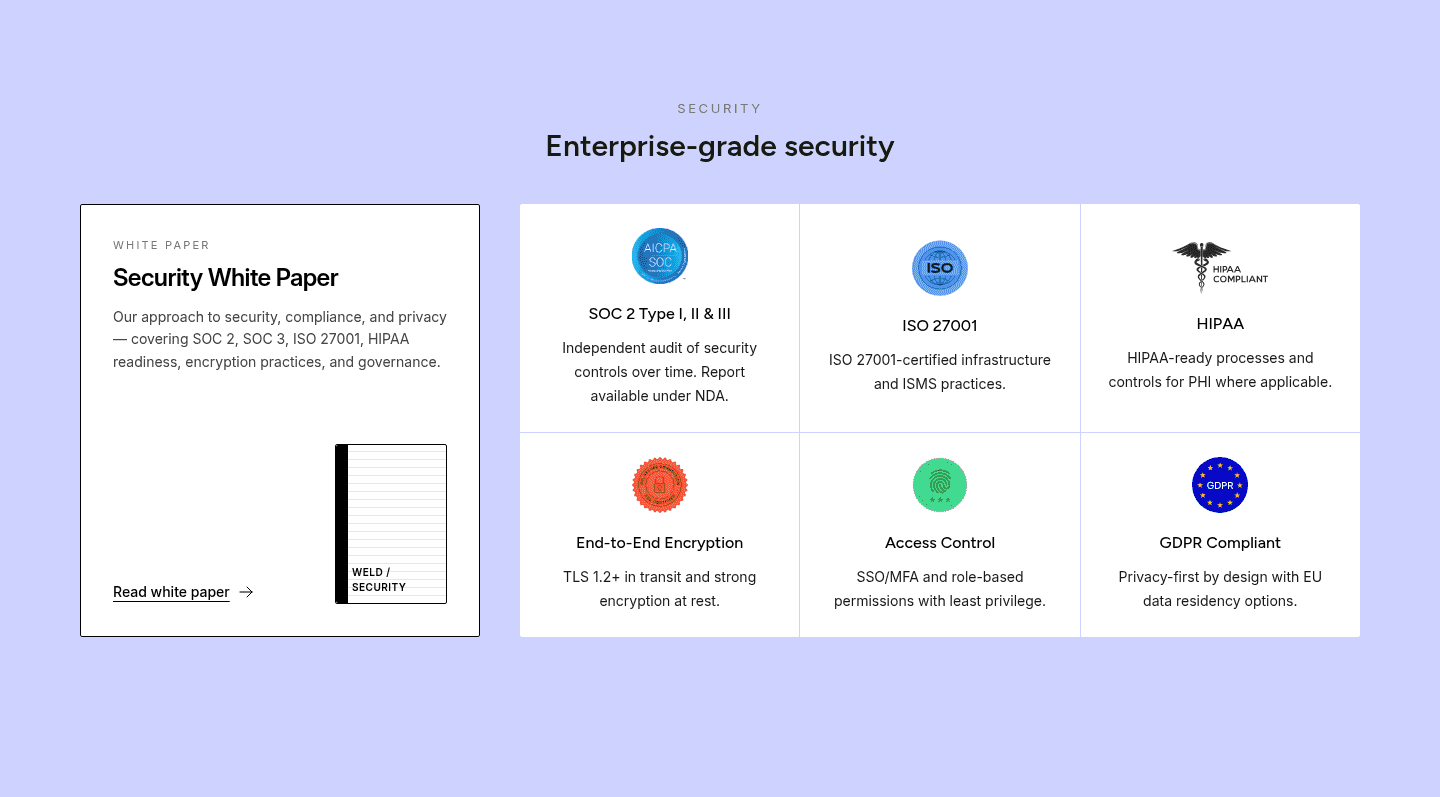
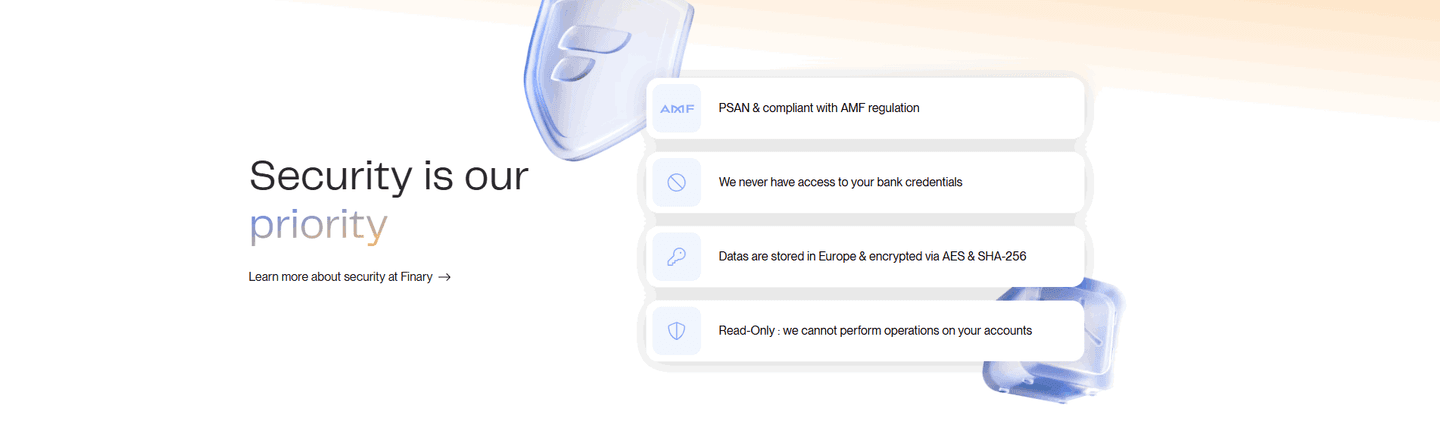
Across the scored examples below, the disciplined version is specific, grouped, and checkable. The best trust sections name the exact standard rather than showing a generic shield: Firma.dev lines up five marks (SOC 2 Type II, ISO 27001, eIDAS, GDPR, and data residency) so the security case reads in one strip, and Plivo stacks HIPAA, GDPR, AICPA SOC 2, PCI DSS, and STAR for buyers who each answer to a different rule. They group the badges in one clear row instead of scattering them, the way Attio sets GDPR, CCPA, and ISO 27001 together under a single "Scale with security" line.
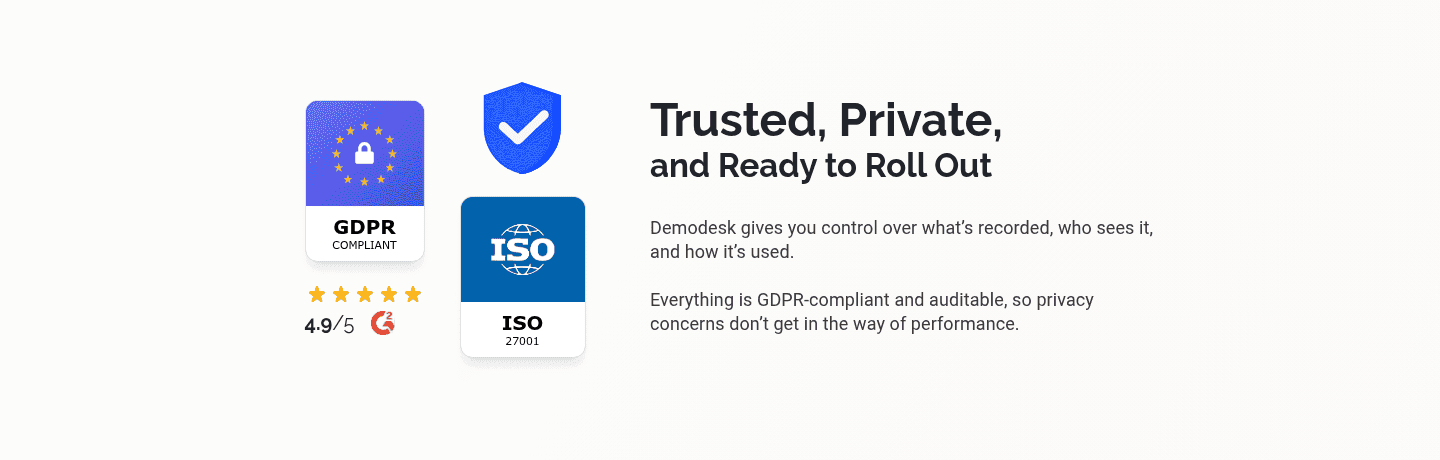
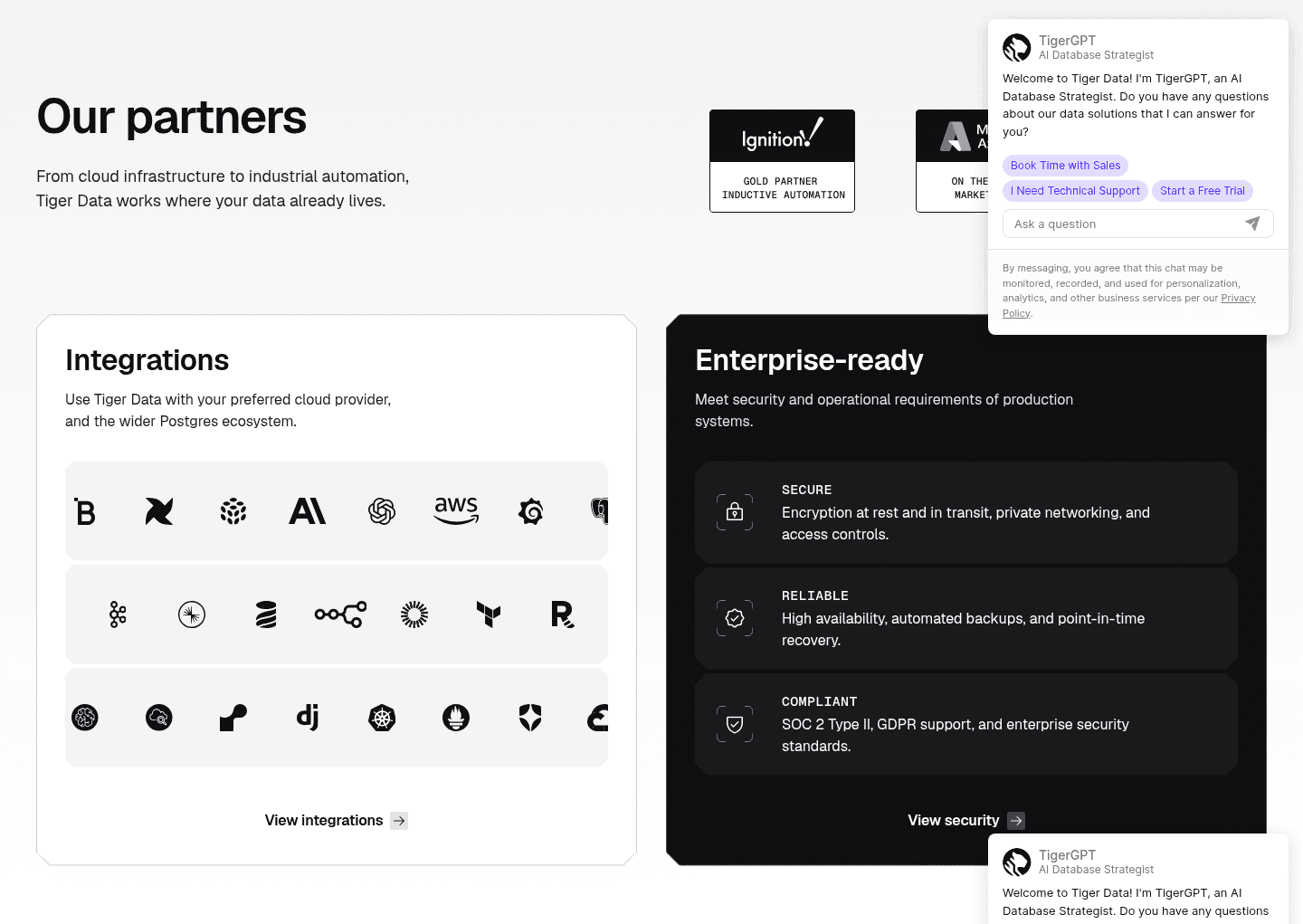
The strongest examples also make the proof explain itself and let the buyer verify it. Timescale wraps SOC 2 Type II, GDPR support, and encryption at rest and in transit into one enterprise-ready card with a "View security" link, so the claim is checkable rather than decorative, and Demodesk frames its GDPR and ISO 27001 marks with copy about who can see a recording, turning compliance into a reason to buy. Security marks rarely carry a page alone, which is why the best pages combine them with customer logo walls that borrow authority and lean on several proof types at once so credibility comes from more than one angle.
100/100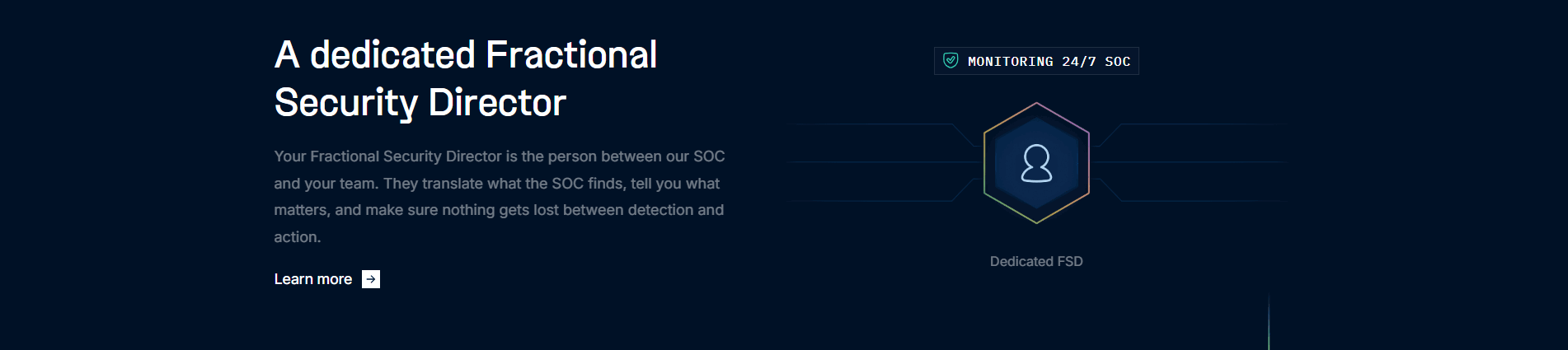 0/100
0/100The usual failure is the generic shield: a vague "bank-level security" line or an unlabeled padlock that names no standard and proves nothing. The second is the badge that links nowhere, decorative art that the buyers who care most about security will click, find dead, and quietly distrust. The third is hiding the marks in a footer or a separate trust center, far from the place a buyer actually weighs risk. Name the real standard, group the marks where the decision happens, and let anyone click through to verify.

Curated by
Gabriel Amzallag , Founder, Web Anatomy
5 years CRO + SEO at Qonto (2021–2025). After advising 15+ SaaS on their websites (Payfit, Pigment…), the same patterns kept breaking, so I decided to build the source of truth on what works on the web: the intelligence layer every tool, builder, and team uses to ship sites that perform.
Paste your URL. Get a scored analysis of your trust section, including whether your compliance proof lands where buyers weigh risk. Free, no signup.
The common questions about security and compliance badges in the trust section, with answers drawn from 19 scored examples.
They are the badges and statements that show a product meets a recognized security or privacy standard. The most common are SOC 2 Type II, ISO 27001, GDPR, HIPAA, PCI DSS, and CCPA, usually grouped in a single row or a dedicated security card. They tell a buyer the product has already passed an external audit, so adopting it does not create a new data risk.
For any buyer who handles customer data, security is a deal-breaker before it is a preference. A trust section that names SOC 2, ISO 27001, or GDPR removes that worry at the moment of doubt, so the deal is never quietly lost to a security review the vendor never hears about. The badges also shorten the path to a yes for the person who has to defend the choice internally.
Show the standards that match the buyer's world. SOC 2 Type II and ISO 27001 speak to general enterprise security, GDPR and CCPA to privacy-sensitive buyers, HIPAA to healthcare, and PCI DSS to anyone touching payments. The strongest trust sections show only the marks they have actually earned and group them so the relevant one is easy to spot.
In a dedicated trust section, an enterprise-readiness block, or a security row near the pricing or footer, wherever the buyer starts weighing risk. Many pages also repeat one strong mark higher up. The goal is that a security-conscious buyer meets the proof at the same moment the question forms, not three clicks into a separate trust center.
Yes. A badge that links to the certificate, the audit report, or a security page reads as a fact; a badge that links nowhere reads as decoration. The best trust sections let a buyer click through and check, because the buyers who care most about security are exactly the ones who will try to verify.