
Trust|
A guarantee set next to the numbers tells a hesitant buyer what they keep if the product fails, which turns proof into a reason to act now instead of later.
Key takeaways
Showing 1–8 of 8 examples
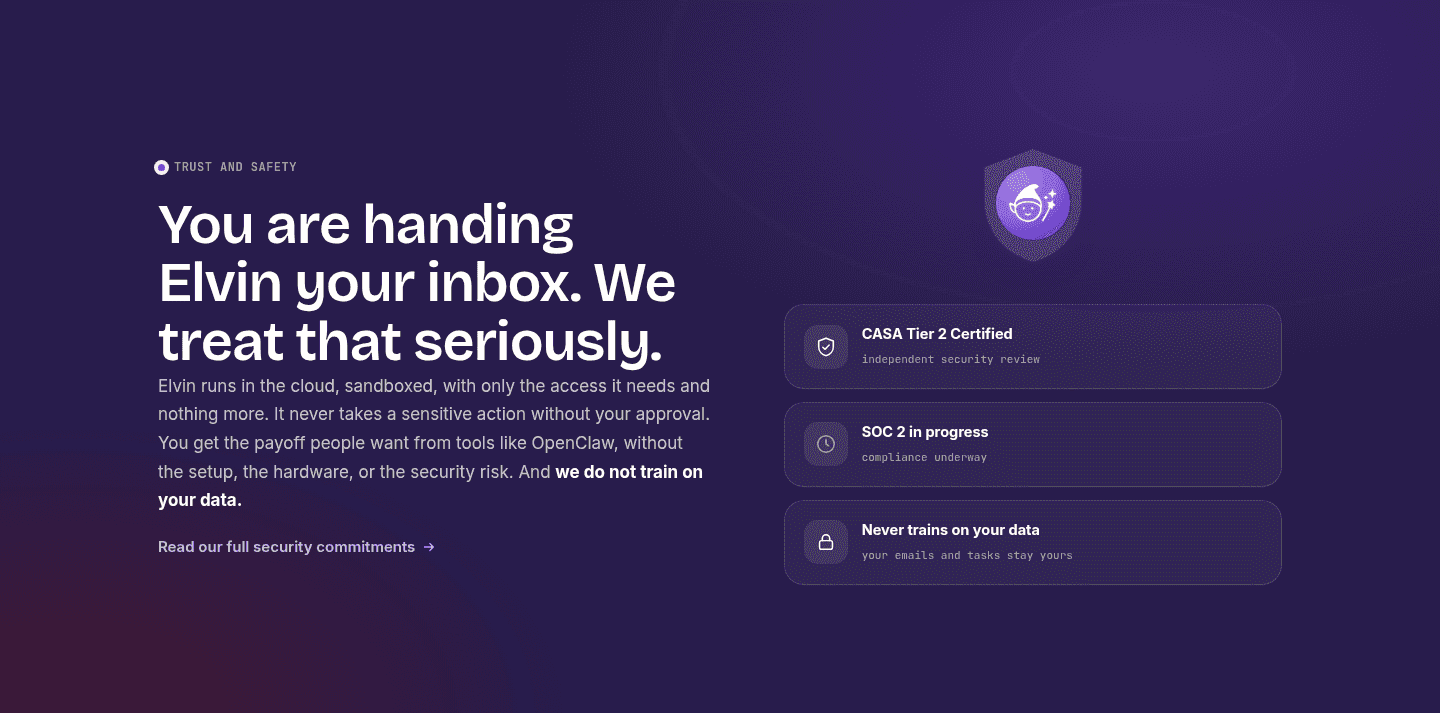
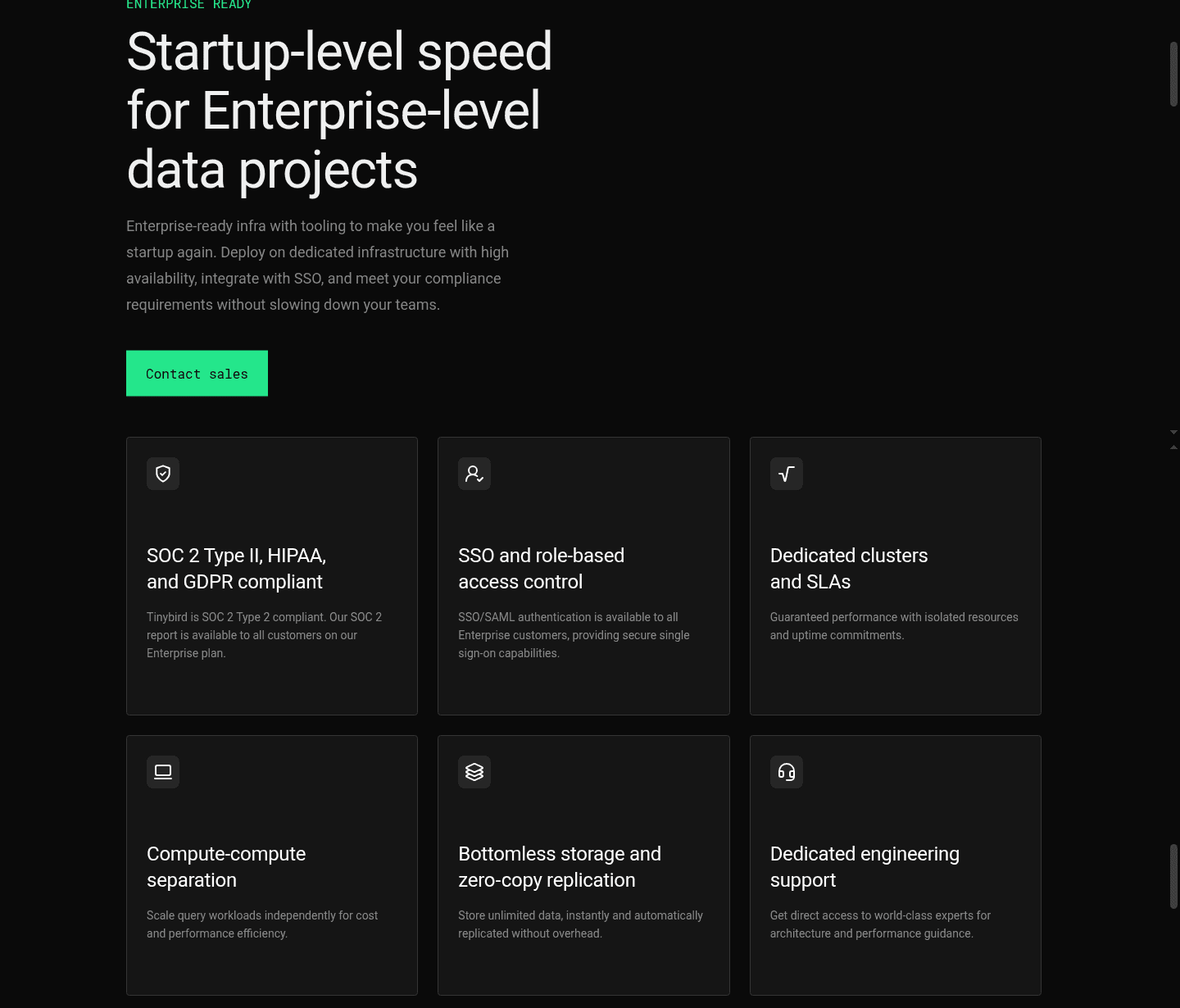
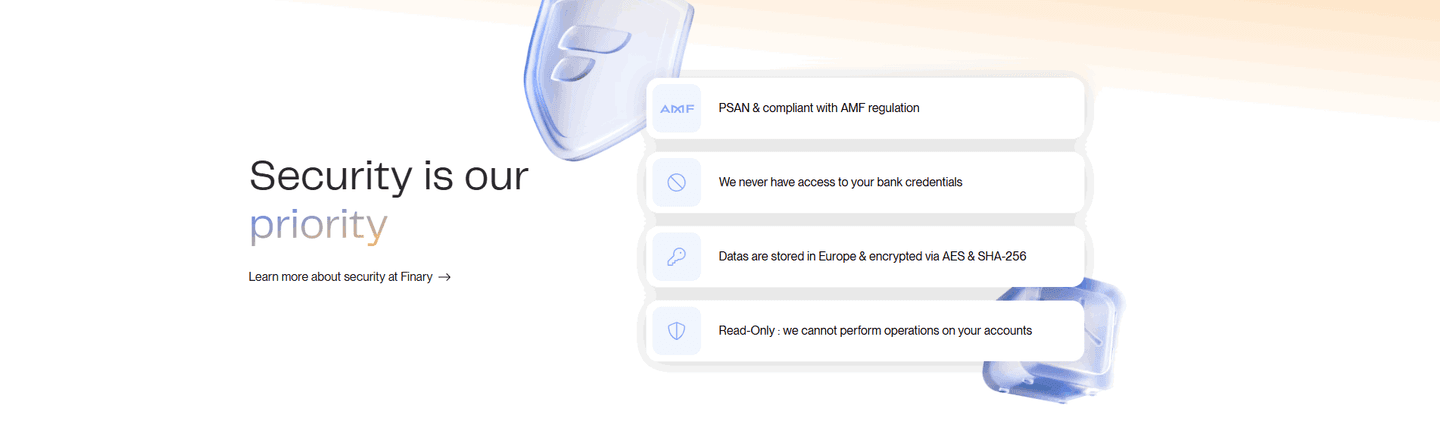
Browse every trust pattern by UX best practice.
Every trust section is scored across 6 conversion best practices. Copy the best practice stack, not the design. See what converts and why.
Hand-picked from {companies} companies and analyzed by our AI conversion agent. Not a random dump of logo bars. Every entry earns its spot.
Found a trust section you admire? Run yours through the same scoring engine. See where you stand on the same best practices, and what to fix first.
A guarantee or risk reversal is the decision to take the downside of trying the product off the buyer and put it back on the company. A trust band full of numbers tells a visitor the product is good. A guarantee tells them what they get to keep, their money, their uptime, or their budget, if it turns out not to be. That is a different promise, and it answers a different fear: not "is this any good" but "what happens to me if it is not".
The best trust sections reverse risk with one or more of these forms:
Every buyer at the trust band is running a quiet cost-benefit check, and the cost side is fear of being the one who chose wrong. Hard numbers push on the benefit side of that check. A guarantee pushes on the cost side, which is usually the side that is actually stopping the yes. Removing the downside is often worth more than adding another proof point, because the visitor has already seen enough proof and is now weighing the risk.
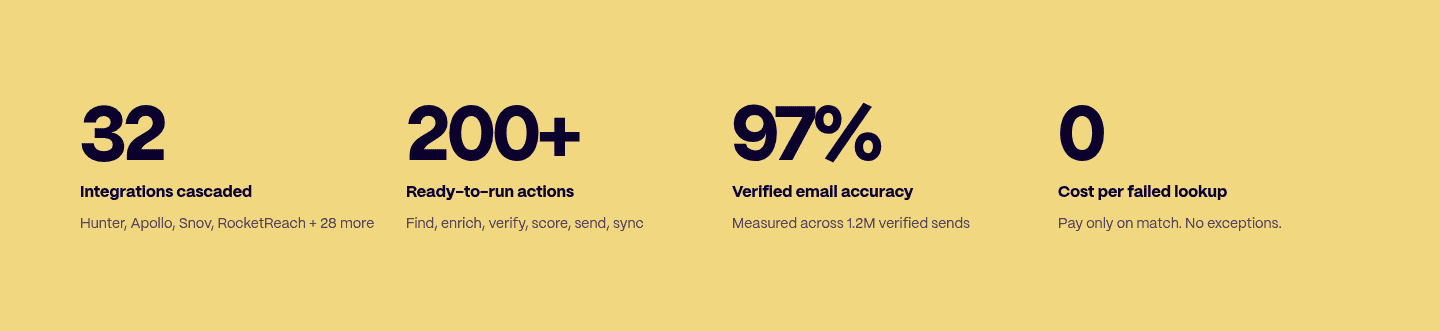
The placement is what makes it work. Proof and reassurance set side by side read as a single reinforced argument: the number says the product performs, the guarantee says nothing bad happens to you if it does not. Split them apart and the visitor reads two smaller, separate claims. Texau's failed-lookup "0" earns its force precisely because it sits in the counter row next to the accuracy and integration stats, so the safety net and the evidence land in one glance.
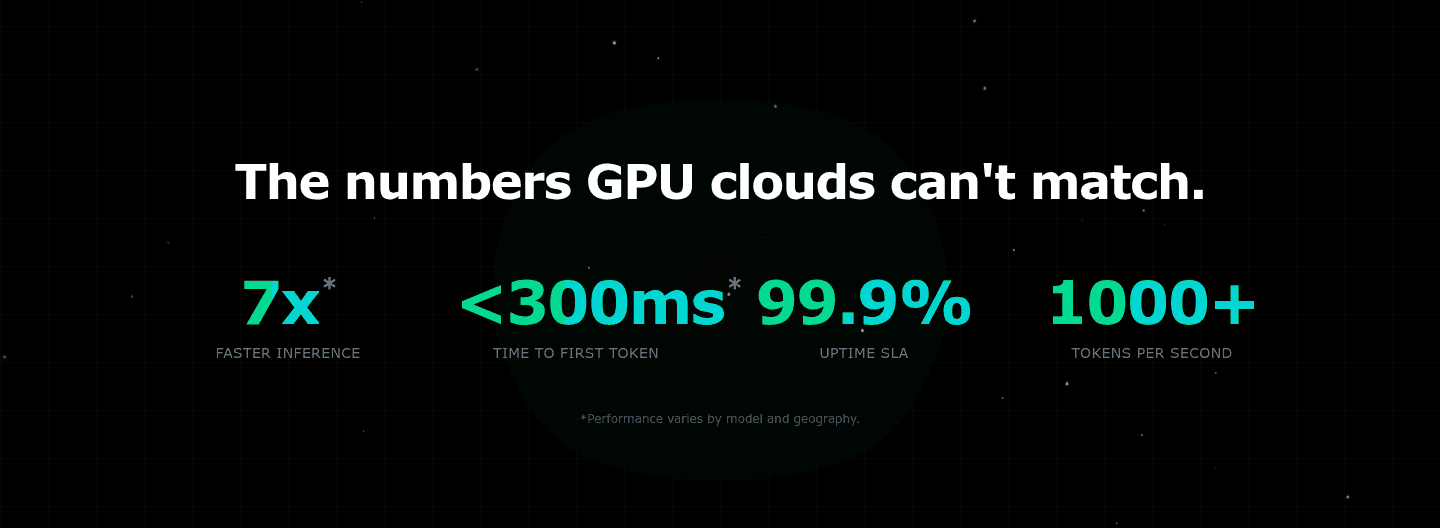
Only a small share of the benchmarked trust sections pair their proof with a real guarantee, which is what makes the ones that do stand out. The strongest do not treat the guarantee as fine print. Texau builds a scannable strip of oversized counters and puts "0" cost per failed lookup right in it, backed by "Pay only on match. No exceptions.", so the accuracy claim (97 percent, measured across 1.2M verified sends) and the money-back logic reinforce each other. General Compute frames a 99.9 percent uptime SLA as a reliability guarantee sitting among its speed and throughput numbers, and keeps it honest with a footnote that performance varies by model and geography. BetterClaw sets "$0 to start" beside its scale stats, then scopes the promise instead of overselling it: small print admits the uptime SLA is contractual on Business plans and above, and a dated footnote marks the usage figures "as of August 2026" so a skeptic can check them.
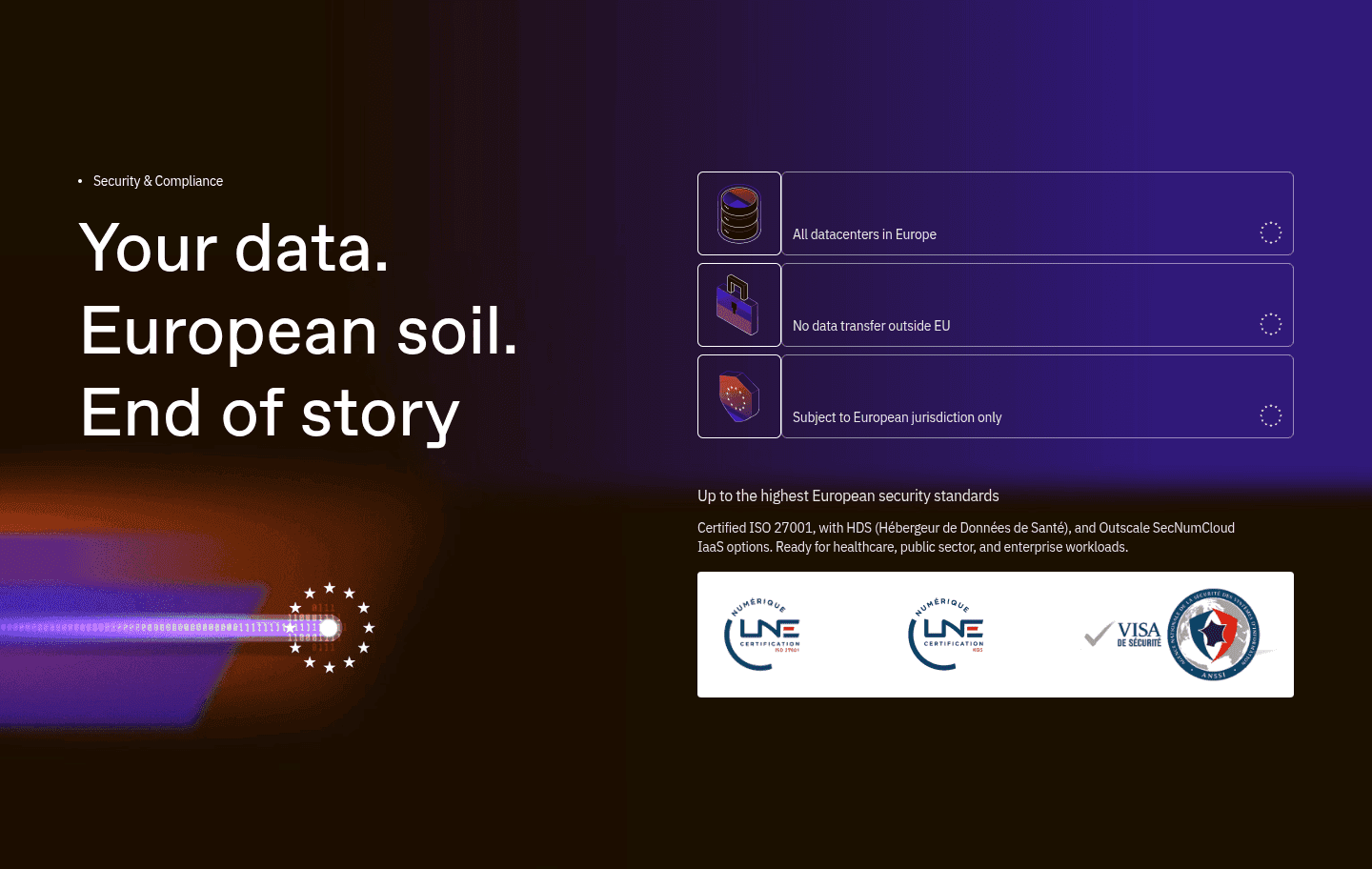
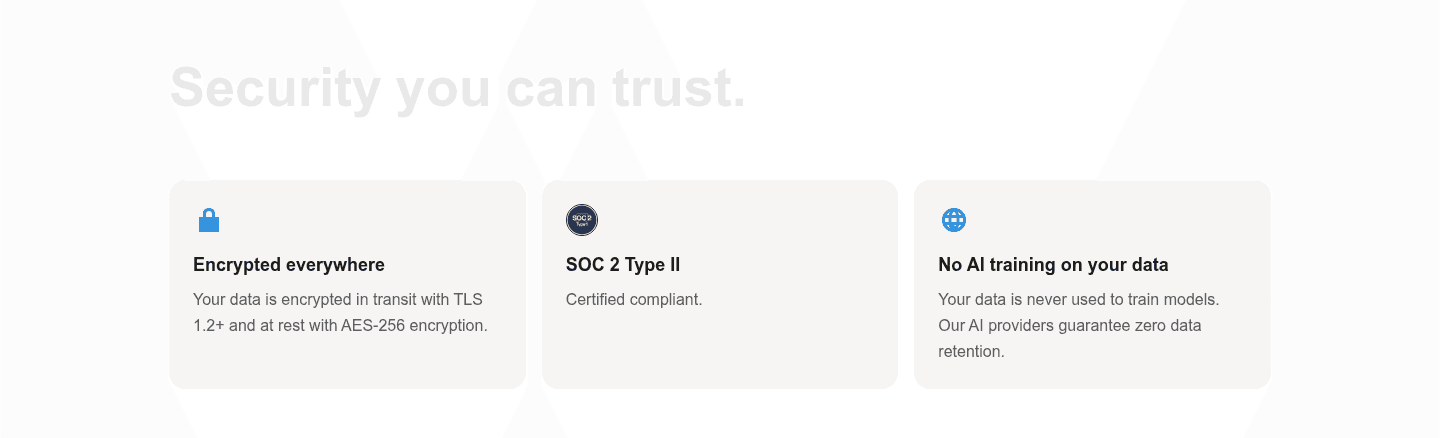
The common thread is honesty in service of belief. A bounded promise a buyer can verify beats an absolute one they have to take on faith, and dating or scoping the claim reads as confidence, not hedging. A guarantee also rarely carries the band alone. The strongest pages set it beside hard stat counters at the head of the trust band that give the promise a measured outcome to stand on, and beside security and compliance marks that reassure a buyer the guarantee will actually be honored.
60/100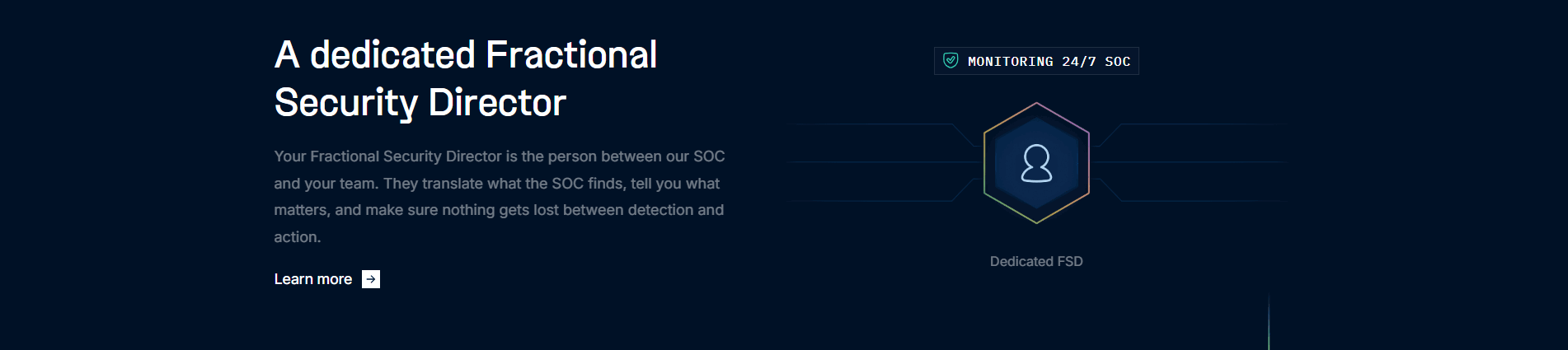 0/100
0/100The first failure is the empty guarantee: a "satisfaction guaranteed" badge with no terms, no scope, and nothing measurable behind it, which reads as marketing rather than a promise. The second is the overclaim, an absolute "100 percent uptime" or "never lose data" that a careful buyer immediately distrusts, where BetterClaw's scoped "contractual on Business and above" would have earned more belief. The third is the stranded guarantee, a genuine promise placed so far from the proof that the two never reinforce each other. Put the guarantee next to the numbers, name exactly what the buyer keeps if it fails, and scope it honestly so the reassurance is believable enough to act on.

Curated by
Gabriel Amzallag , Founder, Web Anatomy
5 years CRO + SEO at Qonto (2021–2025). After advising 15+ SaaS on their websites (Payfit, Pigment…), the same patterns kept breaking, so I decided to build the source of truth on what works on the web: the intelligence layer every tool, builder, and team uses to ship sites that perform.
Paste your URL. Get a scored analysis of your trust section, including whether your proof comes with a reason to act now. Free, no signup.
The common questions about lowering a buyer's risk in the trust band, with answers drawn from 8 scored examples.
It is any promise placed in the trust band that shifts the downside of trying the product from the buyer back to the company. The common forms are a money-back or accuracy guarantee, an uptime SLA, pay-only-on-success pricing, and a zero-cost way to start. Texau states 'Pay only on match. No exceptions.' next to a bold '0' for cost per failed lookup, so a buyer worried about paying for bad data sees the worst case answered before they read the pitch.
A number proves the product is good. A guarantee proves the company will stand behind it. At the trust band the buyer's real hesitation is rarely 'is this any good', it is 'what happens to me if it is not'. Proof answers the first question and a guarantee answers the second, which is why the strongest sections set them side by side. Texau anchors its 97 percent verified email accuracy with a caption reading 'measured across 1.2M verified sends', then reverses the risk with zero cost on a failed lookup, so the claim and the safety net arrive together.
Money-back and satisfaction guarantees, accuracy guarantees on data or output, uptime SLAs, pay-only-on-success or pay-per-result pricing, and a genuinely free or zero-cost way to start all count. General Compute frames a 99.9 percent uptime SLA as a reliability guarantee that sits inside a row of performance metrics. BetterClaw puts '$0 to start' in the same row as its scale stats, pairing the proof of adoption with a zero-risk way in.
They scope it in plain sight instead of overselling it. BetterClaw notes in small print that its uptime SLA is contractual on Business plans and above, so the promise is not stretched to cover a plan it does not apply to, and it dates its usage figures 'as of August 2026' so the numbers are checkable rather than decorative. General Compute adds an honest footnote that performance varies by model and geography. A bounded promise a buyer can verify beats an absolute one they have to take on faith.
Right beside the proof, not in a separate strip a visitor has to find. The pattern that works is one row where a hard number and its safety net share the eye: Texau's '0' for failed-lookup cost sits in the same counter row as its accuracy and integration stats, and BetterClaw's '$0 to start' sits among its company, task, and uptime numbers. When the guarantee is stranded far from the evidence, the buyer reads the proof and the reassurance as two separate claims instead of one reinforced argument.