Testimonial|
A testimonial framed as a transformation names the painful state before the product, then the concrete result after, so a visitor sees the exact change they are buying instead of vague praise.
Key takeaways
Showing 22–42 of 65 examples
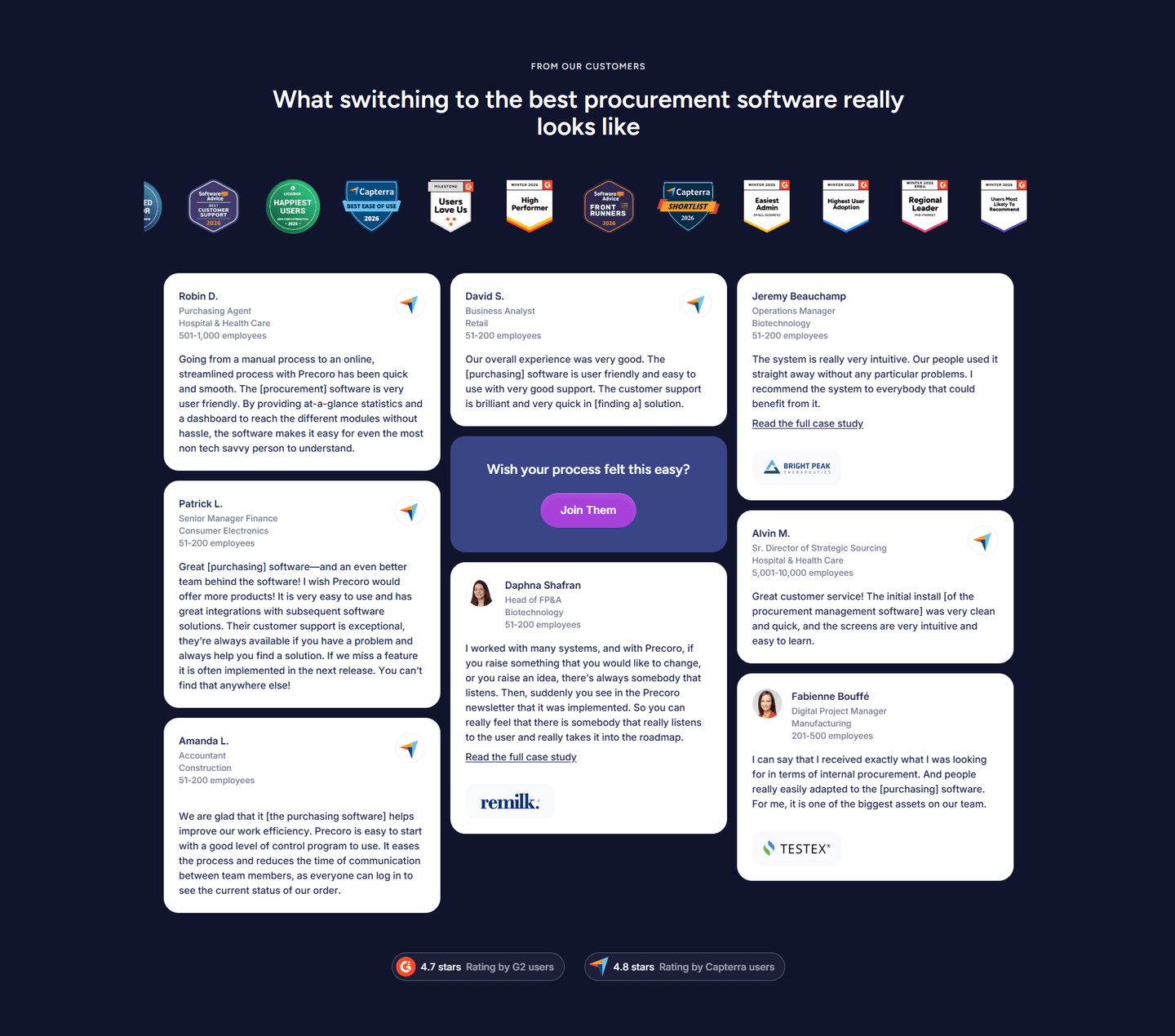
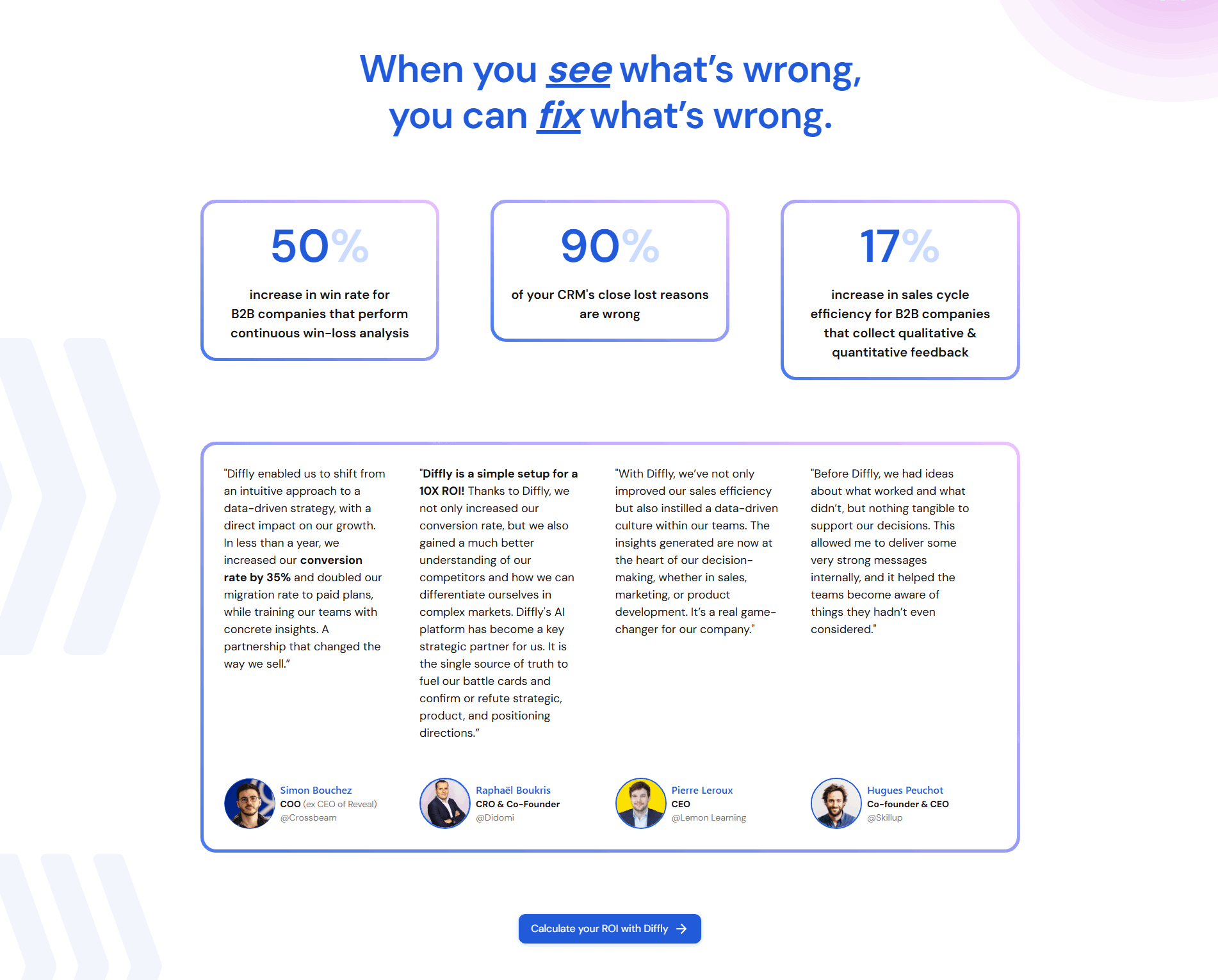
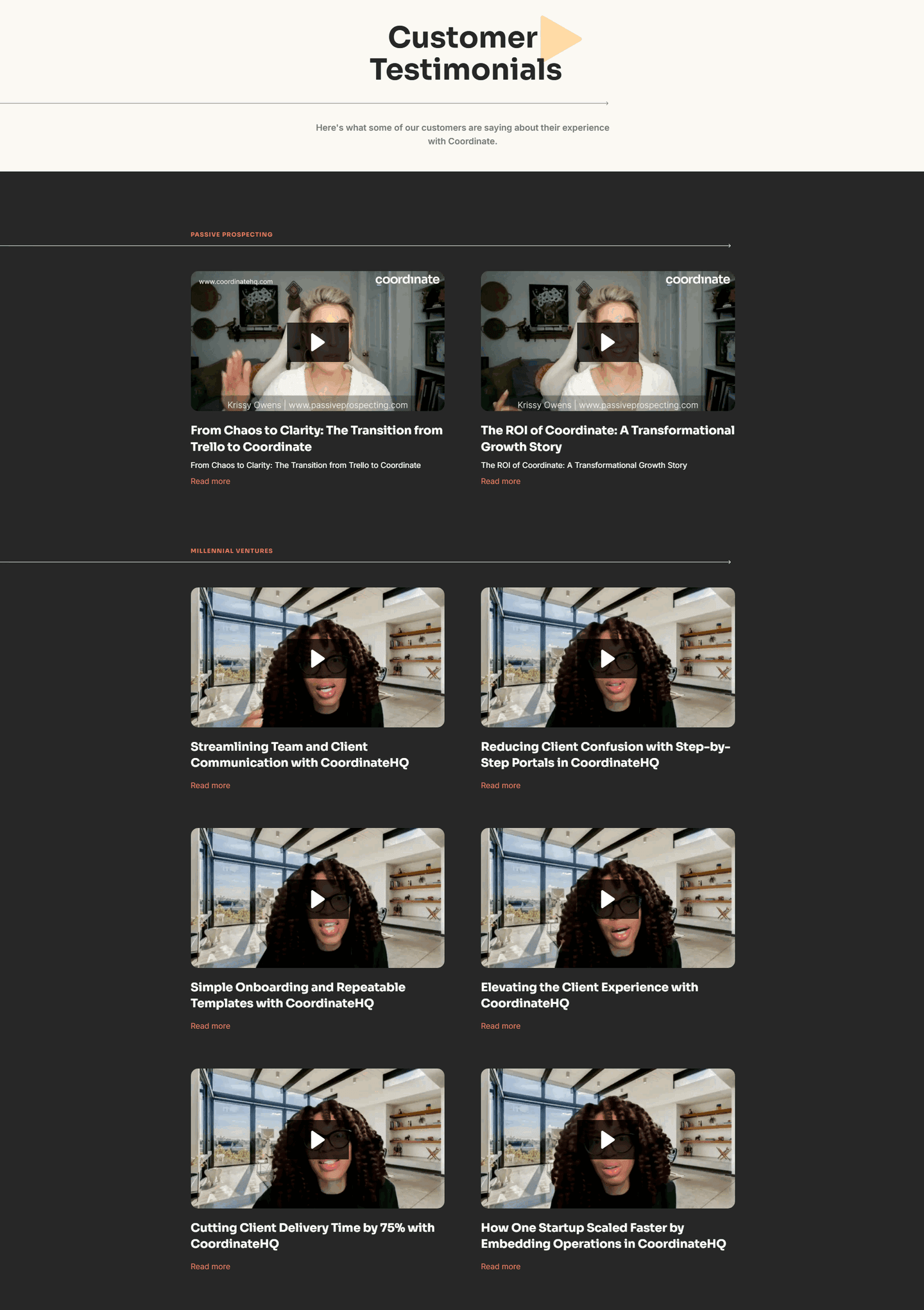

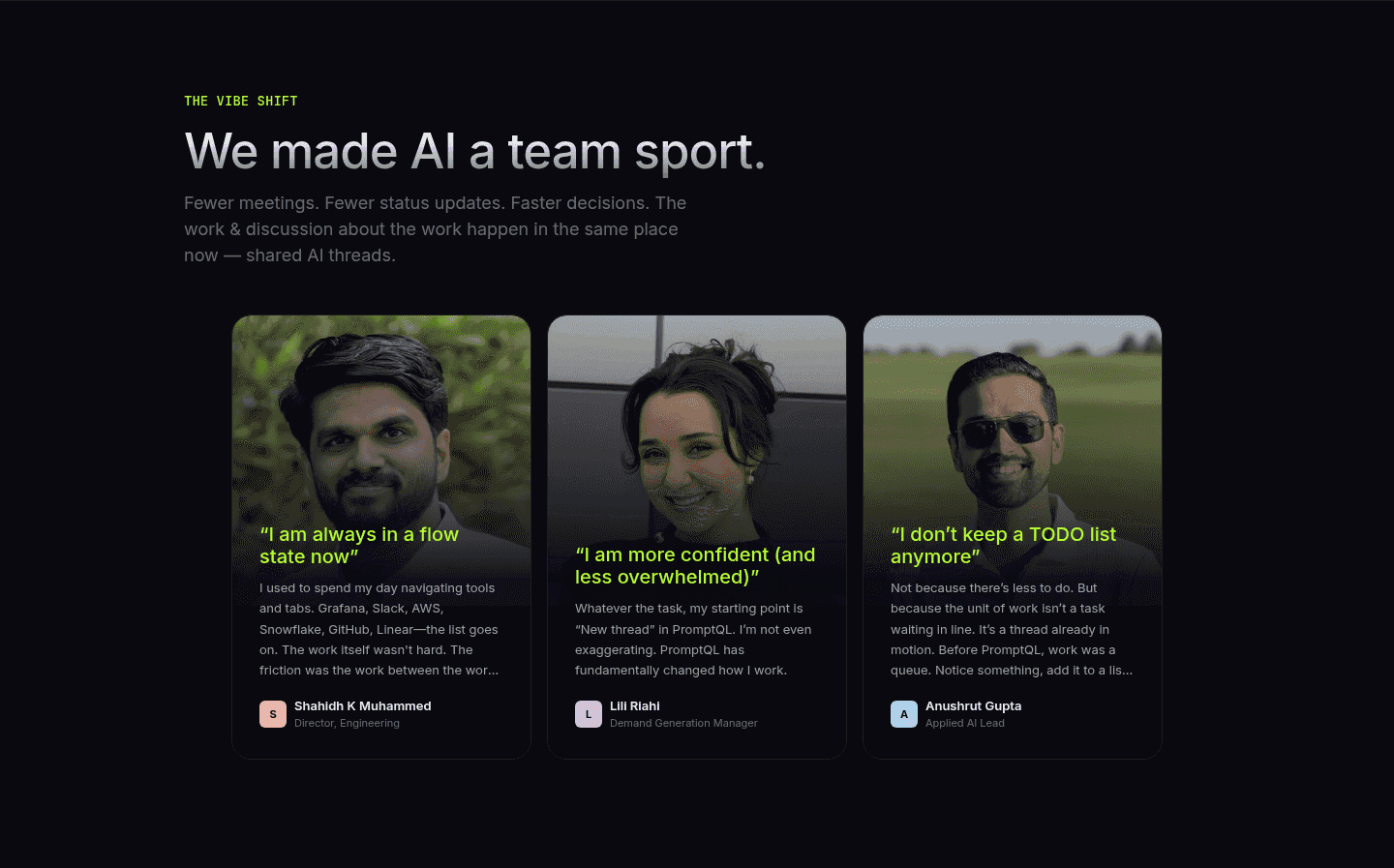
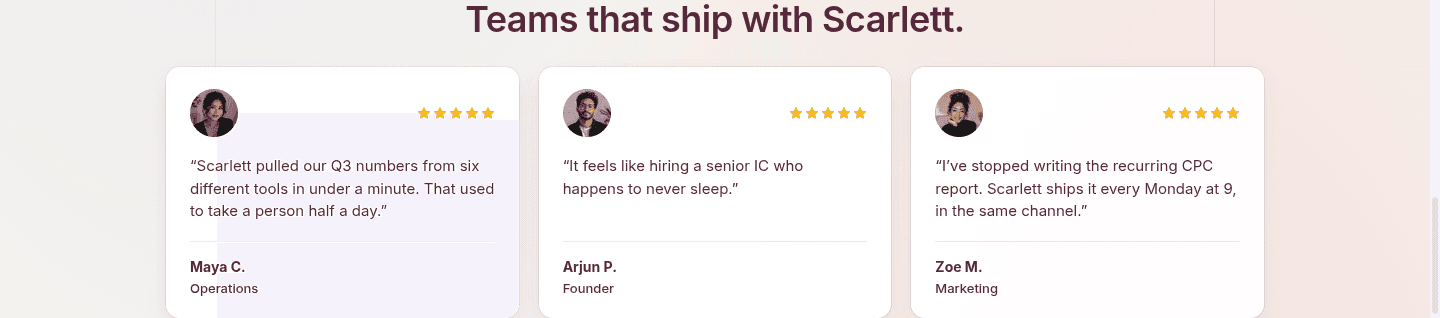

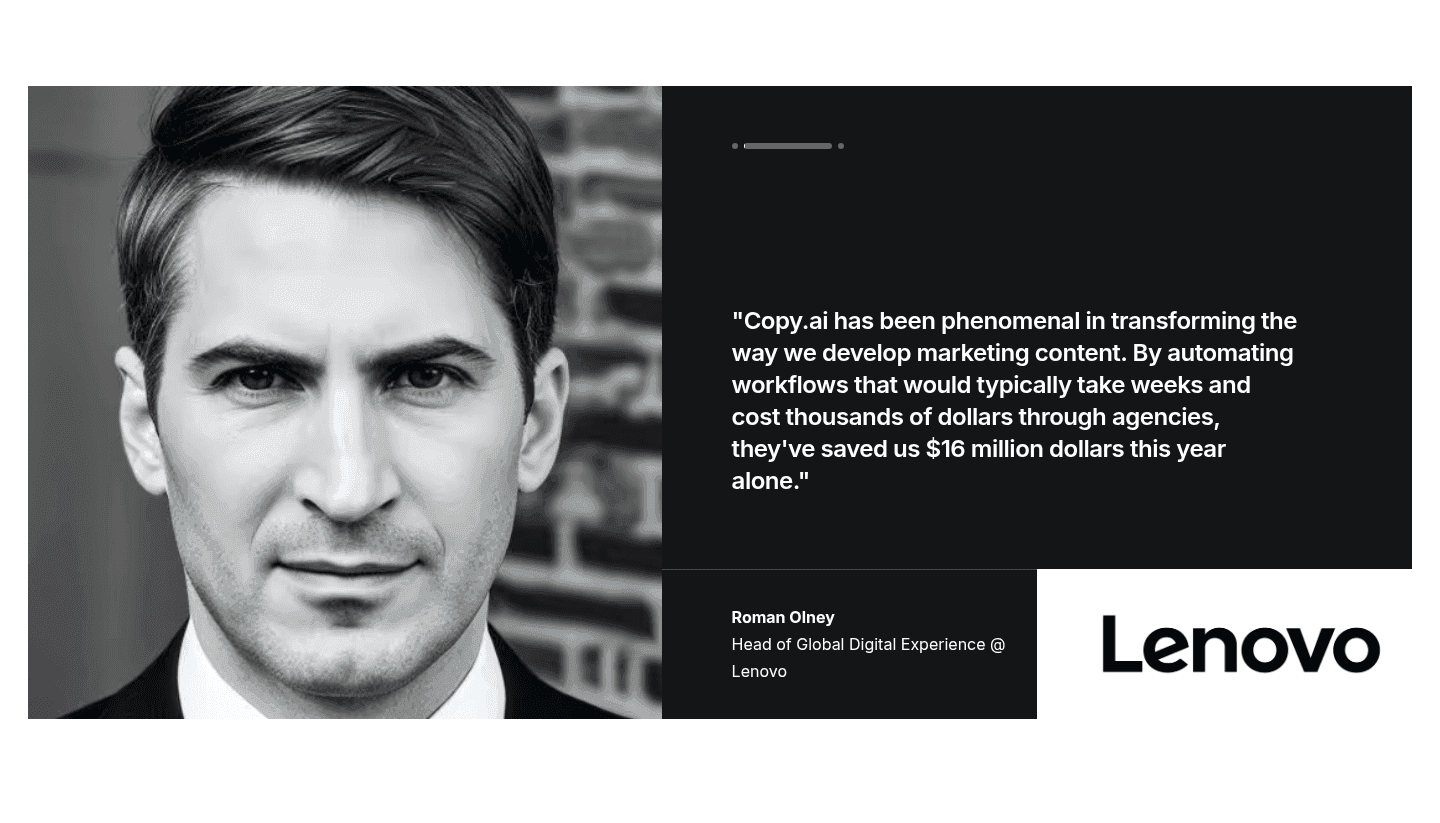

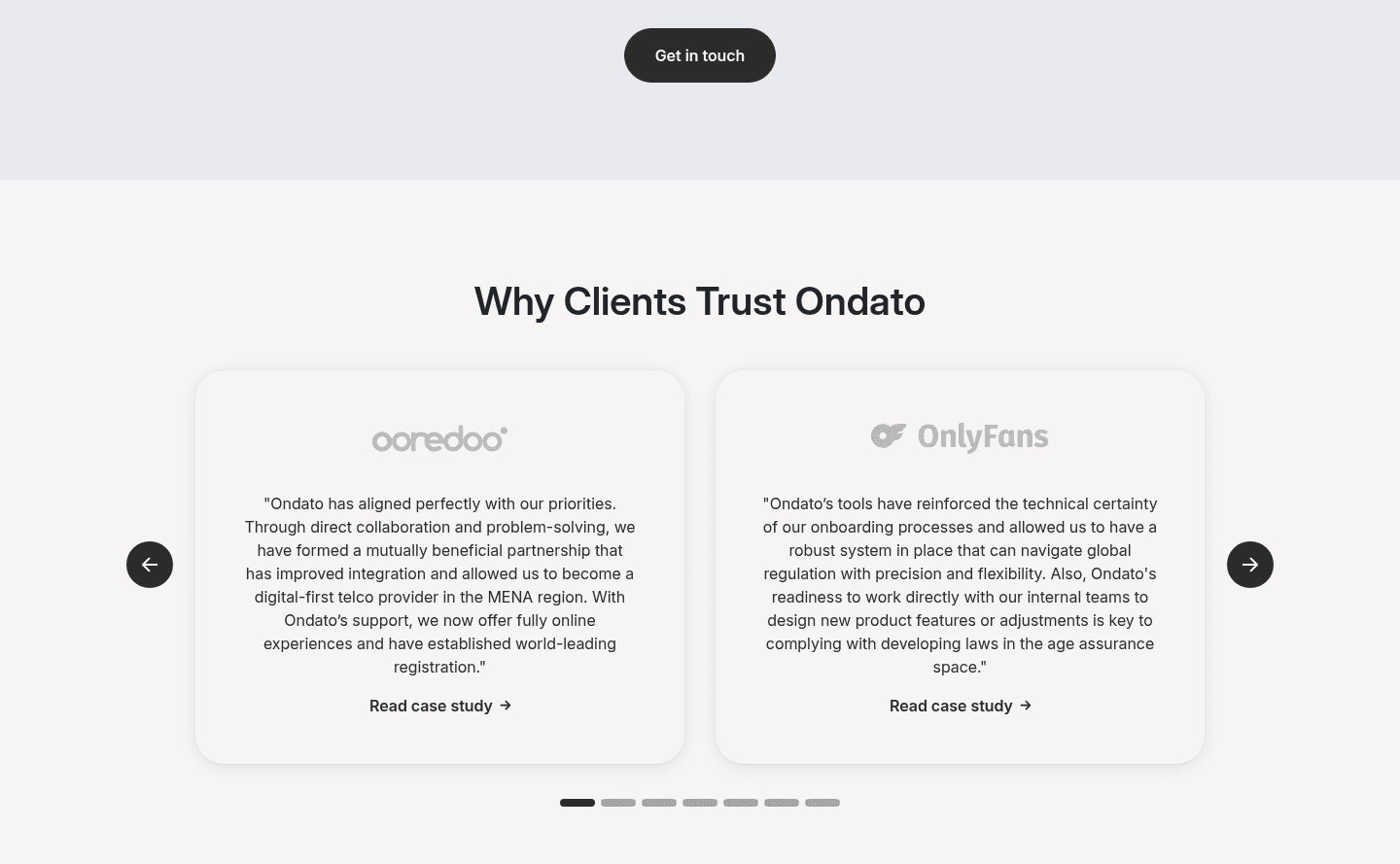
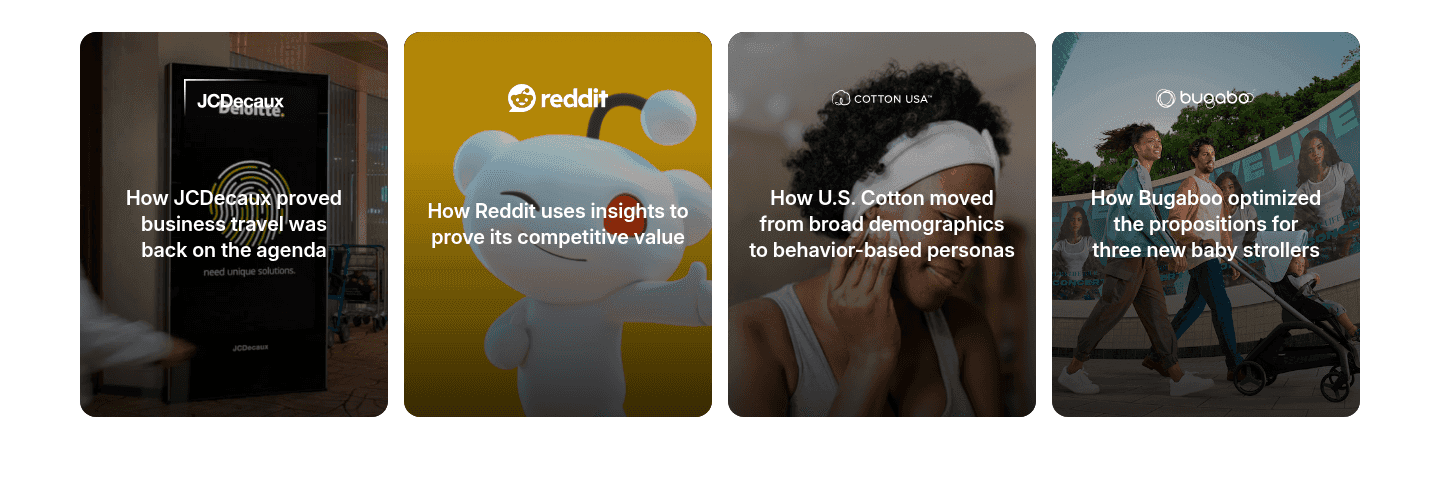
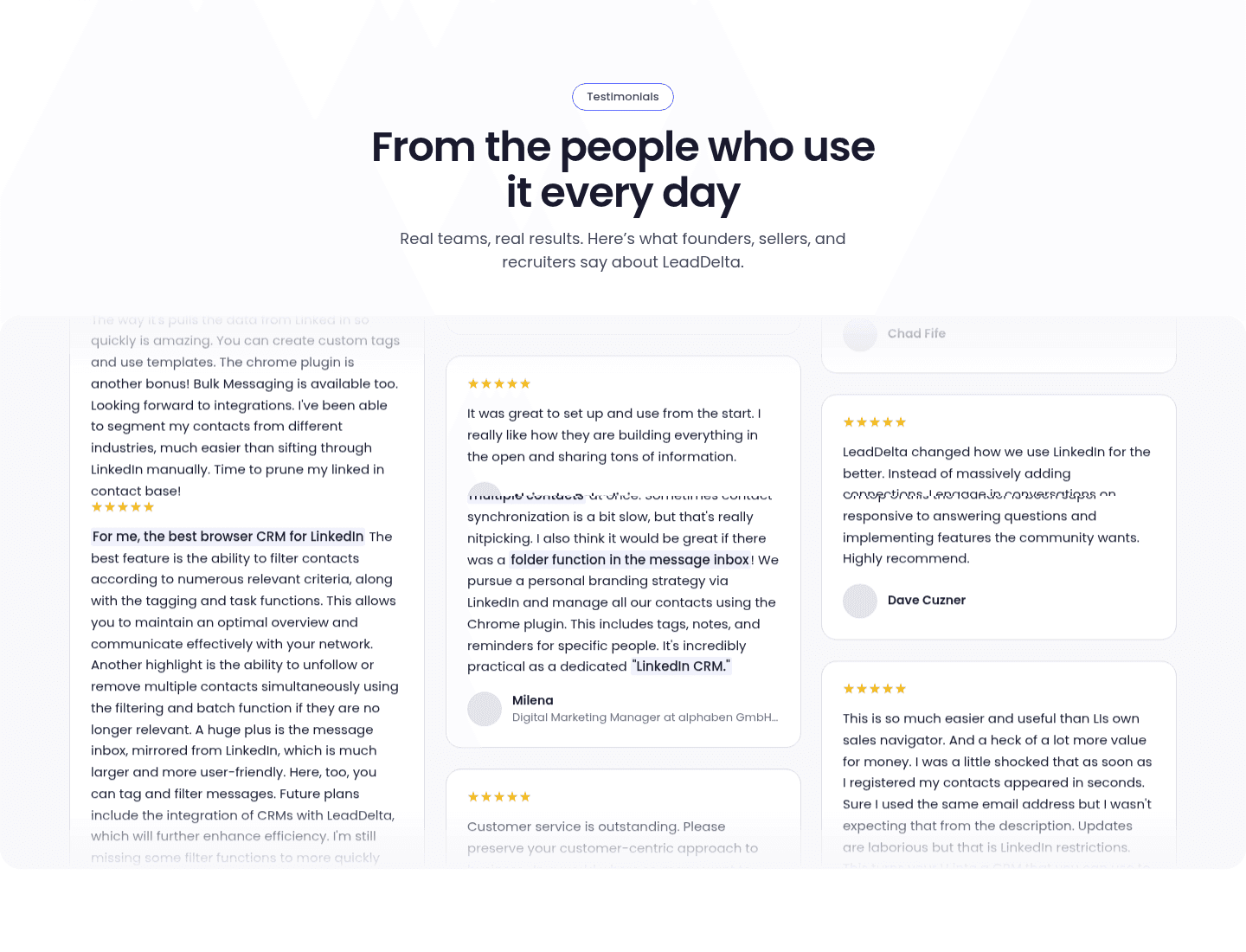
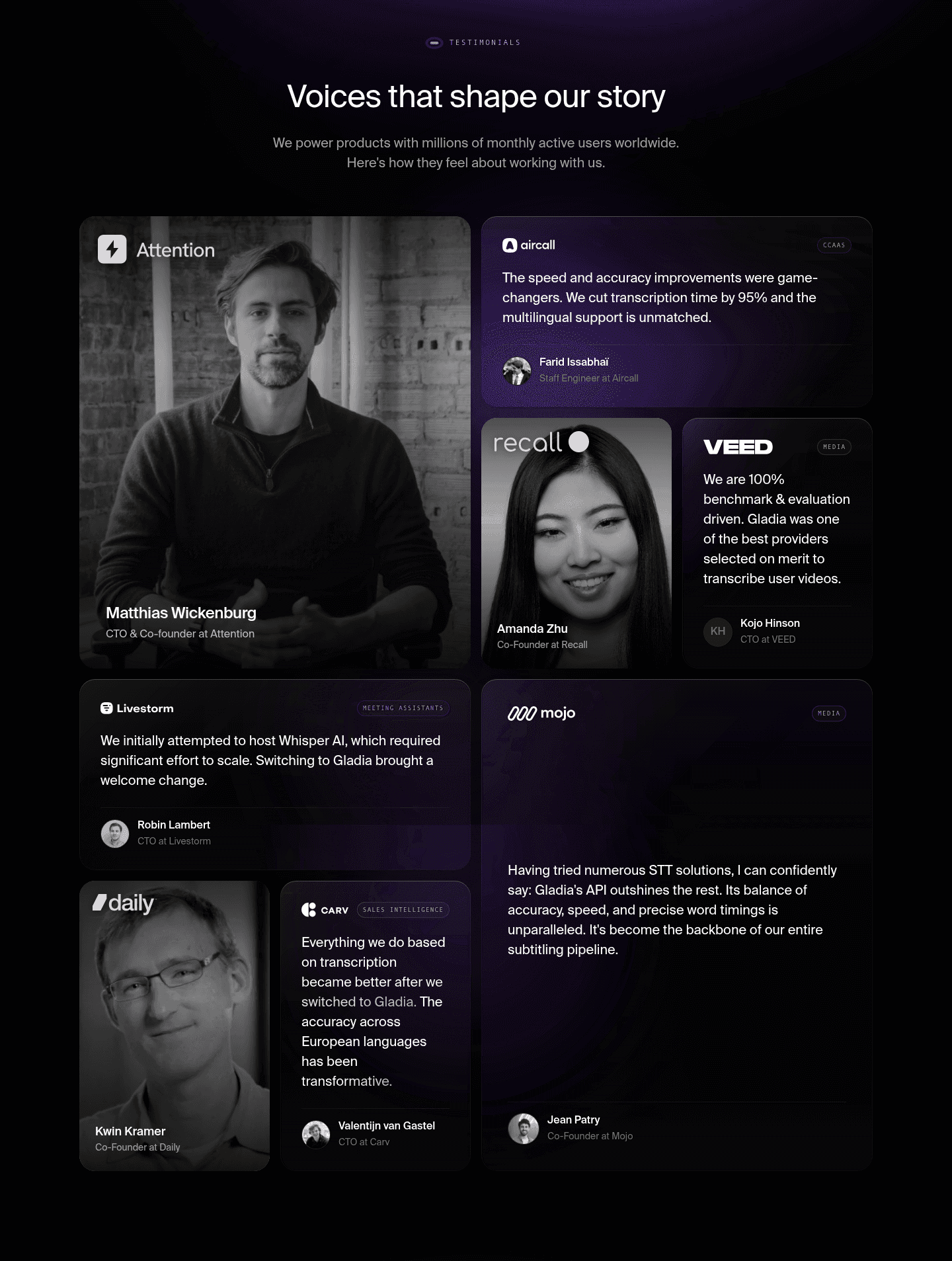
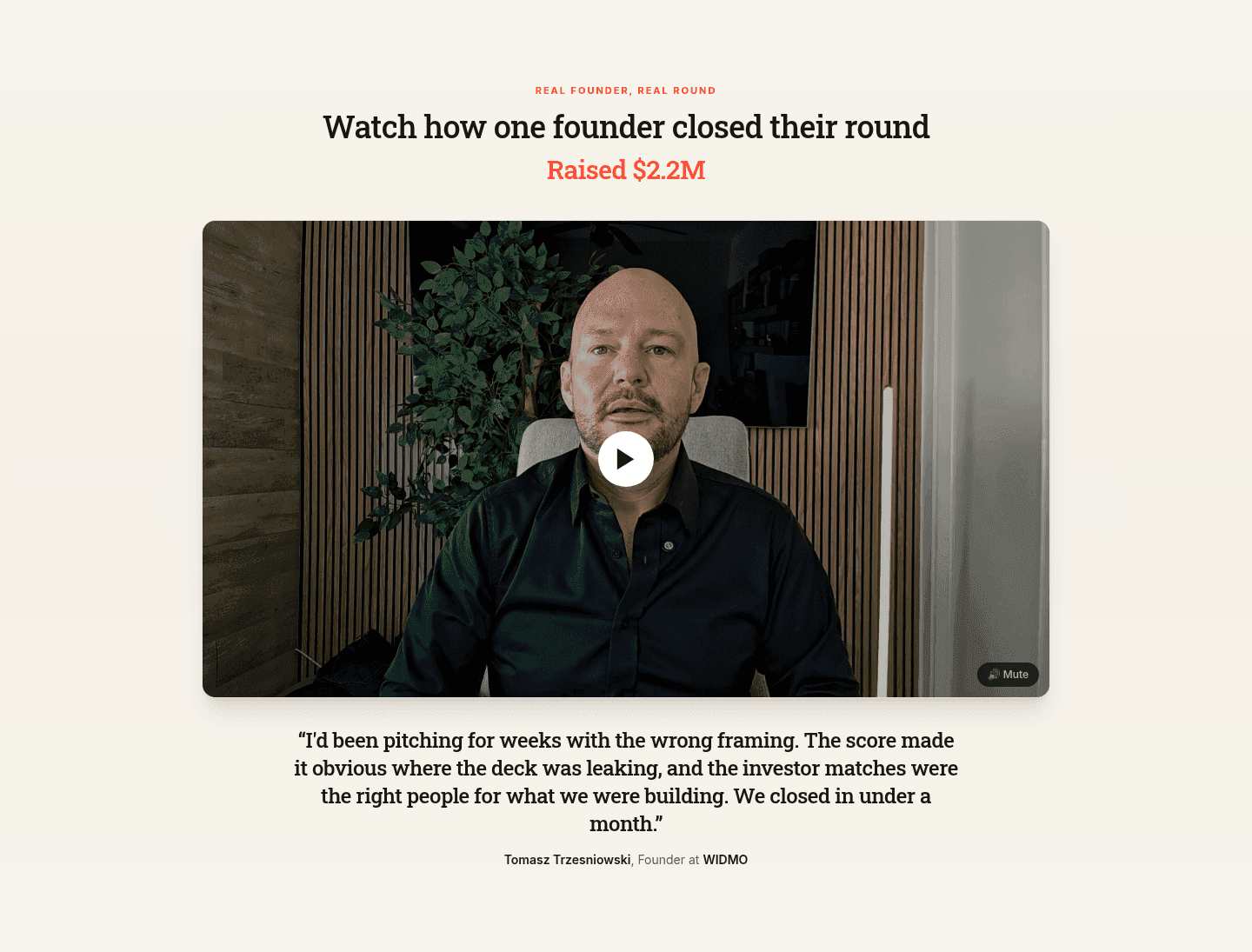


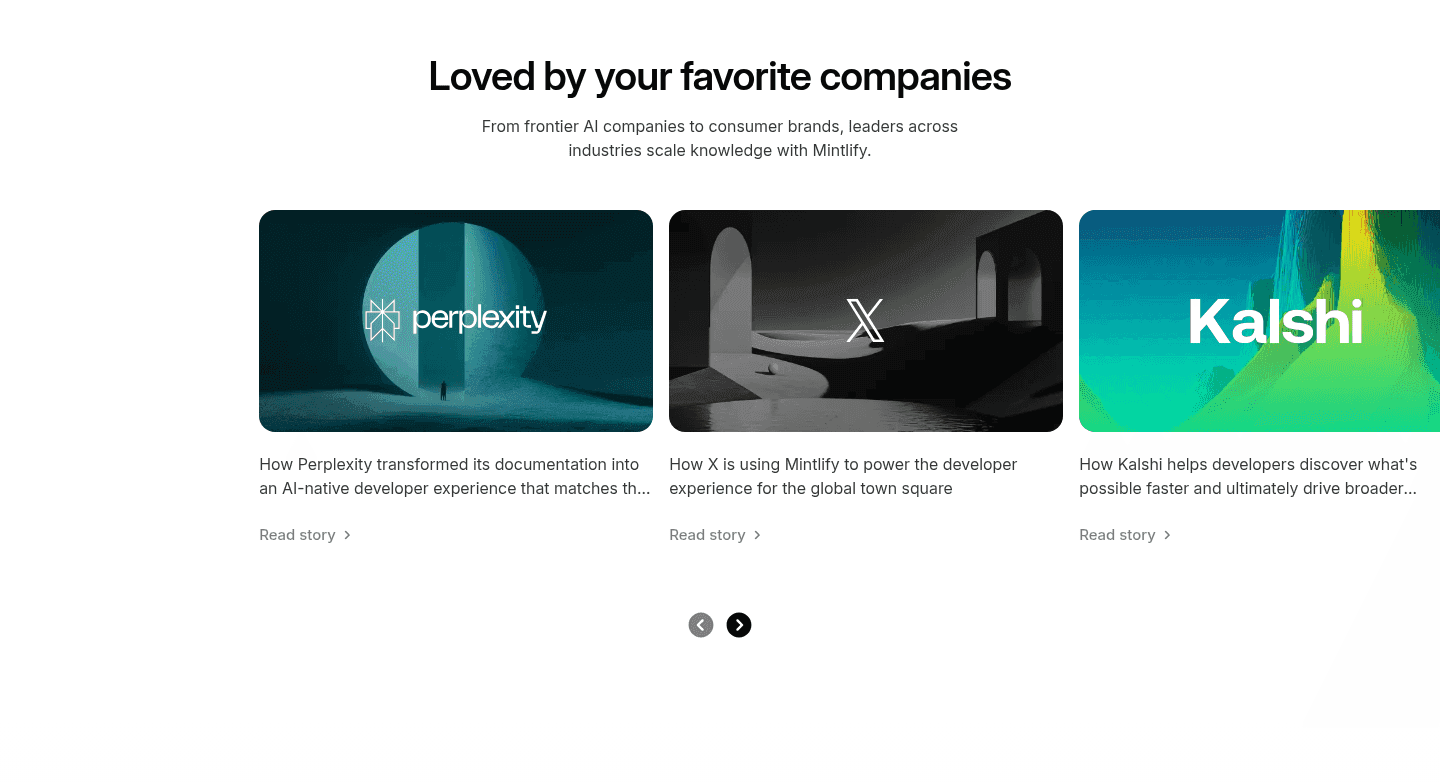
Browse every testimonials pattern by UX best practice.
Every testimonial section is scored across 6 conversion best practices. Copy the best practice stack, not just the layout. See what builds trust and what falls flat.
Hand-picked from 650+ companies and analyzed by our AI conversion agent. Not a random dump of quote cards. Every entry earns its spot.
Found a testimonial section you admire? Run yours through the same scoring engine. See where you stand on the same best practices, and what to fix first.
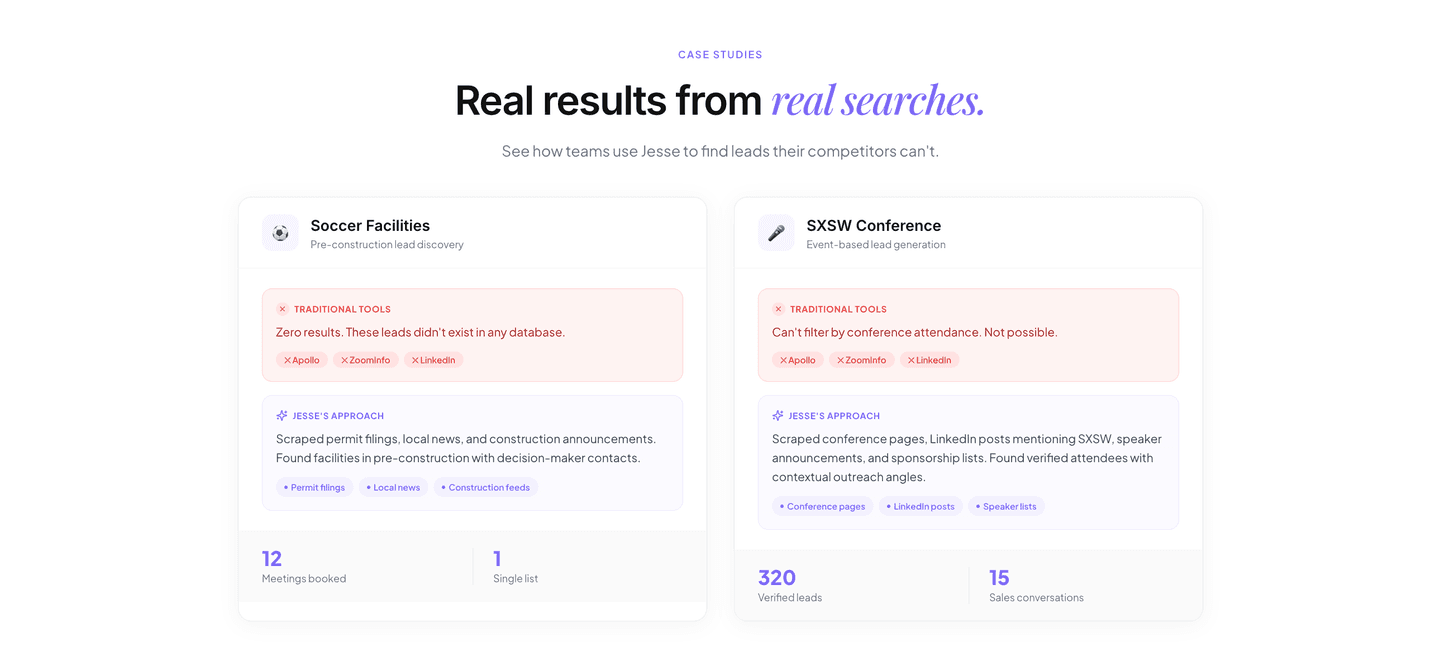
A before-after story testimonial frames a customer quote as a transformation instead of a one-line compliment. It names the painful or messy state the customer lived in before the product, then the concrete result they reached after, ideally with a number and a timeframe. The point is that a buyer is not shopping for a satisfied customer, they are shopping for a different outcome, so a quote that names the starting pain and the ending result maps straight onto what they came for.
The best testimonial sections build the arc from a few concrete forms, often two together:
A flat compliment tells a visitor a customer is happy. A before-after story tells them what changed, which is the only thing a buyer is actually paying for. The before state lets a visitor recognize their own situation, the painful, manual, slow version they are trying to escape. The after state shows where the product takes them. Set next to each other, the two states do the persuasion that adjectives cannot.
The arc also makes the proof verifiable. When the change is quantified and time-bound, like a deck score climbing from one number to a higher one or a four-day task collapsing into four hours, the claim stops being a feeling and becomes something a skeptical buyer can check. That is why the pattern pairs so naturally with the video testimonial, where a real face tells the same arc on camera, and with social proof in the hero, where the first sign of a win sits next to the promise. It is still relatively uncommon, around a quarter of scored testimonial sections frame a true transformation rather than a compliment, so a single well-told story stands out.
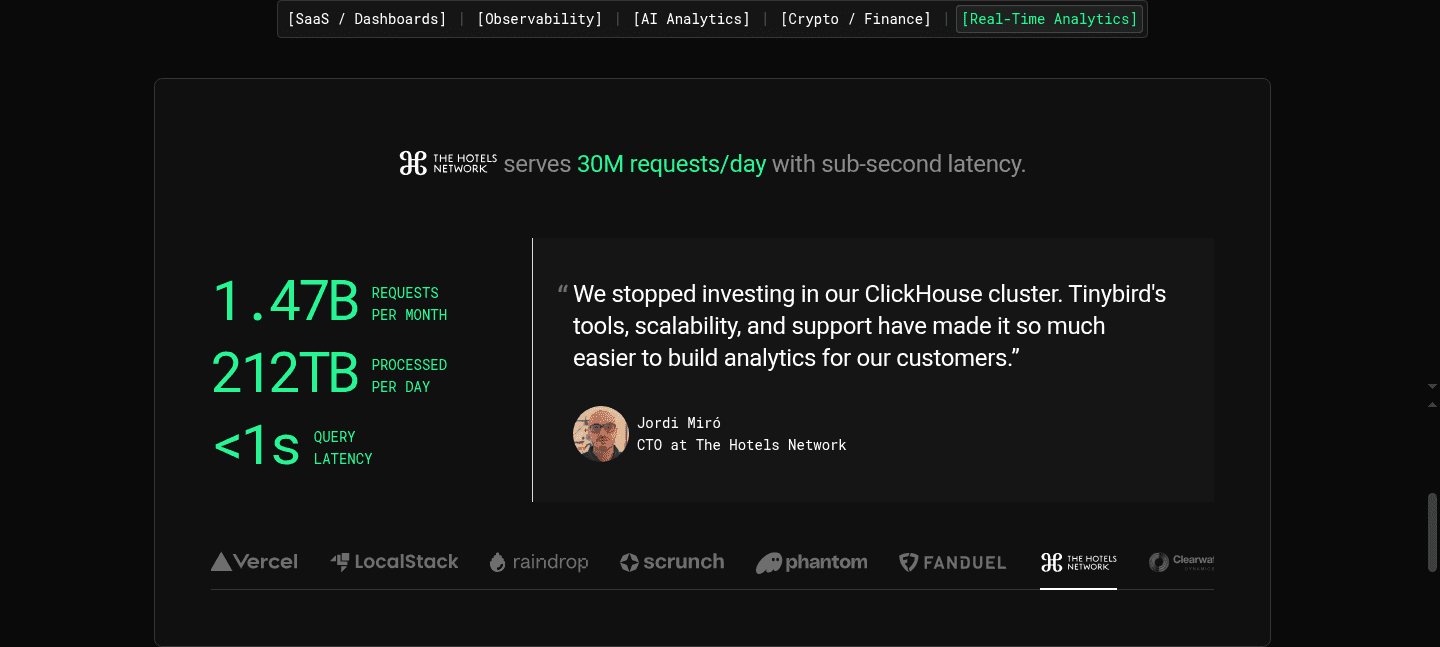
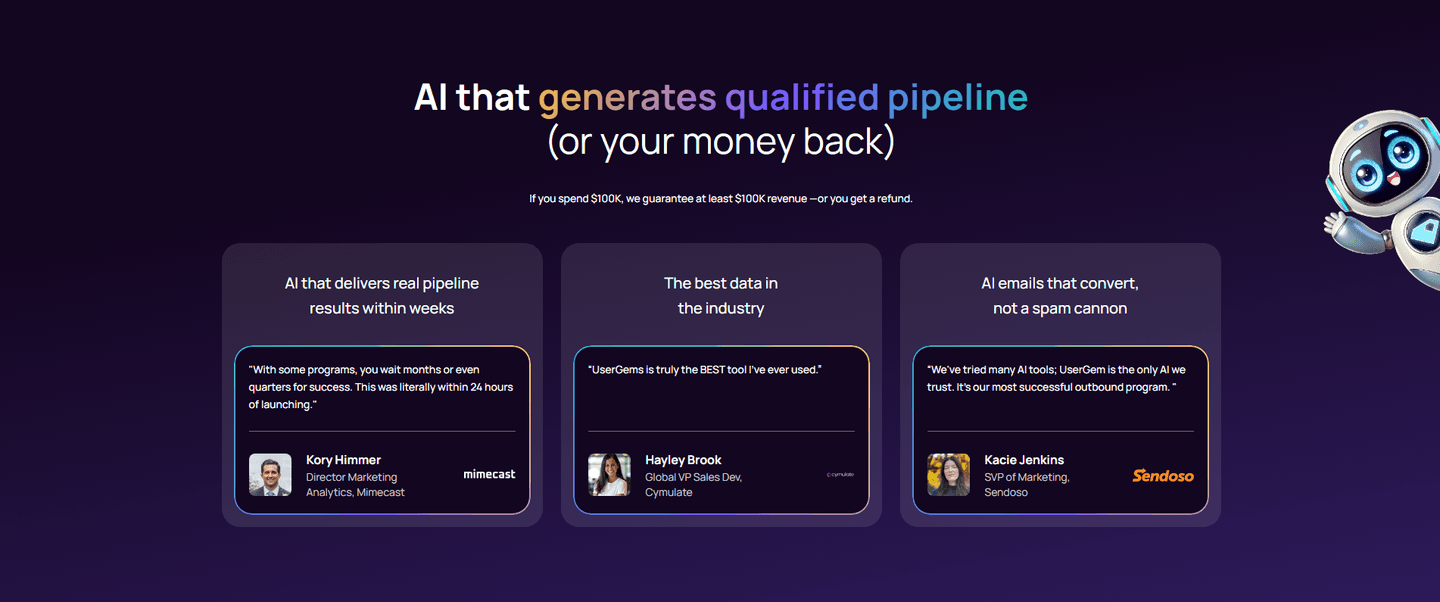
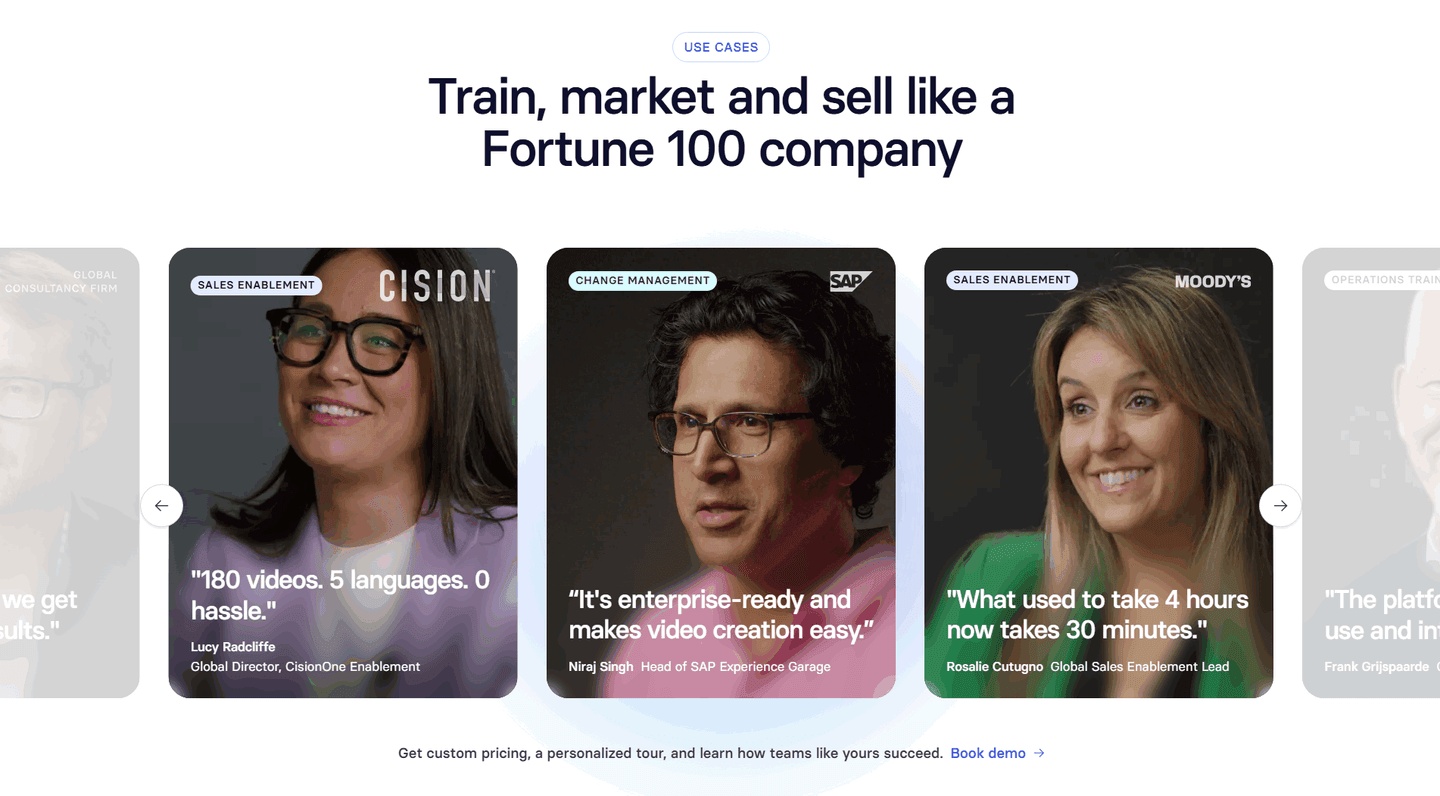
Across the scored examples below, the strongest sections treat the transformation as the headline, not a buried detail. Lemlist anchors each card with a from-to line, going from spam to strategy in ninety days, and tops it with a hard metric callout and a named customer logo, then links a discover full story into the complete case study. VC Boom shows a deck score climbing from one number to a higher one with per-category bars that highlight exactly what improved, while Altura states a measured move from one win rate to a higher one and links the full case study for context. ComboCurve collapses a four-day task into four hours and ties it to a recognizable customer logo. The pattern that performs is the same each time: name the before, quantify the after, attach a real brand, and link the journey, so the story is concrete, verifiable, and human at once.
67/100 0/100
0/100The usual failure is a quote with no before. A line that only celebrates the after, a customer saying the product is great, gives a visitor nothing to recognize themselves in and no sense of the distance the product closed. The second failure is a transformation with no number, a vague claim that things got faster or easier with no metric and no timeframe, so the buyer has no way to check the math. The third is an arc that stops at the punchline with no link into the full story, which leaves the most skeptical buyers, the ones closest to converting, with nowhere to go for proof. Name the painful before state, quantify the after, make it time-bound, and link the case study so the story has somewhere to point.

Curated by
Gabriel Amzallag , Founder, Web Anatomy
5 years CRO + SEO at Qonto (2021–2025). After advising 15+ SaaS on their websites (Payfit, Pigment…), the same patterns kept breaking, so I decided to build the source of truth on what works on the web: the intelligence layer every tool, builder, and team uses to ship sites that perform.
Paste your URL. Get a scored analysis of your testimonial section, including whether your proof tells a before-after story. Free, no signup.
The common questions about framing a customer quote as a transformation, with answers drawn from 65 scored examples.
It is a customer testimonial framed as a transformation rather than a one-line compliment. It names the painful or messy state the customer was in before the product, then the concrete result they reached after, ideally with a number and a timeframe. Because it shows the exact change a buyer is paying for, it reads as more persuasive than vague praise about a product being great.
A buyer is not shopping for a happy customer, they are shopping for a different outcome, so a quote that names the starting pain and the ending result maps directly onto what they want. The before state lets a visitor recognize their own situation, and the after state shows where the product takes them. When the change is quantified and time-bound, like a deck score moving from one number to a higher one, the claim becomes verifiable instead of a feeling.
The common forms are a from-to line in the headline, such as moving from spam to strategy in ninety days, a before column set against an after column, a single metric that quantifies the change like a pipeline share rising or output multiplying, and a read the full story link that opens a case study telling the whole journey. Many strong cards combine two of these, for example a quantified headline over a quote that also links to the full case study.
Whenever possible, yes. A number turns a story into proof: forty percent to sixty percent, four days down to four hours, a seven-figure revenue lift. The metric makes the before and after concrete and lets a skeptical buyer check the math. A time bound, such as a result reached within months or within a single quarter, makes the change feel attainable rather than aspirational.
It is still relatively uncommon. Around a quarter of scored testimonial sections frame a quote as a real before-after transformation rather than a flat compliment, so a single well-told story stands out. The strongest sections pair the arc with a hard number and a link into the full case study, which is what turns a nice quote into evidence a buyer can act on.