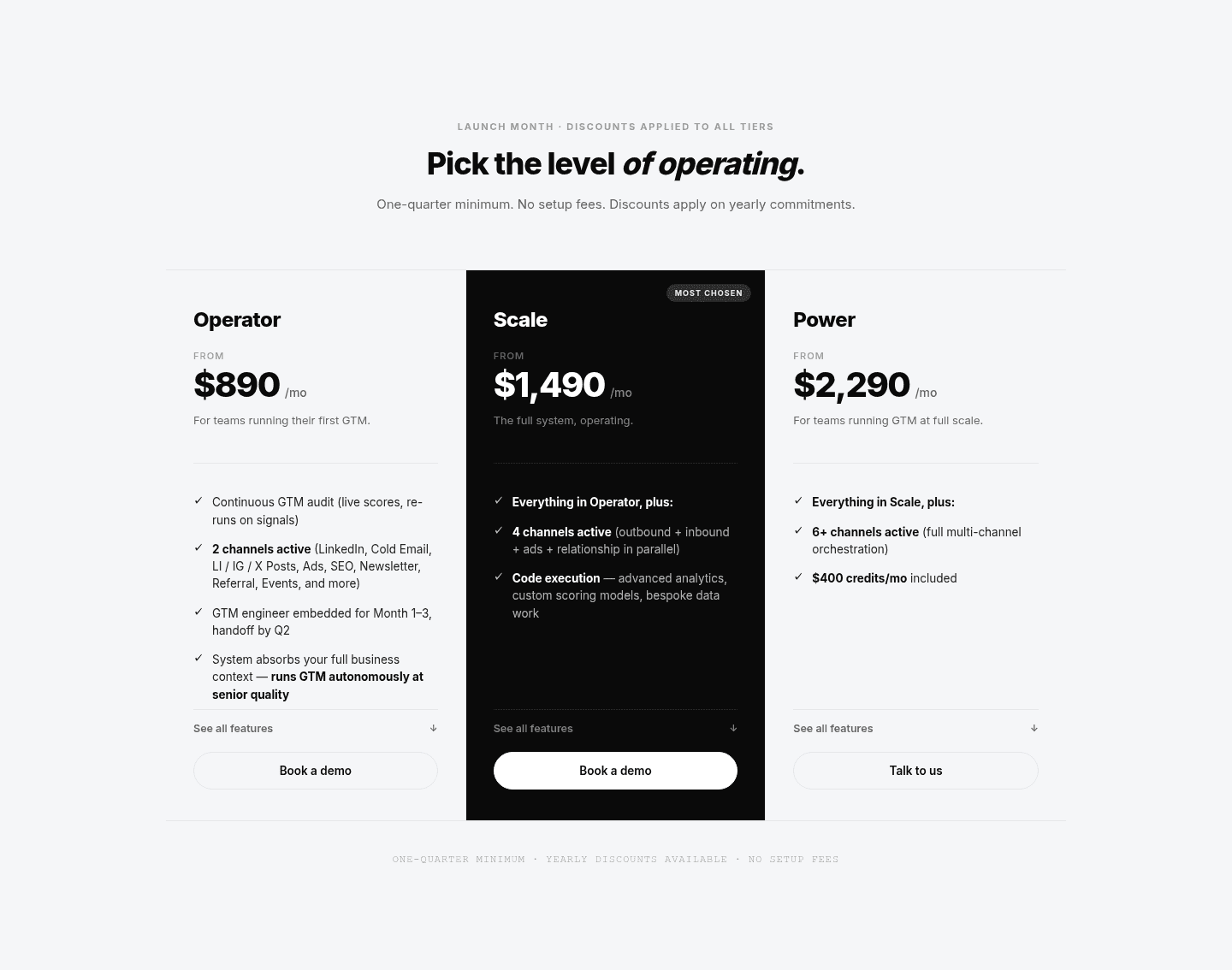
Pricing|
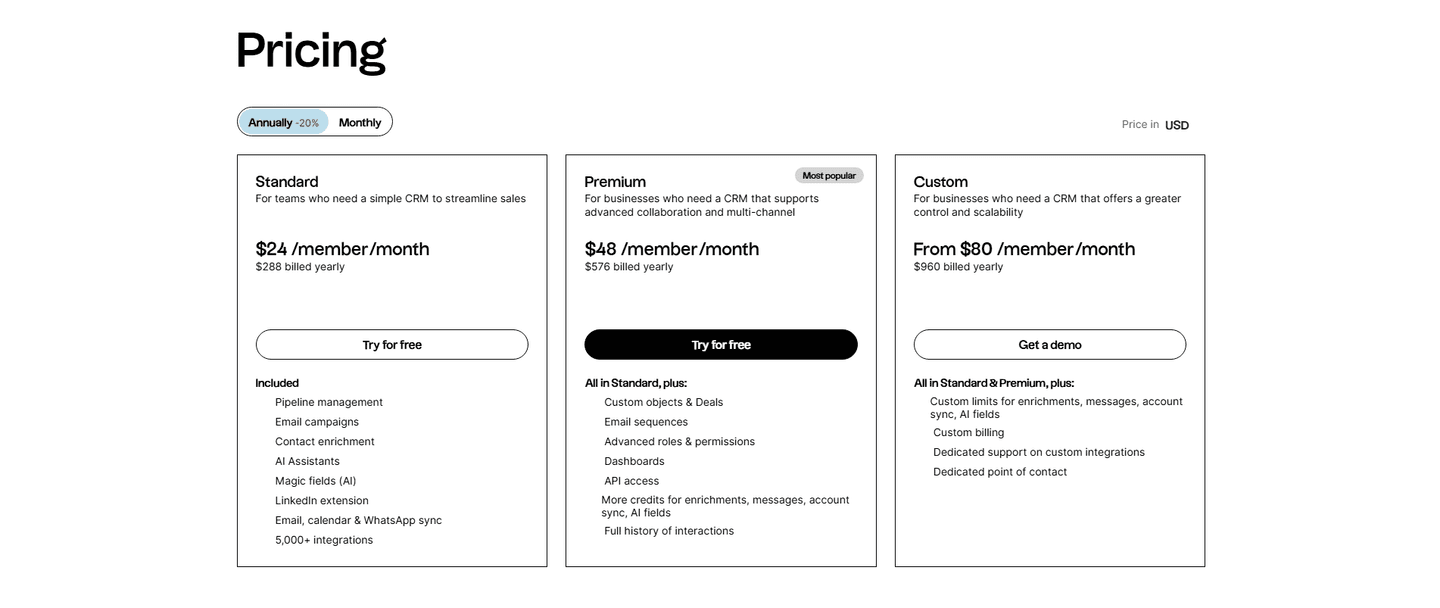
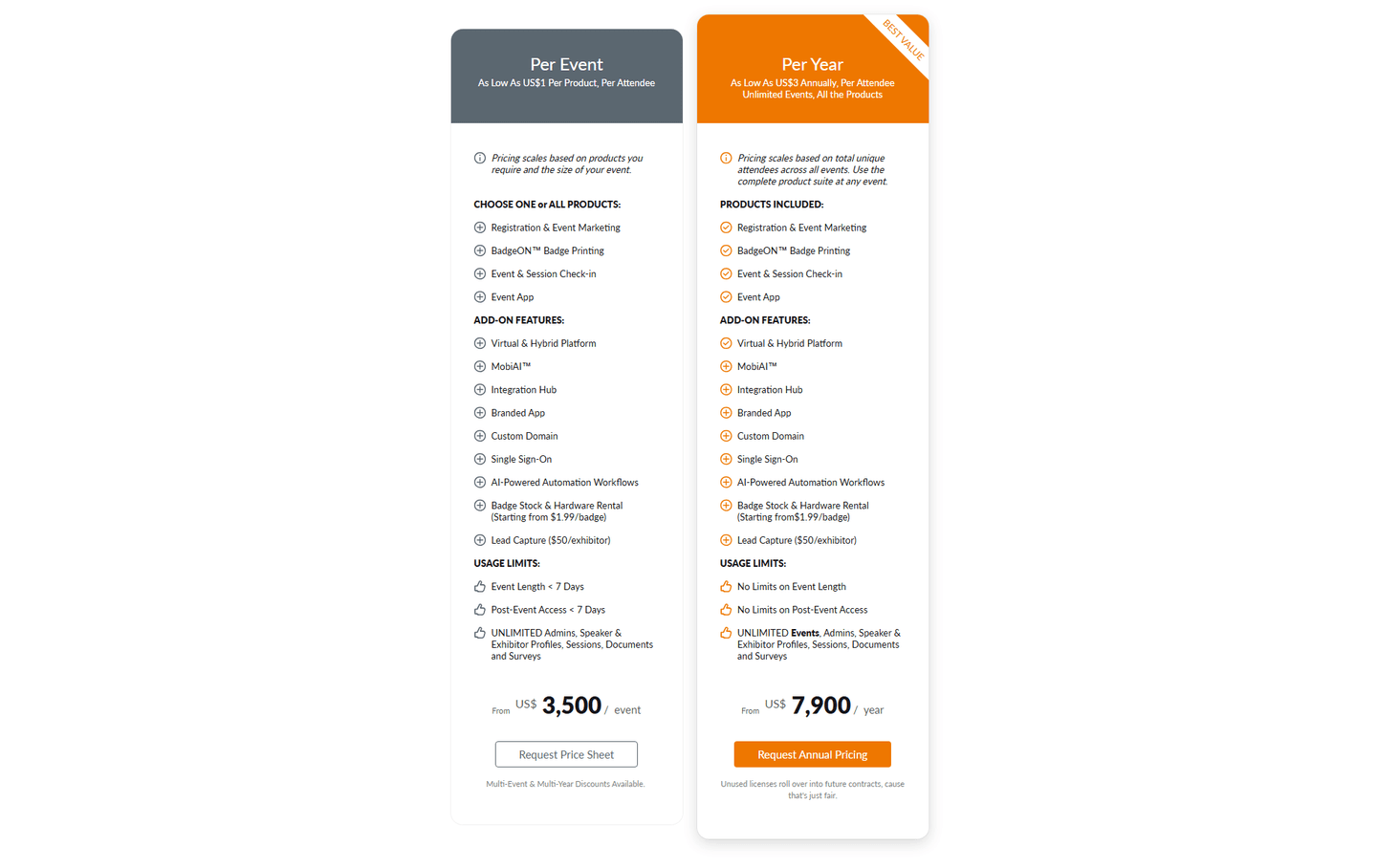
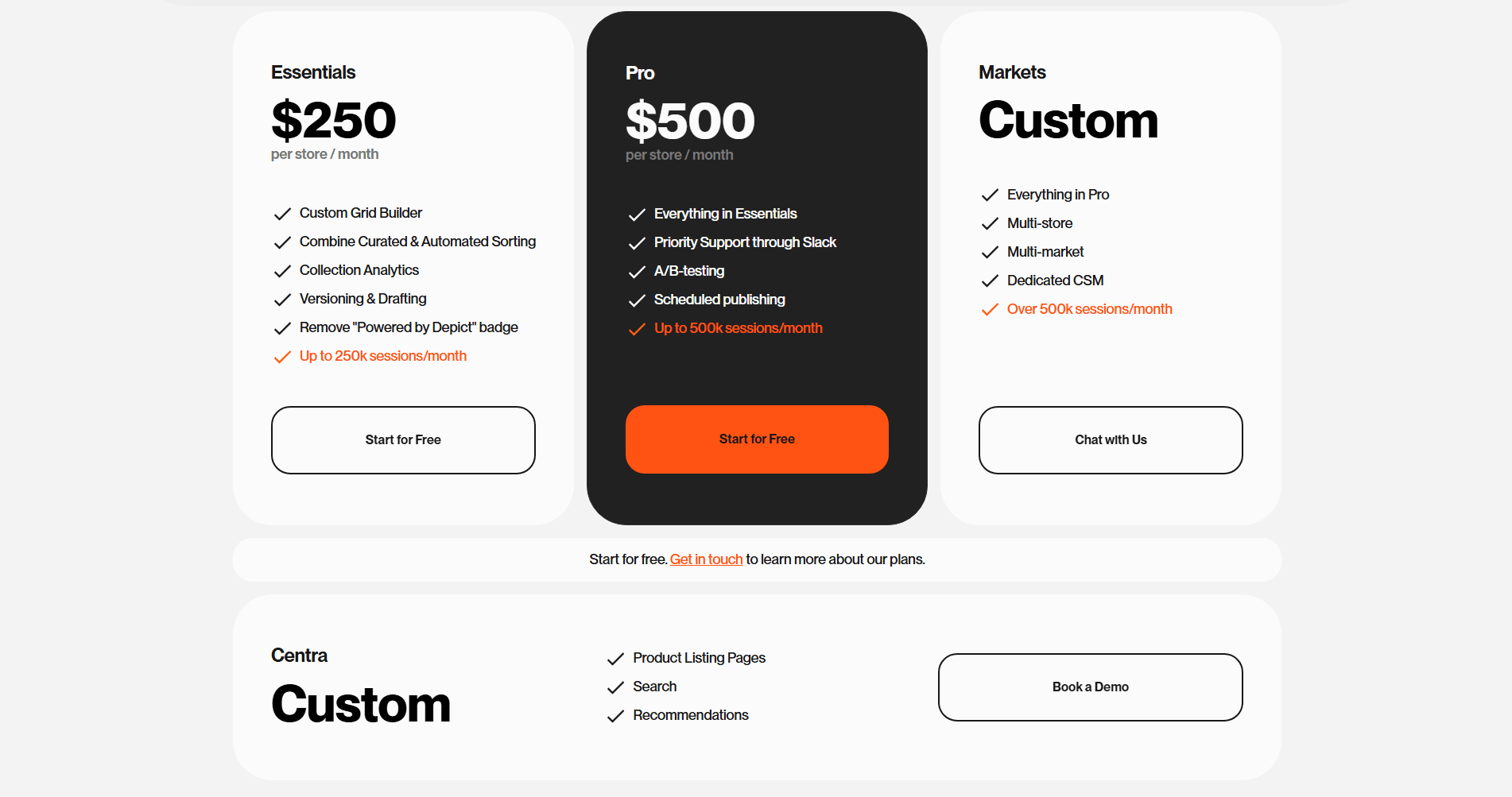
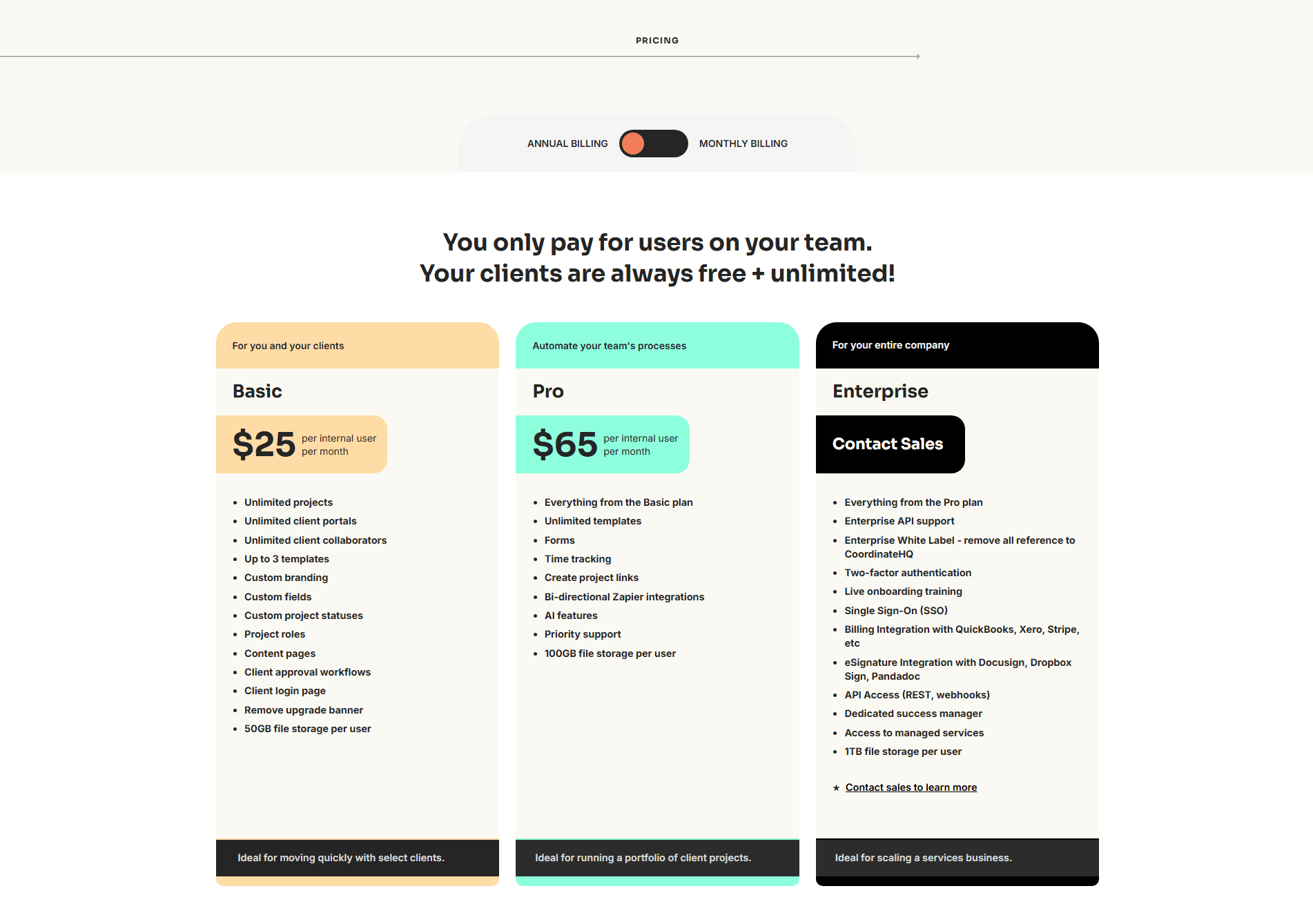
An enterprise tier with a Contact sales CTA gives large or complex buyers a custom path, instead of a public price that would either scare them off or leave money on the table.
Key takeaways
Showing 22–42 of 56 examples
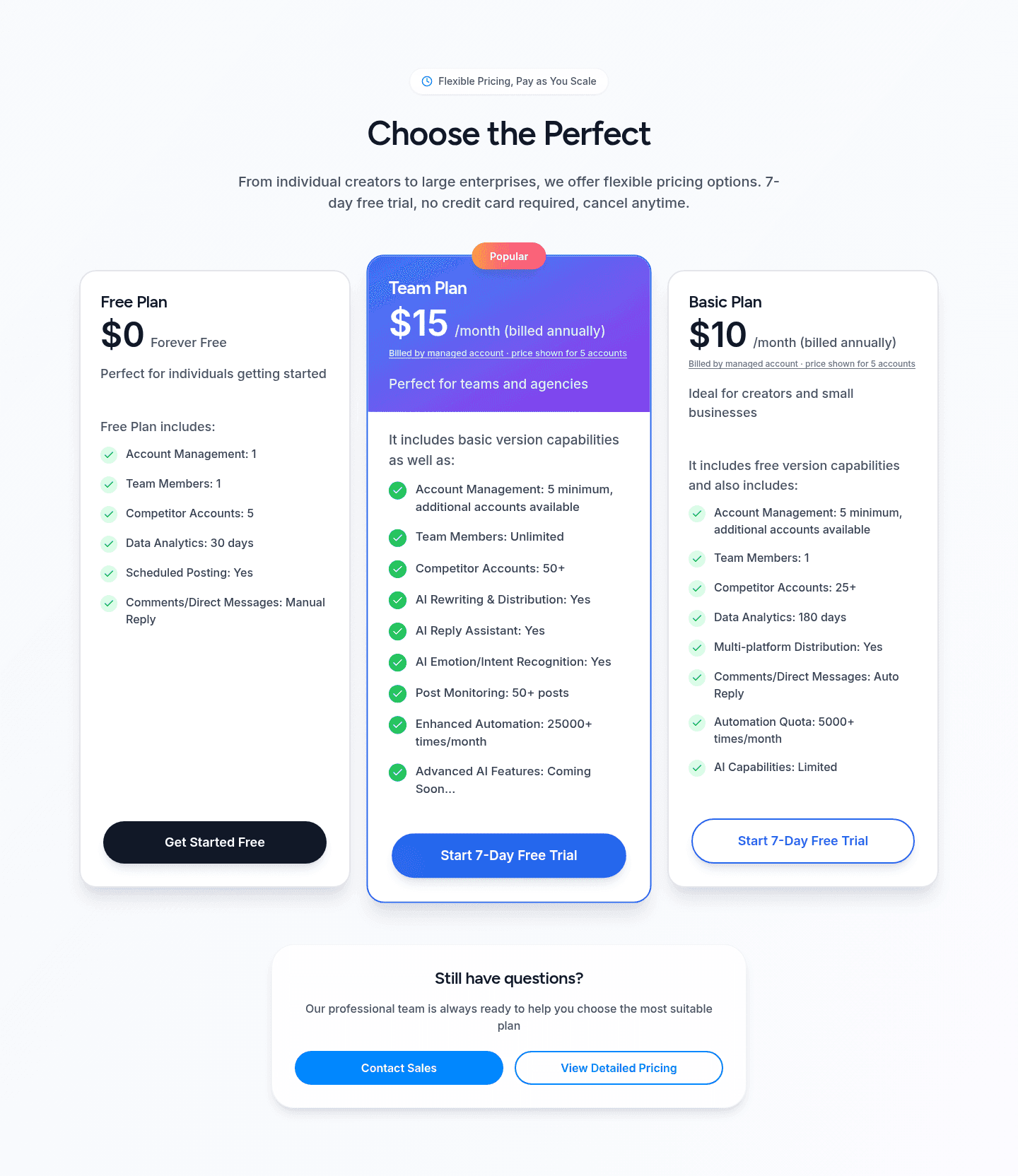
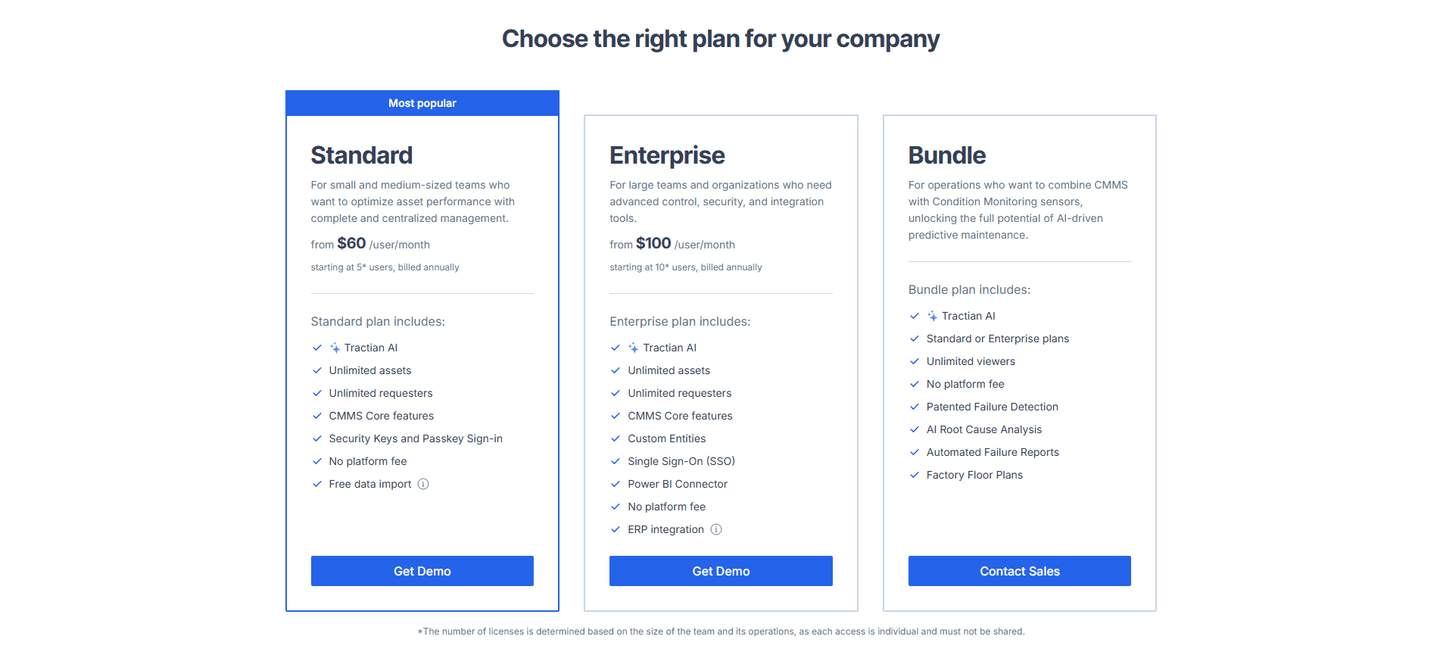
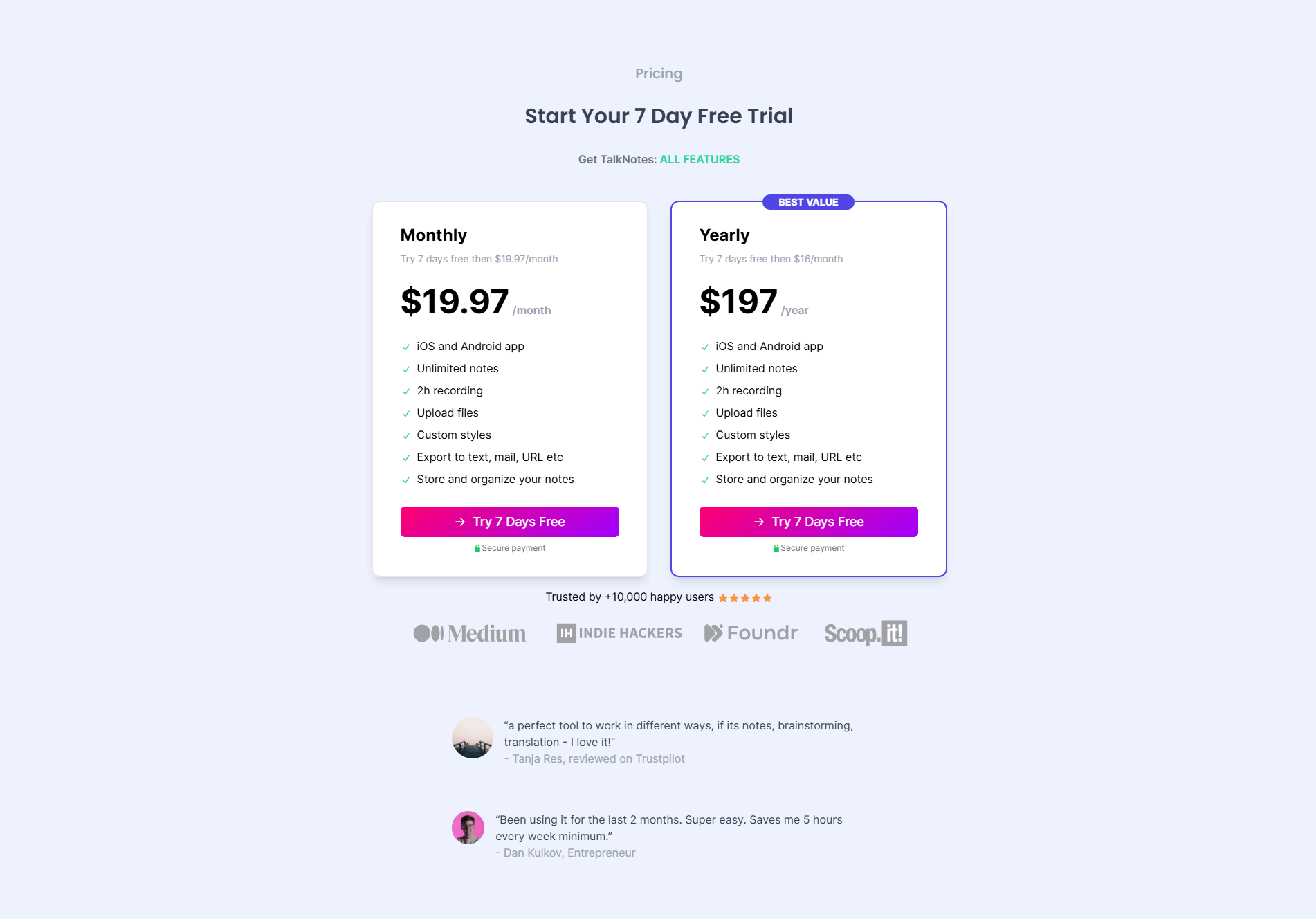
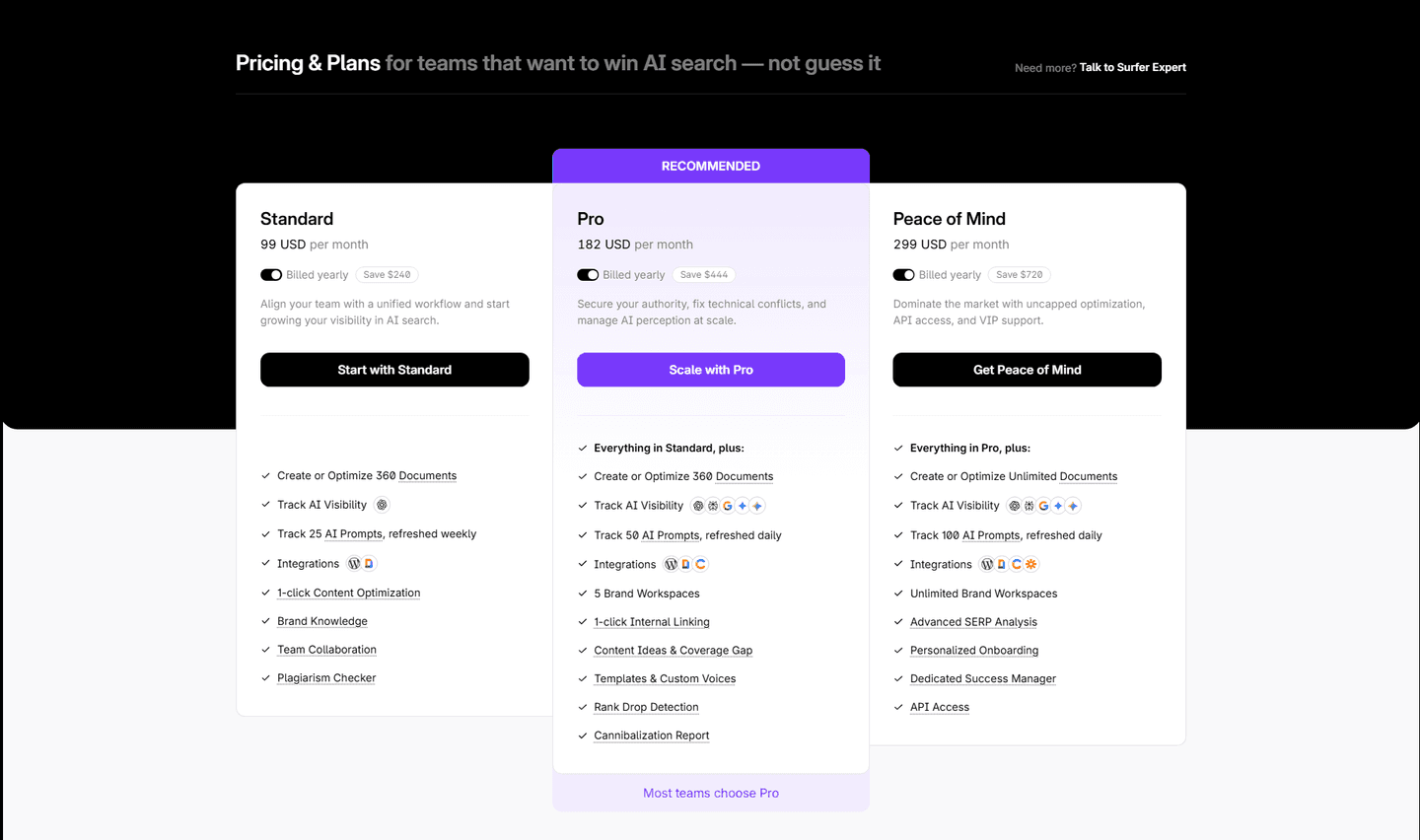
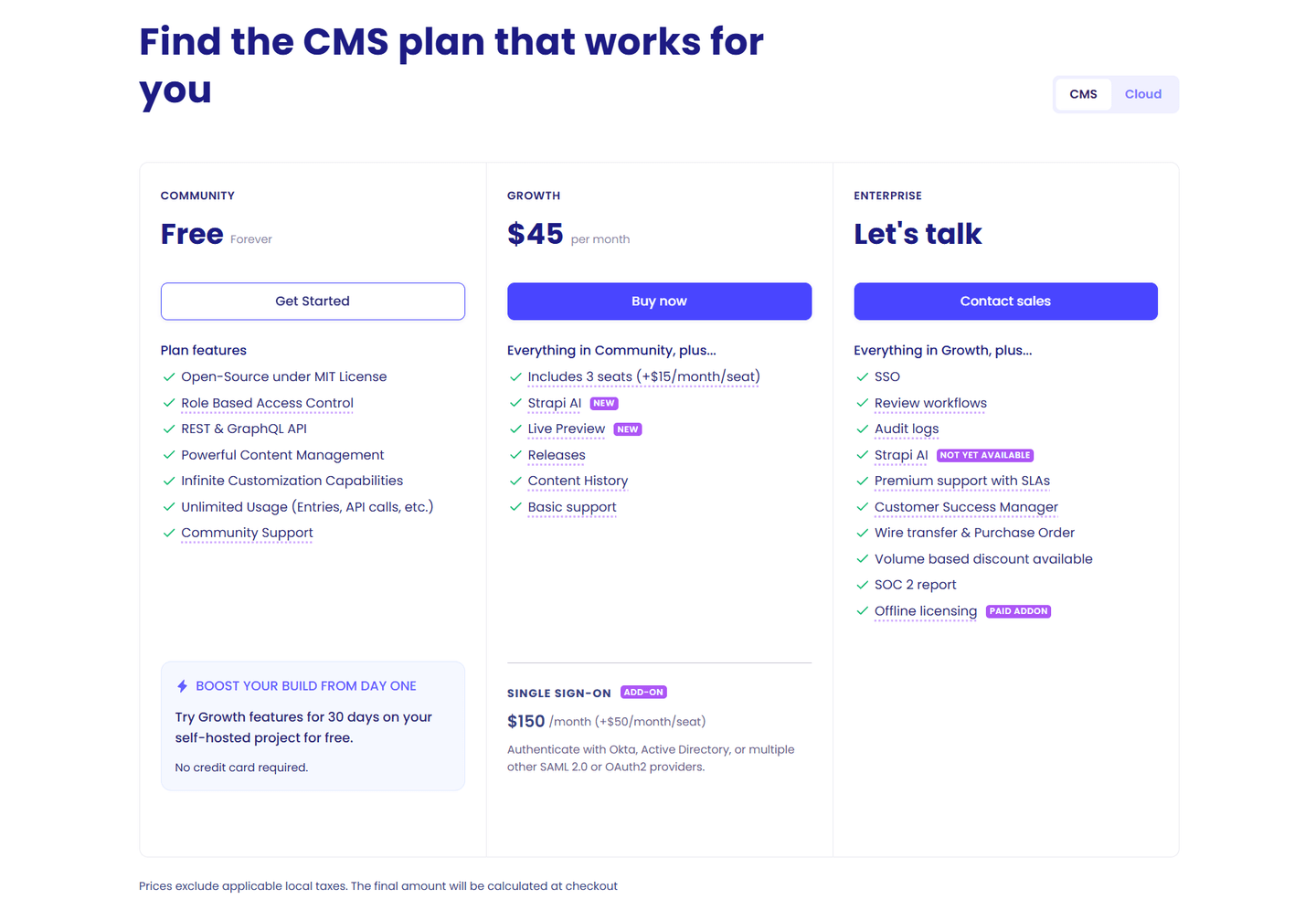
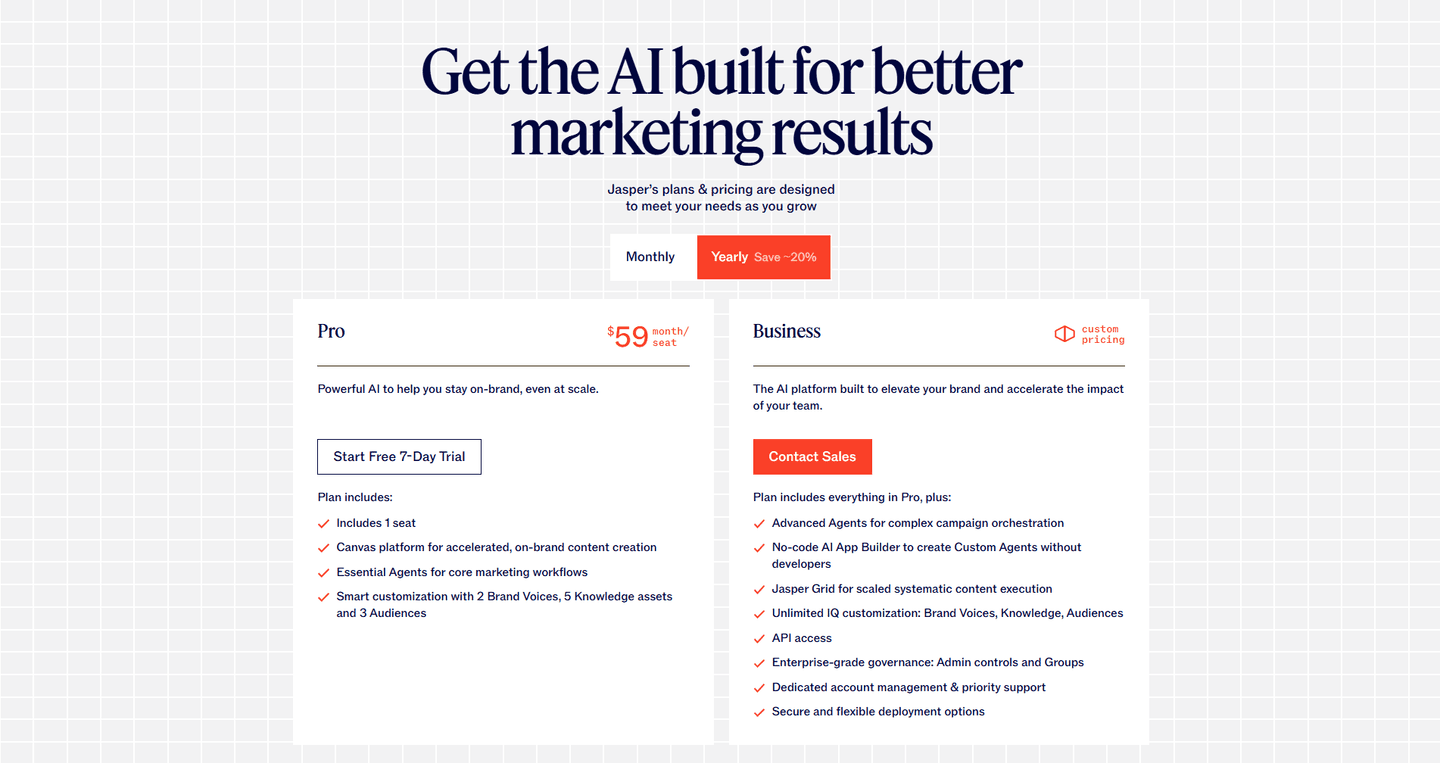
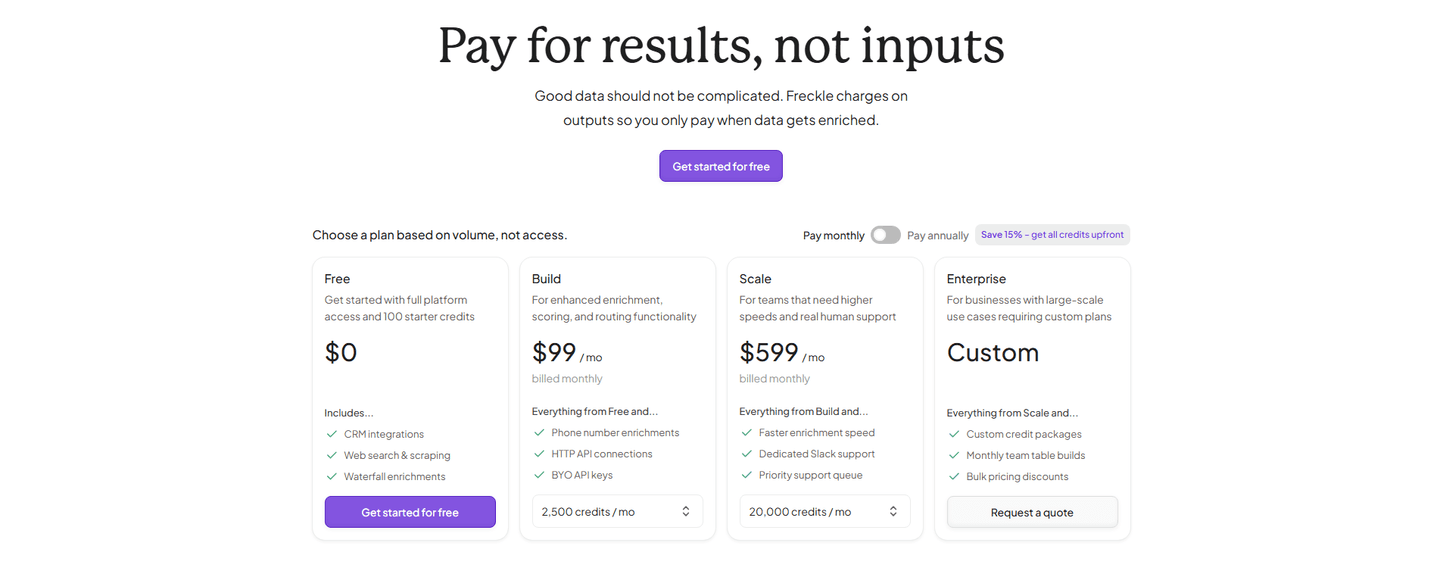
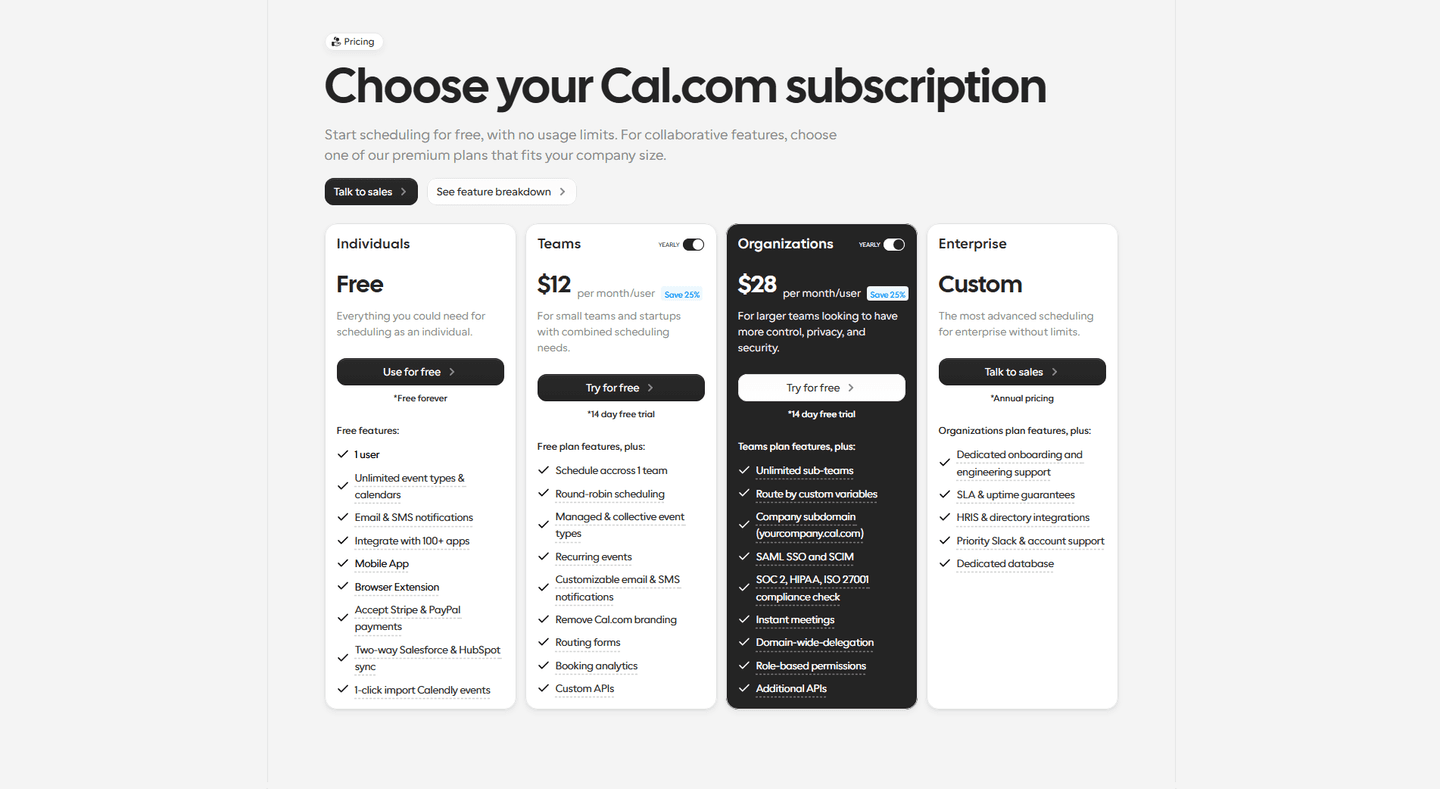
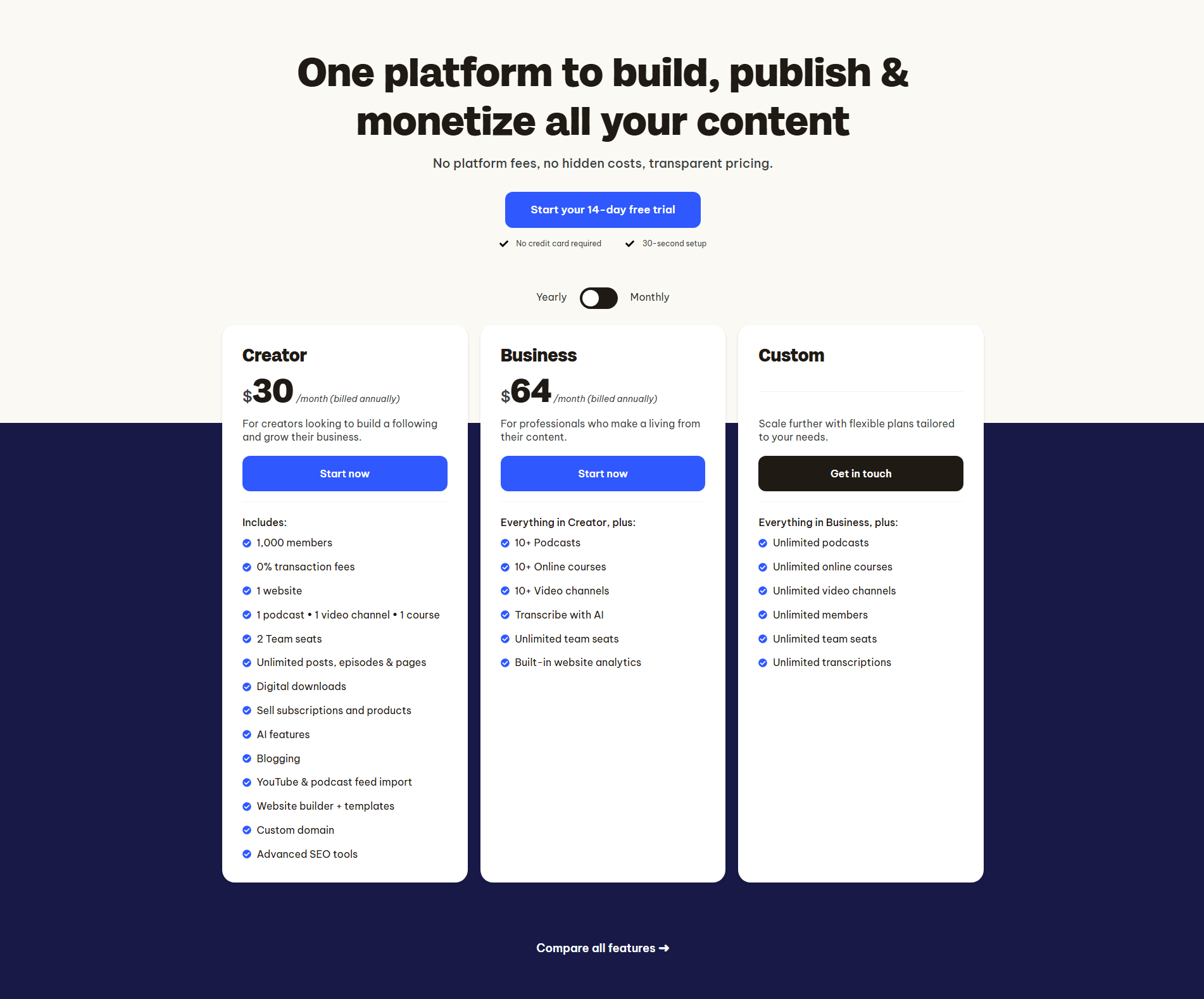
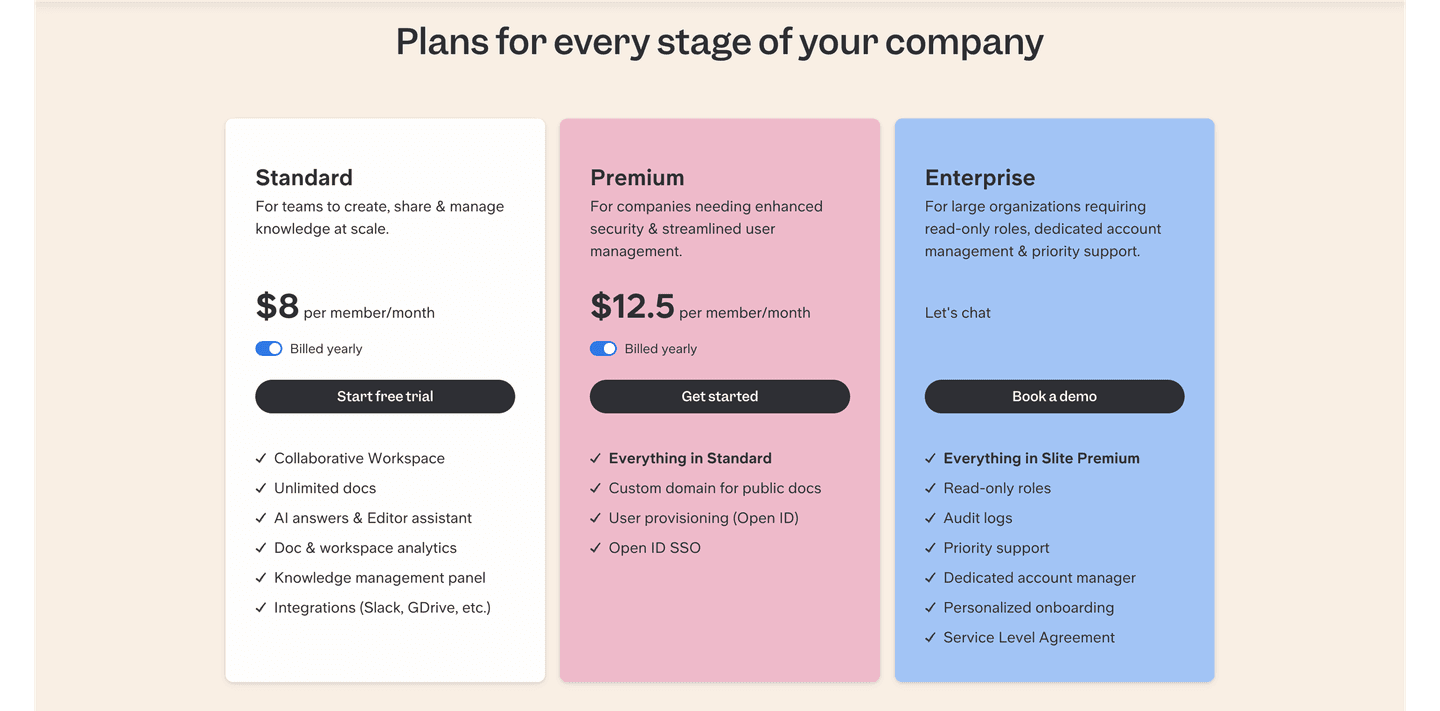
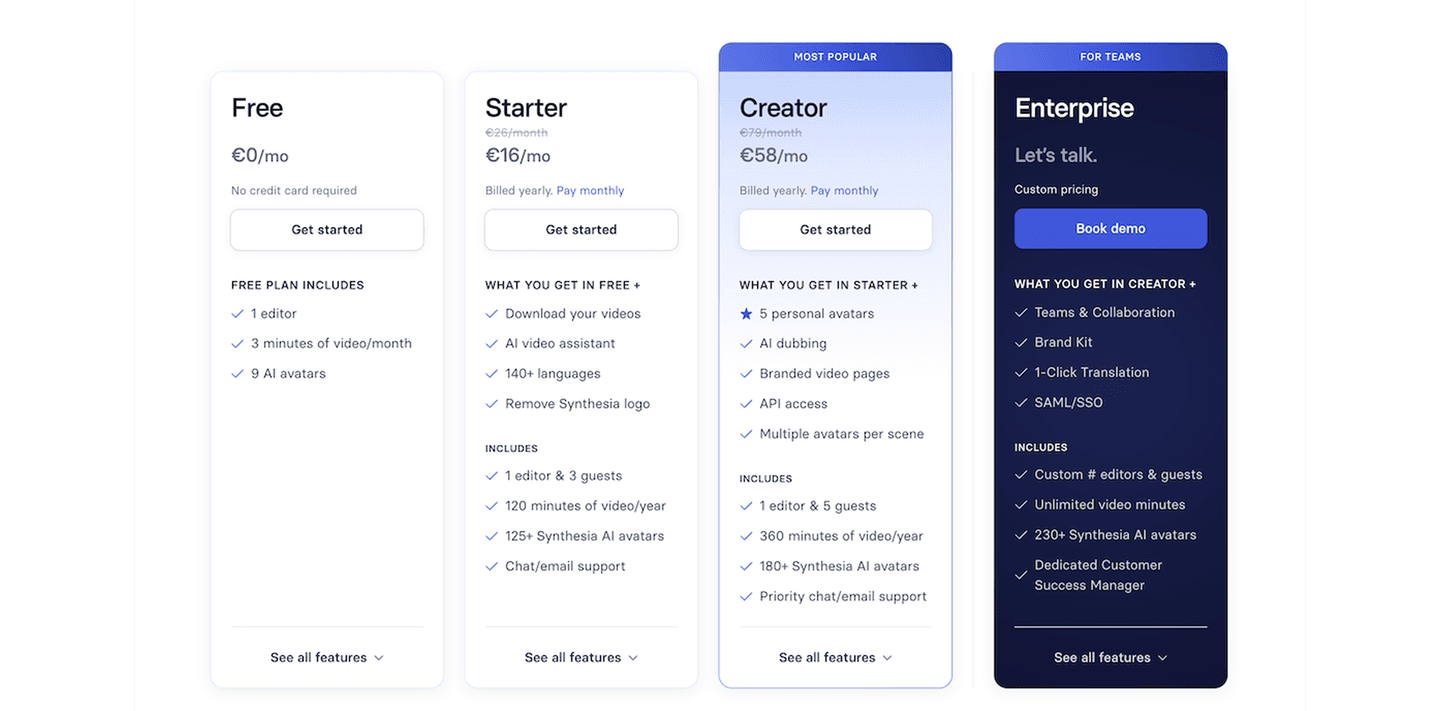
Browse every pricing pattern by UX best practice, or jump to an industry view.
Every pricing section is scored across 8 conversion best practices. Copy the best practice stack, not the layout. See what converts and why.
Hand-picked from 350+ companies and analyzed by our AI conversion agent. Not a random dump of pricing tables. Every entry earns its spot.
Found a pricing table you admire? Run yours through the same scoring engine. See where you stand on the same best practices, and what to fix first.
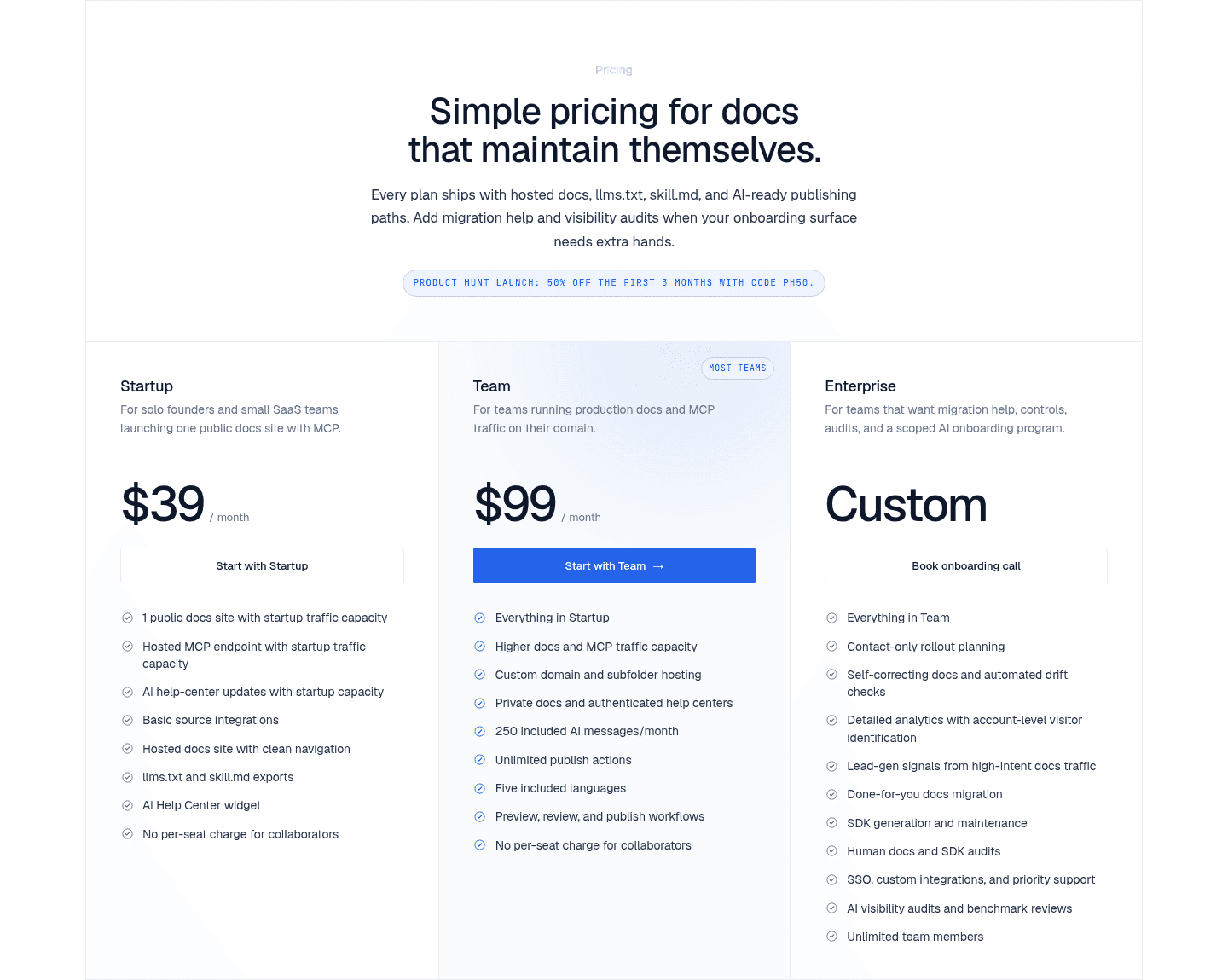
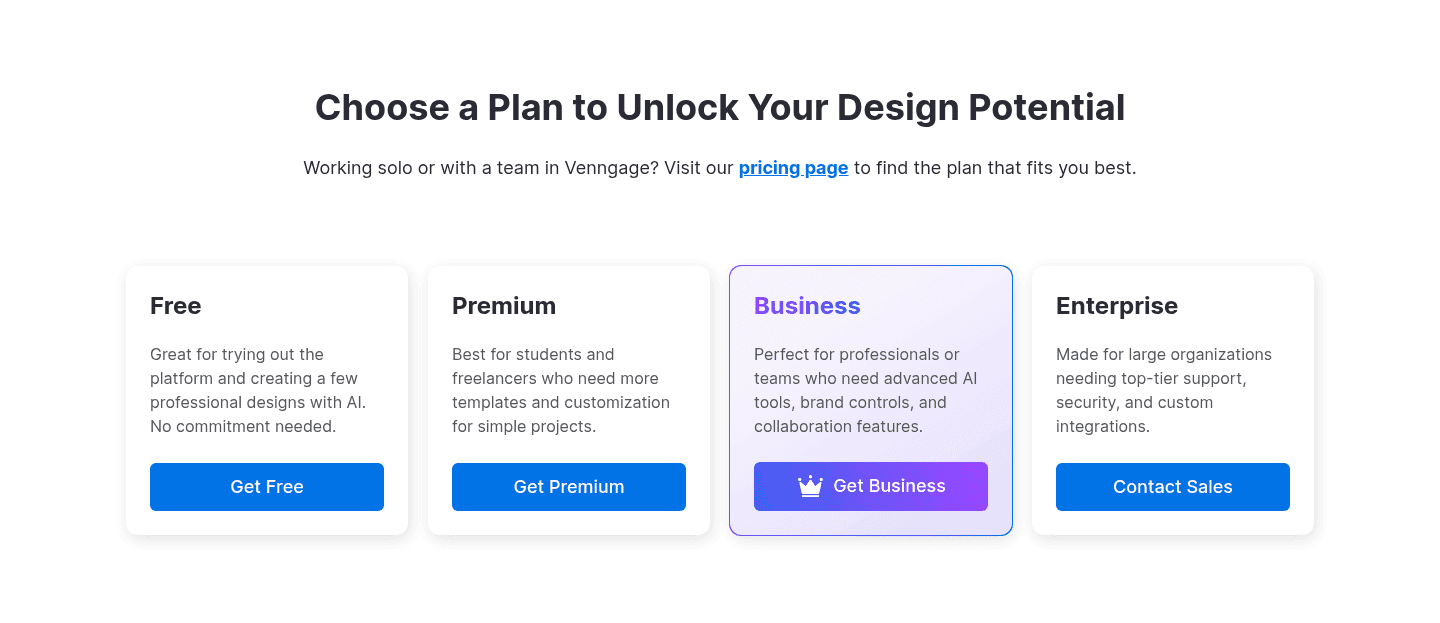
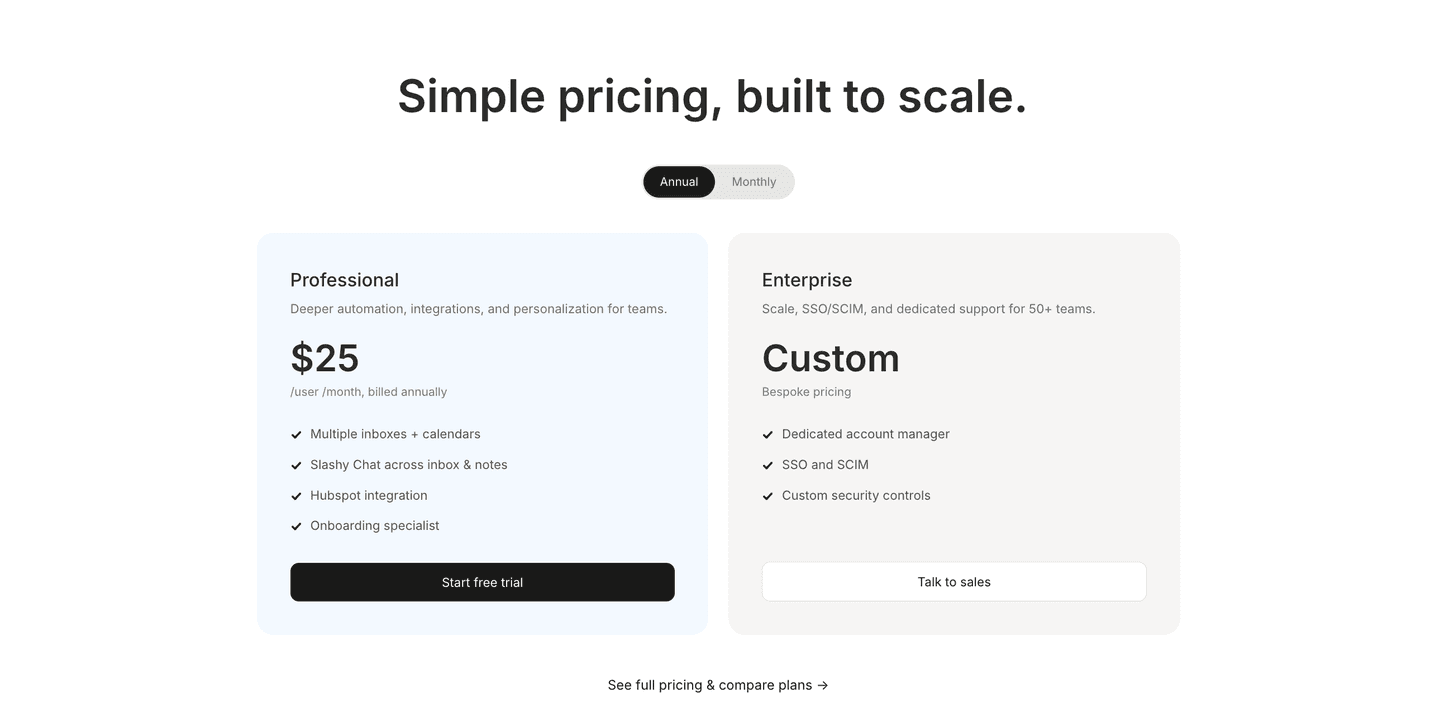
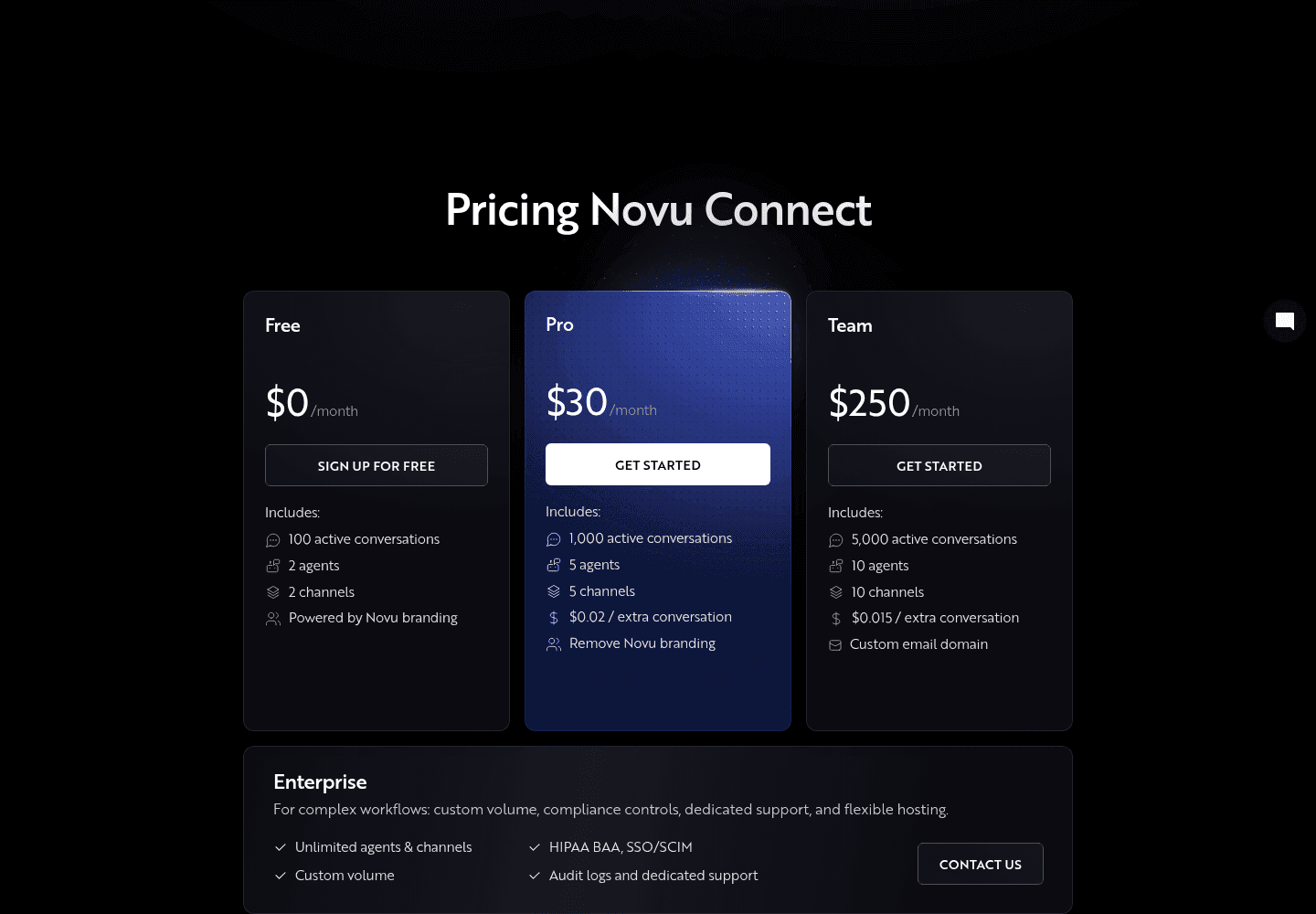
An enterprise contact-sales tier is the top plan in a pricing table that carries a Custom or Let's talk label instead of a public price, and points large or complex buyers to a human through a Contact sales button. The self-serve tiers answer the buyer who can sign up and pay today. The enterprise tier answers the buyer whose deal is too big or too specific for a fixed number, and hands that conversation to a rep.
The pattern takes a few concrete forms, and the strongest cards use more than one:
The largest deals rarely fit one self-serve number. Seat counts, security reviews, custom terms, and procurement all vary from one large buyer to the next, so a single public price would either scare that buyer off or quote them far below what the deal is worth. A Contact sales tier removes the number from the equation and replaces it with a conversation, where the vendor can scope the deal and the buyer can raise the questions a pricing card cannot answer.
The tier does a second job at the same time. Sitting at the top of the table, above the self-serve plans, it signals the product is built to scale, which reassures the buyer looking one tier down. And because the enterprise path is separate, the self-serve tiers stay clean and openly priced for the smaller buyers who want to sign up without talking to anyone.
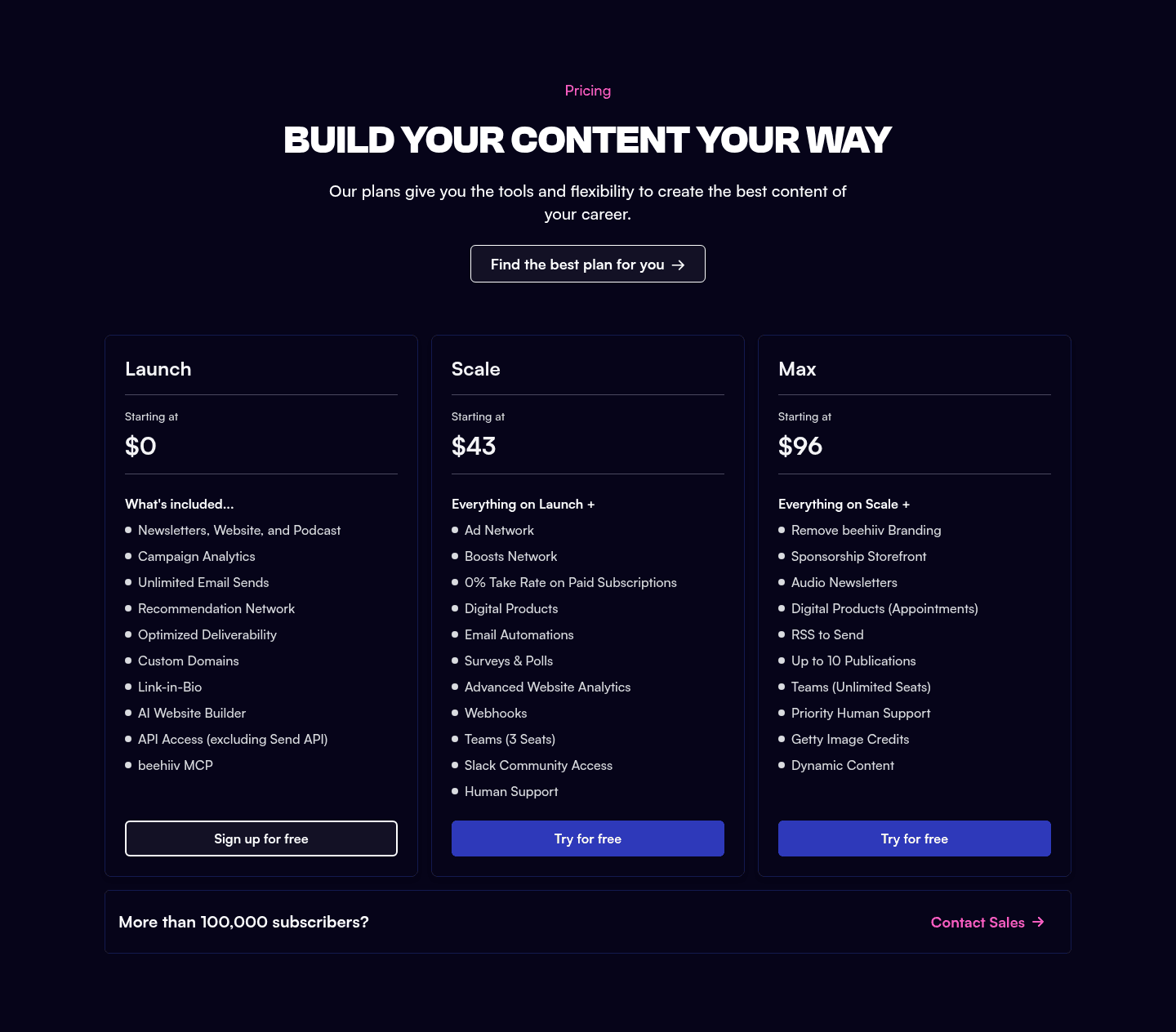
Across the scored examples below, the enterprise tier earns its place when it reads as a real plan, not a dead end. PhotoRoom pairs a Let's talk price with a Contact sales button and lines the card with logos (Wolt, Decathlon, Klarna, Amazon), so the buyer sees who else trusts the tier before they reach out, and Livestorm does the same with Equifax, Abbott, and Zapier on its Enterprise card. Bugherd and Tractian name what the tier unlocks, from SSO to a dedicated success manager, so the click has a reason behind it. HubSpot puts Talk to Sales on both its Professional and Enterprise plans, catching the high-value buyer a tier early rather than only at the very top. The CTA verb itself stays human and specific: Octolens invites a Book a call, Clay a Request a quote, Lemlist a Talk with sales, and DevStats a Talk to us, each one clearer than a generic Contact us.
The enterprise tier is one lever among several in a pricing section. It works best beside the risk reducers a pricing section uses that lower commitment for the self-serve buyer, and the per-feature breakdown that shows why the enterprise plan costs more, so every buyer, from the smallest to the largest, finds the path meant for them.
67/100 11/100
The usual failure is an enterprise tier that is only a Custom label and a bare button: nothing about what the plan adds, no logos, no reason for the buyer to start a conversation instead of leaving. The second is hiding every price behind Contact sales when the product is self-serve, which forces a small buyer who was ready to pay into a call they do not want. Unless the whole motion is sales-assisted, the way PayFit routes all of its tiers through a single Book a demo, keep the self-serve plans openly priced and reserve the Contact sales path for the tier that genuinely needs it. The third is a vague verb: a generic Contact us reads as a support link, while Book a call, Talk with sales, or Request a quote tells the buyer exactly what happens next.

Curated by
Gabriel Amzallag , Founder, Web Anatomy
5 years CRO + SEO at Qonto (2021–2025). After advising 15+ SaaS on their websites (Payfit, Pigment…), the same patterns kept breaking, so I decided to build the source of truth on what works on the web: the intelligence layer every tool, builder, and team uses to ship sites that perform.
Paste your URL. Get a scored analysis of your pricing section, including whether your enterprise tier gives large buyers a reason to reach out. Free, no signup.
The common questions about enterprise tiers and Contact sales CTAs in pricing, with answers drawn from 56 scored examples.
It is the top plan in a pricing table that carries a Custom or Let's talk label instead of a public price, and routes large or complex buyers to a human through a Contact sales button. The self-serve tiers answer the buyer who can sign up and pay today. The enterprise tier answers the buyer whose deal is too big or too specific for a fixed number, and hands that conversation to a rep.
The largest deals rarely fit one self-serve number. Seat counts, security reviews, custom terms, and procurement vary from one large buyer to the next, so a single public price would either scare that buyer off or quote them below what the deal is worth. A Contact sales path replaces the number with a conversation, where the vendor can scope the deal and the buyer can raise questions a pricing card cannot answer. Sitting at the top of the table, the tier also signals the product is built to scale.
A clear name so the buyer knows the plan is theirs, a Custom or Let's talk price where the number would go, a short line of what the tier adds, and a distinct CTA verb. The strongest cards name the difference, the way Bugherd lists SSO and a Dedicated Success Manager, and some line the card with recognizable customer logos, like PhotoRoom showing Wolt, Decathlon, Klarna, and Amazon, so the buyer sees who else trusts the tier before reaching out.
For a self-serve product, reserve the Contact sales path for the tier that genuinely needs a quote and keep the smaller plans openly priced, so a buyer who is ready to pay is never forced into a call. The exception is a fully sales-assisted motion, the way PayFit routes all of its tiers through a single Book a demo. Some products also place the sales CTA a tier early, like HubSpot putting Talk to Sales on both its Professional and Enterprise plans to catch the high-value buyer sooner.
A verb that tells the buyer exactly what happens next. Octolens invites a Book a call, Clay a Request a quote, Lemlist a Talk with sales, and DevStats a Talk to us, each clearer than a generic Contact us that reads like a support link. The button should route to a real person or a short form, not a pricing FAQ, so the intent the buyer just signaled is not lost.