Value Proposition|
A deep-dive link lets the small group of high-intent visitors explore one claim in depth, while the section stays short enough for everyone else to skim.
Key takeaways
Showing 43–63 of 92 examples

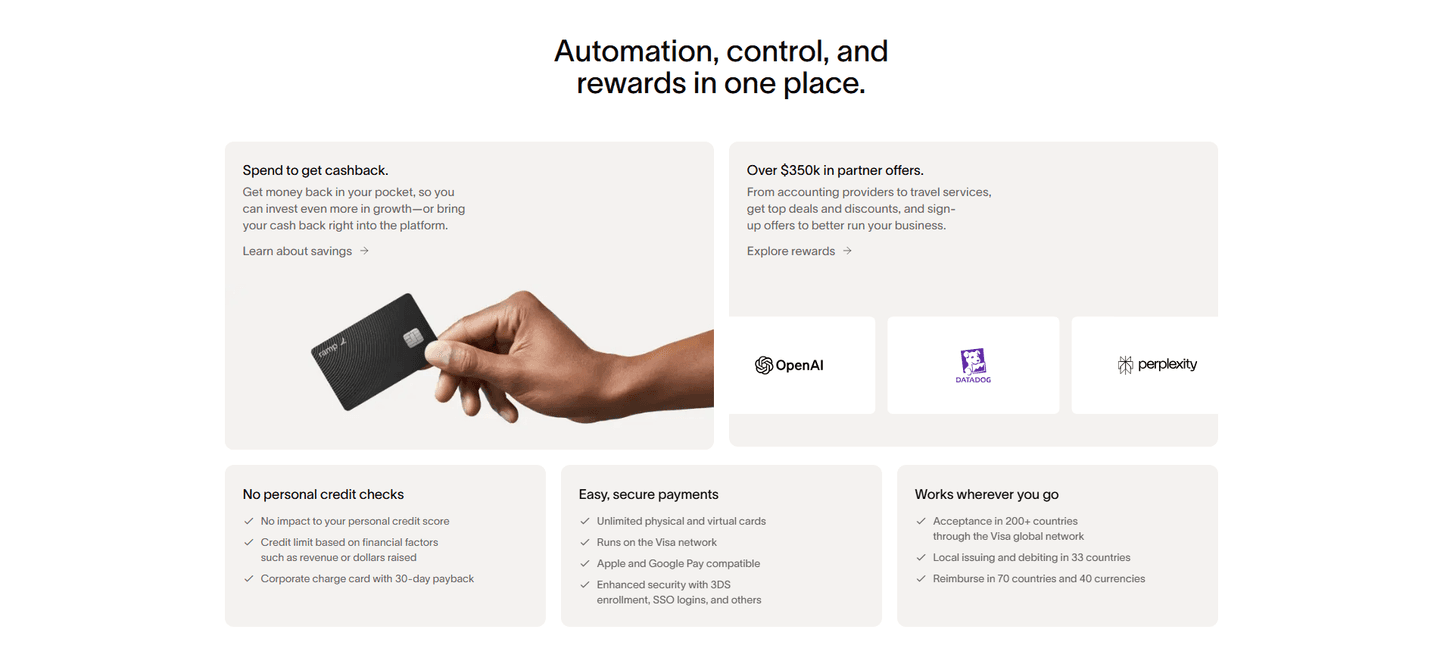
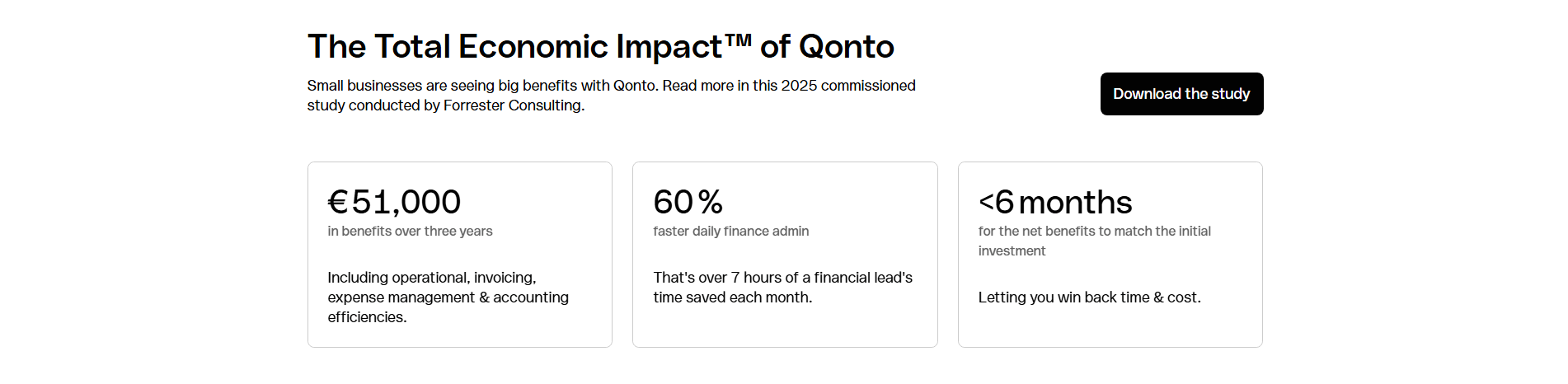
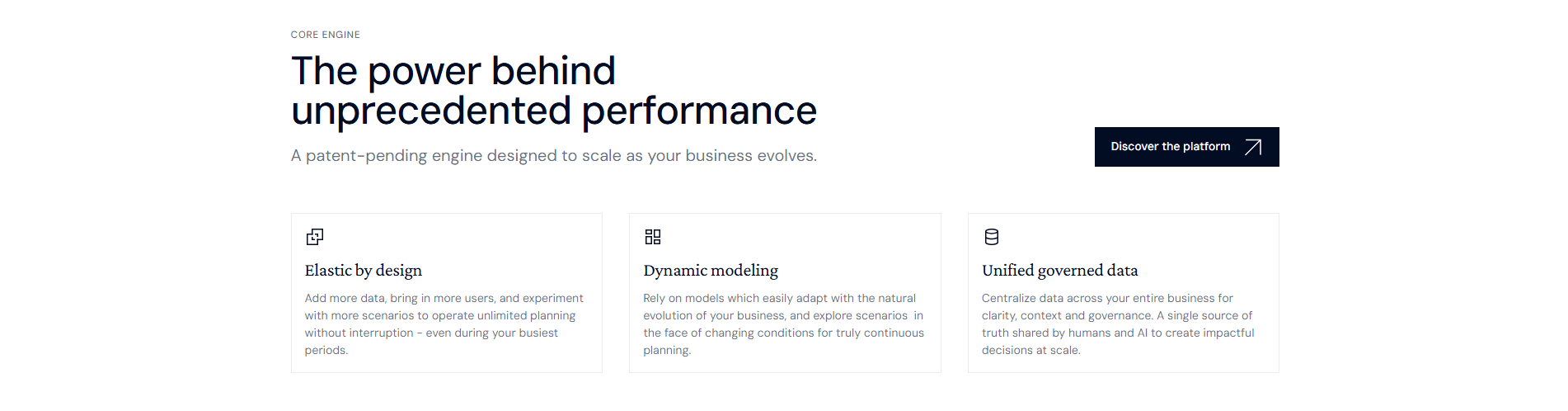
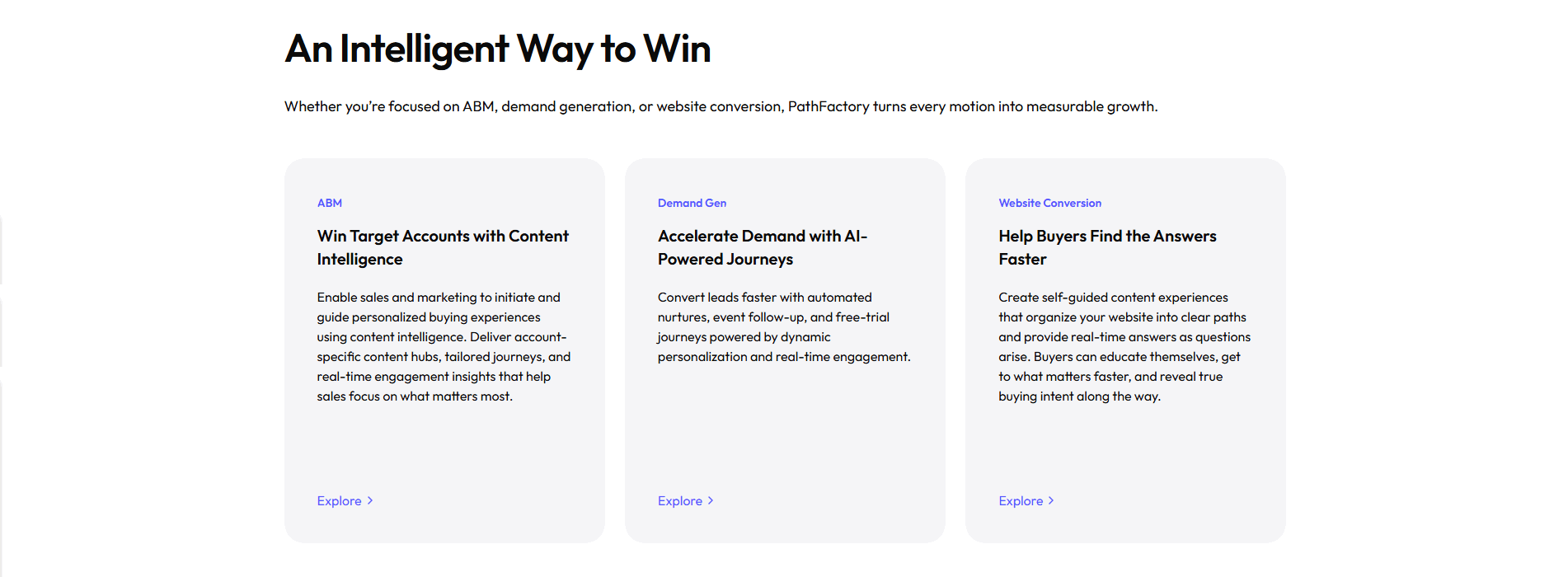
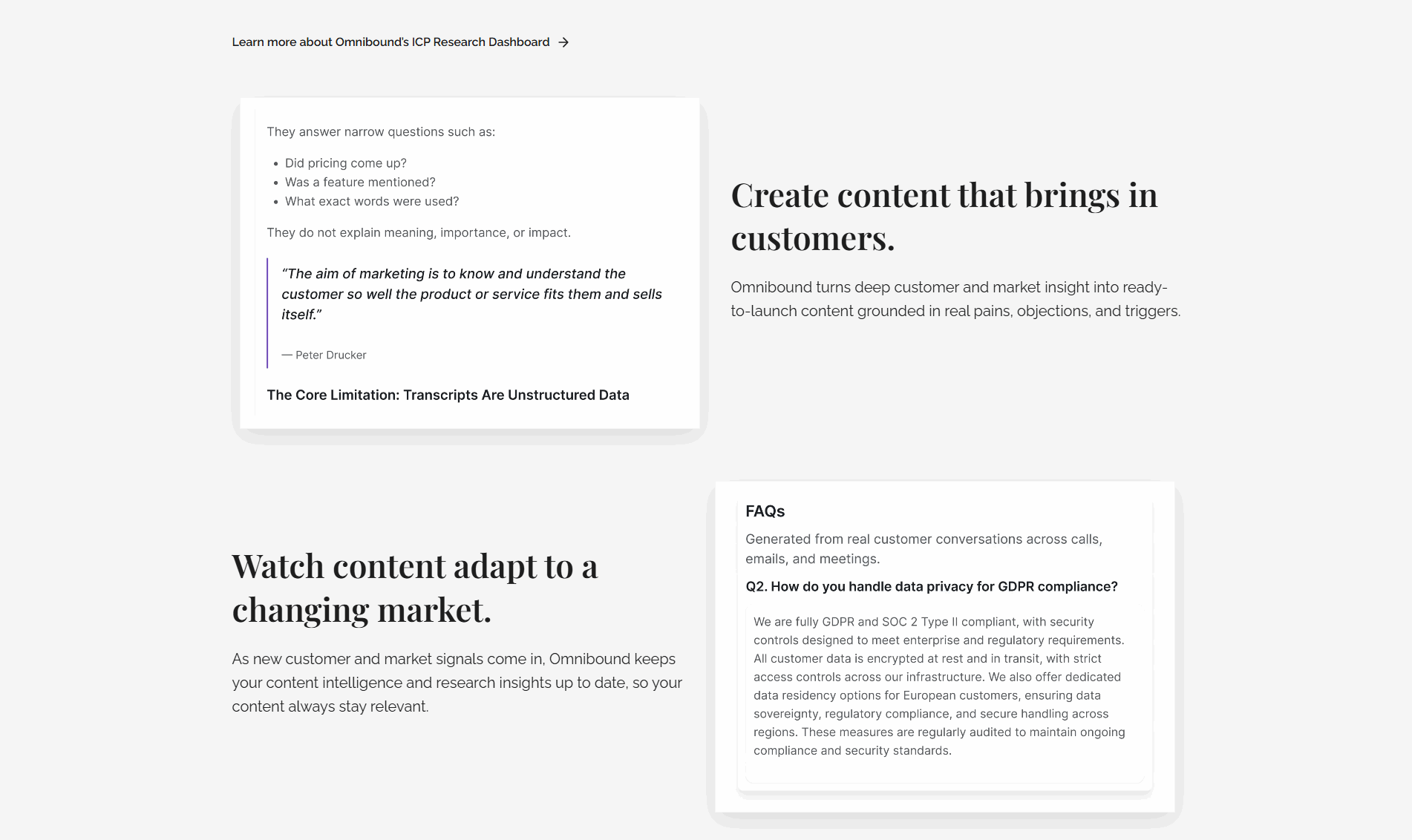
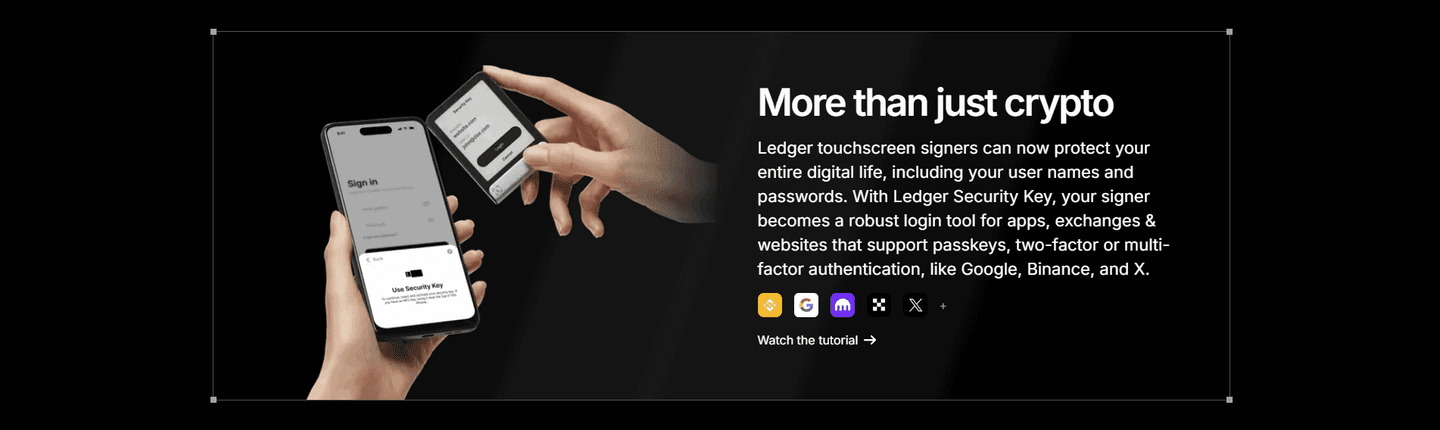
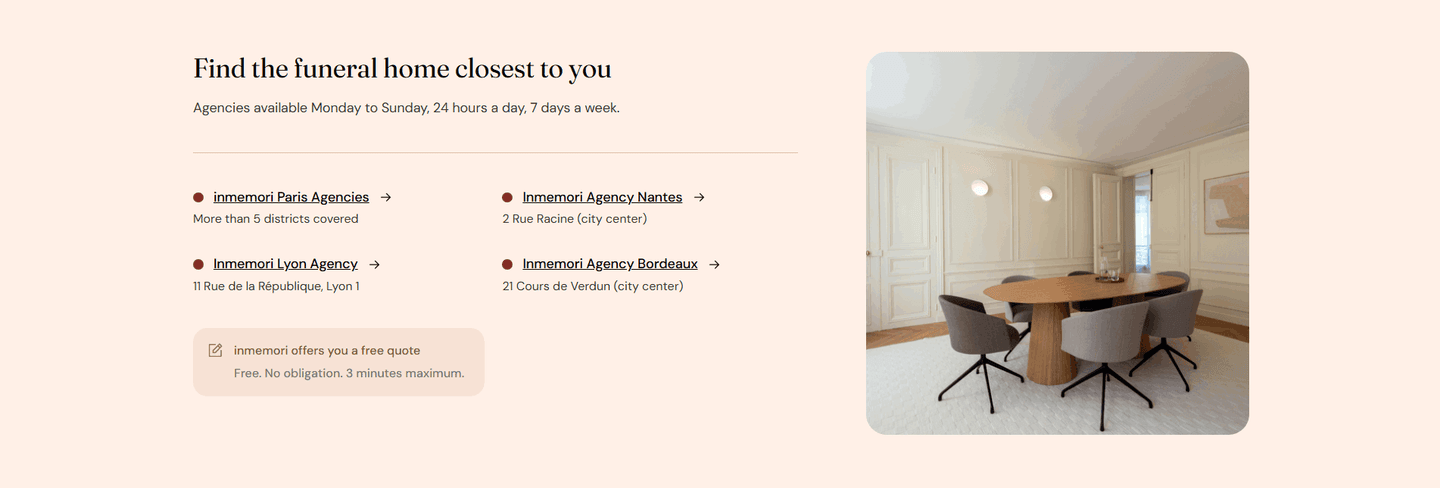
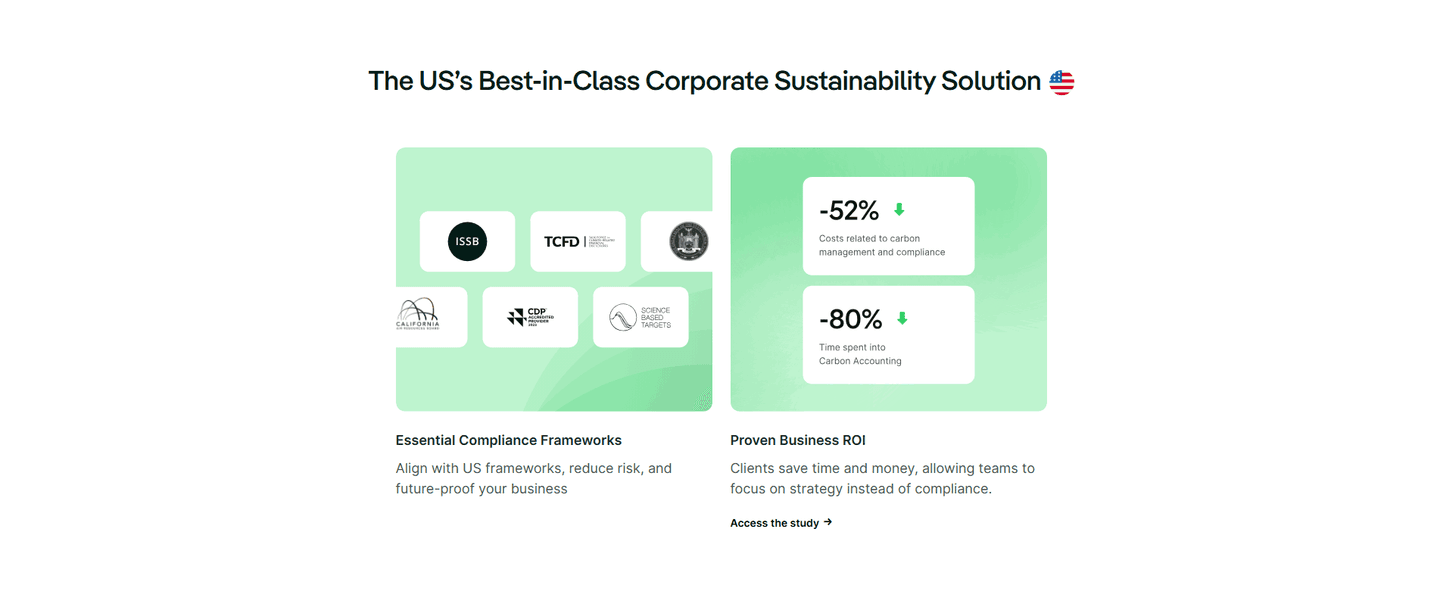
Browse every value proposition pattern by UX best practice.
Every value proposition section is scored across 6 conversion best practices. Copy the best practice stack, not the design. See what converts and why.
Hand-picked from 650+ companies and analyzed by our AI conversion agent. Not a random dump of homepages. Every entry earns its spot.
Found a value proposition you admire? Run yours through the same scoring engine. See where you stand on the same best practices, and what to fix first.
A deep-dive link is a secondary link attached to a single value prop that sends an interested visitor to a page with more on that one claim. The section keeps its short, scannable shape, and the link carries the depth for the people who ask for it. The claim stays a promise the skimmer can read in a glance; the link turns that promise into something an evaluator can verify.
The best value proposition sections use one of a few forms, one link per claim:
A value proposition section has to serve two visitors on the same screen. The skimmer wants the gist in a few seconds and abandons a block that reads as a wall of text. The evaluator wants proof and abandons a claim that stays thin. Expand the section for the evaluator and the skimmer leaves; trim it for the skimmer and the evaluator leaves.
A deep-dive link settles the conflict. The block stays short enough to skim, and the smaller, higher-intent group gets a clear path to the detail they came for. The link does a second job too: a claim that offers to show its work reads as more confident than one that just asserts and moves on.
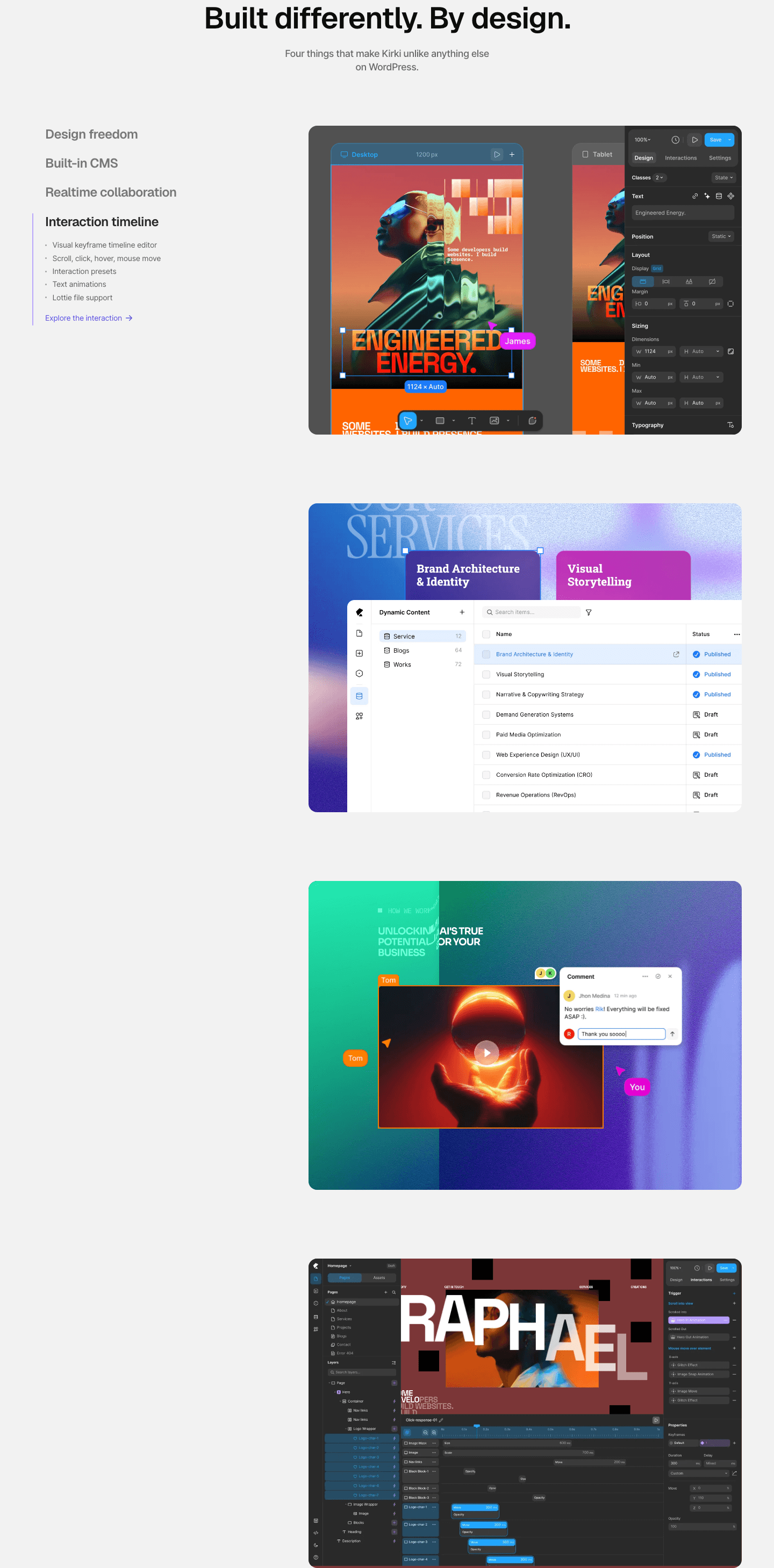
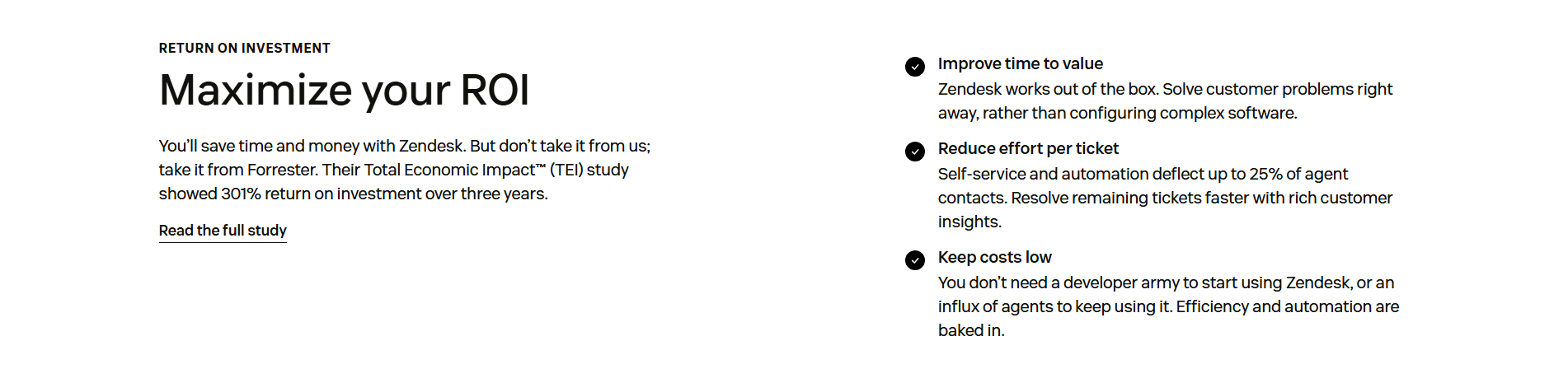
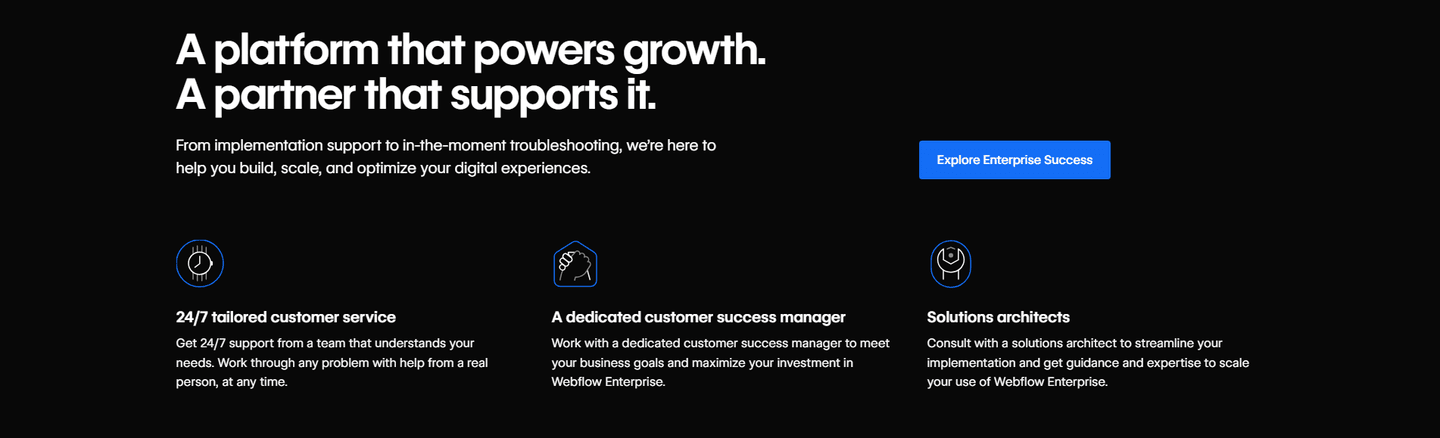
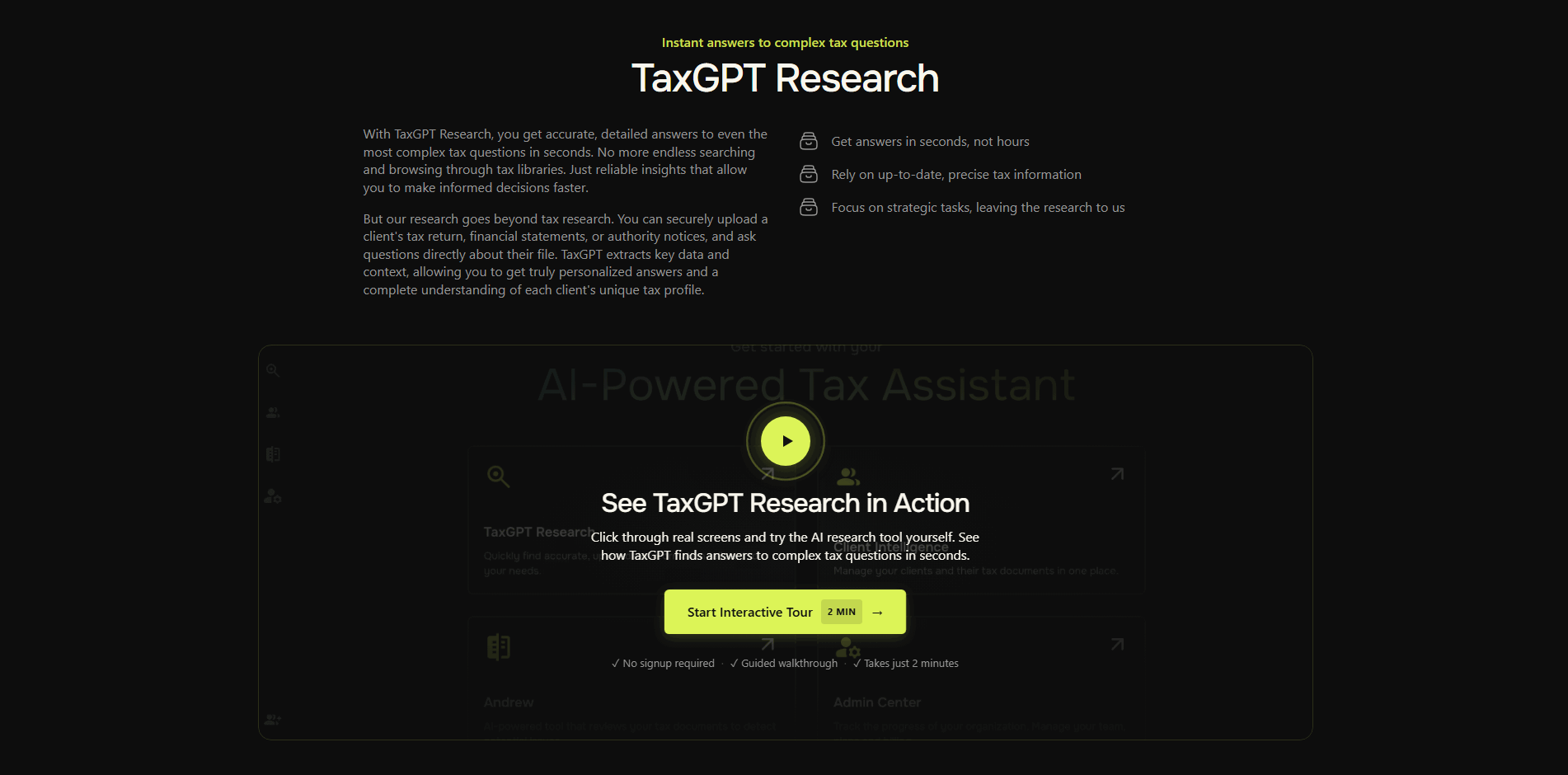
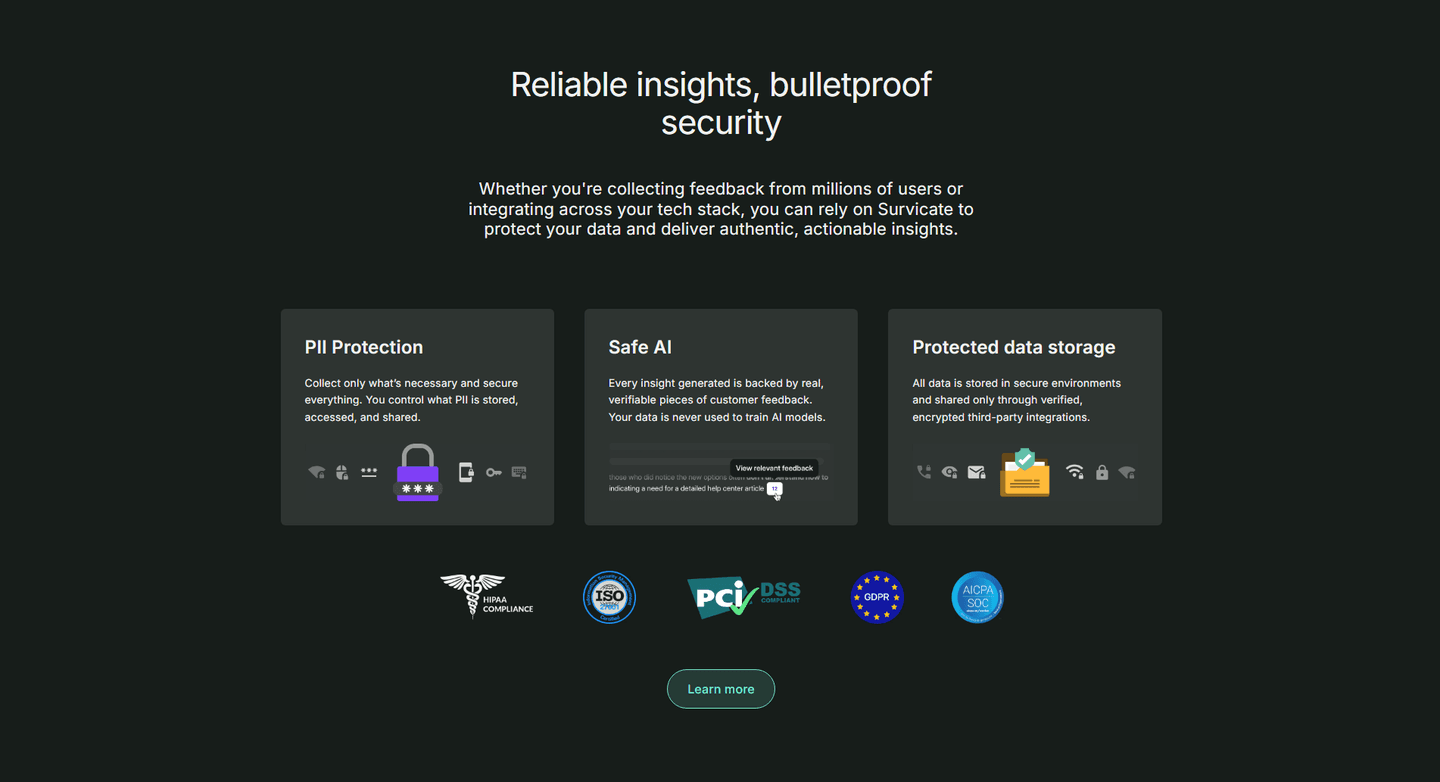
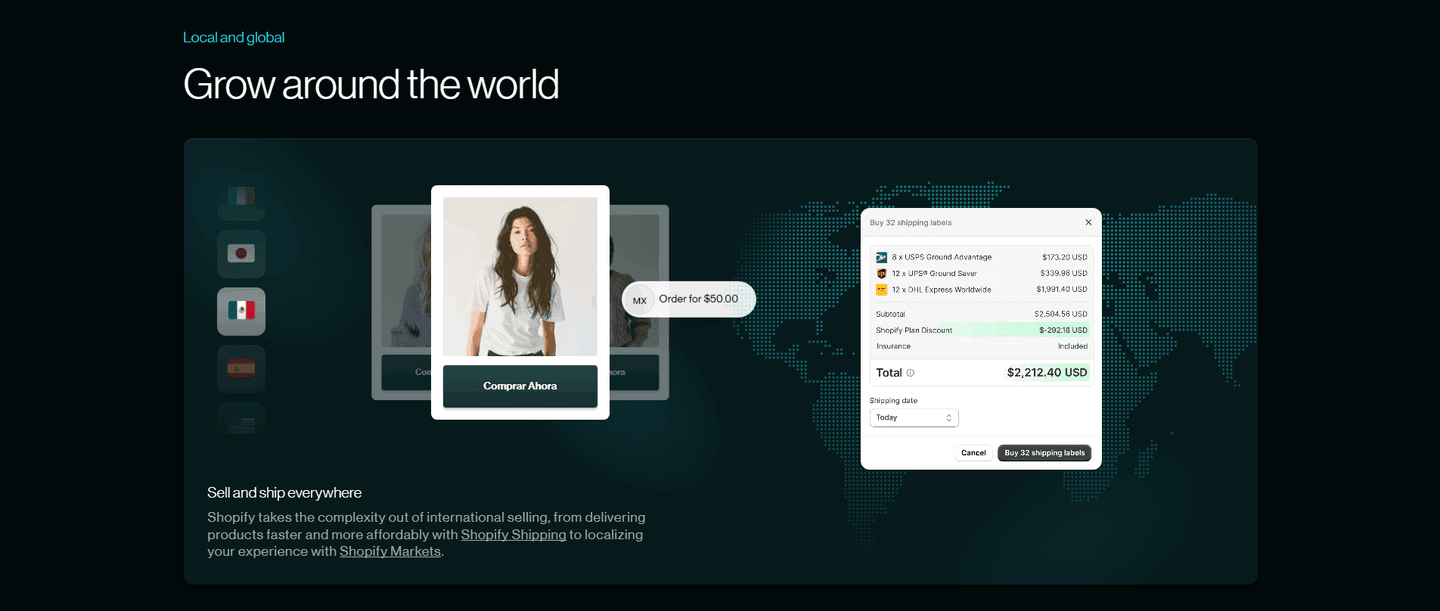
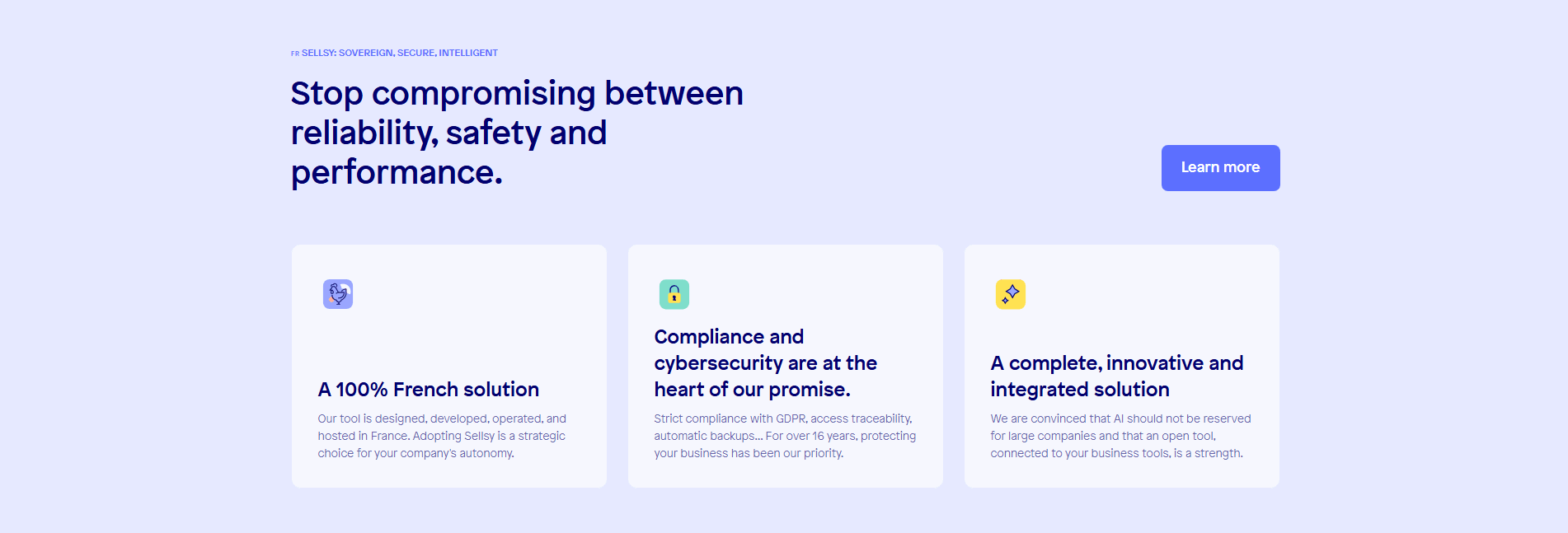
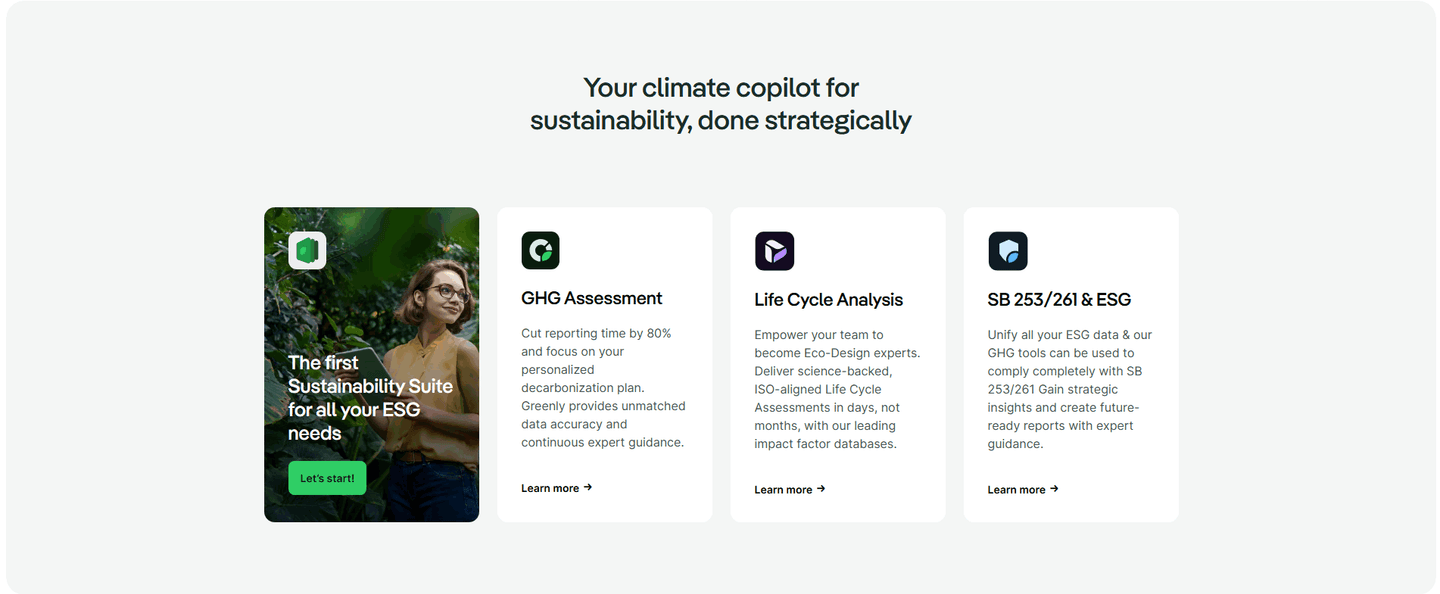
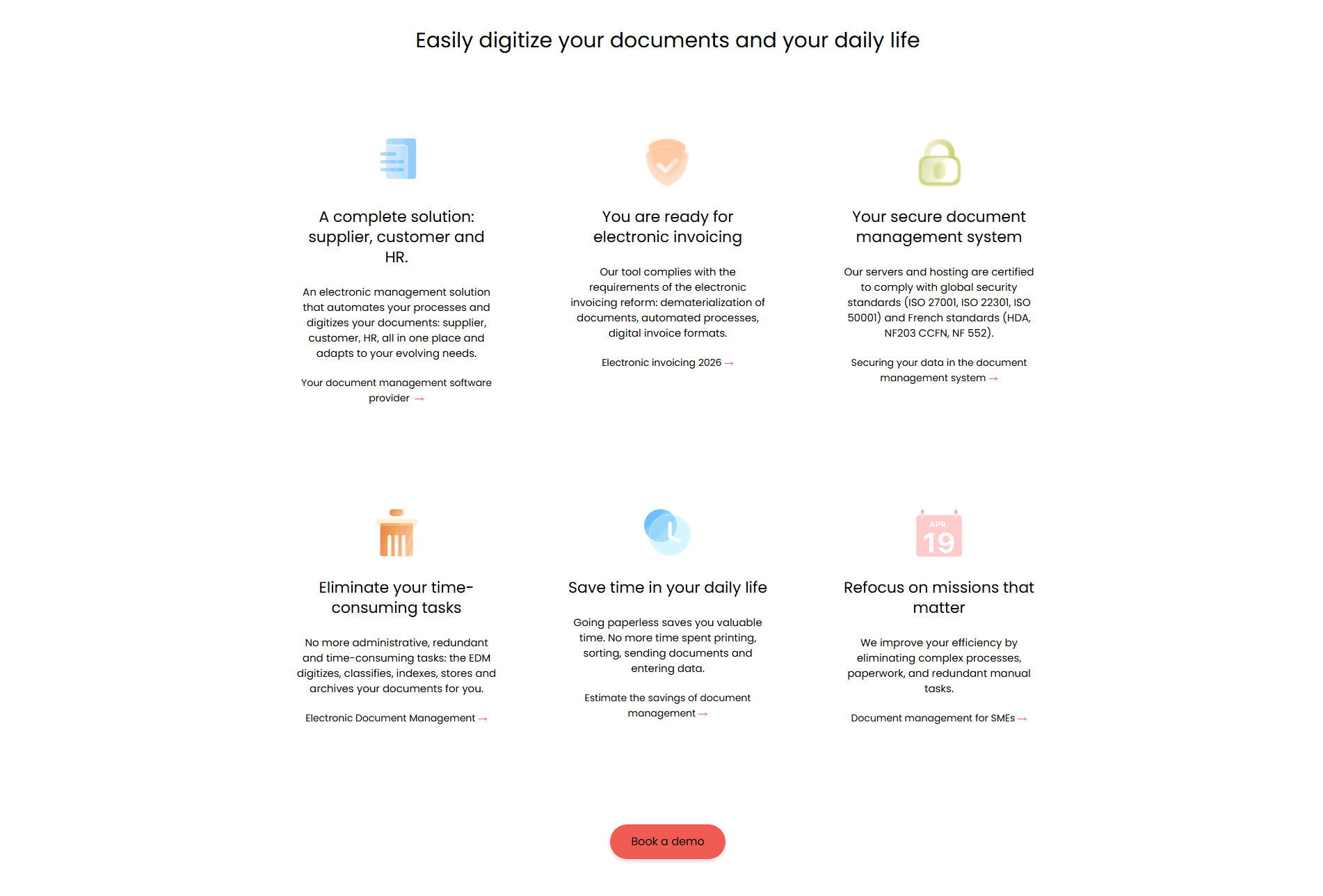
Under a third of the value proposition sections in our library attach a deep-dive link to each claim, so the pattern is still a differentiator rather than table stakes. The version that works is disciplined. The strongest sections map one link to one claim, so a three-pillar block carries three links and each points at the page that backs its own pillar. Dixa pairs every pillar with a Read case study link, Cledara closes each card with a matching path like Manage payments or Automate day-to-day, and Ahrefs, Samsara, and Synthesia each give their propositions their own Learn more into the exact feature, security, or pricing detail behind them. Qonto even splits the link by intent, sending one prop to Read our reviews and another to Learn about account safety.
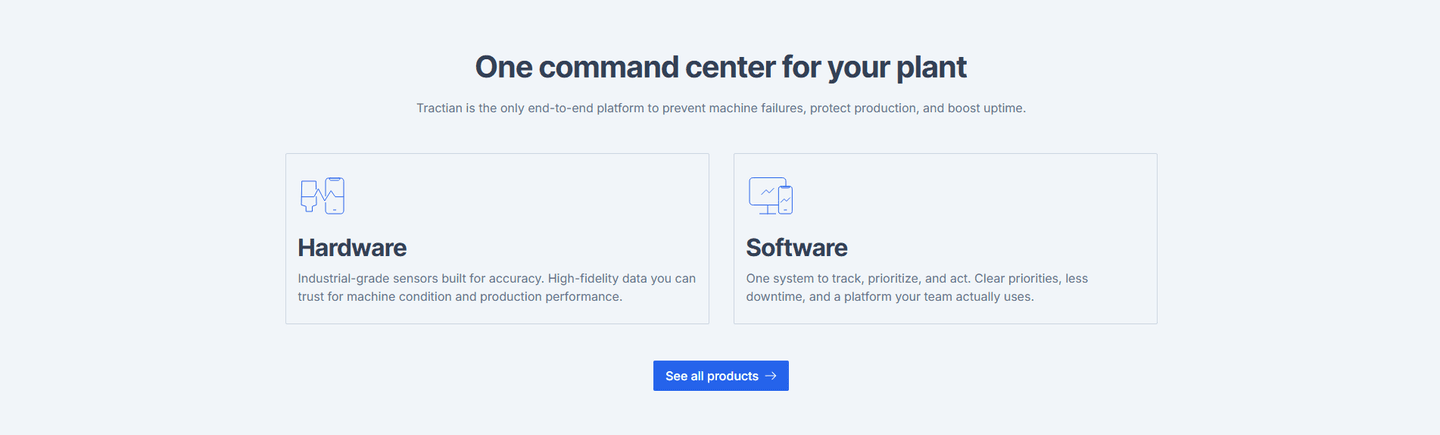
A deep-dive link earns more when the claim above it is already sharp, so it pairs naturally with a single feature given its own spotlight and with a hero that leads on a clear outcome promise the section then backs up.
67/100 0/100
0/100The usual failure is one generic Learn more for the whole section, which forces the visitor to guess which claim it explains and where it leads. The second is a link that dead-ends on a broad overview page instead of the specific detail it promised, wasting the intent it just earned. The third is volume: a value prop that stacks so many secondary links that they compete with the primary call to action and pull the main click apart. Map one link to one claim, point it at the exact page that proves it, and keep it styled as a secondary path so it invites depth without stealing the click.

Curated by
Gabriel Amzallag , Founder, Web Anatomy
5 years CRO + SEO at Qonto (2021–2025). After advising 15+ SaaS on their websites (Payfit, Pigment…), the same patterns kept breaking, so I decided to build the source of truth on what works on the web: the intelligence layer every tool, builder, and team uses to ship sites that perform.
Paste your URL. Get a scored analysis of your value proposition, including whether each claim offers a path to the detail. Free, no signup.
The common questions about attaching Learn more and case-study links to each claim, with answers drawn from 92 scored examples.
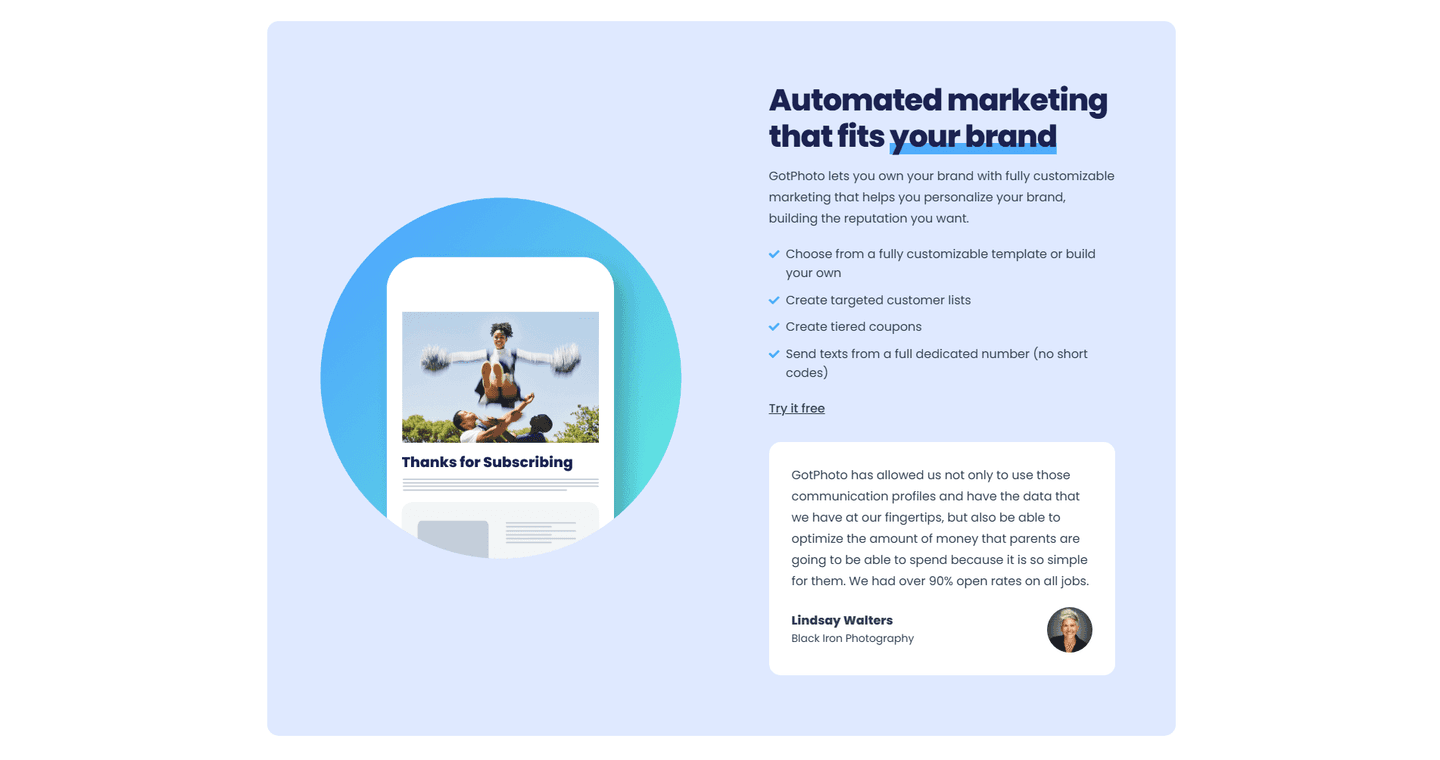
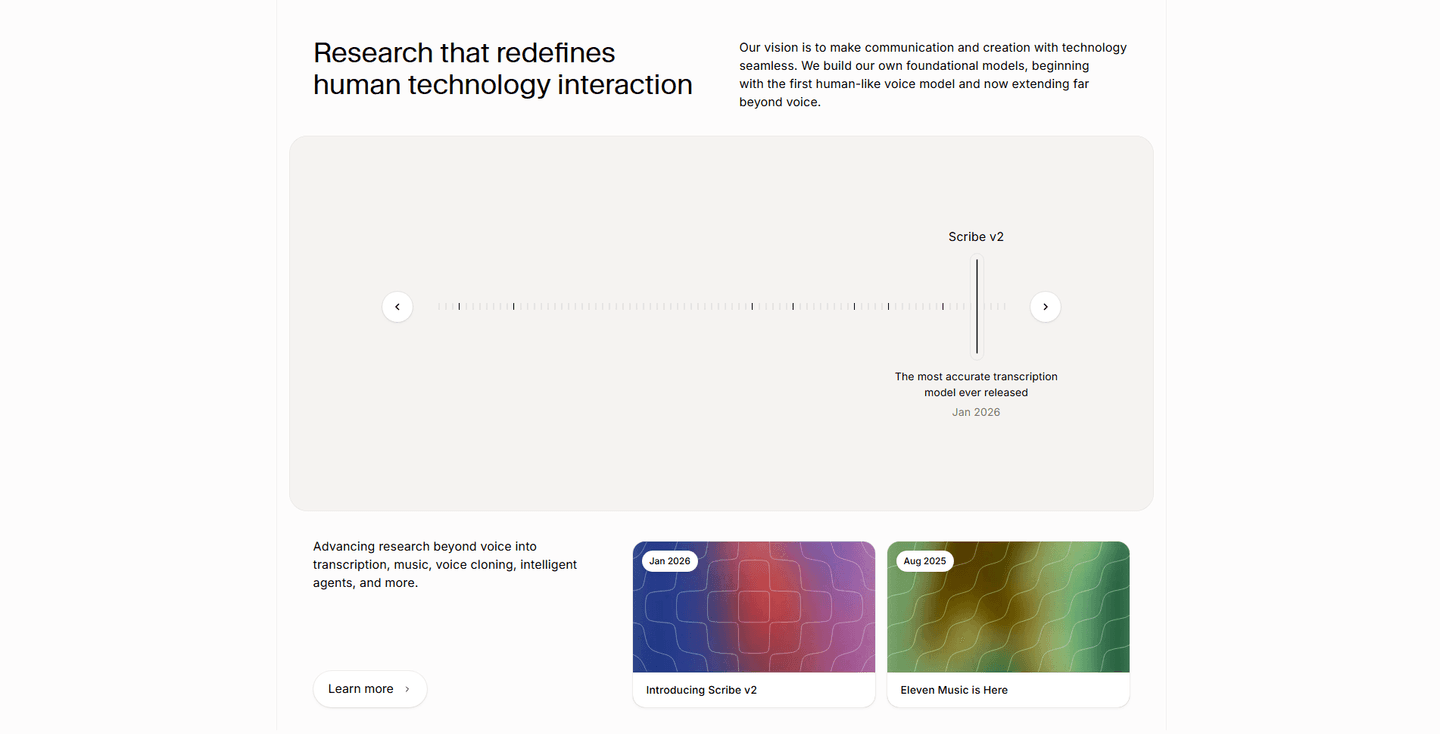
It is a secondary link attached to a single value prop that routes an interested visitor to a page with more detail on that one claim. The common forms are a Learn more or Explore link under a benefit card, a Read case study link that opens customer proof, a See how it works link into a product tour, or an inline link on a named feature. The section stays short, and the link carries the depth for the people who want it.
A value proposition section serves two audiences at once. Skimmers want the gist in a few seconds and leave if the block is a wall of text. Evaluators want proof and leave if the claim is thin. Padding the section for the evaluator loses the skimmer, and trimming it for the skimmer loses the evaluator. A deep-dive link resolves the tension: the block stays scannable, and the smaller high-intent group gets a path to the detail. The link itself also signals confidence, that there is real substance behind the claim.
The most specific page that backs the claim it sits under. A capability claim links to that feature page, a results claim links to a named case study, a security claim links to the trust or compliance page, an integrations claim links to the connector list. Attribuly puts a Learn More under each growth lever, and Cledara ends each card with a matching link like Manage payments or Automate day-to-day. The link that dead-ends on a generic overview page wastes the intent it just earned.
One per claim is the pattern that works, so a three-pillar section has three links, each mapped to its own pillar. What breaks is a single generic Learn more for the whole block, which forces the visitor to guess where it leads, or a stack of links that competes with the primary call to action. Keep them styled as secondary paths so they invite exploration without pulling the main click.
At the end of the claim it belongs to, usually as the last line of the card or pillar, after the benefit copy and any proof number. Placed there it reads as the natural next step for someone who just finished the claim and wants more. Samsara puts a Learn more button under every pillar card, and Synthesia gives each proposition its own Learn more into features, security, or pricing, so the path always matches the point it follows.
