Trust|
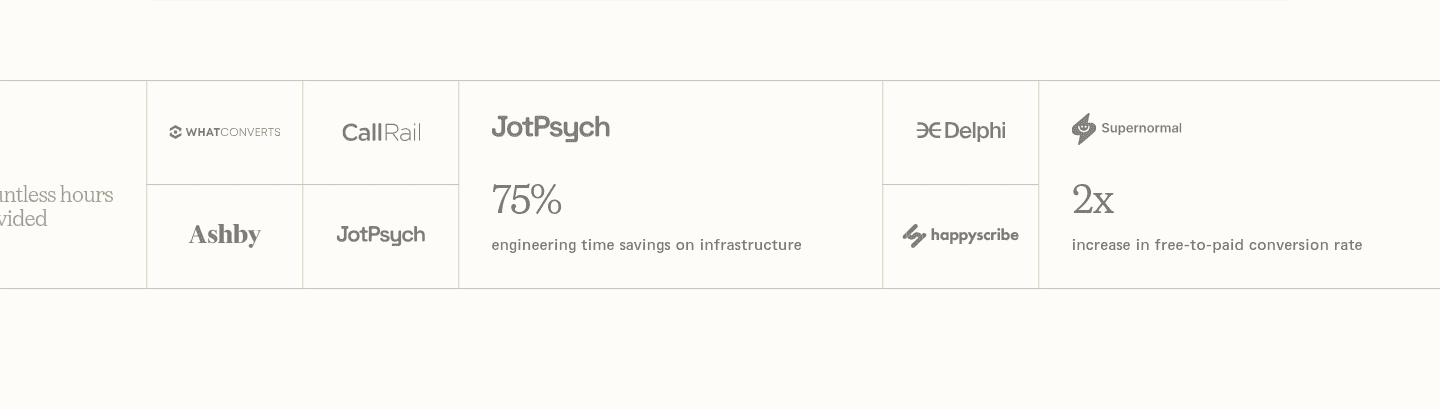
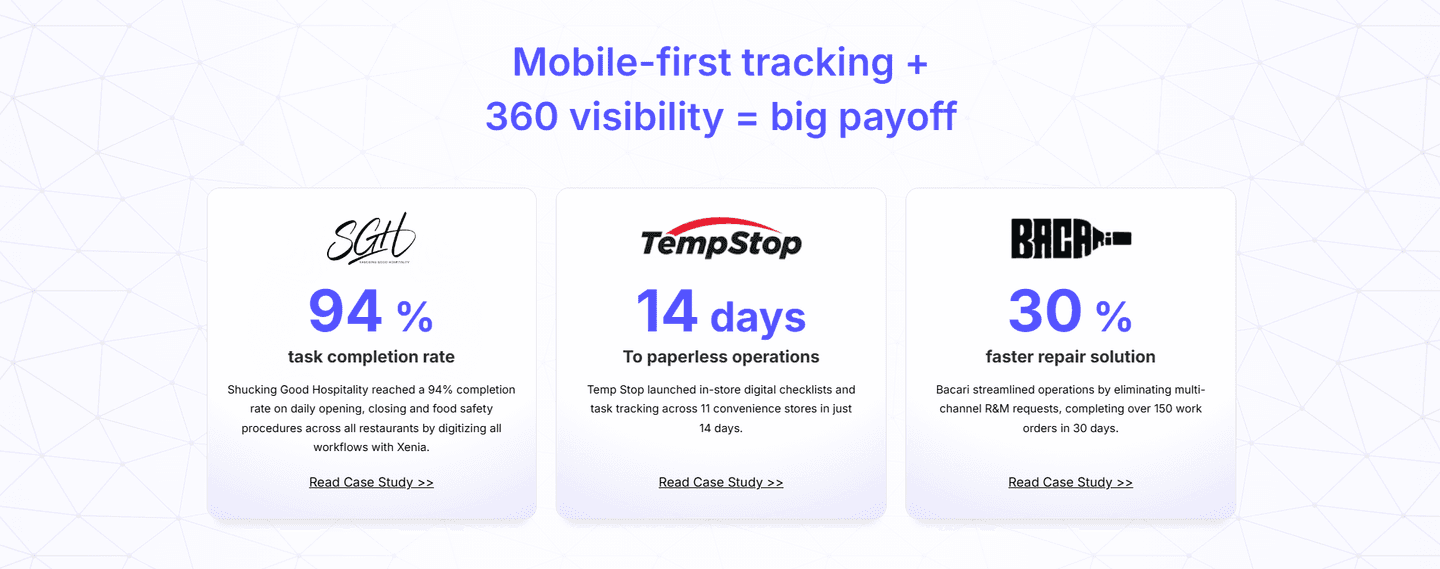
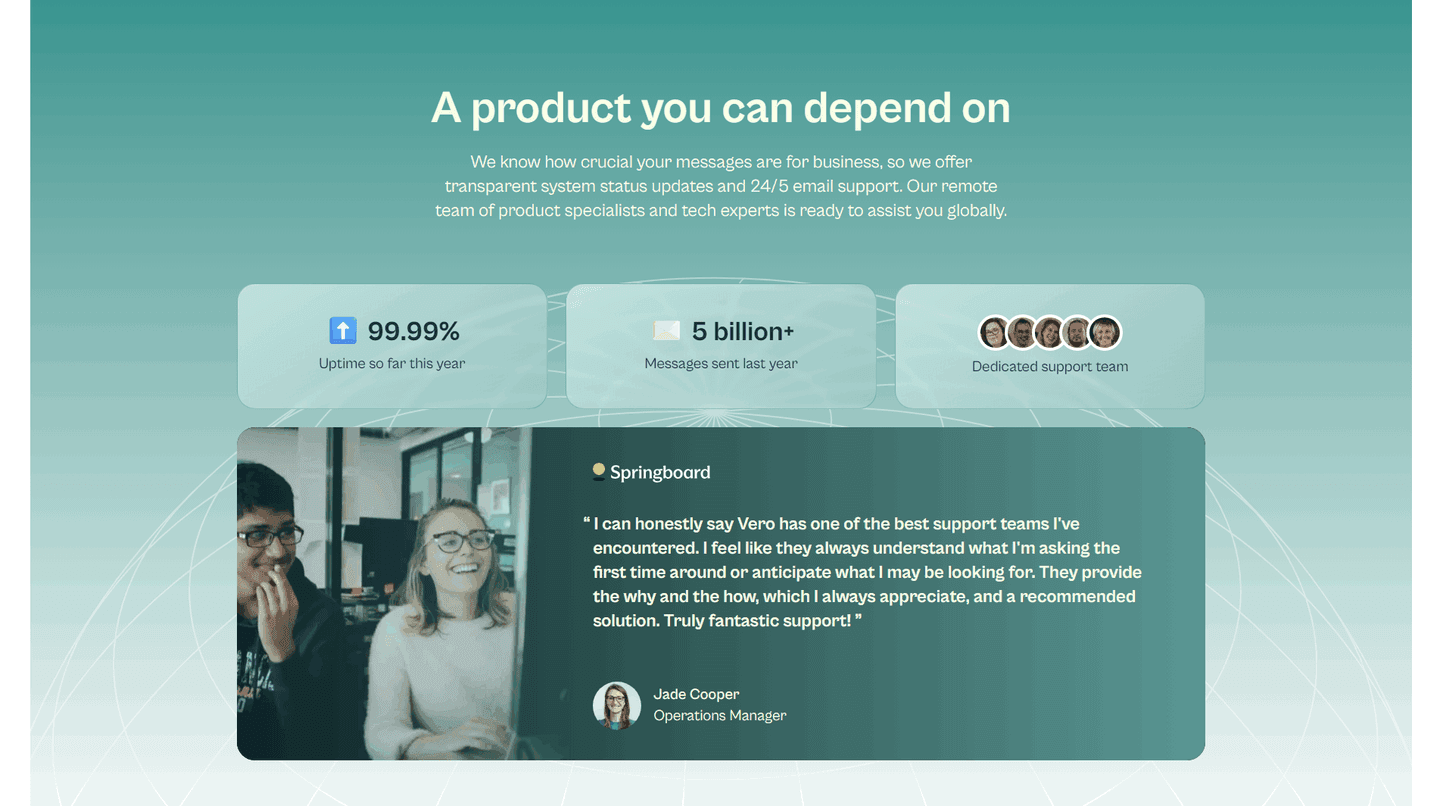
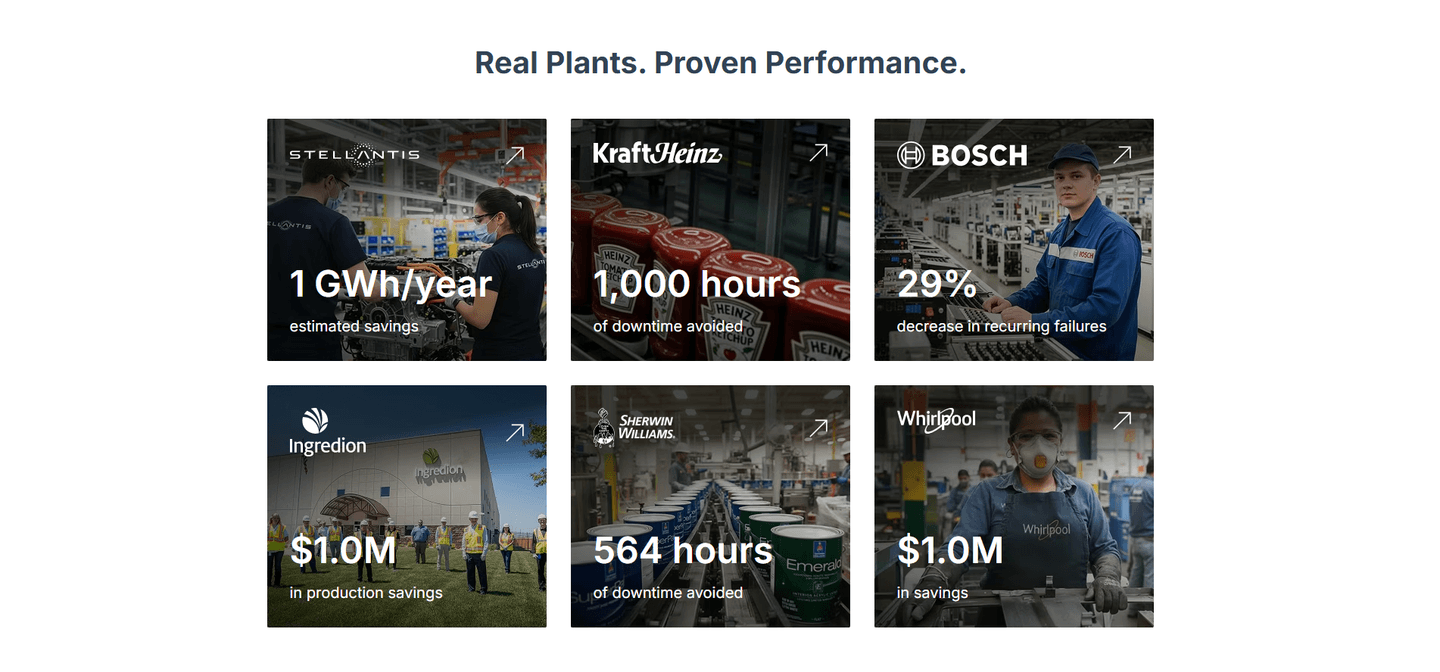
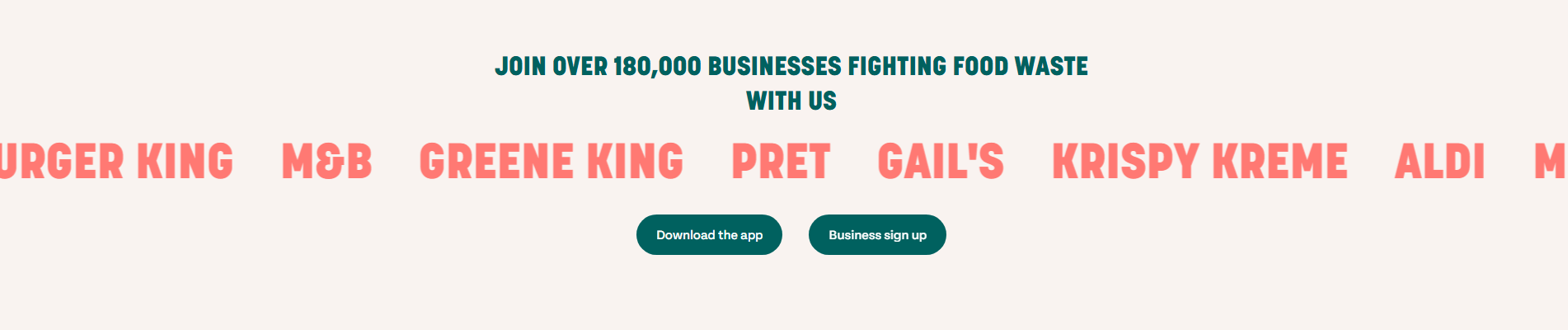
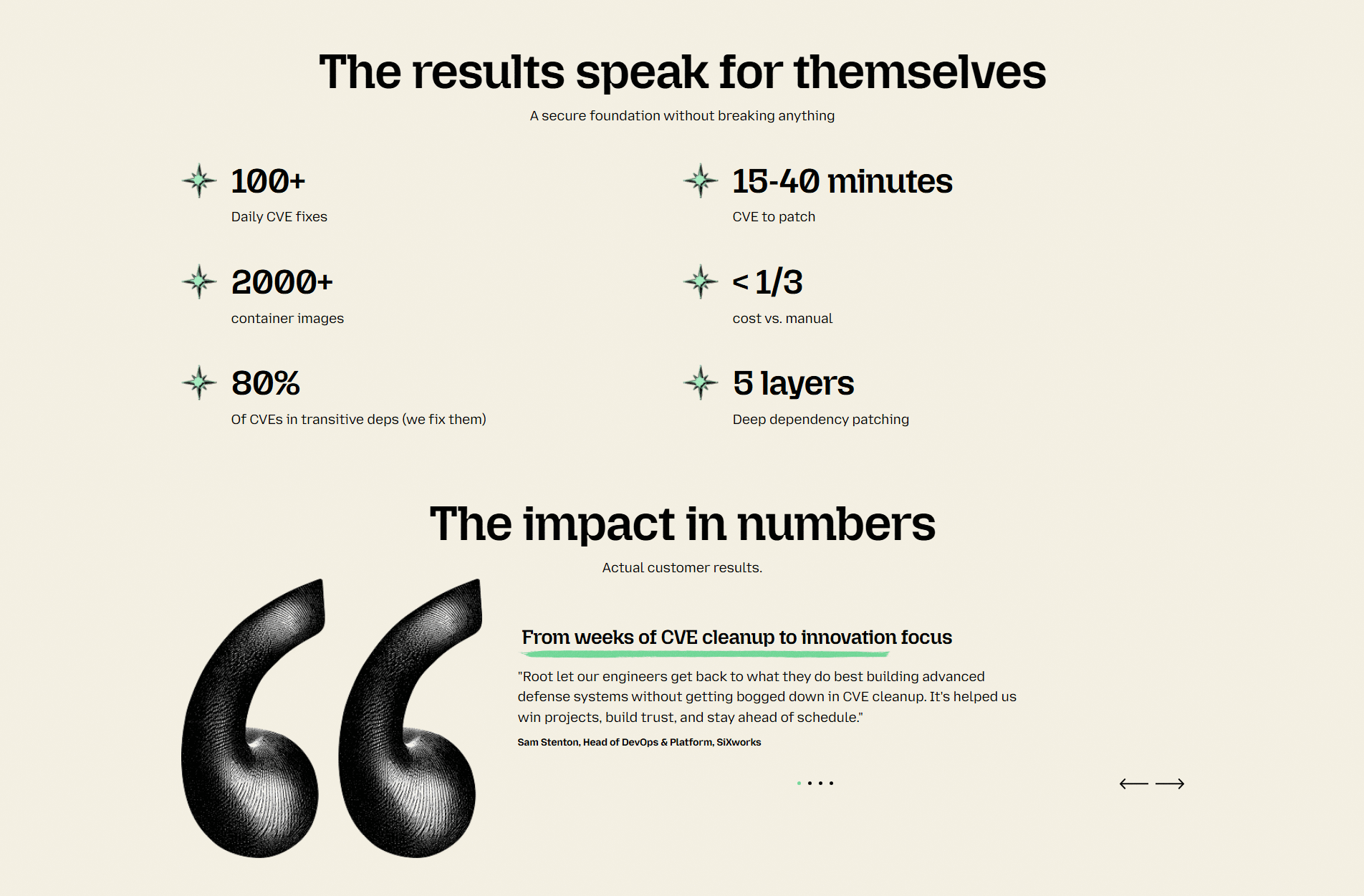
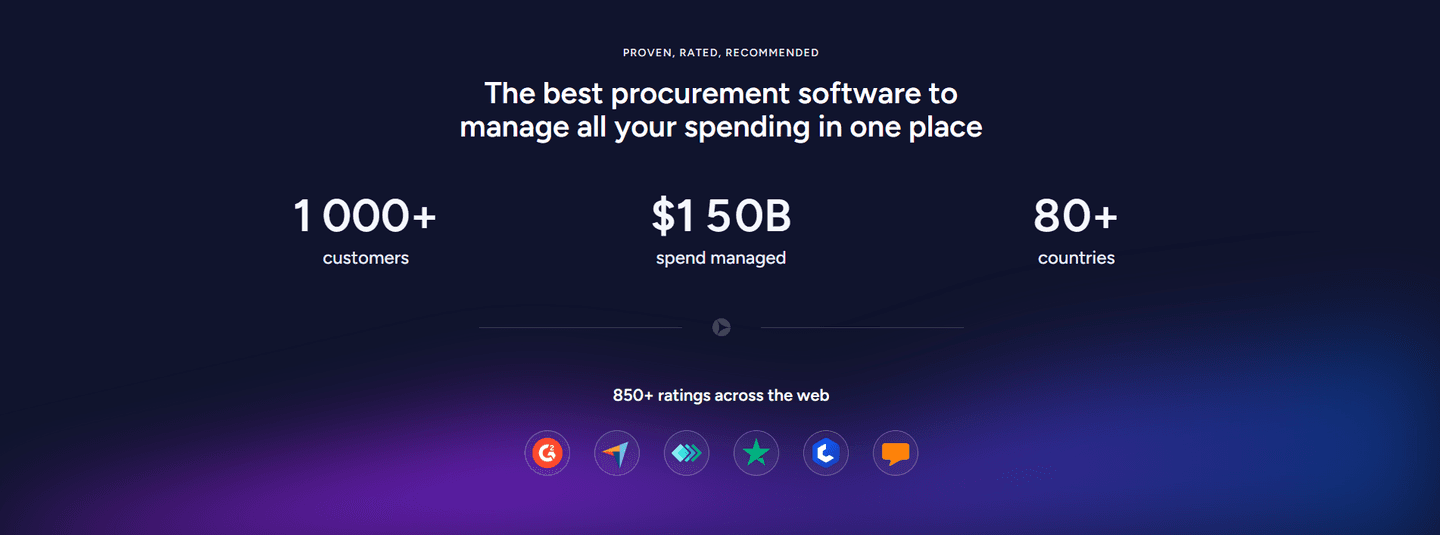
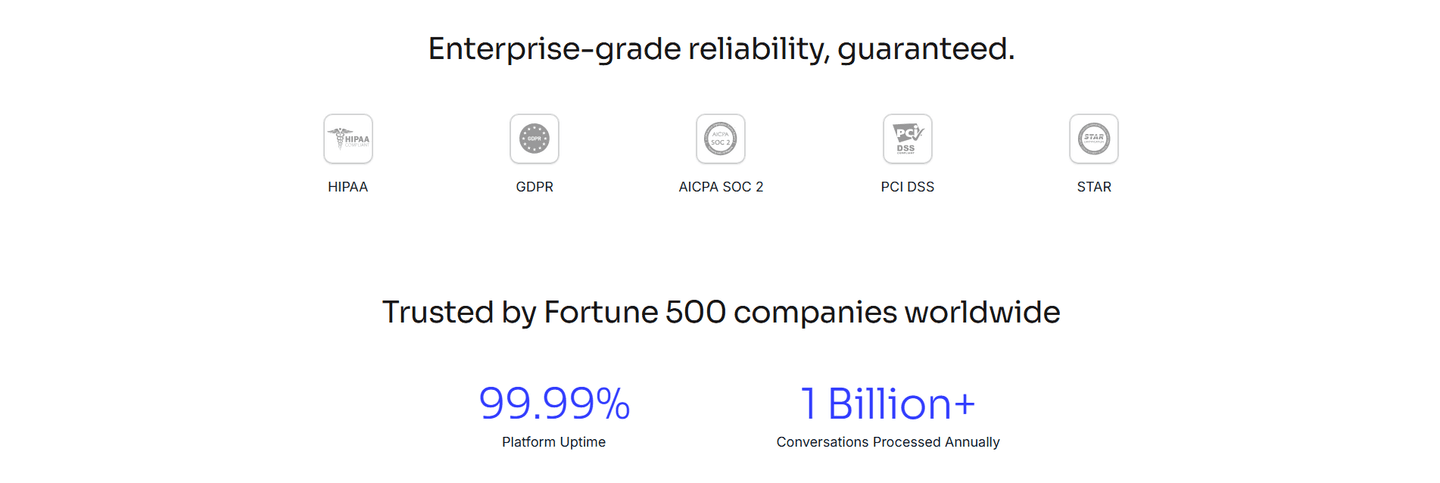
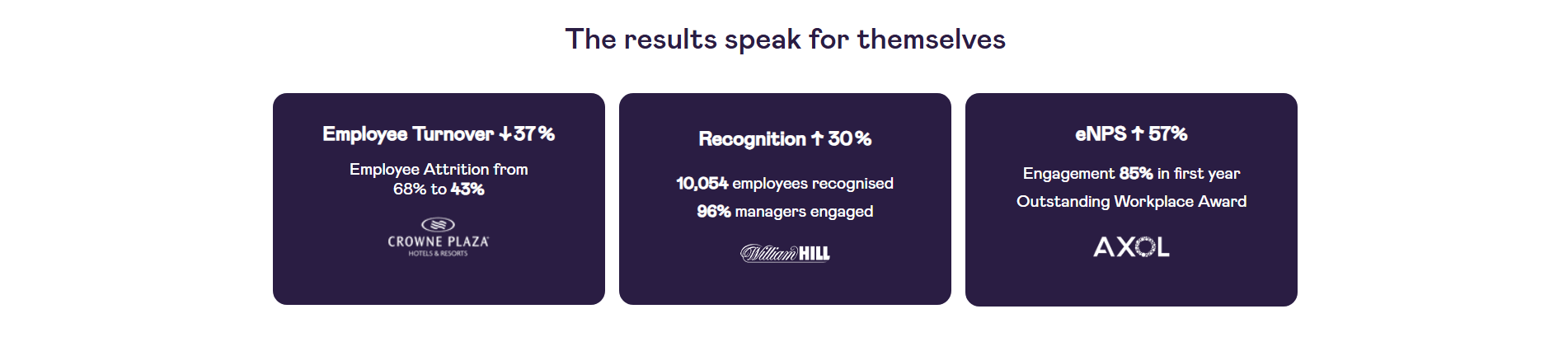
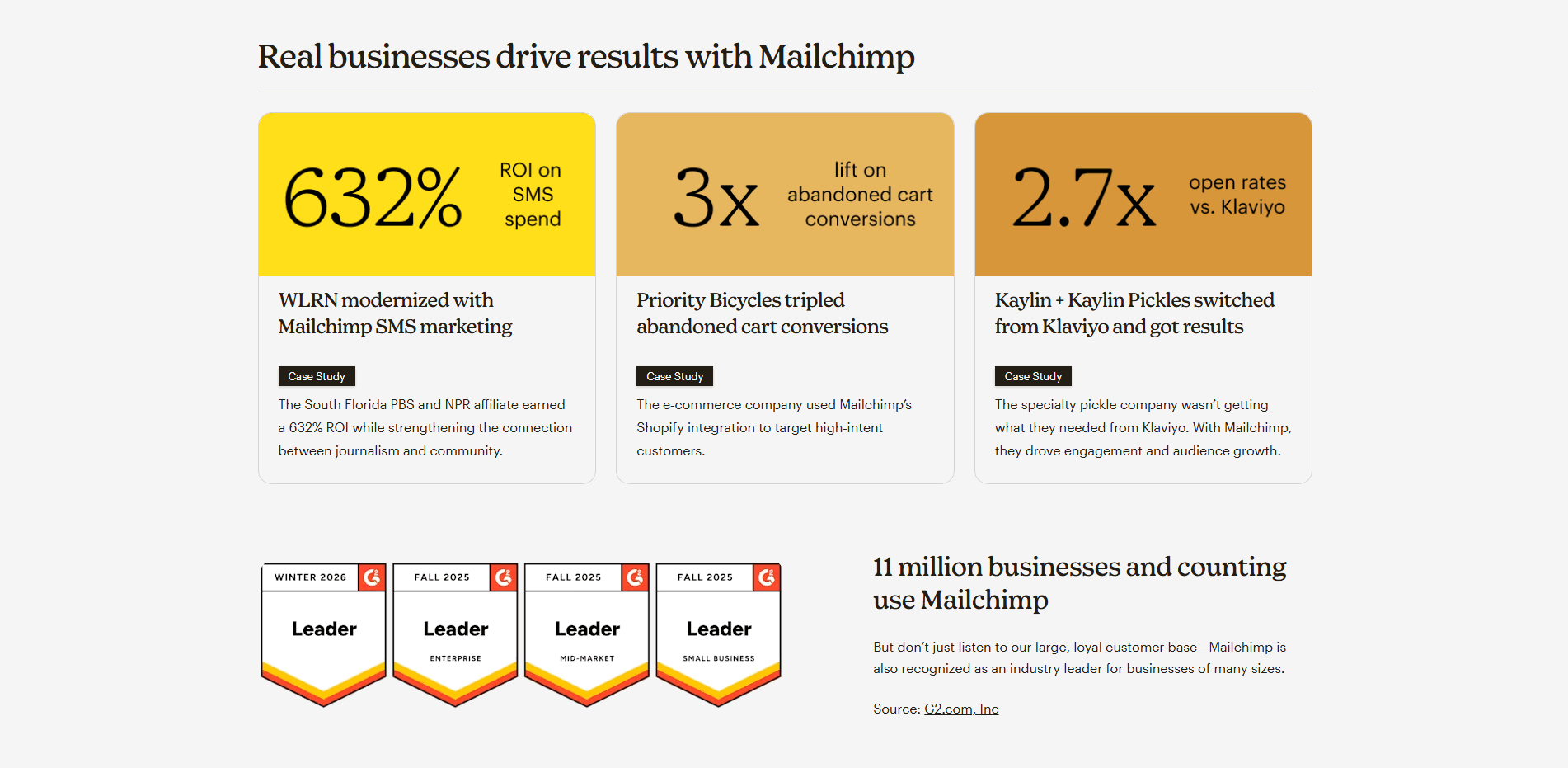
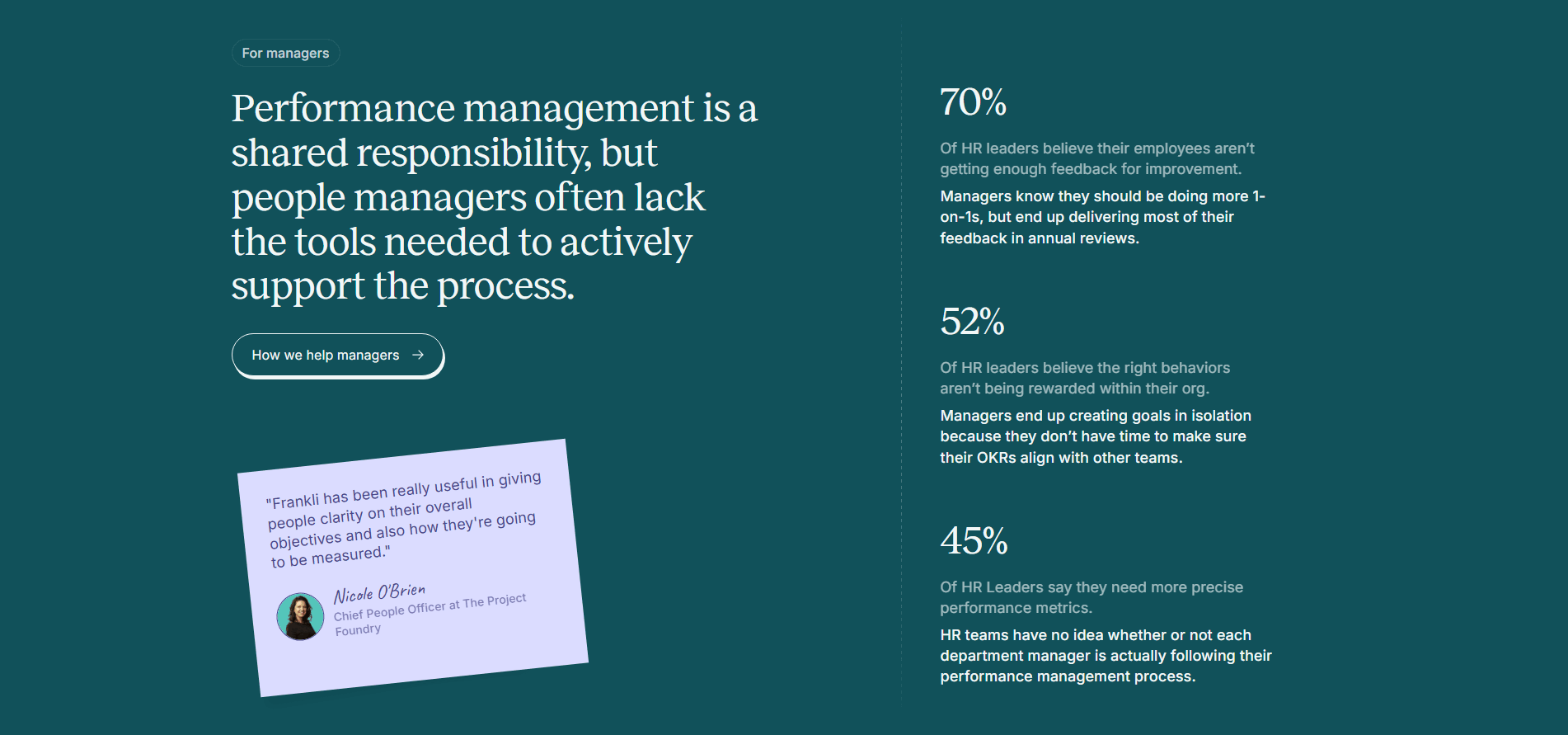
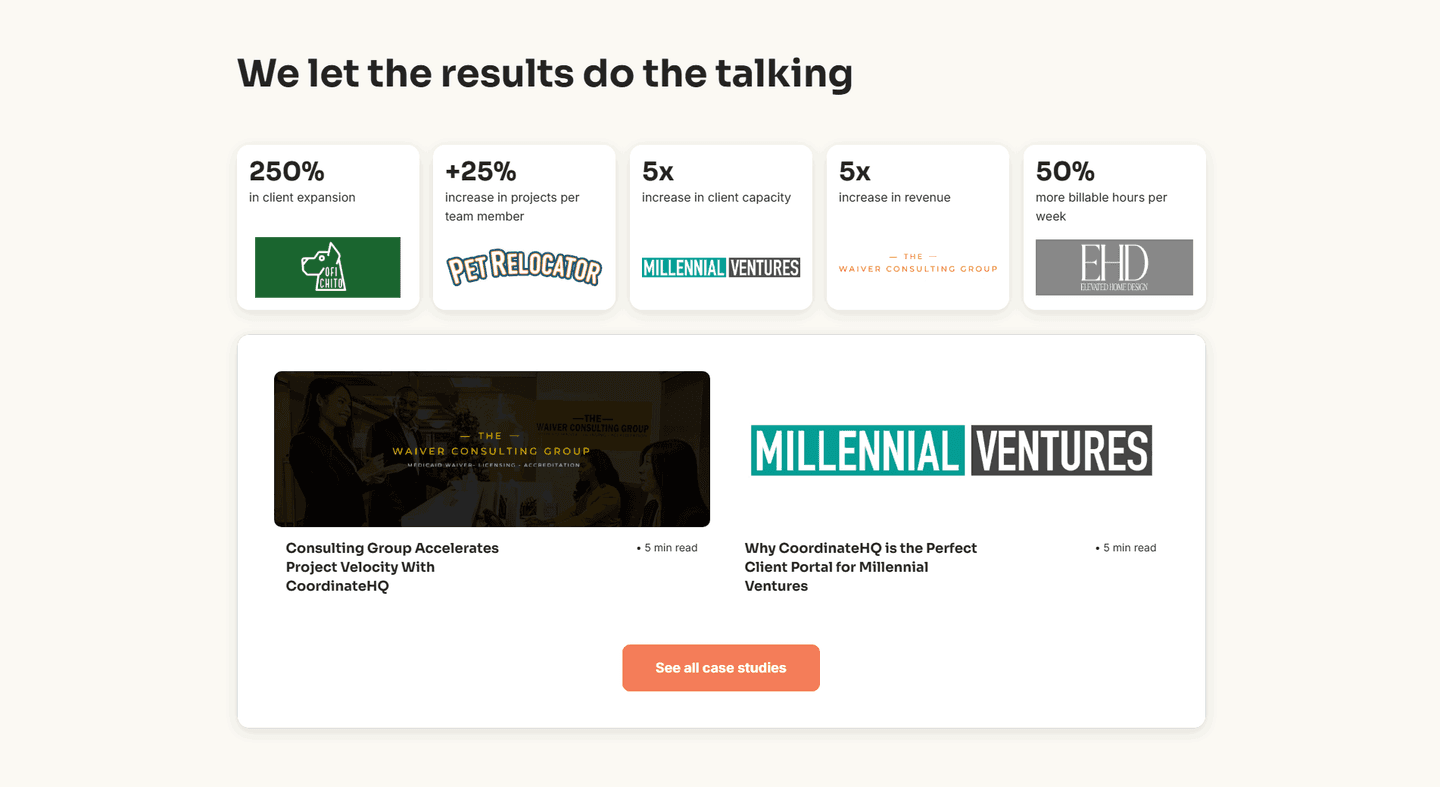
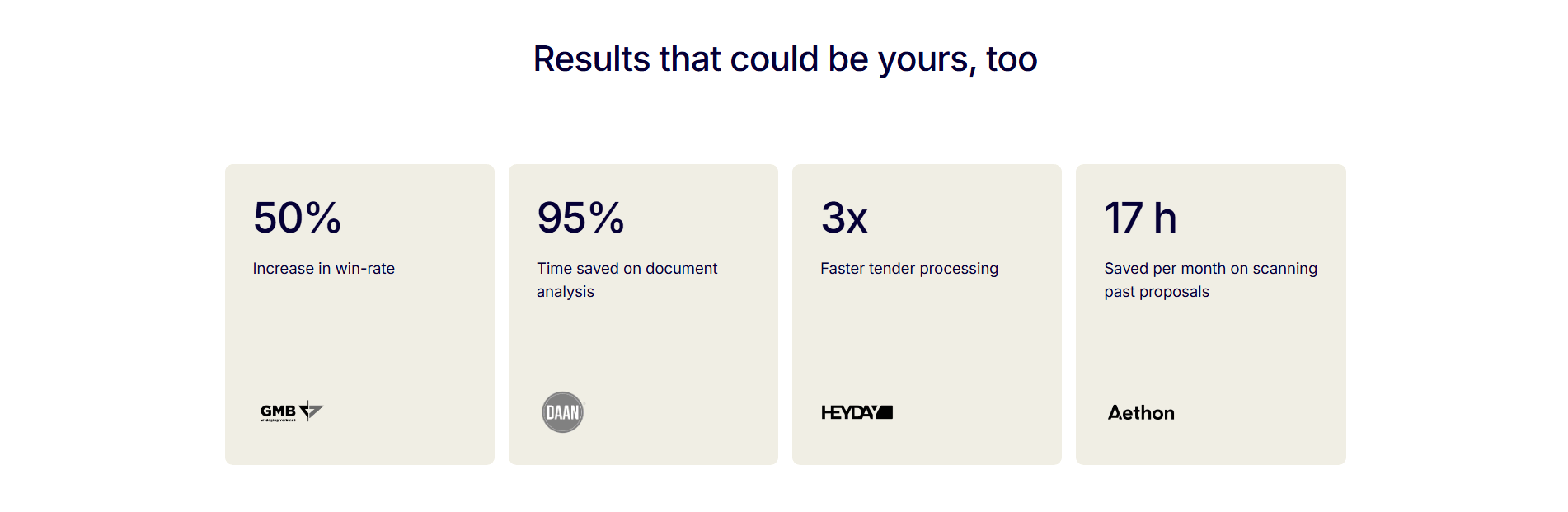
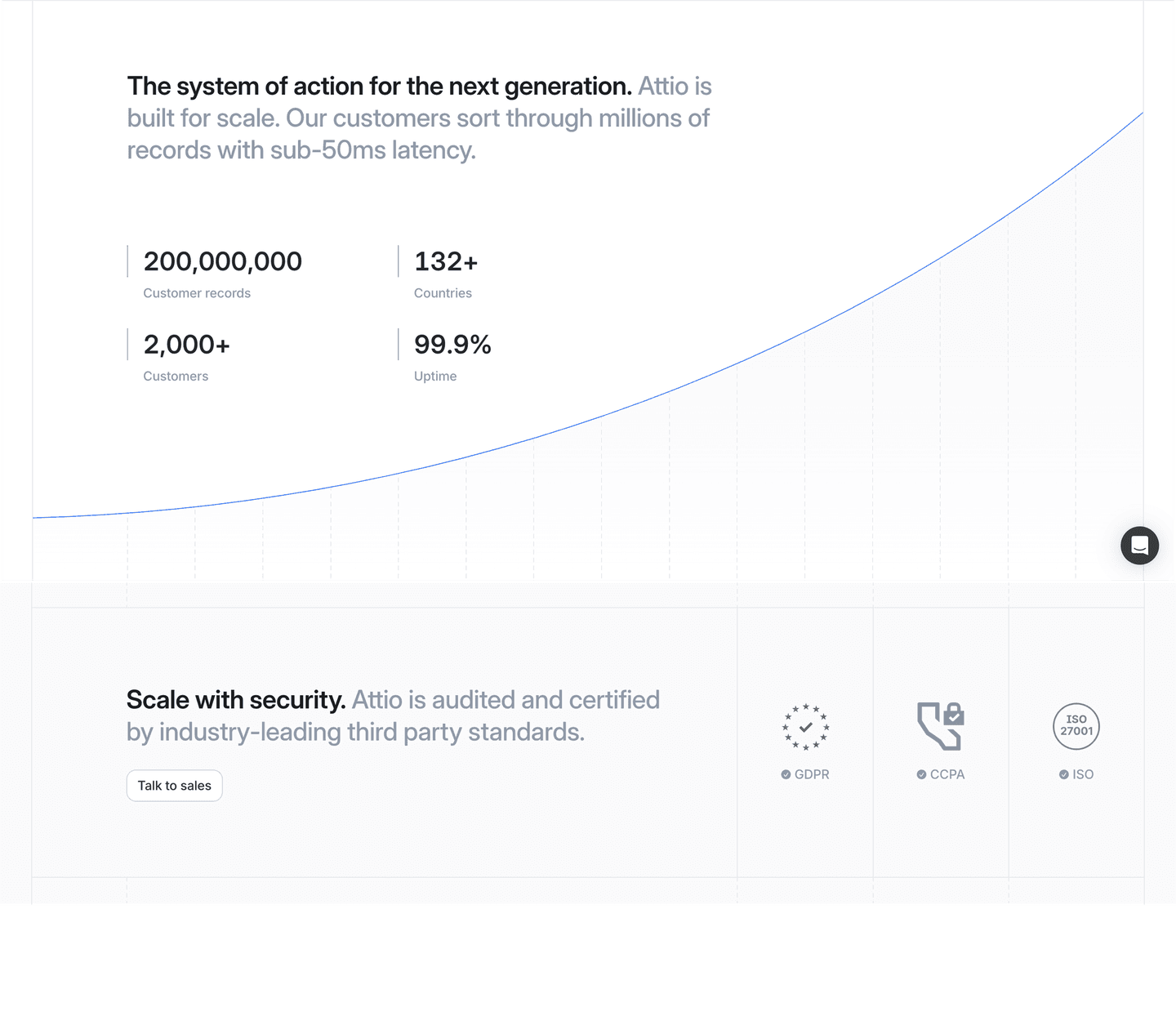
A stats counter opens the trust band with hard numbers, so scale and results register as fact in the first glance, before a visitor weighs a single line of copy.
Key takeaways
Showing 22–42 of 80 examples

Browse every trust pattern by UX best practice.
Every trust section is scored across 6 conversion best practices. Copy the best practice stack, not the design. See what converts and why.
Hand-picked from 650+ companies and analyzed by our AI conversion agent. Not a random dump of logo bars. Every entry earns its spot.
Found a trust section you admire? Run yours through the same scoring engine. See where you stand on the same best practices, and what to fix first.
A stats counter is the decision to open the trust band with numbers instead of words. Rather than assert that the product is big or effective, the section states the scale and the results in figures a visitor can read in a glance. A specific number lands as fact where an adjective lands as marketing, which is why the counter usually sits at the very top of the band.
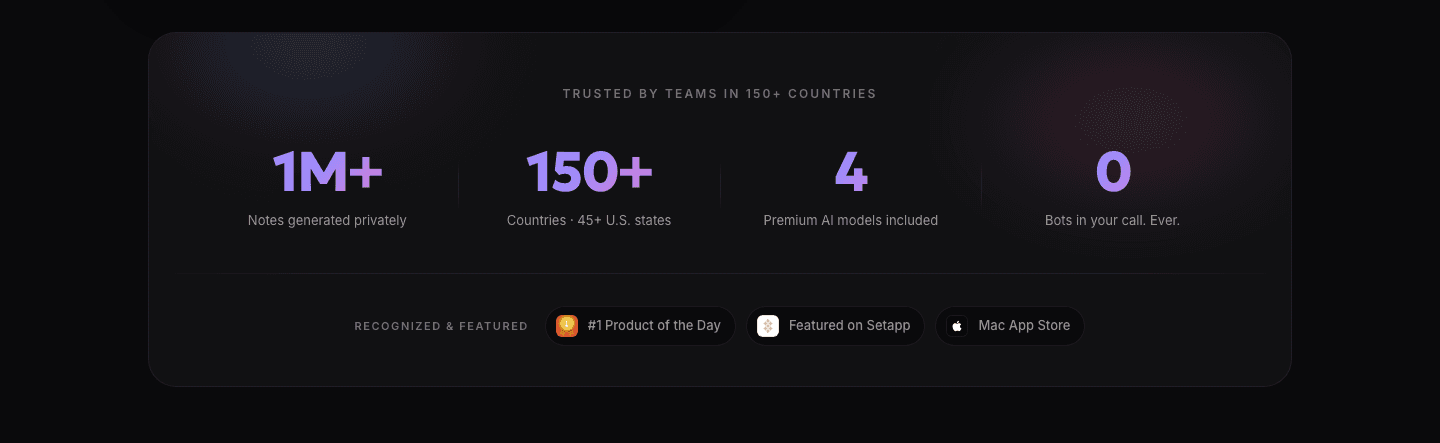
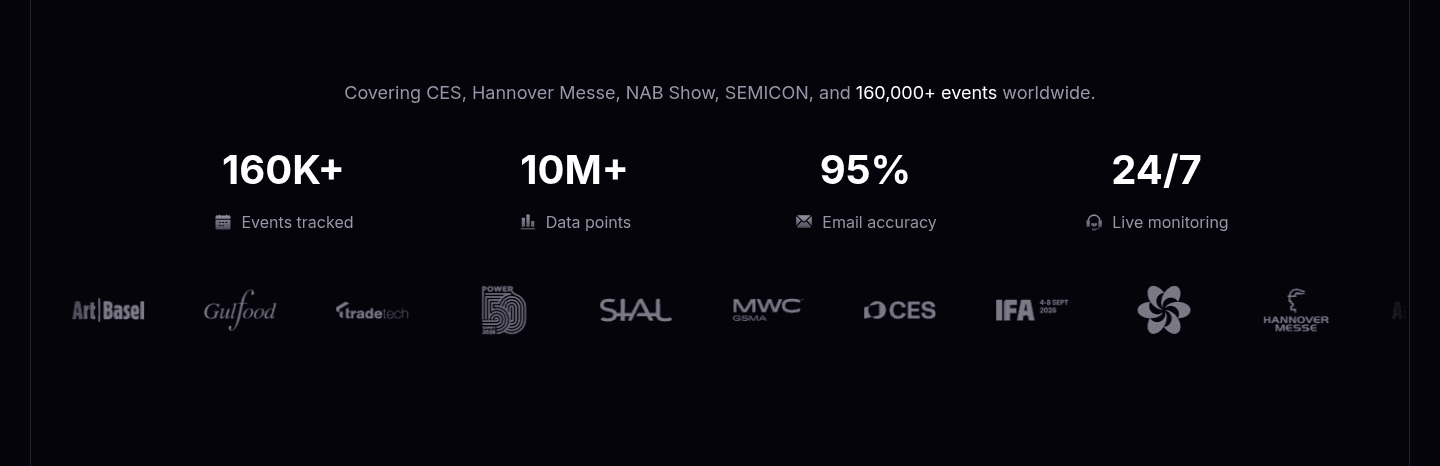
The best trust sections build the counter from one or more of these forms:
A visitor scanning a landing page discounts anything that sounds like the company praising itself. "Trusted by thousands of teams" is exactly that: a claim with no shape. Swap the adjective for a figure and the sentence changes character. A specific count is something the visitor can picture and, in principle, check, so it reads as a fact other people already produced rather than a boast the marketer wrote.
Big-type counters also win the first glance. Trust bands compete with everything else on a long page for a few seconds of attention, and a wall of numbers reads faster than a paragraph. The counter delivers scale, outcome, and reliability in the time it takes to scroll past, which is the moment a skeptical buyer decides whether the rest of the page is worth their time.
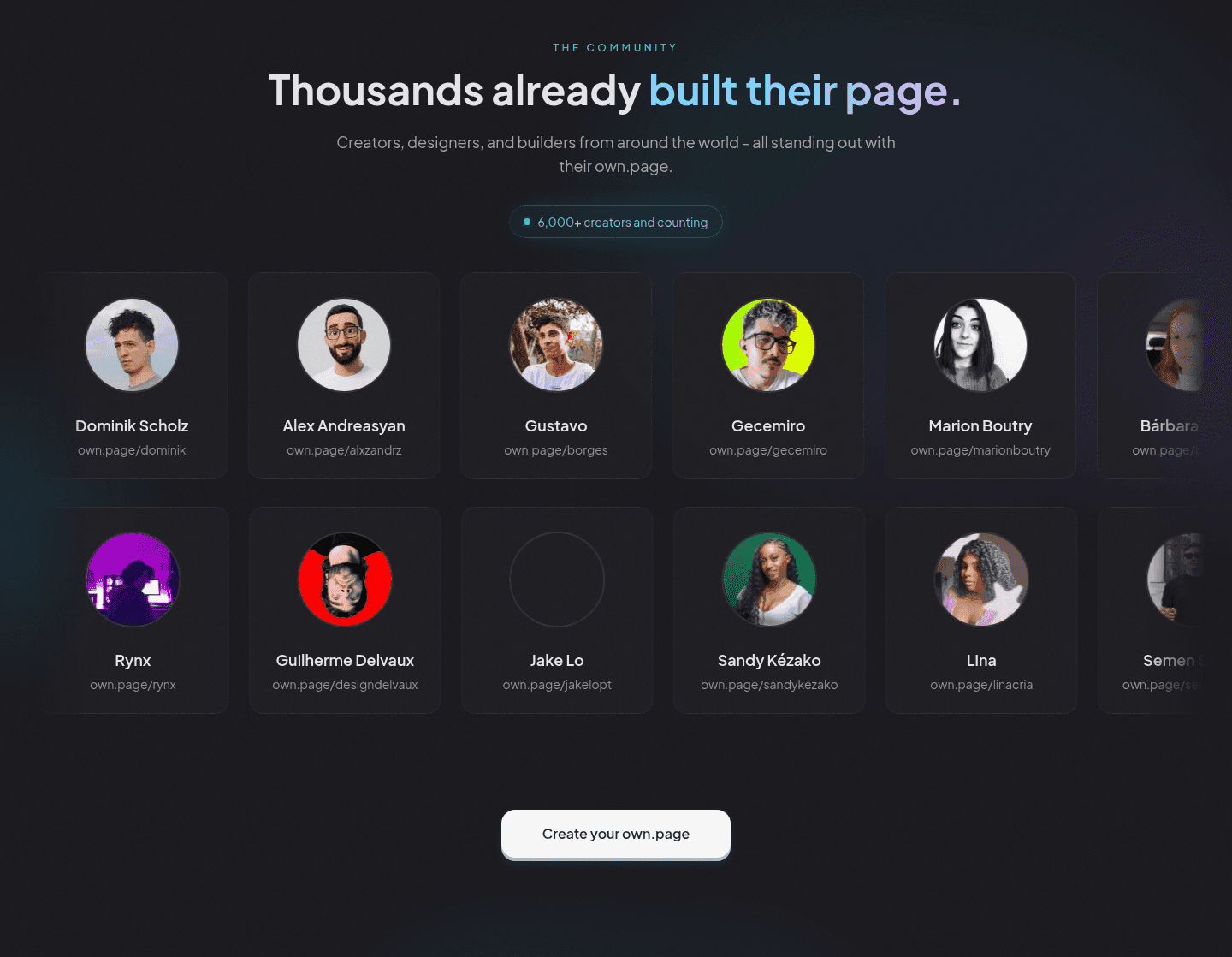
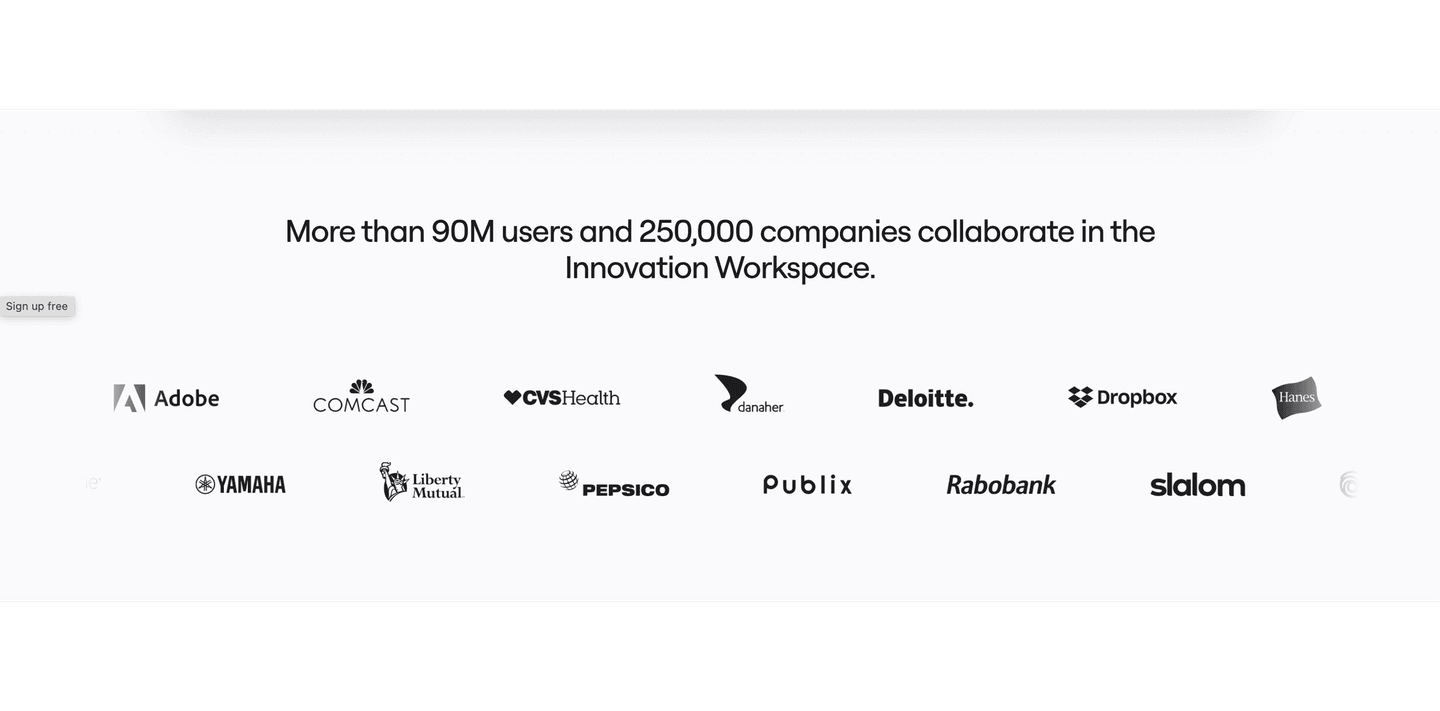
Just over half of the scored trust sections in our library lead with a stats counter, and the strongest share one trait: every number is specific and checkable. Miro frames its logo wall with more than 90M users and 250,000 companies, so the scale is stated before a single brand is shown. Monta leads with hard result metrics in big type, +330% revenue, 80% lower support costs, and +40% uptime, so the counter promises outcomes rather than activity. Browserstack pairs its counter with a switchable logo wall and quantifies the payoff, regression time cut from 5 days to under 2 hours and a 2x release cadence. Samsara stacks 8X ROI, a 4.7/5 app rating, and 20T+ data points in one row, mixing scale, satisfaction, and reliability. Wiz does the same on the security side, quantifying that 50 percent of customers reach zero criticals and see a 70 percent MTTR reduction.
The strongest counters rarely stand alone. They sit next to the aggregated review scores that make a rating verifiable, and they echo the discipline of social proof in the hero above the fold: one specific number beats a vague adjective, wherever it lands on the page.
80/100_trust_1.png&w=1440&q=75) 0/100
0/100The first failure is the vanity number: a giant figure with no label or source, so "ten million" could mean pages, users, or dollars, and the visitor cannot tell which. The second is the round-number tell, where every stat lands on a suspiciously clean zero and the whole row reads as invented. The third is over-stacking, a row of eight counters where no single number gets the type or the space to register. Lead with the two or three numbers a buyer would actually check, label each one, and tie at least one to a named customer or a source so the counter reads as proof, not decoration.

Curated by
Gabriel Amzallag , Founder, Web Anatomy
5 years CRO + SEO at Qonto (2021–2025). After advising 15+ SaaS on their websites (Payfit, Pigment…), the same patterns kept breaking, so I decided to build the source of truth on what works on the web: the intelligence layer every tool, builder, and team uses to ship sites that perform.
Paste your URL. Get a scored analysis of your trust section, including whether your stats read as verifiable proof or empty scale. Free, no signup.
The common questions about leading a trust band with hard stat counters, with answers drawn from 80 scored examples.
It is a row of hard numbers placed at the head of the trust band, each shown in big type with a short label. The common forms are a usage count like users or companies served, an outcome metric like ROI or hours saved, a reliability figure like uptime, and an aggregate rating from a review site or an app store. The point is that a specific number registers as fact before the visitor reads a single sentence of the pitch.
A number is harder to dismiss than an adjective. 'Trusted by thousands' reads as marketing, while '90M users and 250,000 companies', the figures Miro leads with, reads as a fact the visitor can picture. Big-type counters also do the work in the first glance, before doubt sets in, which is why the strongest trust bands open with the numbers rather than burying them under paragraphs.
The ones a skeptical buyer would actually check. Usage counts prove scale, like Databox with 20,000+ teams. Outcome metrics prove the payoff, like Front with 428% average ROI and 60% less email volume. Reliability figures prove the product holds up, like an uptime percentage or a 24/7 monitoring claim. The best counters mix two or three of these so the proof is broad and specific at once.
Two to four, each with room to land. A row of eight near-identical figures blurs into decoration and no single number stands out. Samsara stacks four that each carry different weight, 8X ROI, a 4.7/5 app rating, 20T+ data points, and a #1 trusted brand claim, so scale, satisfaction, and reliability each get one clean line. Lead with the numbers a buyer cares about most and cut the rest.
At the head of the trust band, and ideally paired with proof that makes the numbers verifiable. A counter next to named customer logos or a sourced rating reads as checkable, while a counter alone reads as a claim the company made about itself. The strongest bands frame a logo wall or a set of named quotes with the numbers, so the scale and the source arrive together.