Trust|
Review aggregation earns credibility from the sum of many outside verdicts, so a star rating and a review count carry the trust that a single quote never could.
Key takeaways
Showing 22–40 of 40 examples





Browse every trust pattern by UX best practice.
Every trust section is scored across 6 conversion best practices. Copy the best practice stack, not the design. See what converts and why.
Hand-picked from 650+ companies and analyzed by our AI conversion agent. Not a random dump of logo bars. Every entry earns its spot.
Found a trust section you admire? Run yours through the same scoring engine. See where you stand on the same best practices, and what to fix first.
Review aggregation is the decision to let the crowd speak instead of the company. Rather than assert that the product is loved, the trust section gathers the verdicts of everyone who has already rated it and shows the total. The claim becomes a fact the visitor can check, because it lives on a platform they already trust.
The best trust sections use one or more of these forms:
A single testimonial can be selected, and a wary buyer assumes it was. An aggregate score cannot be selected, because it folds in every rating including the critical ones. That is the whole psychological move: the number is credible precisely because the company did not get to choose which reviews counted.
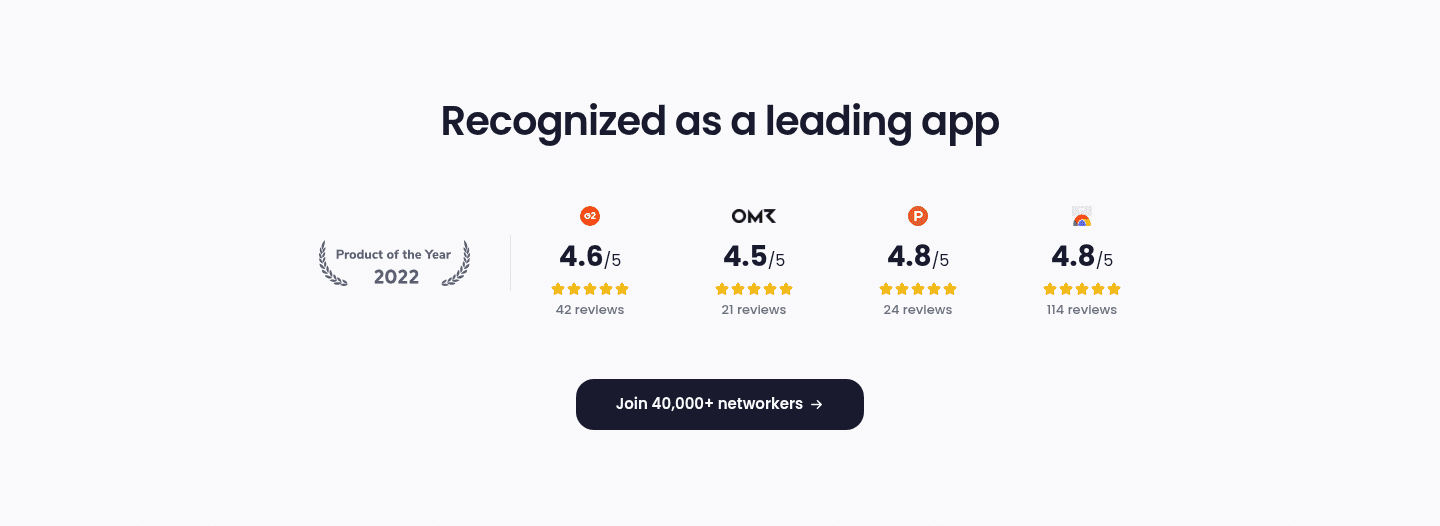
The review count is what carries the weight. A bare "4.7" tells the visitor nothing about whether ten people or ten thousand stood behind it. Pair the score with its volume, name the platform that hosts it, and the rating stops being a badge and becomes a verifiable claim. Add a link to the source and the proof closes the loop: the visitor can check it, which means they rarely feel they need to.
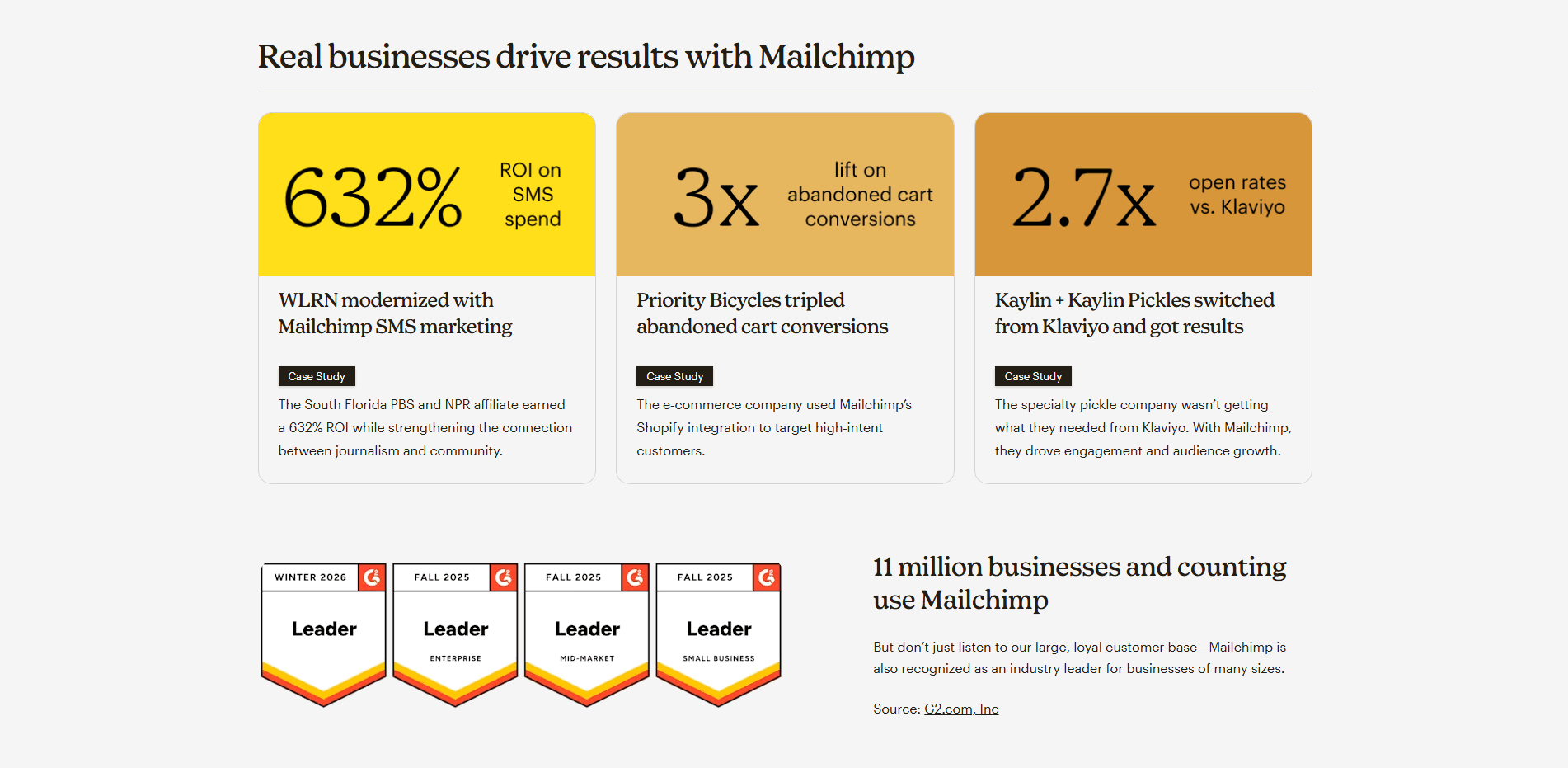
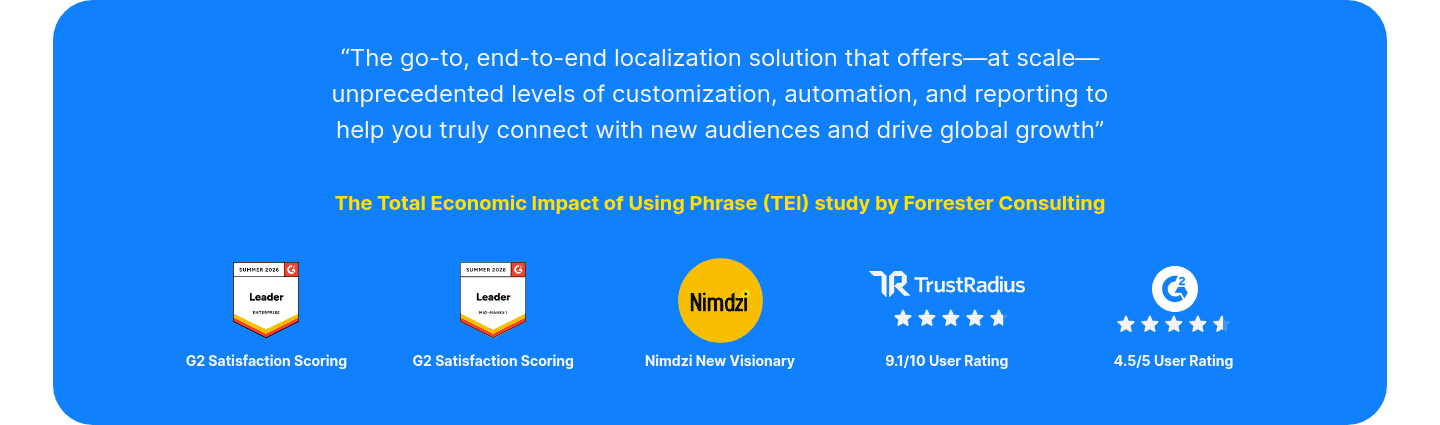
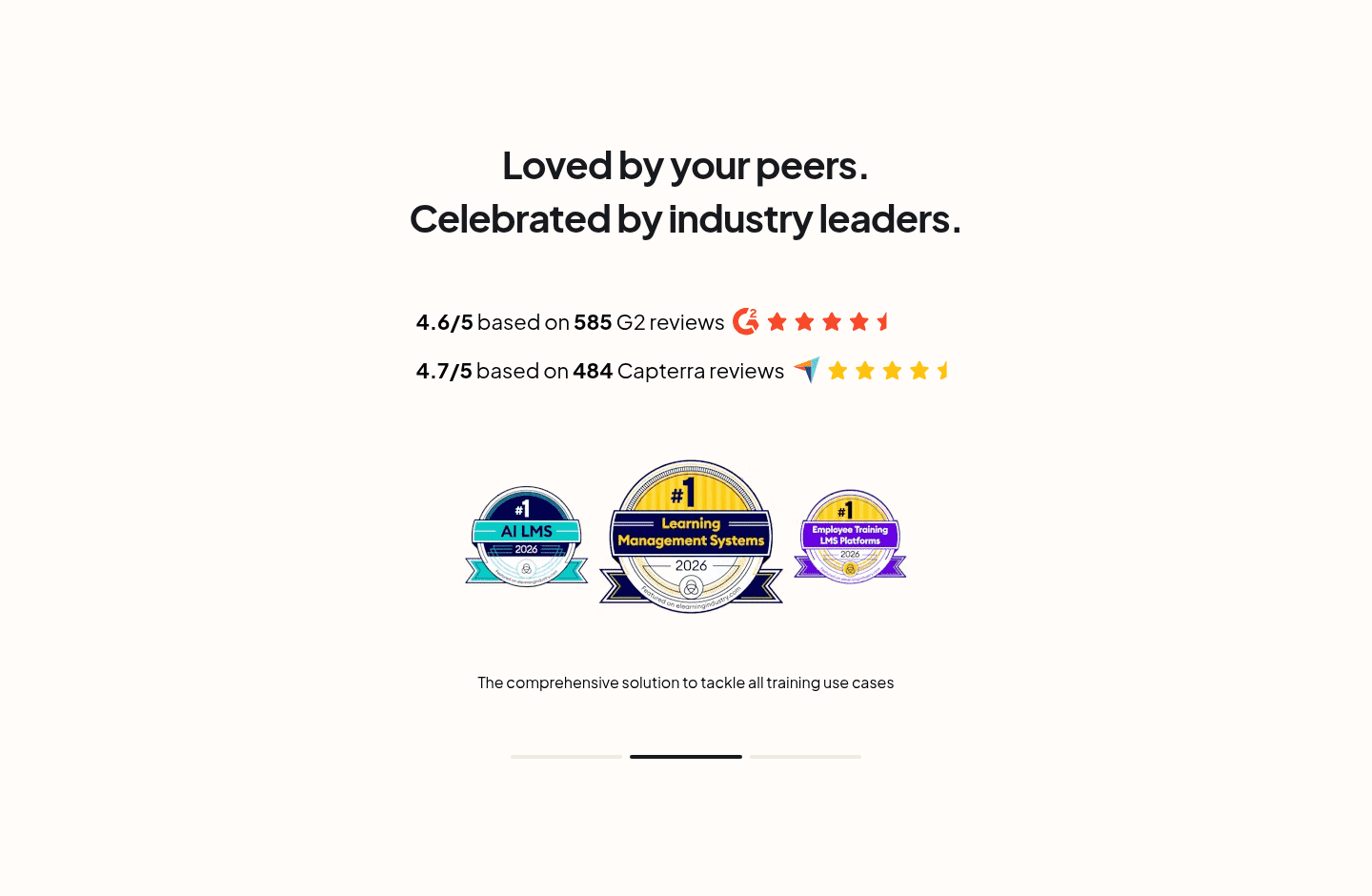
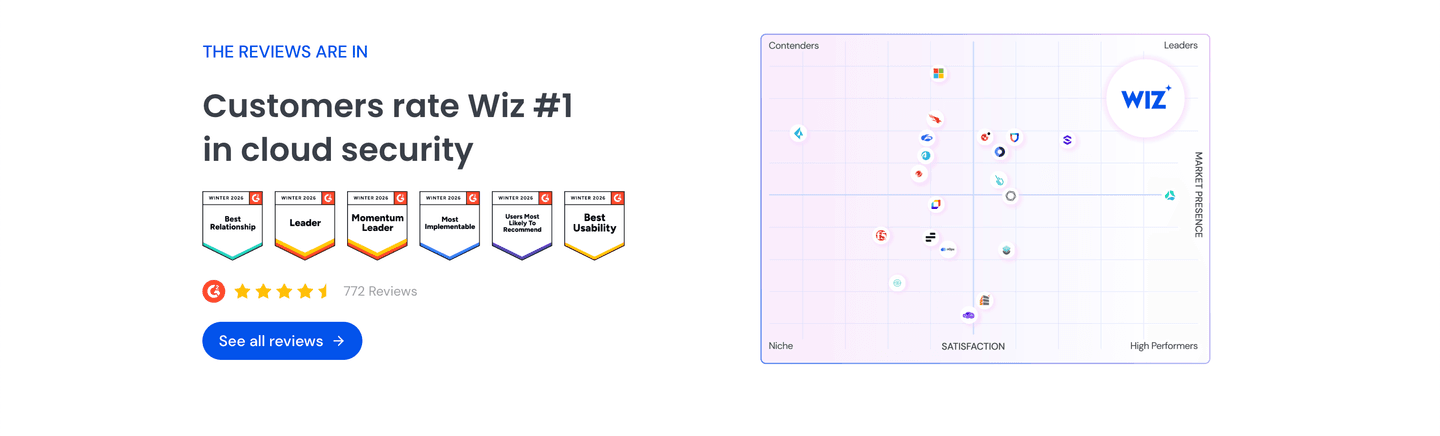
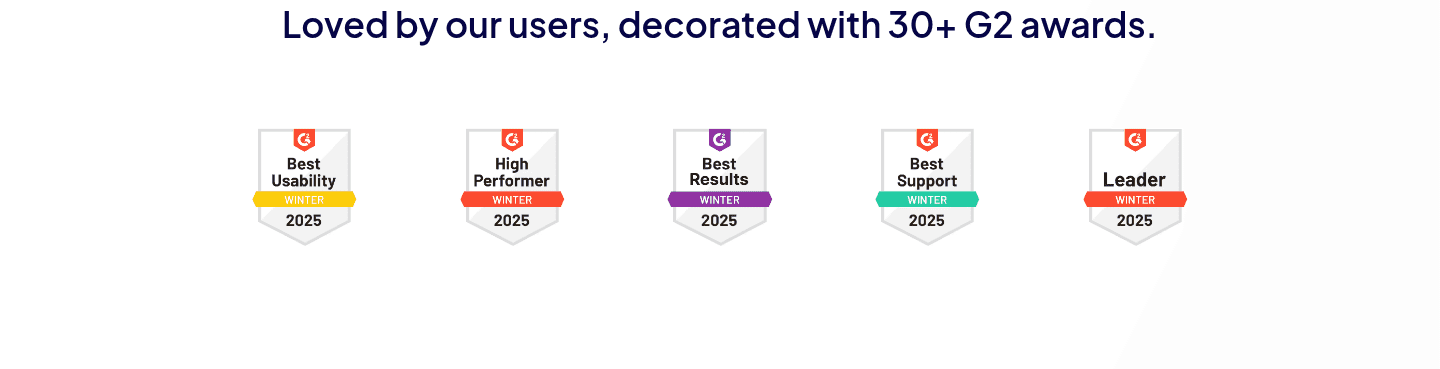
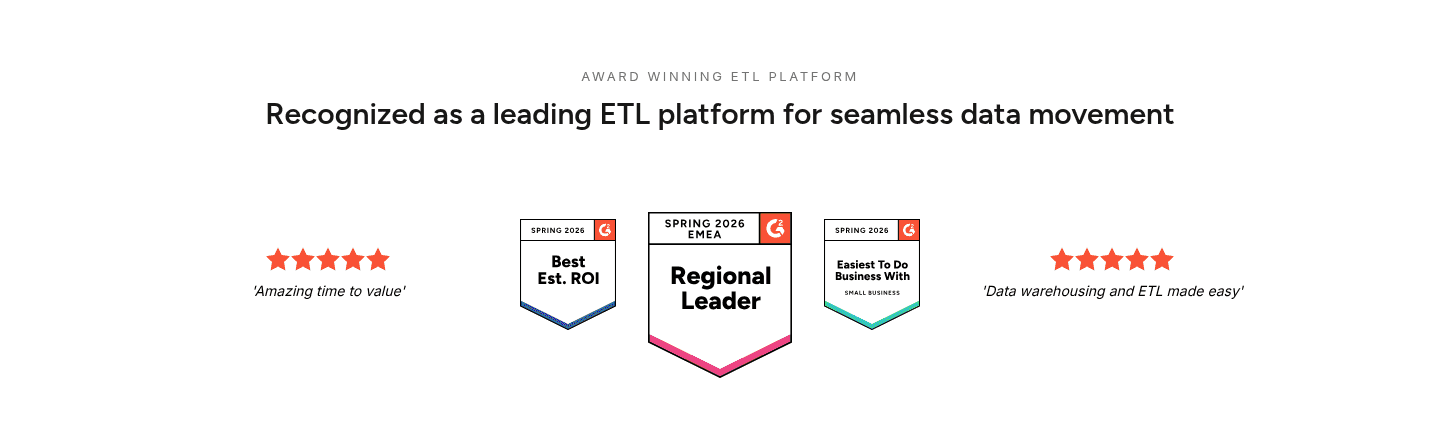
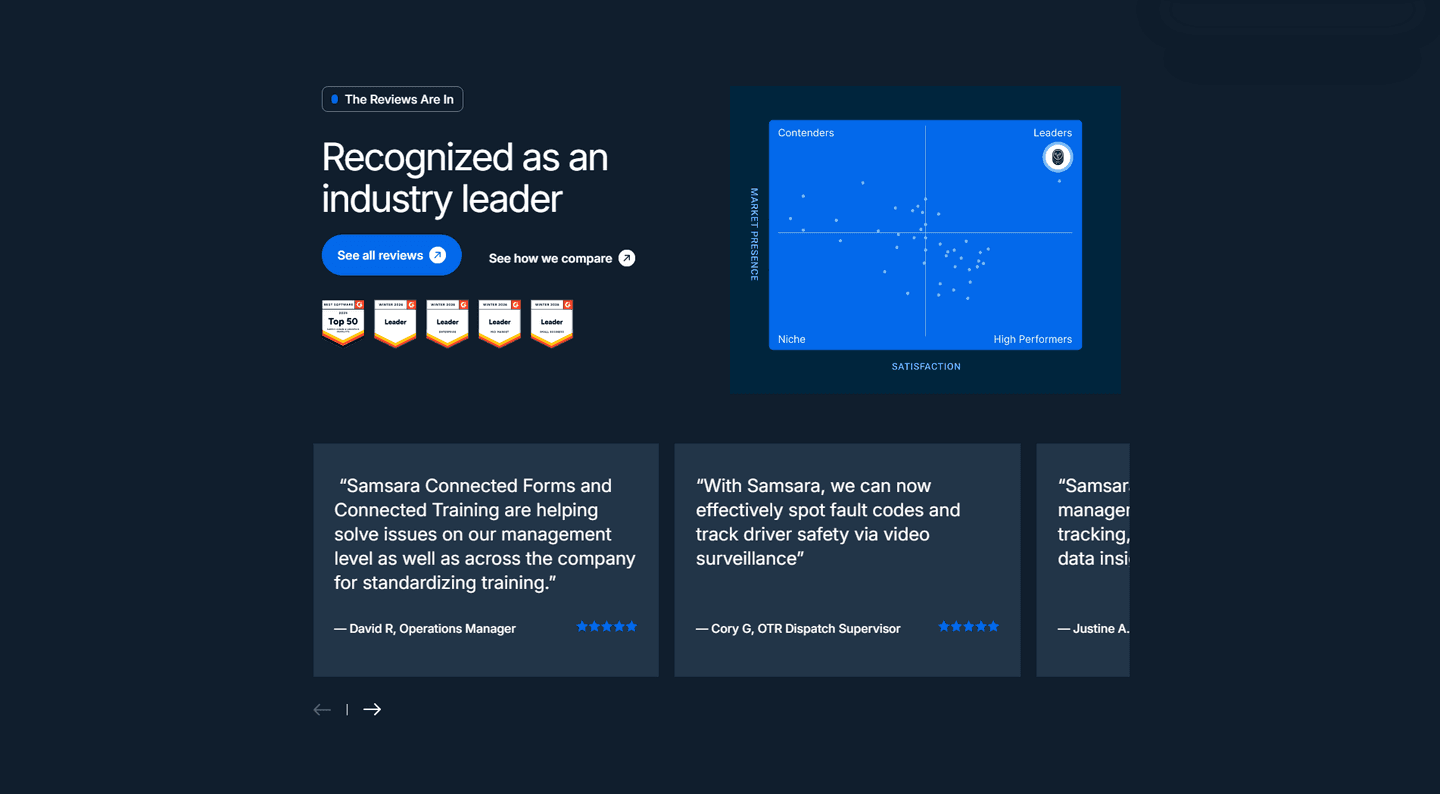
Across the scored examples below, the pattern that performs is a specific score, its count, and a named source. Wiz leads with a G2 rating of 4.7 out of 5 backed by more than 772 reviews and a quadrant chart that places it in the Leaders zone. Ramp anchors its block on a G2 five-star rating with 2,000+ reviews, then surrounds it with a wall of Winter 2025 award badges. Synthesia shows 4.7 from 2,000+ reviews on G2 alongside its category marks, and 360learning stacks two independent sources at once, 4.6 from 585 G2 reviews next to 4.7 from 484 Capterra reviews.
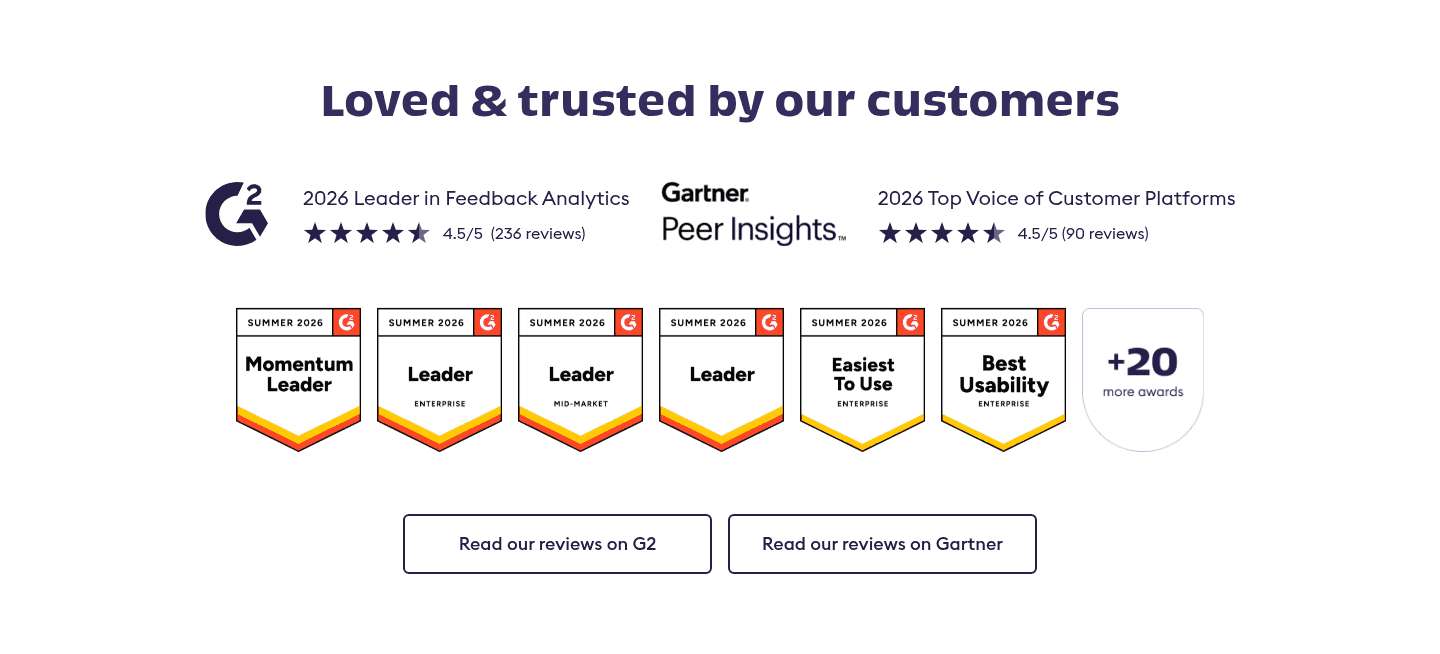
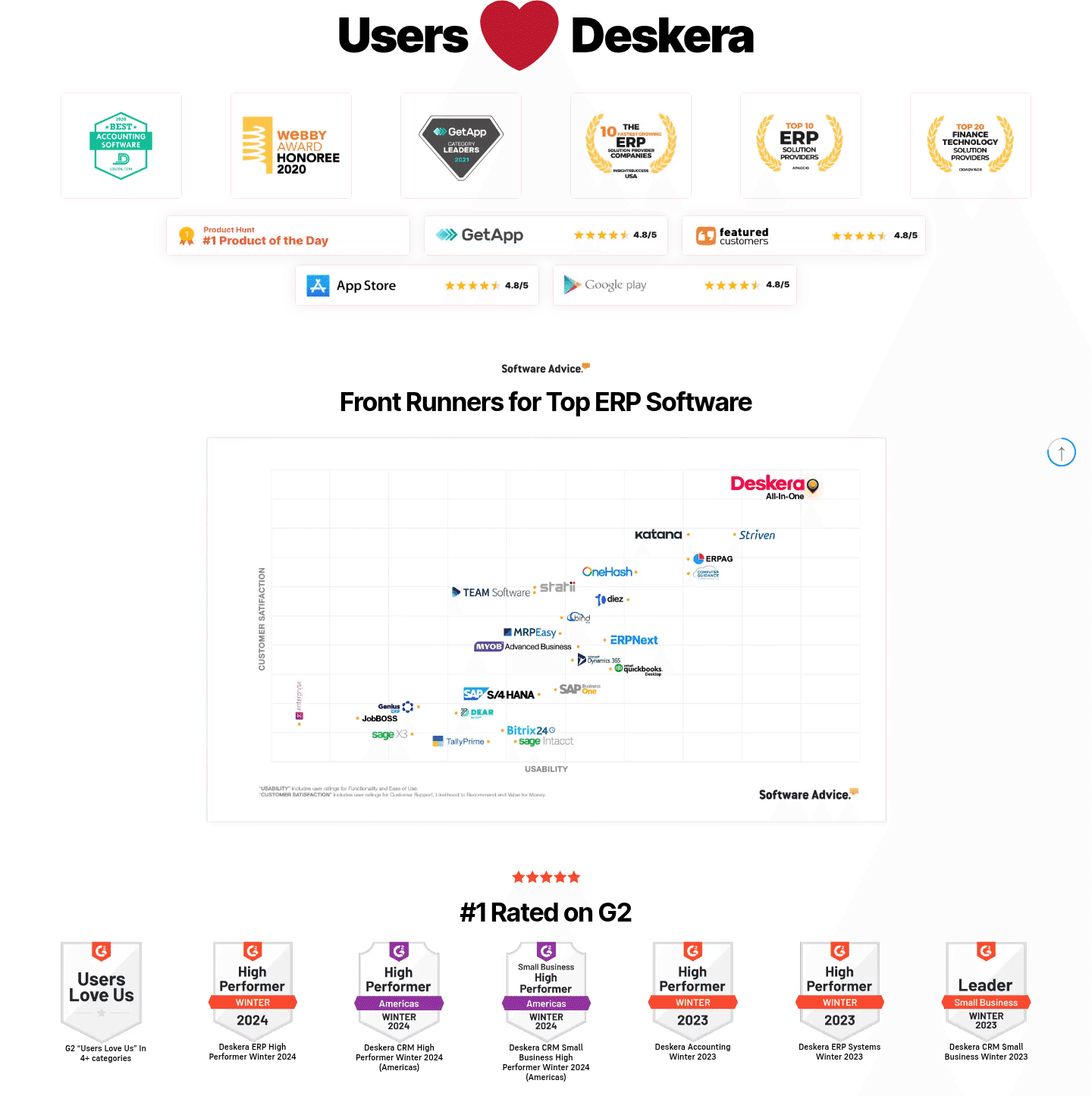
The strongest sections also spread the proof across platforms rather than repeating one. ToroTMS aggregates Capterra, GetApp, and Software Advice, and Chattermill pairs a G2 score across 236 reviews with a Gartner Peer Insights score and direct "Read our reviews" links that invite verification. This is the same discipline that powers social proof in the hero above the fold: a specific, sourced number beats a vague one every time, whether it sits in a dedicated trust band or in the trust and credibility sections further down the page.
80/100_trust_1.png&w=1440&q=75) 0/100
0/100The first failure is the bare rating: a lonely "4.8 stars" with no review count and no platform name, which reads as a claim the company made about itself. The second is the badge wall, where a dozen near-identical award marks blur into decoration and no single number stands out. The third is proof the visitor cannot check, a G2 logo with no score and no link, which borrows a trusted name without earning it. Lead with one aggregate score, show the count behind it, name the source, and give the skeptic a way to verify.

Curated by
Gabriel Amzallag , Founder, Web Anatomy
5 years CRO + SEO at Qonto (2021–2025). After advising 15+ SaaS on their websites (Payfit, Pigment…), the same patterns kept breaking, so I decided to build the source of truth on what works on the web: the intelligence layer every tool, builder, and team uses to ship sites that perform.
Paste your URL. Get a scored analysis of your trust section, including whether your review proof reads as verifiable third-party validation. Free, no signup.
The common questions about aggregating third-party reviews into a trust block, with answers drawn from 40 scored examples.
It is the practice of pulling third-party review signals into one block so the sum of many outside verdicts carries the credibility. The common forms are an aggregate star rating, the number of reviews behind that rating, badges from platforms like G2, Capterra, Trustpilot, or Product Hunt, and award marks such as Leader or High Performer. The point is that the score comes from a source the buyer already trusts, not from the company itself.
One quote can be cherry-picked, and a buyer knows it. An aggregate score of 4.7 from 2,000 reviews cannot be, because it reflects everyone who rated the product, including the unhappy ones. The review count is what does the work: it signals volume and honesty at the same time, so a specific number of reviews is far harder to dismiss than a lone five-star quote.
Show the platforms your buyers already check. For B2B software that usually means G2 and Capterra, often with GetApp or Software Advice alongside, and Gartner Peer Insights for enterprise buyers. Consumer and app-led products lean on App Store and Google Play ratings or Product Hunt. The strongest sections name the platform explicitly so the score reads as verifiable third-party validation rather than a badge with no source.
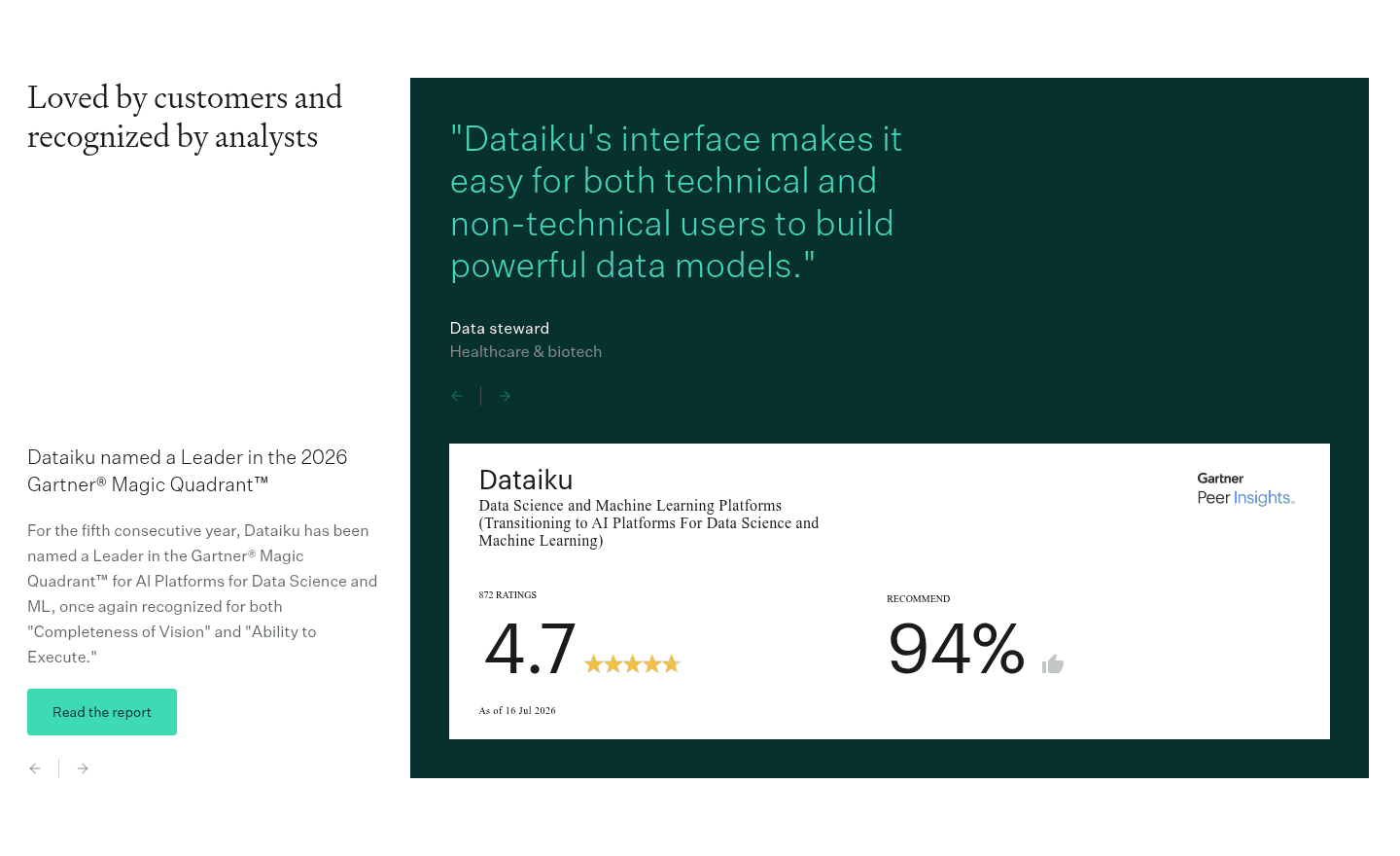
Yes. A rating without a count is weak because the visitor cannot tell whether it comes from ten reviews or ten thousand. Pairing the score with the volume behind it, for example 4.6 from 23,900 ratings or 4.5 across 772 reviews, gives the number concrete weight and preempts the doubt that a bare rating invites.
A wall of near-identical award badges starts to blur, and it can read as decoration rather than proof. The disciplined version leads with one aggregate score and its review count, then adds a small set of meaningful badges (a Leader mark, a category award) and a verification link. Depth of proof comes from combining different types, an aggregate rating plus an award plus a source link, not from repeating the same badge ten times.