Trust|
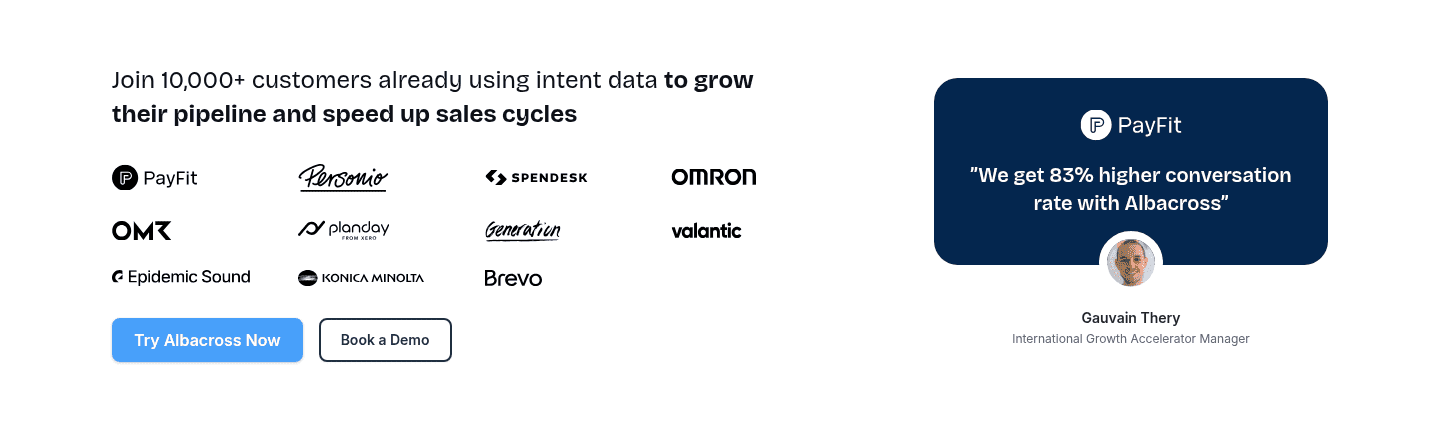
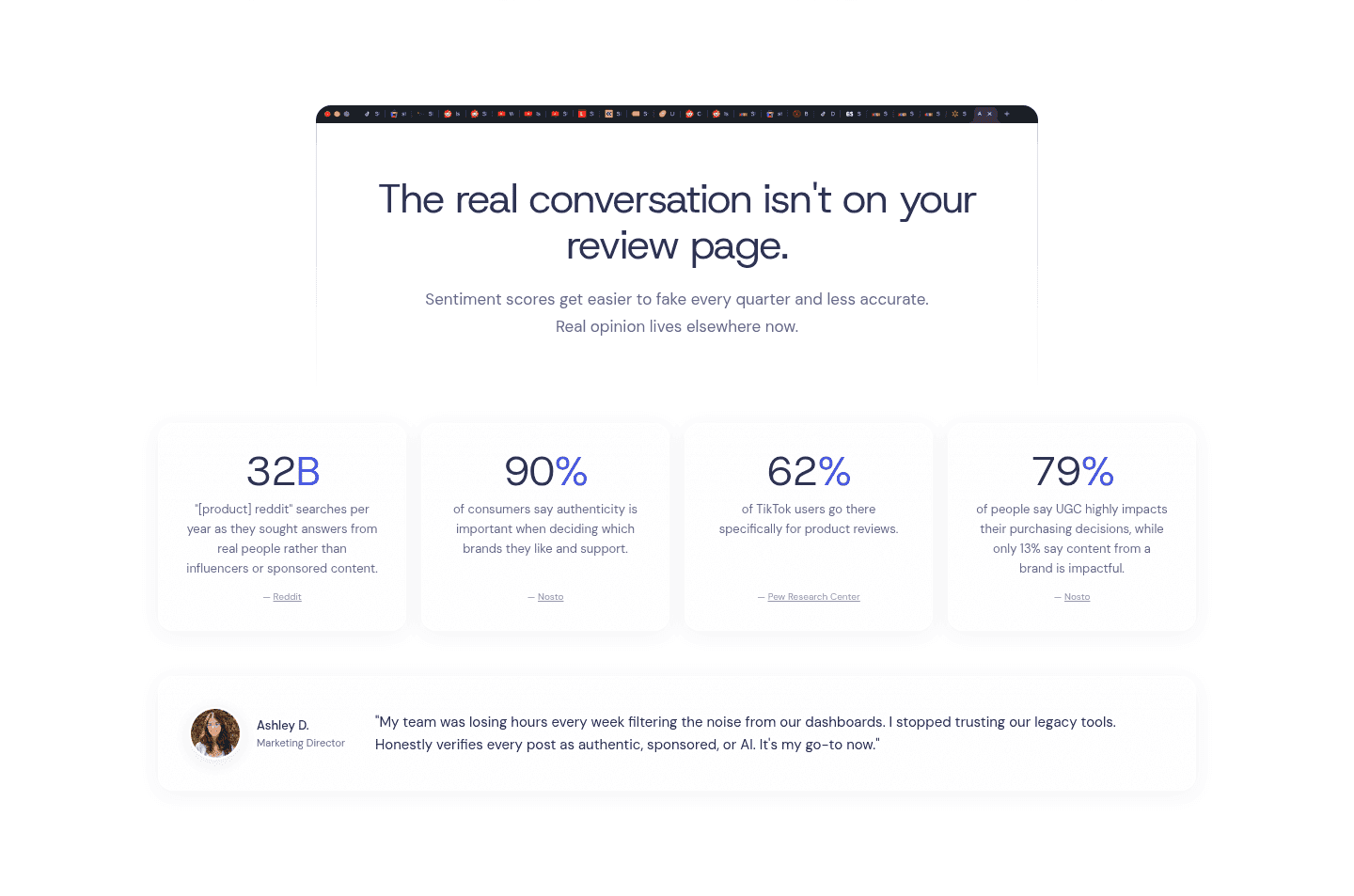
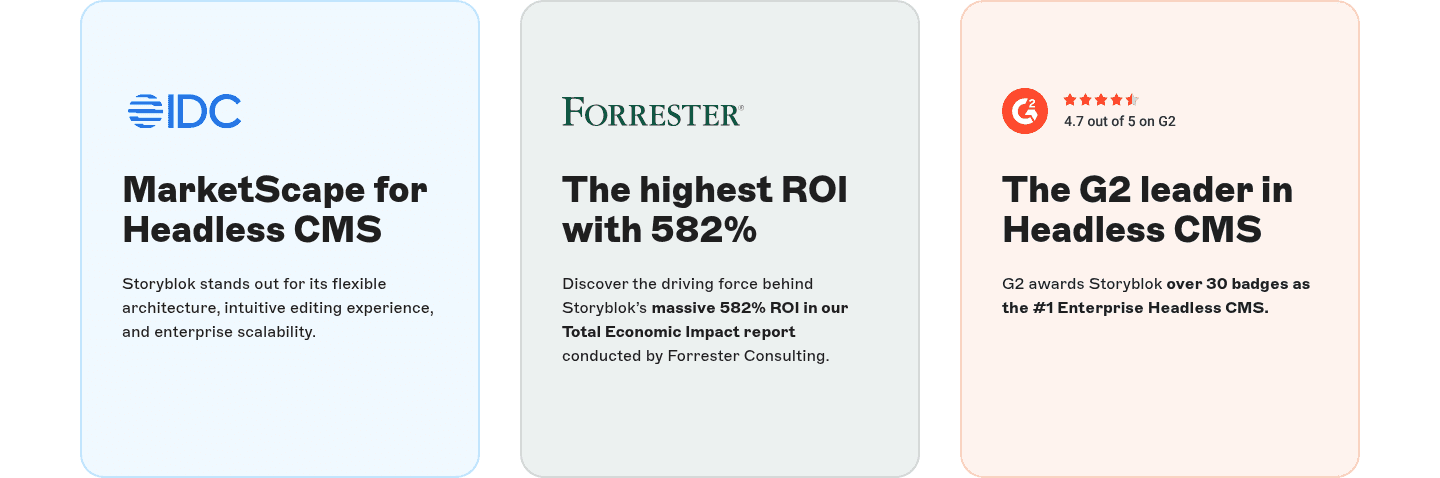
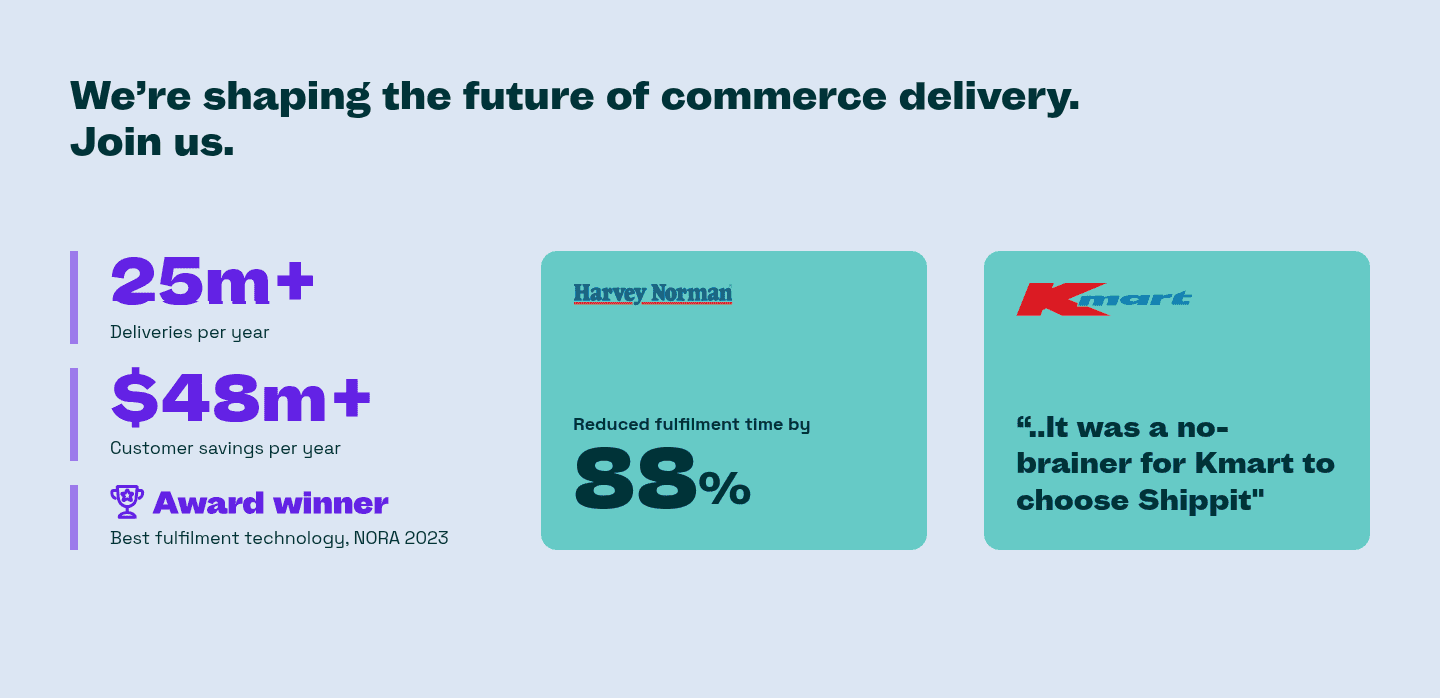
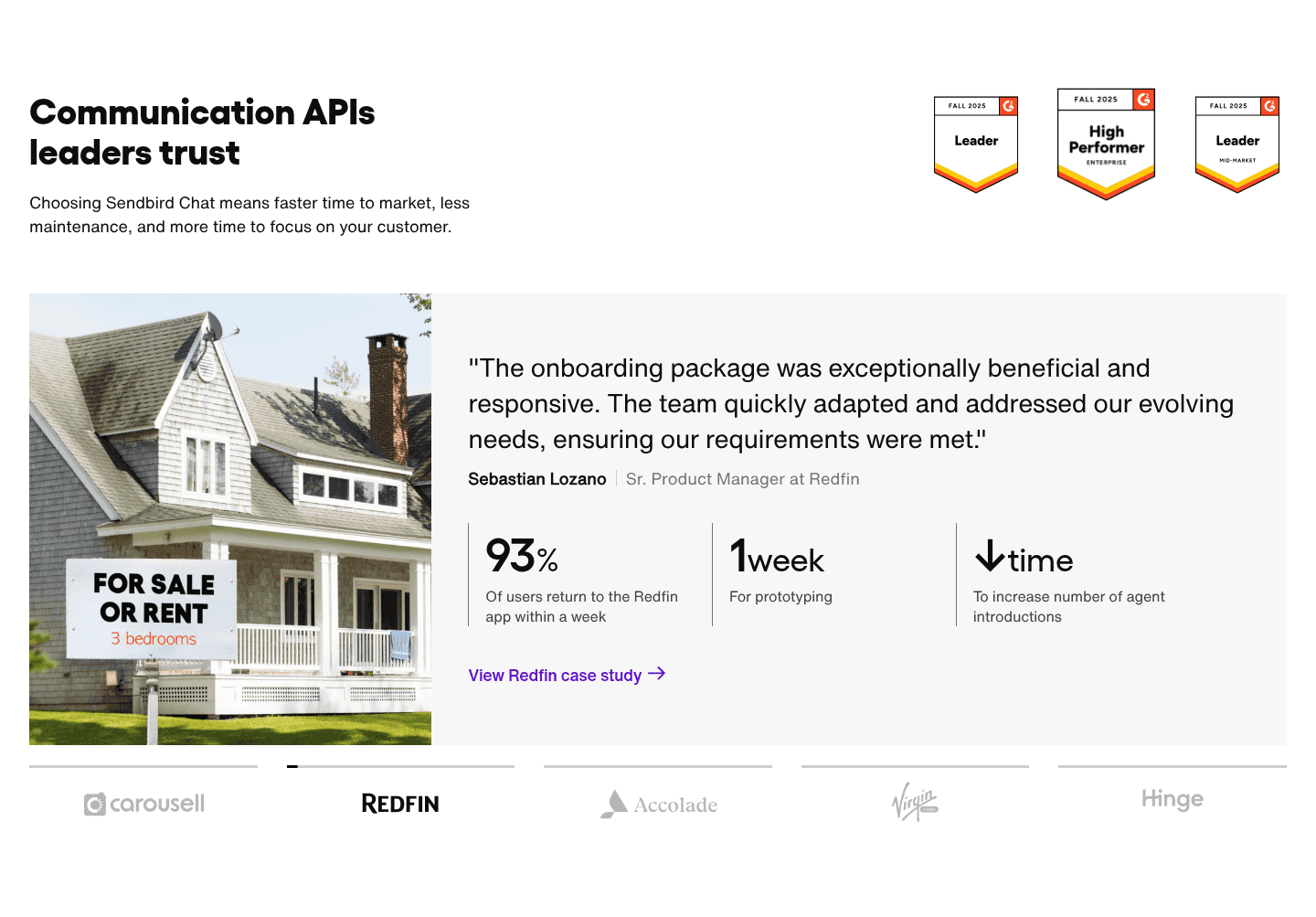
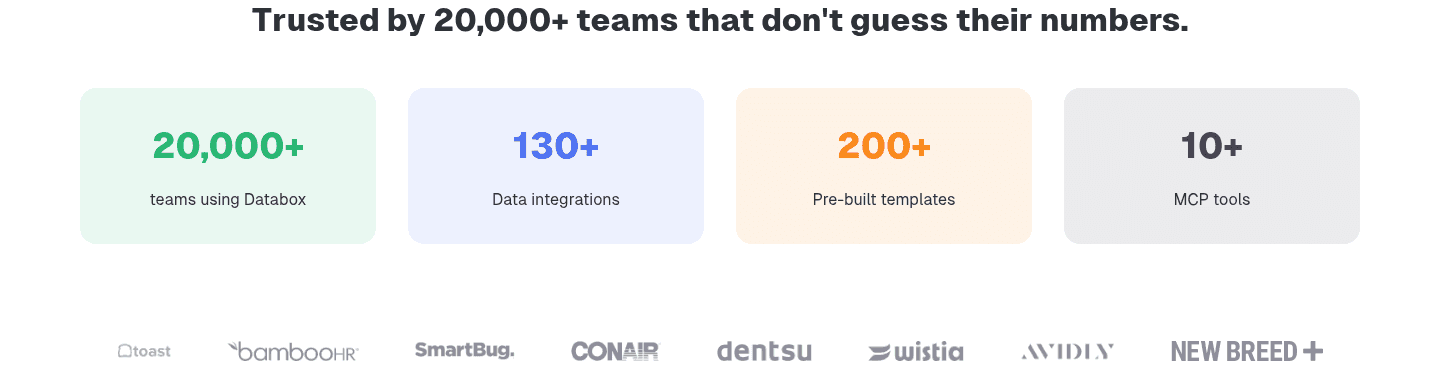
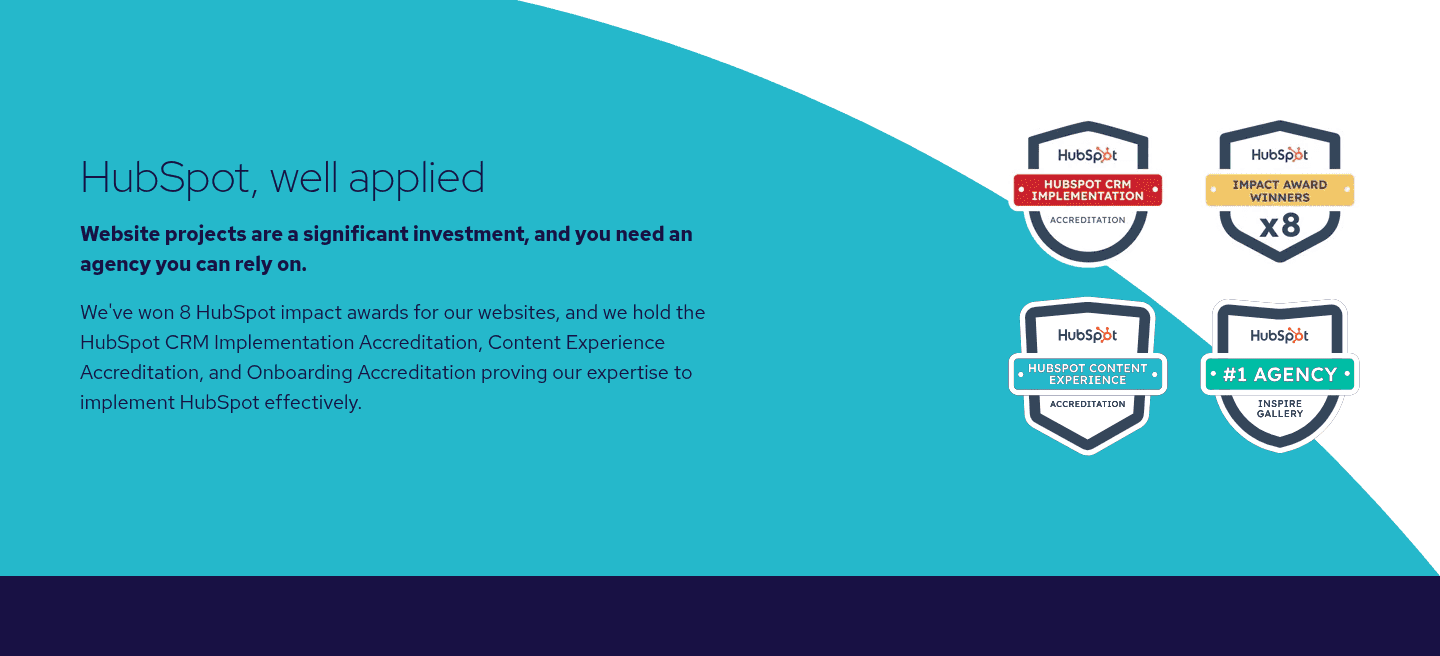
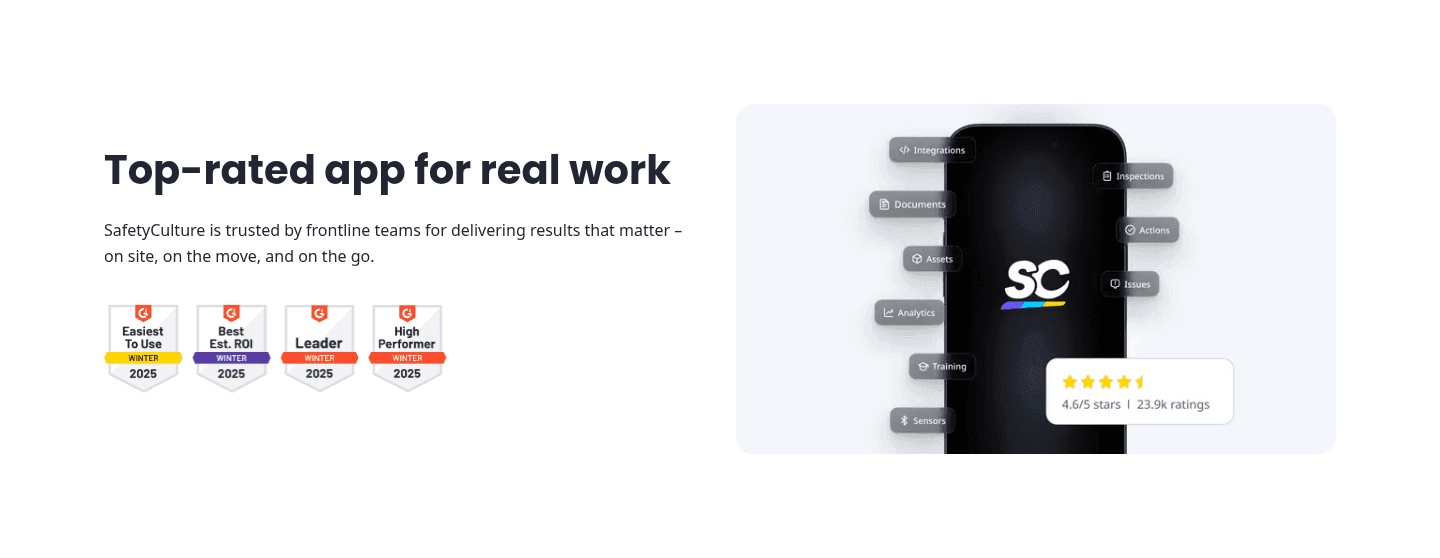
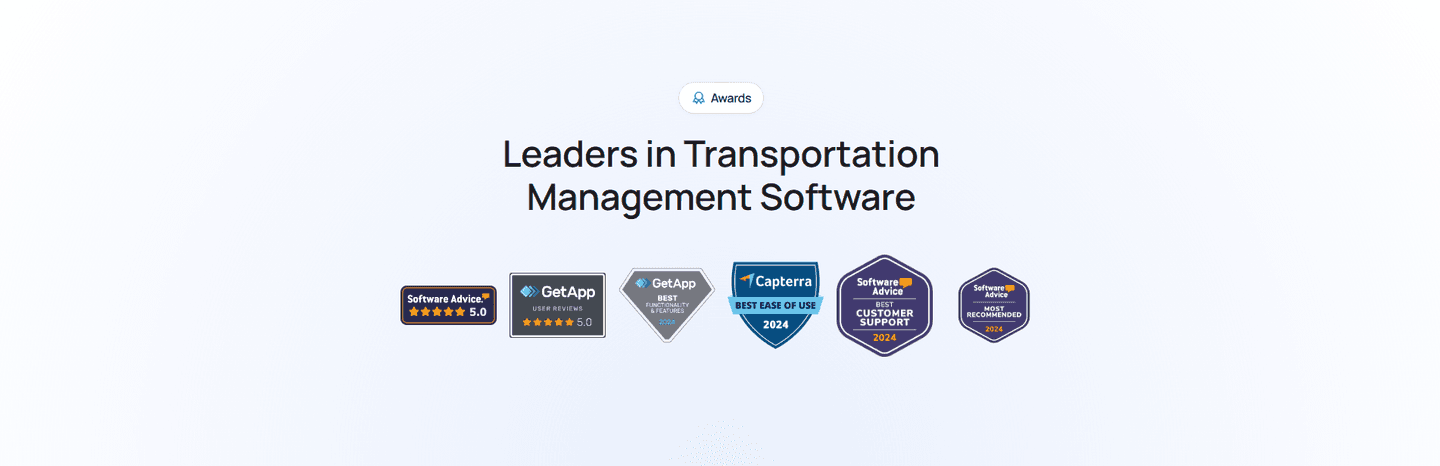
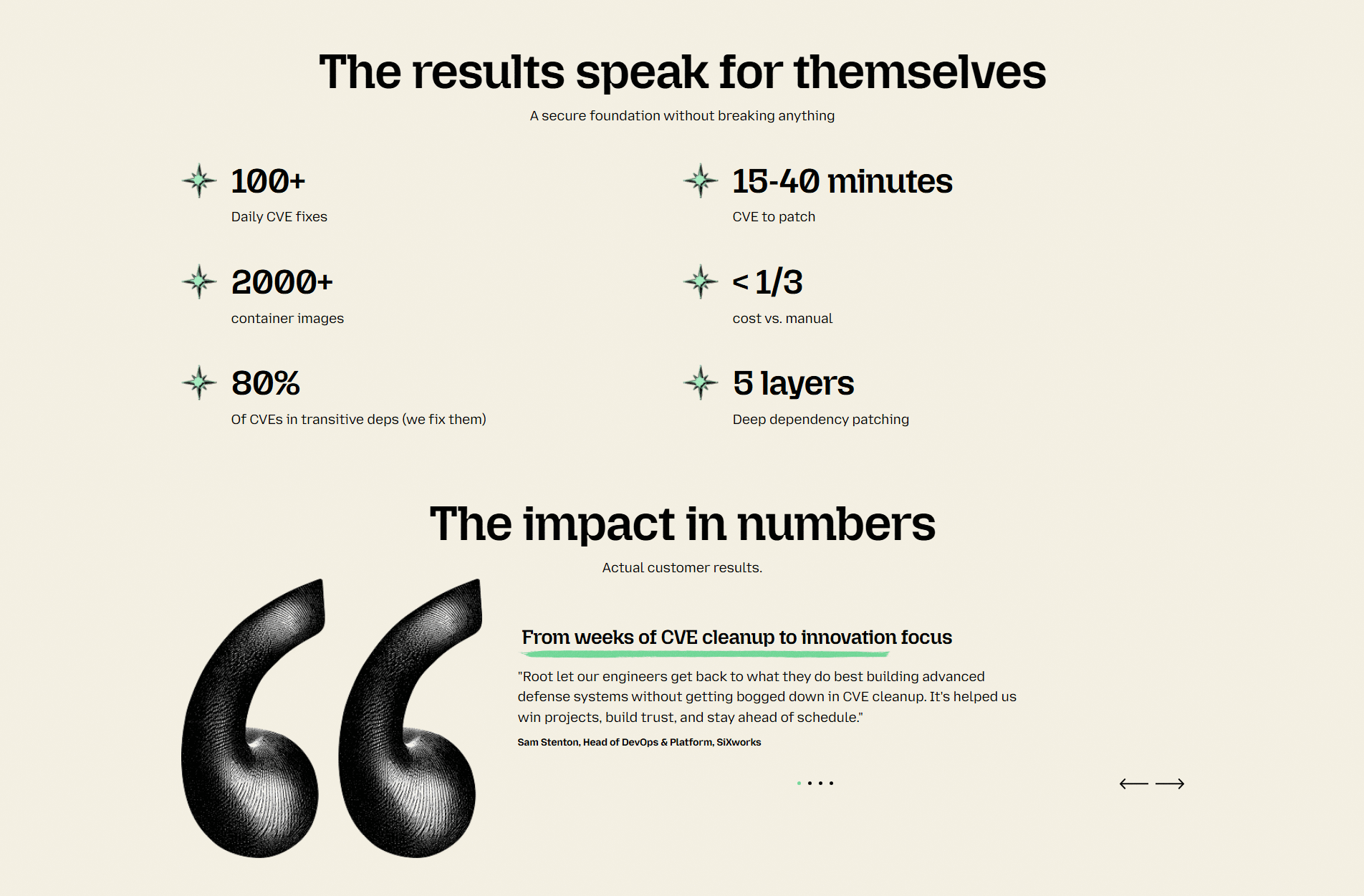
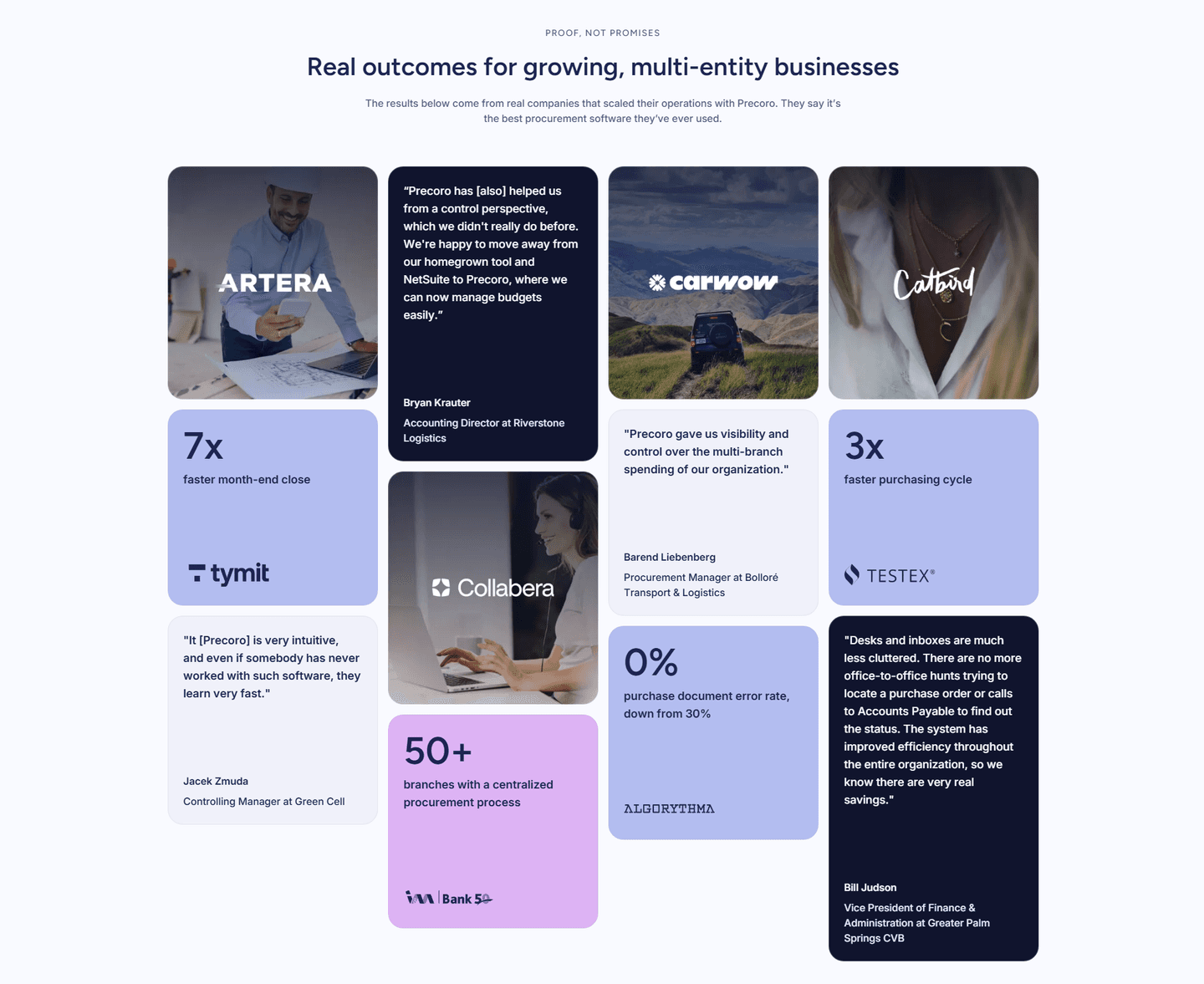
Proof diversity combines certifications, review scores, hard numbers, named voices, and brand logos in one trust band, so a skeptic runs out of doubts before the section runs out of proof.
Key takeaways
Showing 22–42 of 101 examples

Browse every trust pattern by UX best practice.
Every trust section is scored across 6 conversion best practices. Copy the best practice stack, not the design. See what converts and why.
Hand-picked from 650+ companies and analyzed by our AI conversion agent. Not a random dump of logo bars. Every entry earns its spot.
Found a trust section you admire? Run yours through the same scoring engine. See where you stand on the same best practices, and what to fix first.
Proof diversity is the decision to answer more than one doubt in the trust band. A single proof type, a logo wall on its own or a lone star rating, only ever convinces the buyer who happened to care about that one thing. Stacking several types together makes the credibility case feel complete, because whatever a given visitor is skeptical about, the answer is already sitting in the block.
The strongest trust sections combine two or more of these proof types:
Different buyers get stuck on different things. A security lead will not move past a missing SOC 2 badge, a skeptical operator wants an independent review score, and a budget owner needs a hard outcome number before they will forward the page. One proof type answers one of those people and leaves the rest unconvinced. A stack answers all of them in the same glance, so nobody has to leave to find the reassurance they came for.
The types also reinforce each other in a way no single signal can. A logo alone is borrowed fame, a stat alone can read as marketing, and a certification alone is a self-claim. Put a named customer quote beside a recognizable logo and a verifiable review score, and each one vouches for the others: the logo says who, the quote says what they got, and the third-party score says an outside judge agrees. That is why almost every scored trust section in our library combines proof types, and why the skill is in the combination, not the decision to do it at all.
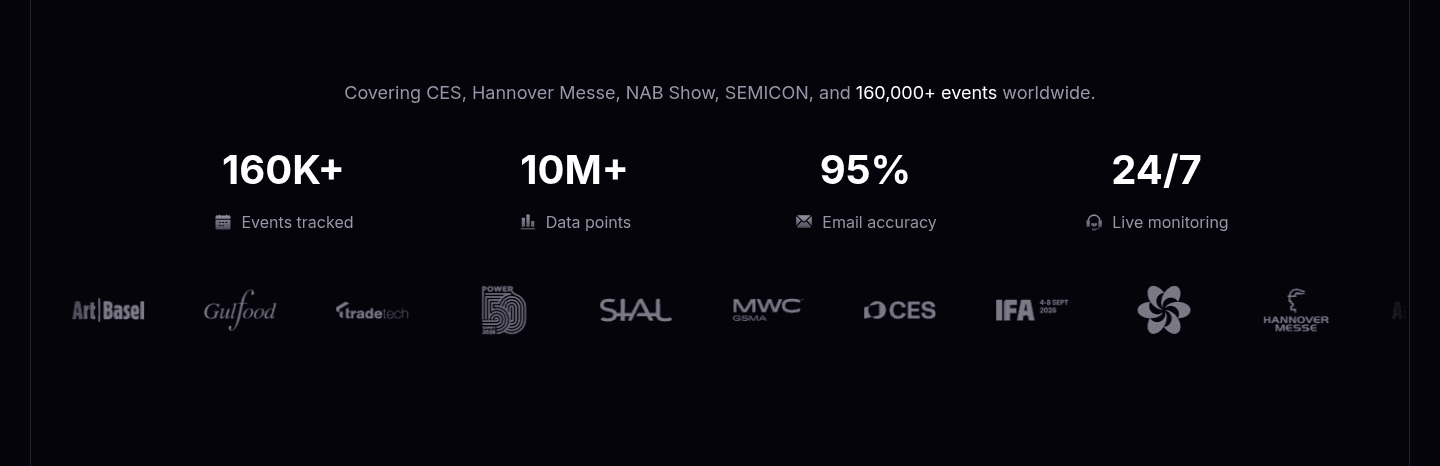
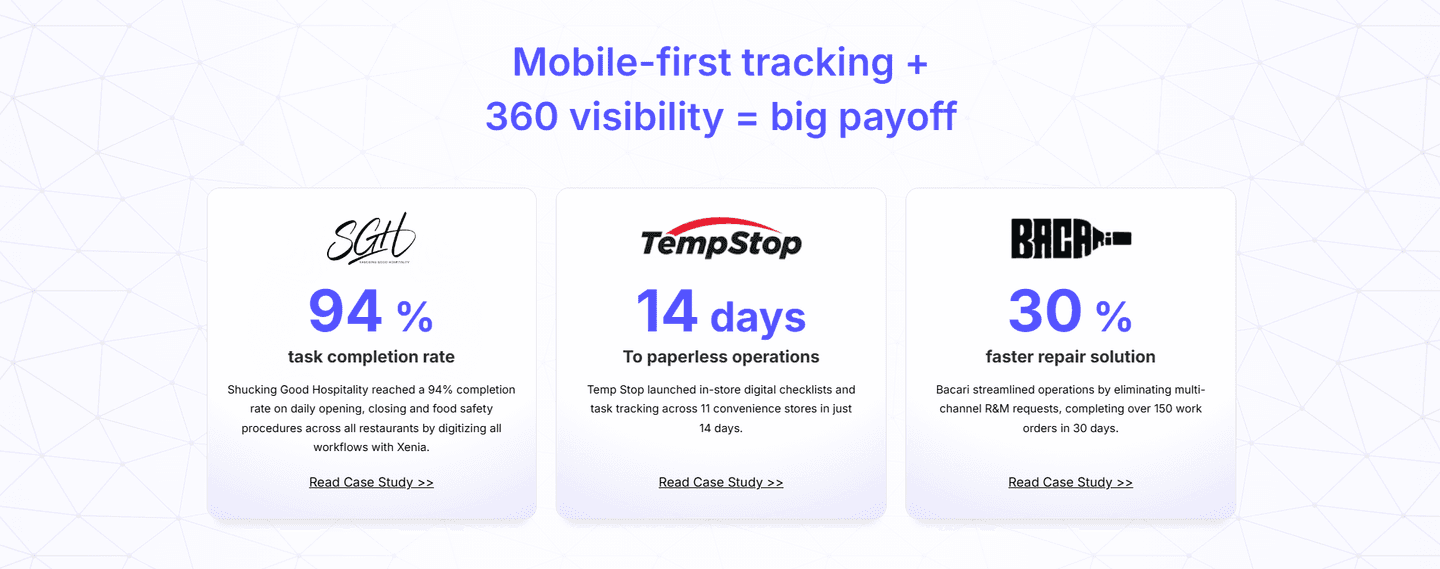
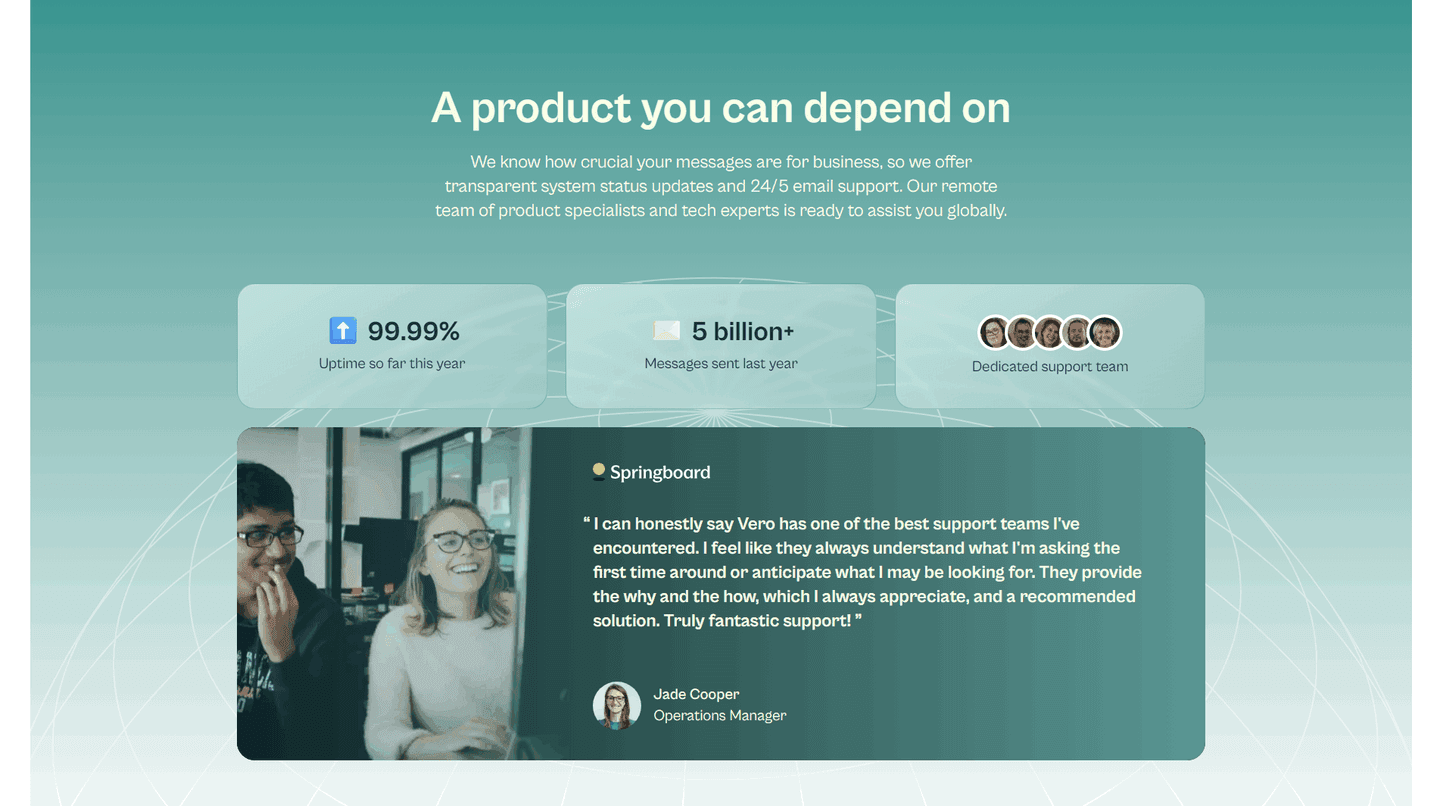
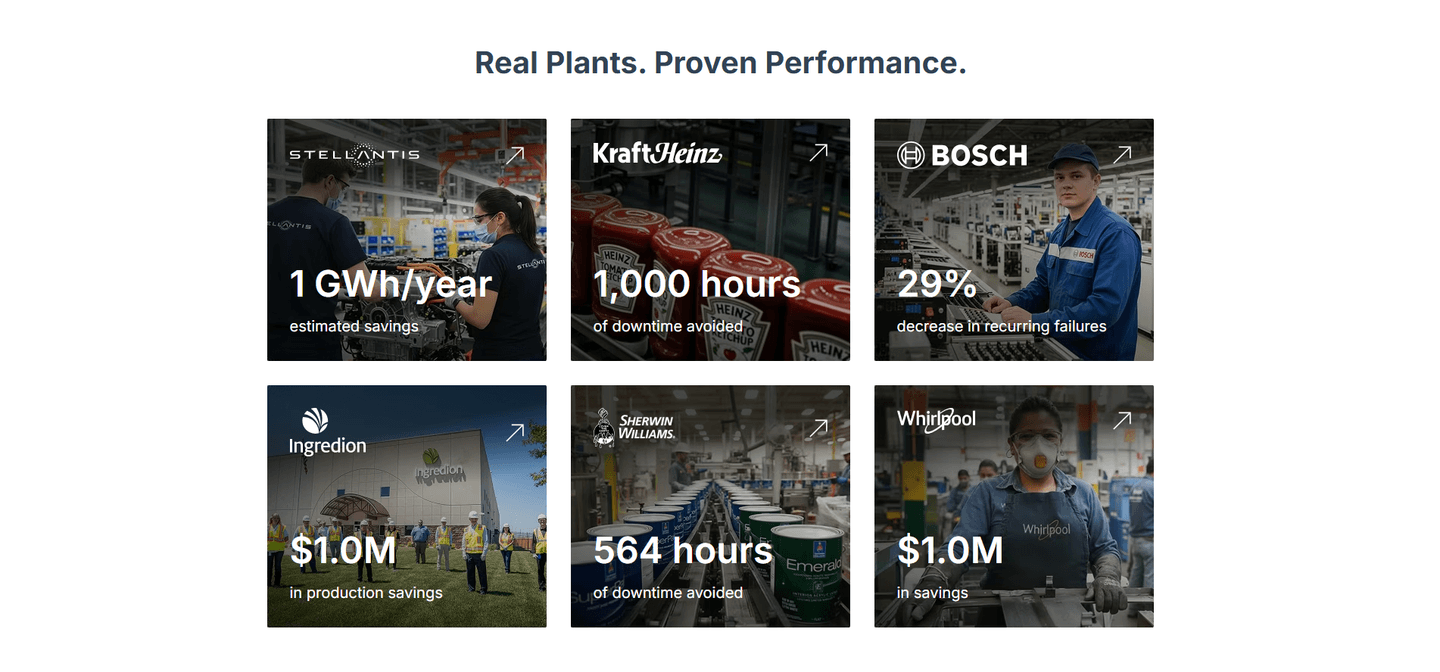
Nearly every strong trust band in the library stacks proof, so the difference between good and great is which types get combined and how tightly they reinforce. Wiz is the clearest case: G2 at 4.7/5 and Gartner Peer Insights at 4.8/5 lead, driving-outcomes stats quantify the payoff (50 percent achieve 0 criticals, 70 percent MTTR reduction), and named CISO quotes from Erik Hart and Igor Tsyganskiy sit beside Bridgewater and MARS logos, four proof types working at once. Firma.dev stacks three, five compliance badges, a G2 4.9-star rating, and a partner-logo strip, so a security lead, a skeptic, and a stack-fit worry all get answered. Samsara pairs each customer logo with a hard result, like 50 percent less driver turnover, then tops it with headline stats. Monta layers logos, big metrics like +330% revenue, and named faces. Browserstack ties logos, named quotes, and metrics into a single switchable card so the three types never drift apart.
The point in every case is reinforcement over volume. The best sections lean on aggregated review scores a buyer can verify for the reputation angle, and on hard stat counters at the head of the band for scale, then let recognizable logos borrow authority on top. Stacked well, each type covers a doubt the others cannot.
80/100_trust_1.png&w=1440&q=75) 0/100
0/100The first failure is monoculture: a trust band that repeats one type, a wall of badges or a row of logos, so it answers a single doubt loudly and every other one not at all. The second is the disconnected pile, where the badges, scores, and logos sit in separate strips with nothing tying them together, so the section reads as three unrelated widgets instead of one case that builds. The third is padding the stack with weak signals, a vague award or a rating from a site no one trusts, which dilutes the strong proof next to it. The fix is to choose types that answer different real doubts, and to wire them together so a logo carries a result, a quote names a person, and a score comes from a source the buyer already respects.

Curated by
Gabriel Amzallag , Founder, Web Anatomy
5 years CRO + SEO at Qonto (2021–2025). After advising 15+ SaaS on their websites (Payfit, Pigment…), the same patterns kept breaking, so I decided to build the source of truth on what works on the web: the intelligence layer every tool, builder, and team uses to ship sites that perform.
Paste your URL. Get a scored analysis of your trust section, including whether it stacks enough proof types to answer the doubts that block the sale. Free, no signup.
The common questions about combining several proof types in one trust band, with answers drawn from 101 scored examples.
It is combining several different kinds of proof in one trust band instead of leaning on a single signal. The common types are compliance and certification badges (SOC 2, ISO 27001, GDPR), third-party review scores (G2, Gartner, Capterra), hard stat counters (customer counts, uptime, outcome metrics), named customer voices with real photos, and recognizable brand logos. Firma.dev stacks five compliance badges, a G2 4.9-star rating, and a strip of ecosystem logos, three proof types in one block, so the credibility case does not rest on any one of them.
Different buyers doubt different things, and one proof type answers only one doubt. A security lead wants the SOC 2 badge, a skeptical operator wants the G2 score, and a budget owner wants a hard outcome number. Wiz answers all three at once: G2 at 4.7/5 and Gartner Peer Insights at 4.8/5, driving-outcomes stats like 50 percent of customers achieving 0 criticals, and named CISO quotes from Erik Hart and Igor Tsyganskiy beside Bridgewater and MARS logos. With that many angles covered, a visitor runs out of objections before running out of proof.
Any of the five, and the strongest sections mix at least two or three. Samsara pairs recognizable customer logos like DHL and Werner with a hard result on each card, then stacks headline stats (8X ROI, 4.7/5 app rating, 20T+ data points). Monta layers customer logos, big result metrics like +330% revenue, and named customers with photos and titles. Arrows combines named customers at HubSpot and Forecastr, a 4.8 G2 average, and hard numbers like 30 percent faster activation. The point is that the types reinforce each other.
Enough to cover the doubts that actually block the sale, usually two or three, not a pile of every badge available. Demodesk keeps it to two that reinforce: stacked compliance seals (GDPR, ISO 27001) plus a G2 4.9/5 score, so a self-claimed certification sits next to independent validation. Semgrep runs three, hard metrics like a 95 percent user agree rate, customer logos including Vanta, and a named quote from a Staff Security Engineer. More types help only when each answers a real question rather than repeating the last.
They make the types reinforce each other rather than sit in separate piles. Browserstack turns recognizable logos like Reddit and Mastercard into switchable tabs that each open a named quote and a hard metric, so logo, voice, and number arrive together. Scribehow pairs company logos with named-photo testimonials and metric counters under one Real results headline. The pattern is consistent: a badge answers security, a score answers reputation, a stat answers scale, and a face answers who else trusts it, and stacking them leaves no obvious gap.