Hero|
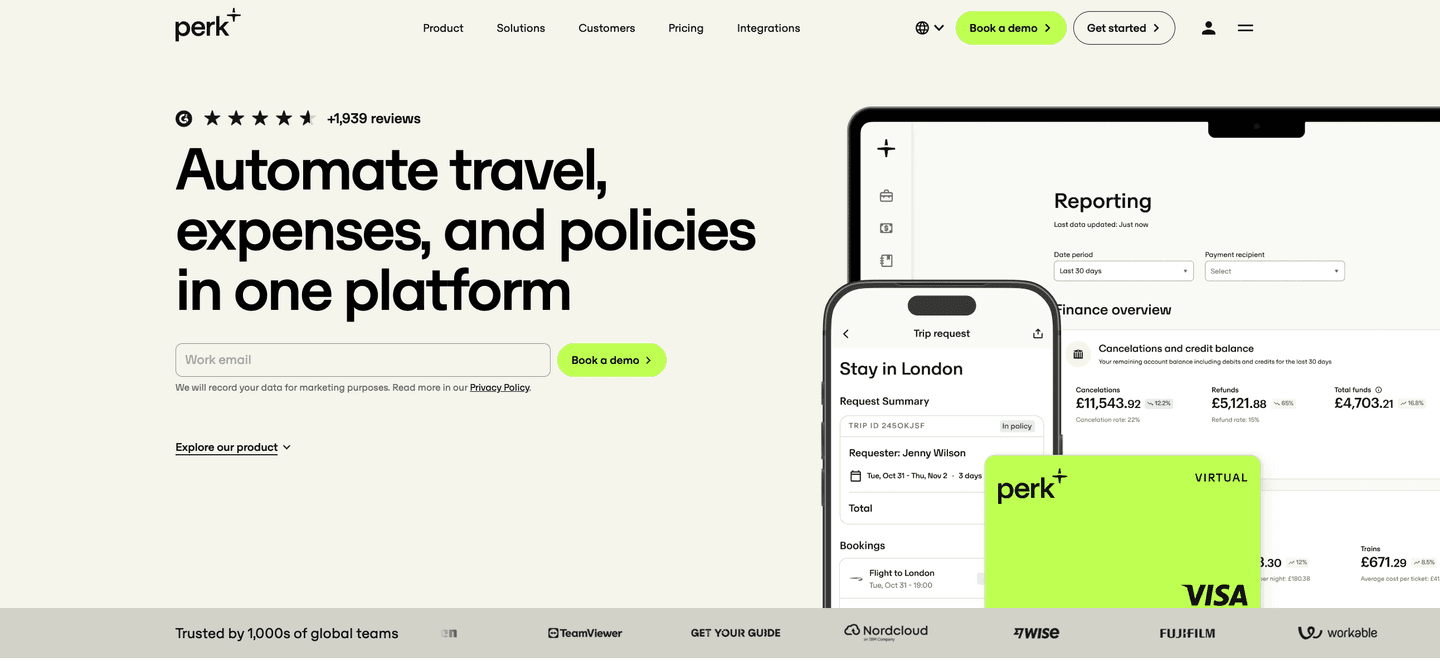
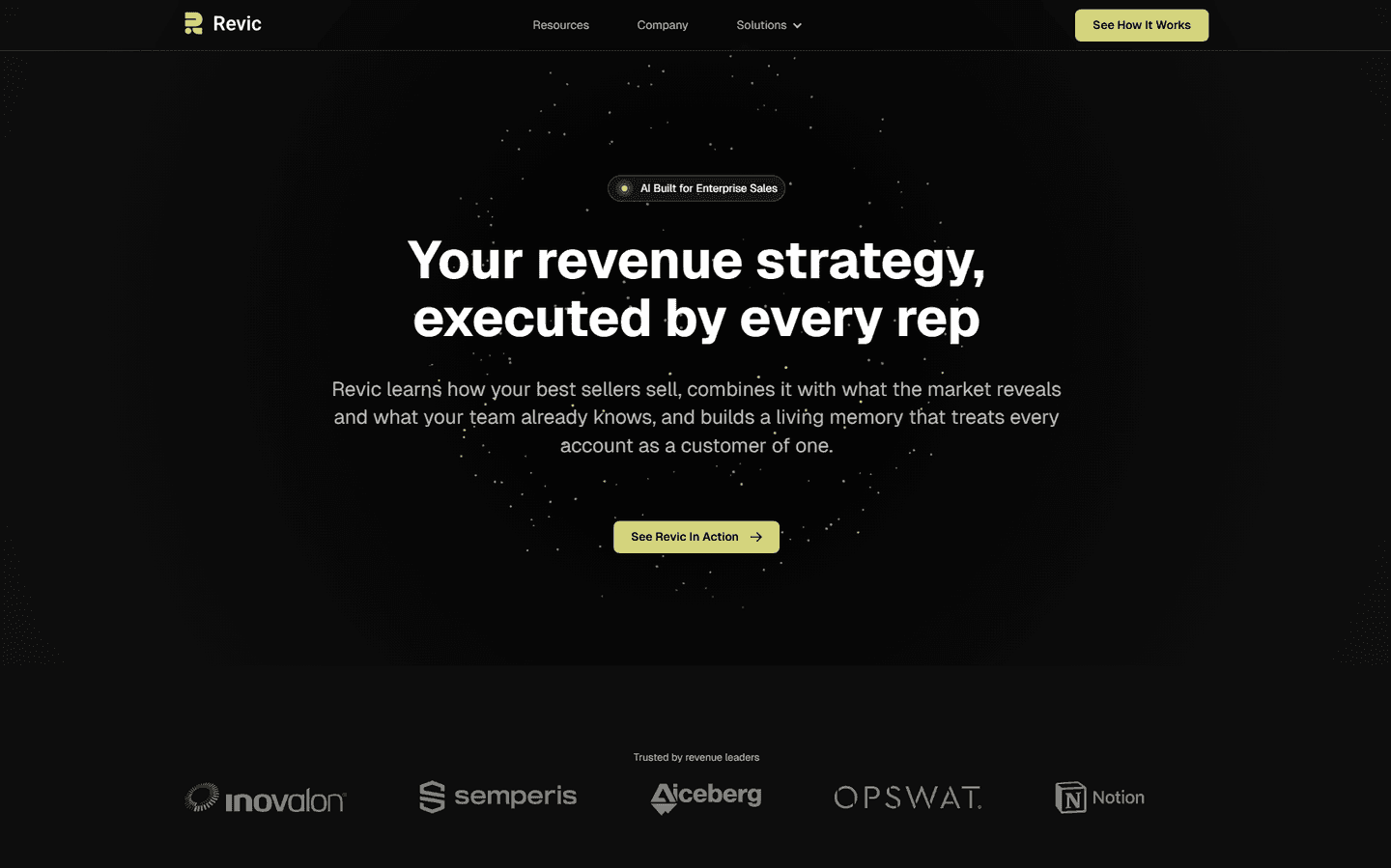
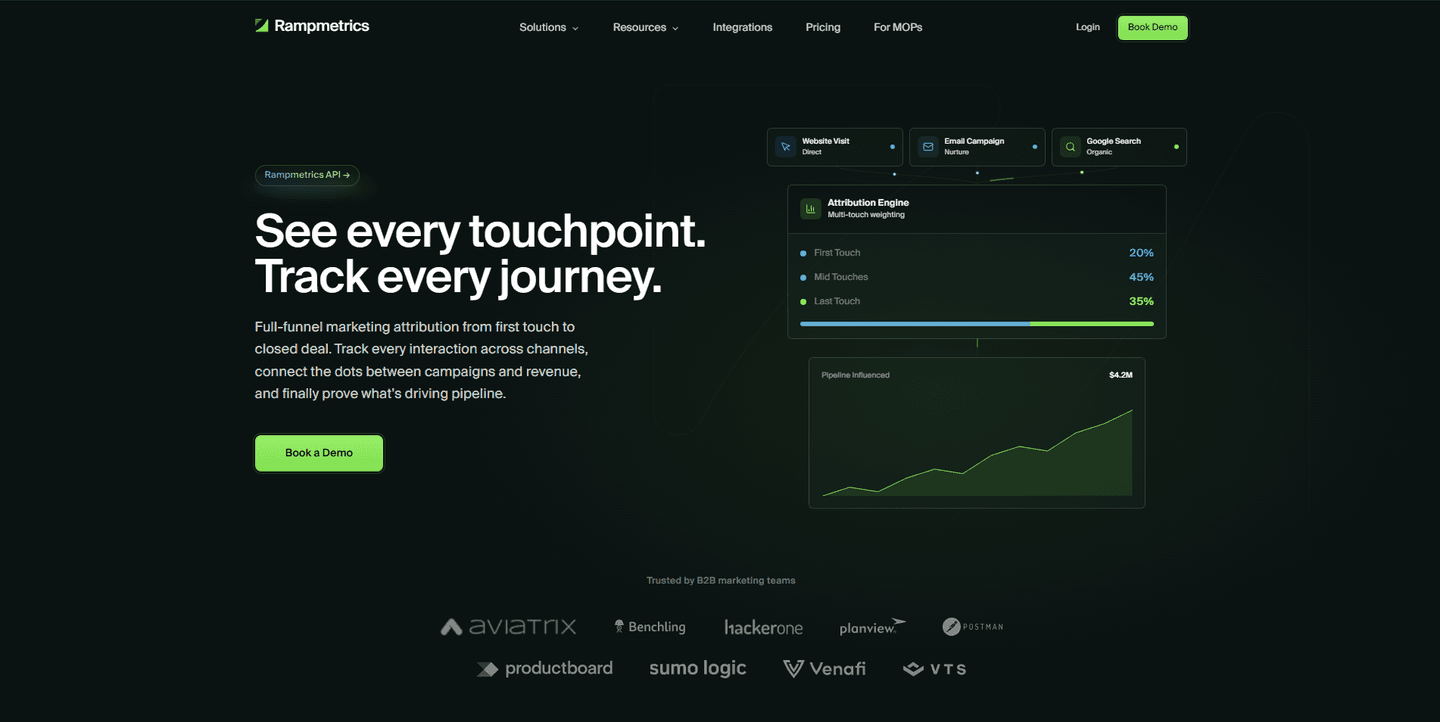
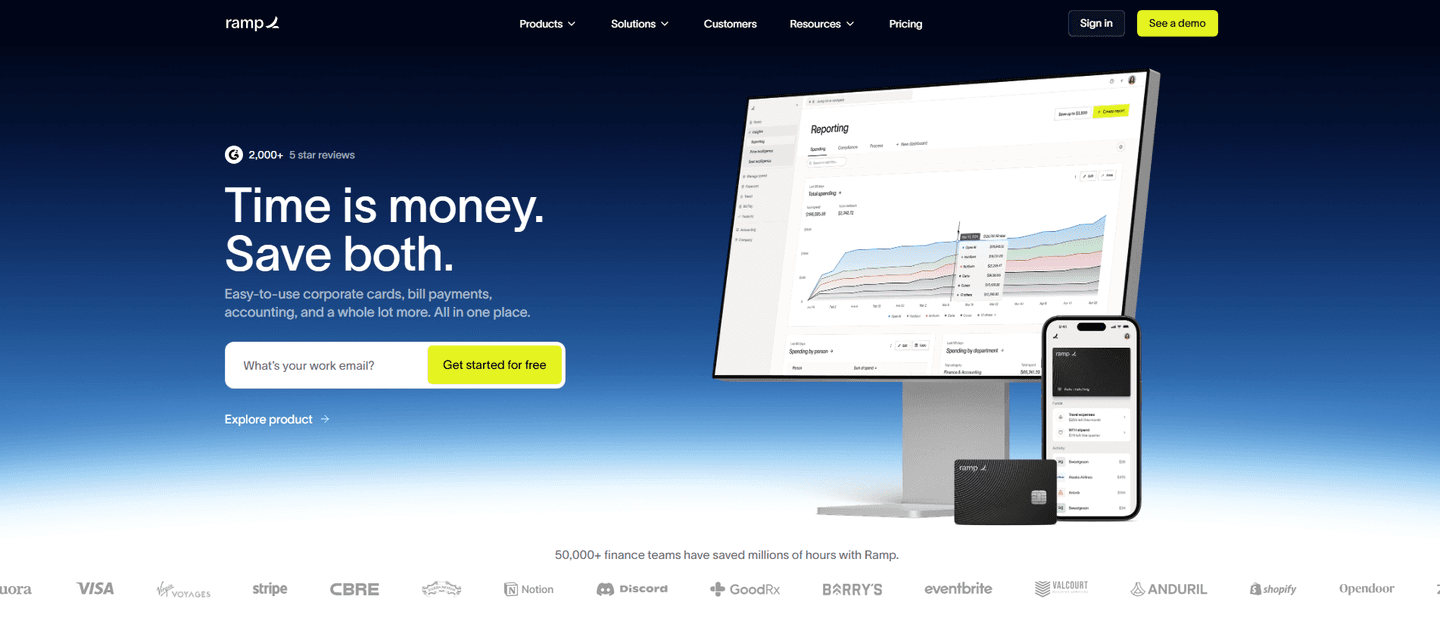
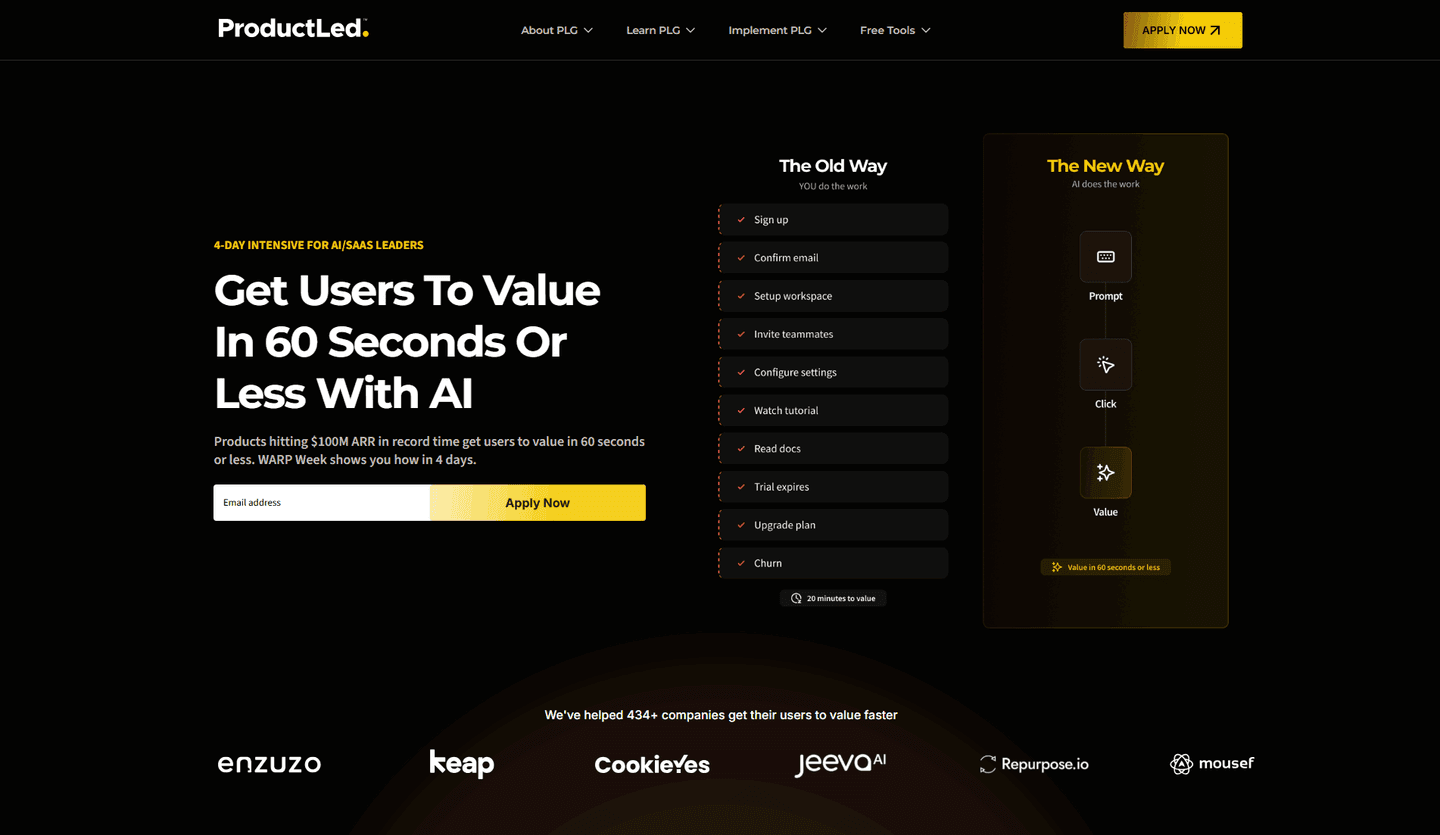
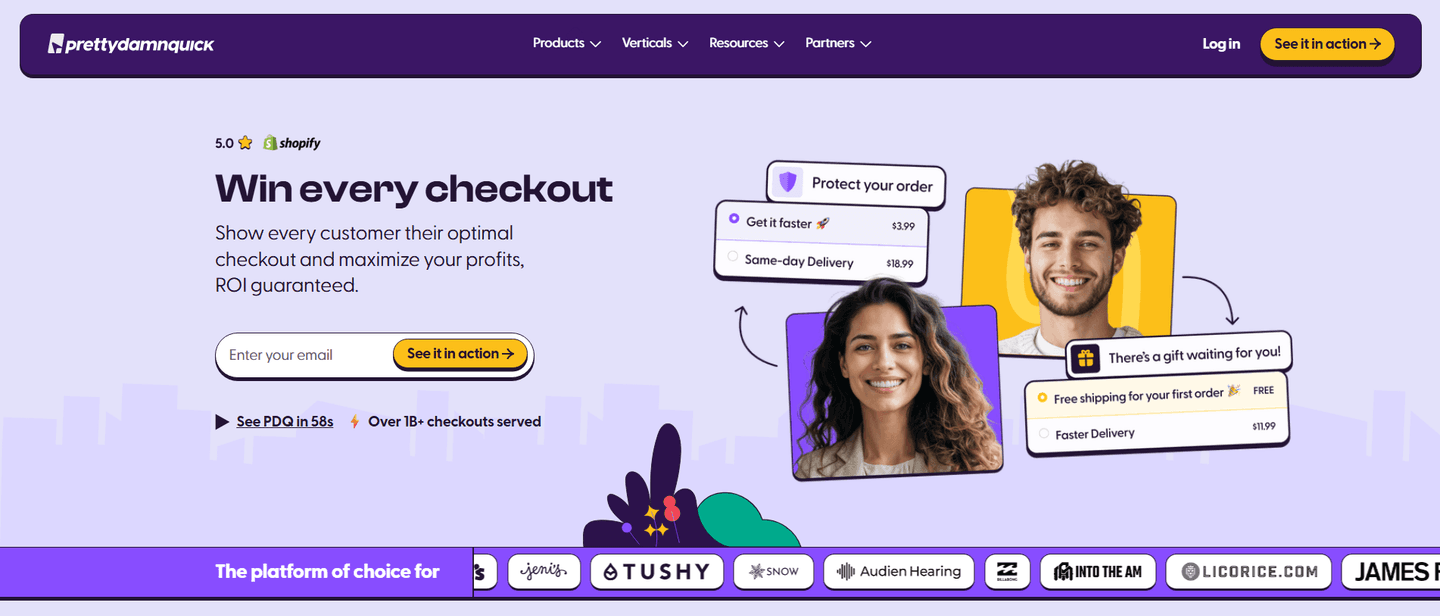
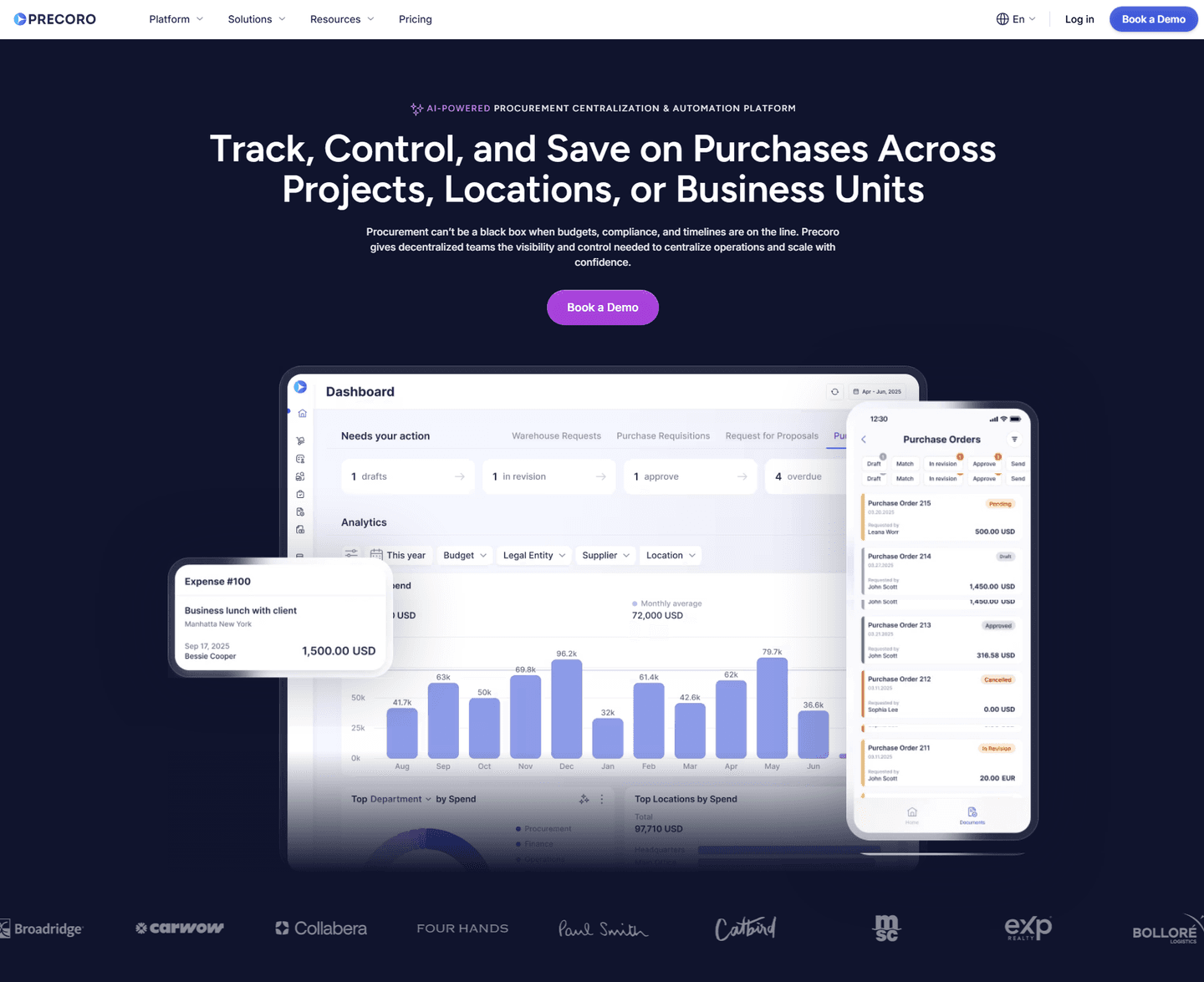
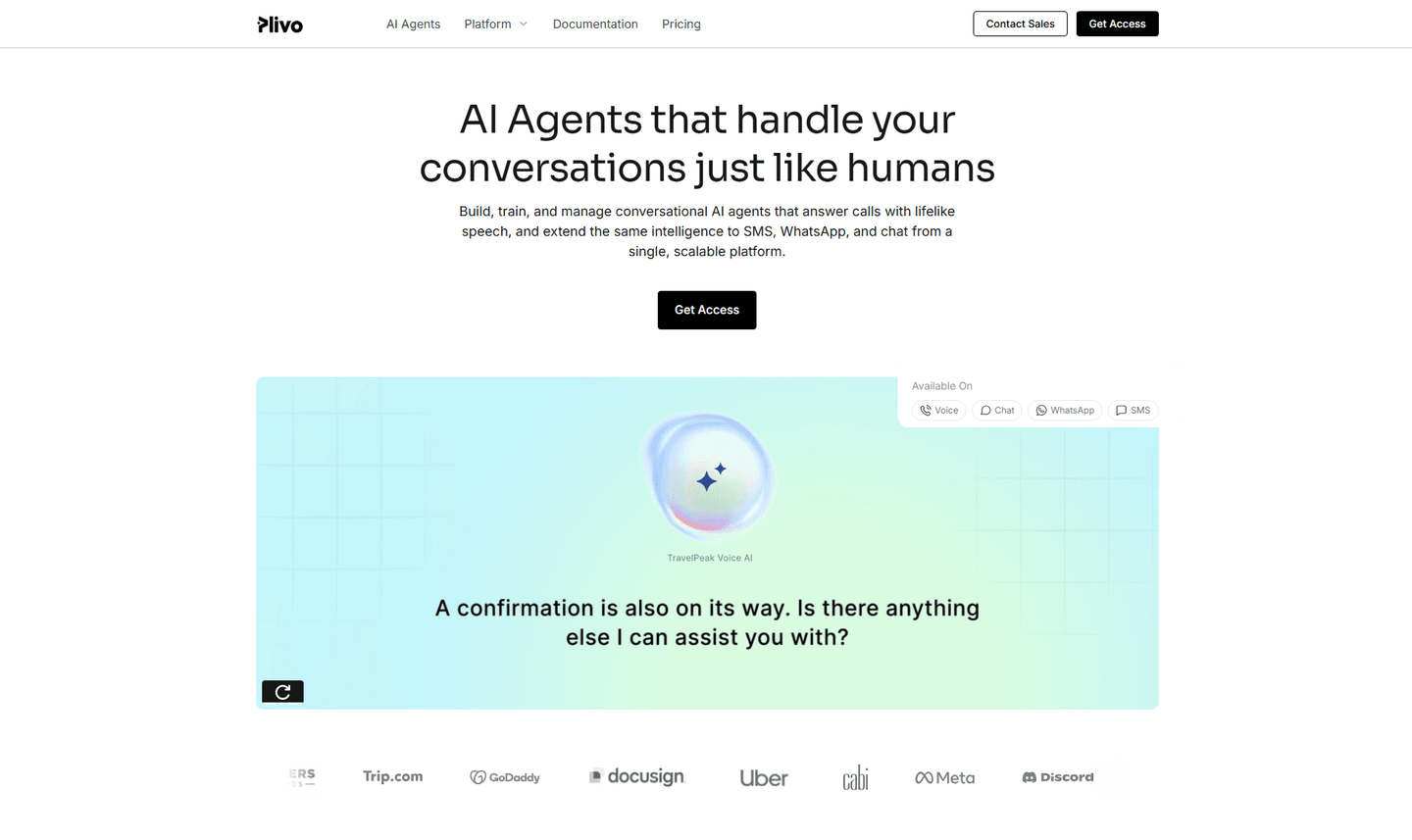
Social proof above the fold lowers hesitation by putting evidence next to the promise, before a visitor has to scroll or decide.
Key takeaways
Showing 106–126 of 184 examples
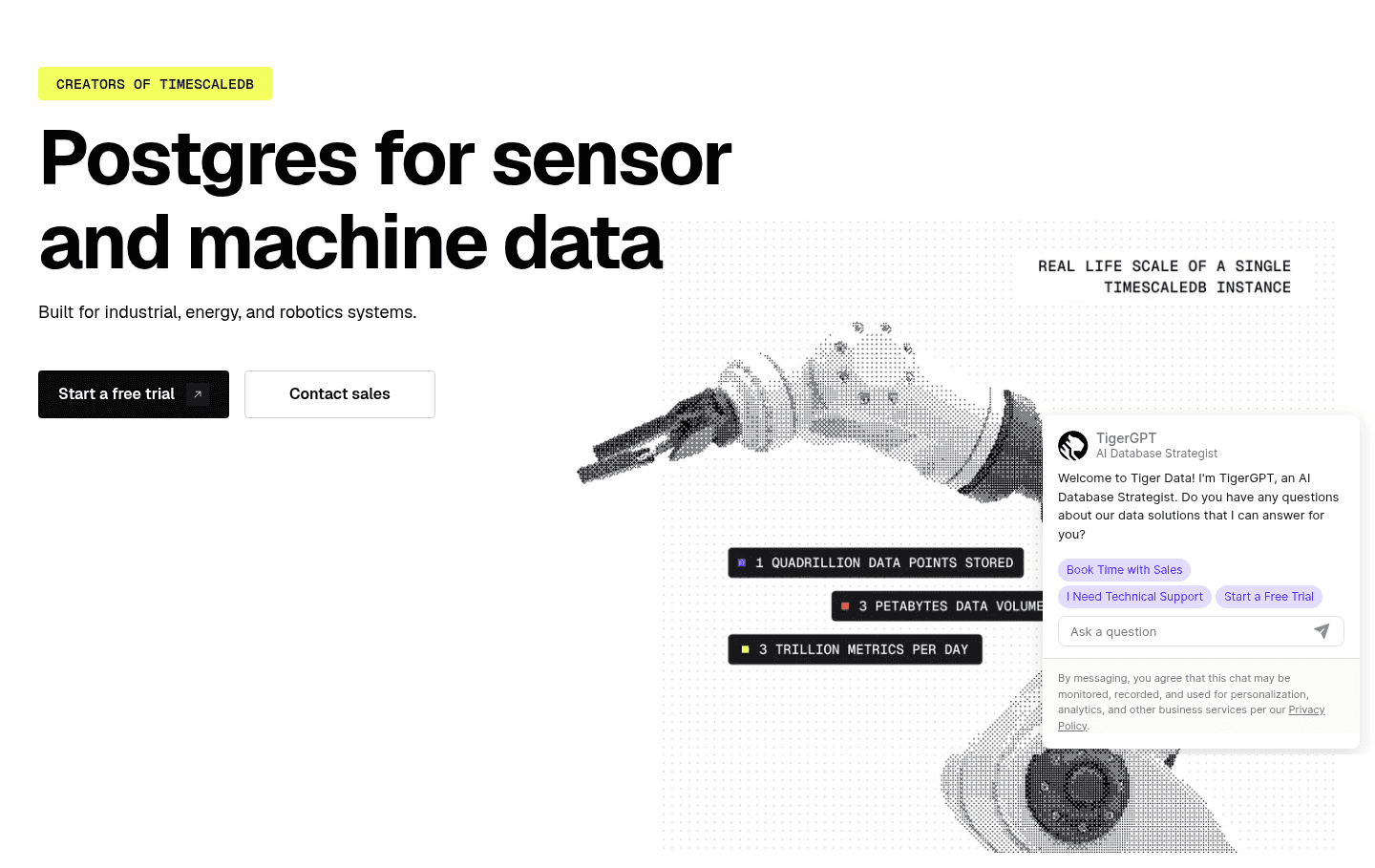
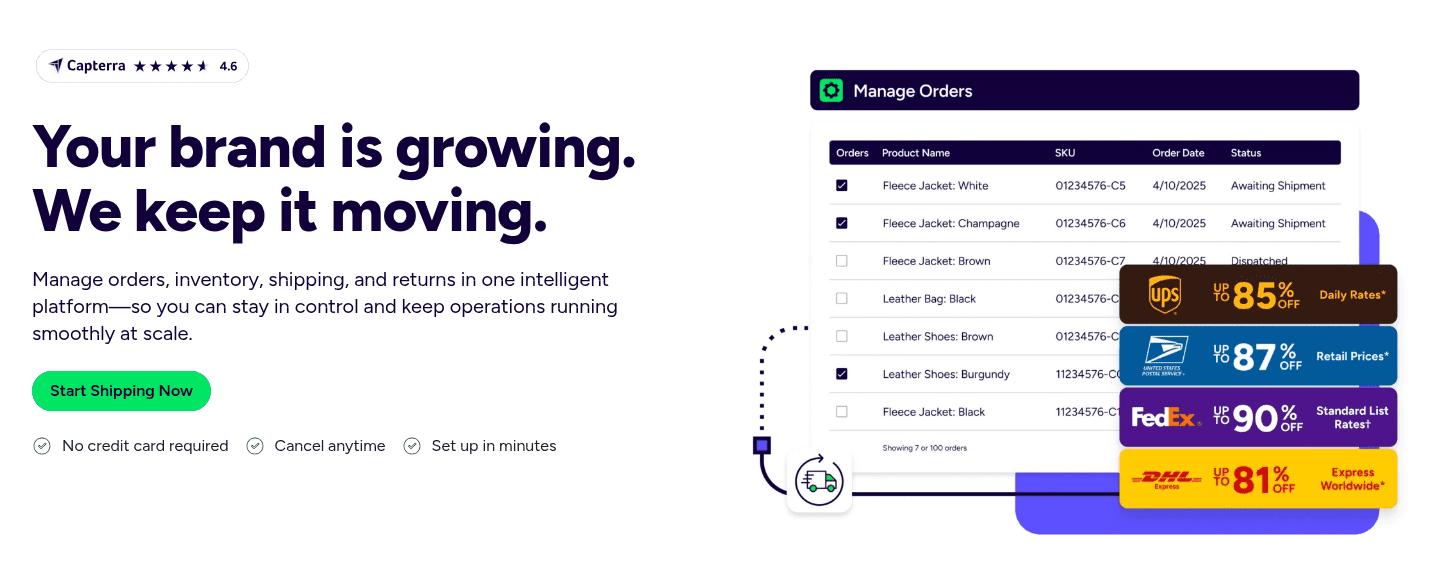


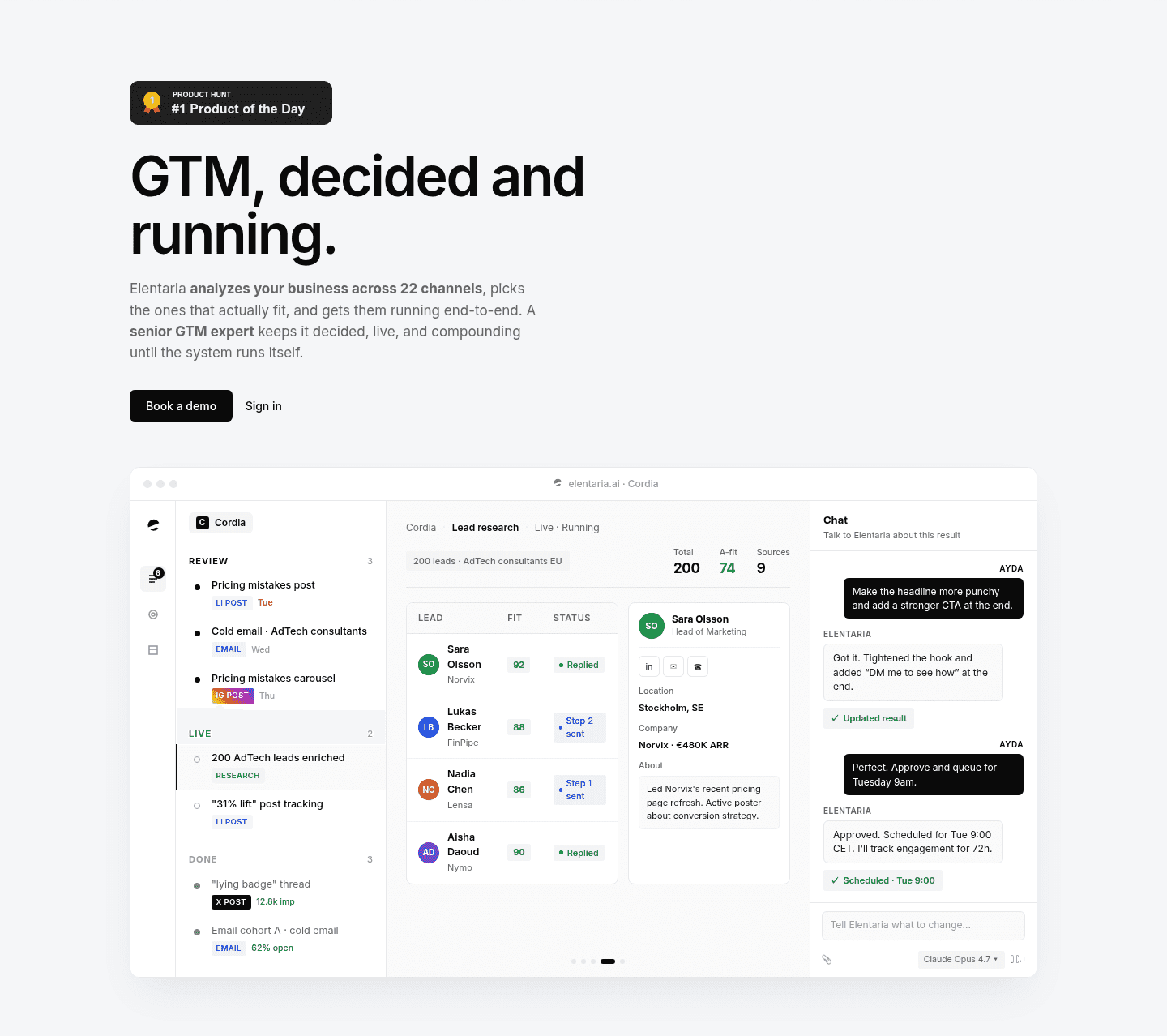
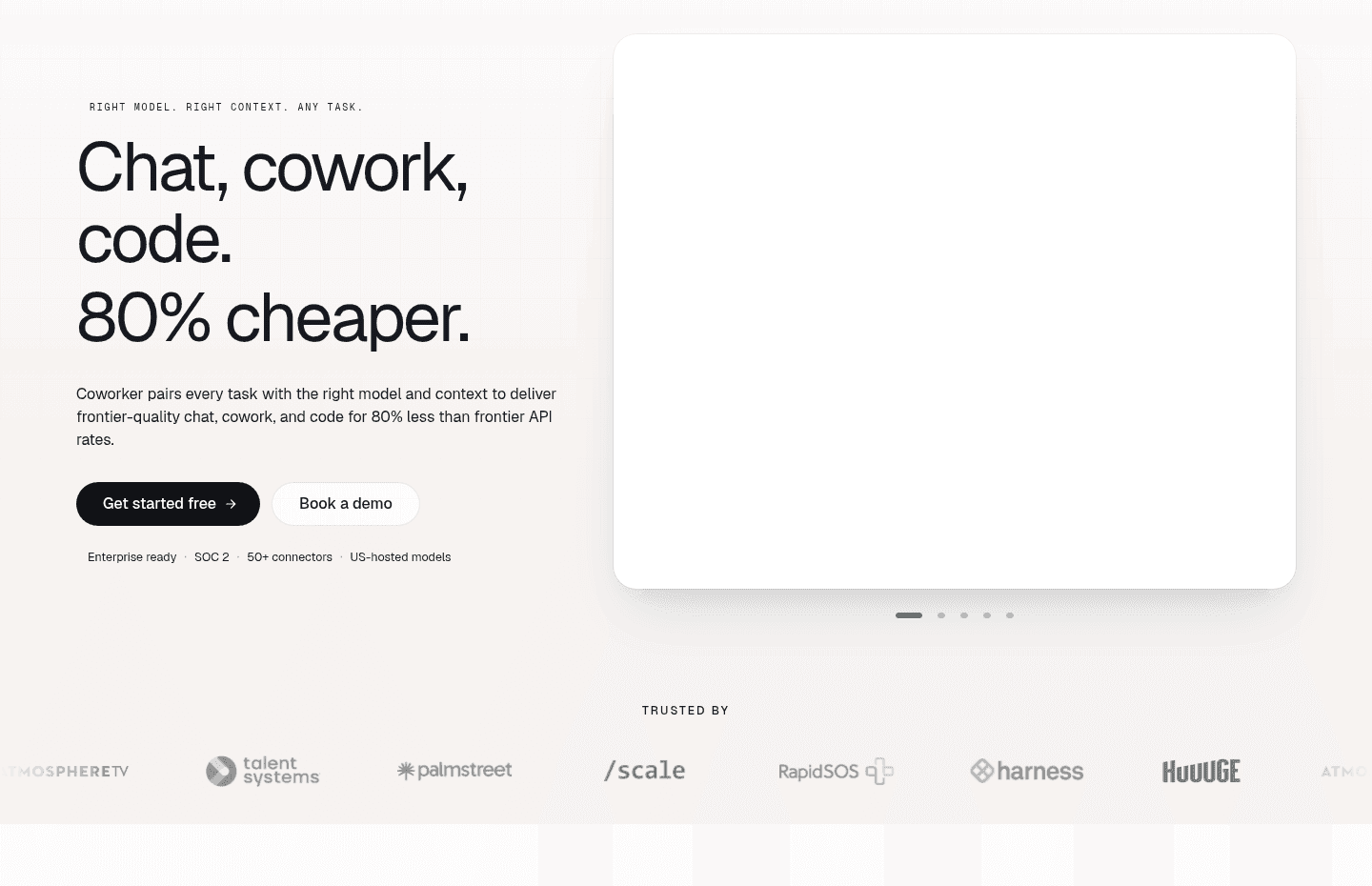
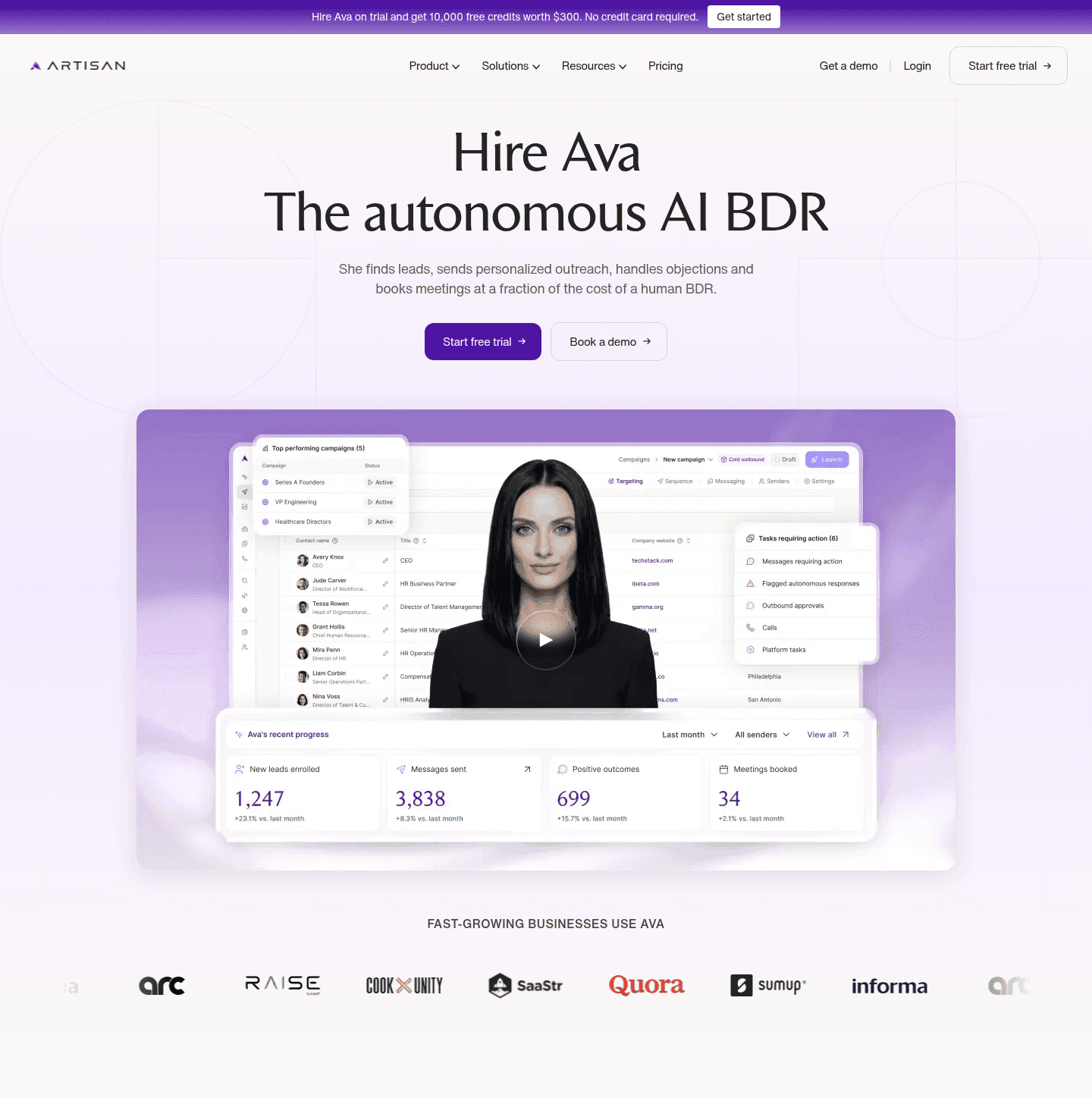
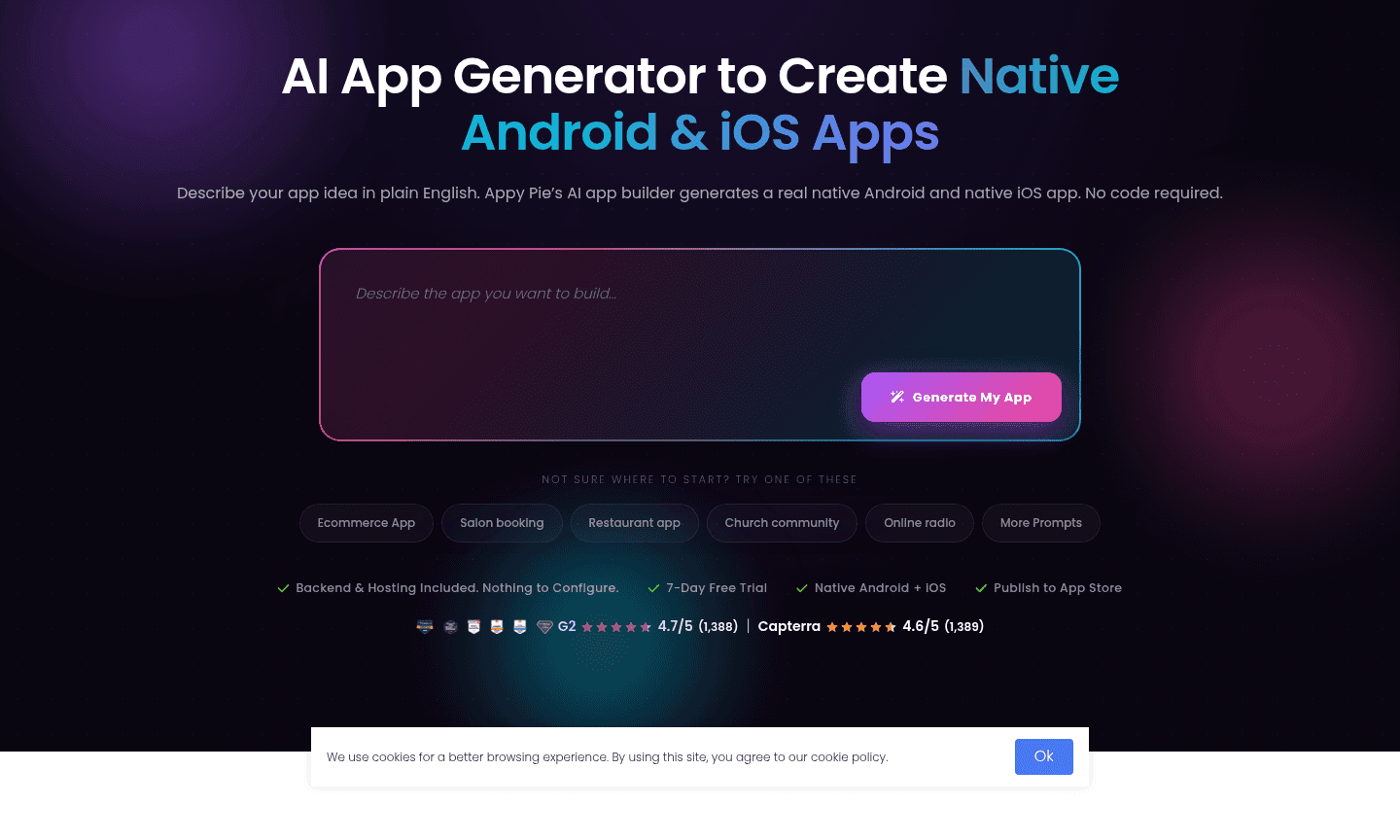
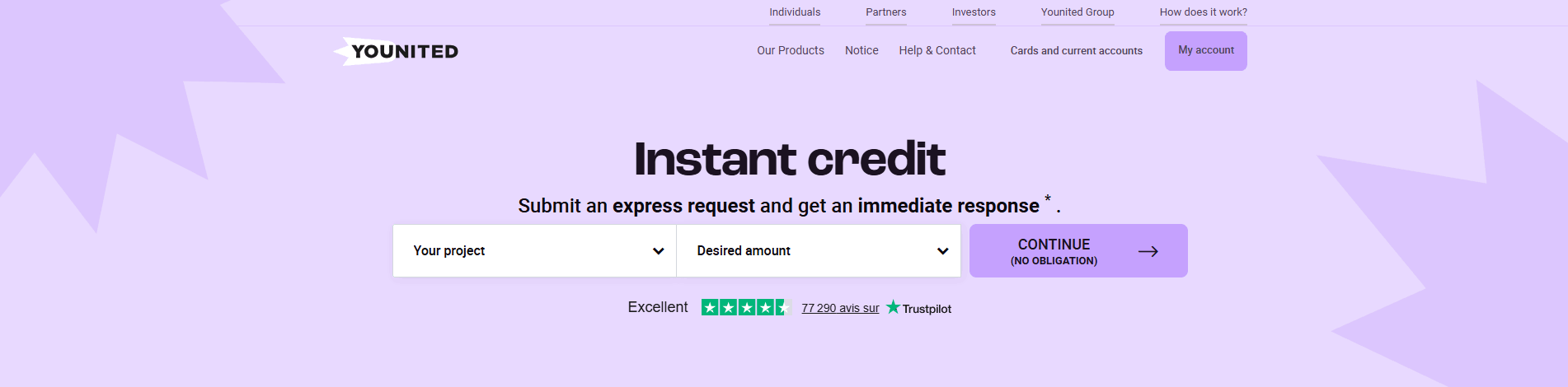
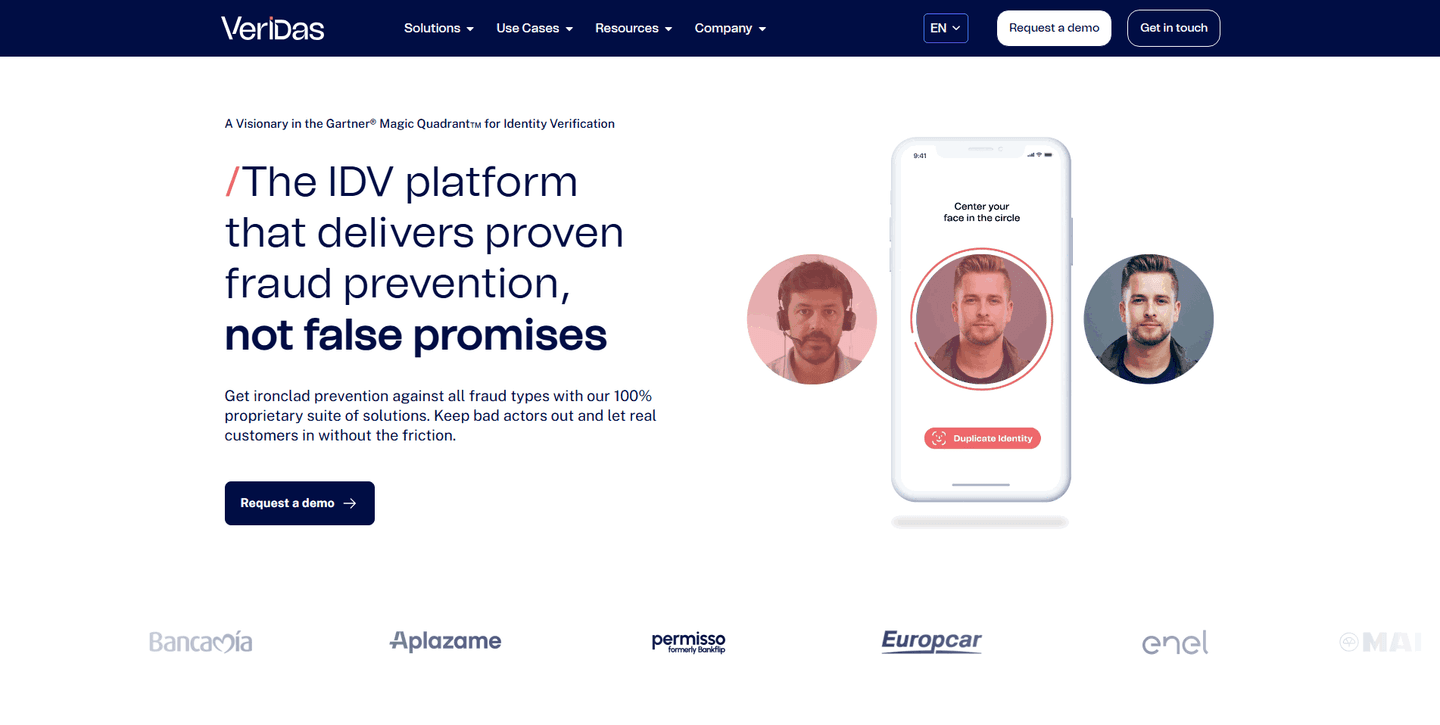
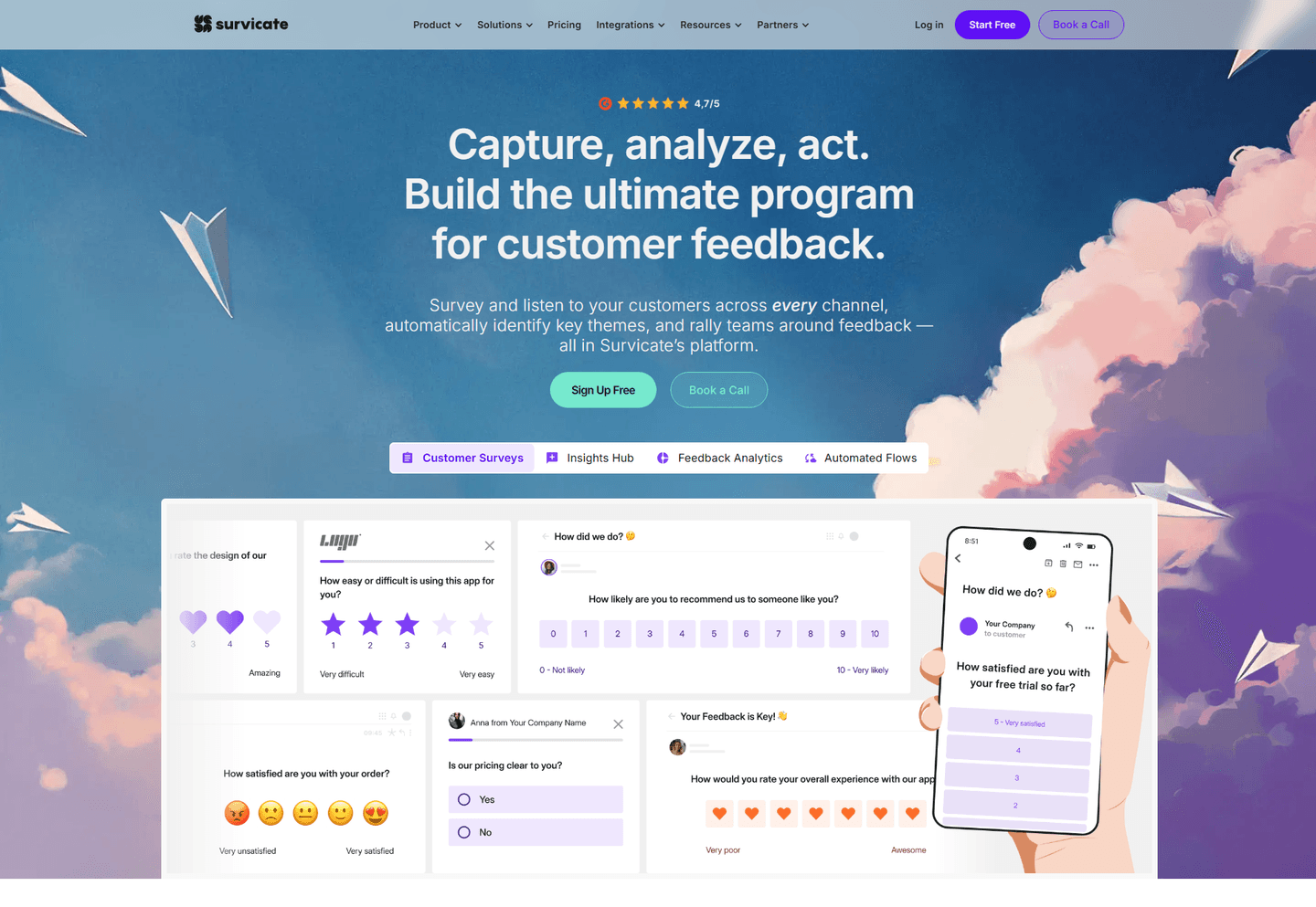
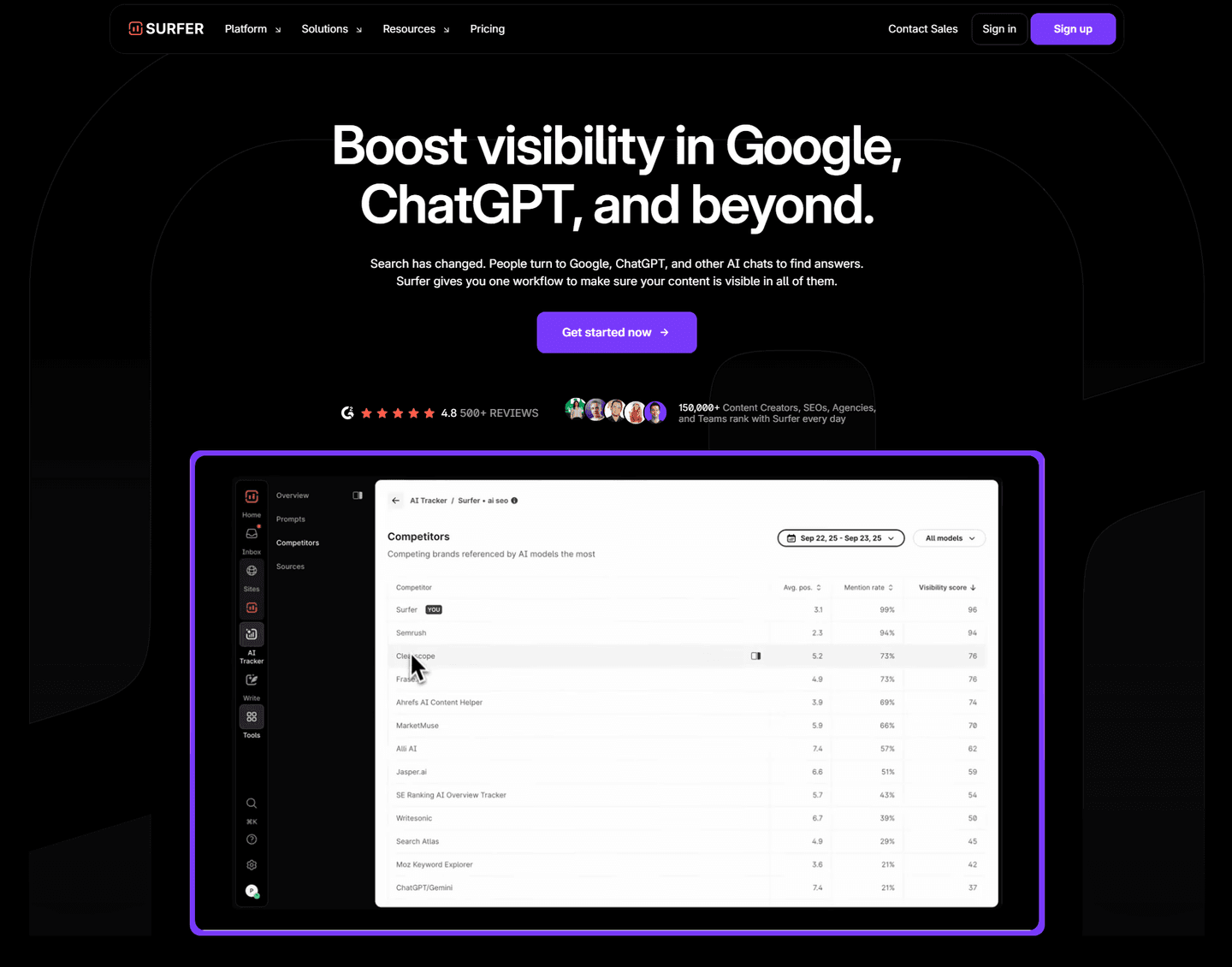
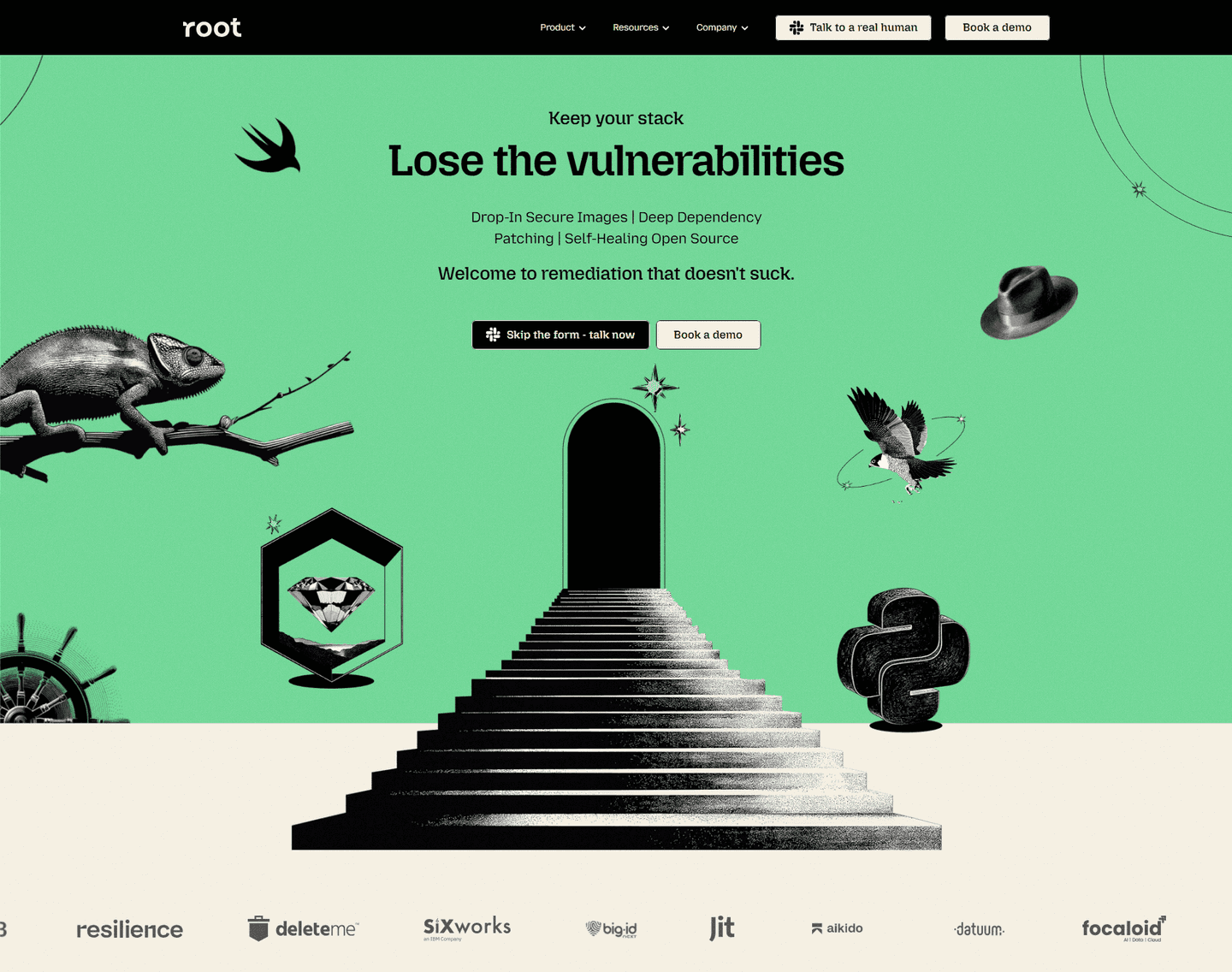
Browse every hero pattern by UX best practice, or jump to an industry view.
Every hero section is scored across 6 conversion best practices. Copy the best practice stack, not the design. See what converts and why.
Hand-picked from 350+ companies and analyzed by our AI conversion agent. Not a random dump of homepages. Every entry earns its spot.
Found a hero you admire? Run yours through the same scoring engine. See where you stand on the same best practices, and what to fix first.
Social proof above the fold is the decision to put evidence next to your promise, in the part of the hero a visitor sees before scrolling. The claim says "we are good." The proof says "other people already agree." When both share the same screen, the headline stops being an assertion and starts being a verified statement.
The best heroes use one of four forms, sometimes two together:
A visitor forms a first impression of a page in well under a second, and that impression decides whether they read on. A hero that makes a bold claim with no support has to win that moment on tone alone. A hero that pairs the claim with logos, a number, or a rating wins it on evidence.
The placement matters as much as the proof itself. Proof that lives below the fold only reaches the visitors who already chose to scroll, which is the audience that needed convincing least. Above the fold, the same proof reaches everyone, including the skeptics who would otherwise leave.
Roughly two-thirds of the scored hero sections in our library place social proof above the fold. Across the scored examples below, the pattern that performs is restraint. The strongest heroes lead with one dominant proof signal, not five. They place it directly under the headline and call to action, or as a thin strip at the base of the hero, so it never competes with the value proposition for attention. And they make the proof specific: a named company beats "industry leaders," a real number beats "thousands," a dated rating beats a vague badge.
Proof rarely carries a hero alone. The strongest pair it with a product visual in the hero so the claim is backed by the product itself.
64/100 0/100
0/100The usual failure is proof that is technically present but effectively invisible: a logo bar in pale gray that blends into the background, a rating in six-point type, a testimonial buried under a fold on mobile. The second failure is over-stacking, where the hero carries so many trust elements that the headline and CTA lose the screen. Lead with your single strongest signal, make it legible, and keep it above the fold on the devices your buyers actually use.

Curated by
Gabriel Amzallag , Founder, Web Anatomy
5 years CRO + SEO at Qonto (2021–2025). After advising 15+ SaaS on their websites (Payfit, Pigment…), the same patterns kept breaking, so I decided to build the source of truth on what works on the web: the intelligence layer every tool, builder, and team uses to ship sites that perform.
Paste your URL. Get a scored analysis of your hero section, including whether your proof lands above the fold. Free, no signup.
The common questions about putting trust signals in the hero, with answers drawn from 184 scored examples.
It means putting credibility signals inside the hero section, in the area visible before scrolling. The most common forms are a customer logo bar, a quantified stat like 'Trusted by 10,000 teams', a star rating from a review site, or one short customer quote with a name and face.
The hero is where visitors decide whether to keep reading. A bold claim with no evidence reads as marketing. The same claim next to logos, a rating, or a real number reads as a fact other people already verified. Placing proof above the fold means the visitor sees the evidence at the same moment they read the promise, before doubt has time to set in.
Customer logos, a count of users or companies, an aggregate rating from G2 or Capterra, a named testimonial, press or award badges, and security or compliance marks all count. The strongest heroes combine two types, for example a logo bar plus a quantified stat, so the proof is both broad and specific.
Directly under the headline and primary call to action, or as a thin strip along the bottom of the hero. The goal is that it shares the screen with the value proposition on a standard laptop and on mobile, so it is never something a visitor has to scroll to find.
Enough to be credible without competing with the headline. One logo bar, or one stat plus one quote, is usually right. Stacking five different proof types in the hero dilutes the message and pushes the call to action down. Lead with your single strongest signal.