Hero|
Clear positioning in the hero tells a visitor not just what the product does, but why it beats the alternatives they are weighing, so the choice gets easier instead of harder.
Key takeaways
Showing 43–63 of 90 examples
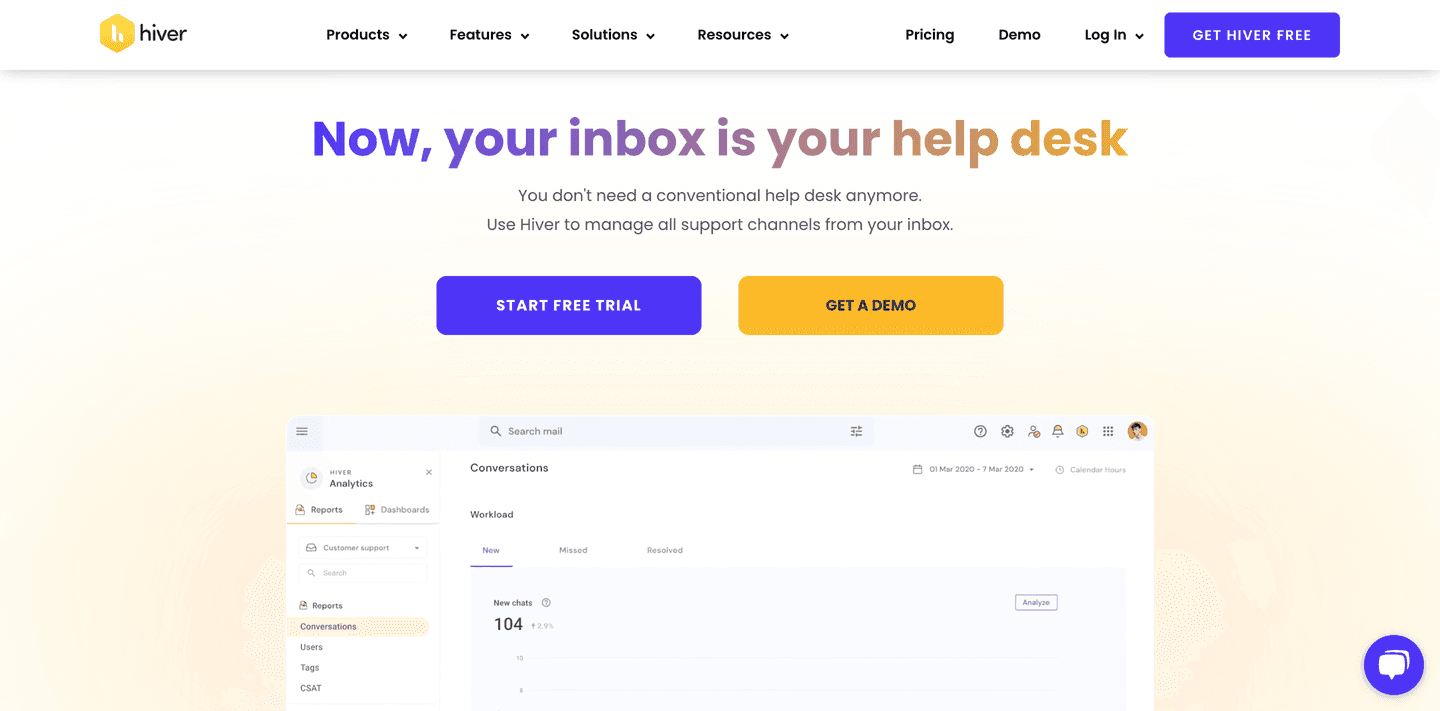
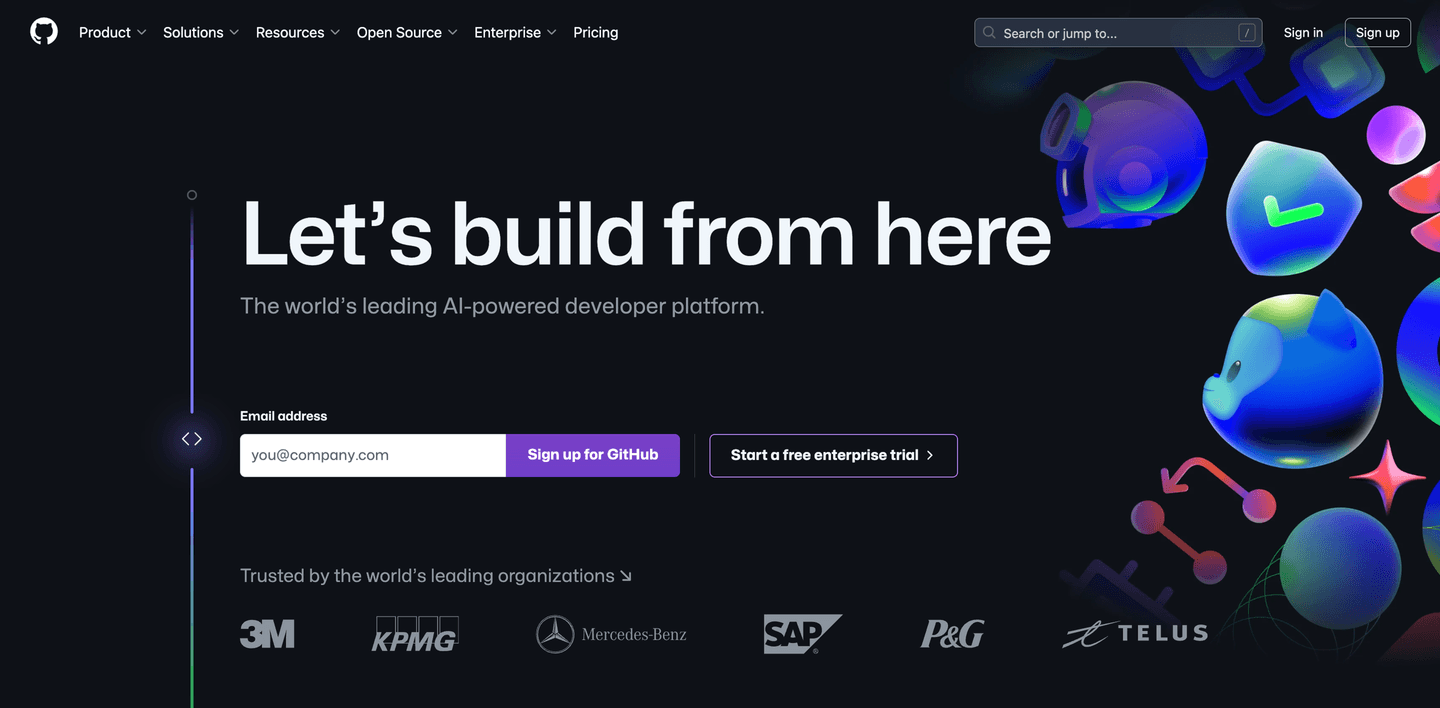
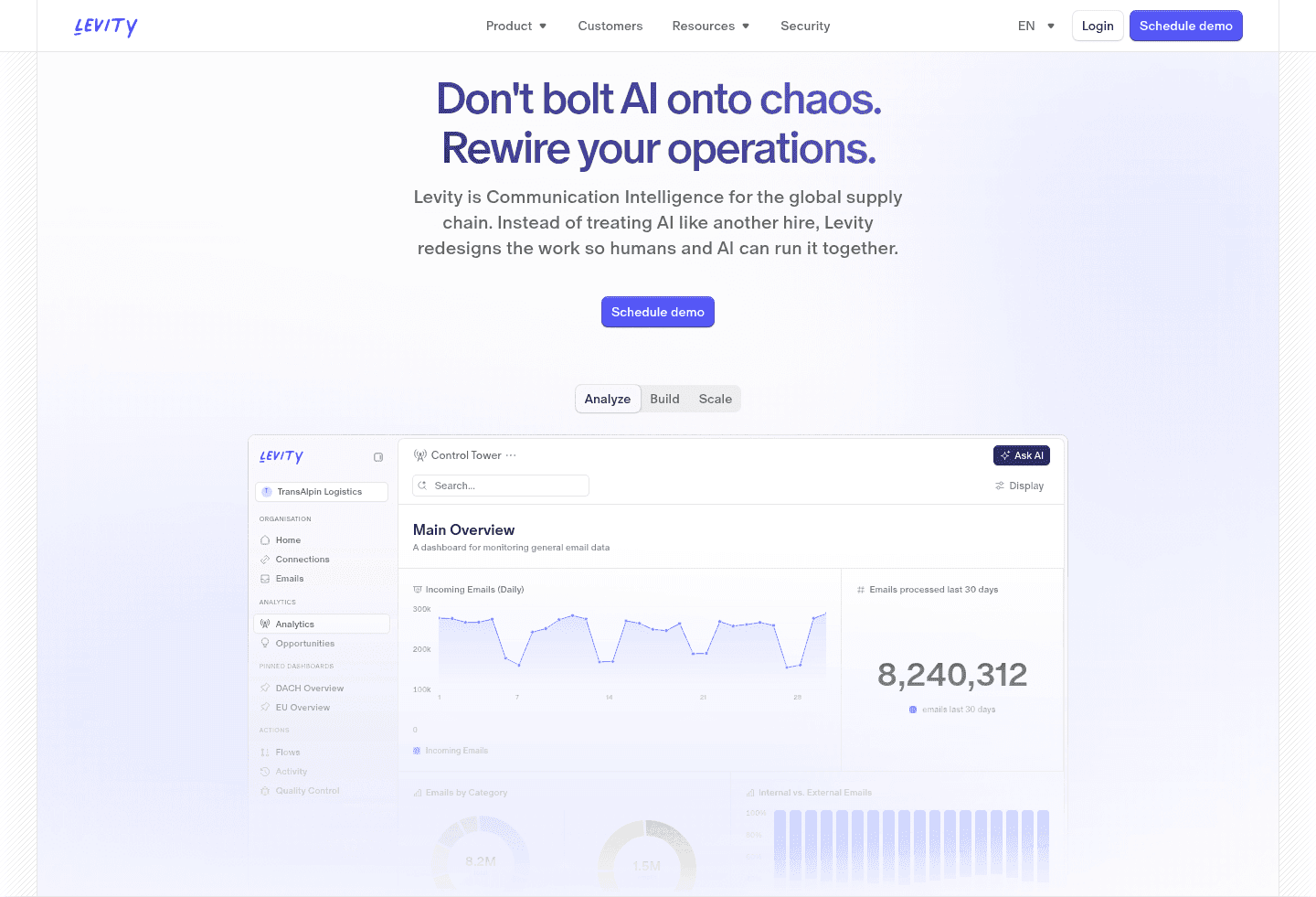
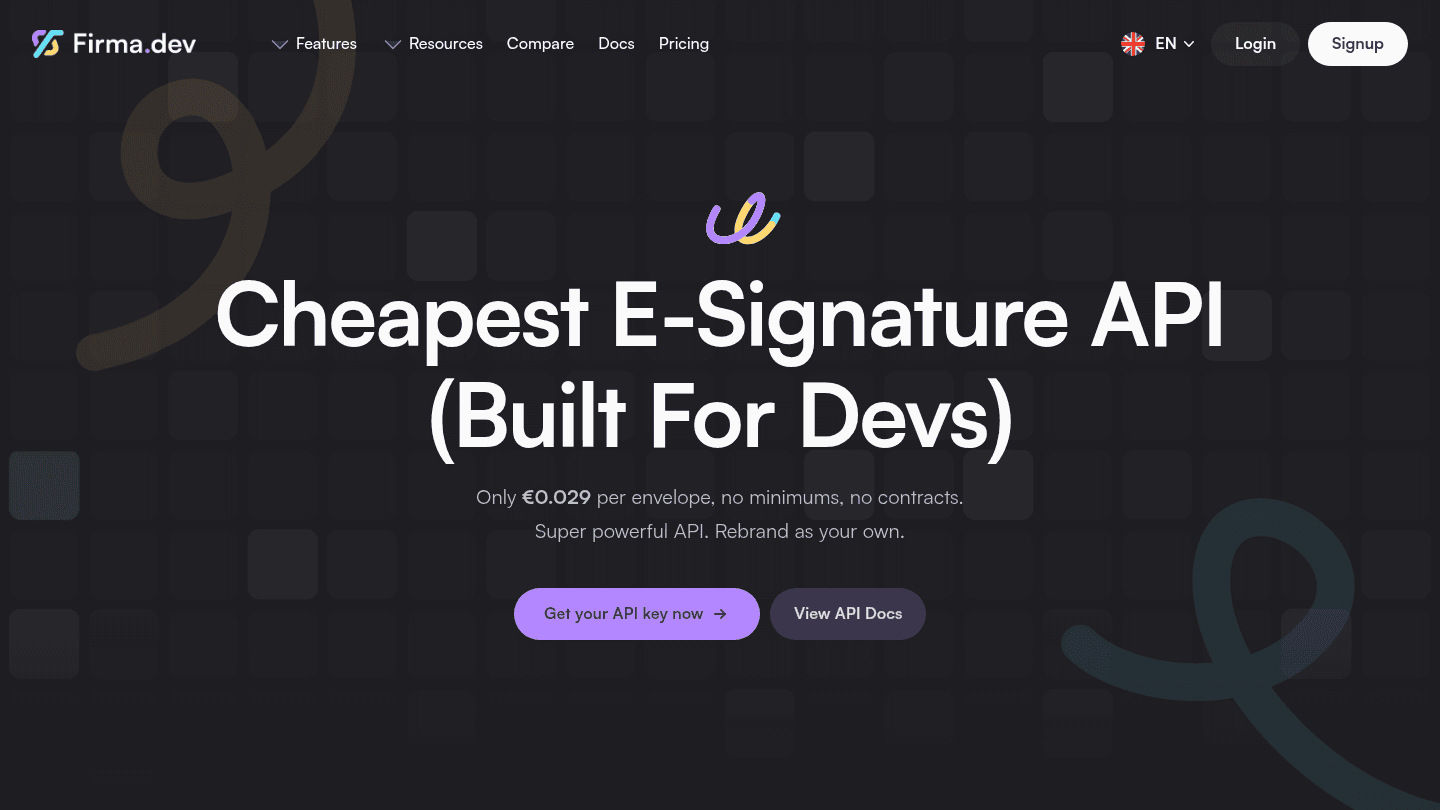
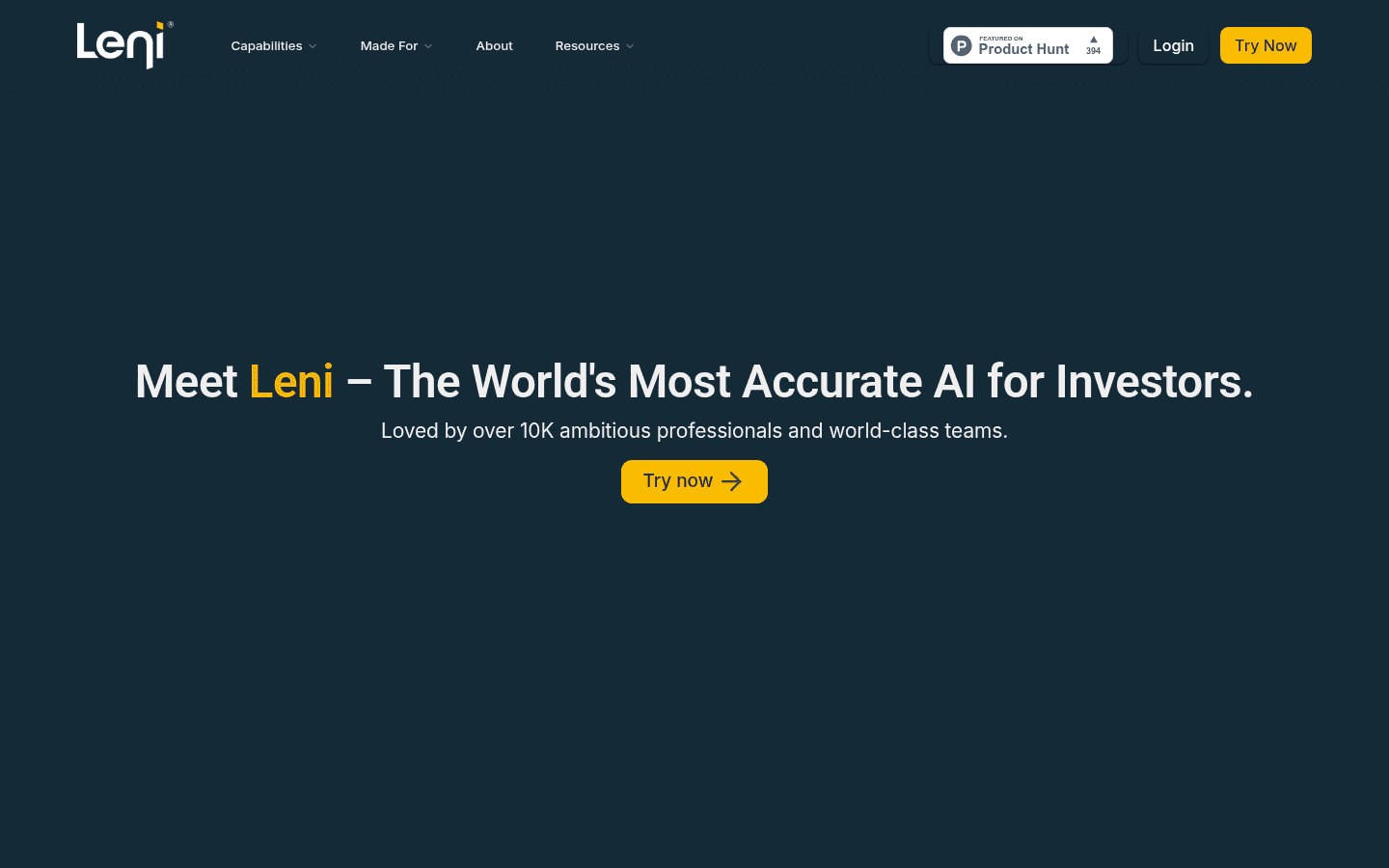
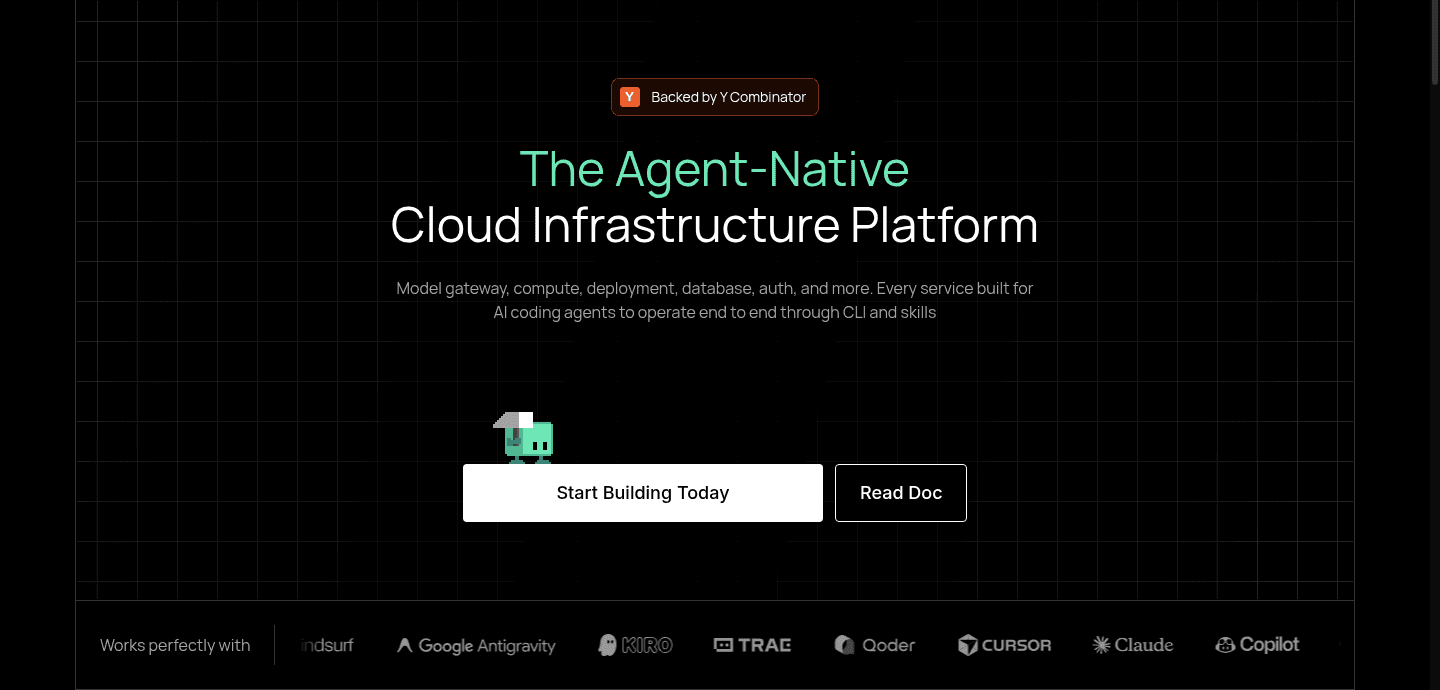
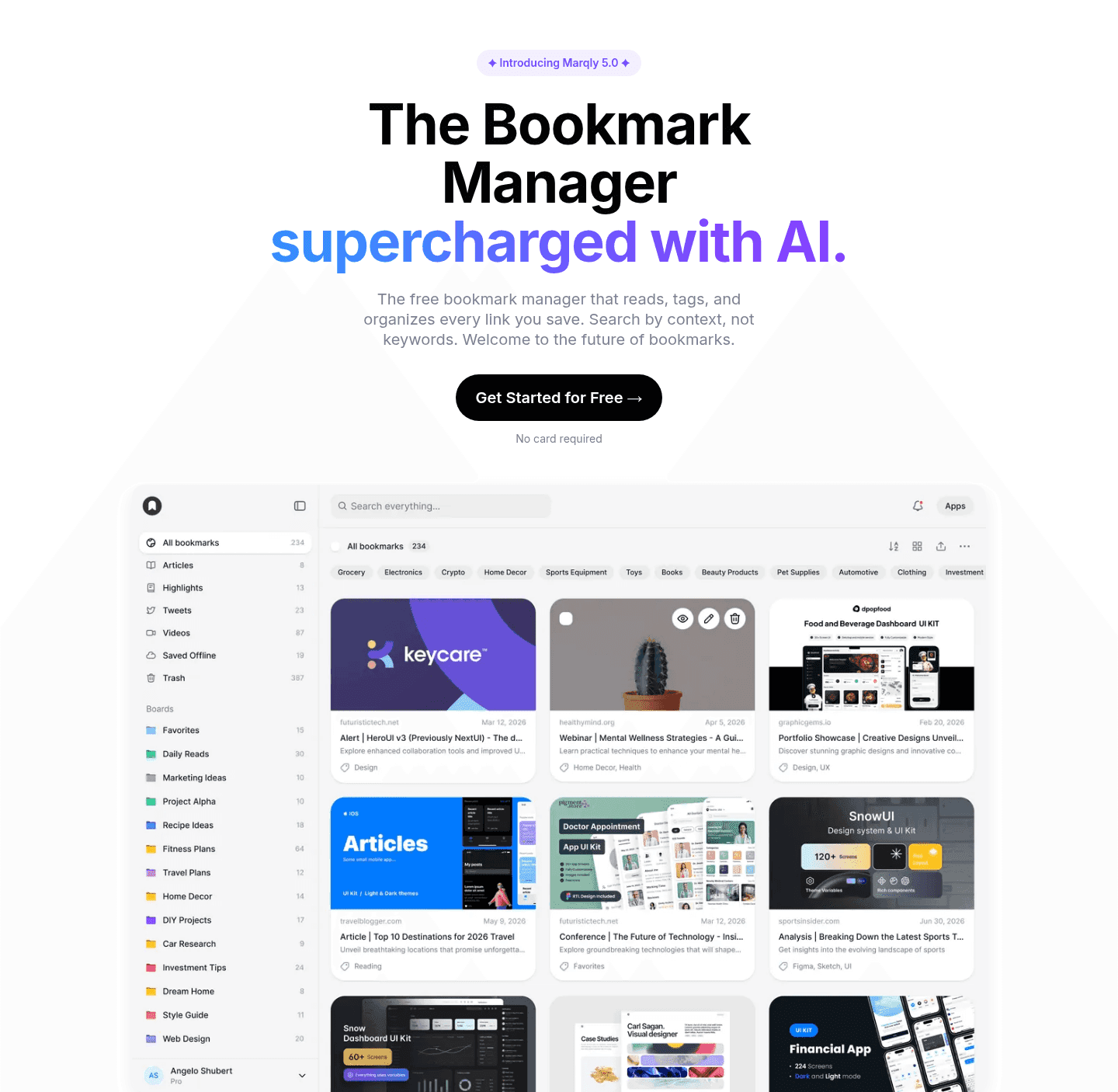
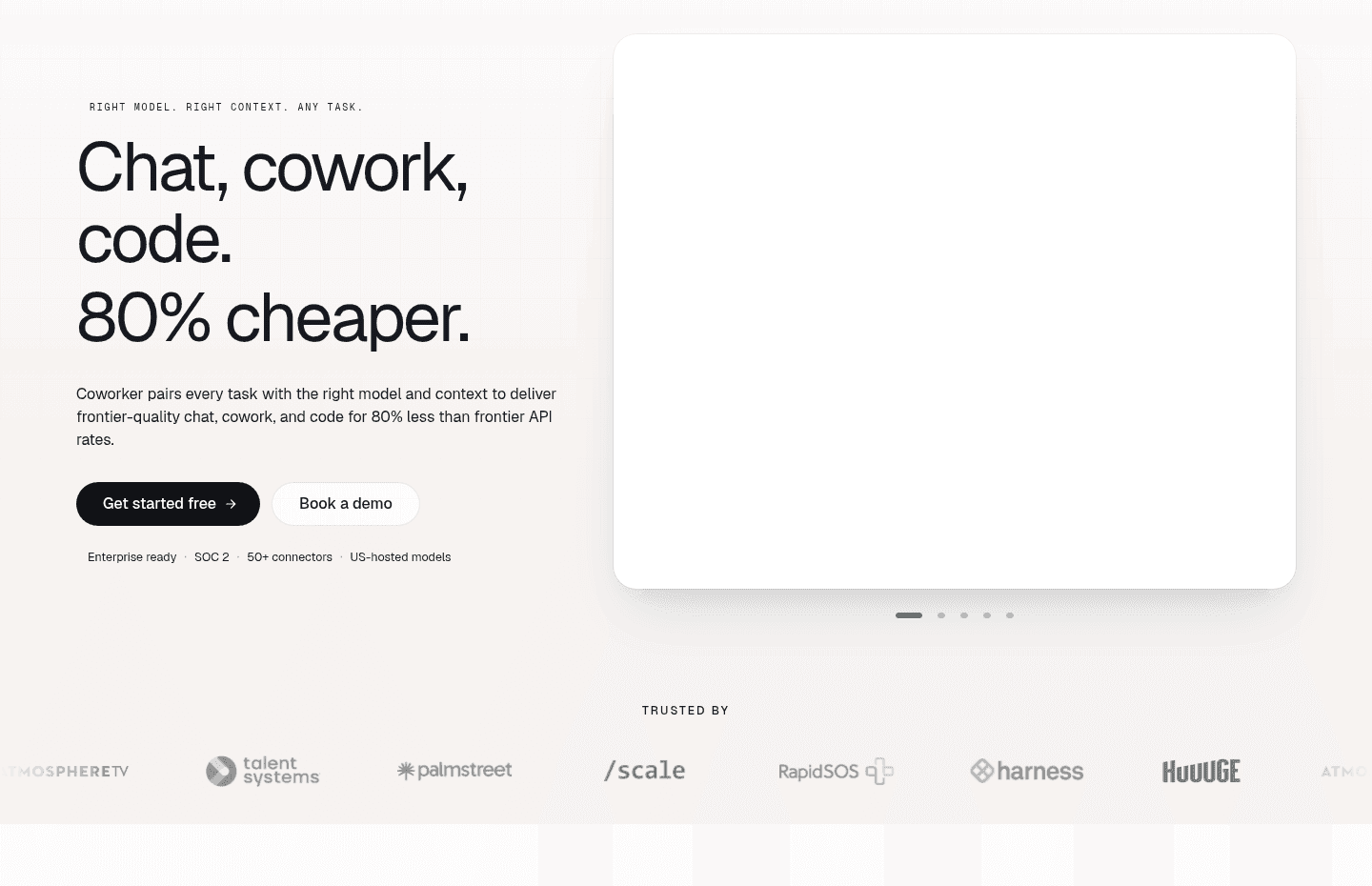
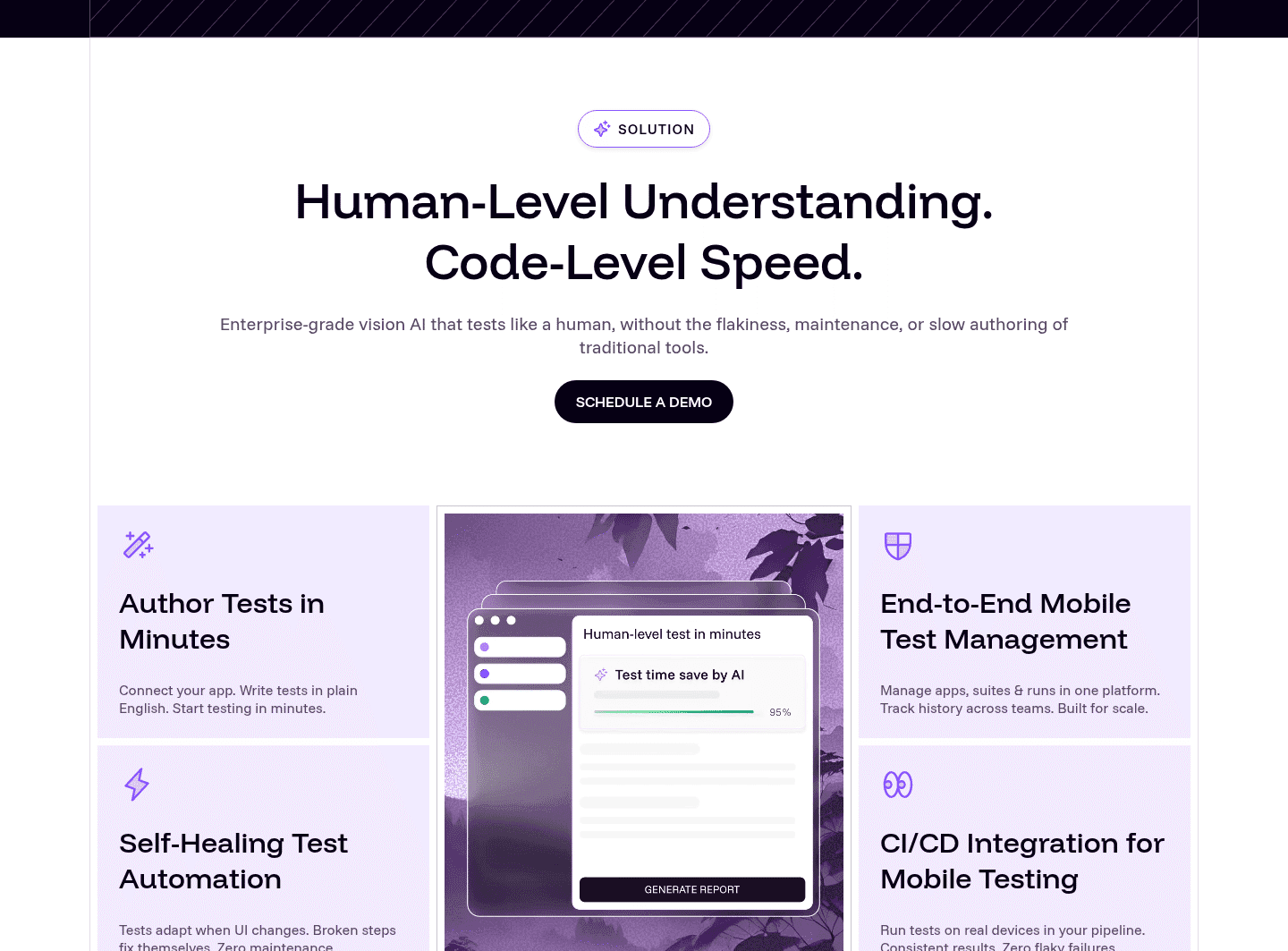
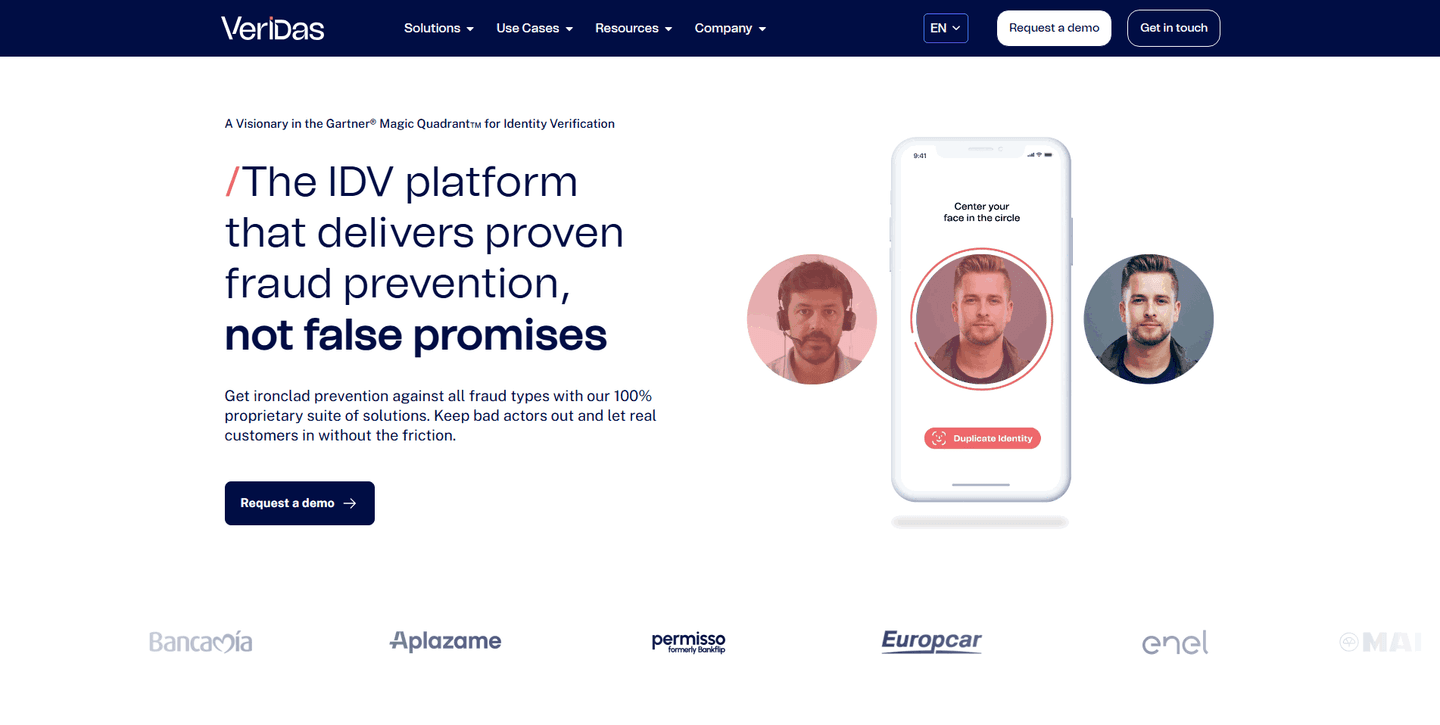
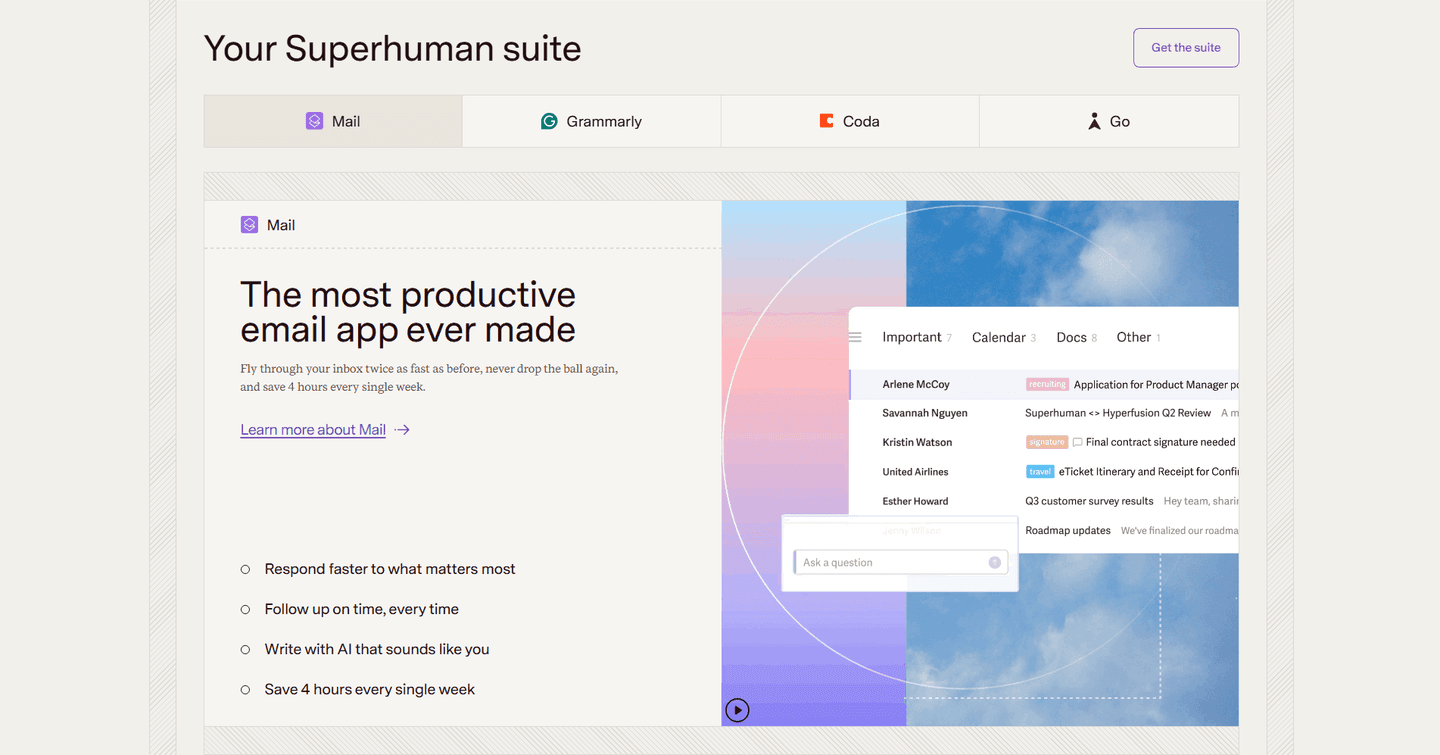
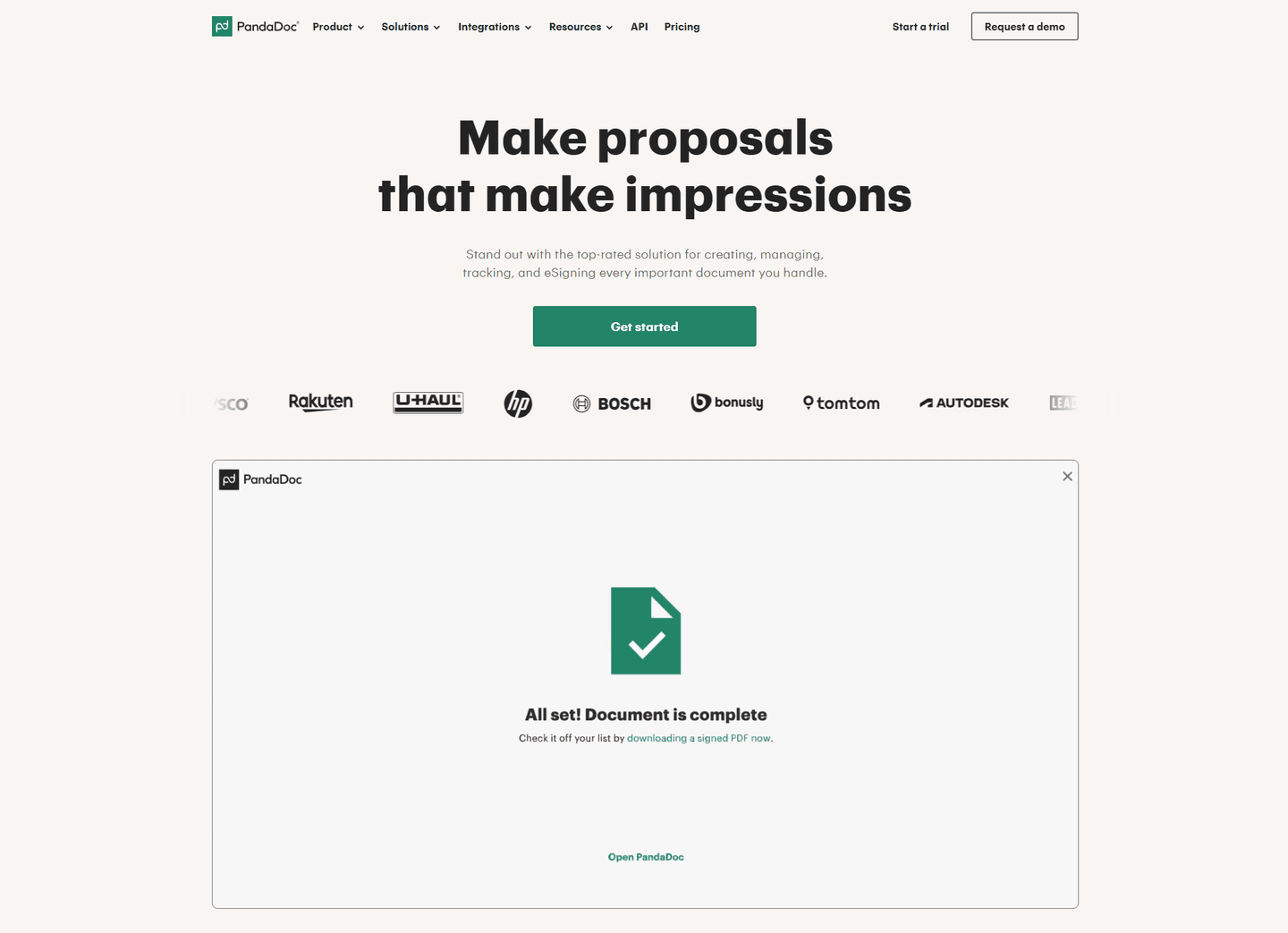
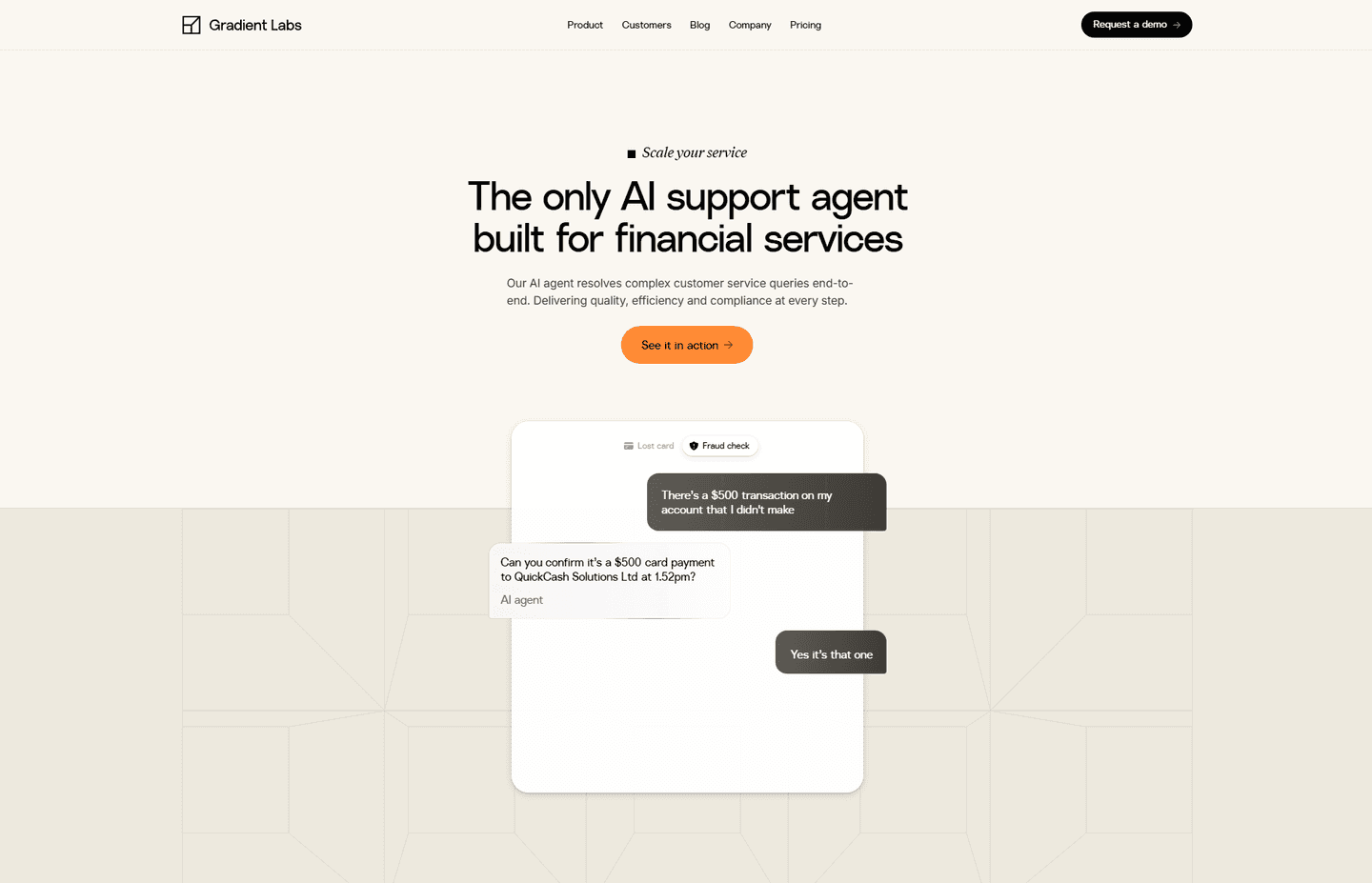
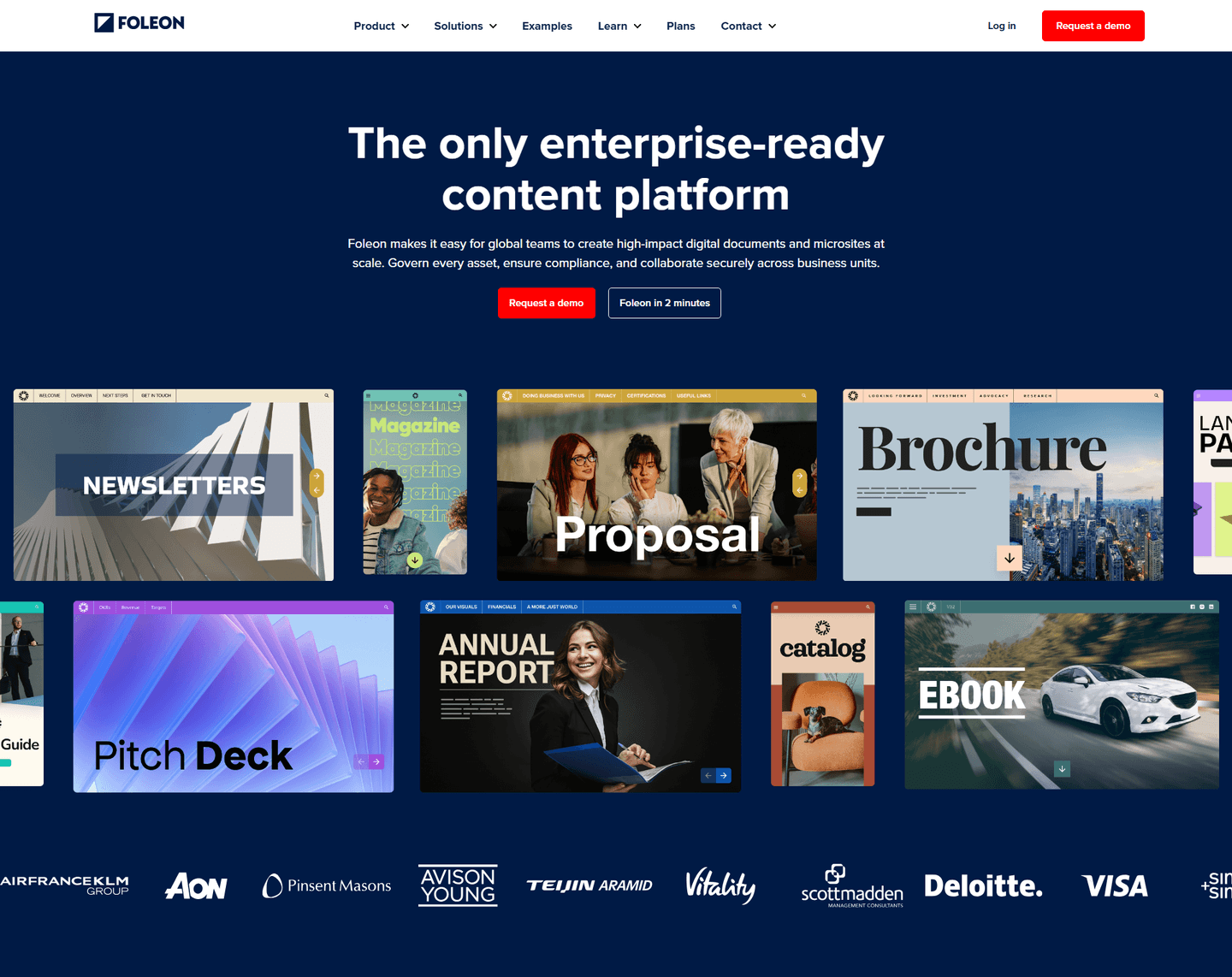
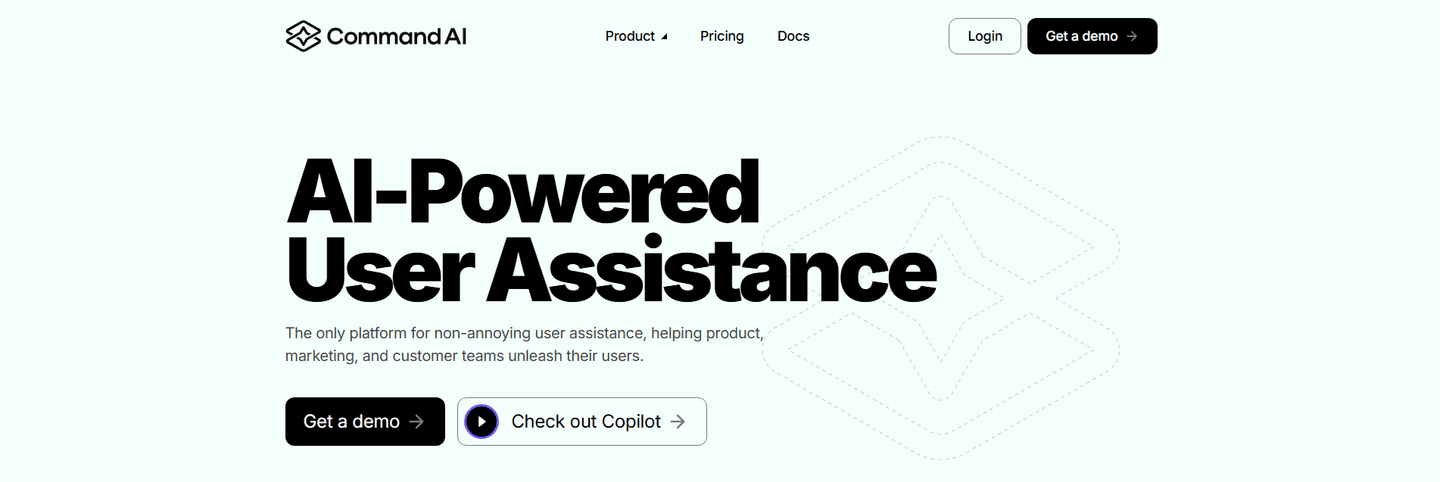
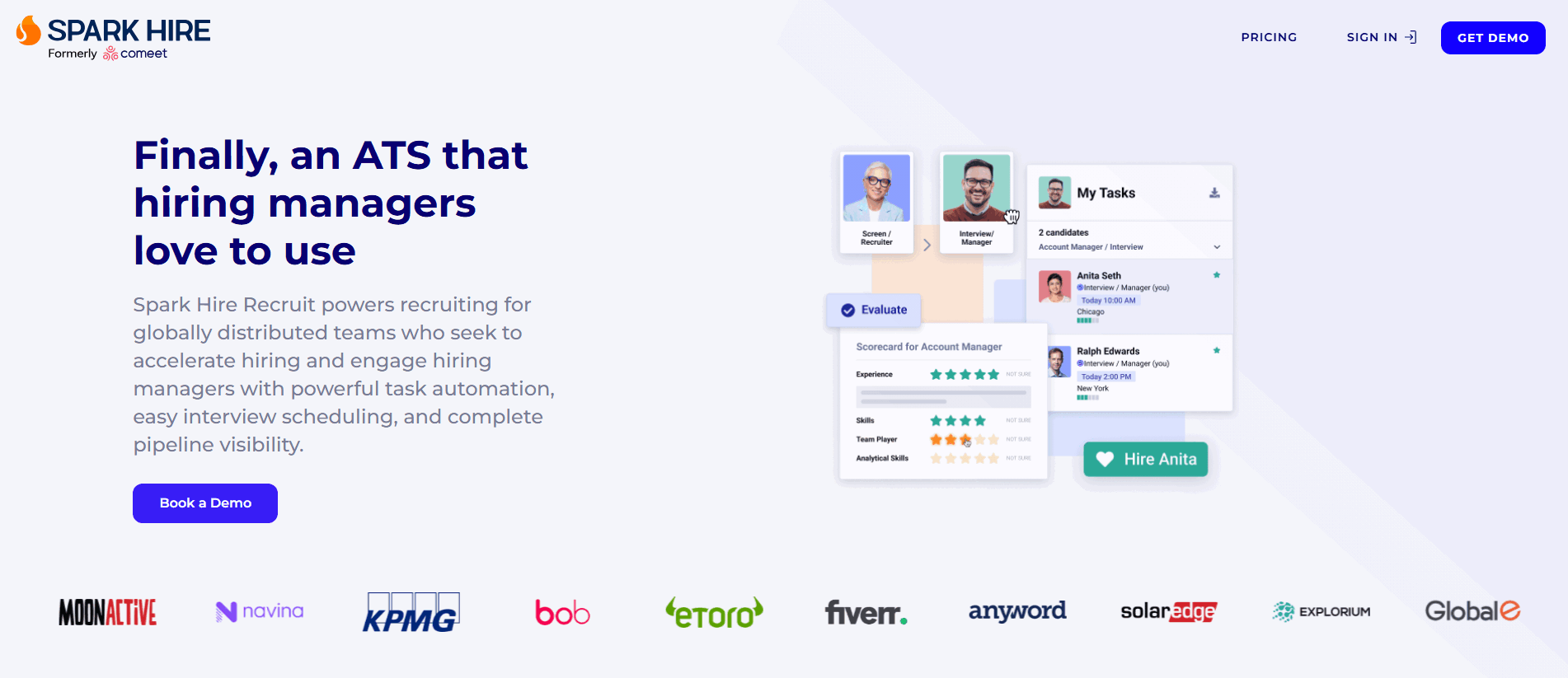
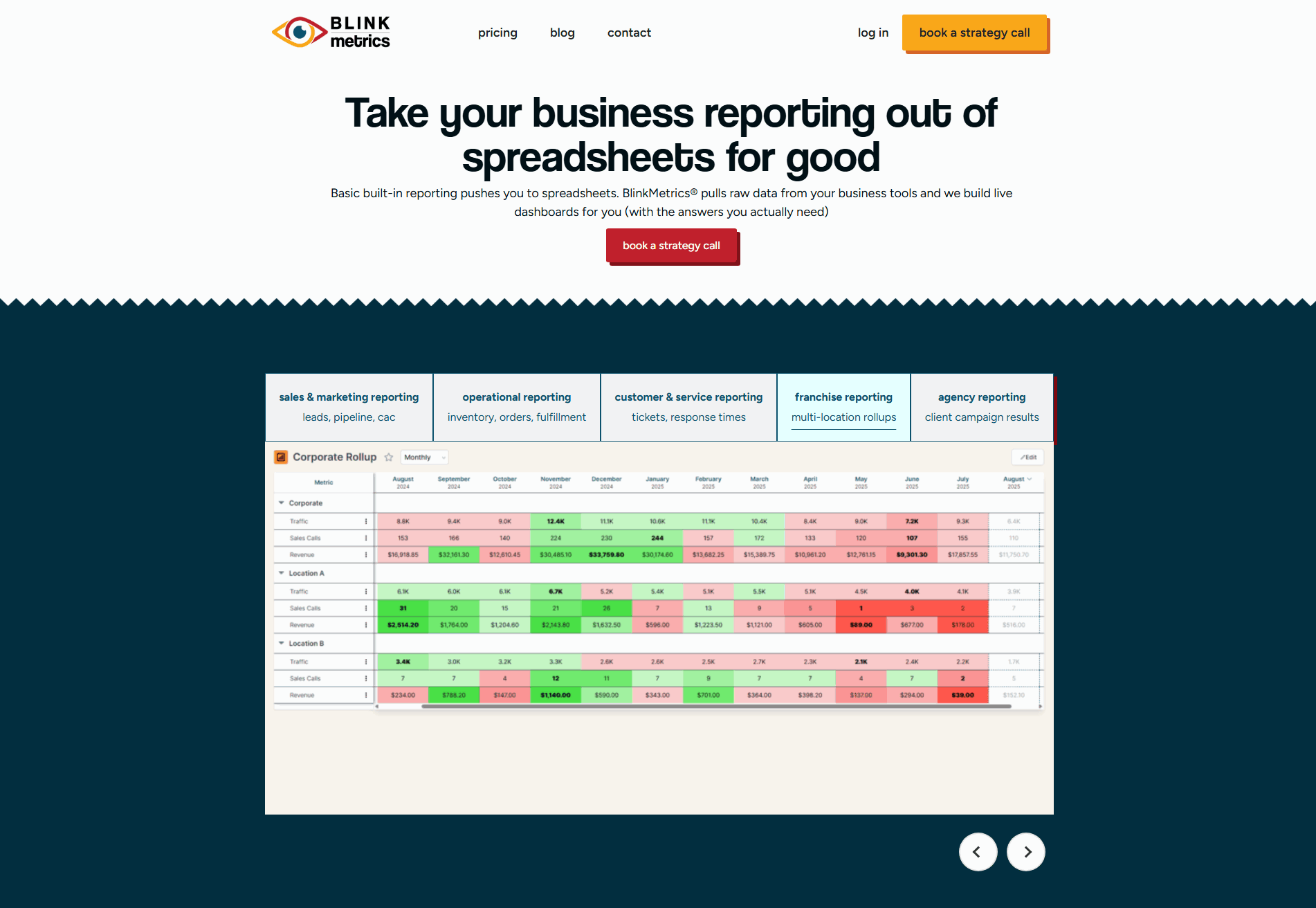

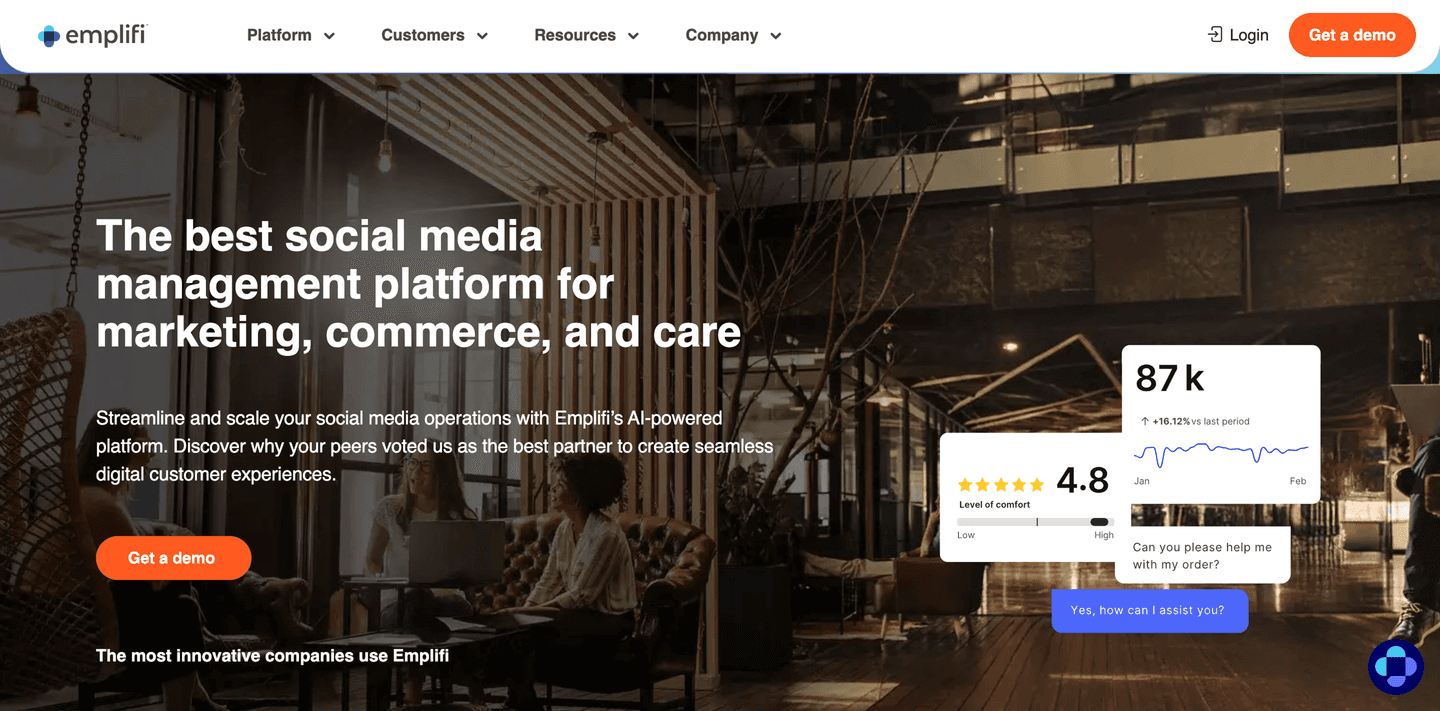
Browse every hero pattern by UX best practice, or jump to an industry view.
Every hero section is scored across 6 conversion best practices. Copy the best practice stack, not the design. See what converts and why.
Hand-picked from 350+ companies and analyzed by our AI conversion agent. Not a random dump of homepages. Every entry earns its spot.
Found a hero you admire? Run yours through the same scoring engine. See where you stand on the same best practices, and what to fix first.
Clear positioning is the decision to tell a visitor, in the hero, not only what the product does but why it beats the alternatives they are weighing. A description answers "what is this." Positioning answers the harder question the buyer is actually asking: "why this one, and not the other tab I have open." When the hero answers it for them, the choice gets easier instead of harder.
The best heroes stake that position in one of four ways:
Visitors almost never evaluate a product in isolation. They arrive mid-comparison, with two or three tabs open and a rough sense of what each one does. A hero that only lists features leaves the visitor to work out the difference, and most will not invest the effort. A hero that states the position for them, the category it owns or the alternative it beats, does that work up front and frames every section that follows.
Positioning also sets the standard the rest of the page is measured against. Once a hero claims to be "the only" or "built for" a specific buyer, every screenshot, logo, and number below has a job: prove it. That focus is what separates a page that argues a point from a page that simply describes a product.
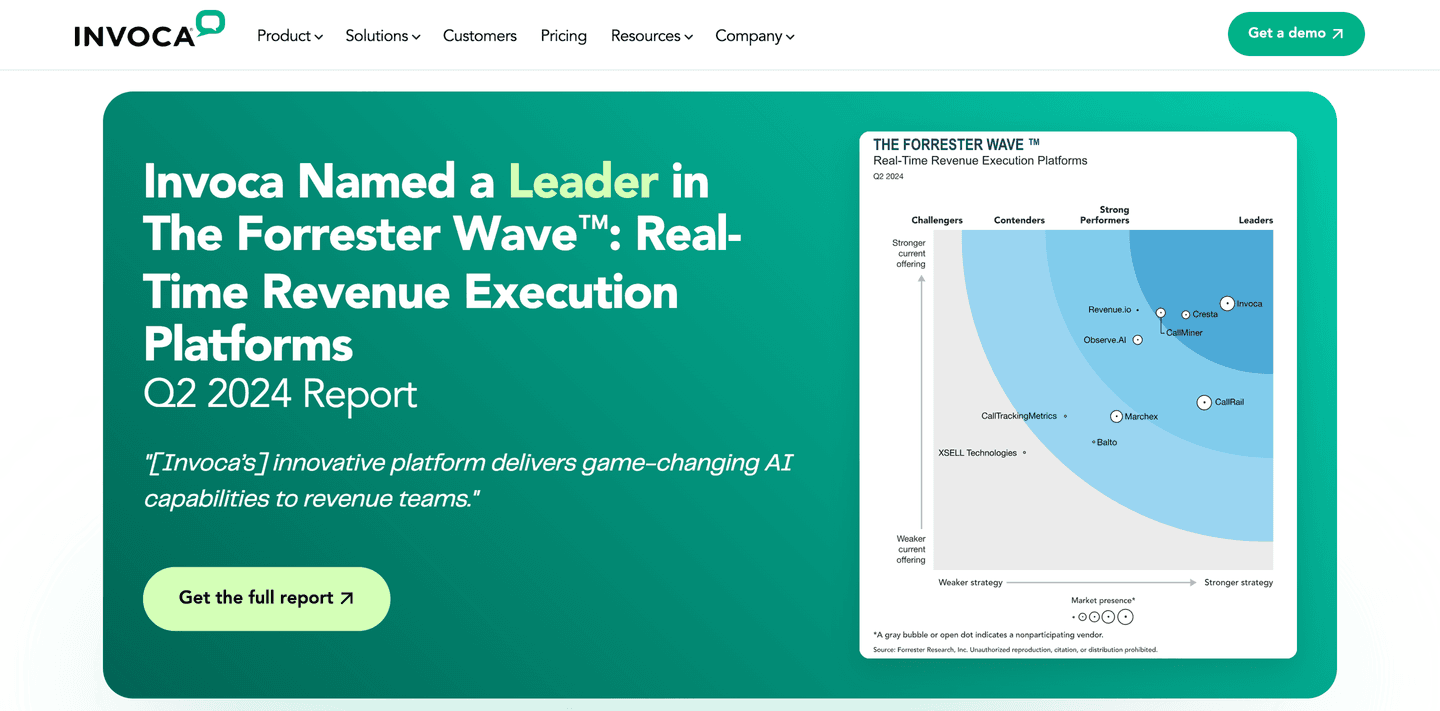
Only about a third of the scored hero sections in our library stake out a clear position against alternatives, so most heroes blend in here. Across the scored examples below, the disciplined version commits to one position and backs it with evidence in the same view. General Compute pairs a named-better headline ("GPUs were built for graphics, we are built for inference") with a quantified speed claim, so the differentiation is not a boast but a measurable one. Sierra Interactive stakes an exclusive category spot ("the only real estate platform") and immediately supports it with a named broker testimonial and a real lead number. Close wins on audience instead of category, calling out the small businesses that enterprise CRMs ignore, then proving the fit with a pipeline view a small team recognizes as their own. The common thread is that the claim and its proof share the screen.
Positioning rarely carries a hero alone. The strongest pair it with a product visual in the hero so the claim about being different is backed by the product actually looking different.
73/100 0/100
0/100The usual failure is a hero that describes without positioning: a clean headline that names the product category but gives no reason to prefer it over the three alternatives the visitor is already comparing. The second is the unsupported boast, a "the only" or "the number 1" with nothing on the page to back it, which a skeptical buyer discounts and which can cost more trust than it earns. The third is hedging, where the hero tries to be the best choice for everyone and ends up the obvious choice for no one. Pick the position, state it plainly, and put the proof right next to it.

Curated by
Gabriel Amzallag , Founder, Web Anatomy
5 years CRO + SEO at Qonto (2021–2025). After advising 15+ SaaS on their websites (Payfit, Pigment…), the same patterns kept breaking, so I decided to build the source of truth on what works on the web: the intelligence layer every tool, builder, and team uses to ship sites that perform.
Paste your URL. Get a scored analysis of your hero section, including whether your positioning lands above the fold. Free, no signup.
The common questions about staking out a clear position in the hero, with answers drawn from 90 scored examples.
Positioning is the part of the hero that tells a visitor why this product, and not a competing one, deserves their attention. It usually takes one of a few forms: a category claim like 'the only real estate platform built for teams', a named-better line against the incumbent way of working, a sharp audience cut that names exactly who it serves, or a payoff a rival cannot match. The goal is to make the choice obvious in the first sentence.
Most visitors arrive comparing options, not evaluating one product in isolation. A hero that only describes features leaves them to figure out the difference themselves, and many will not bother. A hero that states the position for them, naming the category it owns or the alternative it beats, removes that work and frames every section that follows. The faster a visitor understands why the product is different, the more likely they are to keep reading.
A value proposition says what the product does and the benefit it delivers. Positioning adds the competitive frame: where the product sits relative to the alternatives and why it wins there. A value proposition can be true and still generic. Positioning is what makes the same promise feel like it could only come from this product, which is why the strongest heroes carry both in the same breath.
Four recur across the examples. A category claim ('the only', 'the number 1', 'the leader') stakes an exclusive spot. A named-better line ('built for inference, not graphics') calls out the incumbent approach. An audience cut ('built for small businesses') wins by serving a group the bigger players ignore. And an anti-tool line ('stop juggling 5 tools') positions against the fragmented status quo. The best heroes pick one and commit to it.
A claim like 'the only' or 'the number 1' only helps if the rest of the hero backs it up. Pair it with proof, a G2 award, a recognizable logo wall, a real product view, and the claim reads as a fact. Make it with nothing behind it and a skeptical buyer discounts the whole page. The risk is not boldness, it is an unsupported boast that the visitor has no reason to believe.