Hero|
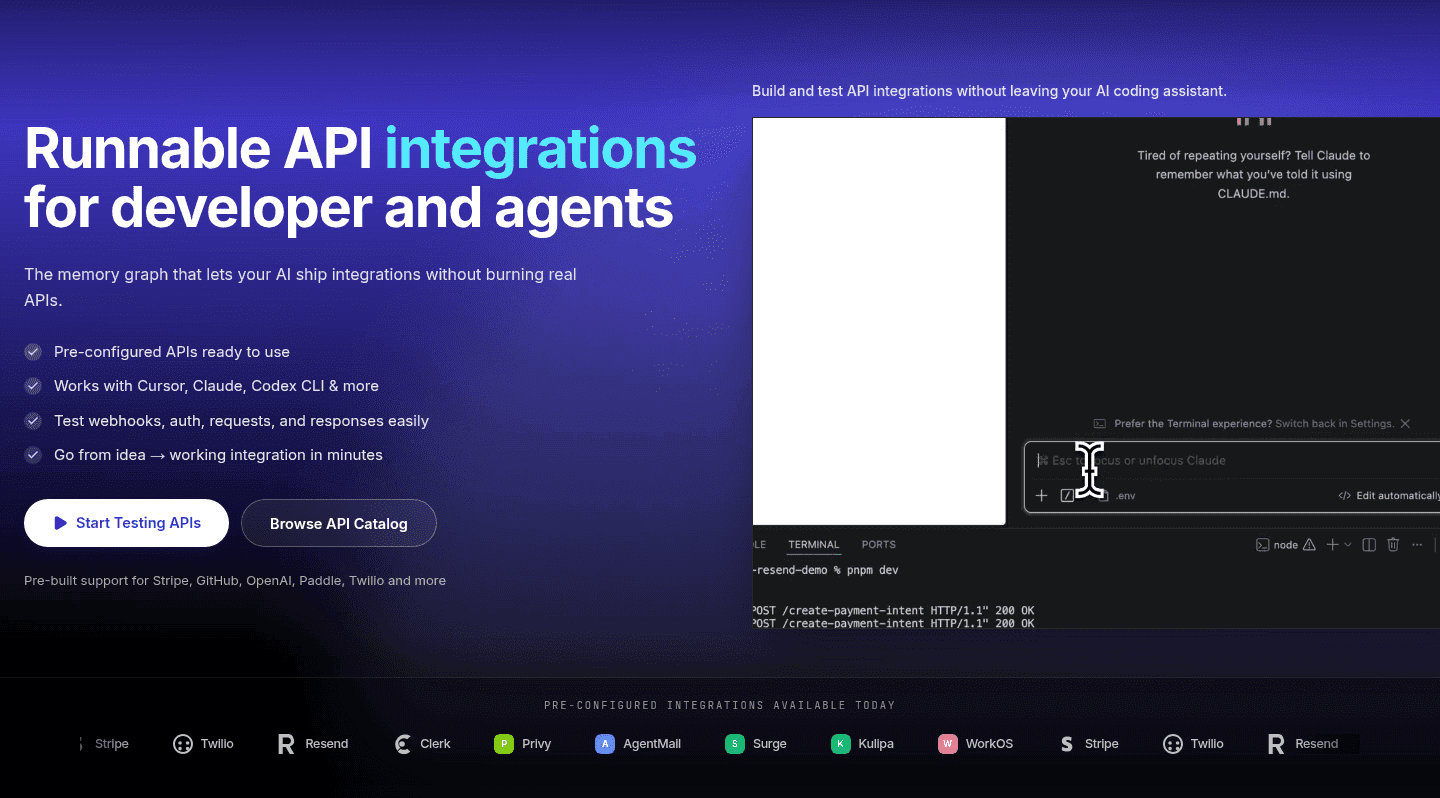
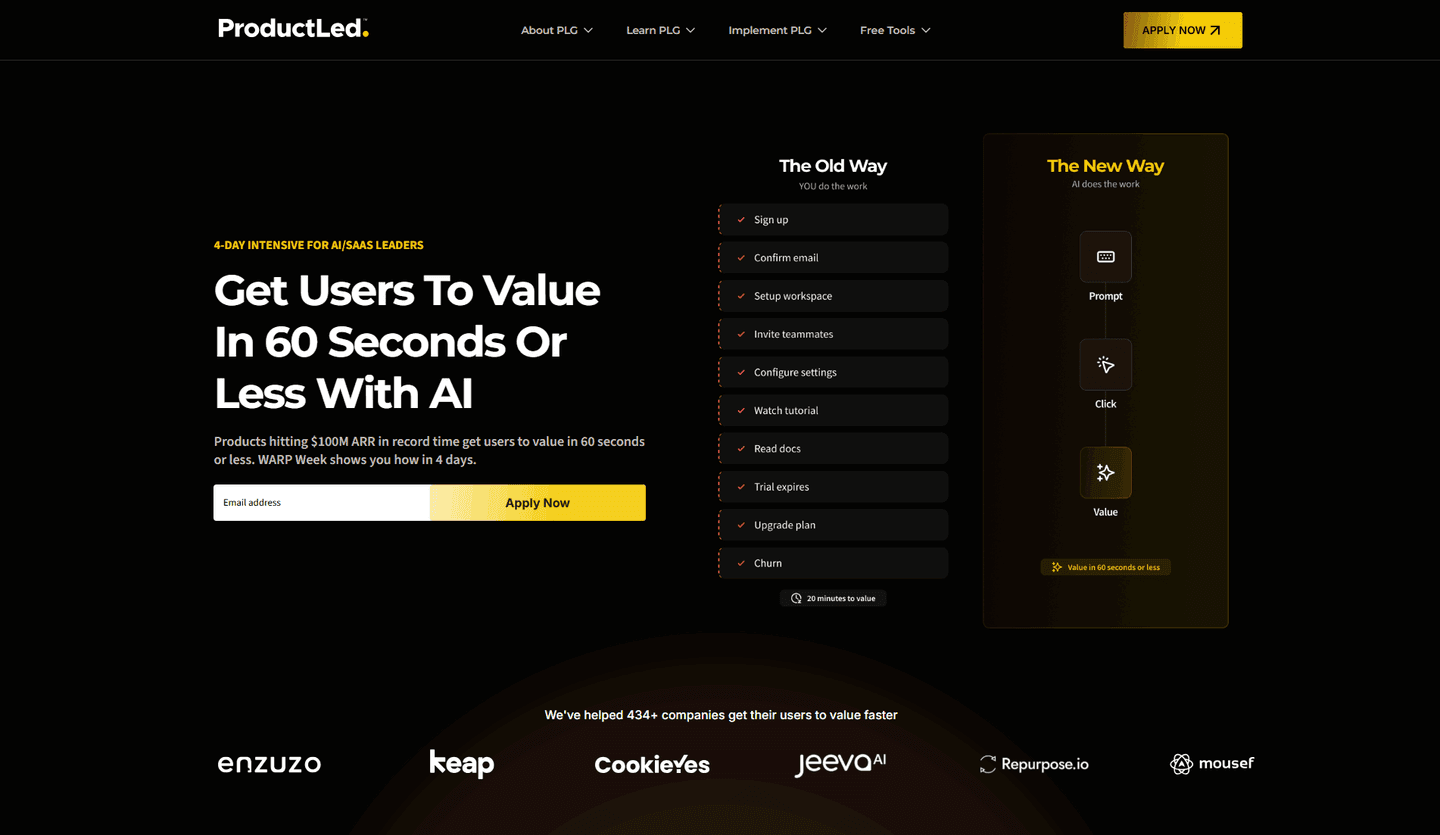
A time-to-value hero attaches a specific timeframe to the payoff, like in minutes, in 30 days, or go live this week, so the result feels close enough to act on now.
Key takeaways
Showing 22–42 of 45 examples




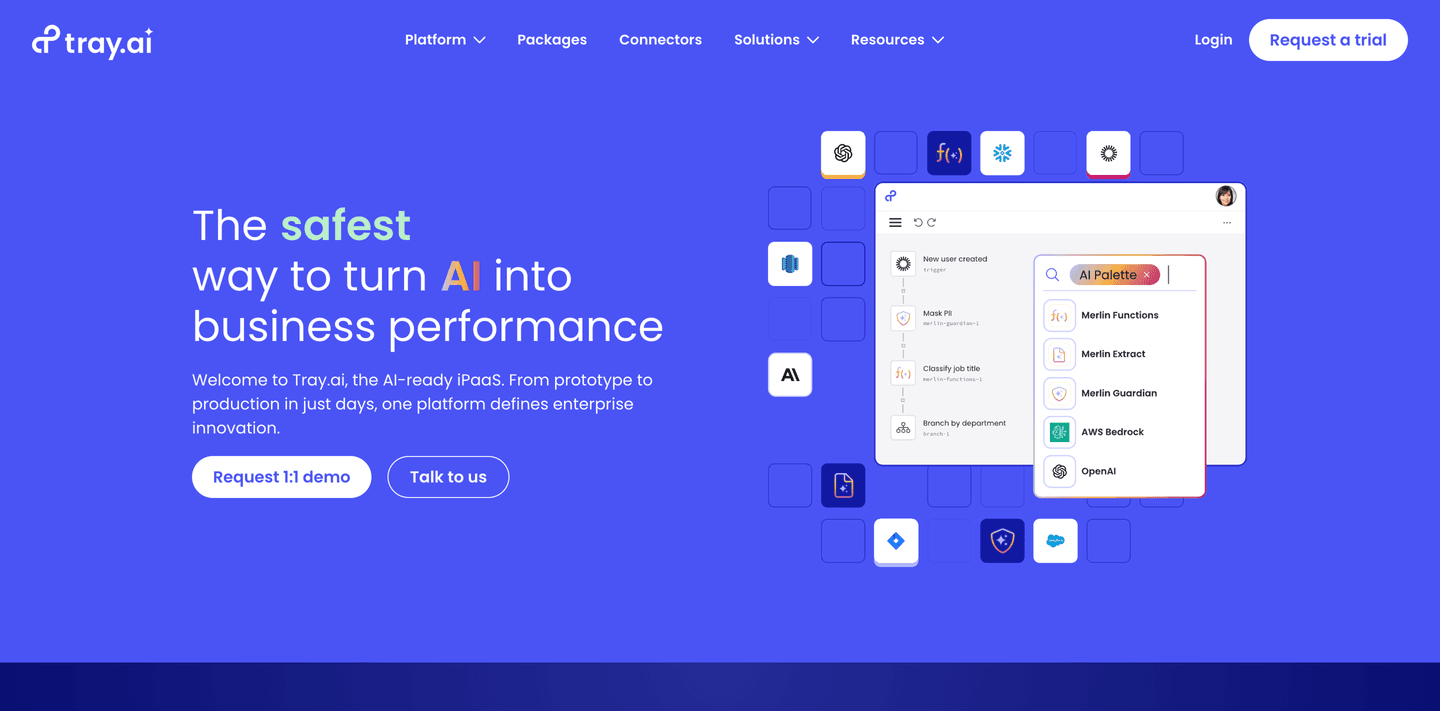
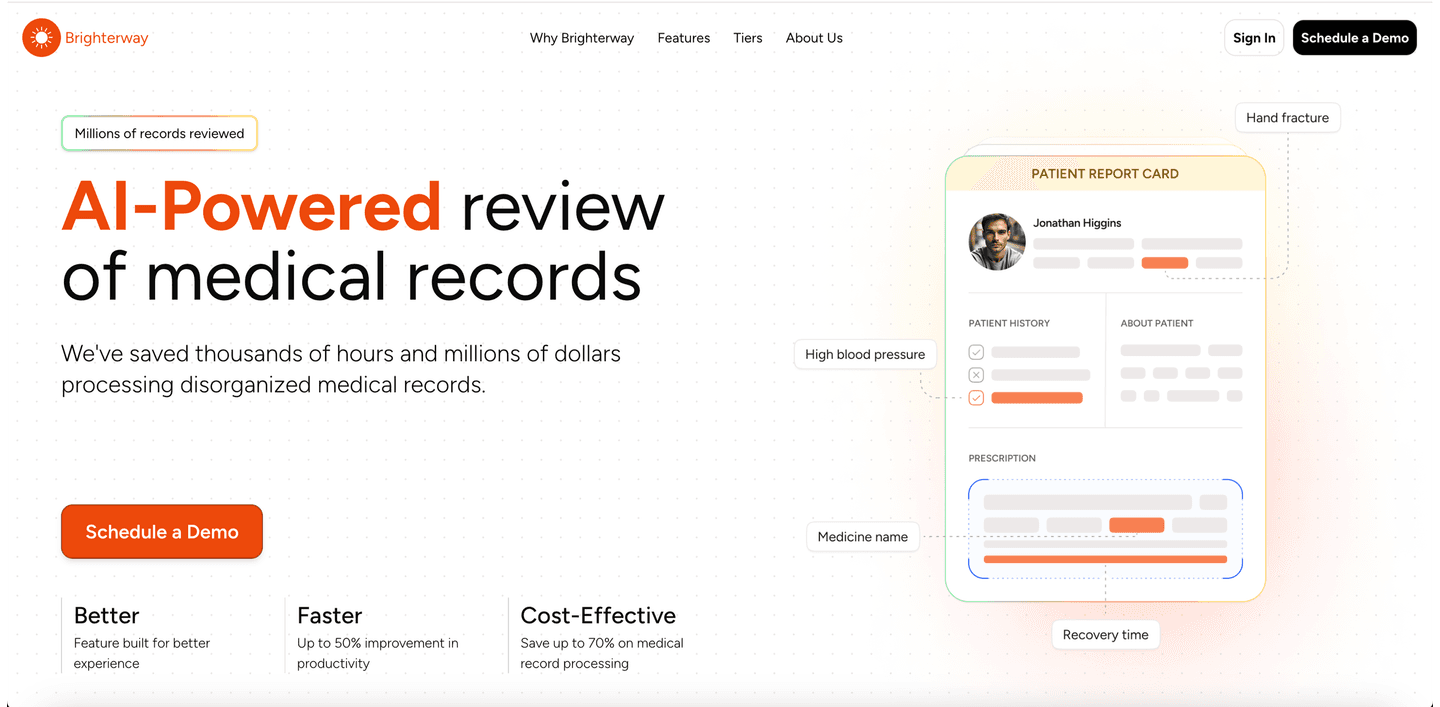
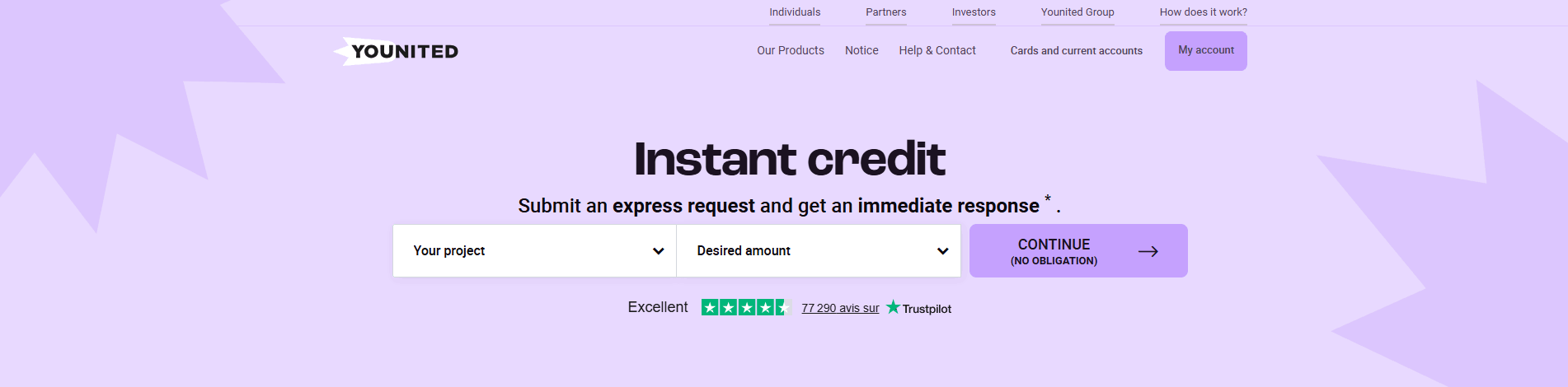
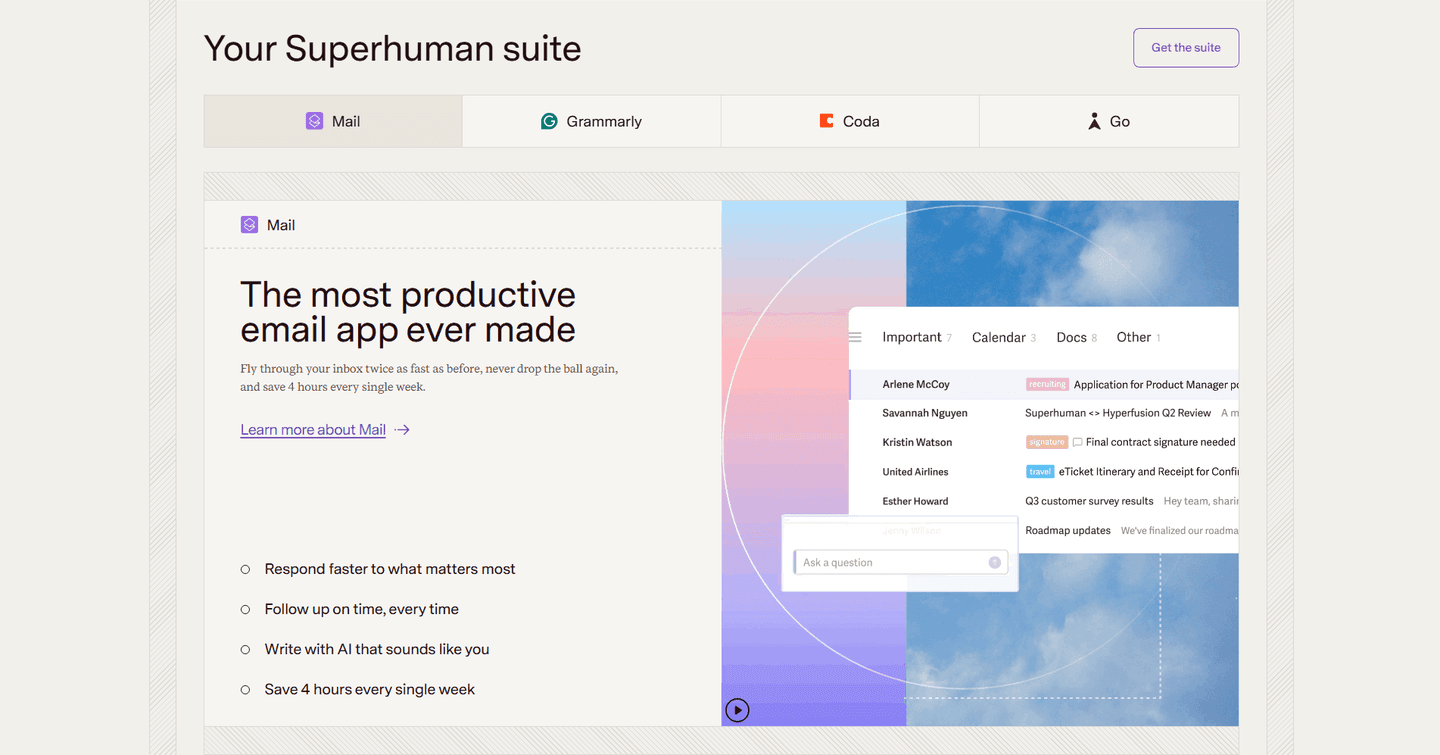

Browse every hero pattern by UX best practice, or jump to an industry view.
Every hero section is scored across 6 conversion best practices. Copy the best practice stack, not the design. See what converts and why.
Hand-picked from 650+ companies and analyzed by our AI conversion agent. Not a random dump of homepages. Every entry earns its spot.
Found a hero you admire? Run yours through the same scoring engine. See where you stand on the same best practices, and what to fix first.
A time-to-value hero is the decision to put a clock on the payoff, naming not just what the visitor gets but when they get it. Where a plain hero says "more leads" or "less busywork," a time-to-value hero says "in minutes" or "in 30 days," so the value stops being open-ended and starts being something a visitor can act on today.
The best heroes take one of a few concrete forms:
Every buyer reading a hero is quietly weighing one thing: how long until this is actually worth it. A promise with no timeframe leaves that gap open, and an open gap is where hesitation grows. A promise with a named window closes it before doubt has a chance to set in.
The lever here is the clock, not the claim. "Fast" and "quickly" are adjectives a skeptical buyer discounts on sight, because anyone can write them. "In 30 days" and "in minutes" are commitments, and a commitment is harder to dismiss because the product can be held to it. When the timeframe is specific and believable, the value moves from someday to soon, which is exactly the shift that gets a hesitant visitor to start.
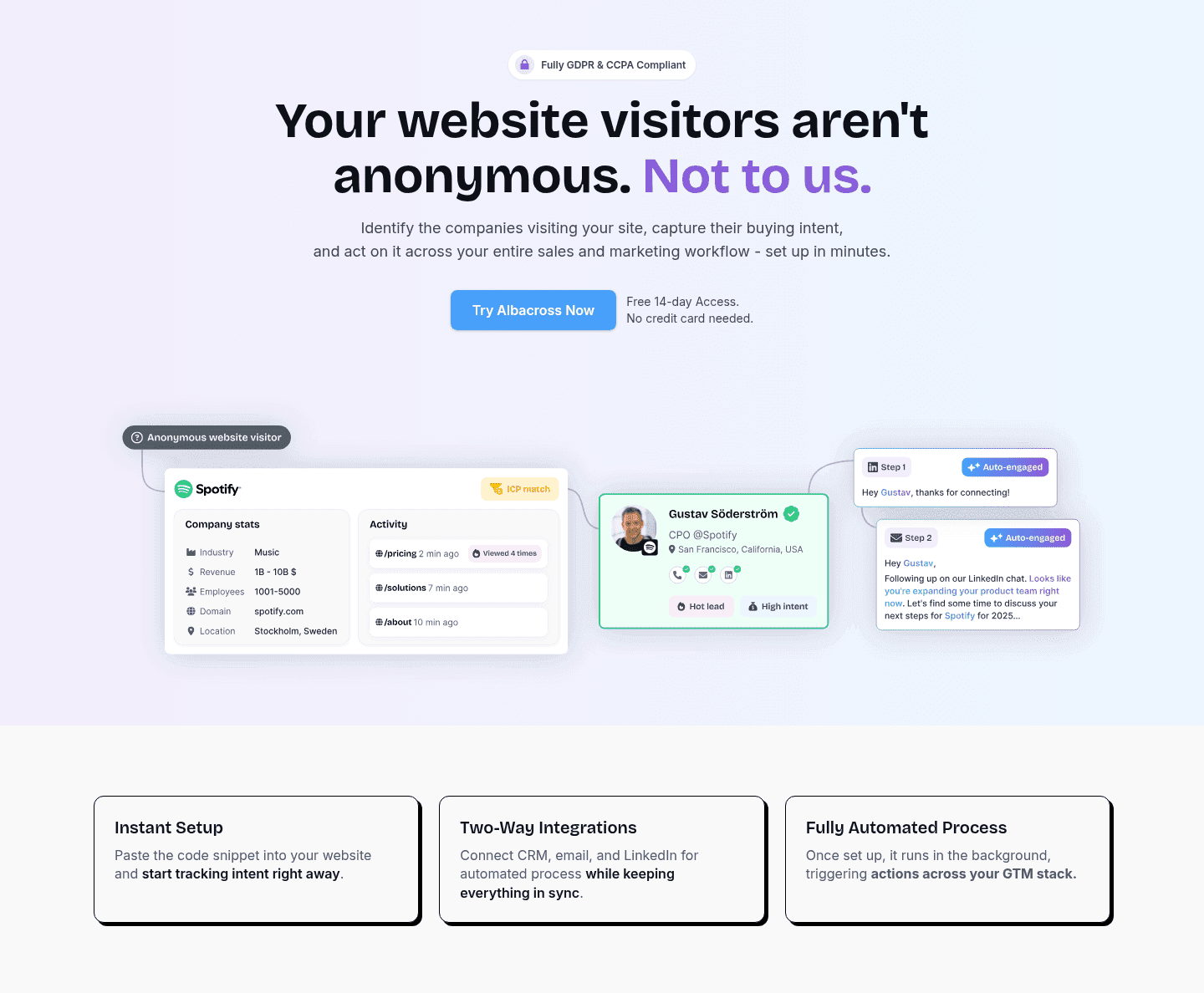
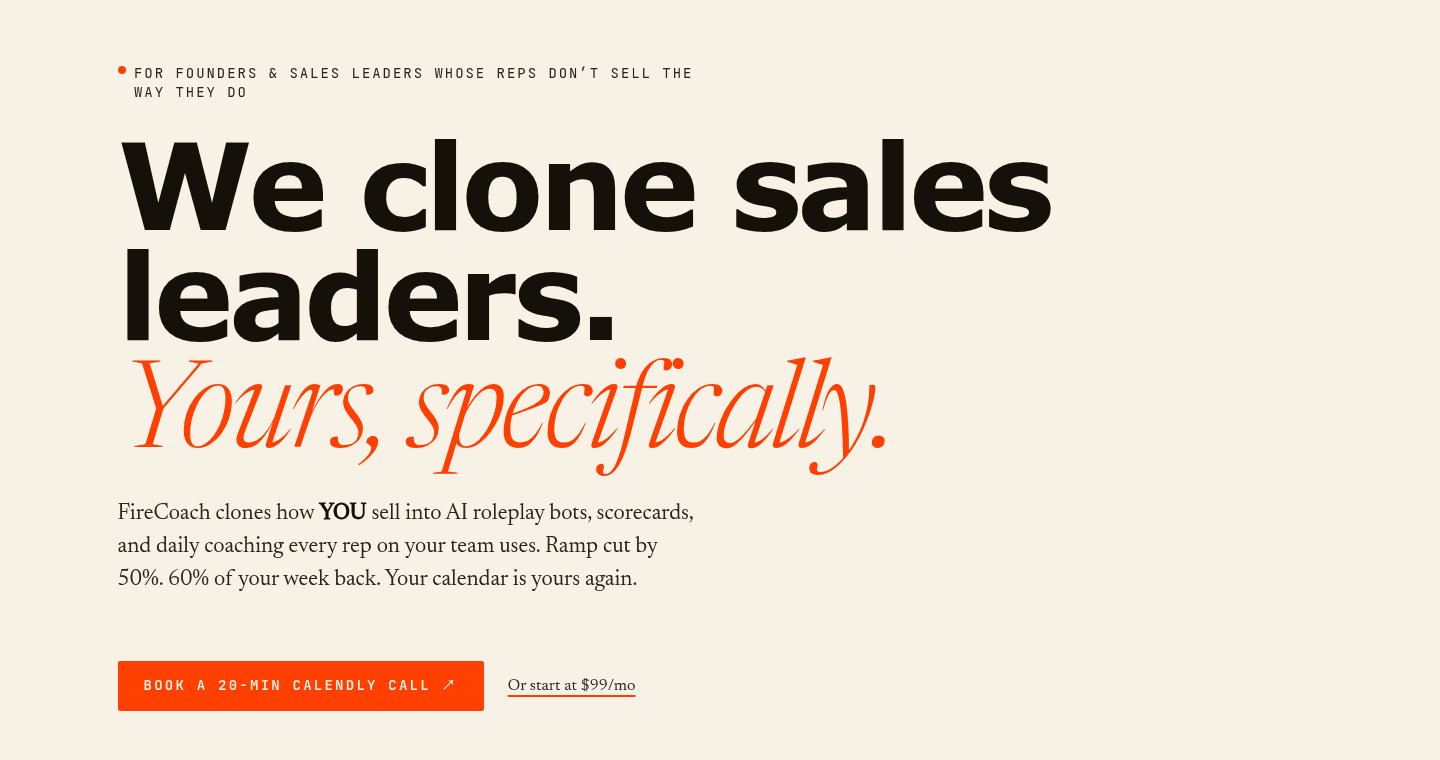
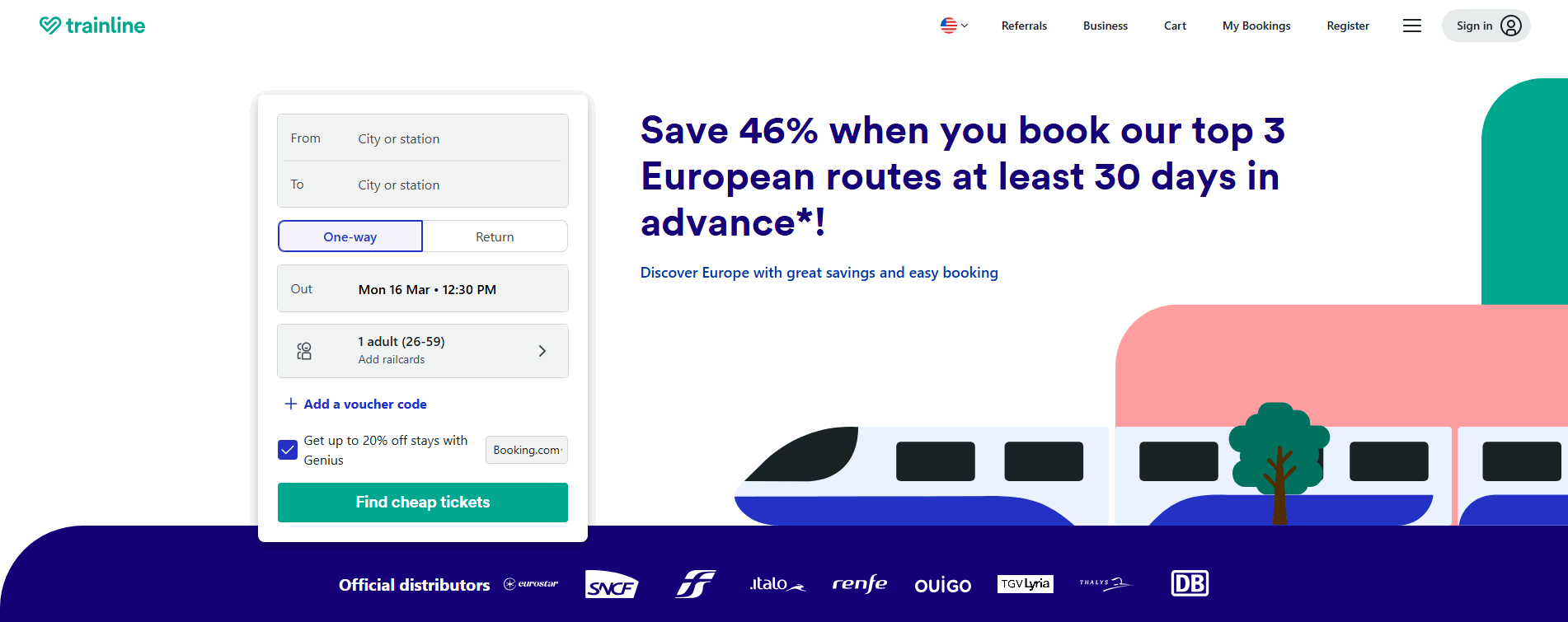
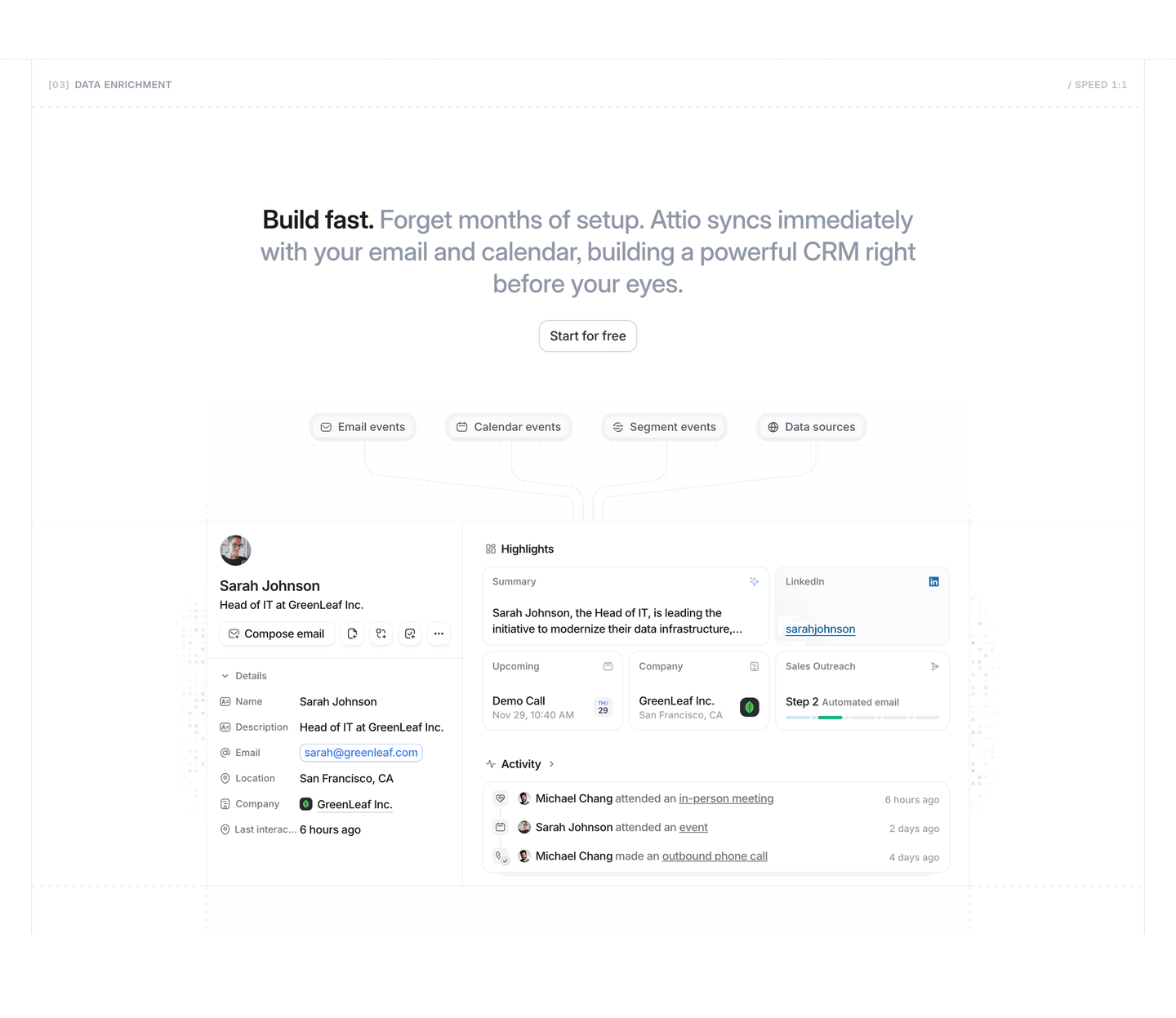
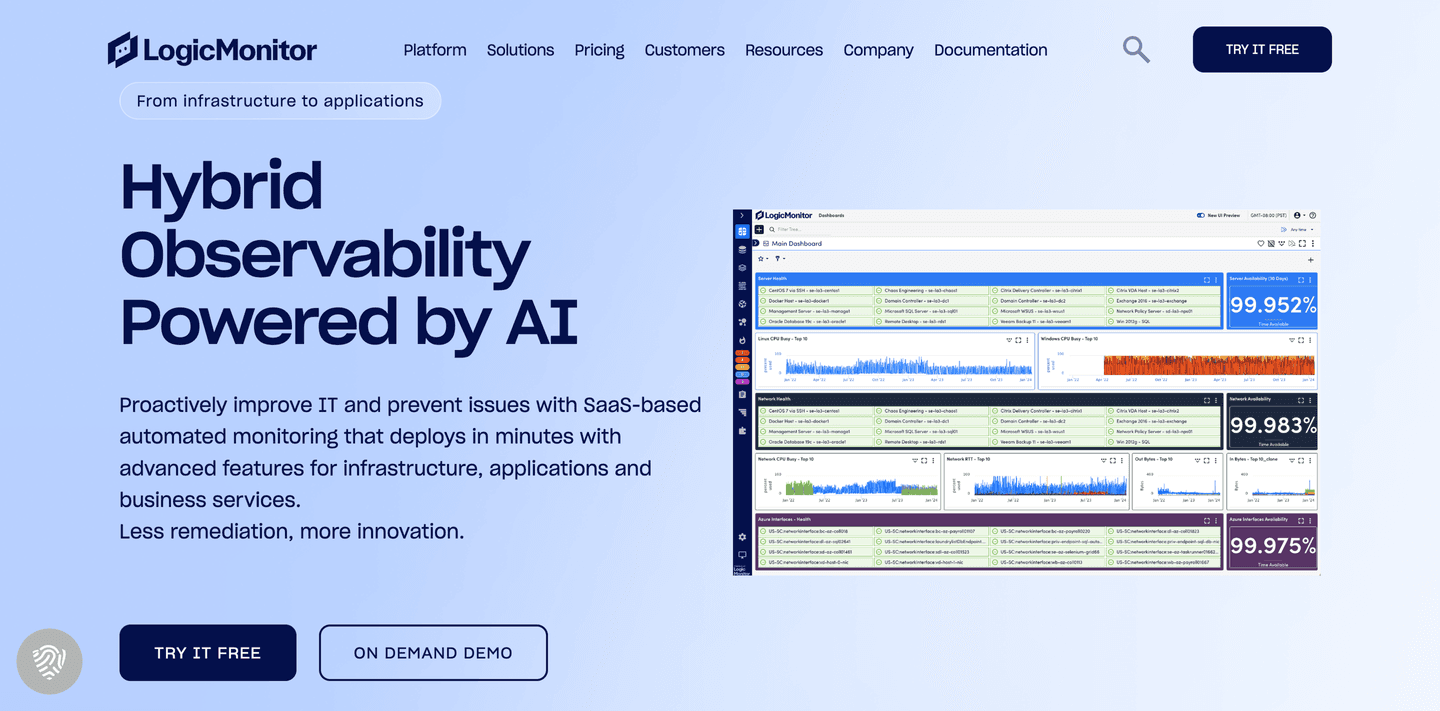
The disciplined version attaches a real timeframe to a payoff the visitor came for, then keeps it credible. AutoEdit fuses both in one headline, "edit a week of content in under 2 mins," so the outcome and its clock land together. Synthesia hedges honestly with "save up to 90 percent of time and cost," which reads as a real ceiling rather than a flat boast. Novu Connect makes the go-live promise concrete with "two minutes from template to live agent," anchoring the timeframe to a thing the buyer can picture. Optise and TaxGPT keep the first step almost frictionless with "in minutes" and "get access in 30 seconds," while Conveo reframes a slow category with "in days, not months." In every case the timeframe is specific, it is tied to a payoff, and it is small enough to be believed.
A timeframe rarely carries a hero alone. The strongest pair it with a clear outcome promise in the hero so the clock is attached to a result worth waiting for, and back the fast claim with a risk reducer in the hero like a free start, so the speed feels safe rather than too good to be true.
73/100 0/100
0/100The most common failure is a speed word with no number: "fast," "quickly," "in no time," where a concrete "in minutes" or "in 30 days" would carry far more weight. The second is a timeframe attached to setup but never to the outcome, so the hero promises a quick signup but leaves the visitor still wondering when the actual payoff arrives. The third is a number that sounds too good to be true, a dramatic claim with no hedge and nothing concrete behind it, which a skeptical buyer reads as marketing rather than fact. A timeframe only converts when it is specific, believable, and tied to a result the visitor actually wants.

Curated by
Gabriel Amzallag , Founder, Web Anatomy
5 years CRO + SEO at Qonto (2021–2025). After advising 15+ SaaS on their websites (Payfit, Pigment…), the same patterns kept breaking, so I decided to build the source of truth on what works on the web: the intelligence layer every tool, builder, and team uses to ship sites that perform.
Paste your URL. Get a scored analysis of your hero section, including whether it names a credible time-to-value. Free, no signup.
The common questions about naming a time-to-value in the hero, with answers drawn from 45 scored examples.
It is a hero that pairs the outcome with a concrete timeframe, so the visitor reads not just what they get but when they get it. The forms range from setup speed (in minutes, get access in 30 seconds) to a results window (in 30 days, save up to 90 percent of time) to a go-live promise (deploy in minutes, two minutes from template to live agent). The shared idea is that the payoff carries a clock.
A buyer reading a hero is quietly weighing how long until this is worth it. A promise with no timeframe leaves that gap to the imagination, which is where hesitation lives. A promise with a named window answers it before doubt sets in. 'In minutes' and 'in 30 days' are commitments, and a commitment is harder to discount than an adjective like 'fast', so the value feels both concrete and near.
Use whatever clock the product actually runs on. Setup speed (in minutes, get access in 30 seconds) suits self-serve tools. A results window (in 30 days, save up to 90 percent of time) suits products whose payoff takes a little longer. A go-live promise (deploy in minutes, two minutes to a live agent) suits developer products. The rule is the same: the timeframe has to be specific and true.
An outcome promise names the result, the more leads, the faster pipeline, the saved hours. A time-to-value hero adds the clock, naming when that result arrives. The strongest heroes do both in one line, like edit a week of content in under 2 minutes or save up to 90 percent of time. The outcome says it is worth it; the timeframe says it is worth it soon.
Specificity and honesty. A round, dramatic claim with no detail reads as marketing, while a precise window tied to a real step reads as a fact. The best heroes hedge where they should, with up to or first result by, and anchor the timeframe to something the visitor can picture, like a live agent, a published page, or a finished edit. A timeframe a buyer can hold the product to is worth more than one that merely sounds good.