Hero|
An outcome promise hero leads with the result the product delivers, so a visitor sees what they get before they learn how it works.
Key takeaways
Showing 22–42 of 157 examples
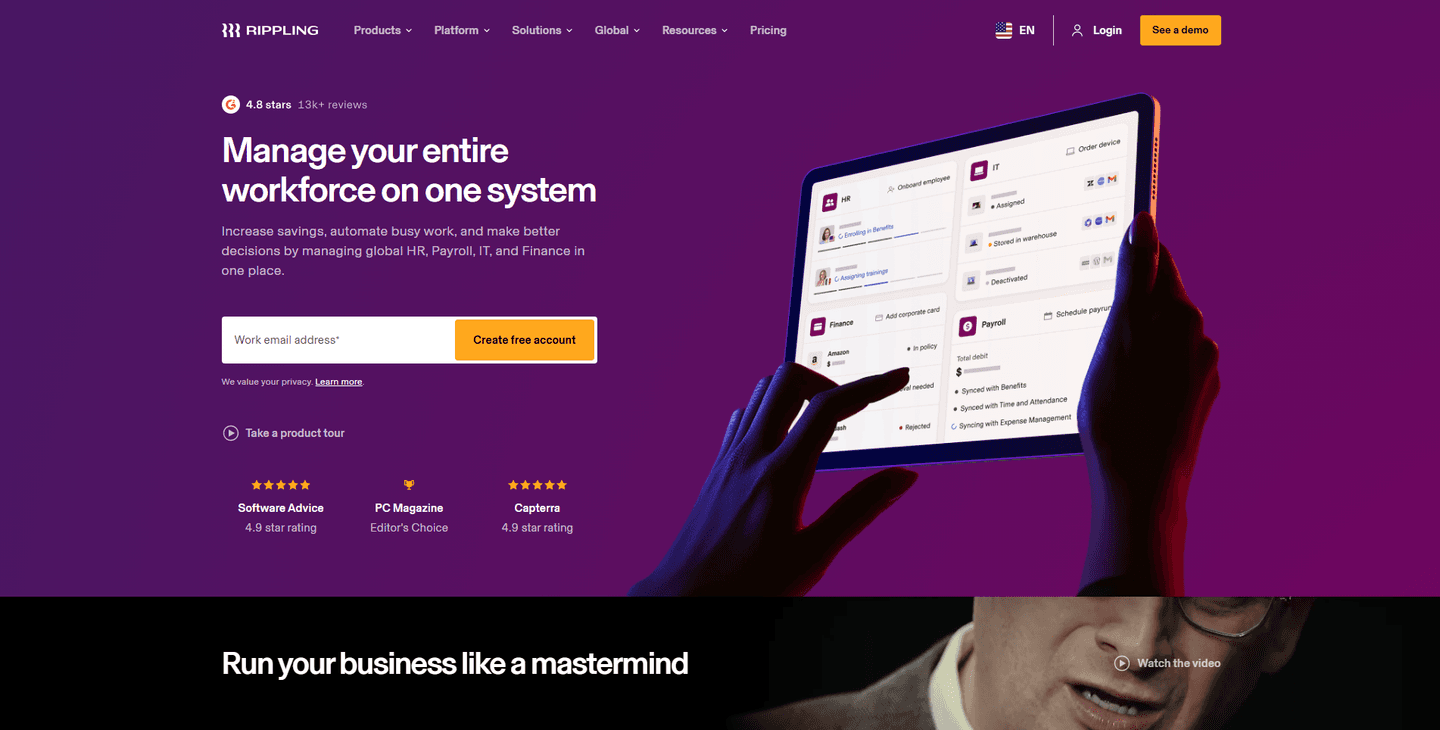
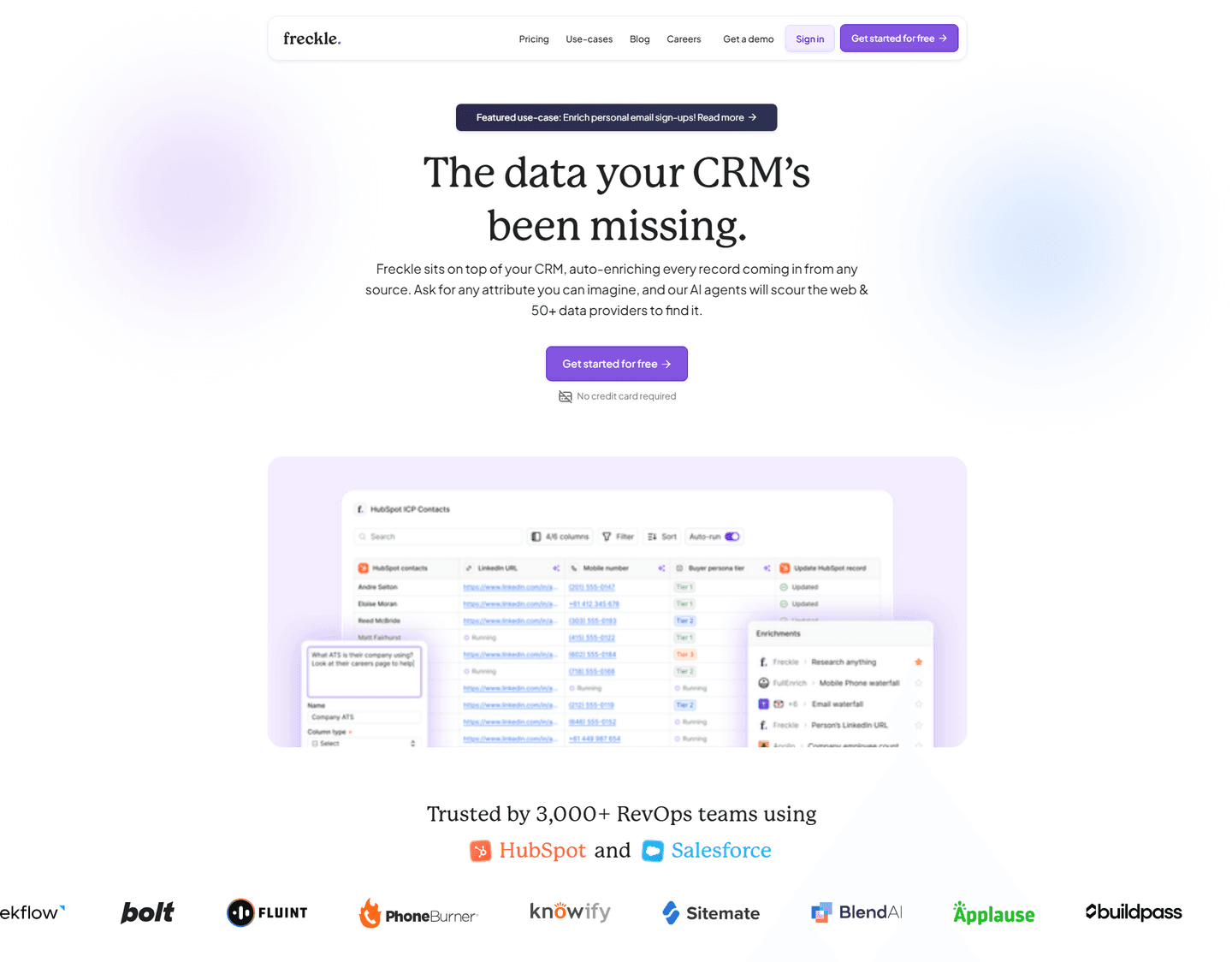
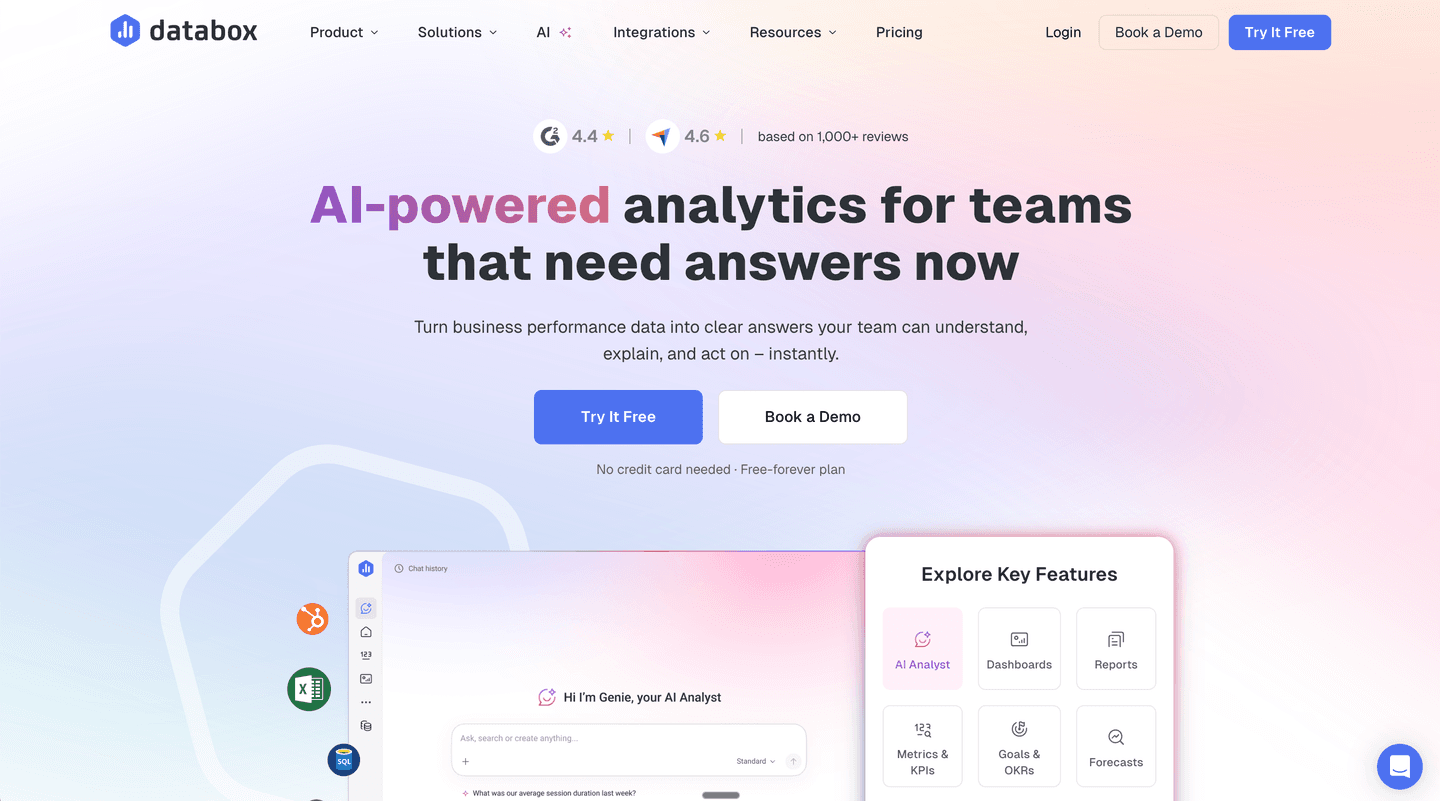
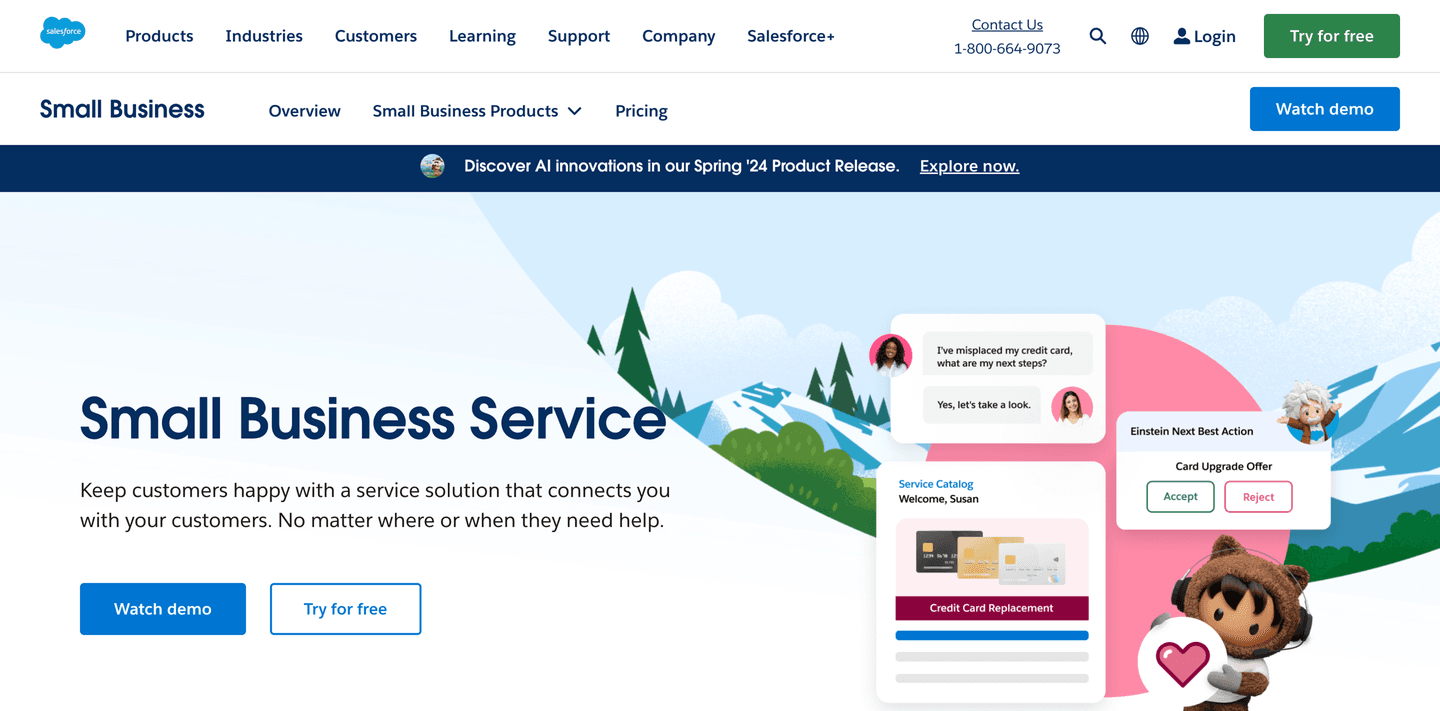
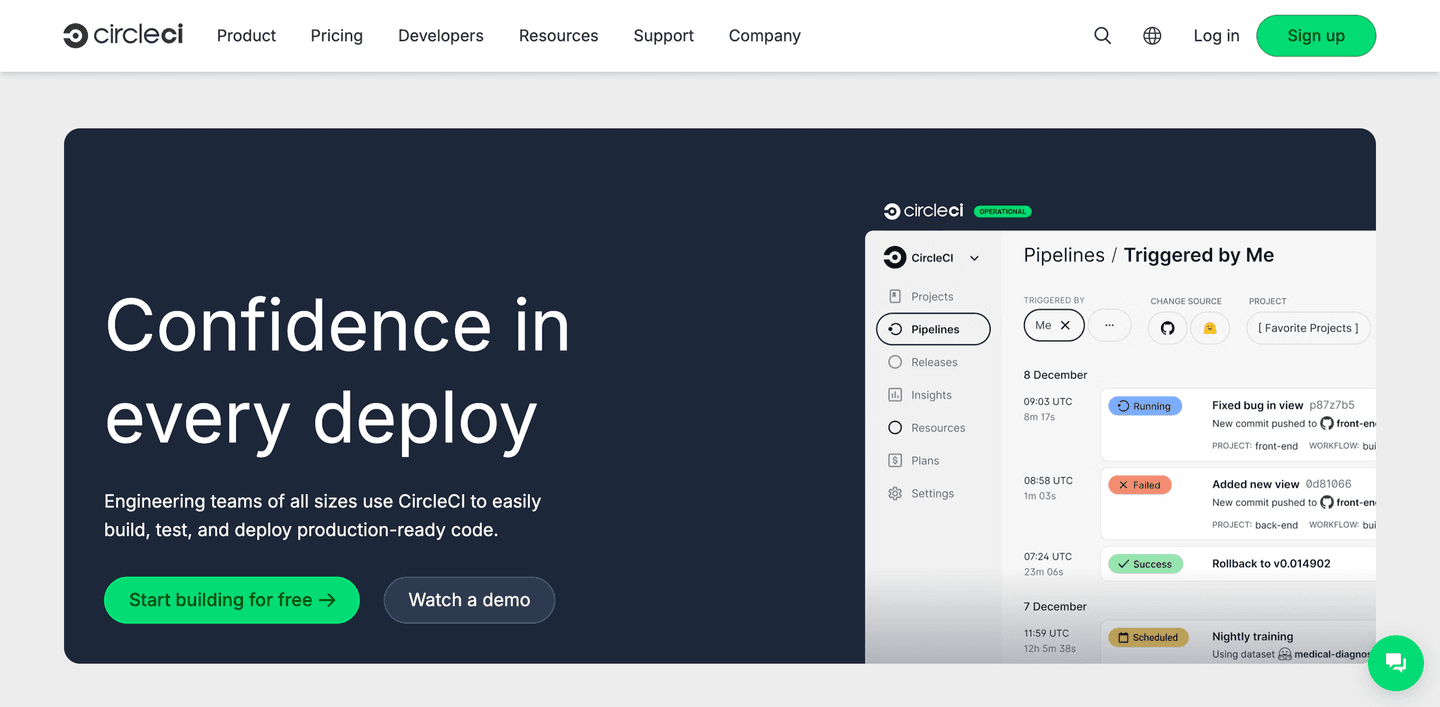
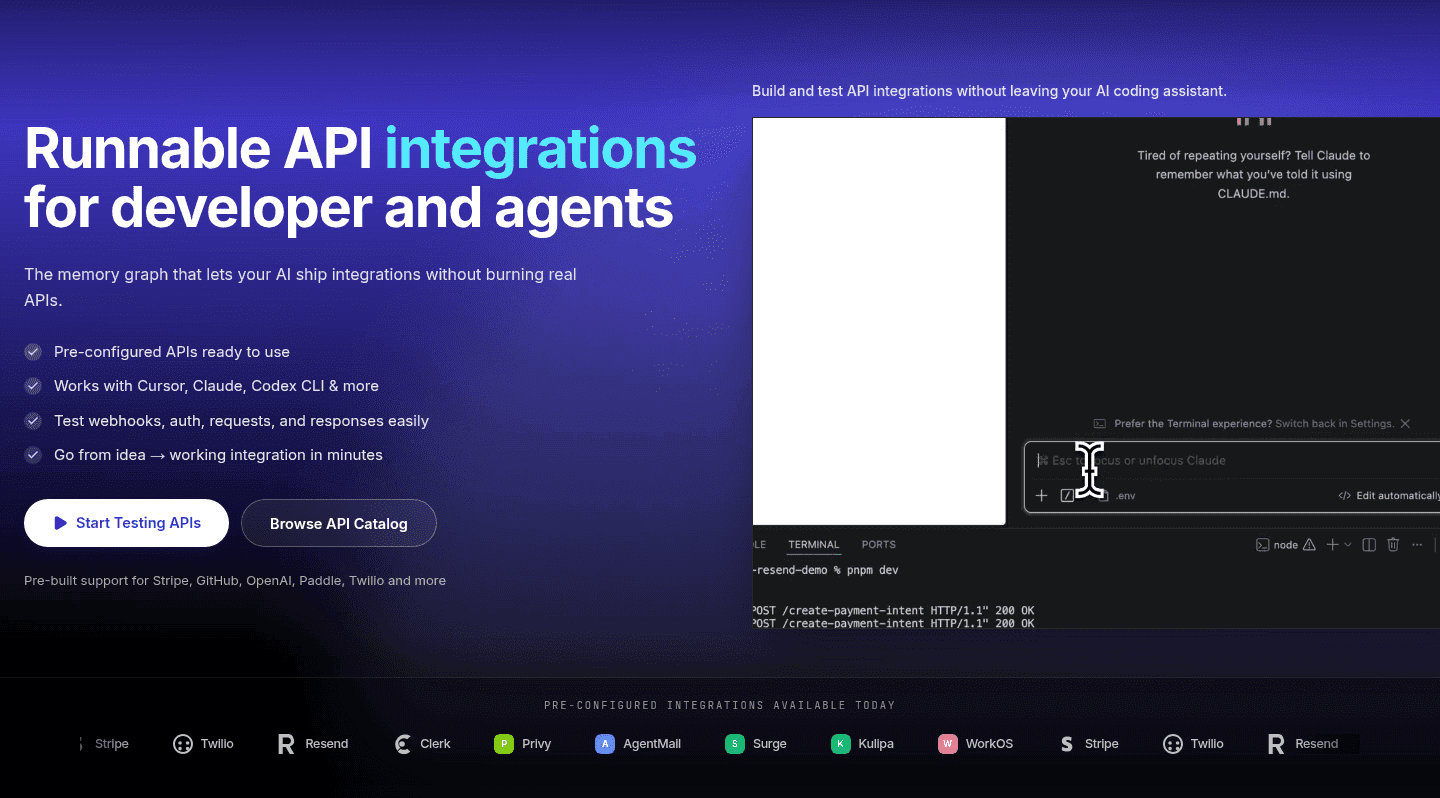
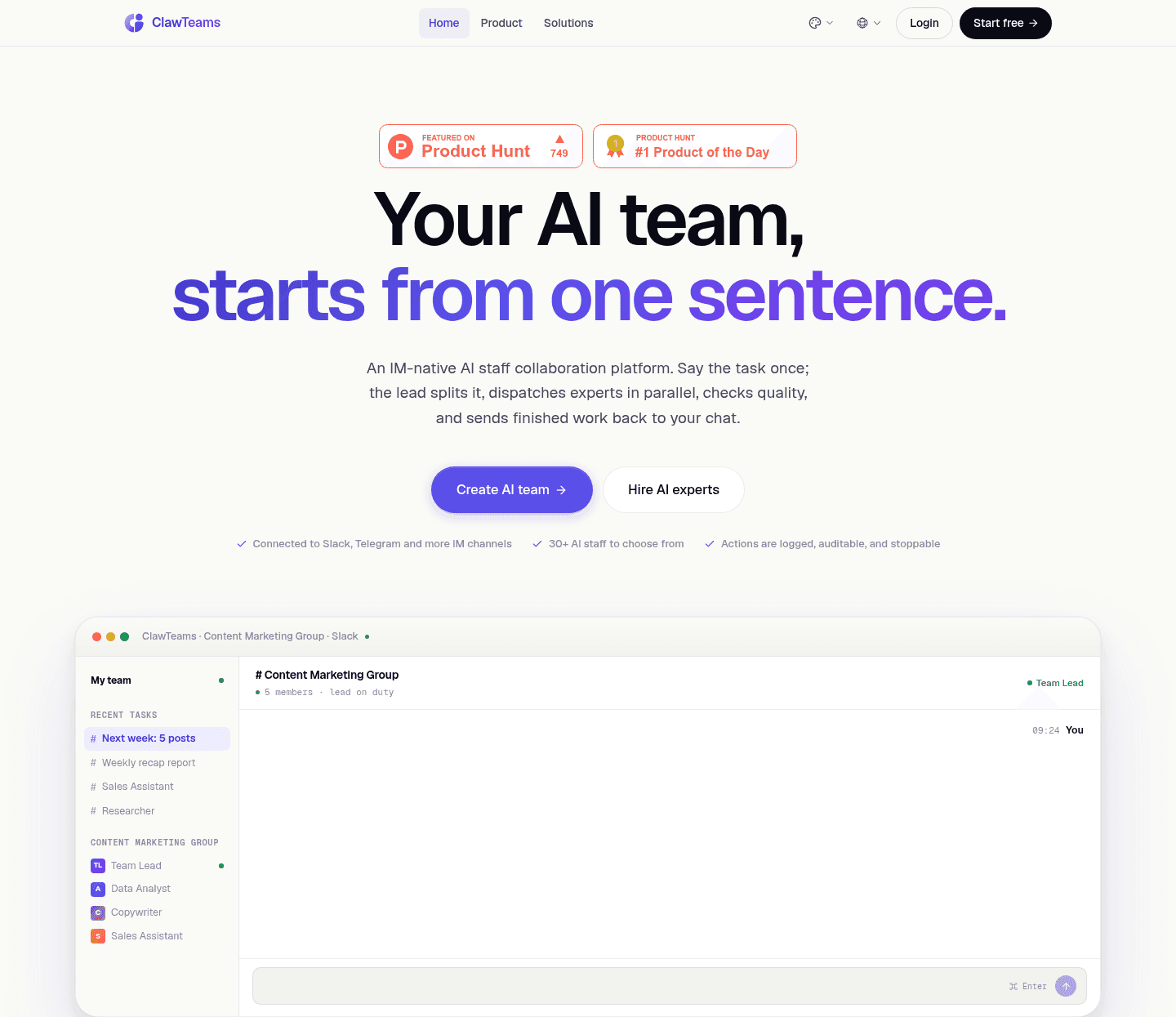
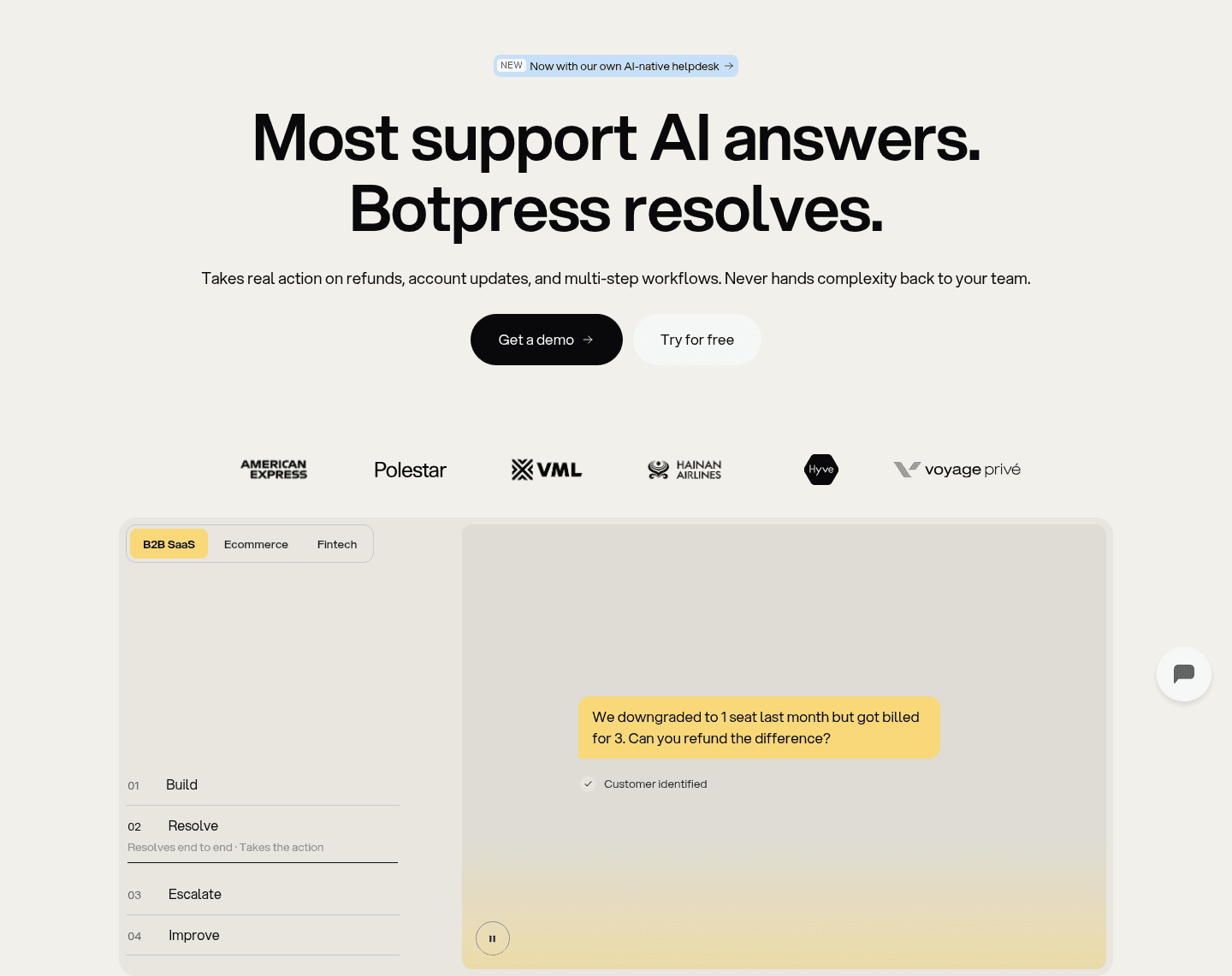
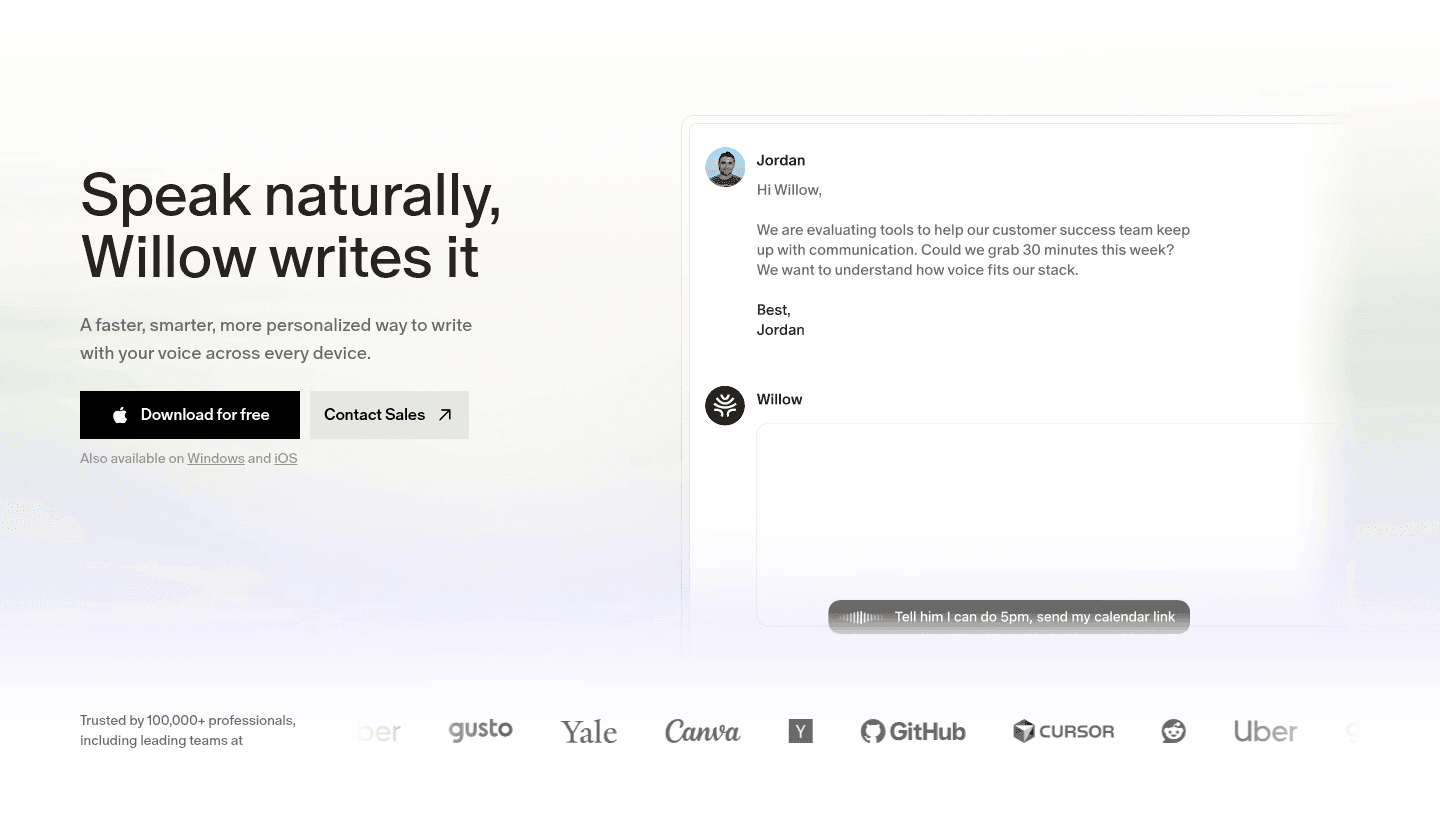
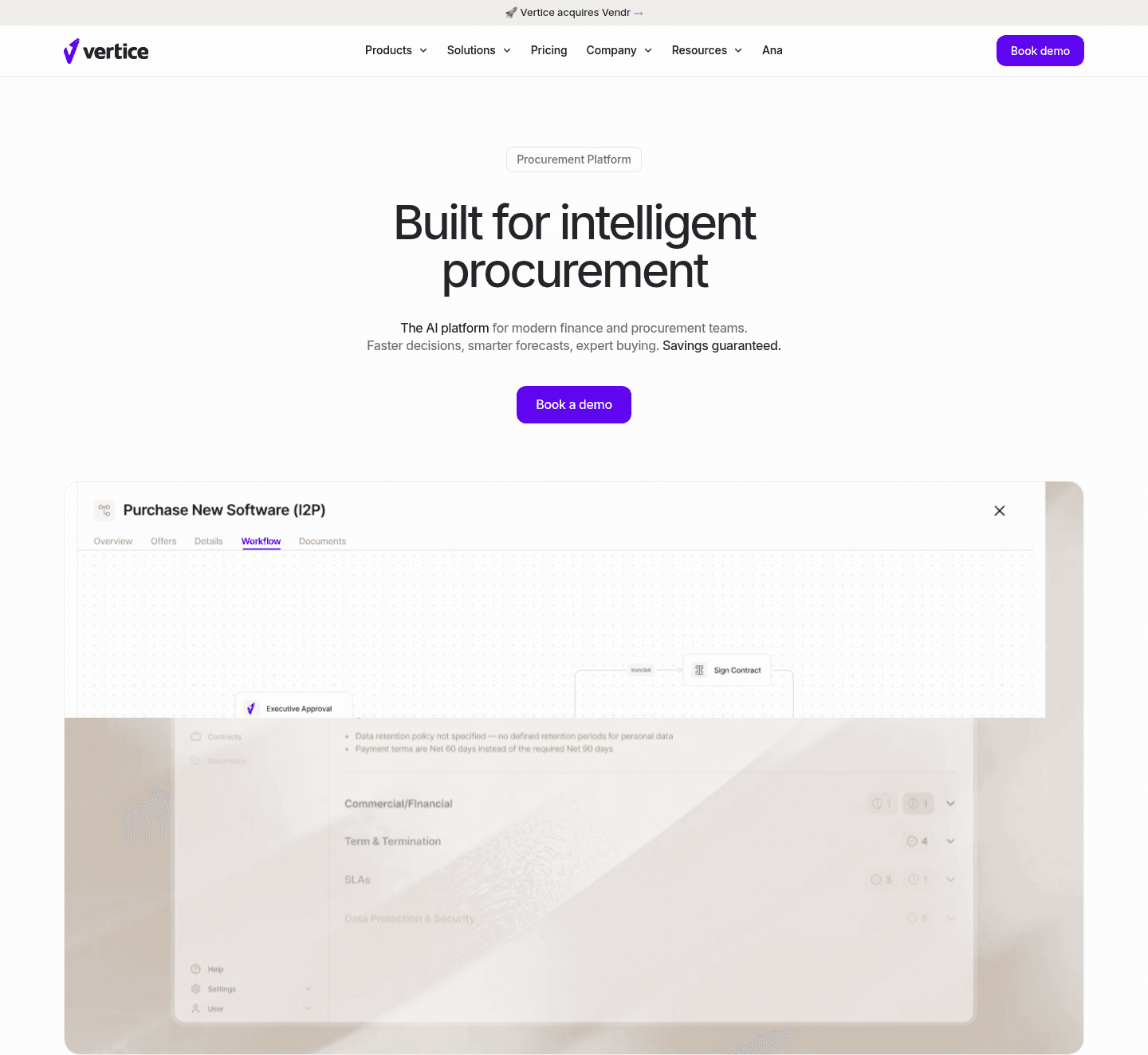
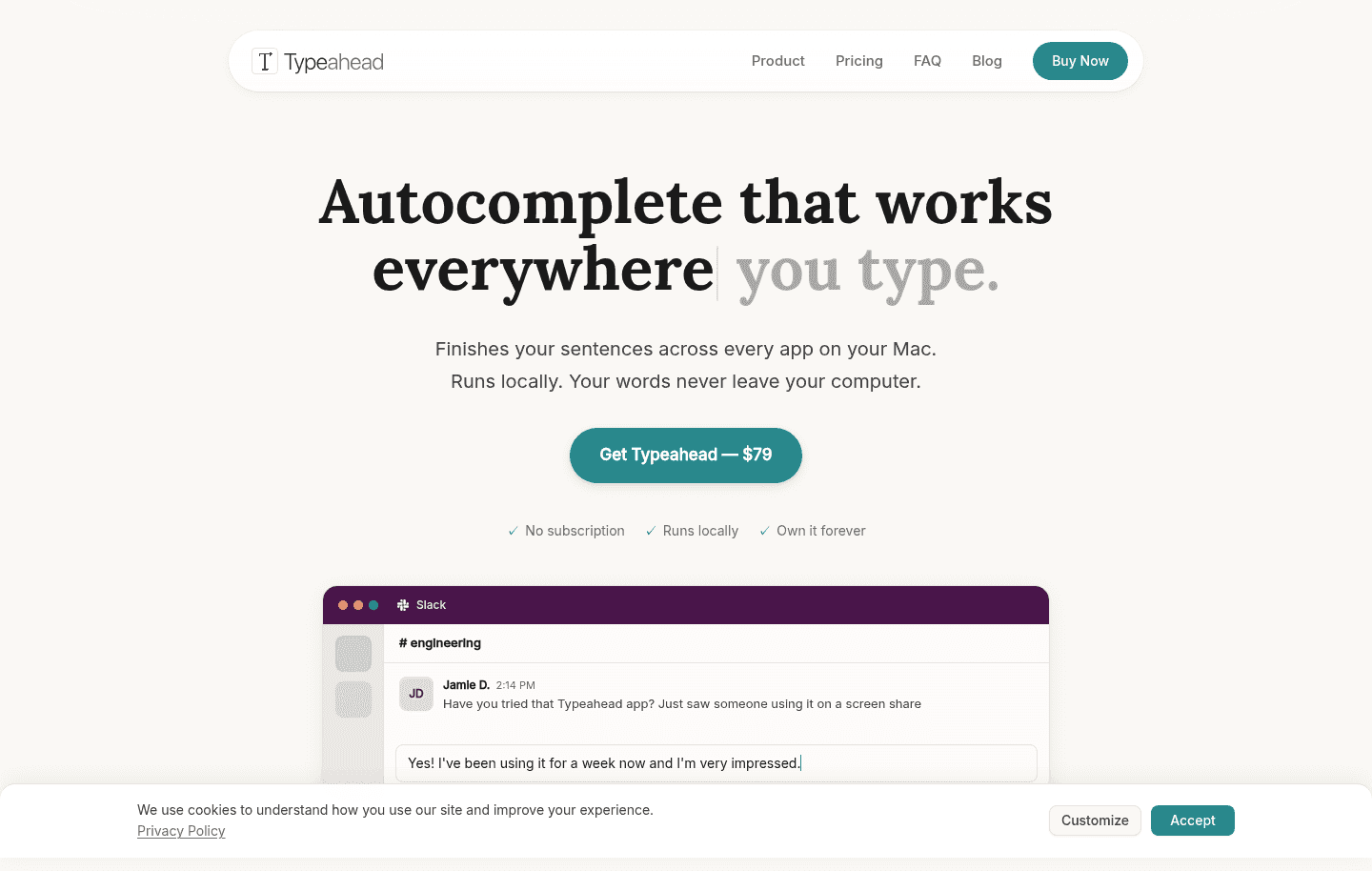
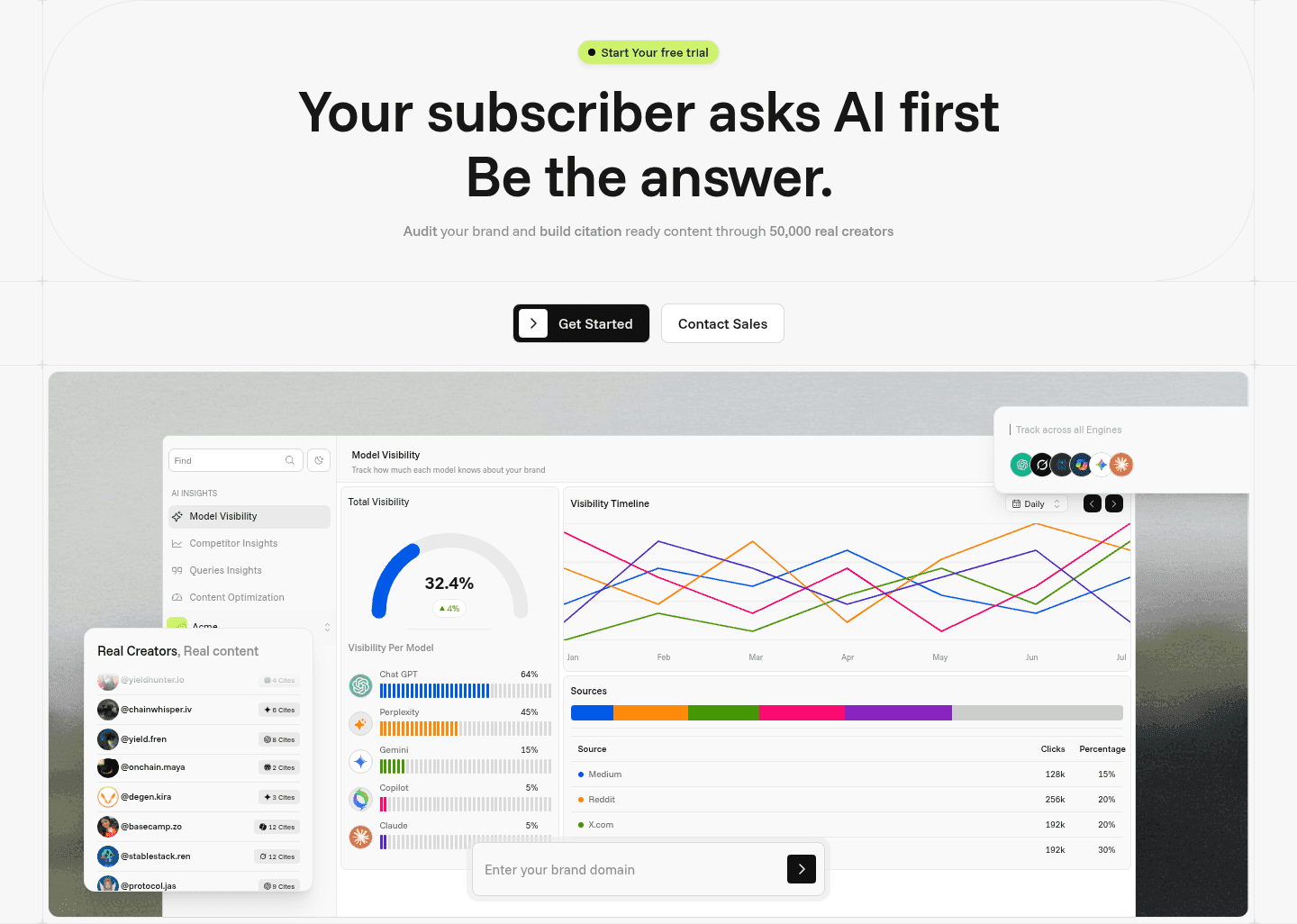
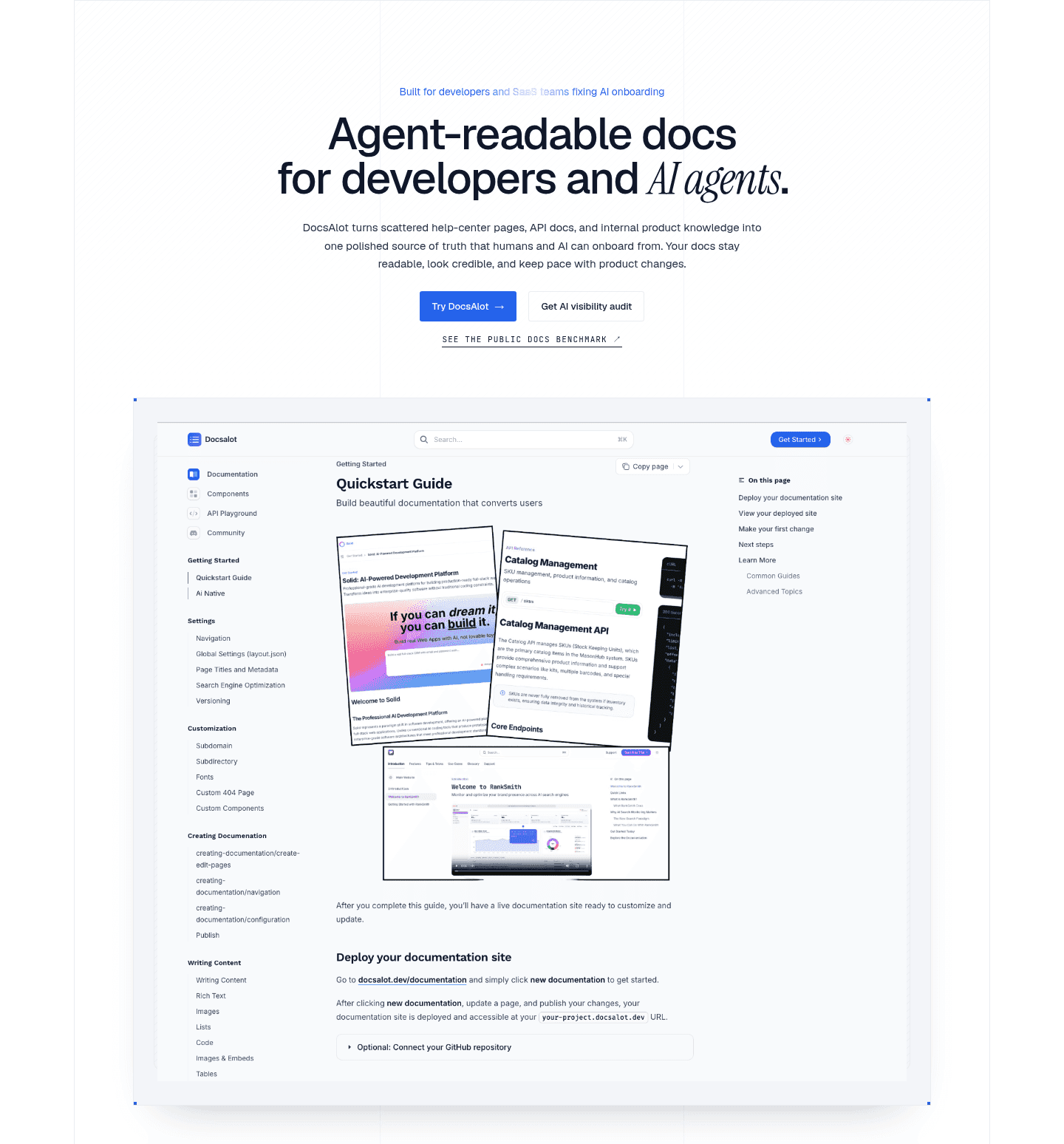
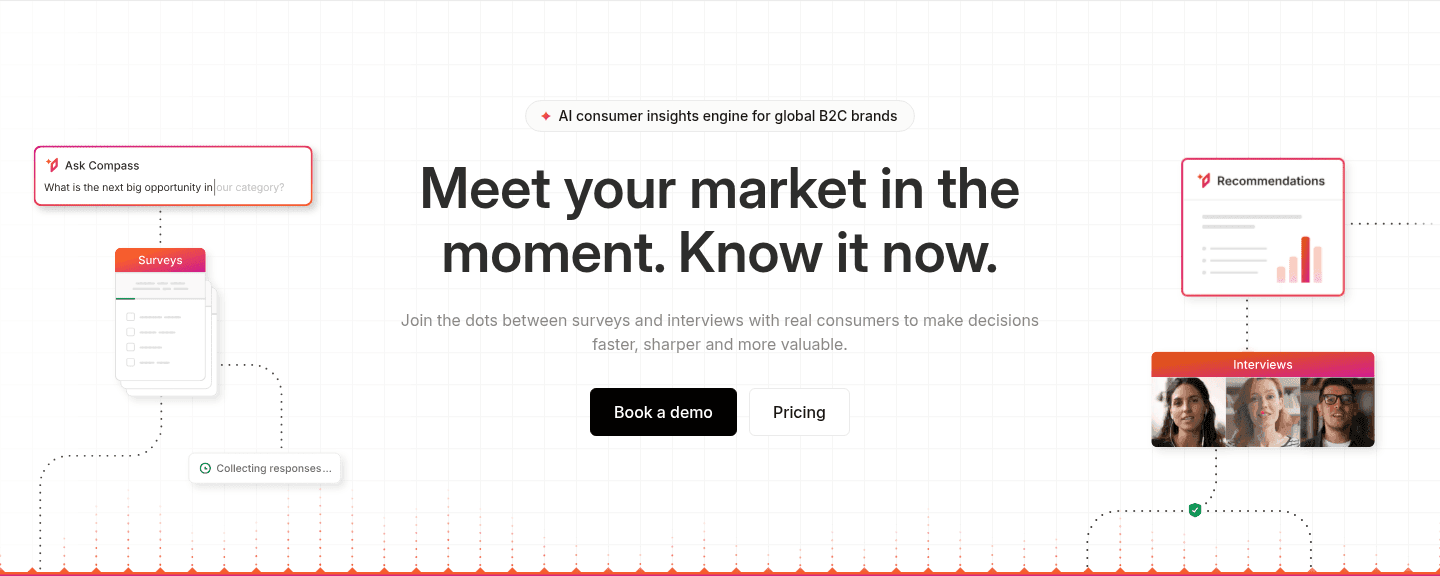
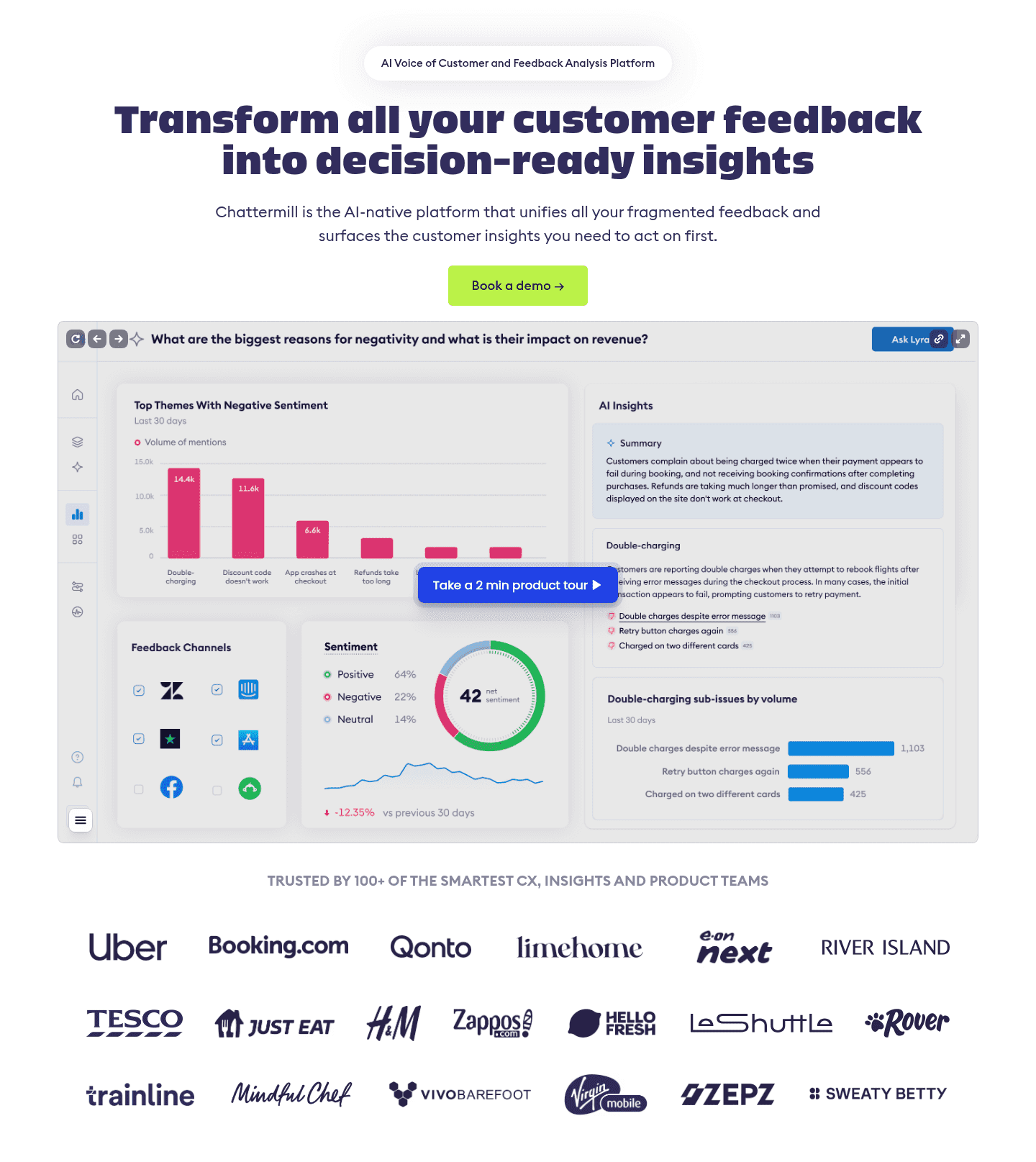
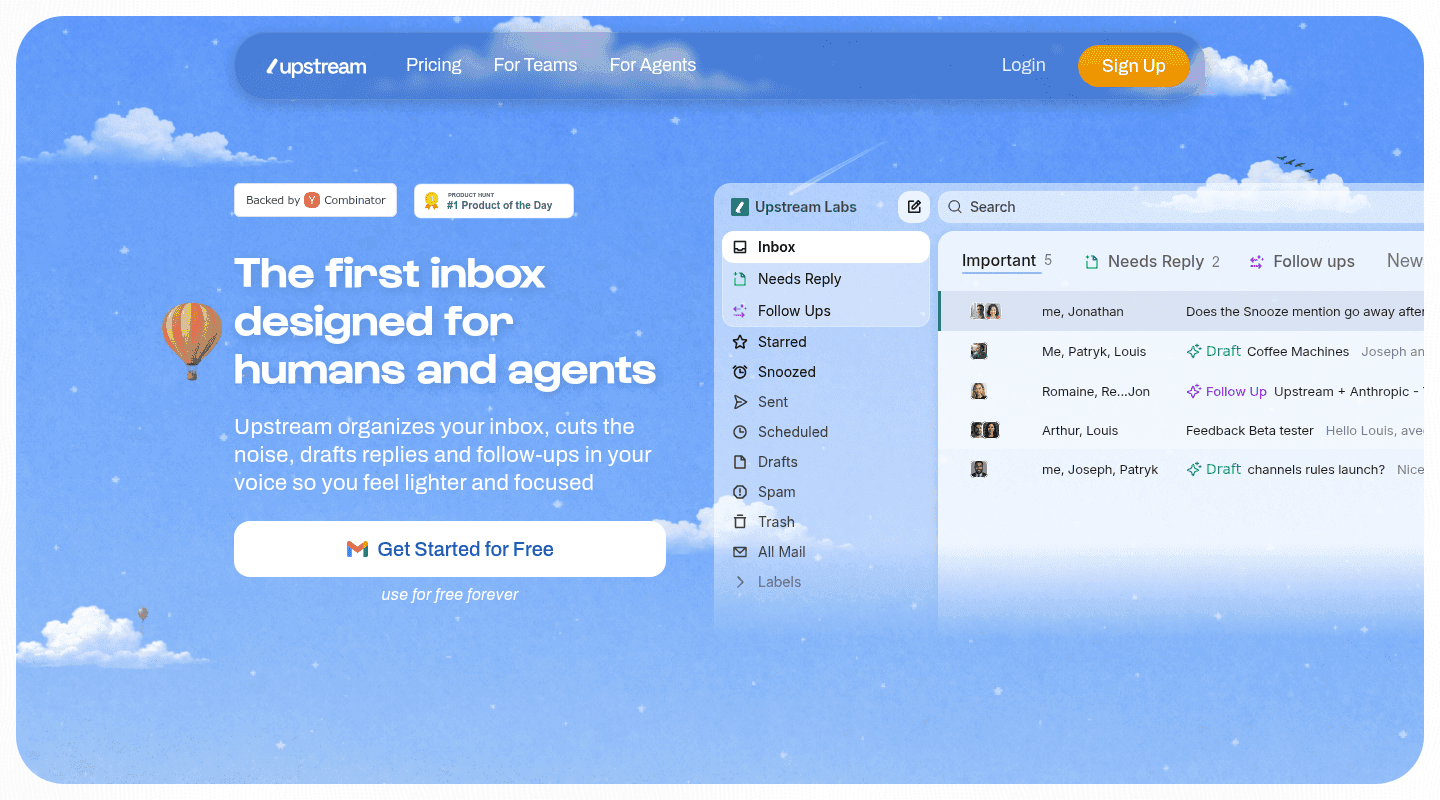
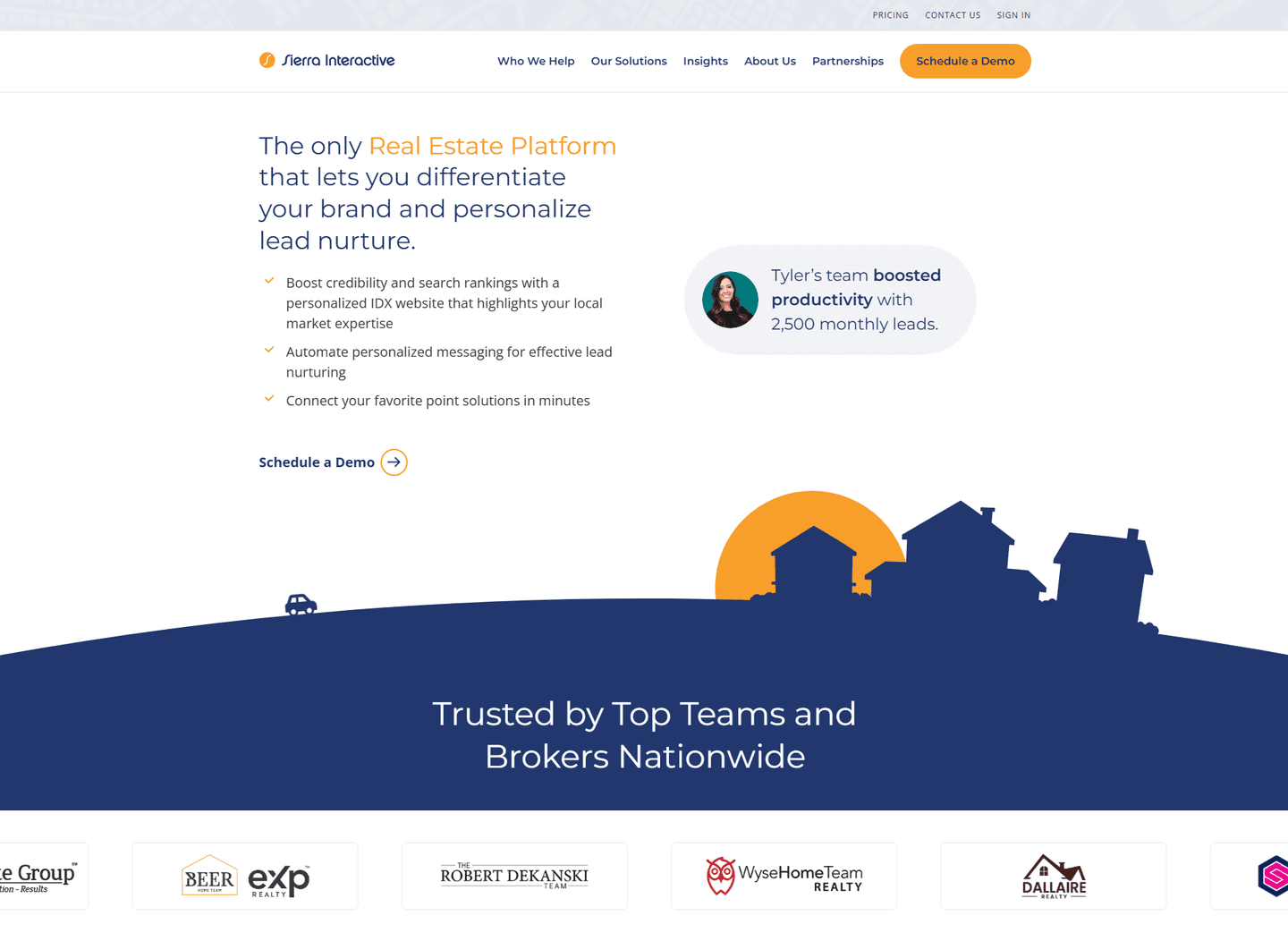
Browse every hero pattern by UX best practice, or jump to an industry view.
Every hero section is scored across 6 conversion best practices. Copy the best practice stack, not the design. See what converts and why.
Hand-picked from 350+ companies and analyzed by our AI conversion agent. Not a random dump of homepages. Every entry earns its spot.
Found a hero you admire? Run yours through the same scoring engine. See where you stand on the same best practices, and what to fix first.
An outcome promise is the decision to open the hero with the result the product produces, instead of the mechanism that produces it. The feature-led version answers "what is this." The outcome-led version answers "what do I get," which is the only question a visitor actually arrived with. The product still gets explained, just lower down, where it reads as proof rather than as the lead.
The best heroes carry the outcome in one of a few forms:
A visitor lands on the hero with a problem already in mind and roughly one second to decide whether the page speaks to it. A feature list makes them do the work of mapping a capability to a benefit, and a large share of them leave mid-translation. An outcome promise removes that step: the result is stated up front, so the value is legible before the visitor has formed a reason to bounce.
It also changes the job of everything below the fold. When the headline already promises the result, the product visual, the stat, and the call to action stop arguing for attention and start corroborating a claim the visitor has already read. The hero reads as a single coherent argument rather than a pile of competing features.
Just over half of the scored hero sections in our library lead with an outcome rather than a feature list. Across the scored examples below, the heroes that land share one habit: the outcome is specific enough to be unrepeatable. Koyeb does not promise "fast deploys," it promises to "deploy intensive apps in minutes" and scale "in 50+ locations." Optise pairs an outcome ("more leads and customers") with a timeframe ("in minutes") so the payoff feels both real and fast. The discipline is the same each time, name a result a competitor could not honestly paste onto their own page, then back it with the product itself rather than leaving it as a slogan.
An outcome rarely carries a hero alone. The strongest pair it with social proof above the fold so the claim reads as verified, and a product visual in the hero so the outcome is anchored in something concrete.
82/100 0/100
0/100The usual failure is the generic outcome: "save time," "grow faster," "work smarter," lines so portable they could sit on any page and persuade no one. The second is burying a real outcome under feature language, where the headline lists what the product has and forces the visitor to infer what it does for them. The third is the unbacked promise, a bold claim with nothing beneath it, no number, no product, no proof, so it reads as marketing the buyer has learned to discount. Lead with one specific result, make it concrete, and let the rest of the hero stand behind it.

Curated by
Gabriel Amzallag , Founder, Web Anatomy
5 years CRO + SEO at Qonto (2021–2025). After advising 15+ SaaS on their websites (Payfit, Pigment…), the same patterns kept breaking, so I decided to build the source of truth on what works on the web: the intelligence layer every tool, builder, and team uses to ship sites that perform.
Paste your URL. Get a scored analysis of your hero section, including whether your headline leads with the result a buyer wants. Free, no signup.
The common questions about leading a hero with the result, with answers drawn from 157 scored examples.
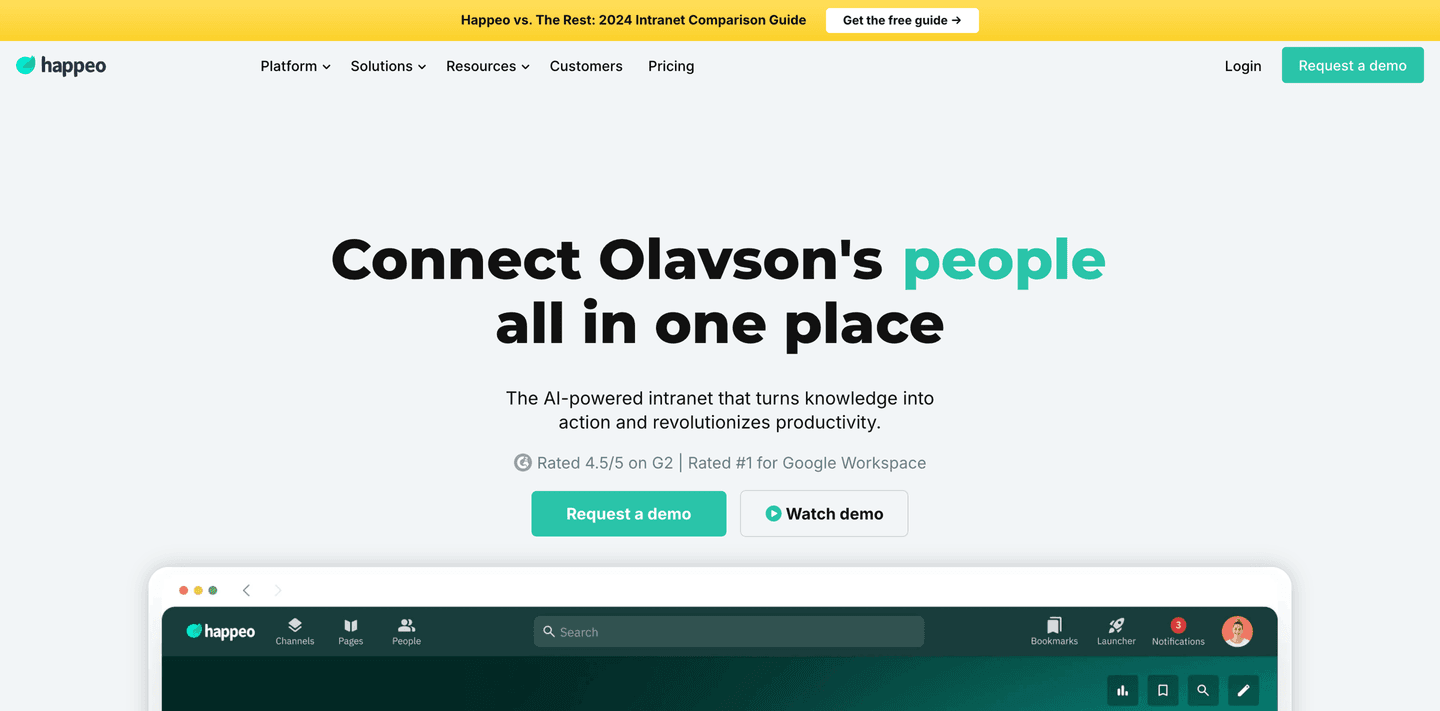
It is a headline that names the result the buyer gets, rather than describing the product's features or mechanics. Instead of 'A CRM with pipeline views and automation', an outcome promise says something closer to 'The CRM that kills admin work so you can sell more'. The visitor reads the payoff first and the plumbing second.
A visitor arrives with a problem, not a curiosity about your architecture. A feature list asks them to do the translation from capability to benefit themselves, and many leave before they finish. An outcome promise does that work for them: it states the result up front, so the value is obvious in the first second, and the features below become the proof rather than the pitch.
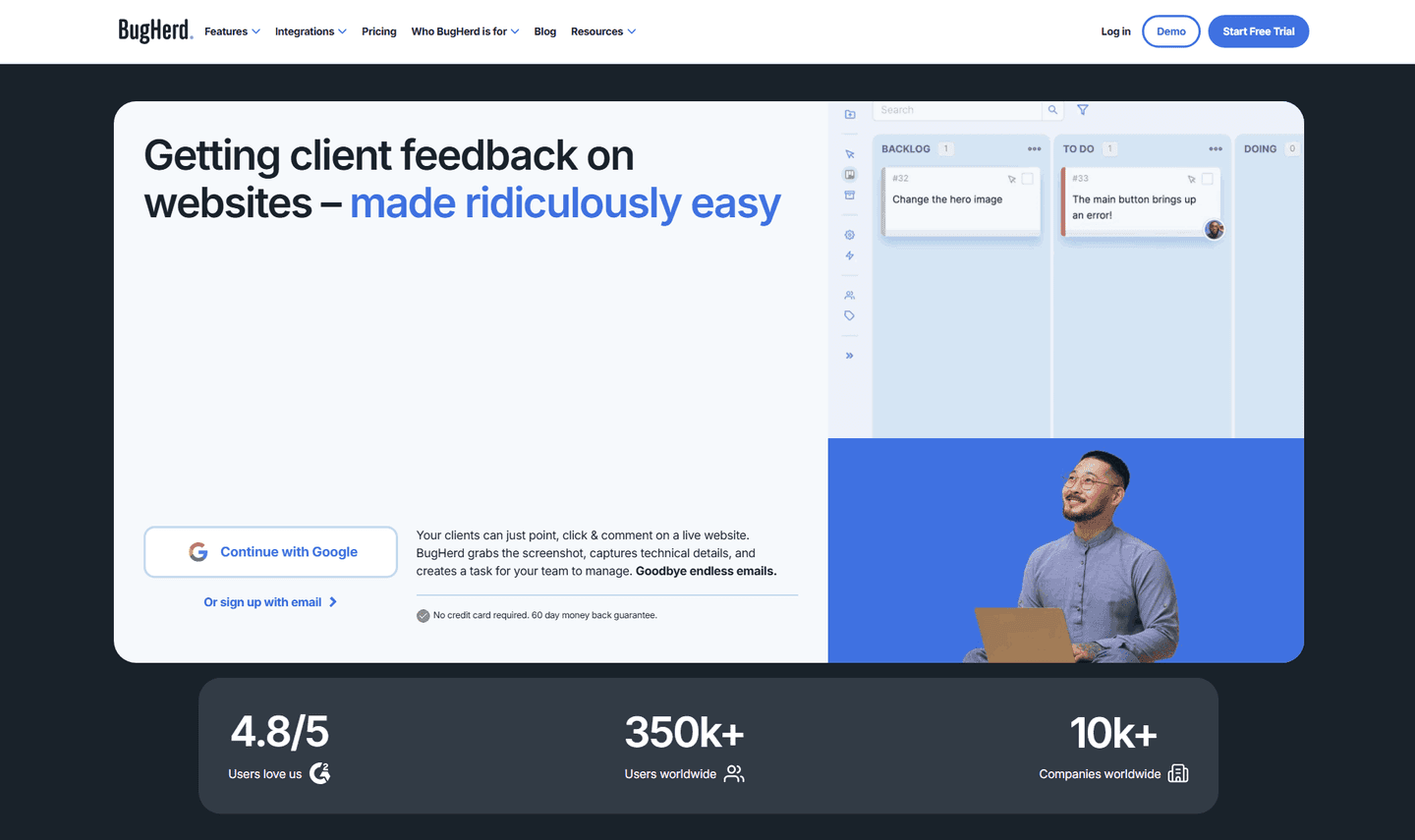
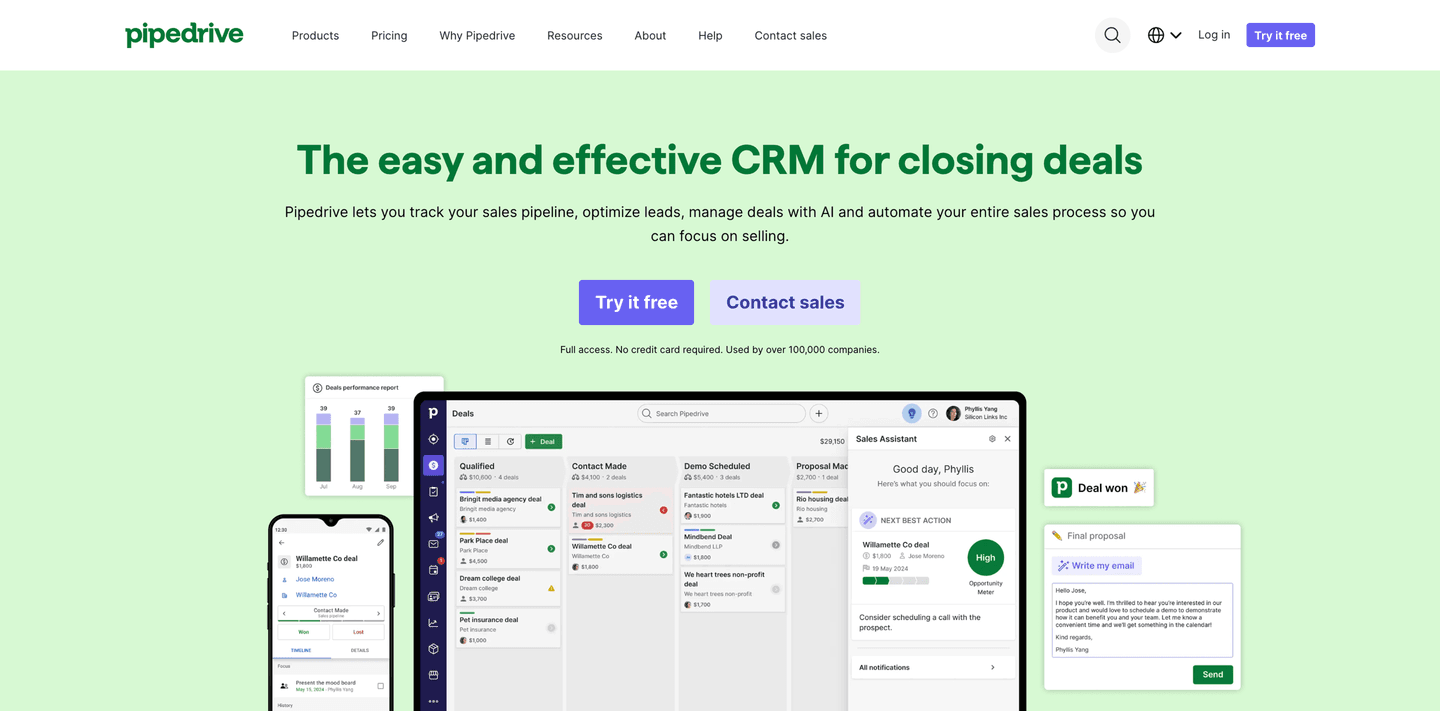
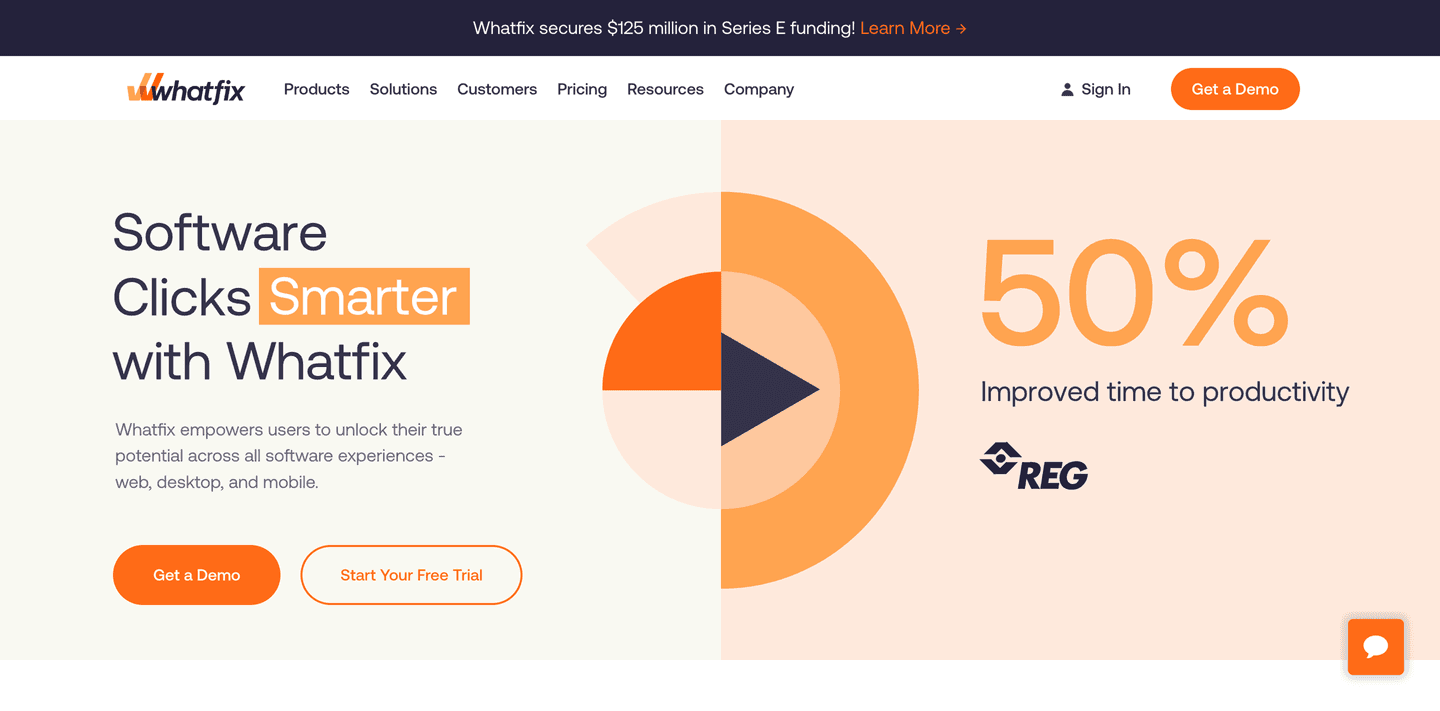
The common ones are the direct payoff ('Find and close more deals'), the pain removed ('Goodbye endless emails'), the category plus benefit ('The easy and effective CRM for closing deals'), and the quantified gain ('7x faster inference', '50% improved time to productivity'). The strongest heroes pick one and make it specific enough that no competitor could paste it onto their own page.
Specific enough to be unrepeatable. 'Save time and grow your business' could sit on any page and persuades no one. A named result, a real number, or a concrete pain the buyer recognizes turns the same line into something only this product can credibly claim. When a number is available and honest, it almost always outperforms an adjective.
No. The outcome is the headline's job. It still needs a product category so the visitor knows what they are looking at, a call to action so a convinced buyer can move, and ideally a product visual or proof so the promise reads as a fact rather than a slogan. The outcome opens the hero; the surrounding elements close it.