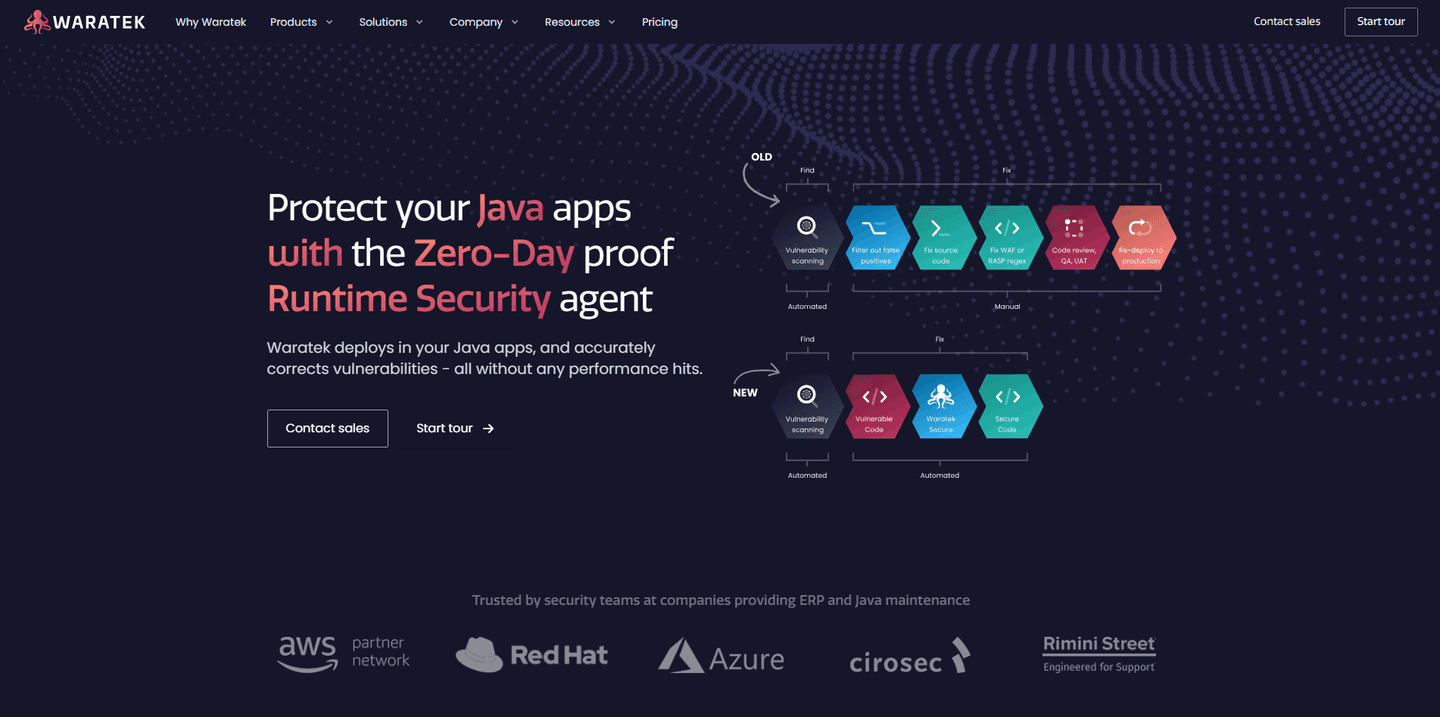
Hero|
Hero clarity is the discipline of stating, in the first lines a visitor reads, exactly who the product is for, what it is, and what it does, so the right buyer self-identifies in seconds.
Key takeaways
Showing 43–63 of 139 examples
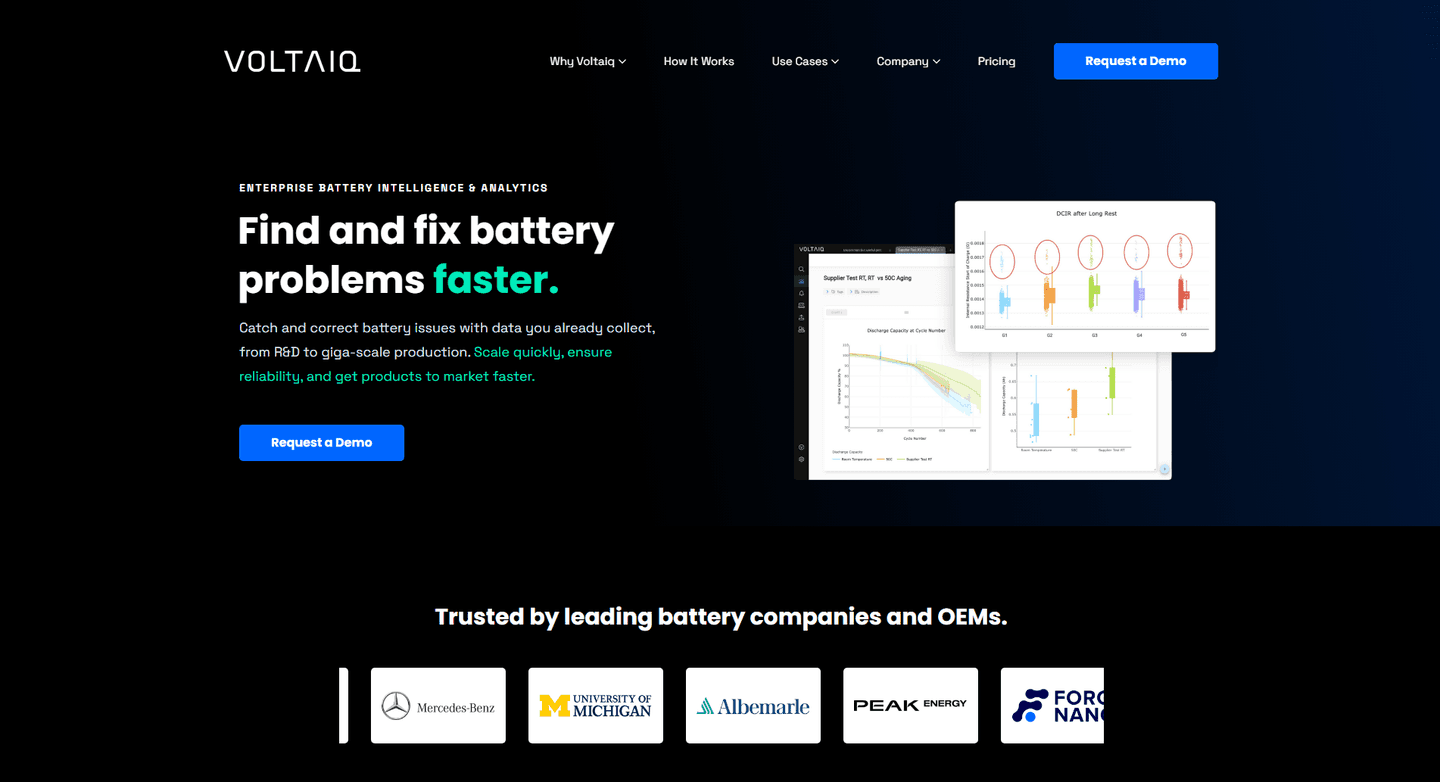
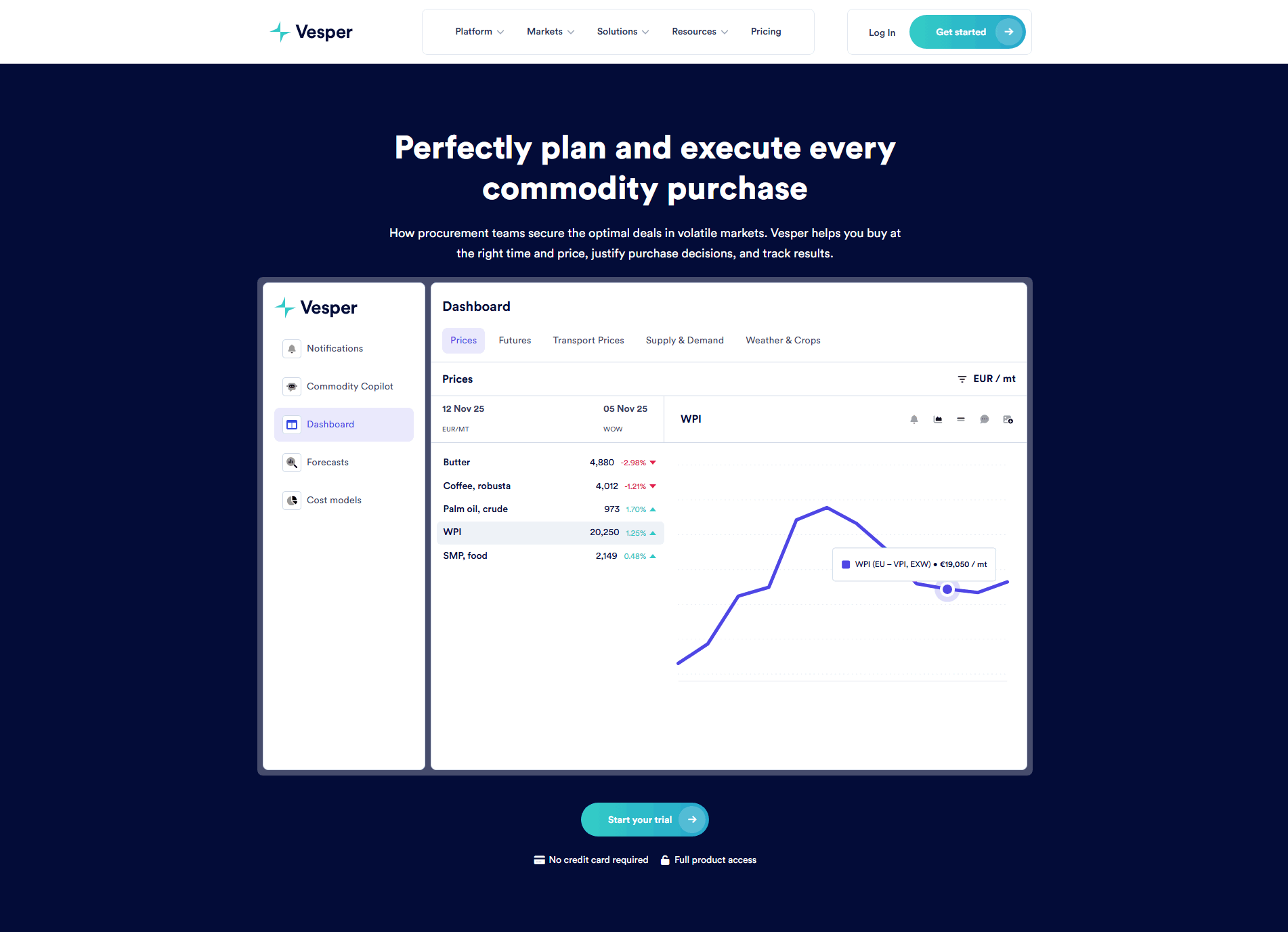
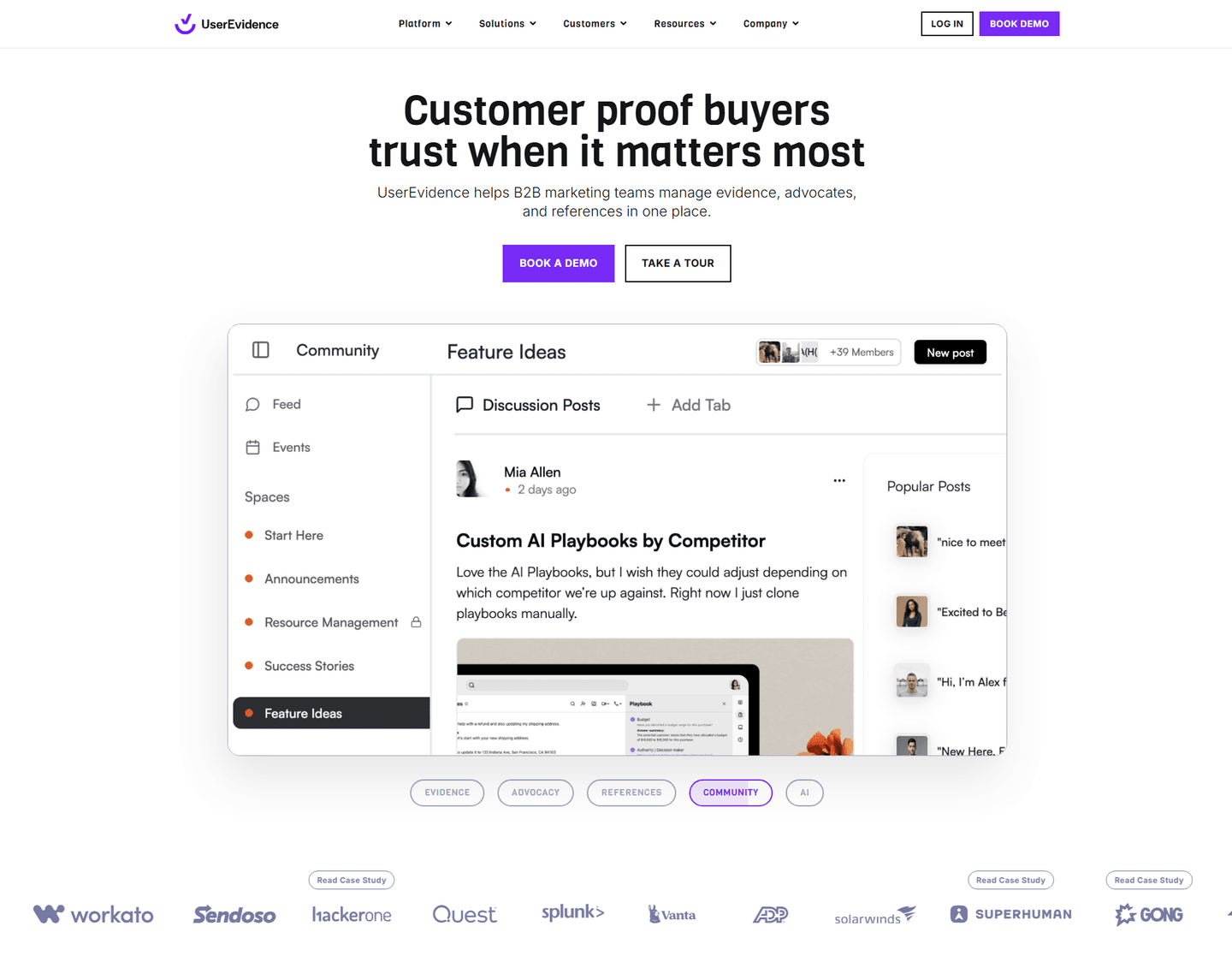
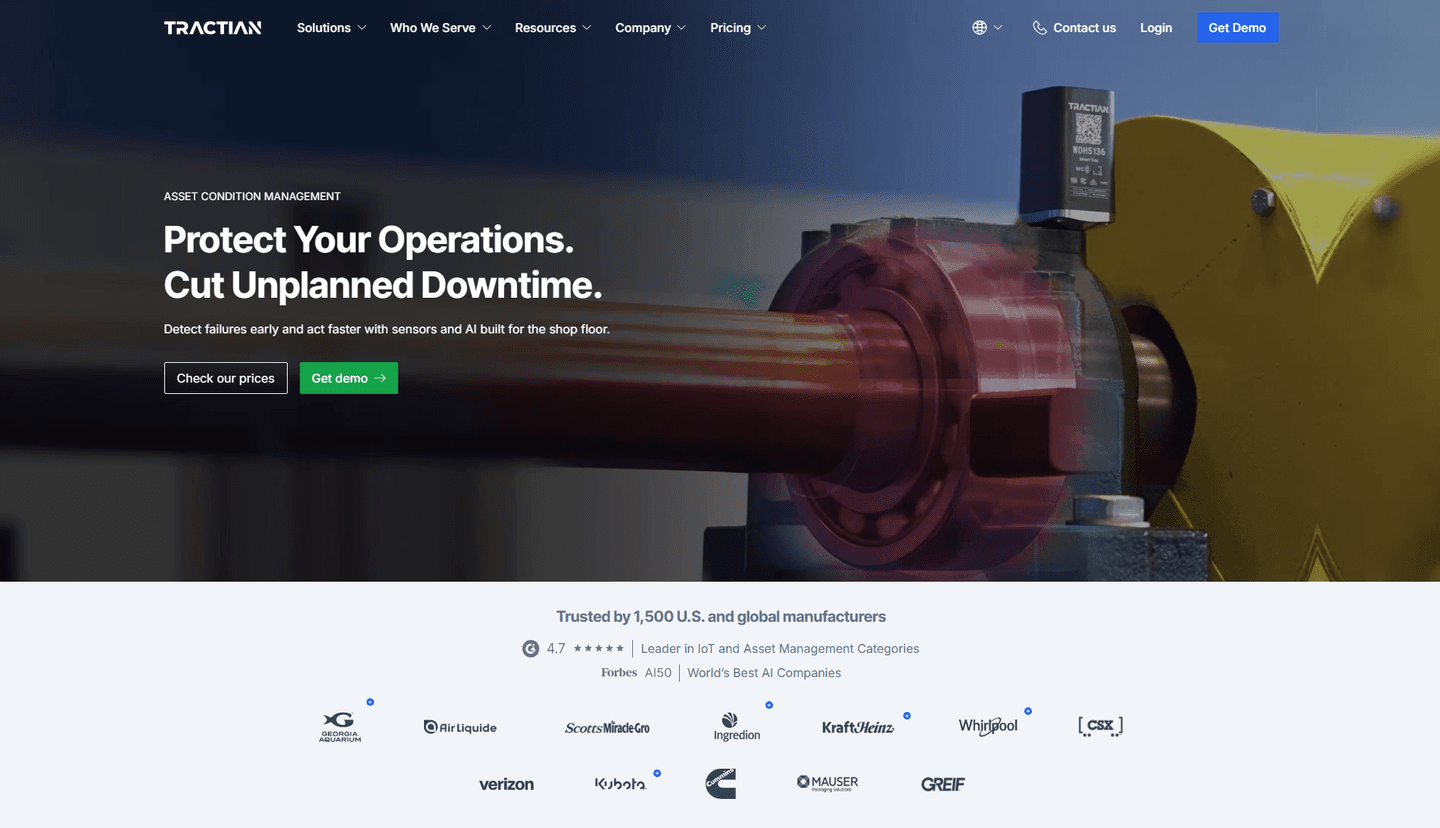
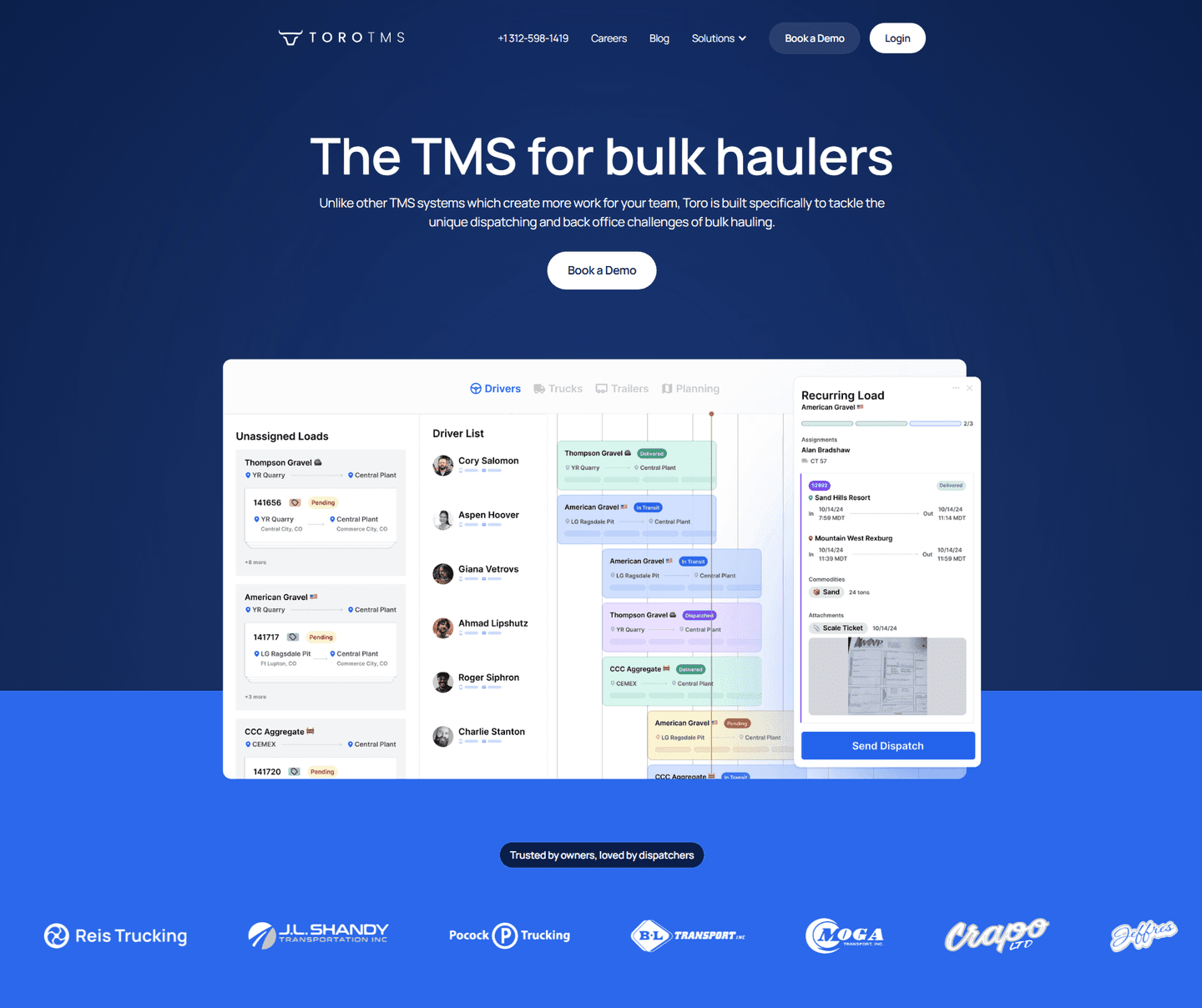
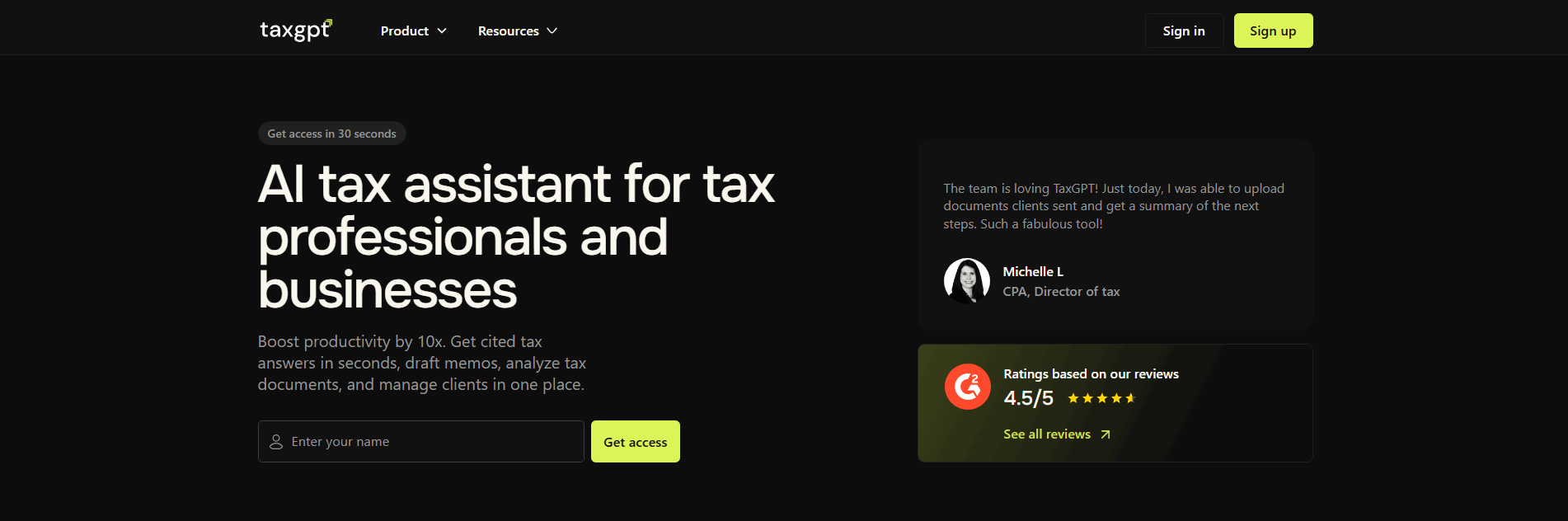
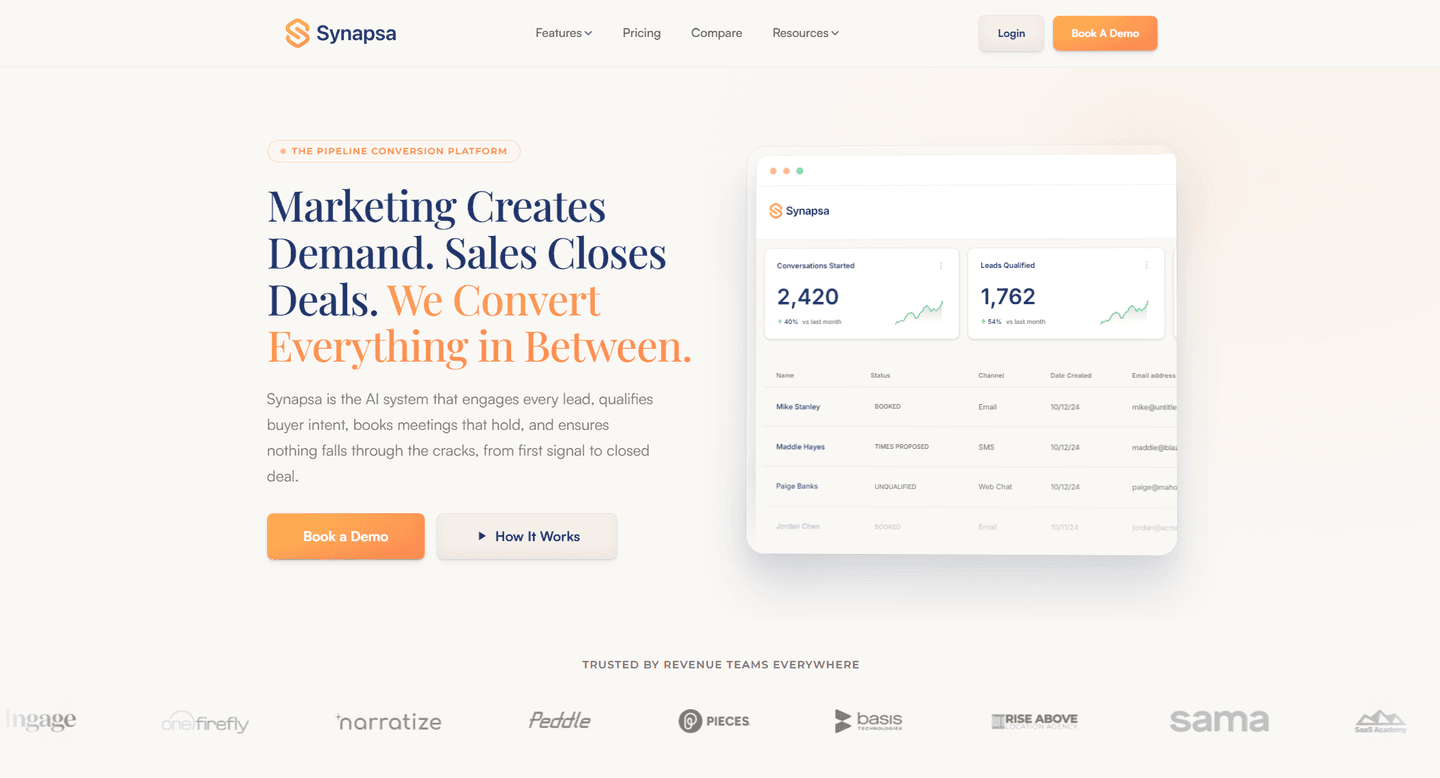
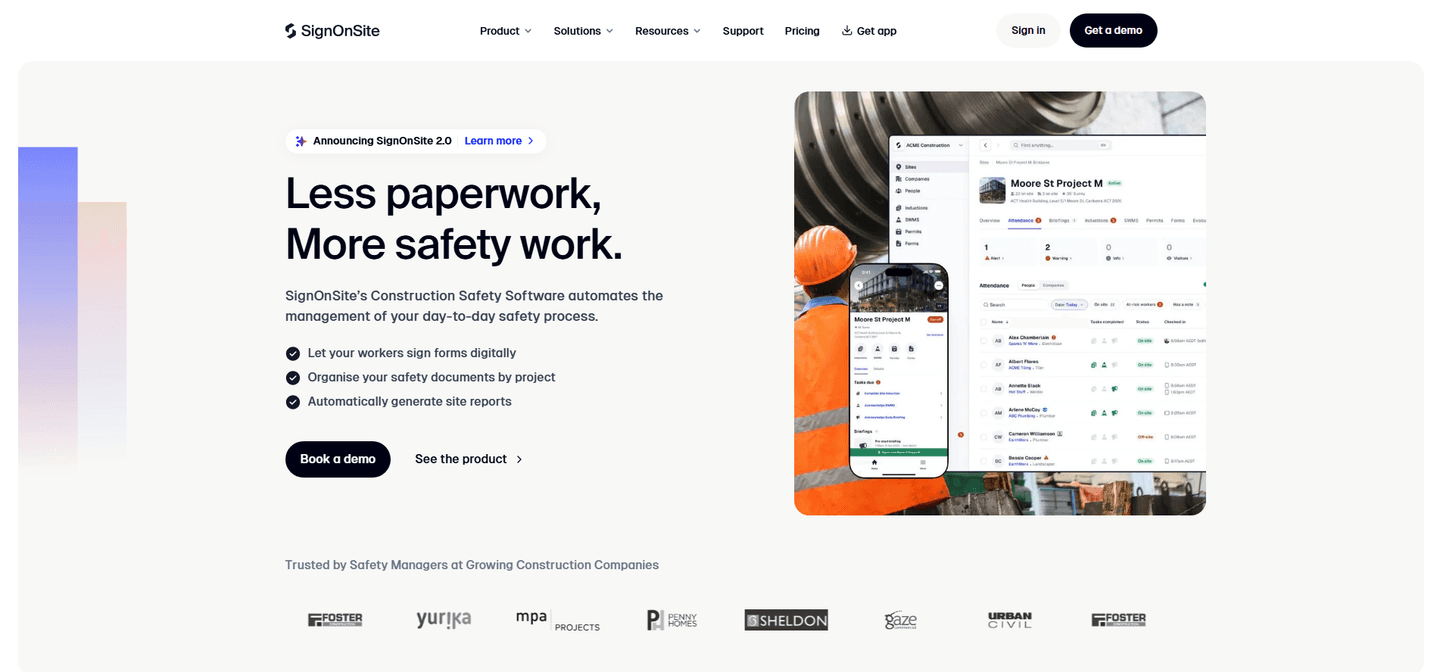
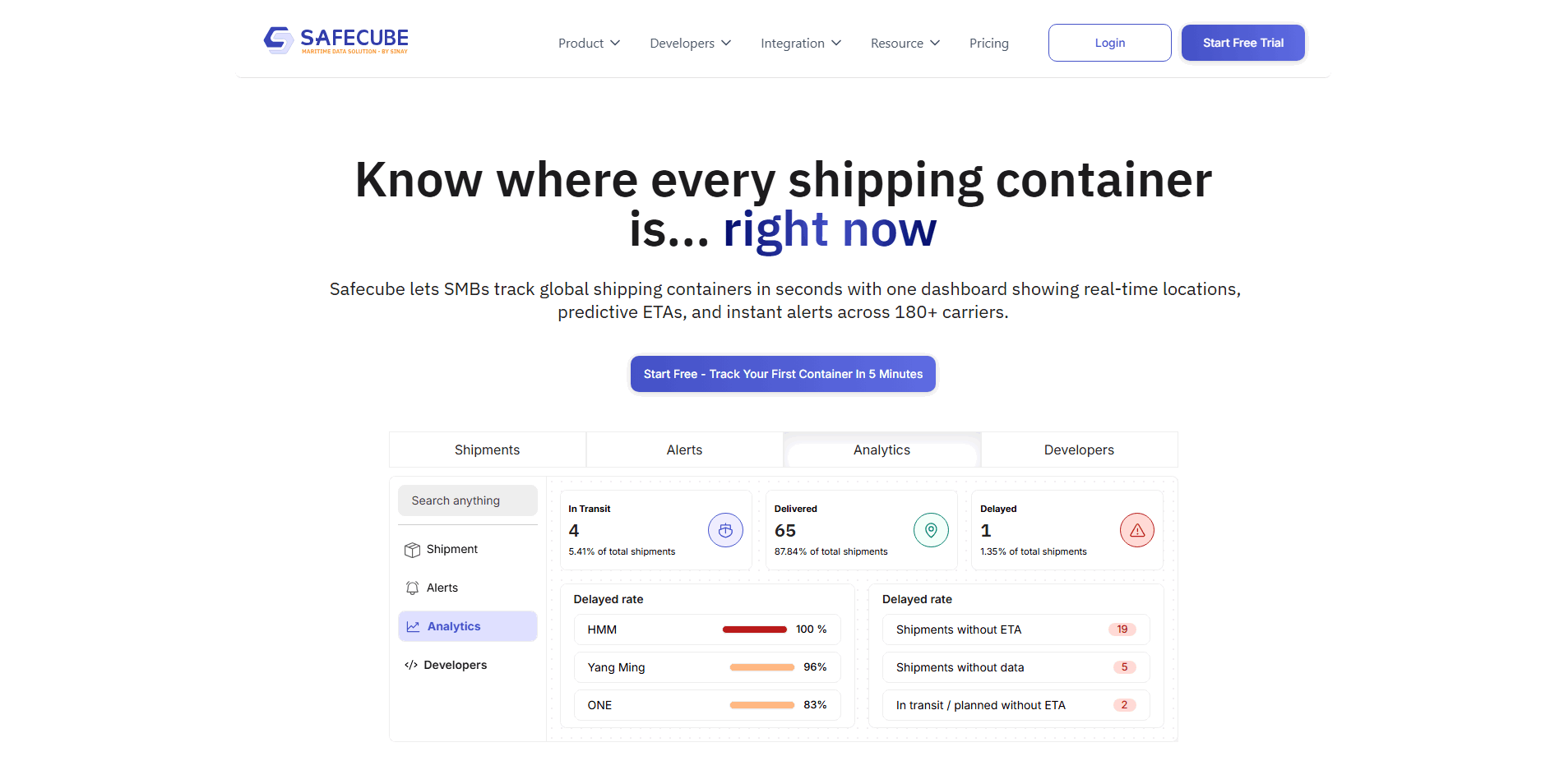
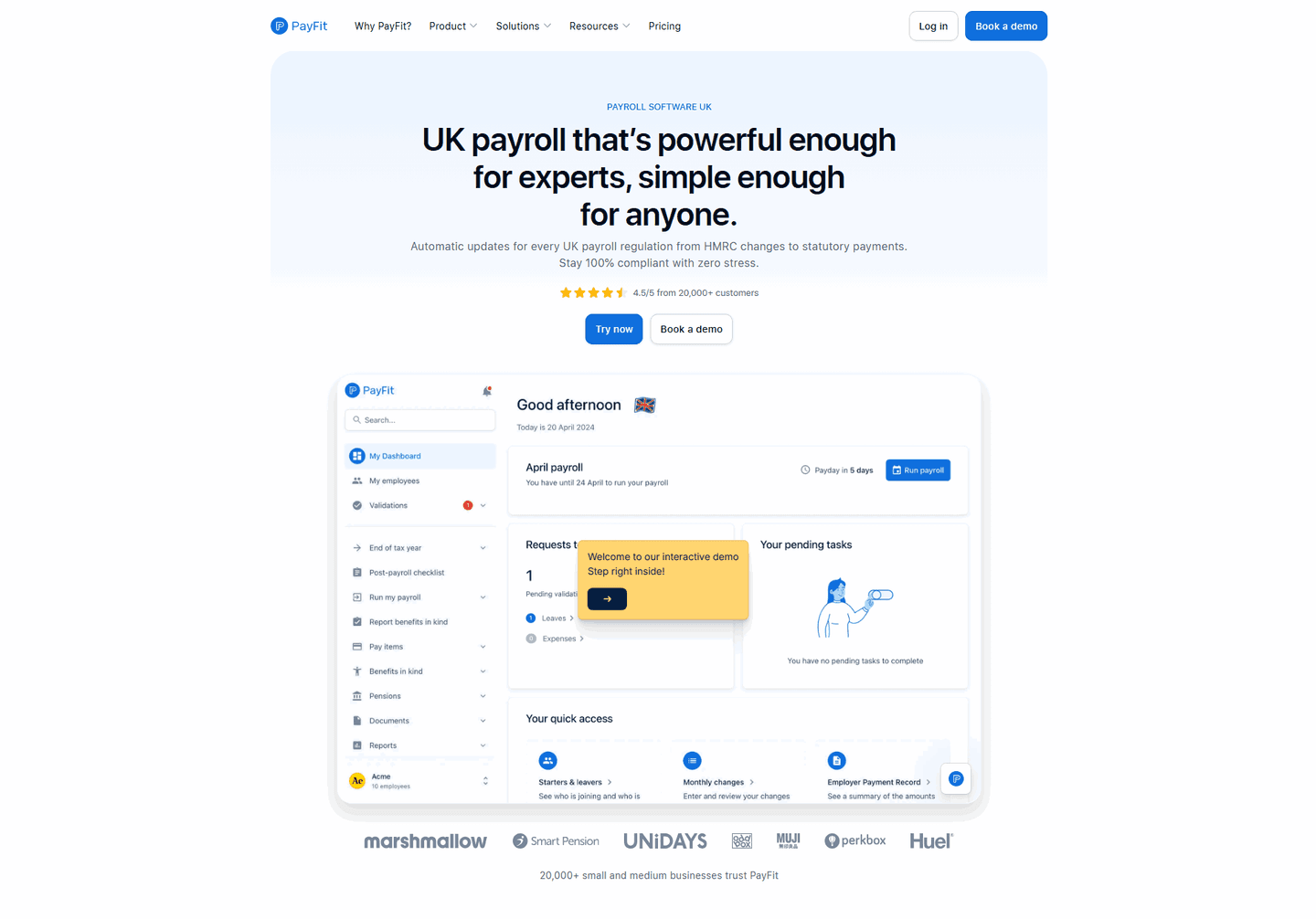
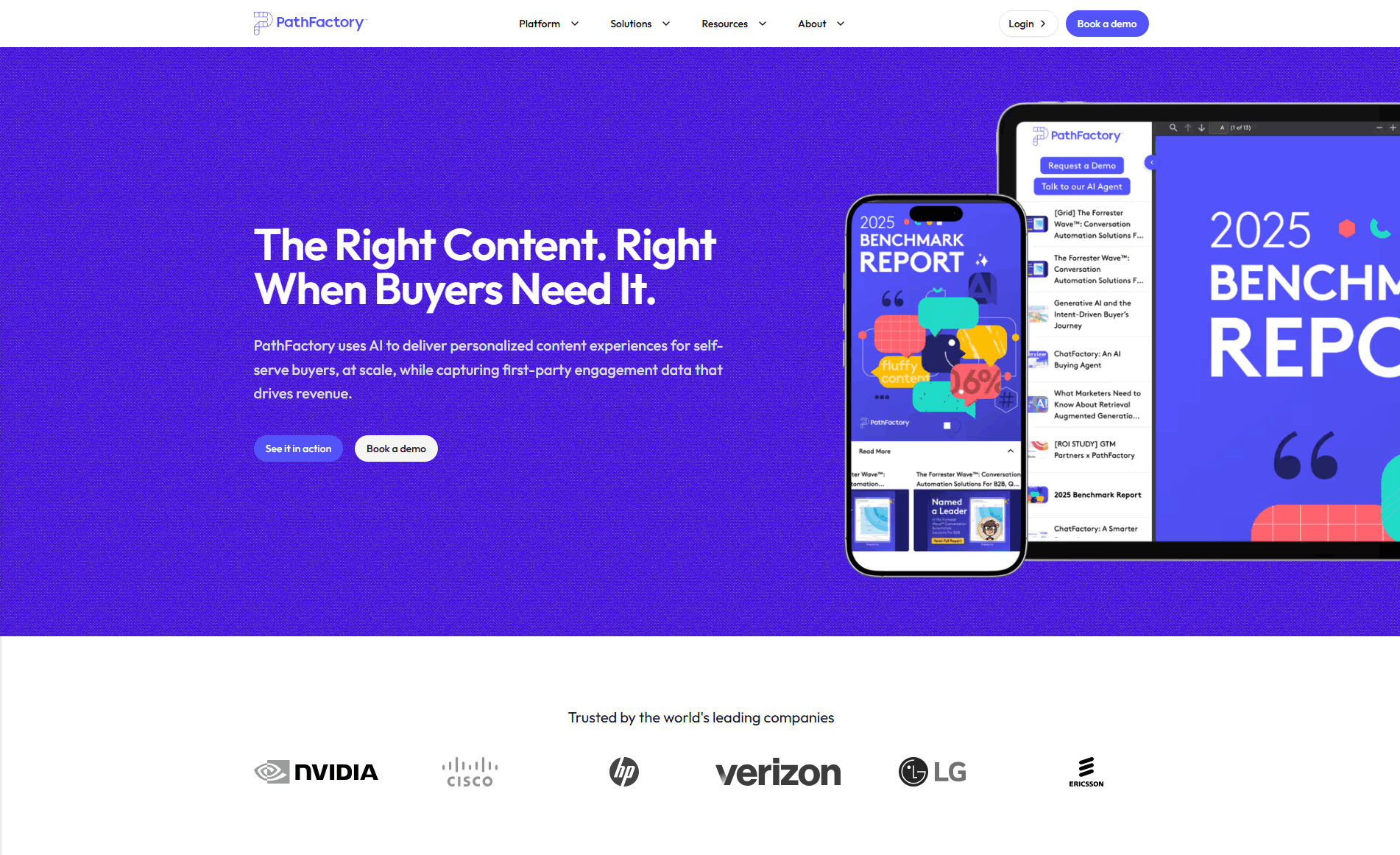
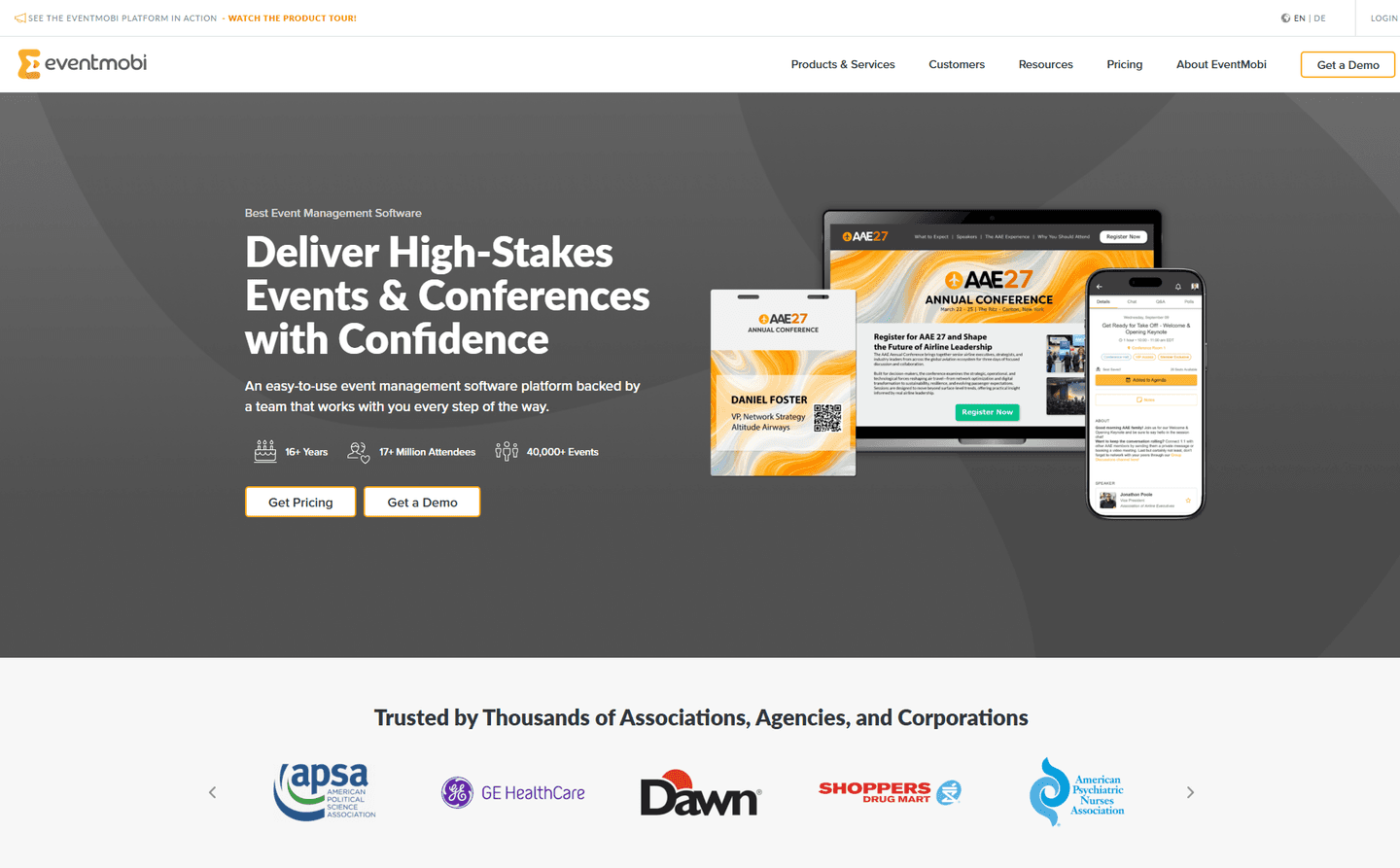
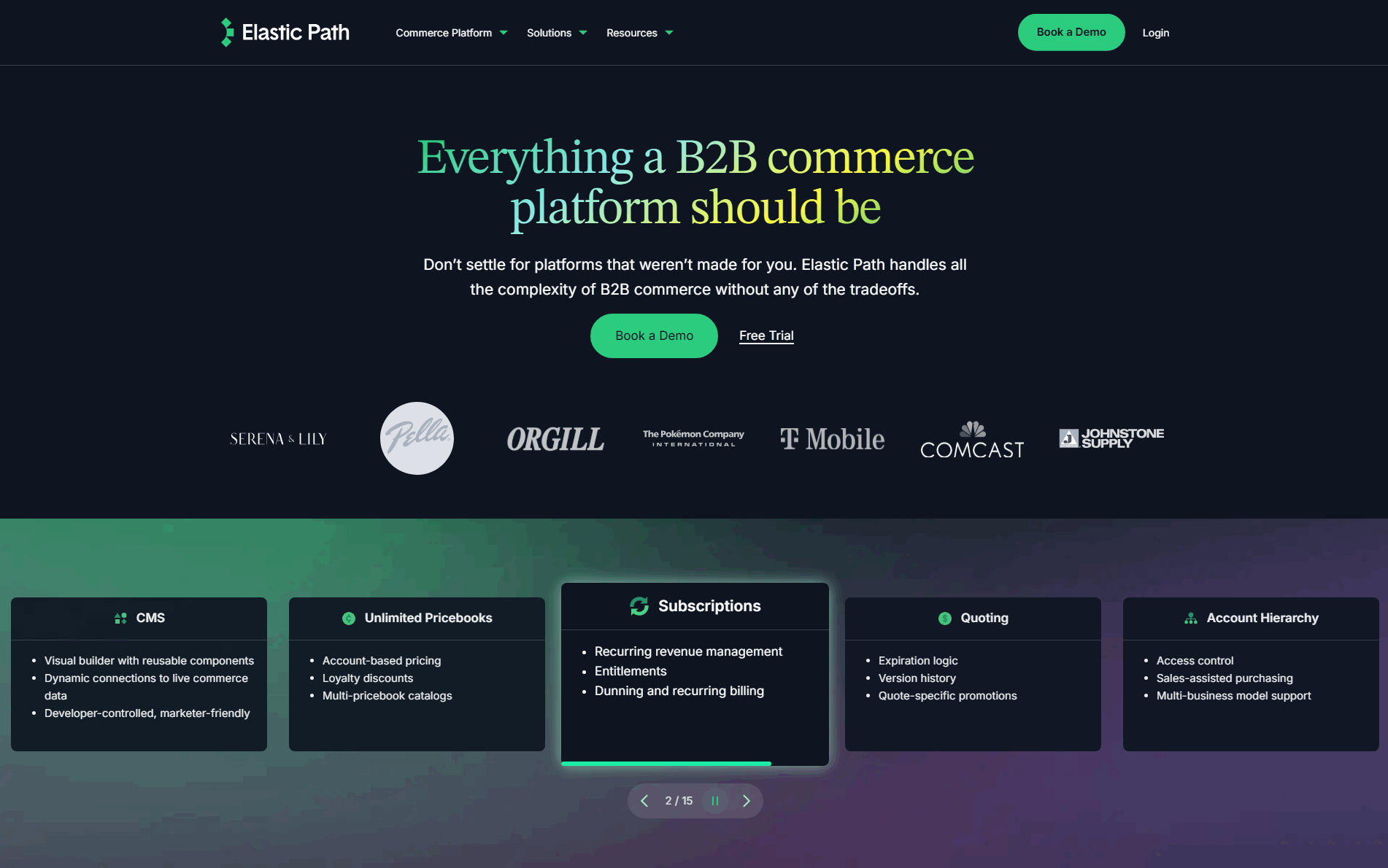
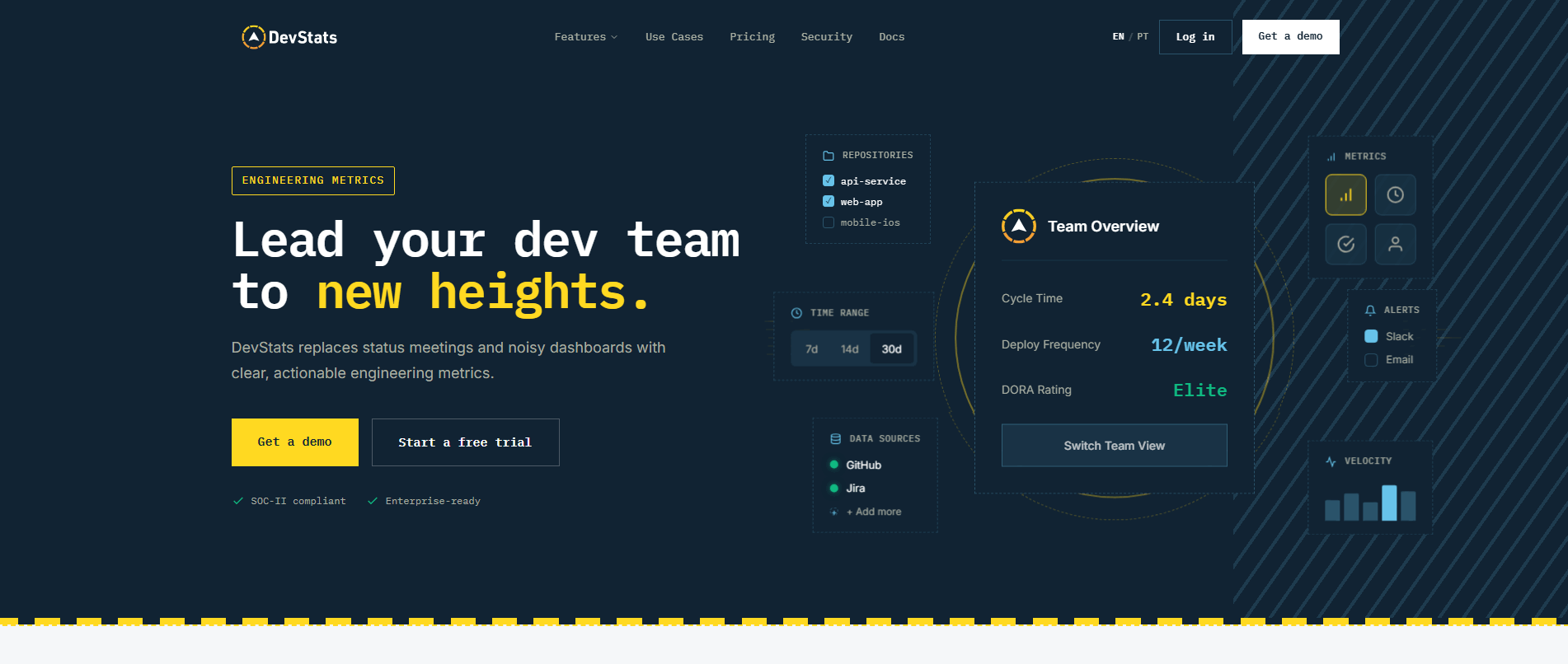
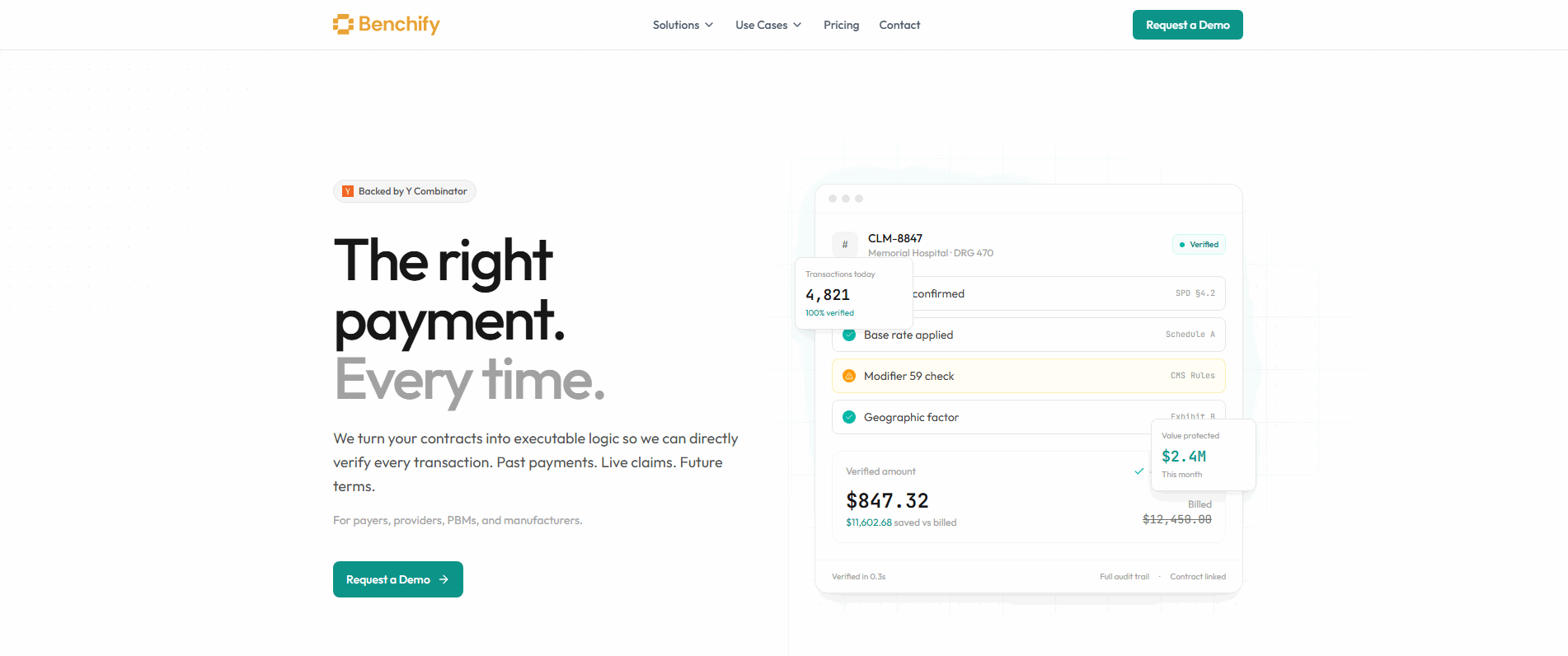
Browse every hero pattern by UX best practice, or jump to an industry view.
Every hero section is scored across 6 conversion best practices. Copy the best practice stack, not the design. See what converts and why.
Hand-picked from 350+ companies and analyzed by our AI conversion agent. Not a random dump of homepages. Every entry earns its spot.
Found a hero you admire? Run yours through the same scoring engine. See where you stand on the same best practices, and what to fix first.
Hero clarity is the decision to say, in the first lines a visitor reads, exactly who the product is for, what it is, and what it does. The hero is the one moment when every visitor is paying attention, and a clear hero spends that attention on recognition: the right buyer reads the line and thinks "this is for me," before they have to scroll, decode a headline, or guess at the category.
The best heroes earn that clarity in one of four forms, often two at once:
A visitor decides in roughly the first second whether a page is for them, and a vague hero forces them to do work to find out. A clear hero removes that work. When the headline names the audience, the category, and the payoff in plain language, the right buyer recognizes themselves immediately and arrives at the call to action already half-convinced.
Clarity also filters, and that is a feature. A hero that names "petroleum engineers at oil and gas companies" or "small businesses" deliberately lets the wrong visitor move on. The point of the hero is not to hold everyone's mild attention, it is to win the right buyer's strong attention. Naming the audience trades a wider top of funnel for a higher-intent one, and for most SaaS pages that is the better trade.
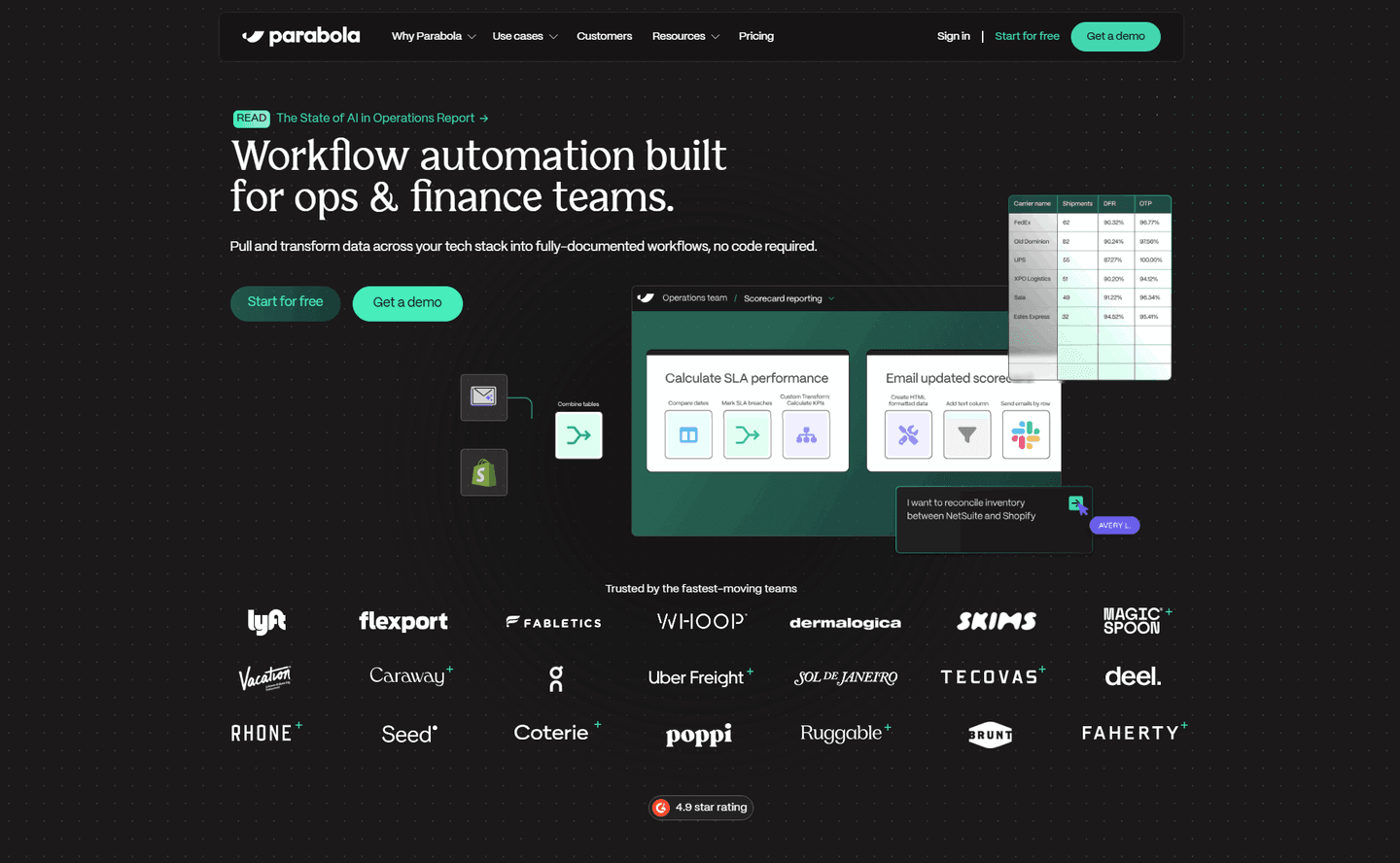
Just under half of the scored hero sections in our library name their audience clearly in the first lines. Across the scored examples below, the heroes that perform name the buyer and the value with precision. Optise opens with a direct callout, "You are a B2B marketer, not a full-time website expert," which validates the pain and filters for the ideal buyer in one line. Close states "Built for small businesses" to claim the audience that enterprise CRMs ignore, while ComboCurve pairs a hard differentiation claim, "the only reserves analysis platform," with an exact audience, petroleum engineers at oil and gas companies. Parabola nails it in the headline itself, workflow automation built for ops and finance teams, and Unriddle filters instantly with a call-out to researchers, students, and scientists. The common thread is plain language over cleverness: the visitor never has to decode what the product is or whether it is meant for them.
Clarity about the audience rarely converts alone. The strongest heroes pair it with social proof above the fold so the claim is backed before the scroll.
73/100 0/100
0/100The usual failure is a hero that tries to speak to everyone and therefore names no one. A headline broad enough to fit any buyer leaves the right buyer unsure it was written for them. The second failure is choosing cleverness over clarity: a witty line that wins a smile but leaves the visitor unsure what the product even is, in the exact spot where attention is most fragile. The third is burying the category, where the hero promises an outcome but never says what the tool actually is, forcing the visitor to scroll to find out. Name the audience, state the category, and lead with the outcome the buyer already wants.

Curated by
Gabriel Amzallag , Founder, Web Anatomy
5 years CRO + SEO at Qonto (2021–2025). After advising 15+ SaaS on their websites (Payfit, Pigment…), the same patterns kept breaking, so I decided to build the source of truth on what works on the web: the intelligence layer every tool, builder, and team uses to ship sites that perform.
Paste your URL. Get a scored analysis of your hero section, including whether the right visitor can tell in one line that the product is for them. Free, no signup.
The common questions about naming your buyer in the hero, with answers drawn from 139 scored examples.
It means a hero section makes three things obvious in the first lines a visitor reads: who the product is for, what category it is in, and what outcome it delivers. A clear hero lets the right buyer recognize themselves in seconds, instead of decoding a clever headline or scrolling to figure out what the product even does.
A visitor spends the first second deciding whether a page is for them. A hero that names the buyer directly, for example 'for ops and finance teams' or 'for petroleum engineers', tells the right person they are in the right place and quietly filters out the rest. That self-identification raises intent for the visitors who stay, because they arrive at the call to action already convinced the product was built for their situation.
Usually in one of four ways: a direct audience callout in the headline or subhead, an explicit product category so there is no guessing what the tool is, a concrete outcome the buyer recognizes as their own goal, or a differentiation claim that stakes an exclusive position. The sharpest heroes combine two, naming the audience and the category in the same breath.
Rarely, in a hero. Cleverness costs the visitor a beat of decoding, and the hero is where attention is most fragile. A headline that names the audience and the payoff in plain language out-converts a witty line that leaves the visitor unsure what the product is or whether it is for them. Save the wordplay for sections deeper down the page.
No. A hero that tries to fit every possible buyer ends up specific to none, and the right buyer never feels addressed. The clearest heroes pick the primary audience and name it, even if that means a narrower headline. A page that loses the wrong visitor but converts the right one beats a page that holds everyone's mild attention and converts no one.