About|
Real photos of the team, the founders, or the office turn an about section into visible proof that real people stand behind the product.
Key takeaways
Showing 1–18 of 18 examples











Every about section is scored across 4 conversion best practices. Copy the best practice stack, not the design. See what converts and why.
Hand-picked from 650+ companies and analyzed by our AI conversion agent. Not a random dump of homepages. Every entry earns its spot.
Found an about section you admire? Run yours through the same scoring engine. See where you stand on the same best practices, and what to fix first.
A real-photo about section is the decision to show the people behind the product with genuine pictures, instead of the stock imagery and illustrations that most about pages fall back on. The company still says "trust us." The photo adds "and here is who we are." When a visitor can see the actual team, the section stops describing a faceless vendor and starts introducing a group of real people who can be held to their word.
The best about sections use one of four forms, sometimes more than one together:
Most visitors can spot a stock photo instantly, and the moment they do, it works against the page: if the team were worth showing, the thinking goes, the company would have shown it. A real photo removes that doubt. It puts faces to a promise and makes the business feel like something a person is accountable for, which is exactly the reassurance a buyer is looking for near the end of the page.
The specificity is what carries the weight. A candid shot of the actual team, a founder's real signature, a name and a role under each face: these are all things a skeptical visitor could in principle verify, and that verifiability is what a generic office scene can never offer.
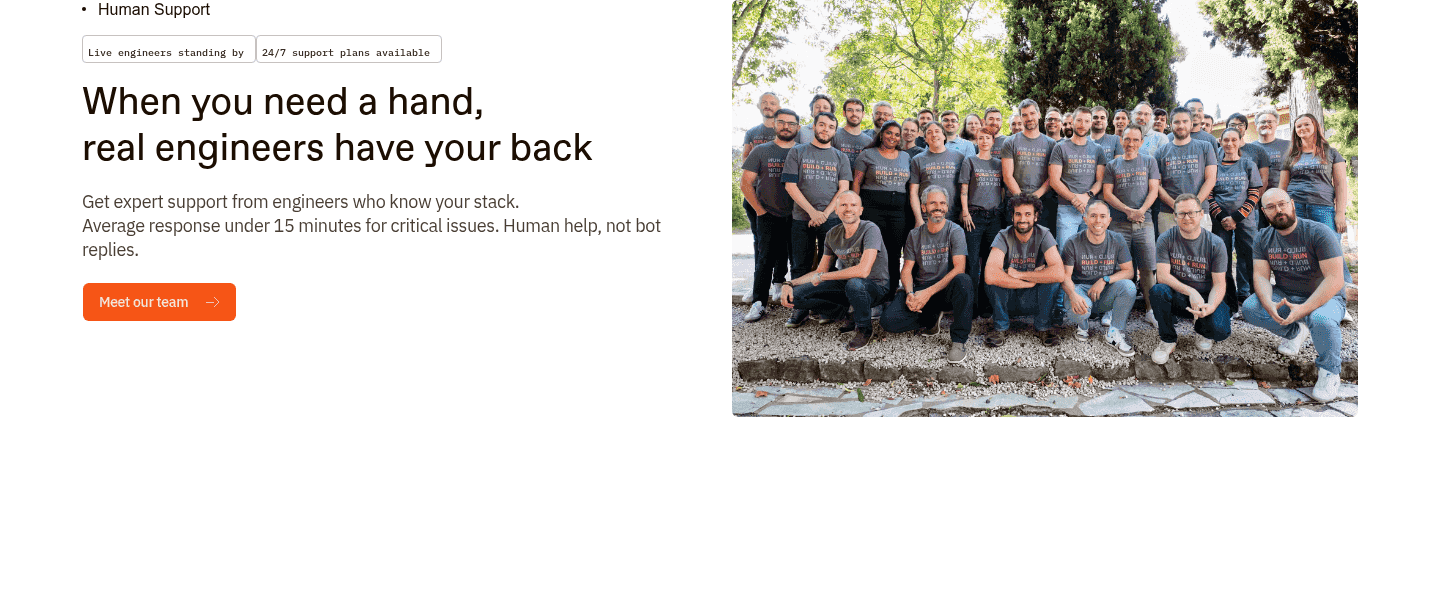
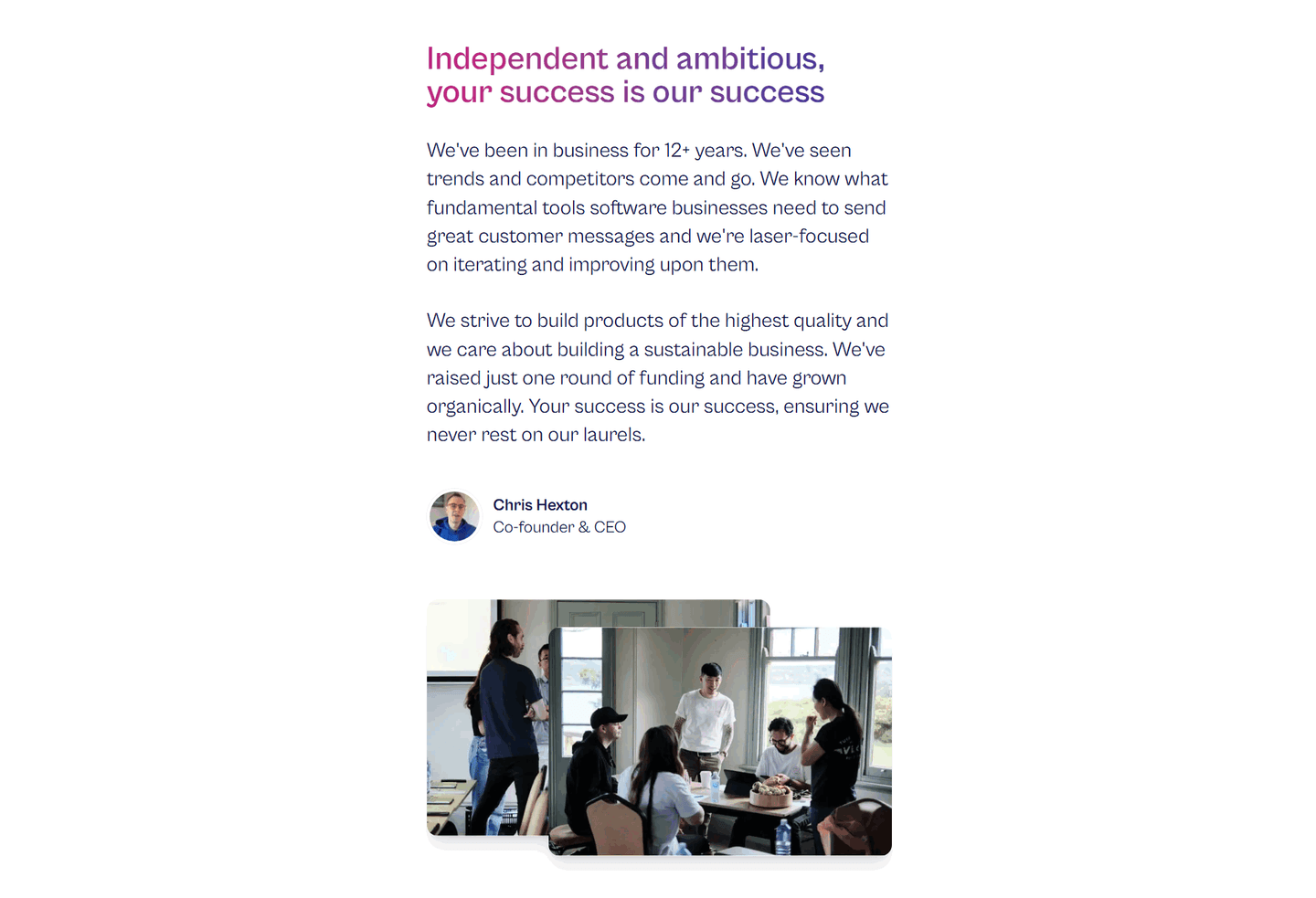
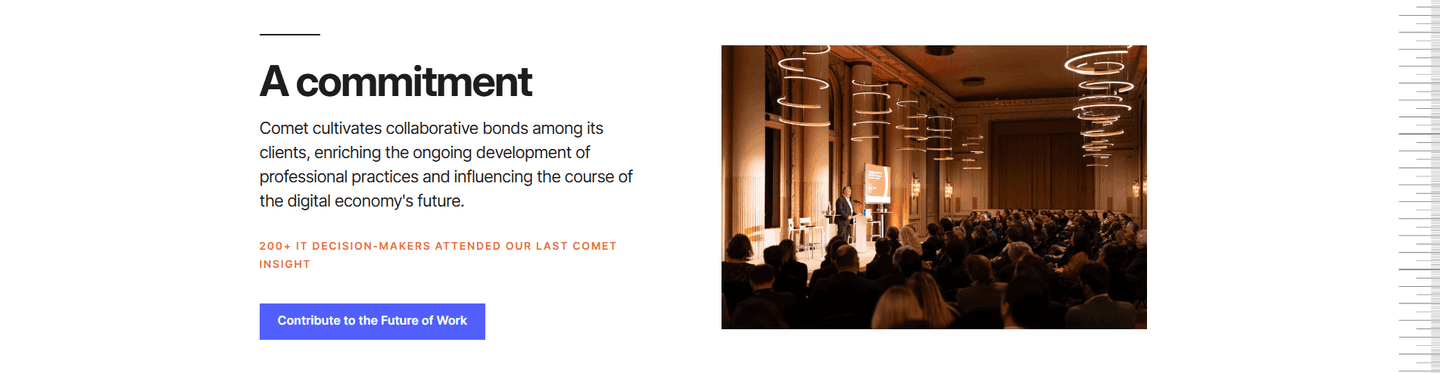
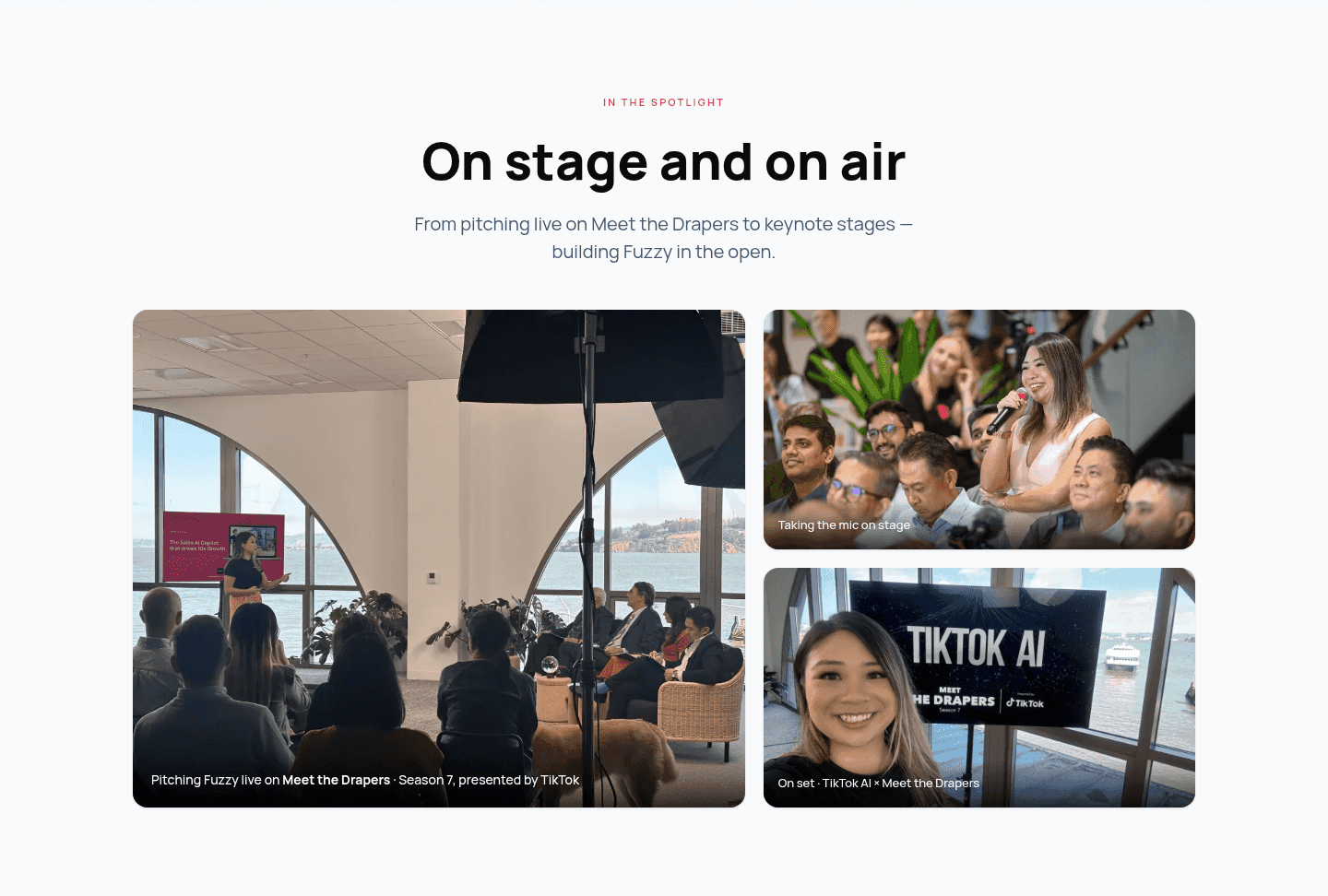
About three-quarters of the about sections in our library use real photos rather than stock or illustration. Across the examples below, the pattern that works is honesty paired with specifics. Scalingo shows its actual engineering team beside a human-support claim, so the promise of real help has a face behind it. Alan and Vero sign a founder note next to a real headshot, which turns a mission statement into a personal, accountable message. Brighterway names every team member with a role, from the co-founders to a medical director, so the company reads as people with real domain depth. Comet uses a photo from a packed company event, and Anterior puts a team member on camera, both of which are things a stock library simply cannot supply. The common move is to make the image checkable: a real person, in a real place, tied to a specific claim.
The usual failure is a photo that is technically a photo but effectively stock: a smiling group of strangers in a generic bright office, or an illustration standing in for a team that exists but is never shown. It reassures no one, because a visitor knows it could belong to any company. The second failure is showing faces with no context, a wall of headshots with no names, roles, or story, so the section proves a team exists but says nothing about who they are or why they can be trusted. Show the actual people, name them, and tie the image to a real claim.

Curated by
Gabriel Amzallag , Founder, Web Anatomy
5 years CRO + SEO at Qonto (2021–2025). After advising 15+ SaaS on their websites (Payfit, Pigment…), the same patterns kept breaking, so I decided to build the source of truth on what works on the web: the intelligence layer every tool, builder, and team uses to ship sites that perform.
Paste your URL. Get a scored analysis of your about section, including whether real photos make your team credible. Free, no signup.
The common questions about using real team and founder photos in the about section, with answers drawn from 18 examples.
It means the about section shows genuine pictures of the people behind the company: the team at their desks, a candid office or event shot, or a founder's headshot next to a signed note. The point is that a visitor sees who actually builds and supports the product, instead of a stock photo of models in a bright office who work nowhere in particular.
A stock photo tells a visitor nothing they can verify, and most people recognize one on sight, so it quietly signals that there was nothing real worth showing. A real photo does the opposite. It puts faces to the promise and makes the company feel accountable. When Scalingo shows its actual engineering team beside a human-support claim, or Alan signs a founder letter with a photo of the co-founder, the message reads as a fact about real people rather than a marketing line.
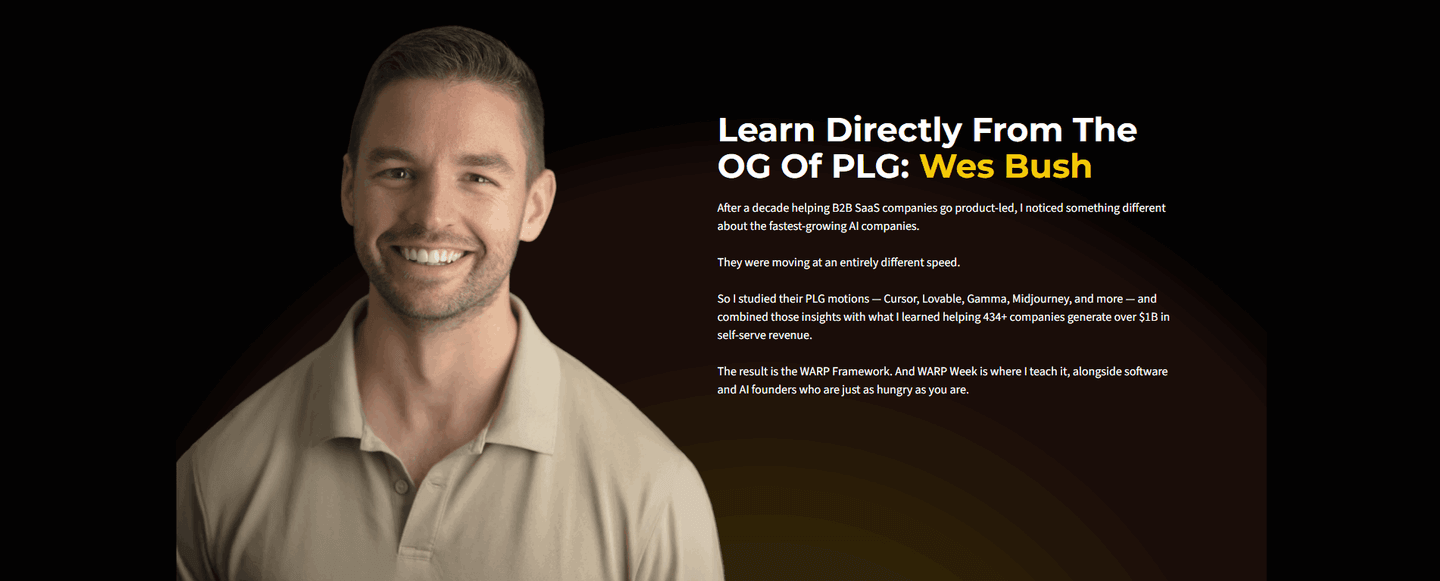
Four forms show up again and again: a candid group shot of the whole team, as with Ahrefs and Scout; a founder headshot paired with a signed personal note, as with Vero and ProductLed; a full headshot grid with names and roles, as with Brighterway; and a photo from a real event or a short on-camera video, as with Comet and Anterior. The common thread is that the image is checkable and specific, not a generic scene that could belong to any company.
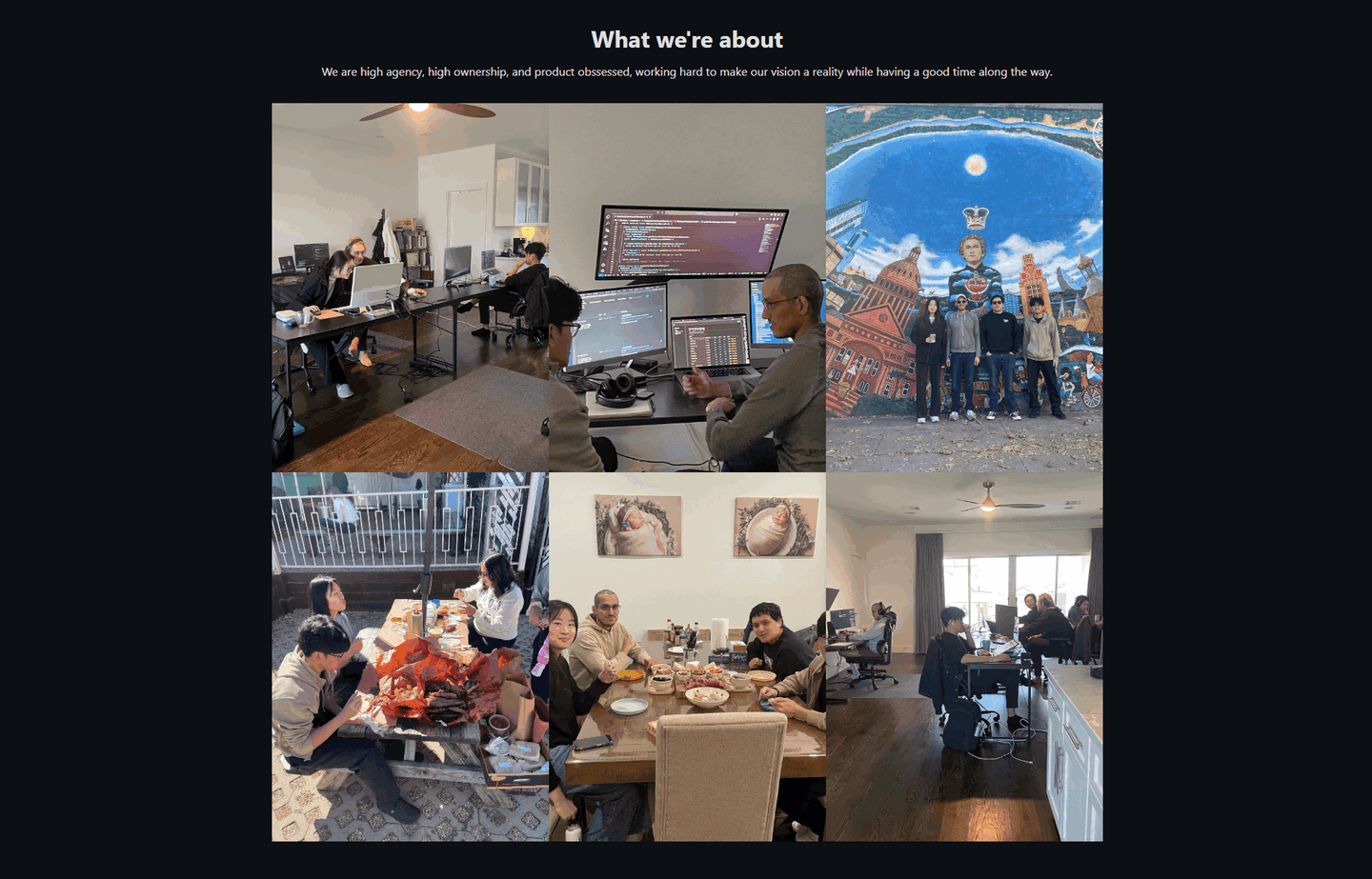
No. Candid, slightly imperfect photos often read as more honest than a polished studio set. Ahrefs uses casual, selfie-style shots of the team, and Scout uses a collage of everyday moments at desks and around a table. What matters is that the people and the place are real. A phone photo of the actual team beats a flawless image of strangers.
Usually below the value proposition and the product, once a visitor is deciding whether to trust the company rather than just understand the product. Placed there, real photos answer the quiet question every buyer has near the end: who is actually behind this, and can I rely on them. Pairing the photo with names, roles, or a specific claim makes that answer land harder.